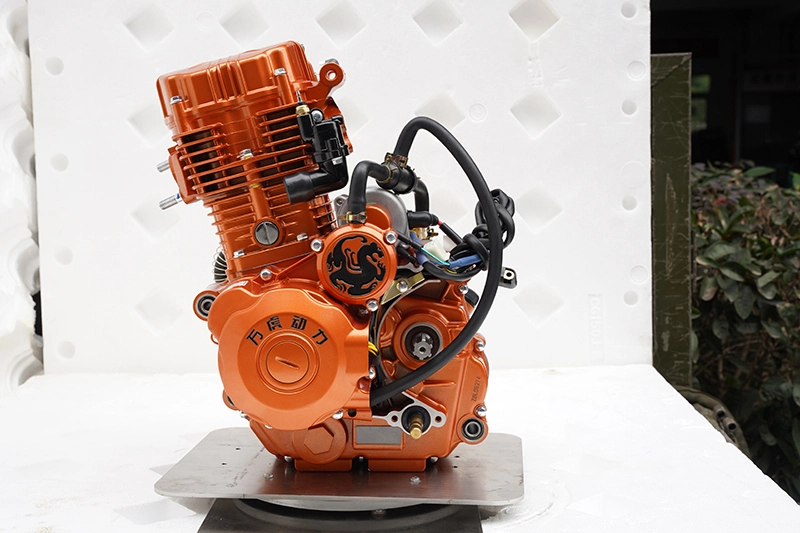
A six-speed three-wheeler does not gain engine power from the extra gear. The gearbox changes the relationship between engine speed and wheel speed. Whether five or six ratios suit your cargo route depends on their spacing, the final drive, tyre size, engine characteristics and loaded vehicle mass.
Compare the complete drivetrain before paying for an extra ratio. A useful quotation should identify the engine and gearbox, list the ratios, and explain how the configuration was assessed for the intended route.
What Changes in a Six-Speed Three-Wheeler
At a given engine speed, a greater overall reduction produces lower wheel speed and greater ideal wheel torque. Actual torque at the wheel also depends on drivetrain losses. Road performance requires the engine's available output as well as the reduction ratio.
“Low gear” can cause confusion: it usually means a numerically larger reduction, not a smaller numerical ratio. Ask the supplier to state its ratio convention and include every reduction stage.
An additional gear can fill a gap between two ratios, extend the overall range, or serve another design purpose. Six ratios are not automatically more closely spaced than five. Read the actual numbers.
Compare the Ratio Sheet Before the Gear Count
| Required information | What it tells the buyer |
|---|---|
| Engine and gearbox codes | Which configuration the numbers describe |
| Every forward ratio and the ratio convention | Overall range and spacing between steps |
| Primary reduction and final-drive ratio | Other stages needed for the complete reduction |
| Tyre specification or rolling circumference | How wheel speed relates to road speed |
| Torque and power curves | Available engine output across the operating range |
| Vehicle mass and test load | Whether the calculation matches the intended duty |
A peak-torque value is one point on a curve. It cannot show the available torque immediately after every upshift. Likewise, a stated number of gears does not reveal where the useful road speeds fall.
If the supplier offers different final drives, request separate configuration codes and ratio sheets. Any change also needs confirmation of fit, warranty and applicable approval requirements.
What to Look for on a Loaded Route
On a climb, an upshift may drop engine speed outside a useful operating range. An intermediate ratio can help if it places the engine at a suitable speed for the required load. Whether it does so must be calculated or tested for the actual configuration.
Record where the driver shifts, whether speed falls between shifts and whether a usable ratio can be held. Include gradient, surface, payload, tyre setup, weather and the measurement method in the test record. A result without those conditions is difficult to apply to another route.
For flat delivery routes, the decision may depend more on starting, stopping and the road speeds actually used. For longer runs, compare top-gear engine speed. Neither scenario establishes a universal advantage for five or six speeds.
How to Assess Fuel and Climbing Claims
A fuel-saving percentage needs a defined baseline. To attribute a difference to gearing, compare configurations under controlled conditions, including vehicle, load, route, speed, tyres and driver inputs. Record changes to the engine or final drive as well.
The same principle applies to climbing claims. “Climbs better” does not identify the slope, load, speed or duration. A documented test can support a specific operating claim; it does not establish performance at every load and altitude.
If a supplier cannot provide those records, use the ratio sheet to identify what still needs testing. Do not replace missing evidence with a general assumption that an extra gear must save fuel or reduce heat.
Check Engine-Series and Vehicle Specifications Separately
An engine-series page can list a gearbox option without establishing which complete vehicle uses it. The purchase specification must connect the engine code, gearbox version and final drive to the vehicle model.
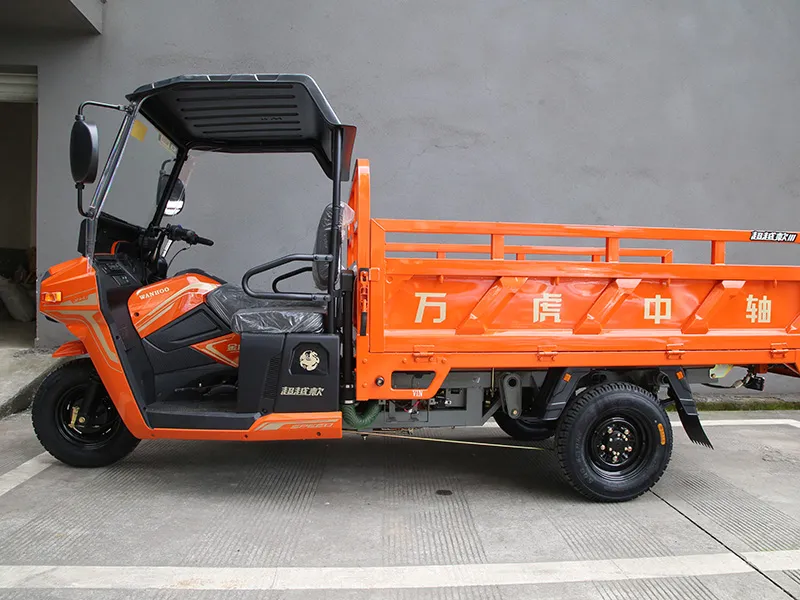
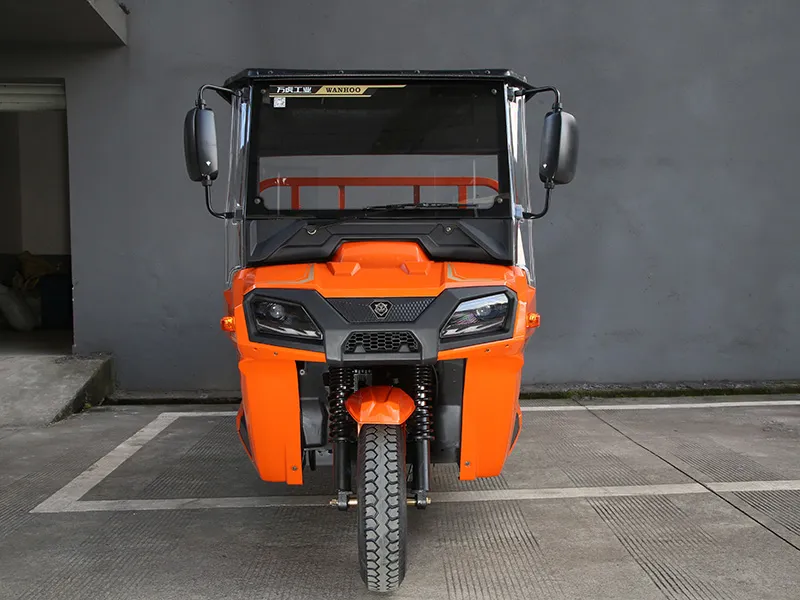
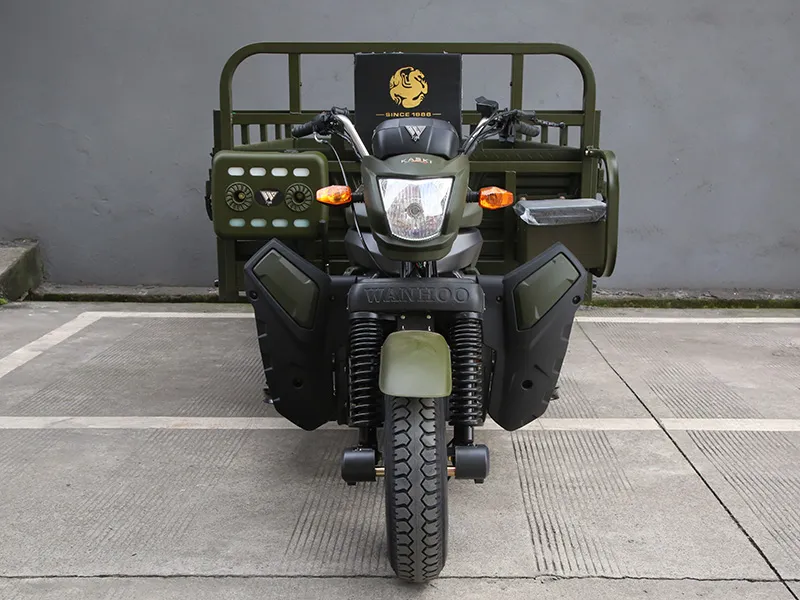
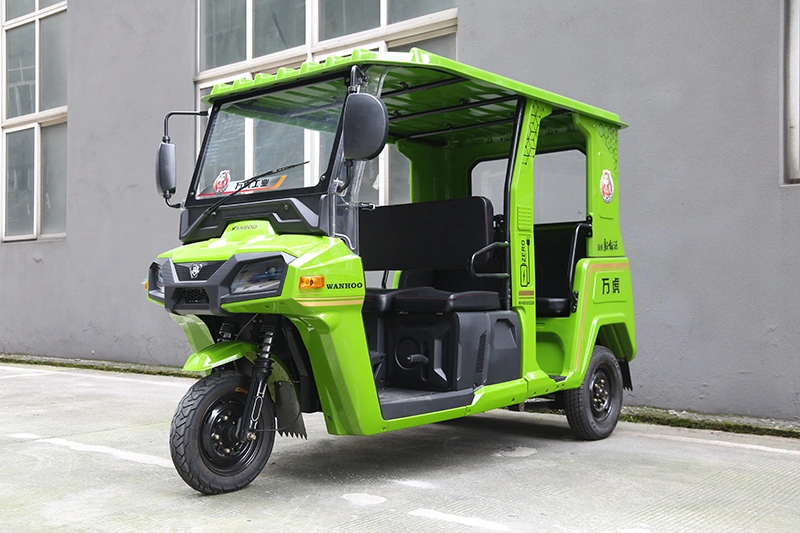
For a Wanhoo order, request that mapping for the quoted configuration. Do not transfer a six-speed description from an engine-family page to KINGTIGER or another vehicle solely because both pages mention a similar displacement.
The engine series page is a starting point for an engine enquiry. The signed configuration sheet should supply the installed codes and ratios used for comparison.
Include the Repair Plan
Ask which gears, shafts, selector components, bearings and seals can be ordered separately. Confirm the workshop procedure and tools before assuming either gearbox will be easier to repair.
The relevant comparison is the exact design and support package. An additional ratio alone does not determine repair time, parts availability or durability.
Conclusion
Choose a six-speed three-wheeler when its documented ratio set and route evidence justify it. A suitable five-speed configuration may meet the same job. Put the engine, gearbox, reduction ratios, tyres and load assumptions in the order so the delivered vehicle can be checked against the decision.
Frequently Asked Questions
Does a six-speed gearbox increase engine power?
No. It changes how engine speed and torque are translated through the drivetrain. Engine output depends on the engine itself.
Will six speeds always reduce fuel consumption?
No. A saving claim needs a controlled comparison with the load, route, speed and configuration disclosed.
Is sixth gear always an overdrive?
The number of gears does not establish the top ratio. Check the numerical ratio and the supplier's definition of input and output.
Does a six-speed engine listing prove KINGTIGER has six speeds?
No. The engine option must be mapped to the exact vehicle and gearbox version in the current order specification.