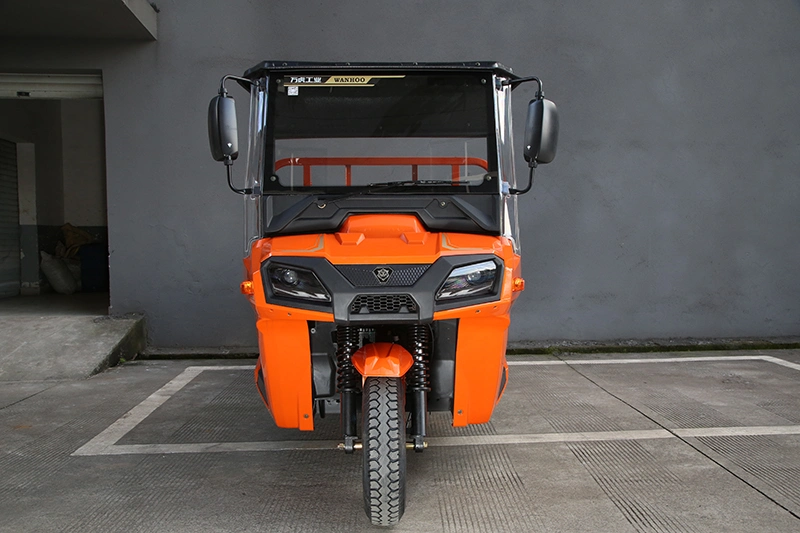
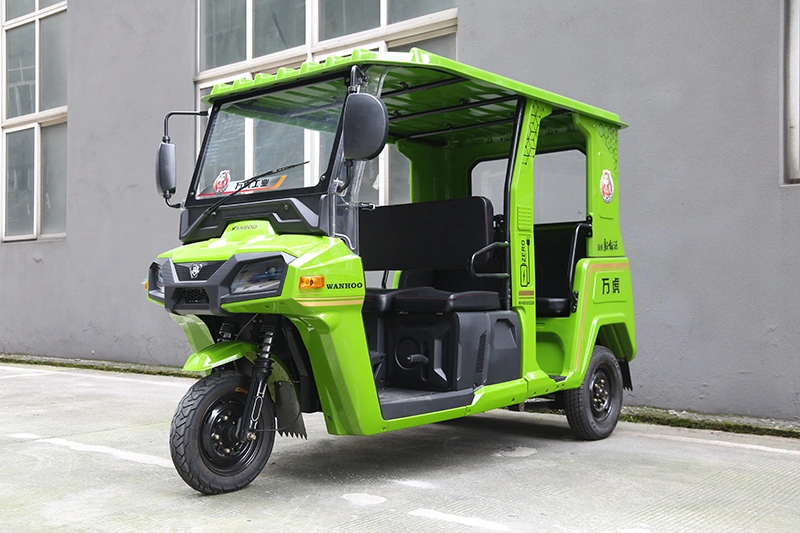
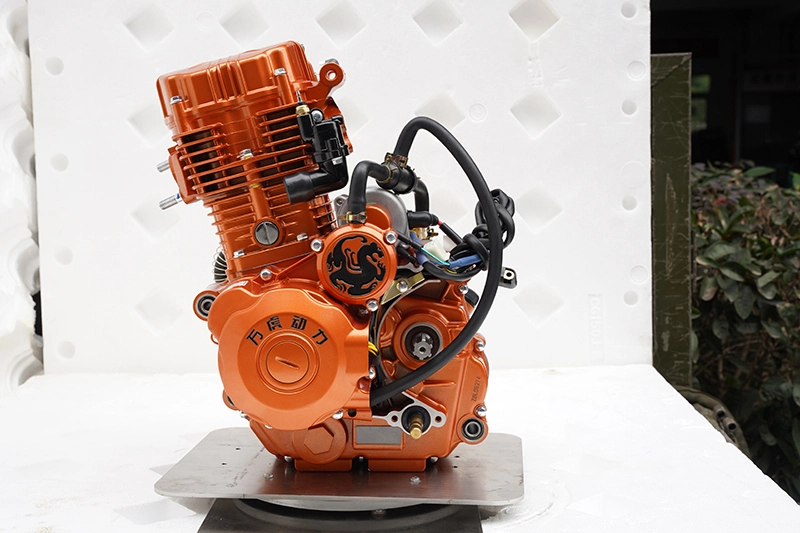
A three-wheeler rear axle carries load and transmits drive. Assess its housing, shafts, bearings, hubs, seals and differential as one assembly. A photograph can show the vehicle around it; a drawing and service manual establish what is inside.
For an importer, the useful questions are practical: which assembly is fitted, what load it is rated for, how faults are diagnosed, and which parts a local workshop can replace. This guide explains the principles and the records needed to answer those questions for a quoted vehicle.
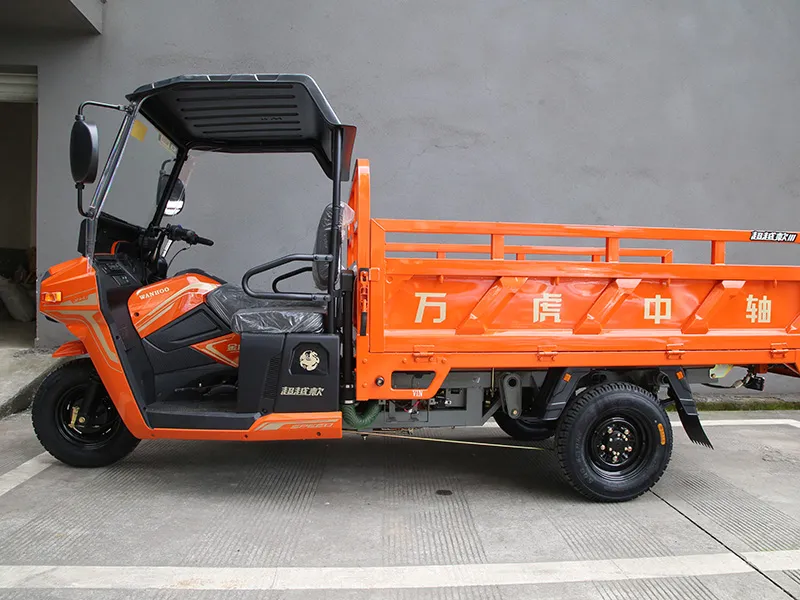
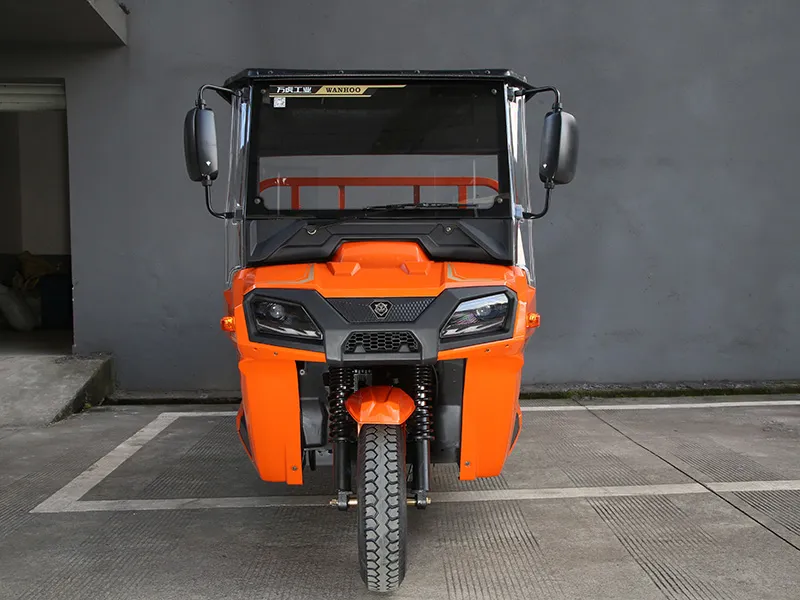
The photograph provides vehicle context. It does not reveal the internal axle or bearing arrangement.
What a Three-Wheeler Rear Axle Contains
A driven rear axle may include a final reduction, differential, half-shafts, hubs, bearings, seals and brake mounts. The arrangement varies with the vehicle. The parts drawing should identify how drive reaches the wheels and how the wheel loads pass through the hubs into the housing.
A differential allows the driven wheels to rotate at different speeds through a turn. The outer wheel follows a longer path than the inner wheel. Toyota's differential explanation describes this function. A locked drive constrains that speed difference, which changes the vehicle's turning and traction behaviour.
Do not confuse a rigid axle housing with a locked differential: a rigid housing can contain a differential. Ask for the actual drive arrangement rather than relying on the word “solid.”
How Load Reaches the Wheels
On a leaf-sprung cargo vehicle, cargo loads pass through the bed and frame to the suspension and axle, then through the wheel assemblies to the tyres and ground. Cargo position changes the distribution of those loads. A large bed does not establish how much mass the vehicle may carry.
The vehicle's documented load limits, tyre ratings and loading instructions remain the basis for operation. Housing dimensions, bearing ratings or a full-floating label cannot independently raise the permitted payload. The payload-rating guide explains why marketing load figures and declared vehicle ratings need separate checks.
Road duty matters too. Meritor's axle application guidance considers operating conditions such as gradients, starts and surface conditions alongside loads. It is a commercial-axle reference, not a Wanhoo test report; an application decision still requires evidence for the quoted assembly.
Rear-Axle Faults Do Not Follow One Order
There is no universal component that fails first. Bearings, seals, splines, gears, mounts and the housing can develop faults under different conditions. SKF's bearing-damage guidance describes several damage mechanisms, so a single symptom should not be treated as a diagnosis.
| Observation | Possible areas to investigate | Required next step |
|---|---|---|
| Noise or vibration | Bearings, gearing, tyres, brakes or mounting | Diagnosis against the service procedure |
| Oil around a seal or joint | Seal, mating surface, lubricant level or other assembly condition | Check the specified lubricant and leakage procedure |
| Wheel movement | Bearing adjustment, wear, fasteners or other joints | Qualified measurement against the model's limit |
| Cracks, impact marks or uneven tyre wear | Structure, alignment, loading history or earlier repairs | Qualified inspection before continued service |
These are investigation routes, not repair instructions. Bearing designations, fits, lubricant, adjustment and replacement limits must come from the applicable manual. A generic article cannot supply safe substitute values.
What a Buyer Can Inspect
A ground-level walk-around of a parked vehicle can reveal visible leaks, damaged mounts, impact marks or uneven tyre wear. It cannot establish internal condition, housing straightness or remaining bearing life.
Wheel-play measurement, lifting and under-vehicle inspection belong to a qualified technician using the model's lifting points and procedures. CCOHS warns against working under a vehicle supported only by a jack. Record an observation and request a diagnosis; do not dismantle or straighten an axle to assess it before purchase.
Build an Axle Parts and Service File
Ask the supplier to tie the following information to the vehicle model, axle assembly code and specification revision:
- Assembly drawing and illustrated parts list, including the differential arrangement.
- Bearing and seal designations, plus the specified lubricant and service limits.
- Housing material, dimensions and relevant load or endurance test conditions.
- Repair procedure, required tools and rules for replacing or repairing structural parts.
- Replacement-part availability, lead times and the agreed support period.
Confirm whether the axle is supplied by another manufacturer and who is responsible for its technical documents. Buying an assembly from a specialist does not by itself establish good or poor quality; traceability and support are the useful checks.
For a Wanhoo quotation, request the same model-specific file. An exterior product image or a general rear-axle description does not establish the installed bearings, internal design or tested capacity.
Conclusion
Choose a three-wheeler rear axle as part of the complete vehicle and its intended duty. Match the assembly code to the drawing, load basis, service limits and parts commitment before using the specification to compare suppliers.
Frequently Asked Questions
Does every cargo three-wheeler use the same rear axle?
No. Drive arrangement, reduction stages, hubs, bearings and service procedures vary. Check the exact assembly code and parts drawing.
Is a rigid rear axle the same as a locked axle?
No. A rigid housing can contain a differential. “Locked” describes the drive relationship between the wheels, not simply the shape of the housing.
Can noise identify a failed bearing?
Noise alone cannot establish the cause. Bearings, gears, tyres and brakes can produce overlapping symptoms; use the model's diagnostic procedure.
Can a stronger-looking axle increase the payload?
Appearance does not change the vehicle's permitted load. Use the documented vehicle and tyre limits and the applicable approval basis.