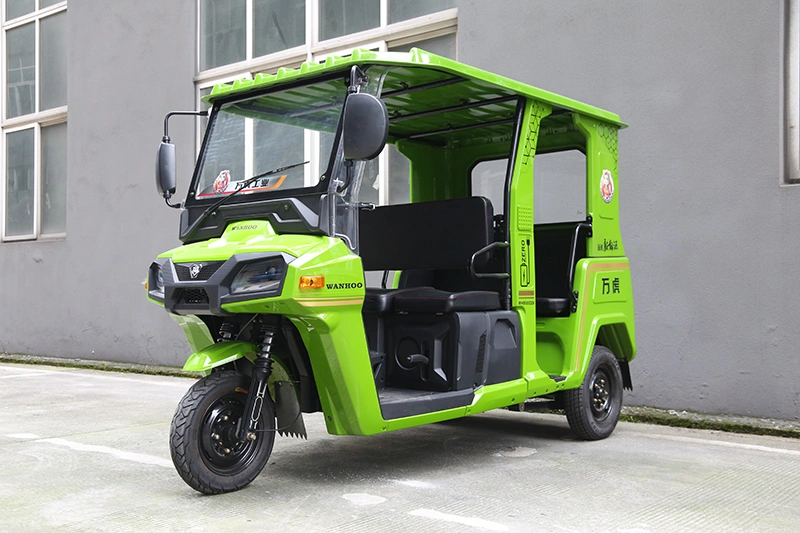
Three-wheeler theft prevention uses locally lawful layers: secure parking, manufacturer-compatible physical security, off-vehicle copies of identifying records, a tracker installed by a qualified professional where appropriate, and a rehearsed reporting plan.
You come out at half past five and the space is empty. Not moved along by a traffic officer, not borrowed by a cousin, just empty, with the chain you looped through the wheel lying in the dirt and a tyre mark curving out toward the road. The load you were supposed to collect at six is still sitting at the depot. Everything you were going to earn this month was parked in that space.
The point of what follows is to make that morning less likely and, if it happens anyway, less final. Most of it is habit, paperwork, and knowing which hours of the day actually carry the risk.
Why Anyone Bothers Stealing a Three-Wheeler
A three-wheeler is a small vehicle carrying a large share of a household's earning power. At this end of the transport trade the vehicle and the business are the same object: it moves the goods, it carries the passengers, and it is the thing that connects the operator to a market at all. For an owner-operator, the machine is not a possession sitting in a driveway. It is the connection itself. Take it away and the income stops the same day.
Thieves understand the asset differently, and that difference explains the defences.
A local theft assessment should distinguish whole-vehicle theft, parts theft, unauthorised use, fraud and robbery because the controls and reporting response differ. Police, insurer and fleet incident records are better evidence of local methods than a universal theft profile.
Record-keeping may help identify a recovered whole vehicle. Parts identification is more difficult once components are separated. Moving a vehicle without starting it is also why ignition security alone may not be enough. Do not assume a model includes an ignition lock, steering lock or any particular anti-theft feature as standard. Check the exact vehicle's manual and specification, learn the manufacturer's approved use of fitted security features, and choose any additional lock for the vehicle and local risk with advice from a qualified supplier.
Where and When It Actually Happens
Risk is not evenly distributed across a working day, and treating it as if it were leads people to spend money in the wrong place.
Theft patterns vary by location. Review local police or insurer data where available and record the fleet's own incidents by time, place and method before ranking overnight parking, loading stops or other exposures.
Overnight parking and brief loading stops are both worth reviewing, but which is more important depends on local incident evidence. Keep the key under the authorised driver's control whenever the vehicle is unattended and follow the manual for securing the exact model.
Two other patterns bypass locks entirely. The staged breakdown puts a helpful stranger next to your vehicle while you are underneath it or fetching water. The fake hire job does the same at a larger scale: a customer books a trip to a quiet location, or asks the driver to wait somewhere unlit while goods are supposedly fetched. Neither involves breaking in. The vehicle is separated from its owner by ordinary-looking conversation, so the defence is procedural: take the key when you step away, tell someone where a job is taking you, and treat a pickup that keeps changing location as a reason to decline. Both patterns can also leave you standing beside the vehicle when it goes, and that changes the rule completely. A vehicle taken while you are there is a robbery, not a theft: hand over the key, do not resist, do not chase it, do not argue over the machine. Get clear, get to other people, and start the first-hour sequence below from a safe distance. Nothing bolted to that frame is worth what you would be risking.
A third risk category involves key custody when several authorised people use a vehicle. Keep an up-to-date key register, recover keys when access ends and follow the manufacturer, insurer and local law if a key is missing. Use local incident records to compare this exposure with forced theft; this article does not rank one method as more common.
The Layers That Actually Hold
The mental model matters more than any single product.
No security layer makes a vehicle theft-proof. The useful combination depends on the exact model, parking site and local theft methods, and each device should be compatible with the vehicle, safely used and permitted locally.
The table below sets out the layers of three-wheeler theft prevention that operators actually use, with an honest account of what each one does and where each one fails. Costs are described in relative terms because prices vary enormously between markets, and any figure quoted here would be misleading somewhere.
| Measure | What it actually stops | Relative cost | Its weakness |
|---|---|---|---|
| Secured overnight compound or gated yard | May reduce unattended-site exposure | Recurring monthly fee | Effectiveness depends on lawful access control, staffing and incident response |
| Model-compatible wheel or disc device | May delay moving the vehicle | One-off, low to moderate | Compatibility, safe use and resistance vary by product |
| Model-compatible anchor device | May delay driving or pushing the vehicle away | One-off, low to moderate | Effectiveness depends on the approved device, anchor and correct use |
| Ignition security, if fitted | May resist unauthorised starting | Confirm on the exact model | Does not by itself prevent towing or loading; use only as described in the manual |
| Steering security, if fitted | May restrict steering movement | Confirm on the exact model | Capability varies; do not assume it is present or sufficient |
| Professionally installed tracker, where lawful | May provide location information after an incident | Unit, qualified installation and service fee | Coverage, power, account security, data protection and provider response all vary |
| Recorded engine and chassis numbers | Nothing; it makes the vehicle provable and reportable | Free | Worthless if the only copy was inside the stolen vehicle |
| Marked and photographed components | Nothing directly; it makes stripped parts identifiable if anyone checks | Free to very low | Only works if buyers in your area actually check |
| Parking beside other operators you know | Isolated, unobserved approaches | Free | Requires a real relationship, not just proximity |
Read the table as a local risk checklist rather than a universal ranking. Several compatible layers may reduce different exposures, but none makes a vehicle theft-proof and their effectiveness must be checked against local incident evidence. Theft is the offender's responsibility; the purpose of the checklist is to improve prevention and reporting without blaming the victim.
Paperwork Is a Defence, Not Admin
This is the part that only pays off after something has already gone wrong, which is why it never feels urgent in advance.
Official chassis, vehicle-identification and engine numbers, where applicable, help identify a vehicle. Copy them exactly from the registration documents and manufacturer-applied markings, photograph them without altering them, and store the records securely away from the vehicle in accordance with local privacy and data-protection rules.
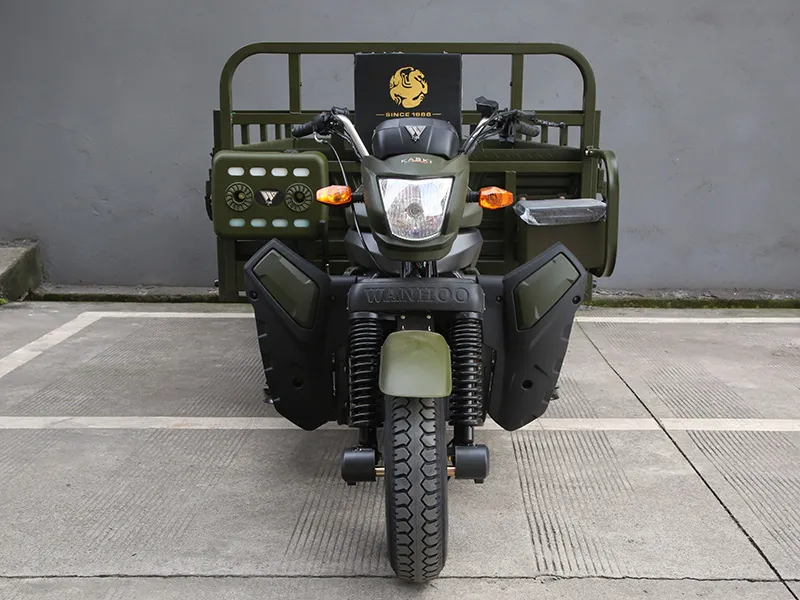
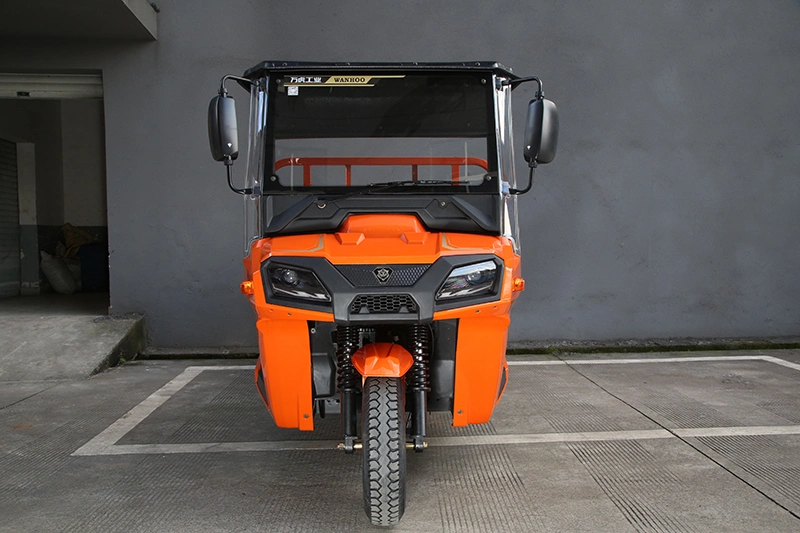
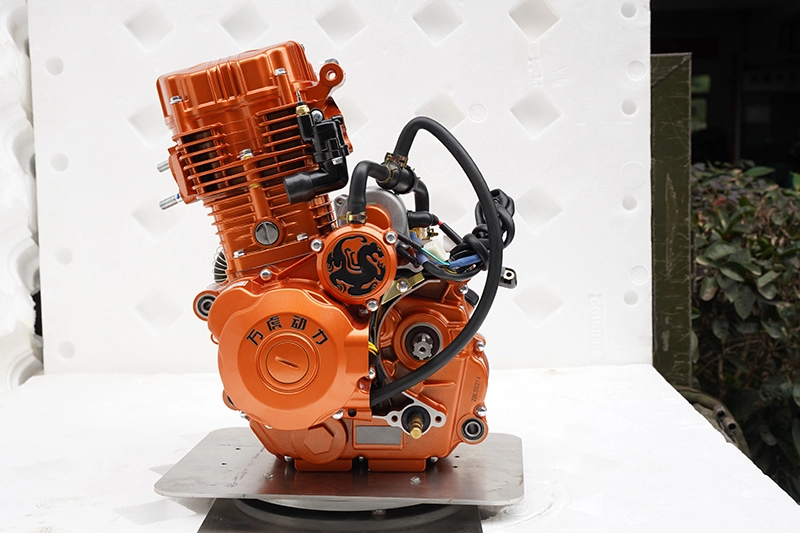
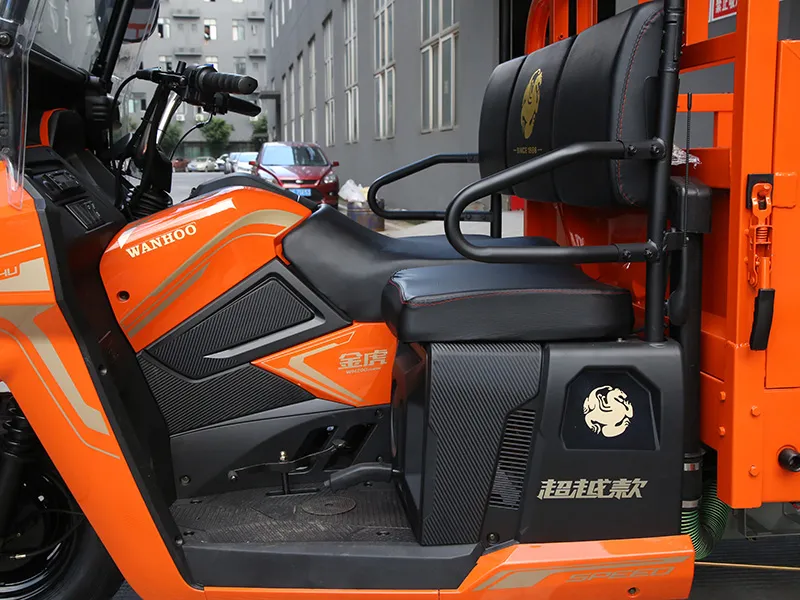
Wanhoo was founded in 1986 and manufactures three-wheelers in Chongqing. It has exported to more than 50 countries. None of that replaces the official identity records for a specific vehicle or the reporting requirements in the country where it operates.
Create the record set at delivery and review it after any registration or identifying change. Include only the official documents and manufacturer-applied identifiers required for local reporting, plus useful vehicle photographs. Store the copies in an access-controlled, encrypted off-vehicle system approved for the applicable privacy rules; ordinary email is not automatically an appropriate archive.
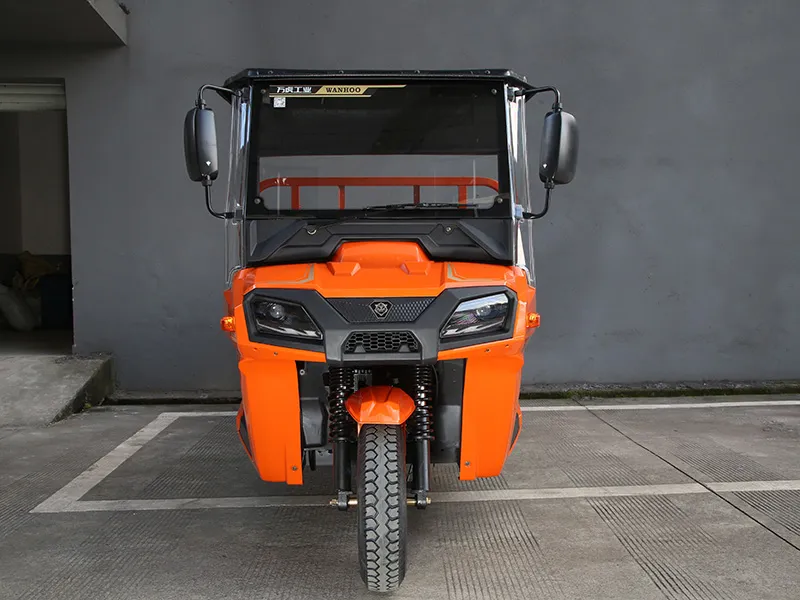
Do not punch, engrave, deepen or add identifying marks to the frame, engine casing or manufacturer-applied numbers yourself. Such work can damage components, affect warranty or finance terms, or breach vehicle-identification laws. If a police, insurer or registration authority offers an approved parts-marking programme, obtain the manufacturer's written approval and have the work performed and documented by an authorised or otherwise qualified provider.
Trackers: Useful, and Not What People Think
A GPS or mobile tracker may assist location reporting; it does not prevent theft and its performance depends on the device, installation, power, signal, subscription and provider. Use one only where tracking is lawful and compatible with the vehicle, finance agreement and insurance terms.
Have the vehicle manufacturer or dealer approve the installation and use a qualified installer who follows the vehicle wiring documentation and applicable electrical standards. The owner or fleet should document authorised access, retention and sharing of location data, give any notices or obtain any consent required by local privacy and employment law, secure the account, and test the service on an agreed schedule. Do not use improvised wiring or publish installation details.
Prepare access before an incident. Store tracker credentials in a secure password manager or the organisation's approved emergency-access system rather than on paper in the vehicle. Keep the provider, police, insurer and financier contact process with the incident plan, limit location access to authorised people and test the plan without exposing live credentials.
The First Hour
After a suspected theft, prioritise personal safety and follow the local police, insurer, tracker-provider and financier reporting procedures promptly. Provide official identifying records and location data only through authorised channels.
Follow the current local reporting sequence. Ask the police, insurer, tracker provider and financier what reference, evidence and deadline each requires; do not assume the order, fee or response is the same in every jurisdiction.
Ask the responsible registration authority whether a stolen-vehicle flag or transfer hold exists and how it is requested. Use only the official procedure and keep the reference.
Use the tracker's authorised incident channel and give live location only to police or another channel permitted by local law and the service agreement. Do not travel to a reported location or organise an informal recovery; prioritise personal safety and follow police instructions.
The Insurance Question, Honestly
Insurance availability, price, licensing and coverage are local questions. Check with the insurance regulator and licensed brokers for the exact vehicle class, use and operator profile.
According to the International Labour Organization, more than six in ten workers worldwide earn their living in the informal economy. That global statistic does not establish an individual operator's documents, insurance eligibility or current cover. Obtain the insurer's actual underwriting checklist and the local compulsory-insurance rules.
The IFC reports a large aggregate financing gap for micro, small and medium enterprises. It does not predict whether a particular operator can replace a stolen vehicle, so model that exposure from the operator's finance agreement, savings, insurance and verified local options.
Where a policy is offered, read the insured vehicle and use, theft definition, security conditions, territorial limits, exclusions, excess, evidence, reporting deadline and settlement basis. Terms vary; obtain written clarification from the licensed insurer or broker instead of relying on a common-exclusions list.
Do not assume a driver association offers theft support or that a mutual fund may legally operate as insurance. If a local group claims to provide assistance, verify its legal status, written rules, membership eligibility, accounts, reserves, benefit cap, exclusions, claim evidence, approval process and actual payout history. Treat it as the product its regulator says it is, not as guaranteed replacement cover.
Hire-Purchase and Whose Tracker It Is
A hire-purchase vehicle may remain subject to the financier's title, insurance and device terms.
A hire-purchase agreement may include tracking or remote immobilisation. Before signing, obtain written details of each capability, lawful purpose, data controller, authorised users, notice and consent, retention, complaint process, safety controls and what happens after final payment.
Do not assume a financier's device is included, available to the driver or intended as a theft-recovery service. Remote immobilisation should be operated only by the authorised provider under the contract and local law, with safeguards against activation while the vehicle is moving or in an unsafe location. Never bypass, rewire or relocate the device yourself.
Follow the agreement's incident-notification procedure and deadline. Confirm in writing how theft, insurance and recovery affect payment obligations; do not assume the debt pauses or continues on a universal rule.
The Routine That Does Most of the Work
A practical routine includes key control whenever the vehicle is unattended, lawful parking selected from the local risk assessment, use of approved security features and secure off-vehicle records. Measure incidents and update the routine rather than claim one set of habits carries the same benefit everywhere.
None of that is impressive. Two of those three cost nothing; the gate costs money, which is why it is the thing to argue about with your route group rather than skip alone.
Where a secure compound is unavailable, assess better-lit and more-observed lawful parking, coordinate with trusted local operators, use only manufacturer-compatible security devices and keep identifying records away from the vehicle. If the exact model has a steering or other fitted lock, use it only as its manual directs; do not assume every vehicle has one. A group may also evaluate shared guarded parking after checking responsibility, access control and cost.
Frequently Asked Questions
**What is the single most effective three-wheeler theft prevention step?**
There is no universal single step. Use local police, insurer and fleet incident evidence to identify the main exposure, then combine lawful secure parking, key control, model-compatible physical security and off-vehicle records. A guarded or access-controlled overnight site is often worth evaluating, but its quality and local relevance must be checked.
Are GPS trackers worth fitting to a three-wheeler?
They may assist recovery but do not prevent theft. Obtain manufacturer or dealer approval, use a qualified installer who follows the vehicle documentation, and confirm power, coverage, subscription and provider response. Comply with local privacy, employment and tracking law; restrict location access, protect credentials and do not use improvised or concealed DIY wiring.
Should I record the engine and chassis numbers, and where should I keep them?
Record the official identifiers that apply in your jurisdiction. Copy them exactly from the registration documents and manufacturer-applied markings, photograph them without altering the vehicle, and store them securely away from the vehicle under applicable privacy and data-protection rules.
Is theft insurance available for three-wheelers in informal markets?
Verify it locally with the insurance regulator and licensed brokers for the exact vehicle class and use. Read coverage, security conditions, exclusions, evidence, reporting deadline and settlement basis. If an association claims to offer a fund, verify its legal status, accounts, benefit cap, claim rules and payout history; do not treat it as licensed or guaranteed insurance without confirmation.
What should I do in the first hour after a three-wheeler is stolen?
Move to safety and follow the local police reporting procedure promptly with the official vehicle identifiers. Then follow the insurer, tracker-provider and financier procedures in the required order. Share live location or personal data only with authorised channels, and never go to a tracker location yourself.
How does a hire-purchase financier's tracker affect me as the driver?
The contract should state whether tracking or immobilisation exists, its purpose, who controls and sees data, notice and consent, retention, complaint and safety procedures, and what happens after final payment. Do not bypass or rewire the device; raise disputes through the financier, regulator or other local remedy.