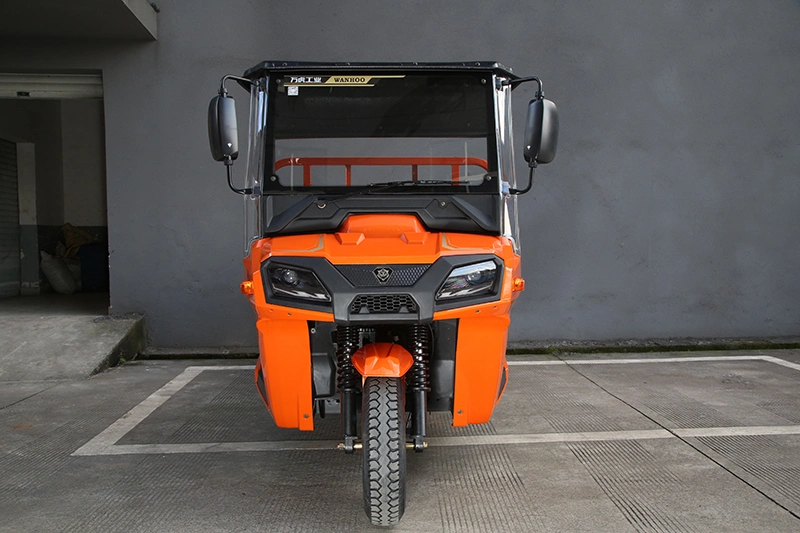
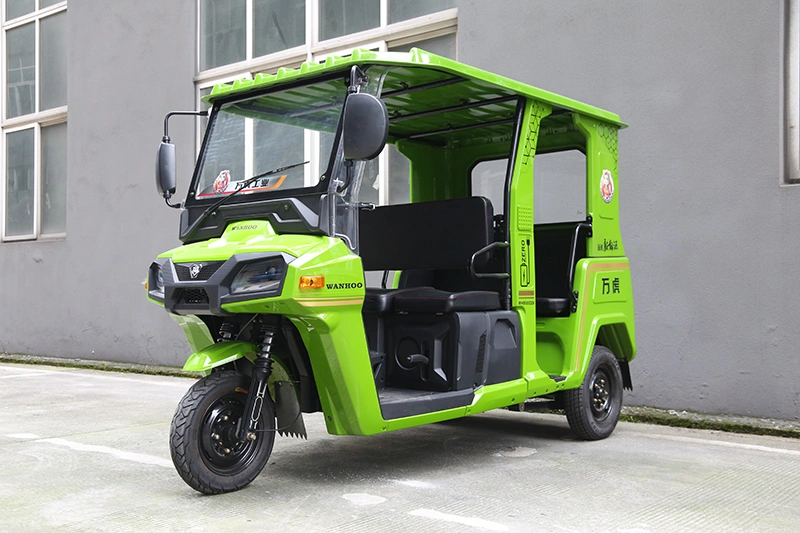
Three wheeler maintenance is a scheduled routine of engine oil, filter, brake, tire and battery checks that keeps a cargo tricycle running and earning instead of parked.
A stalled cargo tricycle is not a maintenance problem. It is a revenue problem. Every day a vehicle sits waiting for a part or a repair, an operator loses an estimated $50 to $200 in earnings, and over a season those idle days quietly add up to thousands of dollars. Good three wheeler maintenance is the cheapest insurance a fleet owner can buy.
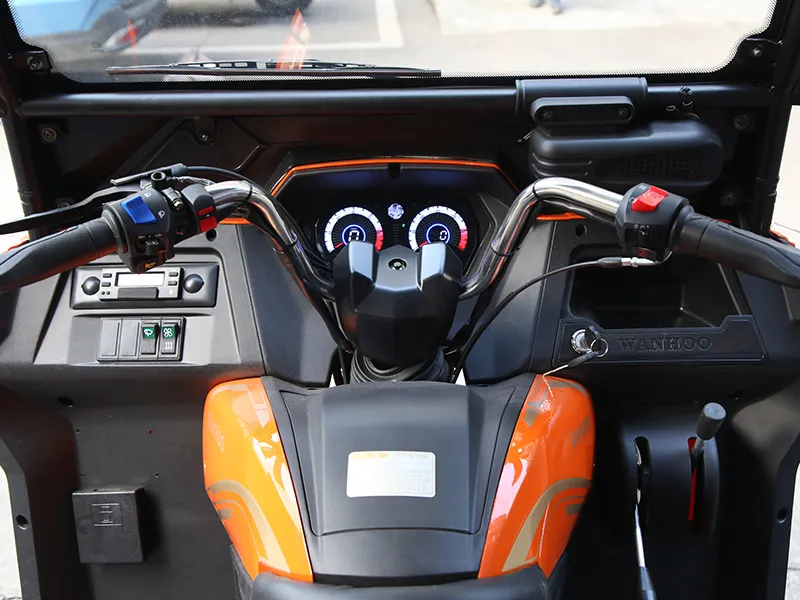
This guide walks owners and fleet operators through a practical service routine, the common failures that cause unplanned downtime, and the parts strategy that makes a tricycle easy to keep on the road. The goal is simple. Fewer surprises, longer vehicle life, and more paid trips per month from every machine you own.
Why does three wheeler maintenance decide whether your fleet earns or waits?
Downtime is the hidden tax on a delivery business. A cargo tricycle only makes money when its wheels are turning, so a vehicle stuck at the mechanic is a direct hit to daily revenue. The math is unforgiving across a season of missed trips.
Three wheeler maintenance protects earnings because an idle cargo tricycle costs its operator roughly $50 to $200 per day in lost revenue. Over a single month of unplanned downtime, that gap can reach $1,500 to $6,000 per vehicle, which usually dwarfs the price of the routine service that would have prevented the breakdown.
Preventive service also pays for itself in hard data from larger fleets. According to Motive, a survey of its customers found that structured preventive maintenance programs delivered 62% less equipment downtime and 20% annual savings on maintenance expenses. The same discipline scales down to a two-vehicle owner-operator running a single route.
The lesson carries from trucks to tricycles without much translation. Small, scheduled interventions cost a few dollars and an hour of a mechanic's time, while the breakdowns they prevent cost days of stopped work. A maintenance habit is the difference between a fleet that compounds earnings and one that constantly plays catch-up.
What should a routine three wheeler service schedule cover?
A good service schedule ties each task to an interval measured in operating hours or kilometers, not to guesswork. The core systems on a cargo tricycle are the engine, the cooling circuit, the brakes, the drivetrain, the tires, and the electrical system. Each has its own rhythm of attention.
A cargo tricycle maintenance schedule covers engine oil and filter changes, air filter cleaning, coolant checks on water-cooled models, drum brake adjustment, tire pressure and tread inspection, shaft drive lubrication, and battery and wiring checks. Grouping these tasks by interval turns maintenance from a reaction into a plan the operator can budget for.
Engine oil sits at the top of the list because it protects the most expensive component you own. According to Briggs & Stratton, a small four-stroke engine should get its first break-in oil change after the first 5 to 10 hours of use, then fresh oil every 50 hours or annually thereafter. That early break-in change flushes the metal particles that shed as new parts seat together.
Air filtration follows the same logic on dusty routes. The same Briggs & Stratton guidance recommends cleaning the air filter every 25 hours and replacing it annually, and warns that service is required more frequently under heavy use or in dusty and dirty conditions. For a tricycle working mine roads or dry-season farm tracks, that means checking the filter far more often than a paved-city vehicle would.
Here is a practical baseline schedule for a working cargo tricycle. Treat it as a starting point and tighten the intervals for harsh climates, heavy loads, or dusty operating conditions, since a three wheeler service schedule always bends to how hard the machine actually works.
| Interval | Maintenance task |
|---|---|
| First 5-10 hours (break-in) | Change engine oil to flush initial metal particles |
| Every 25 hours | Clean air filter (more often in dusty conditions) |
| Every 50 hours or monthly | Change engine oil and oil filter; check drum brake free play |
| Every 50 hours | Inspect tires for pressure, tread and sidewall damage |
| Every 100 hours or quarterly | Check coolant level and hoses (water-cooled models); top up shaft drive oil |
| Every 100 hours | Inspect drum brake shoes; clean and adjust brakes |
| Every 6 months | Test battery, clean terminals, check all lights and wiring |
| Annually | Replace air filter; inspect leaf springs and rear axle mounts |
How do you maintain the engine, cooling and drivetrain on a cargo tricycle?
The engine is where most breakdowns are decided long before they happen. Clean oil, clean air, and correct cooling keep a hardworking motor alive through heat and heavy loads. Neglect any of the three and a rebuild eventually arrives on the invoice.
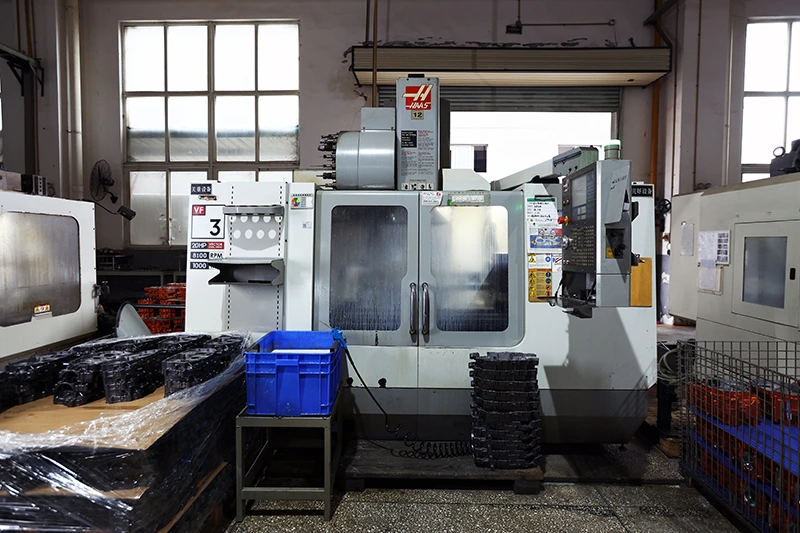
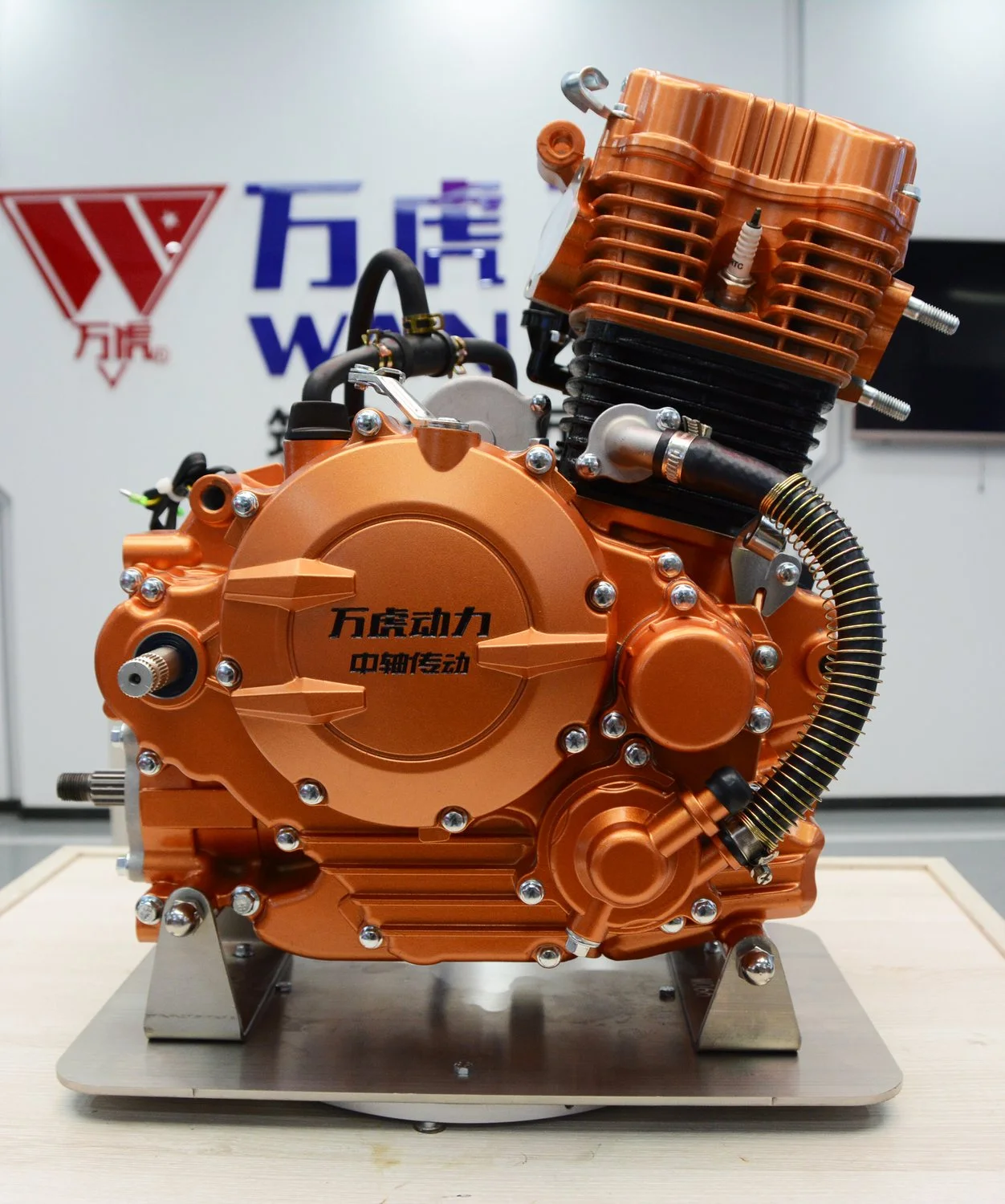
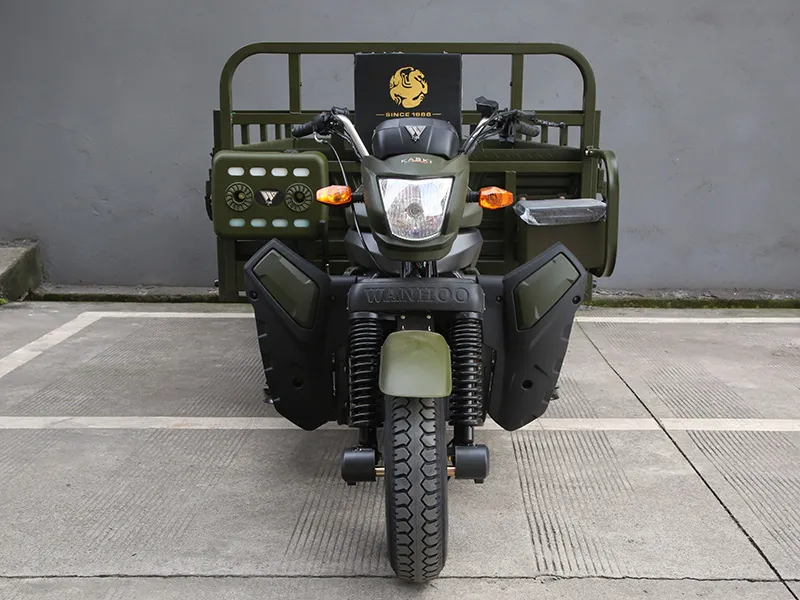
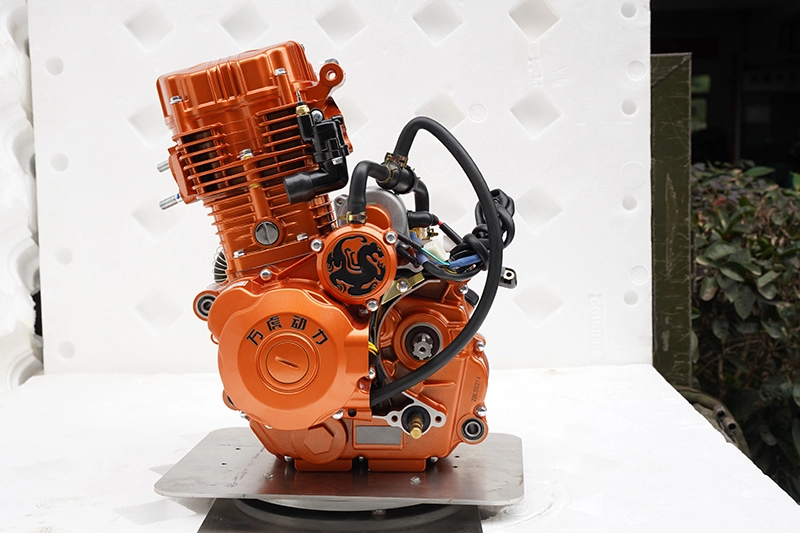
Three wheeler engine maintenance centers on three fluids and one filter. Change the oil and oil filter on schedule, keep the air filter clean so grit never reaches the cylinder, and on water-cooled models keep coolant topped up and hoses crack-free. A Wanhoo 250cc water-cooled engine is built for sustained torque under load, and that endurance depends on this routine being followed.
Cooling deserves special attention on heavy-cargo models. Wanhoo pairs its 250cc water-cooled powertrain with vertical integration, so the engine is designed in-house for three-wheeler torque rather than adapted from a motorcycle. On a water-cooled unit, a monthly coolant-level check and a squeeze test of the radiator hoses catches leaks before overheating warps a cylinder head on a loaded climb.
The drivetrain on a shaft-drive tricycle is refreshingly low-maintenance, which is one reason it suits remote operators. There is no chain to tension, lubricate, and replace. A periodic top-up of the shaft drive gear oil, plus a listen for any new whine or vibration, keeps the final drive quietly doing its job for years.
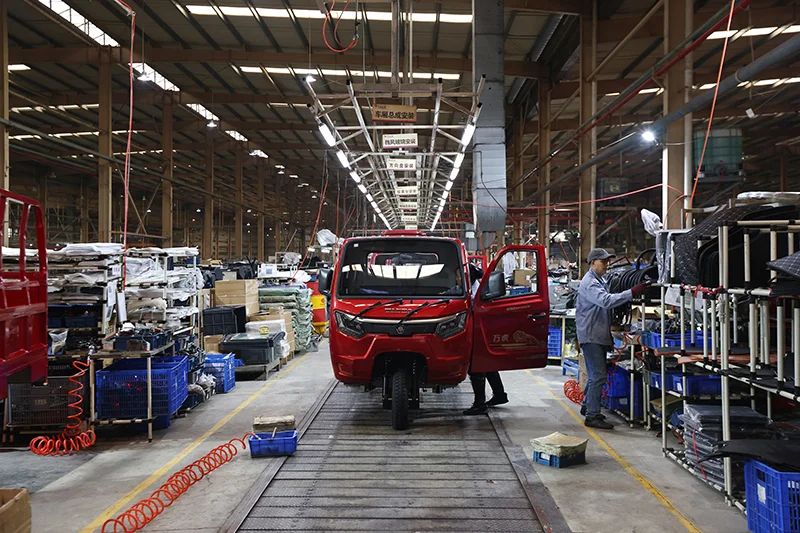
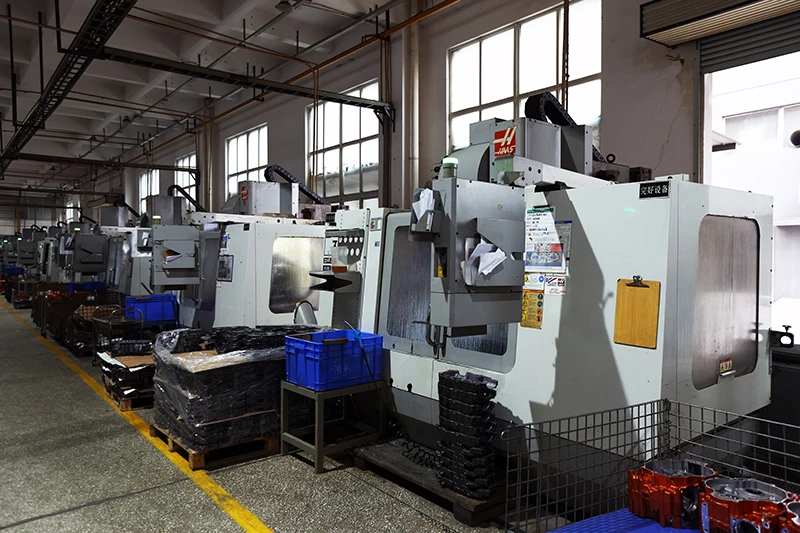
Wanhoo builds the whole drivetrain, from engine to rear axle, inside one factory campus, which means the reinforced floating rear axle and the engine were engineered to work together. That in-house engineering is the differentiator behind the durability. A well-matched drivetrain, serviced on schedule, is what lets a KINGTIGER haul near its rated load day after day without the rear-end failures that plague assembled-from-parts competitors. You can read more on the design in our engine technology overview and the deep dive on water-cooled versus GY6 engines.
How should you service brakes, tires, battery and electricals?
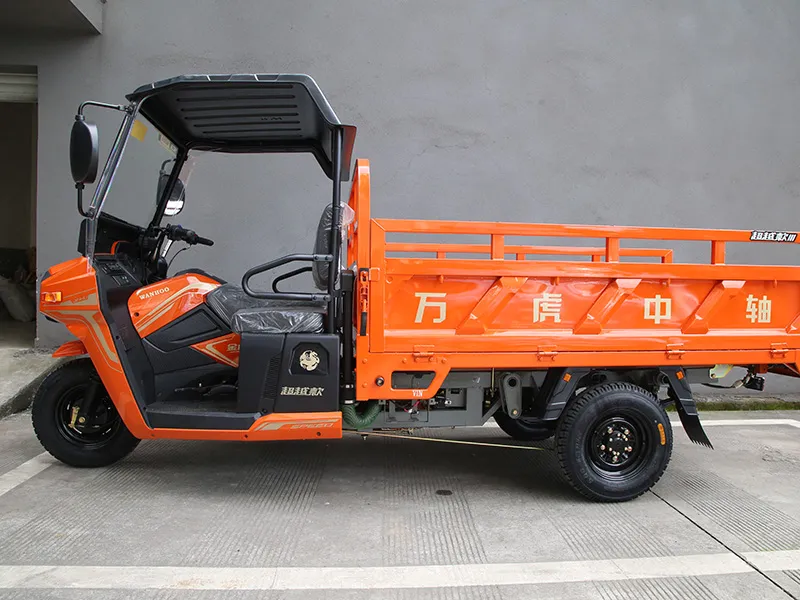
Brakes, tires, and electrics are the systems a driver touches every single trip, so small faults here become safety issues fast. Most cargo tricycles use drum brakes front and rear because they are rugged, sealed against dust, and simple to adjust with basic tools. That simplicity is a maintenance advantage in the field.
Drum brake maintenance on a cargo tricycle means checking free play regularly, adjusting the actuator so braking is firm without dragging, and periodically opening the drum to inspect shoe wear and clear accumulated dust. Because drum brakes are enclosed, they shrug off the mud and grit that would foul an exposed disc, which suits mine and farm routes.
According to webBikeWorld, the correct method for a mechanical drum brake is to turn the adjuster nut in until the brake engages fully when the pedal is pressed, while confirming the brake does not drag once the pedal is released. That five-minute adjustment restores stopping power and prevents the overheating and premature shoe wear that dragging brakes cause.
Tires and pressure are the next daily-earning system to guard. Underinflated tires on a loaded tricycle wear fast, waste fuel, and risk sidewall failure under a full cargo box, so a quick pressure check and a look for cuts or embedded debris belongs in the weekly routine. Correct pressure also protects the leaf-spring suspension from the shock loads of a flat-spot blowout.
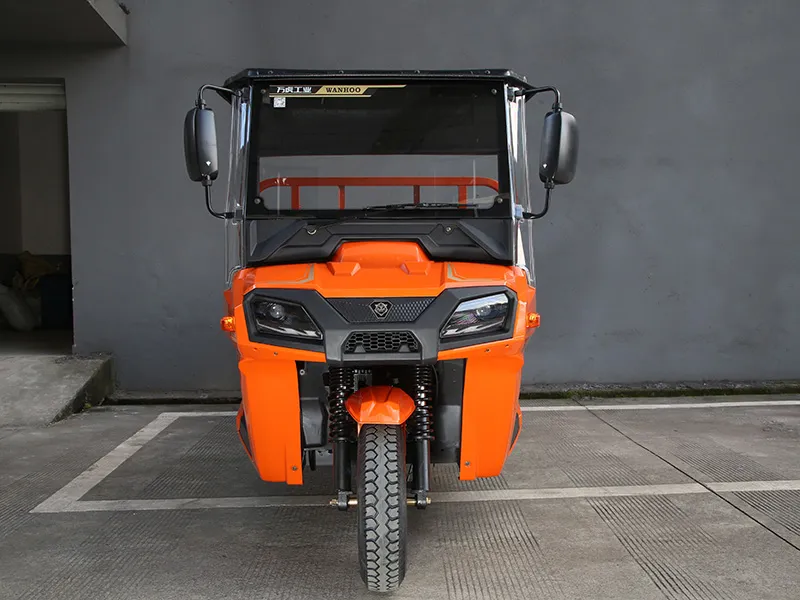
The battery and wiring round out the checklist. A twice-yearly routine of cleaning the terminals, checking the electrolyte or charge, and testing every light and the horn prevents the dead-battery no-start that wastes a working morning. Corroded connectors and chafed wires are cheap to fix on a bench and expensive to diagnose stranded on the roadside.
Why do serviceable carburetors and in-house spare parts keep a fleet running?
Serviceability is the maintenance factor that never appears on a spec sheet but decides real-world uptime. A vehicle you cannot fix locally is worth little to an operator two hours from the nearest dealer. Wanhoo designs for this reality on emerging-market routes where specialist tools and trained EFI technicians are scarce.
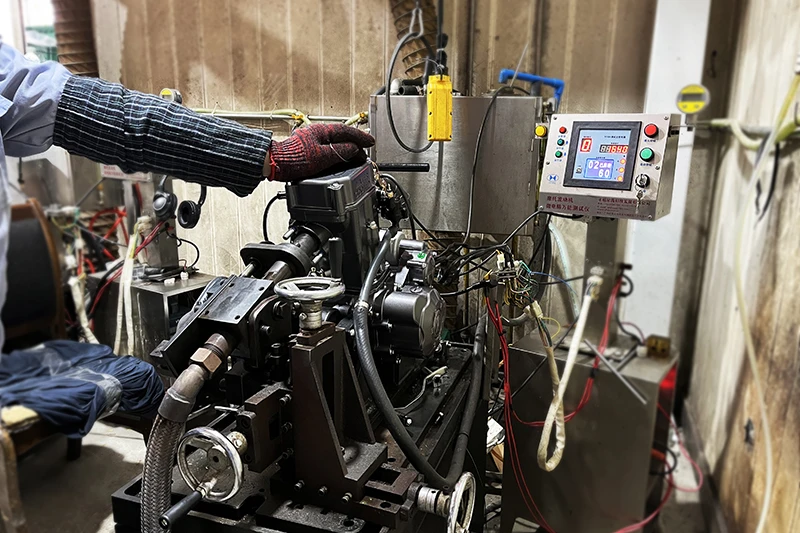
Wanhoo fits carburetors on its standard three wheeler models specifically for roadside serviceability, because a carburetor can be cleaned and adjusted by a local mechanic with hand tools, whereas electronic fuel injection needs diagnostic equipment and EFI-trained technicians that many rural markets lack. Electronic fuel injection remains available on request for operators who prefer it.
This is a deliberate choice, not a cost cut. In a city with a dense dealer network, EFI is convenient. On a farm track in rural Africa or a Peruvian highland route, a fuel system a village mechanic can service by hand is the difference between a two-hour fix and a two-week wait for a diagnostic tool that never comes. Wanhoo optimizes for where its tricycles actually earn their keep.
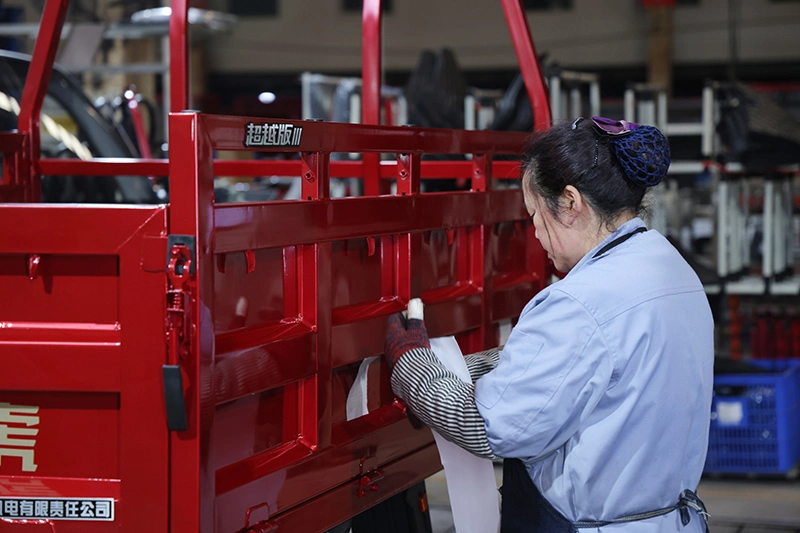
Parts supply is the other half of the equation, and here vertical integration is the quiet advantage. Wanhoo manufactures its own engines, frames, rear axles, and cargo boxes in-house rather than assembling the cheapest parts from five different suppliers, which means spare parts stay consistent and available instead of vanishing when a supplier changes. A predictable parts pipeline is what keeps a fleet earning across years, not just its first season.
The payoff of that manufacturing model is a shorter path from breakdown to back-on-the-road. When the same factory that built the vehicle also stocks the wear parts, an operator is not hostage to a fragile supply chain of mismatched components. Explore the spare parts and cargo tricycle range to see how the in-house parts program supports long-term ownership.
Frequently Asked Questions
**How often should I change the oil on a three wheeler engine?**
Change the engine oil after the first 5 to 10 hours of break-in, then every 50 hours of operation or annually, following small-engine best practice from manufacturers like Briggs & Stratton. Shorten the interval for heavy loads, high heat, or dusty routes, where oil degrades faster and grit contamination is higher.
What routine maintenance does a cargo tricycle need?
A cargo tricycle needs regular engine oil and filter changes, air filter cleaning, coolant checks on water-cooled models, drum brake adjustment, tire pressure and tread inspection, shaft drive oil top-ups, and battery and electrical checks. Grouping these by operating-hour intervals turns upkeep into a predictable, budgetable routine rather than a series of surprise repairs.
Why does Wanhoo use carburetors instead of fuel injection?
Wanhoo fits carburetors on standard models because they are serviceable by local mechanics with hand tools, which matters in emerging markets where EFI diagnostic equipment and trained technicians are scarce. A carburetor can be cleaned and adjusted at the roadside, minimizing downtime. Electronic fuel injection is available on request for operators who want it.
How much does three wheeler downtime actually cost?
An idle cargo tricycle costs its operator roughly $50 to $200 per day in lost revenue, and over a month of unplanned downtime that reaches $1,500 to $6,000 per vehicle. That figure almost always exceeds the cost of the preventive maintenance that would have kept the vehicle working, which is why scheduled service is the cheaper choice.
How do I maintain drum brakes on a cargo tricycle?
Check the brake free play regularly and adjust the actuator nut until braking is firm without the brake dragging when released. Periodically open the drum to inspect shoe thickness and clear dust buildup. Because drum brakes are enclosed, they resist the mud and grit of mine and farm routes better than exposed disc brakes.
Are spare parts easy to get for a Wanhoo three wheeler?
Wanhoo manufactures its own engines, frames, rear axles, and cargo boxes in-house through vertical integration, so spare parts stay consistent and available rather than disappearing when a third-party supplier changes. This predictable parts supply is a core reason the vehicles remain serviceable and productive across many years of fleet ownership.