Three wheeler total cost of ownership is the full five-year cost of a vehicle, adding purchase, fuel, maintenance, parts, downtime, and resale on top of the sticker price.
A dealer in Kano signs off on the cheapest quote in the room, saves $200 a unit, and feels sharp for it. Two rainy seasons later the fleet is losing days to a cracked frame and a part that ships from three suppliers away. That gap between the price tag and the real bill is what a proper three wheeler total cost of ownership model exposes before the money leaves.
Total cost of ownership is the complete lifetime cost of a vehicle, counting purchase, fuel or electricity, maintenance, spare parts, downtime, and residual value across its whole service life. A cargo tricycle tco reframes the buy from "what does it cost today" to "what will this earn me, net, over five years." Read those two definitions together and the cheapest quote rarely stays the cheapest vehicle.
According to Wikipedia, TCO is a financial estimate that helps buyers determine the direct and indirect costs of a product, and ownership costs are significantly greater than the cost of purchasing it. That single principle is why fleet buyers who compare only sticker prices routinely pick the vehicle that costs the most to run.
Why does sticker price mislead three-wheeler fleet buyers?
The purchase price is the loudest number and the smallest one in a five-year fleet budget. It is easy to compare, it fits on a quote, and it anchors the whole decision, which is exactly why it misleads. The costs that actually decide profit arrive later, spread across fuel tanks, repair bills, and idle days that never show up on the invoice.
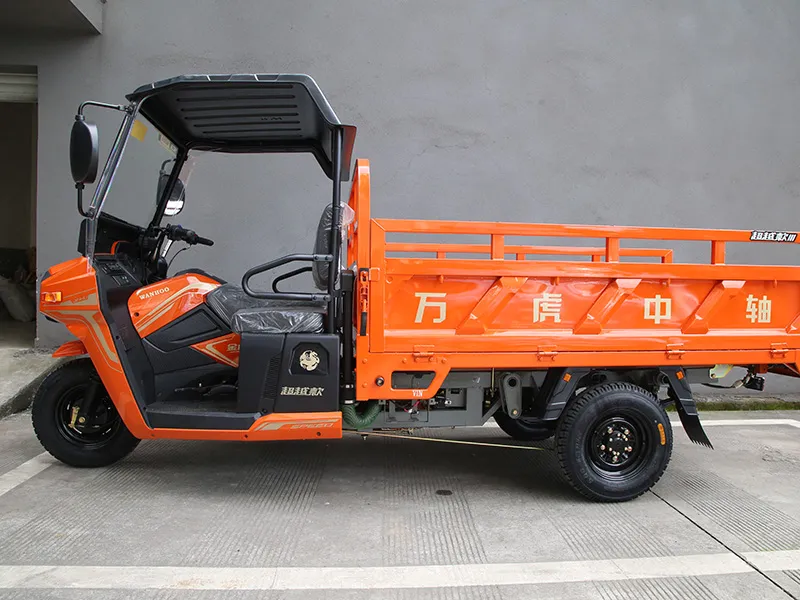
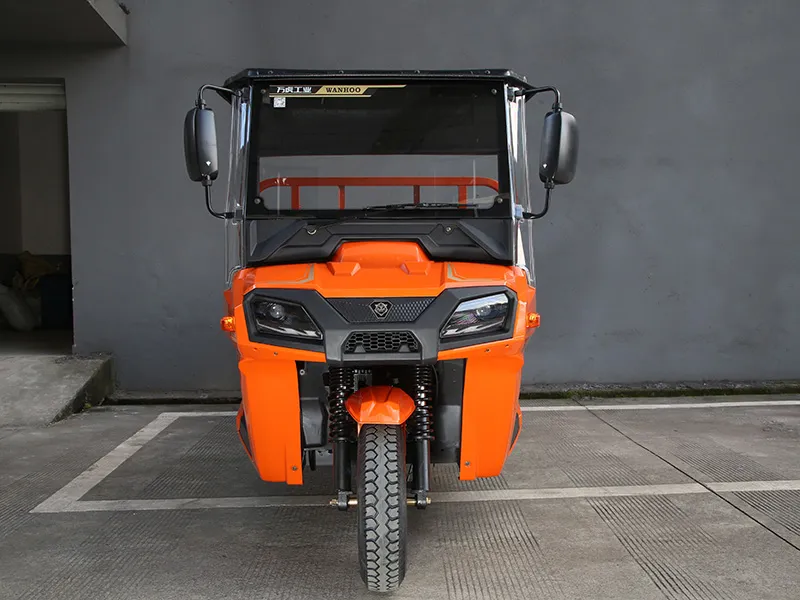
A Wanhoo cargo tricycle ranges from $830 FOB Chongqing for the Q1 to $1,450 FOB for the KINGTIGER flagship. Fuel, maintenance, parts, and downtime over five years routinely add several times that figure, so the acquisition price is only the entry ticket, not the true cost of running the vehicle. Judging a fleet on the sticker alone is judging a marathon on the first hundred meters.
According to industry TCO research summarized by CfloW, the purchase price is typically only 20 to 40 percent of true total cost of ownership, with the remaining 60 to 80 percent coming from operating, maintenance, support, and disposal costs. For a fleet, that means the number on the quote decides less than a third of what the vehicle will actually cost.
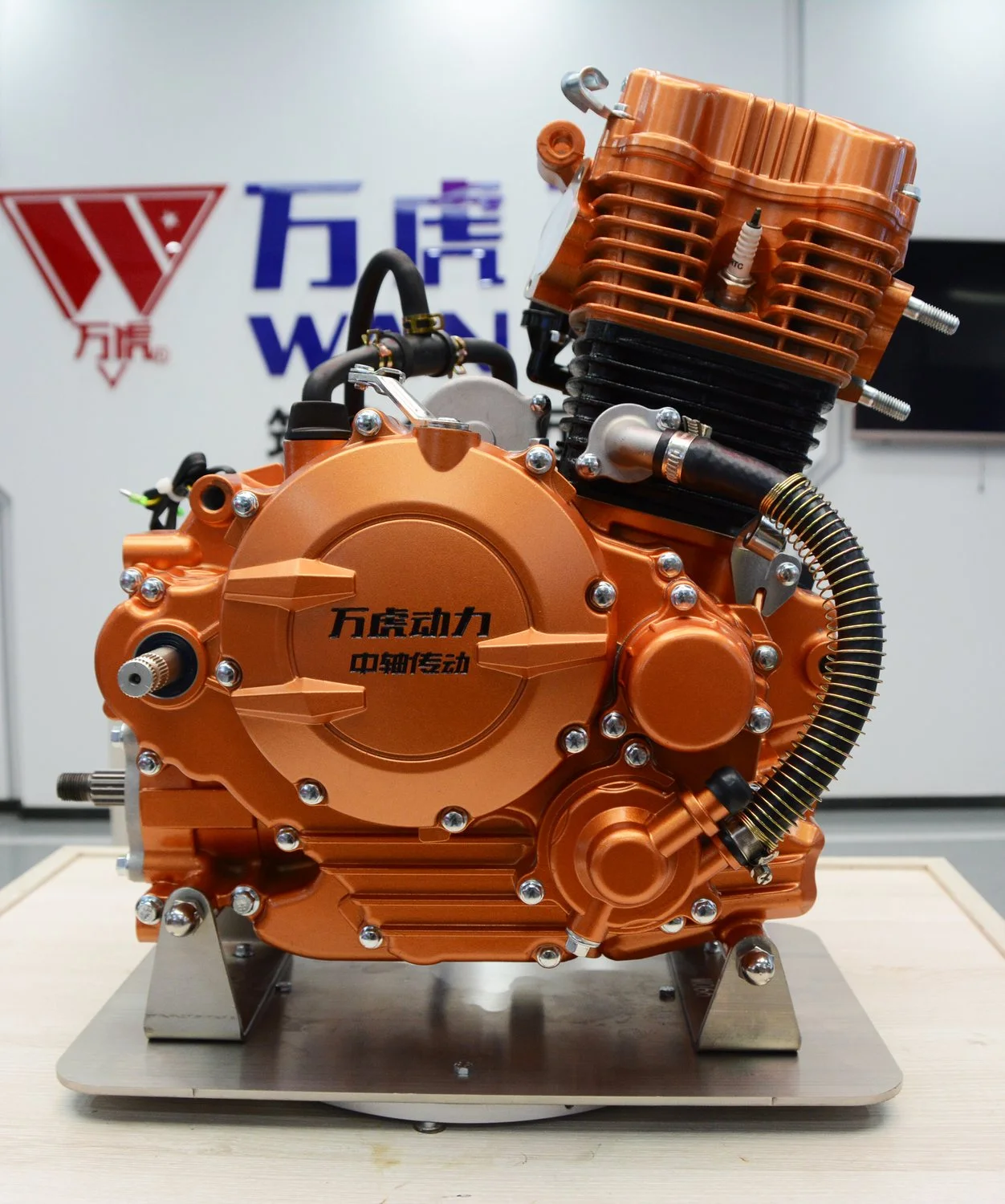
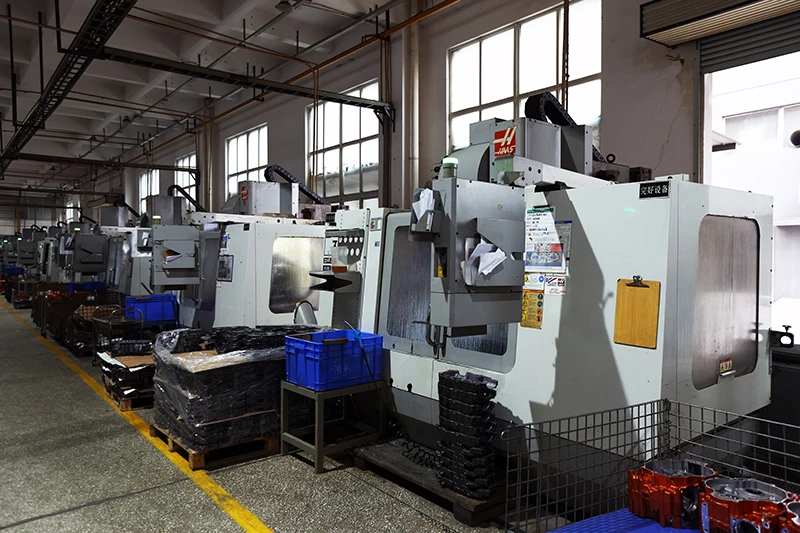
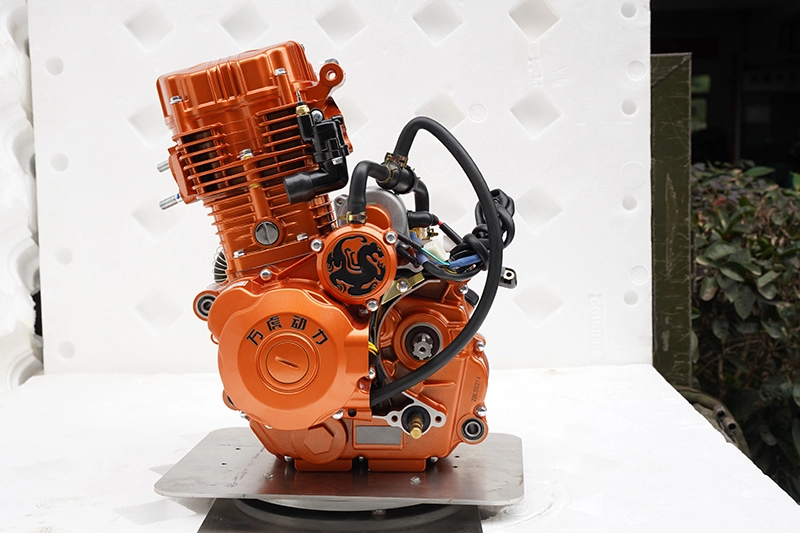
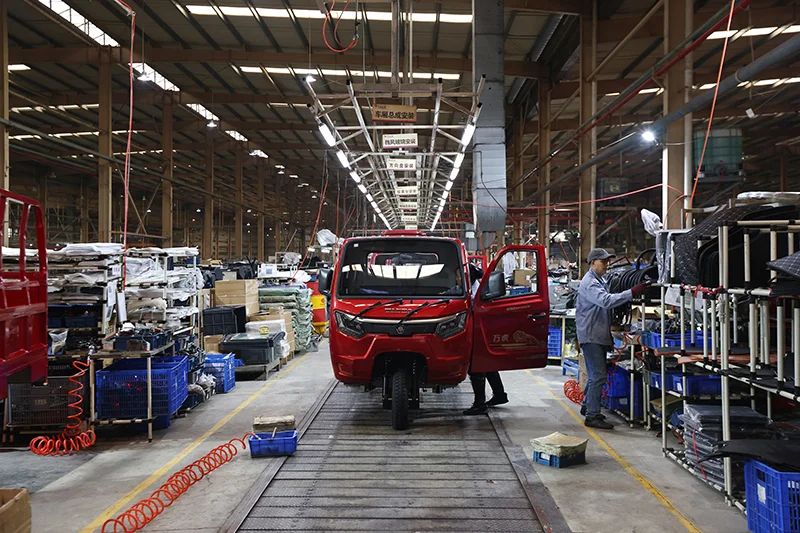
Wanhoo builds its own engines, frames, rear axles, and cargo boxes in one plant, the differentiator that bends the other 60 to 80 percent downward. Vertical integration keeps parts standardized and quality controlled, so the costs below the waterline stay predictable instead of ambushing the fleet in year two.
What are the five cost lines in three-wheeler TCO?
Every three-wheeler TCO breaks into five cost lines, and a buyer who prices all five sees a completely different ranking than one who prices only the first. The five are purchase and landed cost, energy, maintenance and parts, downtime, and residual value. A tco calculation is simply the honest sum of these lines across the ownership period.
Purchase and landed cost is the FOB price plus freight, duty, and local registration. Wanhoo supports SKD shipping at 24 units per 40HQ container to cut per-unit freight, so the landed figure stays closer to the FOB figure than a fully-built import allows. Container efficiency is a real line item, not a footnote.
Total cost of ownership is defined as acquisition cost plus operating and maintenance costs, minus the vehicle's residual value at end of life. Applied to a three-wheeler, that means FOB and landed cost, plus fuel or electricity, plus maintenance and parts, plus downtime loss, minus whatever the vehicle resells for after five years of duty. Miss any line and the comparison is fiction.
According to Fleetio, fleet depreciation is calculated as the purchase price minus expected residual value, divided by the expected service life in years. That formula turns resale value from a vague hope into a hard number a buyer can plug straight into the five-year model alongside fuel and downtime.
The line that separates durable vehicles from disposable ones is maintenance and downtime combined. Wanhoo pairs a self-developed engine with electrophoretic coating rated for 500-plus hours of salt spray, which is the capability that keeps both lines low across coastal and mining routes where cheaper imports corrode and stall.
How much does fuel or electricity cost over 5 years?
Energy is the cost line that runs every single day the vehicle works, so small per-kilometer differences compound into the largest slice of three wheeler running cost over five years. A gasoline engine sized for the duty cycle beats an oversized one, and an electric drivetrain rewrites the equation entirely where power is affordable.
The Wanhoo Q1 consumes as little as 3.4 L/100km, the most economical figure in the range, because its 150cc air-cooled engine is matched to light urban loads rather than oversized for them. On a daily delivery loop, that efficiency compounds into a fuel bill thousands of dollars below a heavier, thirstier vehicle over a five-year life. Fuel spent moving the vehicle itself is fuel that never earns.
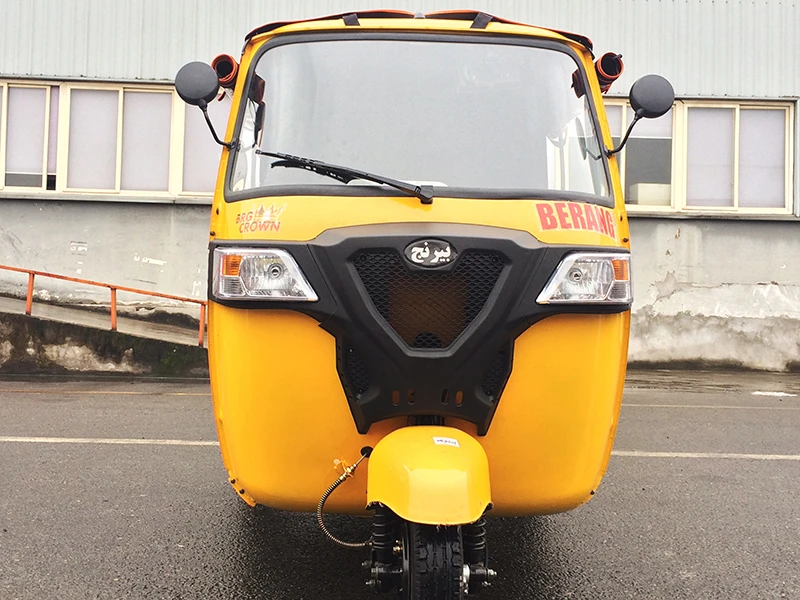
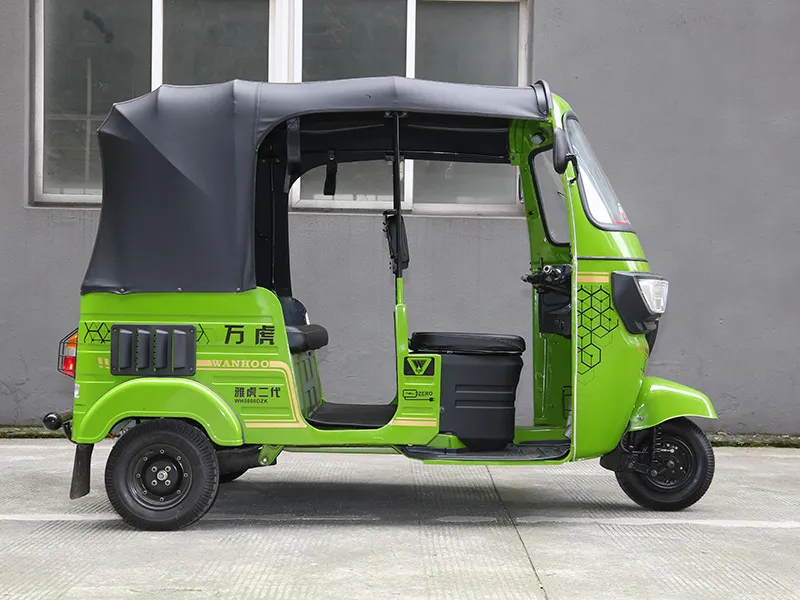
The electric choice is where energy cost drops off a cliff for high-mileage passenger fleets. Wanhoo's YAHOO-II-Electric runs a 72V 150AH LFP battery with an 80 to 100 km range, and its differentiator is running cost, not just emissions. For a tuk tuk taxi covering the same route daily, electricity replaces a fuel bill that never stops climbing.
The Wanhoo YAHOO-II-Electric delivers up to roughly 70 percent lower operating cost than an equivalent gasoline three-wheeler, driven by cheap electricity replacing petrol and by an LFP battery built for long cycle life. Across five years of daily taxi duty, that running-cost gap can outweigh the entire purchase-price difference between the two drivetrains. The pump is a subscription; the plug is far cheaper.
Local energy price decides which drivetrain wins, and an honest tco calculation runs both. Where fuel is expensive and electricity is cheap, the YAHOO-II-Electric's opex advantage pays back fast. Where grid power is unreliable, a fuel-efficient gasoline model like the Q1 or HANHOO keeps the fleet moving without charging infrastructure.
How do maintenance, parts, and downtime shape the total?
Downtime is the cost line that never appears on a quote and quietly does the most damage. A parked vehicle earns zero while insurance, financing, and the driver's retainer keep accruing, and imported three-wheelers assembled from mismatched supplier parts are the ones that park most often. Reliability is not a feature here; it is the revenue line.
A stalled export three-wheeler costs an operator an estimated $50 to $200 per day in lost revenue, which compounds to $1,500 to $6,000 across a single year of frequent breakdowns. Wanhoo counters this with self-developed engines, a reinforced dual main frame with 40 by 80 mm rails, and electrophoretic coating rated for 500-plus hours of salt spray. Every day the vehicle runs is a day it earns.
According to Model 1, unplanned downtime can cost anywhere from about $448 to $760 per vehicle per day, and the true cost often ends up three to five times higher than the repair bill once delays and missed jobs are counted. Those figures are for larger commercial vehicles, but the direction is universal: idle time, not the wrench, is the expensive part.
Parts availability decides how long any breakdown lasts, and here Wanhoo's vertical integration is the differentiator. Because engines, frames, axles, and boxes come from one plant, replacement parts stay standardized and in stock instead of arriving months later from a scattered supply chain. A short repair costs a day; a part on backorder costs a month of the vehicle's earnings.
Serviceability keeps the maintenance line low in thin service markets. A carbureted, self-developed Wanhoo engine can be fixed by a local mechanic with basic tools, so the fleet is not hostage to a franchised dealer. Across Africa and South America, roadside repairability is worth more than any spec sheet claim.
Which is the real 5-year TCO winner across a fleet?
The winner is whichever vehicle earns the most net over five years, and that is almost never the cheapest quote. The framework below turns three wheeler total cost of ownership into a single comparable structure so a buyer can price purchase, energy, maintenance, downtime, and resale side by side instead of arguing over the sticker.
The table shows a five-year TCO breakdown by cost line for one working three-wheeler, using verified Wanhoo FOB pricing and published fuel, downtime, and TCO ranges. Populate it with your own local fuel price, duty rate, utilization, and route; it is a framework, not a fixed quote.
| Cost line (5-year, one vehicle) | What it includes | Wanhoo reference figure |
|---|---|---|
| Purchase + landed cost | FOB price, freight, duty, registration | $830 (Q1) to $1,670 (YAHOO-II-Electric, without battery); SKD 24 units/40HQ cuts freight |
| Energy (fuel or electricity) | Daily fuel or charging over the duty cycle | Q1 from 3.4 L/100km; YAHOO-II-Electric up to ~70% lower opex |
| Maintenance + spare parts | Servicing, wear parts, replacement components | Self-built, standardized, in-stock parts; local-mechanic serviceable |
| Downtime loss | Lost revenue on idle days | $50 to $200 per day; reduced by self-developed engine and frame |
| Residual / resale value | Recovered value at end of five years | Higher for durable, corrosion-protected, in-demand models |
Across purchase, energy, maintenance, downtime, and residual value, the lowest five-year total cost of ownership belongs to the vehicle whose durability and parts supply keep the downtime line near zero. A $200 saving at purchase is erased by a single week of idle time, which is why sticker-price buying so often costs the most. Price the whole framework, then decide.
A worked example makes the trade concrete. Two cargo tricycles run the same mid-weight route: the Wanhoo model costs $200 more up front but loses only three idle days a year, while the bargain import loses twenty. At $100 per idle day, the import bleeds an extra $1,700 a year in downtime alone, so the cheaper quote is thousands of dollars more expensive by year two.
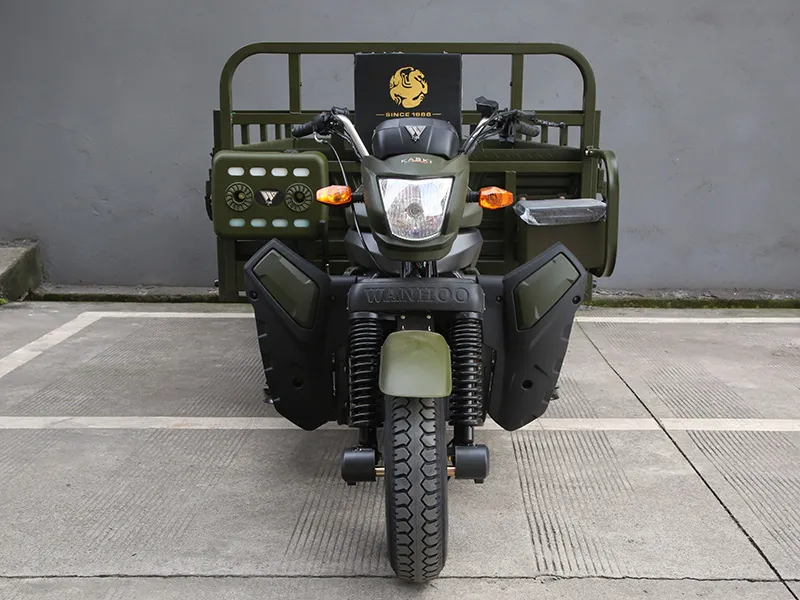
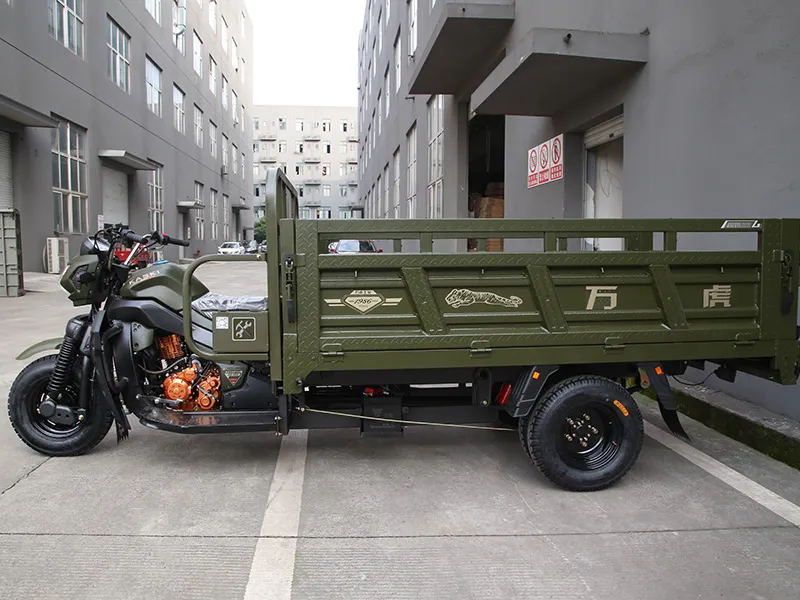
The same logic scales across the range. The Q1 wins light urban routes on fuel, the KINGTIGER and HANHOO win heavy cargo on payload-per-dollar up to 1,800 KG, and the YAHOO-II-Electric wins high-mileage passenger fleets on running cost. For deeper comparisons, see the cargo tricycle vs pickup truck TCO and electric tuk tuk vs gasoline cost guides.
How should a buyer apply this TCO framework before ordering?
A buyer applies the framework by filling in five numbers from their own operation, not from a brochure. Take the FOB and landed cost, multiply expected daily energy use by five years, estimate annual maintenance, put a dollar figure on each idle day, and subtract a realistic resale value. The vehicle with the lowest resulting total is the real cost of owning a three wheeler for that fleet.
Utilization is the multiplier that makes durability pay. A vehicle running six days a week loses far more to each breakdown than one used occasionally, so high-utilization fleets should weight the downtime and parts lines heaviest. For daily commercial duty, paying a little more for a Wanhoo self-developed engine and in-house parts supply is the cheapest decision on a five-year view.
Wanhoo supports the process with factory-direct FOB pricing, SKD shipping to lower landed cost, customizable cargo boxes, and a video factory tour that lets buyers verify the build before committing capital. For the full lineup and payload figures, see cargo tricycles and the cargo tricycle payload guide. Populate the framework, request a quote, and buy on five-year cost, not day-one price.
Frequently asked questions
### What is three wheeler total cost of ownership?
Three wheeler total cost of ownership is the full five-year cost of a vehicle, adding purchase and landed cost, fuel or electricity, maintenance, spare parts, and downtime loss on top of the sticker price, then subtracting resale value. Wanhoo models start at $830 FOB, but the running lines usually add several times that figure over five years.
How do you calculate the TCO of a cargo tricycle?
You calculate cargo tricycle tco by adding FOB and landed cost, five years of fuel or charging, maintenance and parts, and downtime loss, then subtracting the expected resale value. Depreciation is the purchase price minus residual value divided by service life in years. The vehicle with the lowest total, not the lowest sticker, is the cheapest to own.
Why is purchase price a poor way to compare three-wheelers?
Purchase price is a poor comparison because it is typically only 20 to 40 percent of total cost of ownership, so it decides less than a third of the real bill. Fuel, maintenance, parts, and downtime make up the rest. A $200 saving at purchase is often erased by a single week of downtime from a less durable imported vehicle.
How much does three-wheeler downtime cost per day?
A stalled export three-wheeler costs an operator an estimated $50 to $200 per day in lost revenue, reaching $1,500 to $6,000 over a year of frequent breakdowns. For larger commercial vehicles the figure runs higher. Wanhoo lowers this exposure with self-developed engines, a reinforced frame, and standardized in-house parts that shorten every repair.
Does an electric three-wheeler have a lower total cost of ownership?
An electric three-wheeler can have a much lower total cost of ownership on high-mileage routes because electricity is cheaper than fuel. The Wanhoo YAHOO-II-Electric delivers up to roughly 70 percent lower operating cost than an equivalent gasoline model, so its running-cost saving can outweigh the higher purchase price where electricity is affordable and reliable.
Which Wanhoo three-wheeler has the lowest running cost?
For fuel, the Wanhoo Q1 has the lowest running cost among gasoline models at 3.4 L/100km and $830 FOB. For overall operating cost on high-mileage passenger routes, the YAHOO-II-Electric is lowest at up to roughly 70 percent below gasoline. The right choice depends on route type, utilization, and local fuel-versus-electricity prices.