An electric tuk tuk cuts fuel bills by roughly 70% versus a gasoline three wheeler, so a fleet operator running 10 units can save thousands of dollars every year once the battery is factored in. The trade-off is a higher upfront price and a dependence on charging. Over five years, lower fuel and maintenance costs usually close that gap, and an LFP battery pushes the math further in the operator’s favor. This guide runs the real numbers.
Picture a keke owner in Nairobi with 10 vehicles. Each burns close to a full tank a day, and every price rise at the pump eats straight into the margin. That daily fuel line is the single biggest reason fleet owners are now looking hard at going electric, and the reason the sums below matter more than any spec sheet.
What is an electric tuk tuk and how does it change fleet economics?
An electric tuk tuk is a passenger three wheeler that runs on a battery-electric powertrain instead of a gasoline or diesel engine, which removes fuel and most engine maintenance from the operating budget. For a fleet, that single change reshapes the cost structure. The vehicle costs more to buy but far less to run each day, so the decision stops being about the sticker price and becomes about cost per kilometer over years of service.
An electric tuk tuk is a passenger three wheeler powered by a rechargeable battery and an electric motor rather than a combustion engine. Because it has no fuel tank, spark plugs, oil, or exhaust, its running cost is dominated by electricity and battery life, not by pump prices that swing week to week. That stability is exactly what fleet owners value.
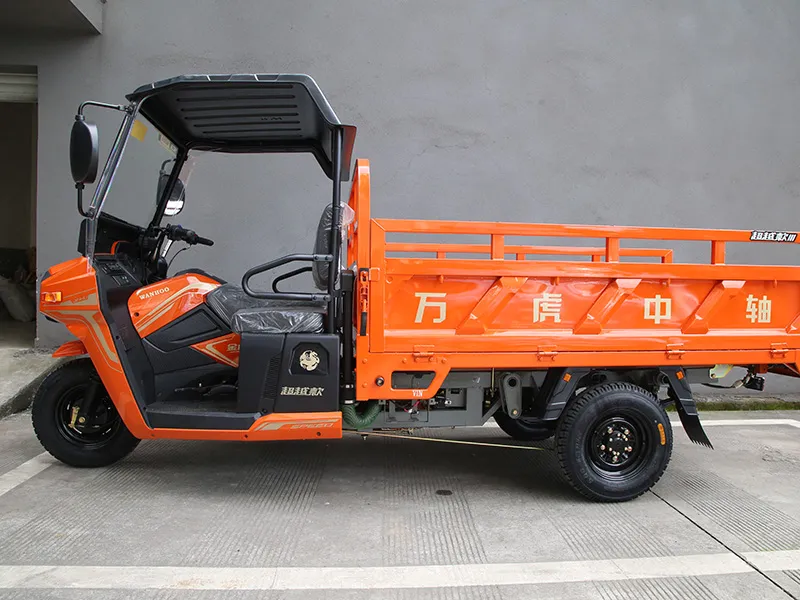
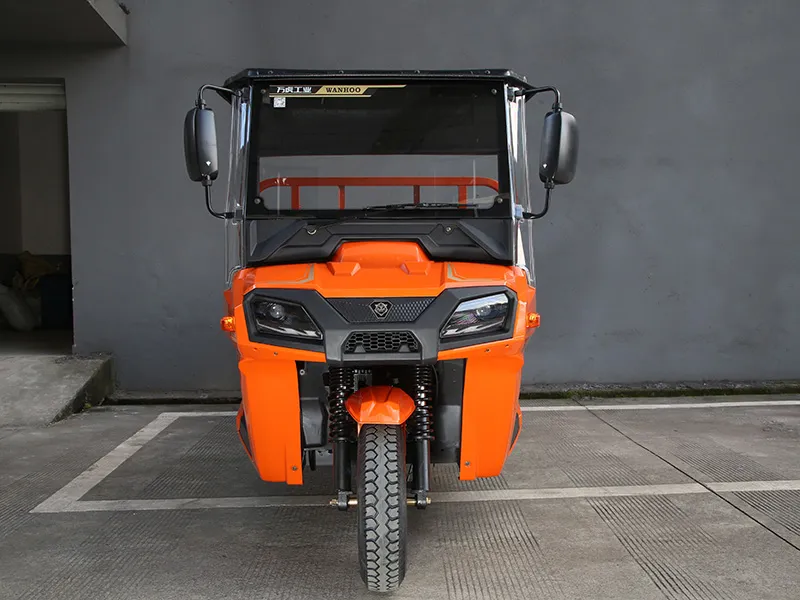
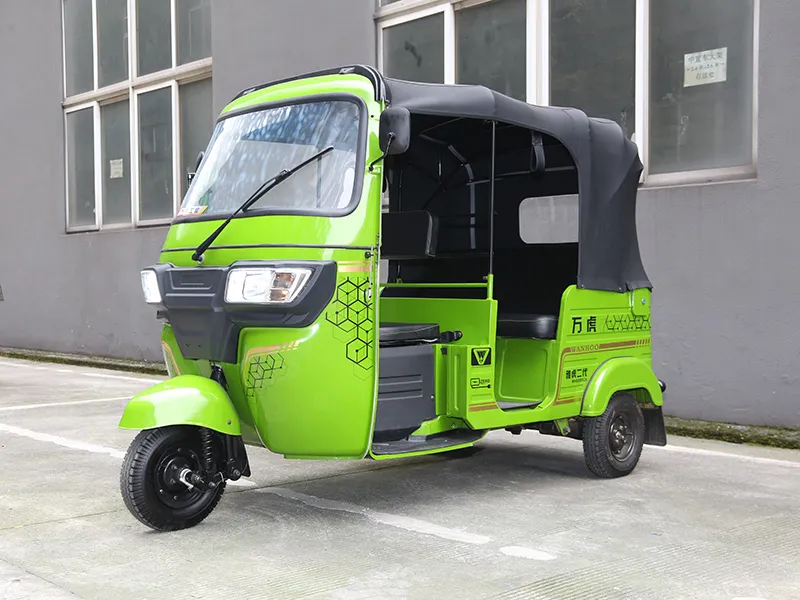
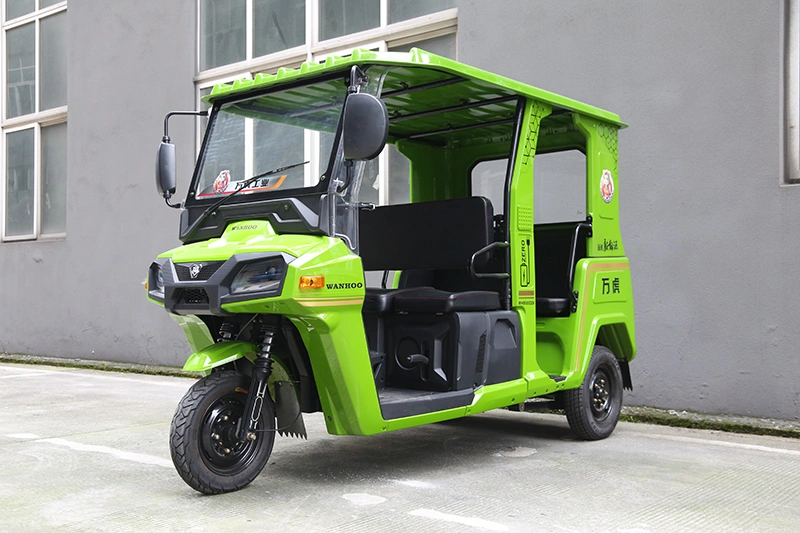
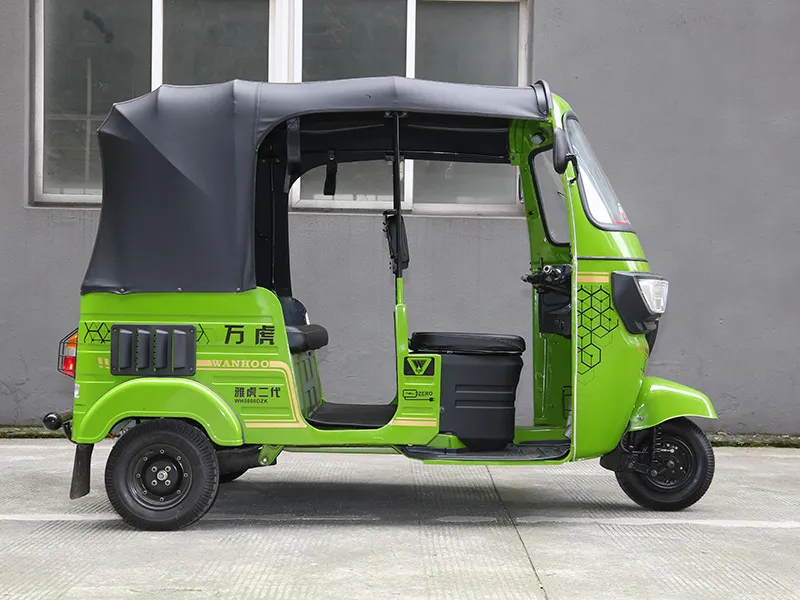
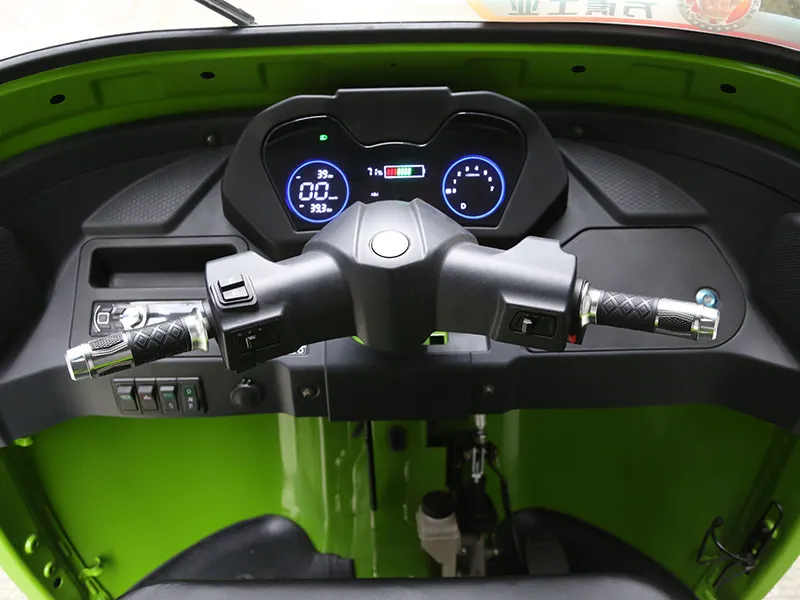
Wanhoo builds two electric passenger models aimed at fleets. The YAHOO-II-Electric is the flagship: a 72V 150AH LFP three wheeler carrying up to three passengers, with an 80 to 100 km range and, by Wanhoo's own measure, up to roughly 70% lower operating cost than a comparable gasoline unit. It ships from Chongqing at $1,670 FOB, and that price is without battery, so a battery-included quote is a separate line to request.
The real driver of the switch is daily energy cost. According to agl-trike, charging an electric tuk-tuk for 100 km of daily running costs about $2.00 in electricity, against roughly $6.00 in gasoline for the same distance, which is 70 to 80% less to move the same vehicle the same distance. Multiply that gap by 300 working days and a full fleet, and it becomes a serious number.
How much does an electric tuk tuk really save on fuel per year?
Fuel is where the electric tuk tuk operating cost advantage shows up first and biggest. The same agl-trike breakdown puts annual energy cost at about $600 for an electric unit versus $1,800 for gasoline across 300 operating days, a saving near $1,200 per vehicle per year. For a 10-vehicle fleet that lands at roughly $12,000 saved every year on fuel alone, before touching maintenance.
Across 300 operating days, an electric three wheeler covering 100 km daily uses roughly $600 in electricity a year, while the gasoline equivalent burns about $1,800 in fuel. The $1,200 annual gap per vehicle scales linearly with fleet size, so 10 units point to around $12,000 in yearly fuel savings. That is the core of the TCO case.
Real operators are already reporting this. According to The Standard, Nairobi drivers covering 150 km a day spend about Sh650 on electric battery swaps versus roughly Sh850 on diesel, cutting daily fuel cost by up to 30%. The exact percentage varies by local power and fuel prices, but the direction is consistent everywhere fuel is expensive.
The shift is not theoretical either. According to Citizen Digital, the number of electric vehicles on Kenyan roads rose to about 35,000 by the end of 2025, up from 5,294 in 2024, led largely by electric motorcycles and three wheelers in urban centers. That curve tells fleet owners where the market is heading.
A battery-electric three wheeler removes the recurring engine maintenance a gasoline unit needs: no oil changes, no spark plugs, no fuel filters, no clutch adjustments, and no exhaust repairs. Each of those is both a parts cost and a day of lost earning downtime, so eliminating them compounds the fuel savings over a five-year fleet life. That is the second-largest line in the TCO case, after fuel.
Why does LFP battery chemistry decide the 5-year cost?
The battery is the heart of the electric tuk tuk cost equation, and the chemistry inside it decides whether the five-year math works. Wanhoo uses LFP (lithium iron phosphate) cells rather than lead-acid or NMC. That choice is the difference between a battery you replace every year or two and one that runs for most of the vehicle's working life, which is where the "cheap Chinese EV" worry gets answered with engineering.
An LFP battery is a lithium-ion battery that uses lithium iron phosphate as its cathode material, giving it strong thermal stability, a long cycle life, and a lower risk of thermal runaway than other lithium chemistries. For high-duty fleet vehicles that charge daily, those properties translate directly into a longer service life and lower lifetime cost. That is why Wanhoo standardized on it.
The cycle-life numbers make the case plainly. According to Deltic, LFP delivers 3,000 to 5,000 full charge cycles and 5 to 7-plus years of daily use, against 1,500 to 2,000 cycles and 3 to 4 years for NMC, and just 300 to 500 cycles or 1 to 2 years for lead-acid. A battery that lasts twice as long effectively costs half as much per year.
Safety follows the same logic. The Deltic comparison puts LFP's thermal-runaway threshold near 270 degrees Celsius versus about 210 for NMC, a wider safety margin that matters in the hot climates across Africa, South America, and Southeast Asia where these vehicles work. Wanhoo pairs LFP cells with a DC brushless motor across its 72V electric platform, so the whole powertrain is built for daily commercial duty rather than light personal use.
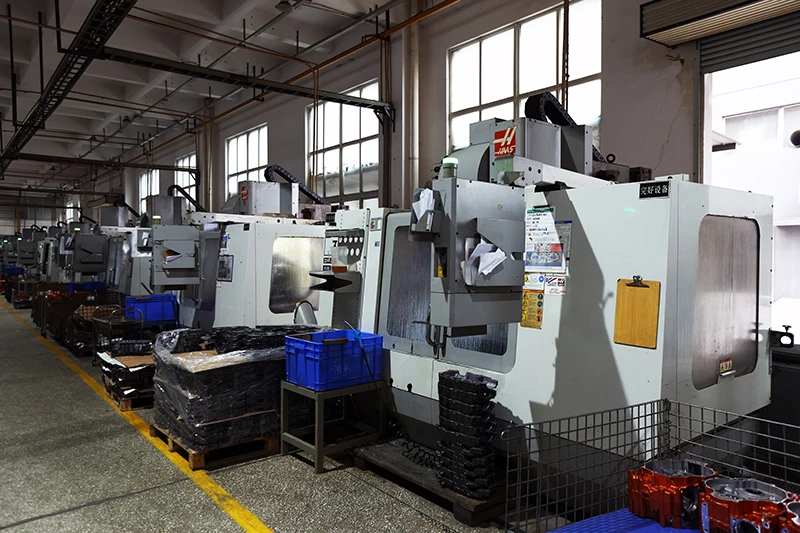
This is the honest counter to the low-cost-import objection. Wanhoo has designed and built its own three-wheeler powertrains since 1986, and its LFP-based electric platform is engineered for the 2,000-plus charge cycles that fleet duty demands. The upfront price is genuinely higher than a lead-acid unit, but a battery you are not replacing every 18 months is what makes the five-year total lower.
Electric vs gasoline: the 5-year cost breakdown
Putting the electric tuk tuk numbers next to a gasoline three wheeler over five years shows where each vehicle wins and where it costs. The table below uses the per-vehicle figures already cited: about $600 versus $1,800 in annual energy, plus the maintenance and battery realities of each drivetrain. Read it as direction and structure rather than a quote, since local fuel, power, and duty cycles all move the exact totals.
| 5-year cost factor (per vehicle) | Electric tuk tuk | Gasoline three wheeler |
|---|---|---|
| Upfront vehicle price | Higher (from $1,670 FOB, battery separate) | Lower |
| Energy / fuel per year | ~$600 electricity | ~$1,800 gasoline |
| Energy over 5 years | ~$3,000 | ~$9,000 |
| Scheduled engine maintenance | None (no oil, plugs, filters, clutch, exhaust) | Recurring, plus downtime |
| Battery replacement in 5 years | Typically none with LFP (5-7+ yr life) | Not applicable |
| Charging / refueling dependency | Needs charging access or swap network | Refuels anywhere fuel is sold |
| Emissions / clean-air zone access | Zero-emission, LEZ-ready | Restricted as rules tighten |
The single largest line is energy: roughly a $6,000 swing per vehicle over five years, before maintenance. That is what carries the higher purchase price. For a fleet, the honest picture is a bigger cheque on day one, a dependence on reliable charging, and then years of markedly lower cost per kilometer.
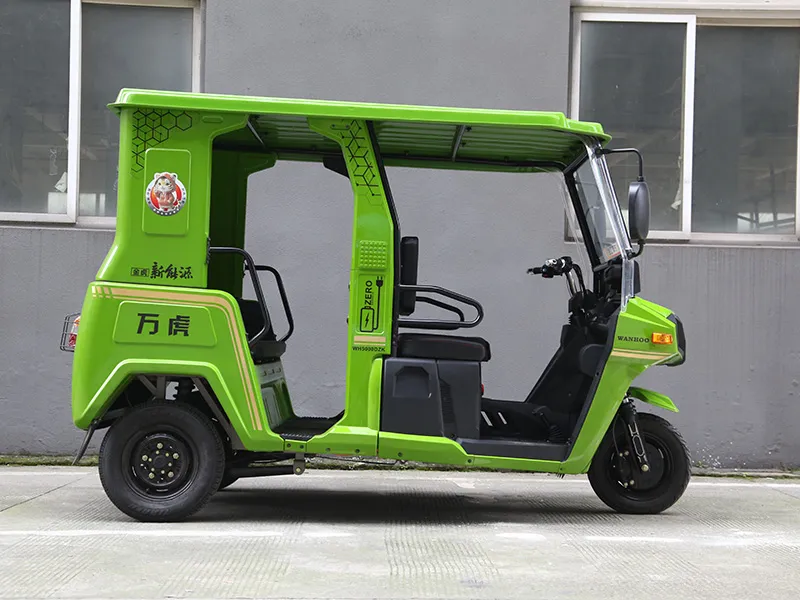
For operators moving more people per trip, the King-Tiger-Electric is the high-capacity option. It seats 9 passengers on Wanhoo's heavy-duty platform, runs a 72V 120AH LFP battery with a ≥12° gradeability for loaded inclines, and ships from $1,560 FOB, again without battery. Wanhoo's heavy-duty electric platform lets a fleet carry more passengers per charge on the same zero-emission basis, which changes the revenue side of the same TCO sum.
Which fleets should switch first, and where does charging bite?
The fleets that benefit soonest are the ones running high daily mileage in cities where fuel is expensive and clean-air rules are tightening. Dense passenger routes in East African, Southeast Asian, and South American cities fit that profile, because the fuel saved each day is large and the political direction is toward restricting combustion vehicles. For those operators the electric tuk tuk is future-proofing as much as cost-cutting.
Electric three wheelers pay back fastest on high-utilization urban passenger routes, where daily distance is long and local fuel prices are high. In low-mileage or rural service with poor grid access, the fuel saving shrinks and charging dependency grows, so the payback period stretches and a gasoline unit may still fit better. Duty cycle decides the answer.
The honest caveat is charging. A gasoline three wheeler refuels anywhere fuel is sold; an electric one needs charging access, and range is 80 to 100 km per charge on the YAHOO-II-Electric. Fleets solve this with depot charging on the 25A or 50A options, or with battery-swap networks like the Kenyan model above. Without a reliable charging plan, the operating savings do not land, so the plan comes first.
Clean-air access is the other half of the case. As low-emission zones spread across export markets, a zero-emission fleet keeps working where combustion vehicles get restricted or taxed. Wanhoo's zero-emission electric three wheelers are built to keep fleets compliant as those rules tighten, which protects the asset's earning life beyond the fuel-cost math alone.
Ready to run the numbers for your own fleet? Browse the full range on the electric three wheelers hub, or go straight to the flagship YAHOO-II-Electric passenger tricycle to request a battery-included quote and a per-unit TCO breakdown for your route.
Frequently asked questions
How much cheaper is an electric tuk tuk to run than gasoline?
Charging an electric tuk tuk costs roughly 70% less than fueling a comparable gasoline three wheeler, which is Wanhoo's own figure for the YAHOO-II-Electric. Independent cost breakdowns put daily energy at about $2.00 versus $6.00 per 100 km, or near $600 against $1,800 a year per vehicle.
Does the FOB price include the battery?
No. The YAHOO-II-Electric is $1,670 FOB Chongqing and the King-Tiger-Electric is $1,560 FOB, both without battery. The battery is quoted separately because pack size and shipping rules vary by market, so ask for a battery-included price when you request a quote.
Why does Wanhoo use LFP batteries instead of cheaper lead-acid?
LFP (lithium iron phosphate) lasts far longer under daily fleet duty. Published comparisons show 3,000 to 5,000 charge cycles and 5 to 7-plus years for LFP, versus 300 to 500 cycles and 1 to 2 years for lead-acid. A battery you rarely replace lowers the five-year cost even at a higher purchase price.
What is the range of an electric tuk tuk, and how long does it charge?
The YAHOO-II-Electric covers 80 to 100 km on a single charge. Charging takes about 7.5 hours on a 25A charger or 3.5 hours on a 50A charger. Fleets typically charge overnight at the depot, or use battery-swap networks where those exist to cut downtime to minutes.
Is an electric three wheeler suitable for every route?
No. It pays back fastest on high-mileage urban passenger routes with expensive fuel and reliable charging. On low-mileage rural service with weak grid access, the fuel saving shrinks and charging dependency grows, so a gasoline three wheeler can still be the better fit until charging infrastructure improves.
How many passengers can Wanhoo's electric models carry?
The YAHOO-II-Electric carries up to 3 passengers as a standard electric tuk tuk. For higher-capacity routes, the King-Tiger-Electric seats 9 passengers on Wanhoo's heavy-duty platform with a ≥12° gradeability, so a fleet can match the vehicle to its passenger volume while keeping the same zero-emission running cost.