Three-wheeler insurance rules and products vary by country. Third-party liability is a common legal minimum for road use; own-damage, fire, theft, passenger and goods cover depend on vehicle class, commercial use and the policy wording. Verify the local requirement, insurer and exclusions before paying.
Consider a policy mismatch rather than a reported case. The certificate is genuine and current, but after a collision the operator discovers that the policy responds to covered third-party claims and not to damage to the operator's own vehicle. The vehicle was legally insured for one risk; it was not insured for every loss. Those are two different things.
That gap is the subject of this guide. The cover available, the documents required and the policy names all vary by country, vehicle class and insurer. This article is a comparison method, not legal or insurance advice for a particular market.
The cover that is usually compulsory
Many motor insurance regimes start with liability to other road users. For example, Ghana's National Insurance Commission says every vehicle used on a public road must carry at least third-party motor insurance. Nigeria's Insurance Industry Reform Act 2025 likewise requires a policy against third-party risks for a motor vehicle in use. These are country examples, not a rule for every market.
Third-party motor cover is designed to respond to covered liability for injury or property damage caused to other people. It generally does not cover collision damage to your own vehicle; fire, theft, own-damage, rider and passenger benefits depend on the policy purchased and local law.
That logic is not abstract here. According to the World Health Organization, "92% of the world's fatalities on the roads occur in low- and middle-income countries, even though these countries have around 60% of the world's vehicles," and "More than half of all road traffic deaths are among vulnerable road users, including pedestrians, cyclists and motorcyclists." That is all-road-user data, not a three-wheeler statistic. It helps explain why many laws prioritise third-party protection, but it does not establish any country's insurance rule.
What the minimum is called, how much it pays, and whether it must come from a licensed local insurer varies by country and sometimes by vehicle class. Do not take a rule you read online, including this one, as the rule that applies to you. Ask your transport authority or insurance regulator what class your vehicle falls into and what cover it must carry.
Why the wider covers are often out of reach
Before comparing price, find out whether an insurer accepts your exact vehicle class and use. A policy sold for private use may not fit passenger service, goods for hire, cross-border work or a modified vehicle.
Application requirements are insurer- and country-specific. An insurer may ask for vehicle registration and value, the permitted use, rider or driver details, operating territory, claims history, security arrangements or business identification. Ask for the document list in writing rather than assuming that informal income alone makes cover unavailable.
According to the International Labour Organization, "Over 60 per cent of the world's workforce and 80 per cent of enterprises operate in the informal economy." That covers all sectors, not three-wheeler transport. WIEGO defines informal employment as work for pay or profit that is not covered by formal arrangements. These sources provide labour-market context only; they do not show that an individual operator is informal or ineligible for insurance.
If you want theft or own-damage cover, ask what evidence the insurer needs before you request a quote. Requirements may include proof of ownership, an agreed or market value, named drivers, declared commercial use and security conditions. If a document is unavailable, ask whether an alternative is accepted; do not invent or alter evidence.
Where broader cover is unavailable, self-funding a loss can be difficult. The World Bank Global Findex reports that 56% of adults could reliably access extra money in an emergency. That is a global adult measure, not evidence about three-wheeler operators, premiums or claims, so use it only as context and calculate your own loss reserve.
Read the exclusions, not the premium
Take one habit from this article, take this one. Nearly every bad insurance surprise was written down in advance, in the section nobody reads.

Judge a motor policy by its exclusions, not its premium. The premium tells you what you pay; the exclusions tell you what you get. Two policies at the same price can differ completely once you read which uses, drivers, loads and circumstances the insurer has written out of cover.
Ask for the full policy wording, schedule and endorsements, not only the quotation or certificate. Those documents define the contract. If an intermediary cannot provide them, contact the insurer or regulator and do not treat the quotation as a complete description of cover.
Comparing three-wheeler insurance options is easier if you separate cover types by what each is genuinely for, rather than by which sounds most complete.
| Cover type | What it typically pays for | What it typically excludes | Who it is actually for |
|---|---|---|---|
| Third-party liability | Covered legal liability for injury or property damage to others | Usually your own vehicle damage, theft and personal injury unless added | The common starting point; confirm the legal minimum locally |
| Third-party, fire and theft | Third-party cover plus specified fire and theft losses | Usually collision damage to your own vehicle | Operators seeking limited asset protection where this product is offered |
| Comprehensive or own-damage | Specified damage to your vehicle plus the liability cover described in the wording | Common exclusions can include wear, mechanical failure and undeclared use | Buyers who need broader asset cover and meet the insurer's terms |
| Passenger-related cover | Covered liability or benefits involving occupants | Limits, permitted use and fare-paying passengers vary by wording | Passenger operators, after confirming commercial licensing and policy class |
| Rider personal accident | Specified injury or death benefits for an insured rider | Limits, named-person rules and excluded circumstances vary | Operators comparing personal protection as a separate benefit |
| Goods in transit | Covered loss or damage to declared cargo | Limits, cargo types, packing and security conditions vary | Haulers contractually responsible for customers' goods |
Two cautions. Labels differ by country, so "comprehensive" in one market may be narrower than "third-party, fire and theft" in another. And several rows may not be sold for your vehicle class at all. Confirm both against actual wordings.
The exclusions that bite hardest on this vehicle class
Some exclusions are generic to all motor policies. A handful bite specifically on the way commercial three-wheelers earn.
Undeclared commercial use. A policy written for private use may not cover passenger service or goods carried for hire. The effect on a claim depends on local law and the wording, so declare the actual use and obtain written confirmation.
Overloading and load security. A policy can contain conditions about rated payload and secure loading. Exceeding the vehicle rating is unsafe regardless of insurance, and it may affect a claim. Statutory third-party obligations can operate differently from own-damage cover, so do not assume one exclusion cancels every legal protection.
Unnamed or unlicensed riders. Some policies restrict who may operate the vehicle or require the correct licence category. Confirm permitted drivers before anyone else uses the machine.
Modification. Extended beds, added canopies, raised sides and swapped powertrains all alter the vehicle from the one described in the schedule. Some insurers require notification; some exclude modified vehicles outright. That matters for a class of vehicle modified as a matter of routine.
Territory and time restrictions. Cover may be limited to stated countries, regions, roads or operating conditions. Check the schedule and wording rather than relying on a verbal description.
Loss of use and income. Standard motor cover may not pay income lost while the vehicle is off the road unless a specific benefit or separate business cover applies. Ask directly and budget for uncovered downtime.
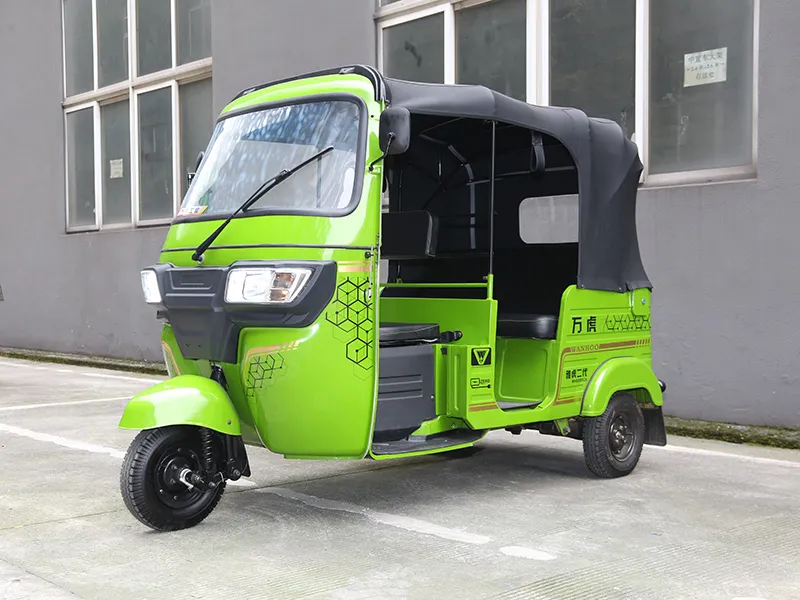
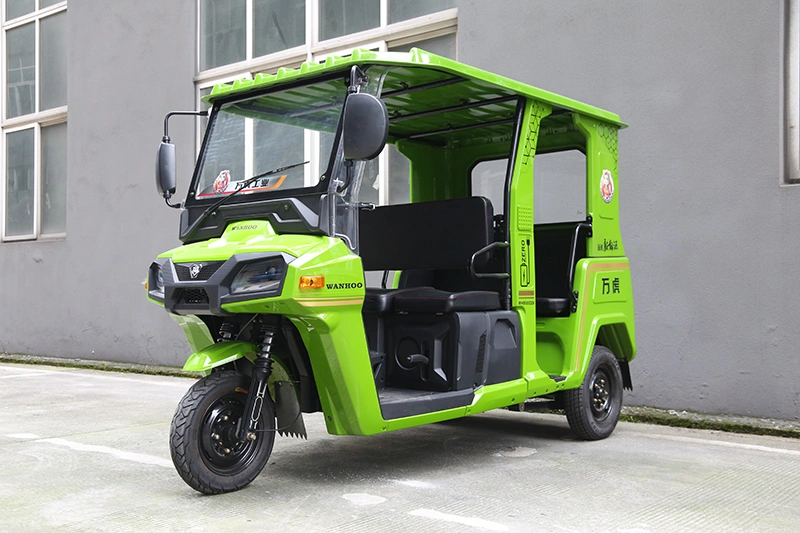
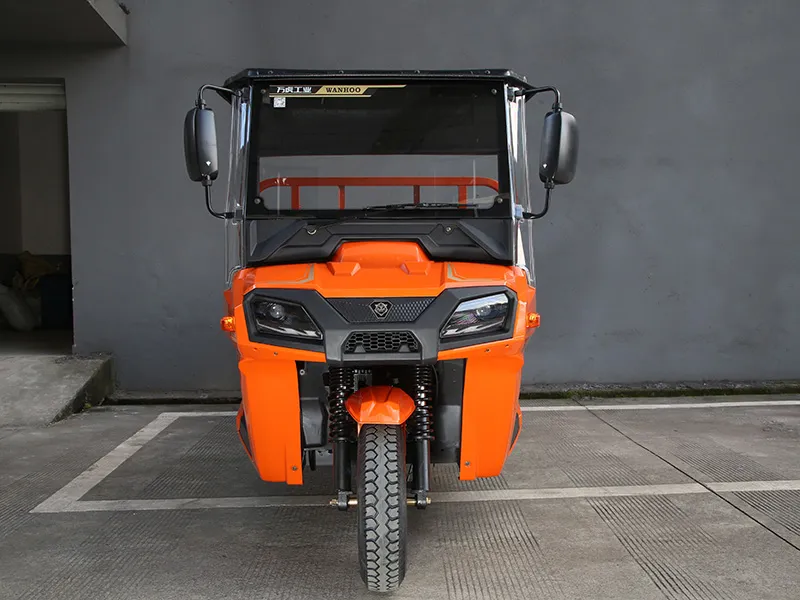
Manufacturers sit a long way from any of this. Wanhoo was founded in Chongqing in 1986, builds three-wheelers and their engines, and exports to more than 50 countries. Those facts do not establish insurance availability in any destination. The applicable terms come from local law, licensed insurers and the contract offered to the buyer.
Carrying people changes the question
The moment a vehicle carries fare-paying passengers, both the risk profile and the insurance category change, and most operators learn the second part late.
Passenger operation can change the licence, vehicle class and insurance required. A private-use policy should never be assumed to cover fare-paying passengers. Ask the transport authority and insurer to confirm the permitted use, occupant limits and passenger-related cover in writing.
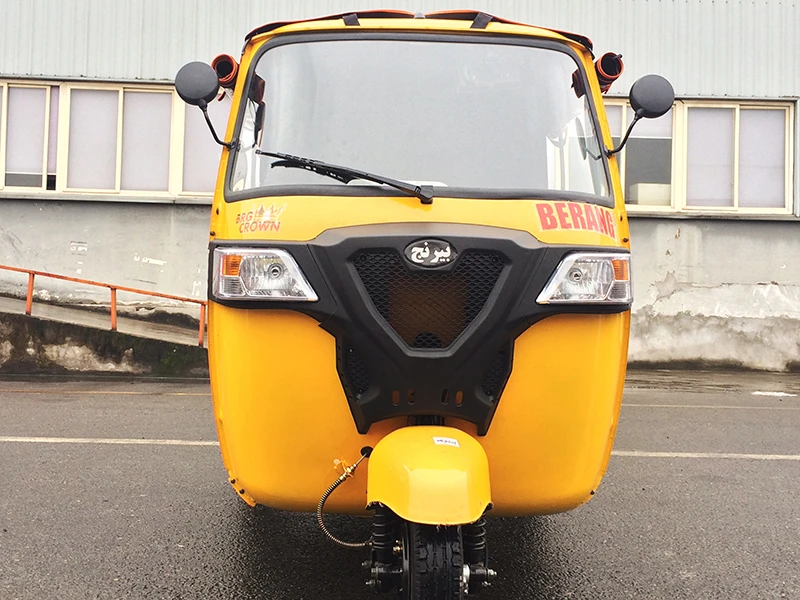
Passenger work can create multiple occupant claims in one incident, while cargo work can still create severe third-party injury and property claims. Do not rank cover by a generic article. Ask a locally licensed adviser or insurer to map the policy to the people, cargo, routes and contractual liabilities in your operation.
If the licensed insurers in your market do not write it for your vehicle class, that is a material fact about your business. Find it out deliberately rather than after an incident.
When the financier owns the vehicle
Hire purchase changes who the insurance is really for, which surprises operators who assume they are the beneficiary of a policy they pay for.
A hire-purchase or secured-finance agreement may require broader asset cover and may name the lender as an interested party or loss payee. Ownership, payout order, deductible and any remaining loan balance depend on the finance and insurance contracts; obtain both before signing.
If the financier bundles insurance into the instalment, ask for the insurer, schedule, wording, premium, deductible and claims procedure. Check whether the policy covers the financed asset or only the compulsory liability minimum. In a theft or total-loss claim, the settlement may be less than the outstanding balance or may leave no surplus for the operator.
Put two questions to any financier in writing before signing. Who receives the claim payment, and in what order? And does the policy keep paying the balance if the rider is injured and cannot work?
What fills the gap where no formal product exists
Some operator associations, cooperatives or unions maintain welfare or mutual-aid funds where formal products are limited or members want additional hardship support. Their legal status, rules and financial capacity vary.
Do not assume a welfare or mutual-aid fund is regulated insurance. Ask for its written rules, governance, accounts, eligibility and dispute process, and confirm with the local regulator whether it satisfies any compulsory insurance requirement. Treat it as supplementary unless the regulator says otherwise.
Such a fund may be designed around member contributions and locally defined hardship events. It may also make discretionary rather than contractual payments, so past assistance is not proof that a future claim will be paid.
The limits need to be read from the fund's own records. Compare cash reserves with the largest plausible event, check who controls payments and how refusals are appealed, and do not use an informal arrangement in place of compulsory cover or a lender's requirement without written confirmation from the relevant authority.
If you rely on one, treat it as the informal instrument it is. Ask when the accounts were last read out to members, how many claims were paid and refused last year, and what the largest payout has been.
A method, since there are no useful numbers
Premiums, payout levels and availability vary so much between countries, vehicle classes and individual insurers that any global figure quoted to you is decoration. What travels is the procedure.
To find out what is genuinely available where you operate, ask your national insurance regulator which motor classes are licensed for commercial three-wheelers, then ask two or three licensed insurers for the full policy wording rather than a quote. Compare the exclusion clauses side by side.
Add three steps. Confirm with your transport authority which cover is compulsory for your class and whether a commercial declaration is needed to carry passengers or goods for hire. Verify any intermediary against the regulator's published register. And keep the registration, the rider's licence, the schedule and the wording in one place, because after an incident somebody asks for all four at once.
None of this makes a product available where it is not offered. It does make the purchase checkable: the operator can identify the insurer, permitted use, cover, exclusions, limits, deductible and claims process before paying.
Related Wanhoo guides
- Use the three-wheeler import compliance guide to separate registration and market-entry checks from insurance.
- Review three-wheeler financing for fleet buyers before accepting bundled cover in a loan or hire-purchase agreement.
- Compare the vehicle-side controls in the three-wheeler safety features guide with the risks named in the policy.
Frequently Asked Questions
**Is three-wheeler insurance compulsory?**
It is compulsory in many countries, but there is no global rule. Ghana's regulator and Nigeria's 2025 insurance law are two examples requiring third-party cover for road use. Confirm the vehicle class, minimum limits and commercial-use conditions with your own transport authority or insurance regulator.
What documents may an insurer ask for?
Requirements vary. An insurer may ask for vehicle registration and value, permitted use, driver or rider details, operating territory, claims history, security arrangements or business identification. Ask the insurer for its current list and whether alternatives are accepted; do not assume informal income automatically prevents broader cover.
What is the single most important thing to check in a policy?
The exclusions and conditions. Ask for the full wording, schedule and endorsements, then read the clauses covering commercial use, load limits, permitted drivers, modifications and territory. Those terms can affect a claim, subject to local law; compare cover as well as price.
Am I covered if I carry passengers?
Only if local licensing and the policy both permit that use. A private-use policy should not be assumed to cover fare-paying passengers. Ask the transport authority and insurer to confirm the vehicle class, occupant limit, permitted use and passenger-related cover in writing.
The finance company arranged insurance with my hire purchase. Am I protected?
Possibly, but the finance and insurance contracts control. Ask who owns the vehicle during the term, who receives a claim payment, how any shortfall or surplus is handled, what deductible applies, and whether the policy covers the financed asset or only the compulsory liability minimum.
Is a route association welfare fund the same as insurance?
Do not assume so. A welfare or mutual-aid fund may be informal, cooperative or regulated depending on local law. Ask the regulator whether it qualifies as insurance and satisfies compulsory cover, and review the fund's written rules, reserves, governance and appeal process before relying on it.