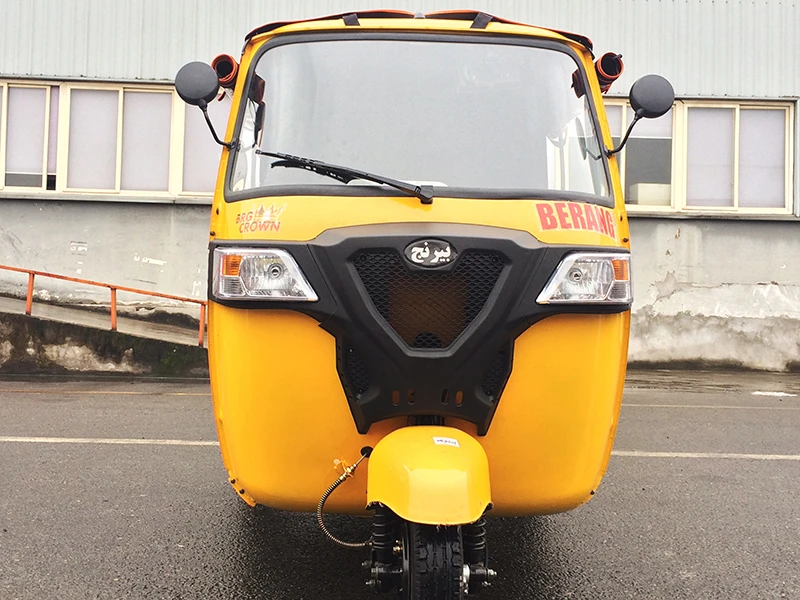
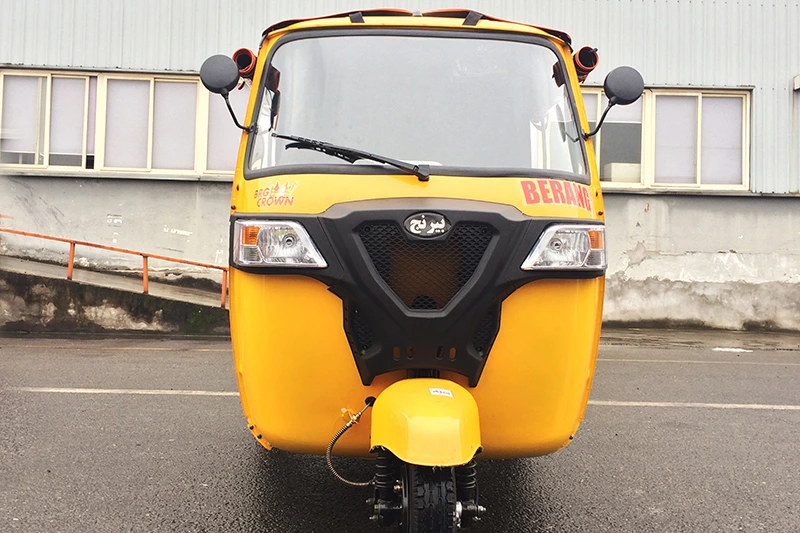
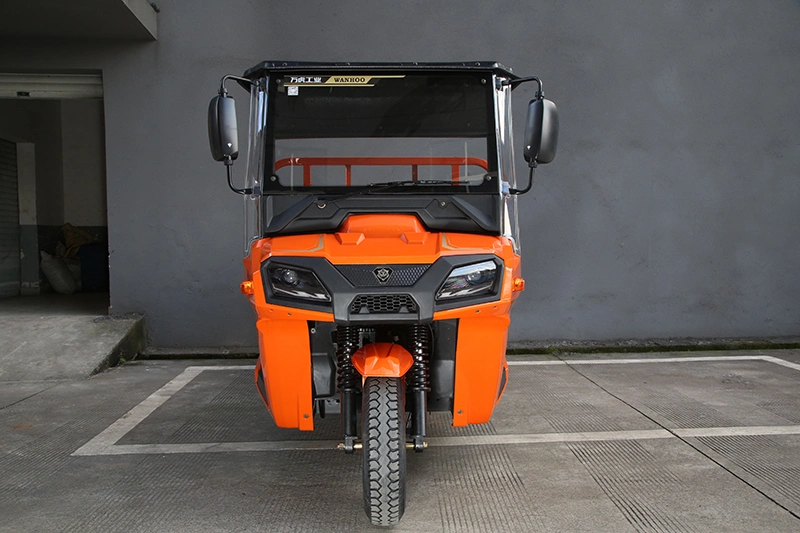
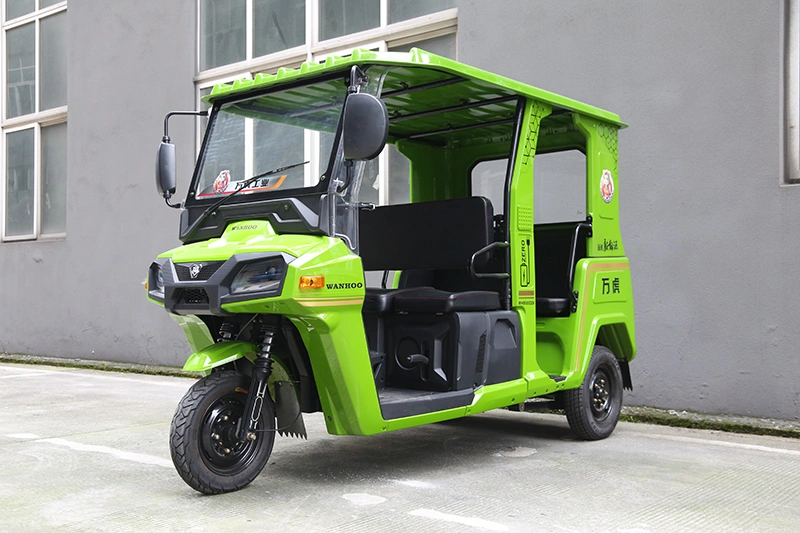
For hay and straw, a feed transport tricycle is often limited by usable bed volume before payload. Measure the real load, keep it low and secured, and stay within the vehicle and local road limits.
The bed is full. Bales are stacked level with the top rail, the last one went on with a shove, and there is nowhere to put another without starting a second layer. The plate says the rated load is nowhere near reached. Nothing is wrong with the vehicle or the load. That is what fodder does on a flatbed, and it is why a feed transport tricycle gets specified differently from one hauling sand, bricks or cement.
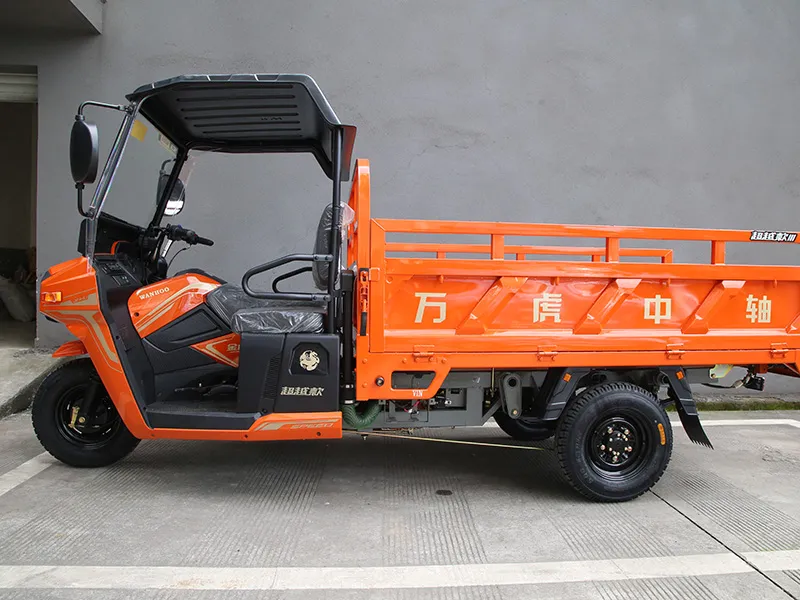
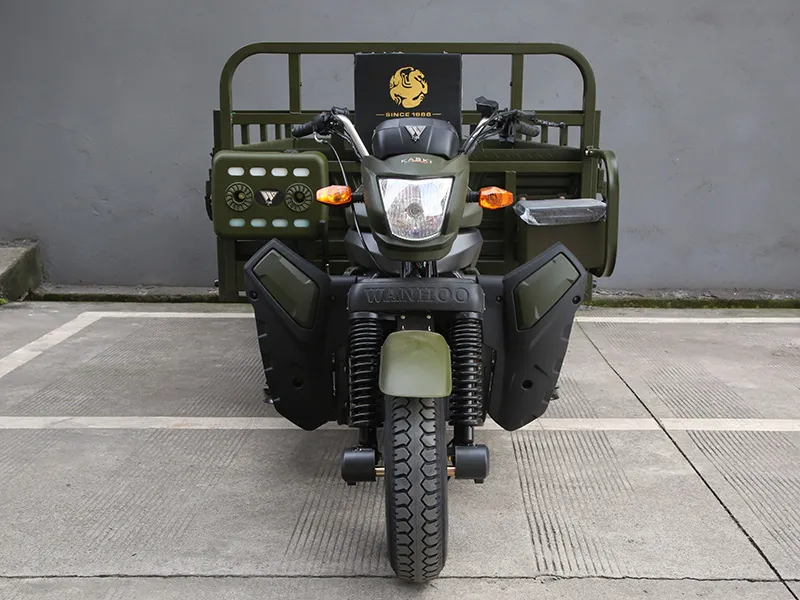
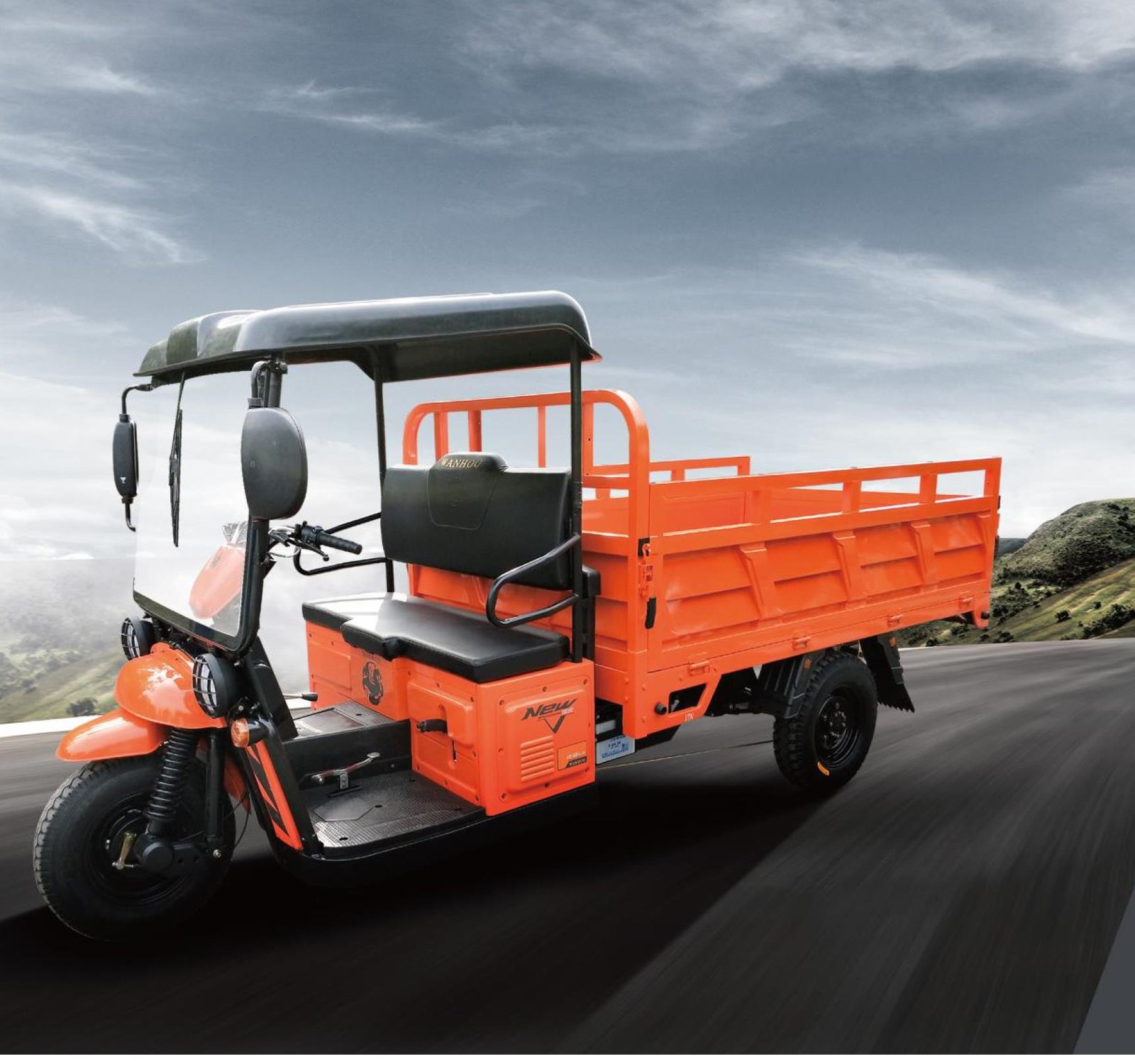
Almost every spec sheet leads with payload. For a farm moving hay, straw, cut grass or crop residue, that number is only one part of the decision. The load may run out of room before it runs out of weight, so compare usable bed dimensions and loading height as well as the rated load. Wanhoo's cargo-box configuration guide explains the main body choices.
Why fodder inverts the usual buying logic
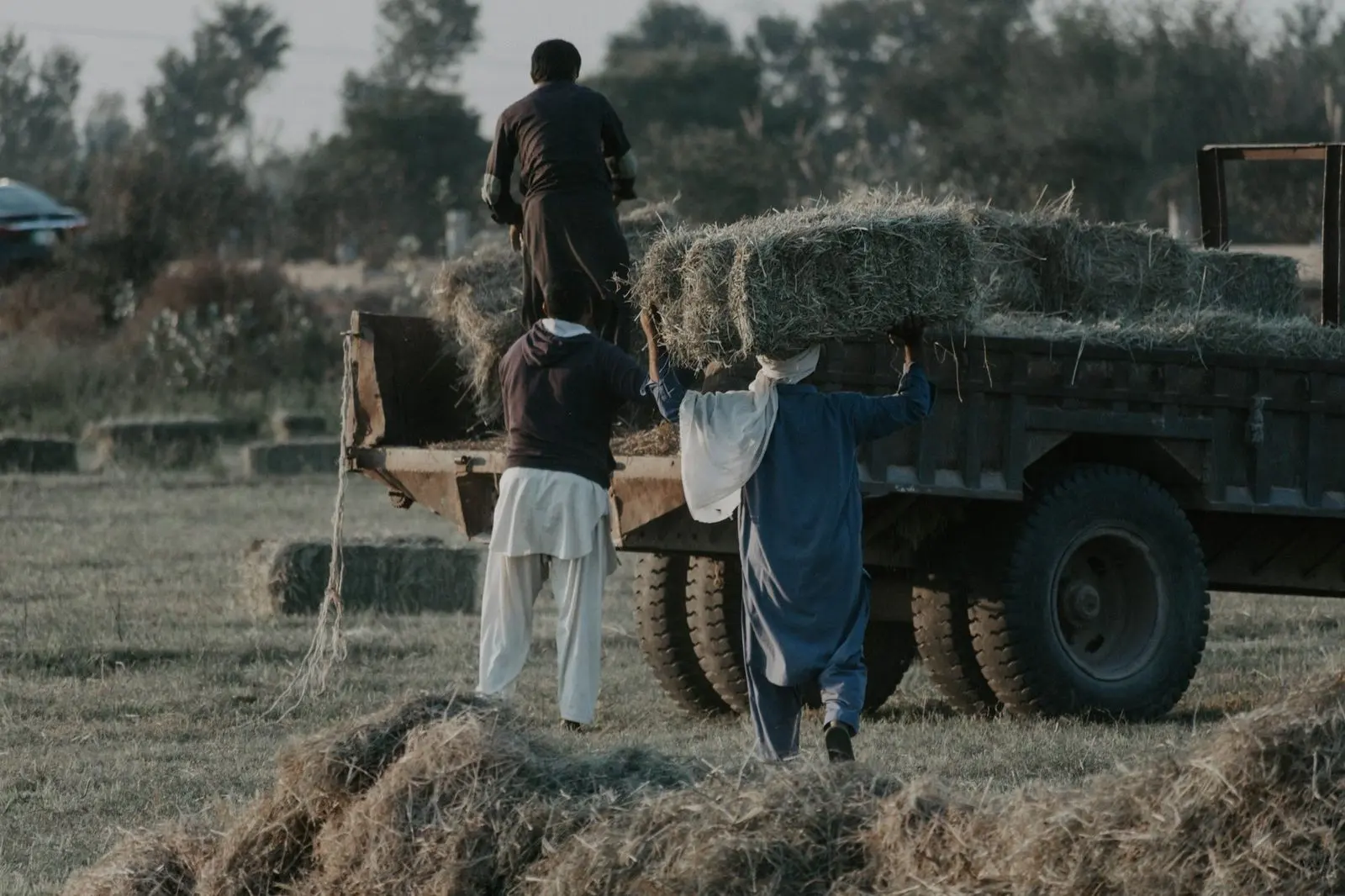
Baled and loose forage can be bulky in relation to its weight. A cargo bed may reach its permitted fill envelope while remaining below the rated payload, so buyers need both usable bed dimensions and a verified loaded weight.
That changes what you compare between vehicles. Depending on bale dimensions, a longer bed may accept another row, while a higher payload rating may add no usable capacity for a volume-limited load. Measure the exact bales and compare them with internal bed dimensions rather than relying on either number alone.
The gap is easiest to see with arithmetic. Everything below is invented and illustrative, round numbers chosen to show the shape of the problem. Real bale weight varies enormously with the baler, crop, packing and moisture. Weigh and measure your own bales before planning around these figures.
Illustrative only. Invented round numbers.
- BEFORE (dense load, bagged feed): suppose a sack weighs 25 kg. Forty sacks reach 1,000 kg. The bed is not close to full when the weight limit arrives. Weight runs out first.
- AFTER (bulky load, small square bales): suppose a bale weighs 20 kg. Stacked level with the rails, twenty bales fill the bed. That is 400 kg on a vehicle rated for 1,000 kg. Volume runs out first, at well under half the rating.
Same vehicle, same rating, two different constraints. Those numbers are made up. Put your own bales on a scale and a tape measure, then repeat the sum with real values.
Here is how the common feed forms compare when working out what a feed transport tricycle actually has to do on your farm.
| Feed form | What runs out first | What that means for the vehicle and the loading method |
|---|---|---|
| Small square bales, dry | Volume, by a wide margin | Bed length and side height decide trip size. Easy to hand-stack, easy to overdo the height |
| Large round bales | Volume, plus handling limits | Often too heavy for one person. Bed length and a low deck beat rating. Often a one or two bale trip |
| Loose hay, straw, cut grass | Usually volume | Needs an approved containing body or net matched to the load and local rules |
| Silage and wet cut forage | Weight, sooner than expected | Dense and wet. A bed that looks half empty can be at the limit. Drips, so drainage matters |
| Bagged compound feed, pellets or meal | Weight | Loads flat and low, uses little of the bed. Rating and stopping distance are the real constraints |
| Mixed load, bales plus sacks | Both, in one trip | The hardest case. Sacks low and central, bales above, restrained as two separate problems |
One thing stands out. A farm moving both fodder and bagged feed is buying for two different jobs with one vehicle. Compare both the largest routine volume and the heaviest routine load, then check route width, stopping performance and total trip cost before choosing a compromise.
Building the load upward has a hard ceiling
Once the bed is full and the rating is untouched, the obvious move is to go higher. That works, up to a point, and the point is not where most people think it is.
Adding material above the bed raises the combined centre of gravity and can reduce a three-wheeler's stability margin on turns, cambers and ruts. A load can remain below the payload rating yet still be unsafe because of its height, movement or blocked sightlines.
Payload is therefore not the only safety check. Total mass, load height, restraint, distribution, speed, tyre condition and the route all affect stability. Wanhoo's three-wheeler safety guide provides a broader pre-purchase checklist.
Several limits set the real ceiling on stack height, and local road rules may be stricter than the space available in the bed.
The first is stability. As the stack grows, the stability margin can shrink. A side slope at a field entrance, heavy camber, a pothole under one wheel or a sudden turn can then have a larger effect. Do not test for a tipping threshold. Use the body, stacking and restraint limits in the vehicle manual, obtain model-specific guidance from the supplier, and keep the load as low as the job allows.
The second is visibility. A load built up behind and beside the rider can block mirrors and the view over the shoulder. Do not operate if the load obstructs required visibility, lamps, reflectors, the number plate or signals; confirm destination-market requirements before the trip.
Added weight also changes braking demand. More mass at the same speed carries more energy that the brakes must dissipate, and road surface, tyre grip, brake condition and heat all affect the result. Stay within the rated load, reduce speed for the conditions and leave more stopping distance; never treat extra following distance as permission to overload.
The other half of the job: sacks
Bagged compound feed is the mirror image of hay. It is dense, it stacks flat, and it puts the load low in the bed where you want it. A sack load is genuinely weight limited, so the payload rating finally becomes the number that matters.
Because bagged feed sits low and compact, it uses little of the bed while approaching the rated load. The vehicle that felt space limited under bales becomes weight limited under sacks, and the driver has to change habits accordingly, allowing more distance to stop and carrying less speed into corners and rough ground.
For a mixed load, keep dense items low and secure them so they cannot shift, but do not assume that directly over an axle is correct for every model. Follow the manufacturer's load-distribution diagram and axle limits, and restrain the dense and bulky parts as separate load cases.
The same trip, every day
Feed delivery is not occasional haulage. Animals eat every day, the route does not change, and the loading points are the same ones they were yesterday. That repetition rewards very different qualities from a one-off heavy haul.
On a route that repeats daily, small frictions compound. A deck a little too high to load comfortably costs effort on every sack and every bale, every day. A vehicle needing attention once a month stops the feed run on the day it happens, and animals still need feeding whether or not the vehicle started.
Deck height is quietly decisive. Every bale is lifted from ground level to the deck and every sack comes back down. A deck low enough to slide a bale onto, rather than lift clear of a high rail, is often the difference between one worker and two.
Reliability matters beyond convenience. According to the International Labour Organization, a very large share of the world's workers earn their living in the informal economy, with agriculture among the sectors where informality is most concentrated. For an owner-operator hauling feed, the vehicle is the business, and a day off the road is a day with no income.
The roads argue for the same priorities. According to the World Bank, there are "more than one billion people living more than 2km away from an all-weather road". Many agricultural routes include farm tracks, unsurfaced lanes and field entrances, where a tall load, a soft edge and a side slope can combine badly.
Wet feed is heavier feed, and worth less
Rain is not just a comfort problem on a feed run. Water changes both the value of the load and the weight of it.
Hay, straw and some packaging can take on water during transport. The added water reduces payload margin and can contribute to spoilage, so weigh representative wet loads and protect feed before departure instead of assuming the dry weight will remain unchanged.
Bagged feed can also take on water or be damaged after exposure. Wet compound feed may clump or spoil, and a torn wet sack can lose its contents. Follow the feed producer's storage and handling instructions before deciding whether exposed feed remains usable.
According to the FAO, the global target is to "halve per capita global food waste at the retail and consumer levels and reduce food losses along production and supply chains by 2030", and the organisation asks "Why we need to think about transportation systems to reduce food loss." Feed is the same problem one step earlier, and fodder spoiled in transit has to be bought again.
Use a weather cover and restraint system approved for the vehicle and load, secured so it cannot flap, detach or hide lights and reflectors. Cover the load before leaving, not once the rain starts, and keep drainage paths clear.
Restraining a bulky light load
Tying down straw is not tying down bricks with less weight. Bulky light loads fail differently and need a different approach.
Friction alone is not a restraint plan. Light material can slide or lift under braking and airflow, while dense items create larger forces when they move. Loose hay and straw also catch wind, so the complete load needs containment and restraint sized for the vehicle, route and local rules.
Bales can settle under a strap, allowing tension to fall after departure. Inspect the system before leaving and again only after stopping in a safe place away from traffic, following the restraint manufacturer's instructions. An approved containing body or load-rated net may be needed for loose material; it does not replace the restraints required for the bales or the vehicle manual.
What to measure before you decide
Take a tape measure to the bales you actually handle, and a scale if you can get one. Work out how many fit in a given bed length, then what that load weighs. In most fodder operations the answer sits well below the rating.
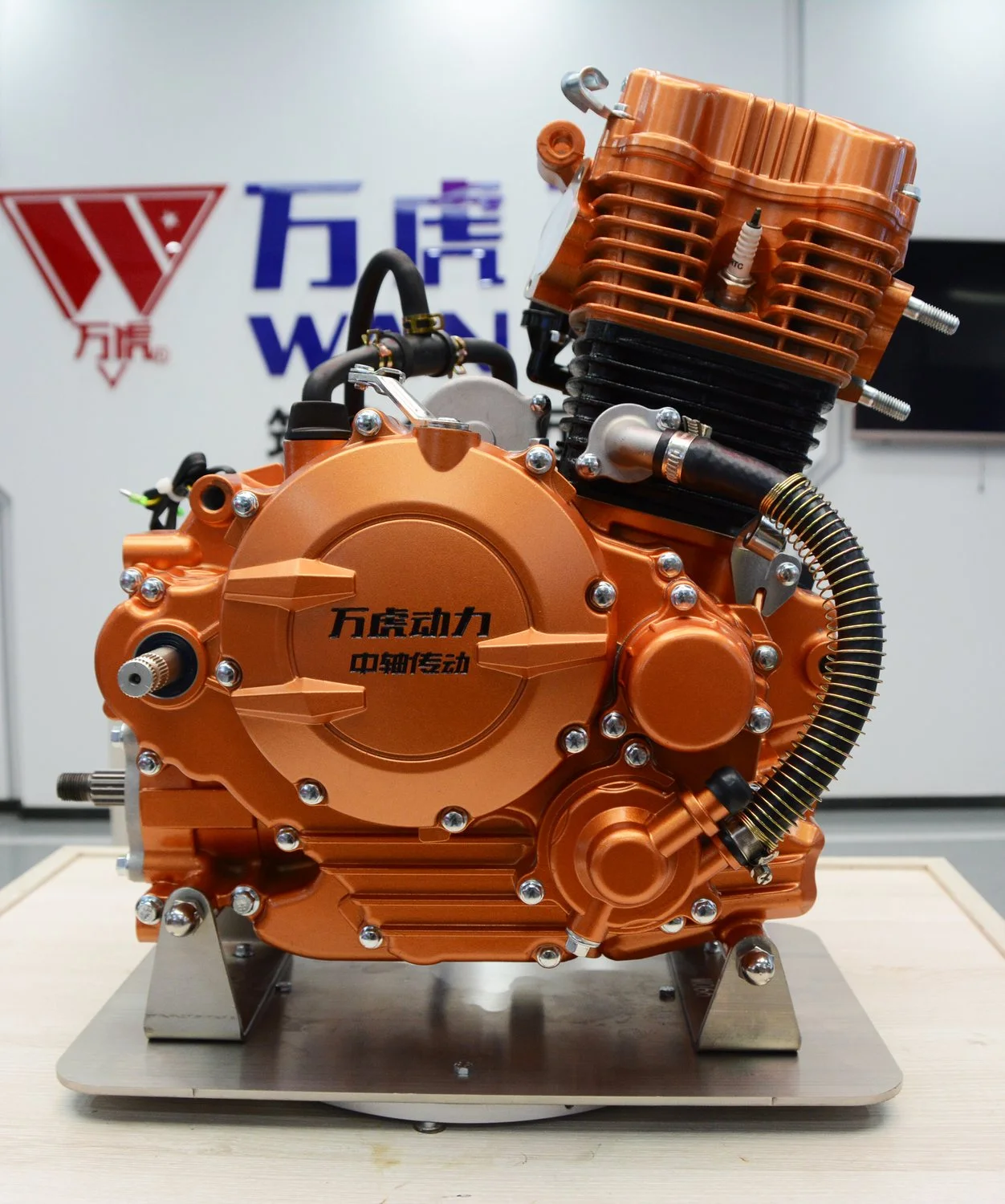
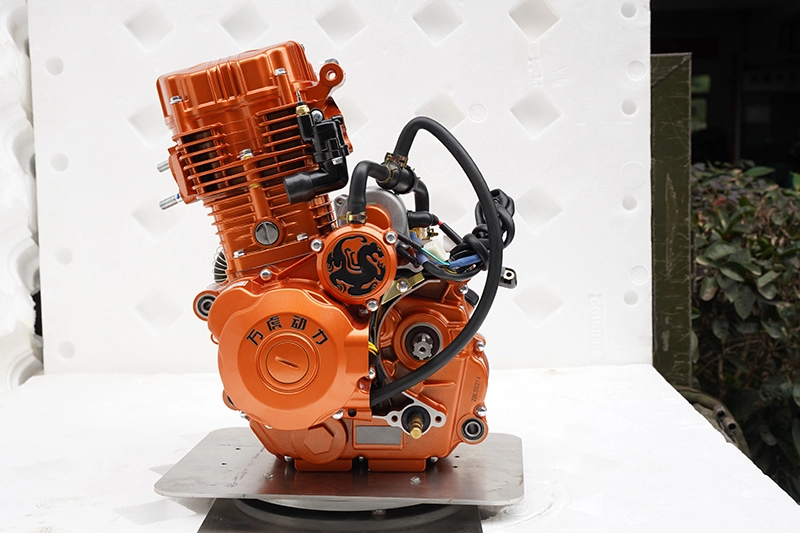
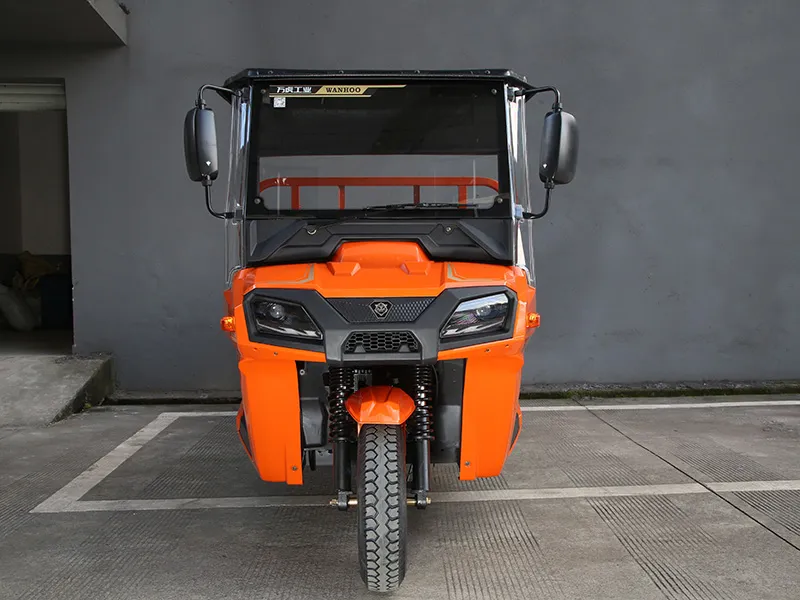
For the WINTIGER agricultural cargo tricycle, Wanhoo publishes a 2,200 × 1,350 × 400 mm cargo box, a 250 cc water-cooled engine, 5.00-12 tyres, 580 kg net weight, maximum loading capacity up to 1,000 kg and a fuel-economy upper limit of 4.3 L/100 km. Confirm the current configuration in the quotation. Bed dimensions help with fit, but only an actual loaded weight establishes payload margin.
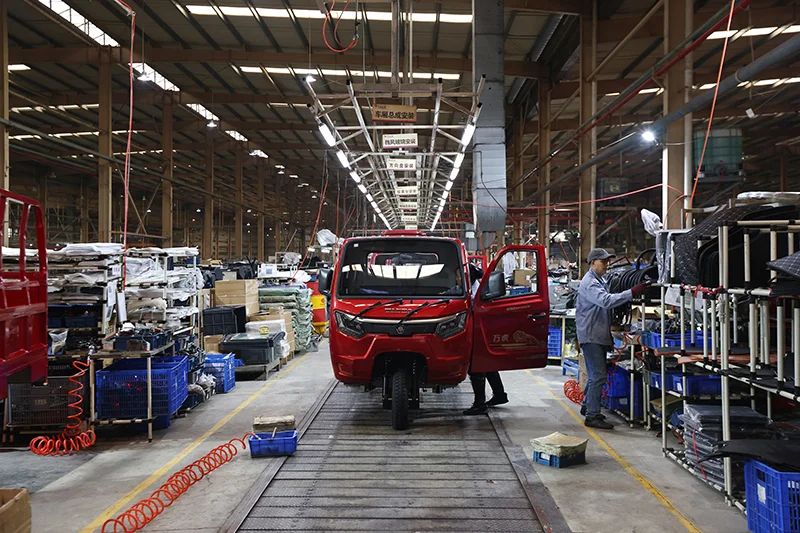
Wanhoo, founded in Chongqing in 1986, builds three-wheelers, with more than 1,000 employees on a 60,000 m² site, annual capacity of 100,000 vehicles and 300,000 engines, and exports to more than 50 countries. In-house engine and frame production does not by itself prove local parts stock or response time, so confirm both for the destination market.
None of that changes the decision method: measure the load's dimensions and weight, keep it inside the approved body and visibility envelope, and allow for weather, restraint and route conditions.
Frequently Asked Questions
**Is payload or bed size more important when hauling hay on a three-wheeler?**
Often bed size, but never bed size alone. Baled and loose fodder can fill the usable body before the rated load is reached. Compare internal bed dimensions and loading height, then weigh a representative load and keep it within the vehicle, axle and local limits.
How high can I safely stack bales on a three-wheeler?
There is no safe universal figure. Do not test for the height at which the vehicle begins to feel unstable. Use the body, stacking and restraint limits in the model manual and local rules, keep the load low, and do not operate if it obstructs mirrors, lamps, reflectors, signals or the number plate.
Does a heavy load make my brakes weaker?
A heavier load increases the energy the brakes must dissipate, and stopping performance also depends on tyre grip, road surface, brake condition and heat. Stay within the rated load, reduce speed for the conditions and leave more stopping distance. If braking changes or fades, stop using the vehicle and have it inspected.
Can one vehicle handle both bales and bagged feed?
Potentially, but the two jobs bind different limits. Fodder needs usable bed volume and safe containment; sacks need enough payload and axle capacity. Measure both routine loads, follow the manufacturer's distribution diagram, secure dense items low, and compare real trip cost before choosing one vehicle for both.
Does rain change how much I can carry?
It can. Hay, straw and some packaging can take on water, reducing payload margin and increasing spoilage risk. Protect the load before departure, keep drainage paths clear and weigh a representative wet load if rain exposure is part of the duty cycle. Follow the feed producer's advice before using exposed feed.
How should I tie down a light, bulky load like straw?
Use a vehicle- and load-rated containment and restraint system; friction or a tarpaulin alone is not enough. Because bales can settle and reduce strap tension, inspect before departure and recheck only after stopping safely, following the restraint manufacturer's instructions and local load-securement rules.