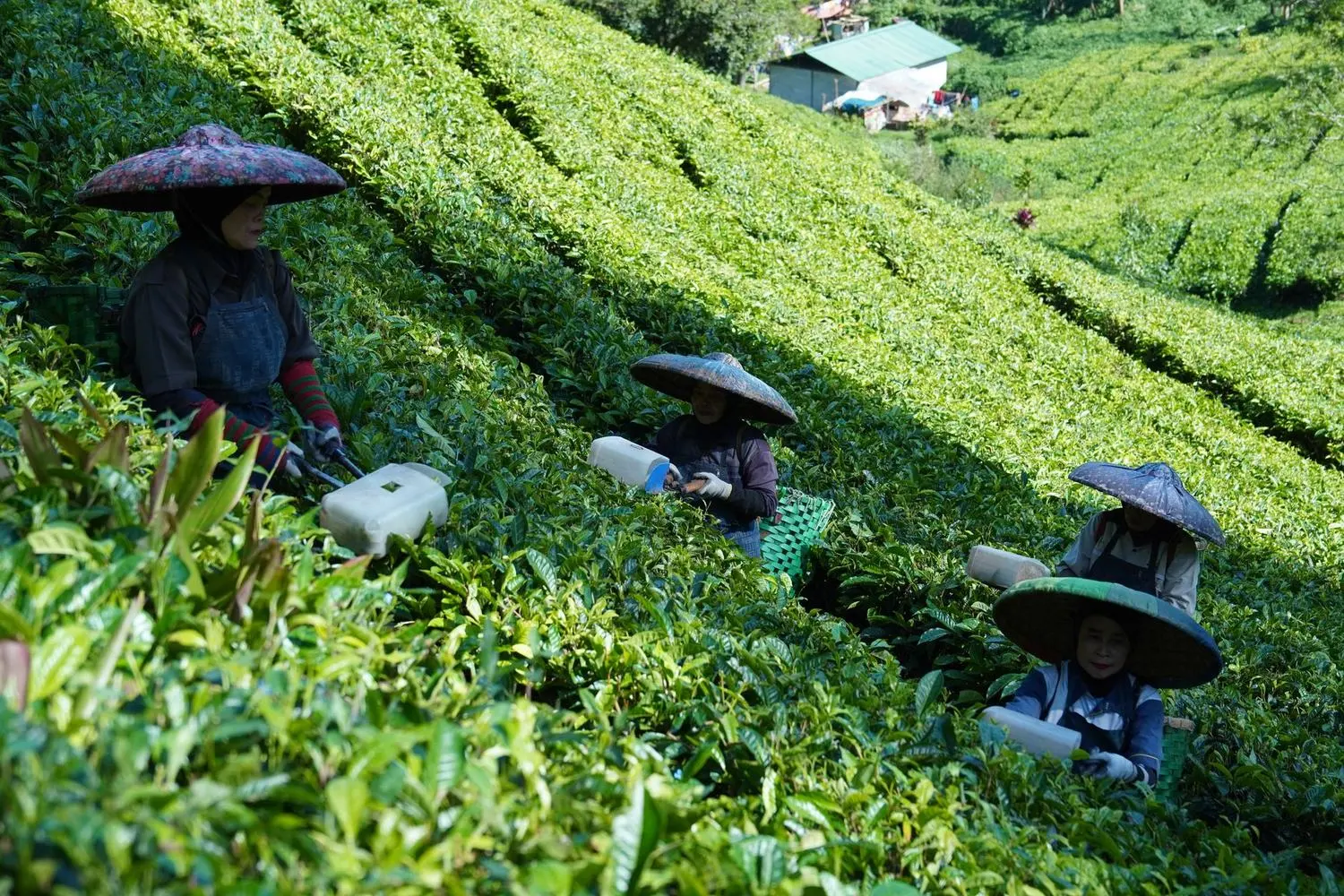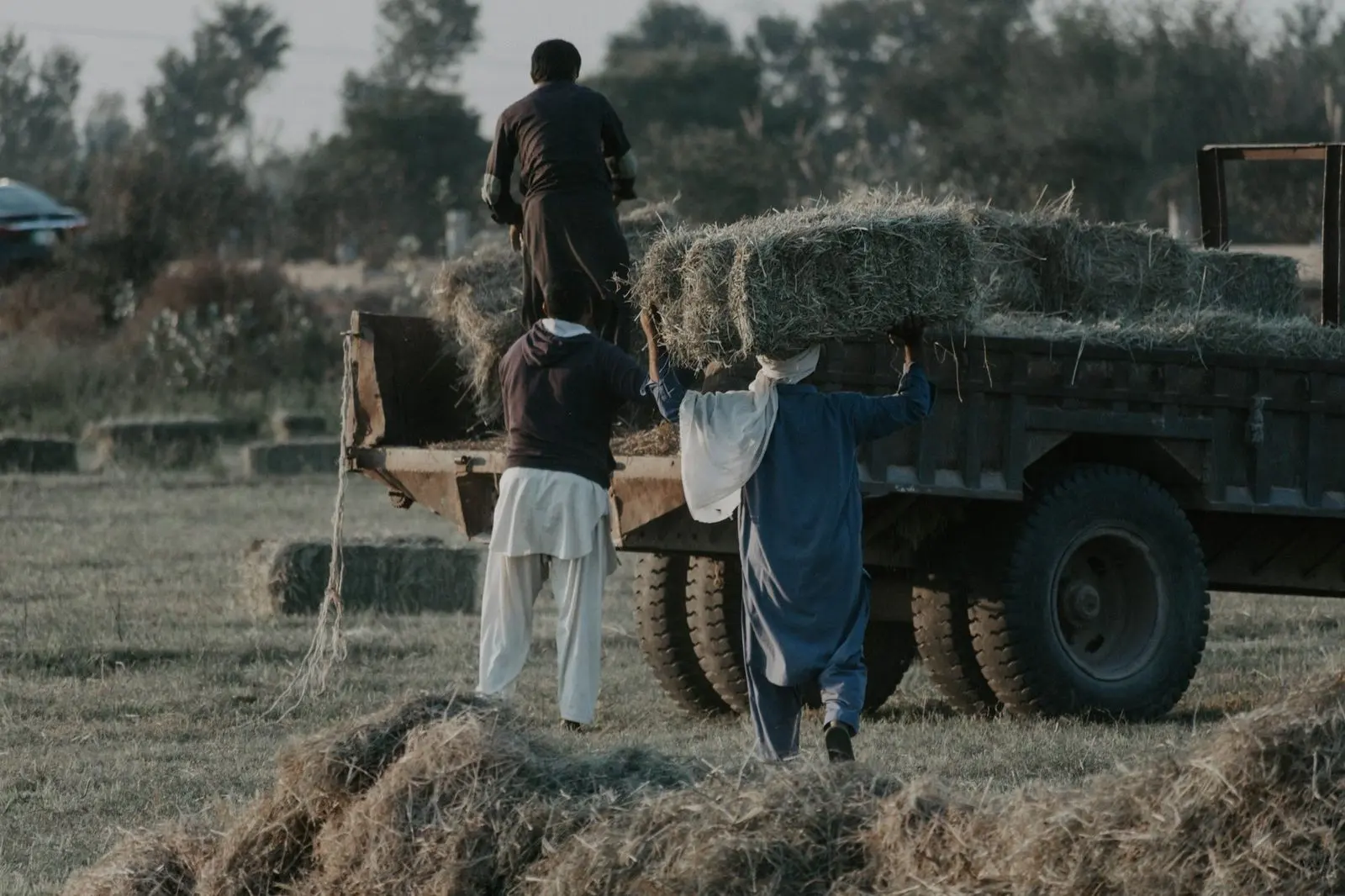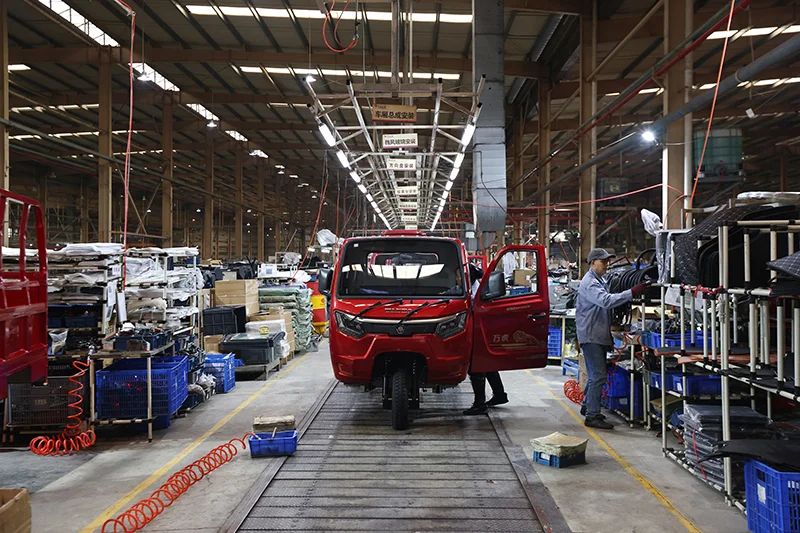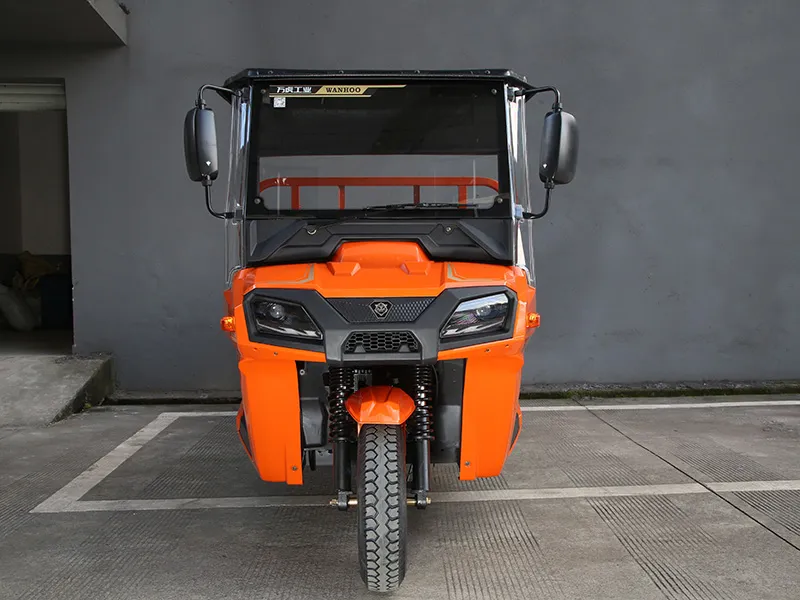
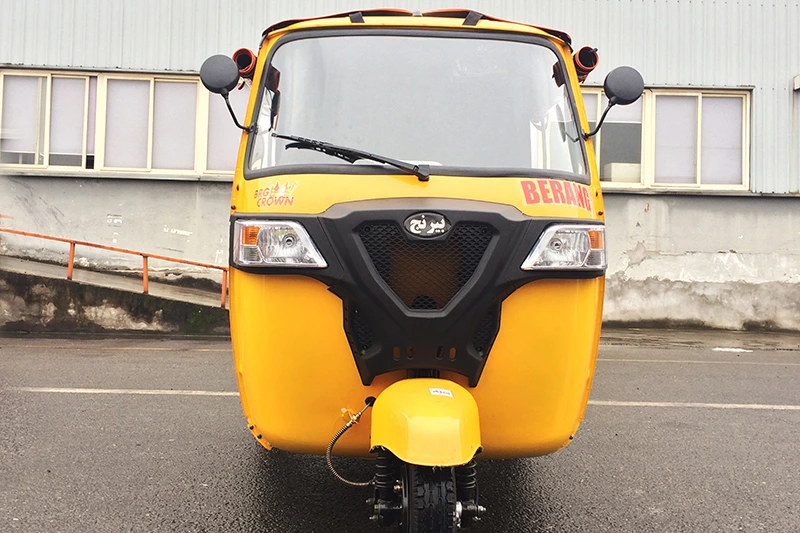
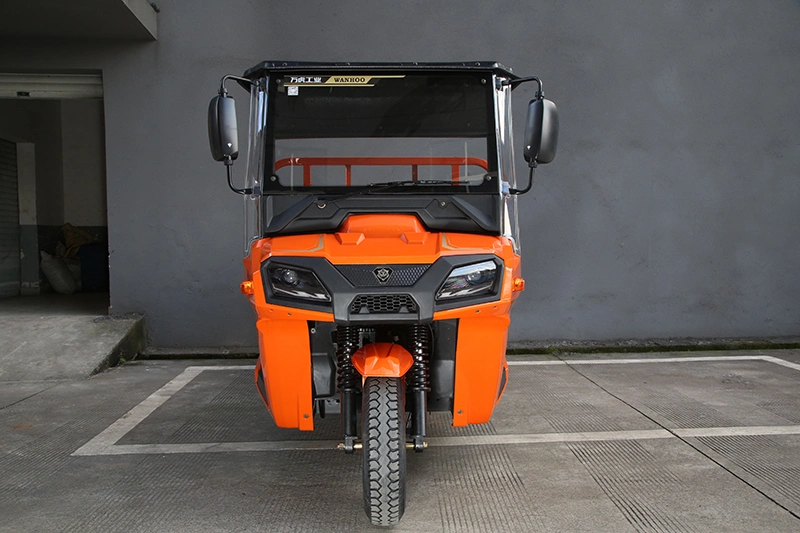
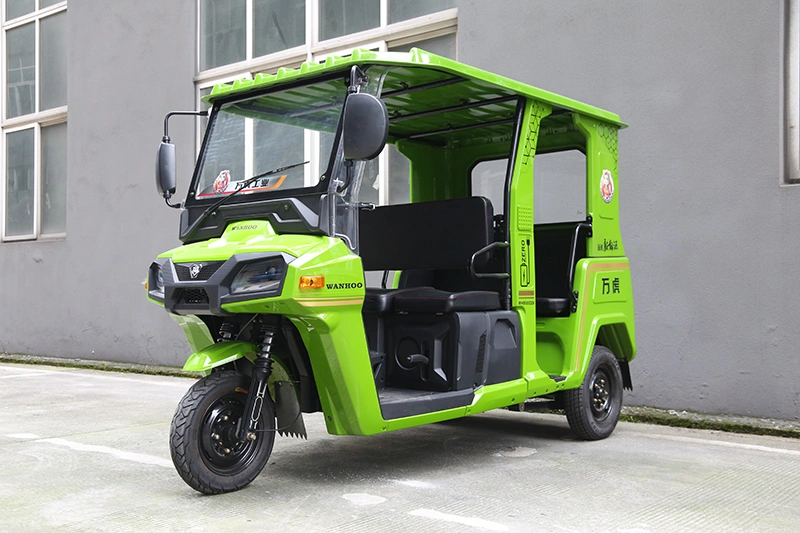
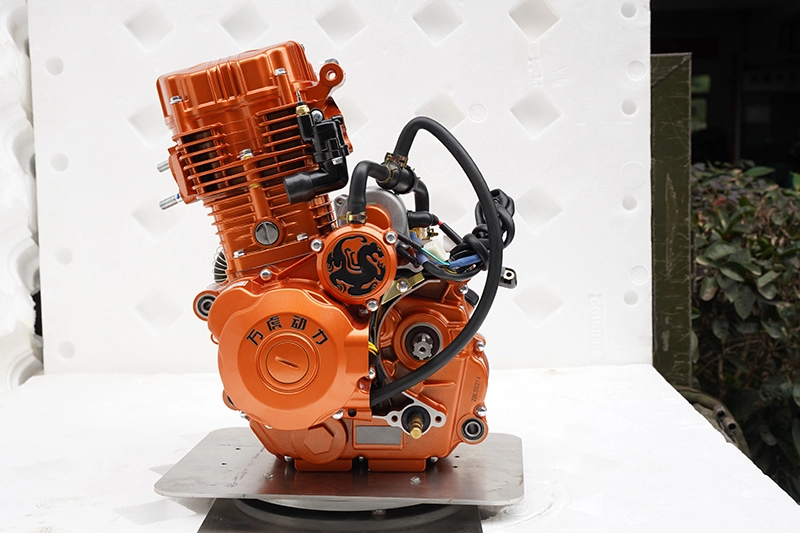
A crop transport tricycle can move produce from a plot to a road, collection point or buyer where a larger truck is unsuitable. Choose from measured access width, turning space, ground condition, crop container, lawful rated load and safe loading method—not payload alone.
Consider a representative harvest-day constraint. Sacks accumulate at the row end, while the buying point and an all-weather access road sit beyond a field that is unsuitable for a large loaded truck. The first-leg vehicle has to move produce across that gap repeatedly without exceeding its rating or damaging the route.
That field-to-road gap is the specific problem addressed here. It is not the same as long-distance road haulage or crop-specific post-harvest handling.
Harvest transport can be a seasonal peak-demand problem. Crop, planting dates, weather and buyer schedules determine how concentrated that peak is. Before buying, estimate the actual operating days and identify lawful off-season work; do not assume one district or crop represents another.
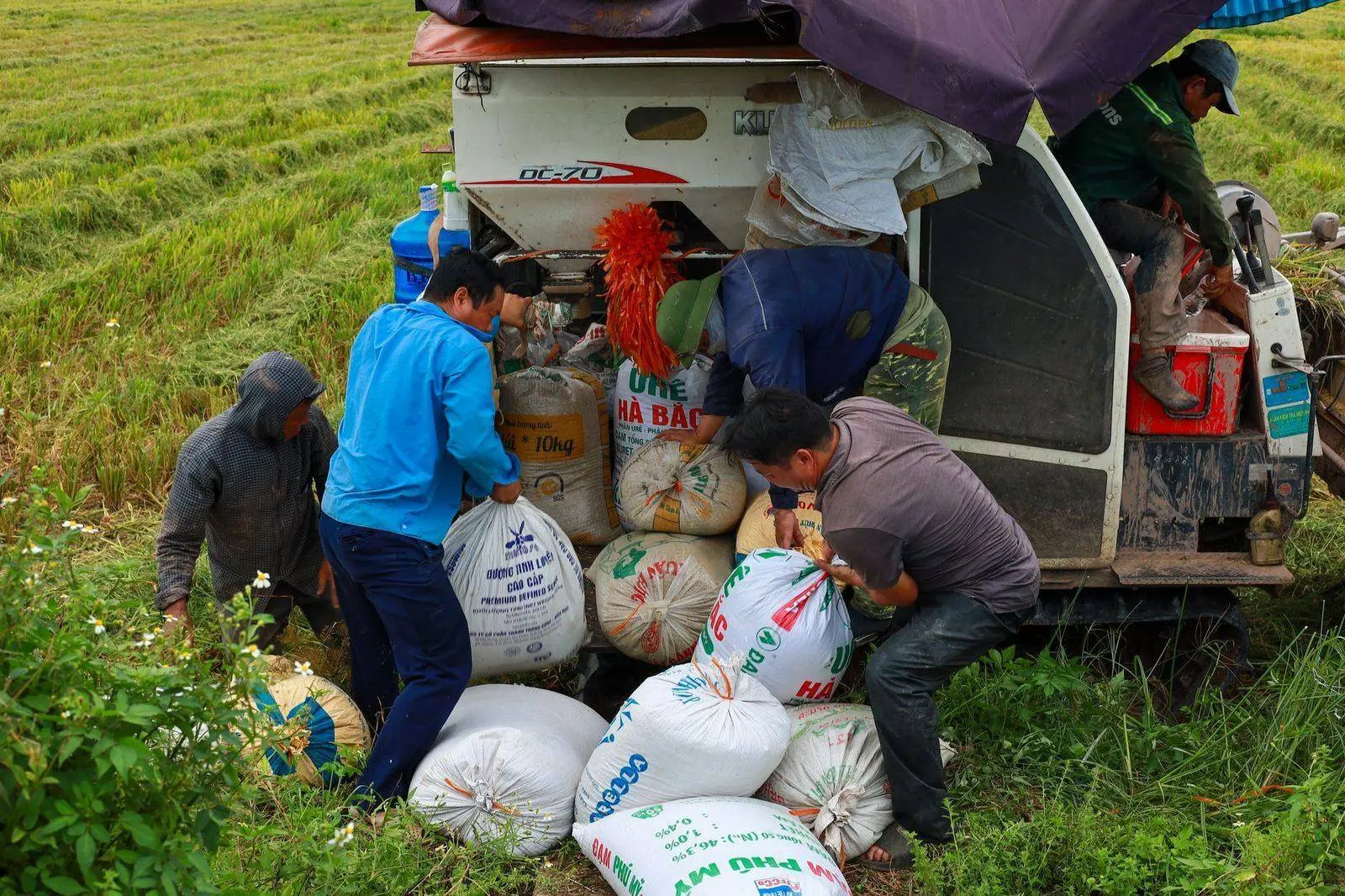
The harvest window is short and everyone shares it
A vehicle used only for a short harvest window can be idle for much of the year. Calculate utilisation, finance, insurance, registration, maintenance, storage, operator labour and residual value with local figures. Hire availability and rates can also change during a seasonal peak.
The options include hiring, sharing under a written agreement, or owning a vehicle with safe and lawful off-season work. Passenger transport, animals, fuel and other regulated or hazardous loads can require different bodies, restraints, permits and insurance; versatility must not mean using one configuration for every cargo.
The first leg is the hard leg
The journey from field to buyer can have more than one leg. From a roadside stack to a market or processor, distance, fuel, payload, road law and cargo protection may favour a larger road vehicle. That comparison depends on the route and volume.
The first leg is different when it runs from the plot to a point a larger vehicle can reach. It may be short, repeated and partly off-road. A large truck may be unsuitable because of gate width, turning space, axle load or wet ground—not because every field is inaccessible to trucks.
The first leg of crop transport can run from the plot to a road or collection point. When it is short, repeated and partly off-road, turning space, ground clearance, cargo handling and route condition can matter more to the cycle than top speed.
Post-harvest handling and cooling are crop-specific subjects. Perishable produce may require shade, ventilation, cooling, gentle handling or a time limit set by the buyer or an agronomist. Do not treat faster driving as the solution; plan the loading, route and handoff before harvest.
According to the FAO, food loss covers any food discarded or otherwise disposed of along the food supply chain, starting with harvest up to but excluding the retail level. That definition spans storage, handling and transport across every commodity, so it frames the field leg without measuring it.
Why cycle time and payload must be measured together
On a long haul, payload can reduce the number of runs if total volume, access, loading time and legal limits stay constant. On a short field leg, the cycle may instead be dominated by positioning, loading, unloading and returning. Measure each part of the cycle before choosing a larger bed.
On a short field leg, loading and unloading can dominate cycle time. Extra payload only improves throughput when the crew, access, rated capacity and handling method can use it safely. Compare measured total cycle time, not brochure payload in isolation.
Look at bed height and access as manual-handling risks, not invitations to lift more. Ask a competent safety lead to set lifting aids, team-lift limits and safe zones. Also check which sides open and whether the route permits forward turning without reversing across soft ground.
Here is an illustrative example with invented round numbers. Substitute your own field.
BEFORE: in the invented example, a crew moves crop by handcart to a road 400 metres away. A round trip takes about 20 minutes, so ten trips consume much of the working period.
AFTER: the same 400 metres is served by a vehicle that can be loaded through more than one side. In the illustration, a round trip takes about 8 minutes including loading, so the constraint shifts toward unloading and the buying-point queue.
Both sets of figures are invented to show the shape of the calculation, not to describe any real farm. Time your own loading, pace out your own distance, count last season's trips, and run the arithmetic on your own field. The only number that matters is yours.
Sacks, bulk and crates handle differently
The form the crop takes when it leaves the field changes the vehicle requirement more than the crop species does.
Sacked crops are unit handling. What matters is bed length against sack length, side rail height so a stack does not shed on rough ground, and somewhere to run a rope. Stack height is limited by what the crew can lift, not by what the bed can hold, so a very deep box adds little.
Loose bulk is the opposite. Grain from a thresher, roots, cane, sand and manure load fast and unload slowly unless the vehicle helps. Box joints need to be tight or you leave a trail along the track, and how the load is discharged is the biggest single time factor. Tipping mechanisms are a wear item worth asking about specifically.
Crates and trays are about stability rather than weight. A stack on a rough track wants a flat floor, honest rail height and suspension that does not throw the top layer off on a rut.
The same field in a different month
A route that works in the dry season is not a route after rain. That is a common sizing mistake, because people plan around the field they walked most recently.
The same plot can become a different transport job after rain. Bearing strength, traction, drainage and usable turning space may change. Inspect and approve the route for current conditions; do not assume a dry-season line or load remains safe in the wet season.
Wet-season access may move the loading point, lengthen the route or require a different vehicle and operating limit. Never exceed the plated capacity, and do not invent a reduced "safe load" from guesswork. Use the manufacturer's guidance, a competent site assessment and a recovery plan that keeps people clear of unstable or moving equipment.
Tyre size, tread, pressure and ground clearance all affect off-road operation, but their interaction with soil and load is not captured by a simple wide-versus-narrow rule. Use approved tyre sizes and pressures and assess the actual route with the supplier or a competent local specialist.
The table below matches common field conditions and crop forms to what they do to the crop transport tricycle job, and to what is worth checking on the vehicle before the season starts.
| Field condition or crop form | What it does to the transport job | What to check on the vehicle |
|---|---|---|
| Dry stubble, firm headland | Can support repeated short runs; turning space may bind | Turning circle; bed access; documented manual-handling method and lifting aids |
| Wet or recently irrigated soil | Traction and sinkage decide the route, not distance | Tyre width and tread; ground clearance under the axle; where the loaded departure point now sits |
| Narrow bunds, gates and tracks | Width decides whether the vehicle reaches the plot at all | Overall width against your narrowest gate; rear overhang on a tight turn |
| Sacked grain or pulses | Unit handling; stack height and lashing matter | Bed length against sack length; side rail height; tie-down points |
| Loose bulk such as roots, cane or threshed grain | Loading is fast, unloading is the constraint | Tightness of box joints; tailgate operation; how the load is discharged |
| Crates and trays | Stability over ruts; stacking discipline | Flat bed floor; rail height; ride quality when part loaded |
| Steep or uneven access track | Raises stability, braking, traction and drivetrain demands | Written gradeability and braking information with load and test conditions; a site risk assessment by competent people |
| Long run to a distant buying point | Fuel, cargo protection and operator fatigue matter per trip | Consumption with disclosed test conditions; legal hours, rest, seating and weather protection |
Share, hire or own
Whether a holding can justify a dedicated vehicle depends on utilisation, access to hire, cash flow and the cost of missed harvest movements. Compare hiring, sharing and owning with local records rather than a farm-size assumption.
Hiring avoids vehicle ownership cost but still carries hire fees, availability risk and contract terms. Ask about scheduling, cancellation, breakdown cover, permitted use and insurance as well as the day rate.
Group ownership solves availability only if the group solves scheduling first. A rota agreed in writing before harvest, with a named order of use and a rule for what happens when rain compresses the window, is the difference between a shared vehicle and a shared argument. Settle in advance who holds the keys, who pays for fuel, and who is responsible for servicing and damage.
According to the ILO, over 60 per cent of the world's workforce and 80 per cent of enterprises operate in the informal economy. That global figure says nothing about tricycles or a particular farm agreement. It is context for putting a shared-vehicle schedule, costs, maintenance, insurance and dispute process in writing.
Off-season work can improve utilisation, but each job still needs a compatible body, lawful load, trained operator, suitable insurance and realistic demand. Model ownership against actual paid days and all costs; do not count hypothetical work as revenue.
Sizing for the actual field, not the brochure
Before comparing specifications, measure your own constraints. Record the narrowest gate, bund top or track the vehicle must pass; the turning space at the row end when the crop is standing; and the distance from the furthest plot to a wet-season loading point. Assess manual handling with a competent safety lead rather than assuming a one-person lift, and document the worst route section without entering unsafe ground.
When you reach the specifications, read kerb weight alongside actual load because the ground carries the combined operating mass, while tyre pressure and contact area also affect soil pressure. Read all cargo-box dimensions against sacks or crates, and use only manufacturer-approved tyres and pressures.
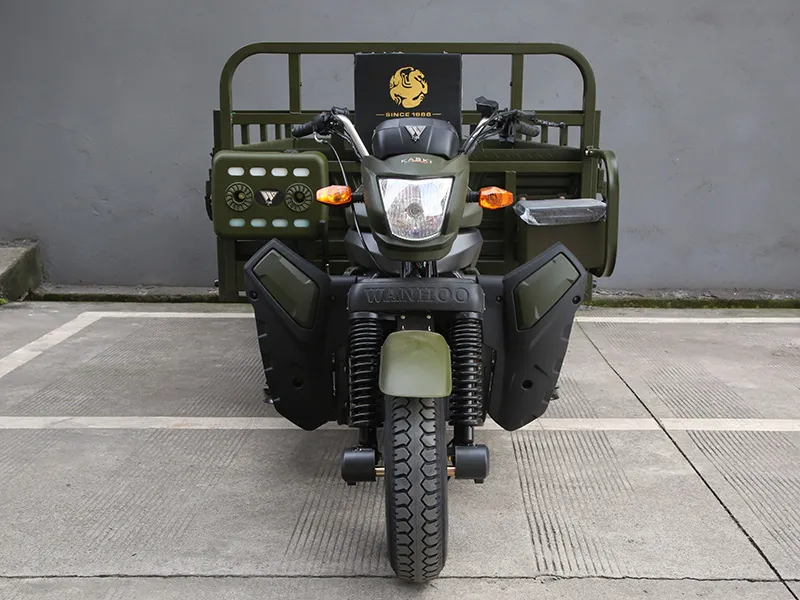
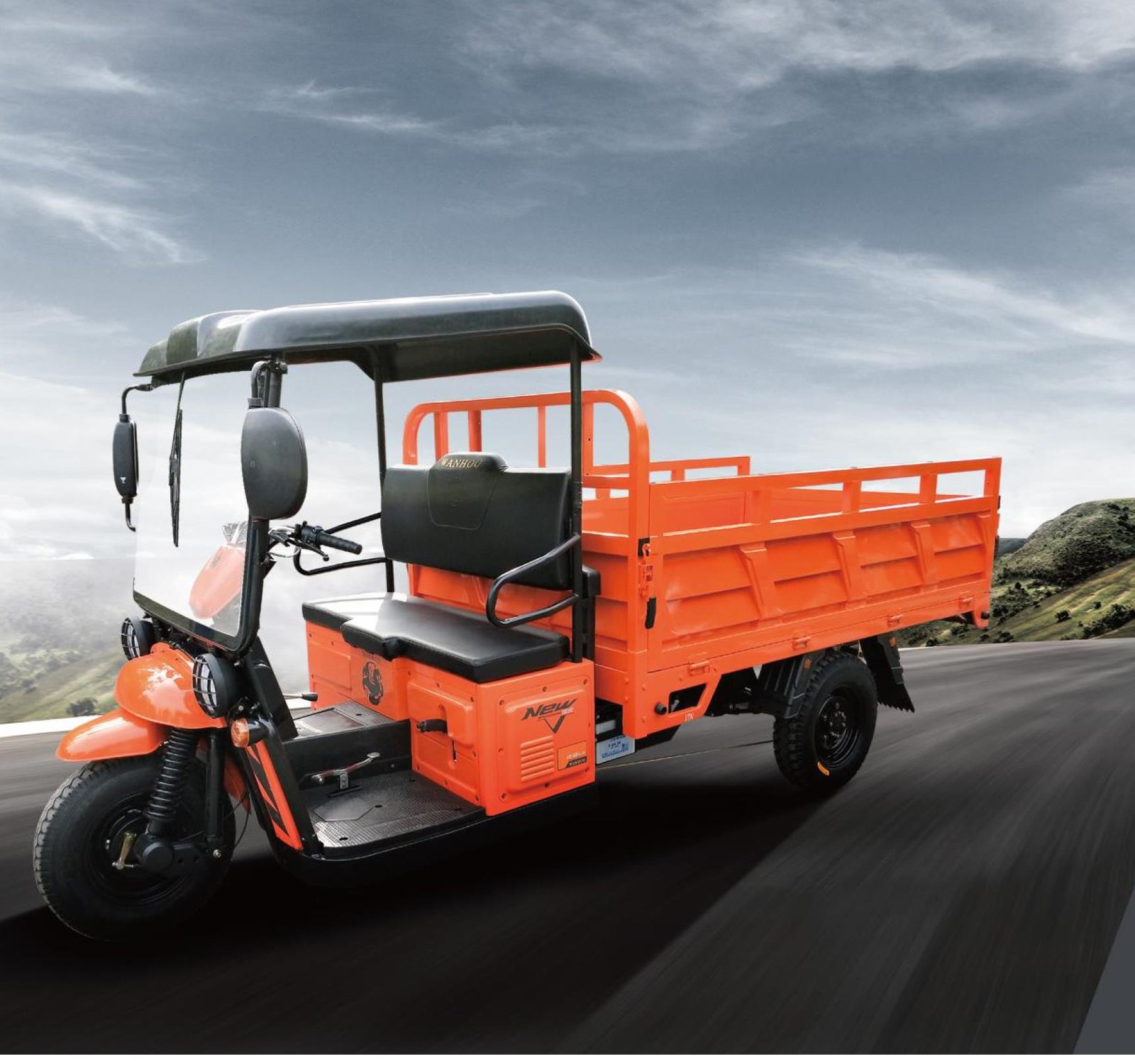
Wanhoo's current source materials list the WINTIGER with a 250 cc water-cooled engine, 580 kg kerb weight, 5.00-12 tyres, a 2,200 x 1,350 x 400 mm cargo box, rated load up to 1,000 kg and fuel consumption no more than 4.3 L/100 km. Confirm the ordered configuration and test conditions in writing.
Those numbers are inputs, not proof of field fit or real-world fuel use. Match all three box dimensions to the crop container, add actual cargo and occupants to kerb weight without exceeding any rating, and assess ground conditions. Run the same checks against any vehicle from any maker.
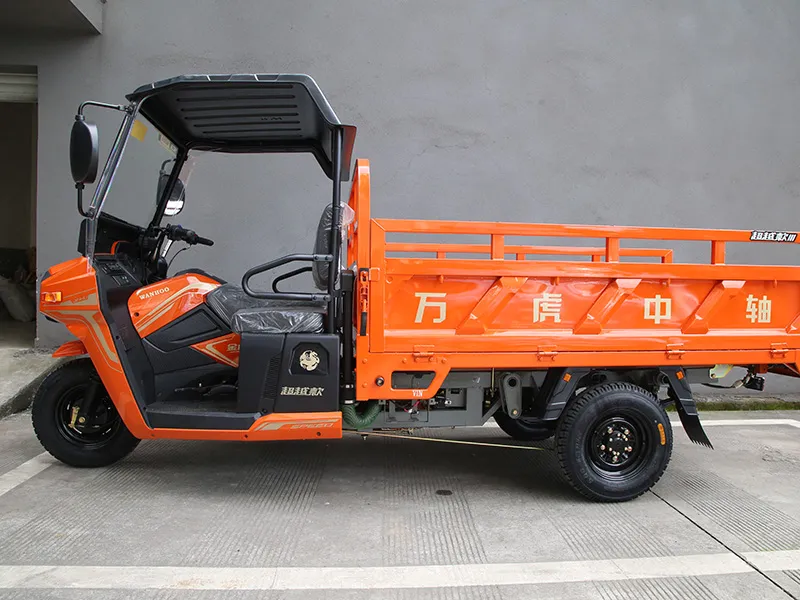
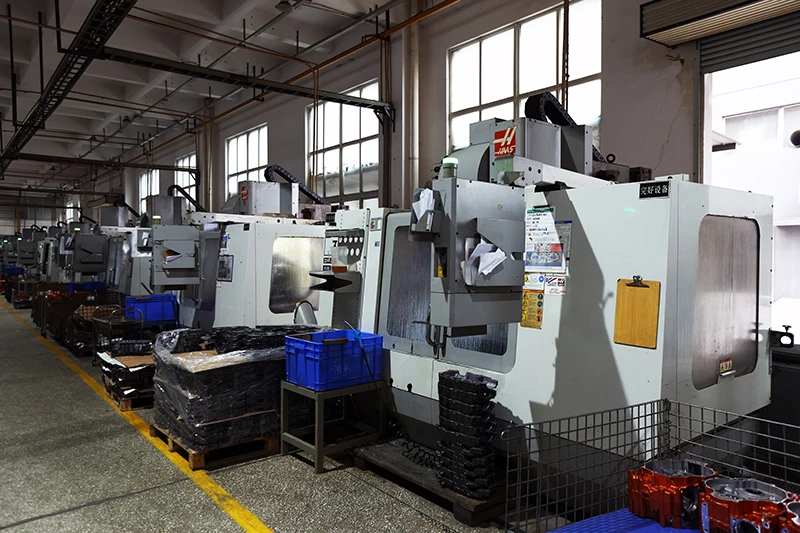
Wanhoo company materials state that the Chongqing manufacturer was founded in 1986, builds engines and frames, operates a 60,000 square metre plant with more than 1,000 employees, has annual capacity of 100,000 vehicles and 300,000 engines, and exports to more than 50 countries. These are manufacturer facts, not proof that a model fits a particular field; require configuration-specific answers.
A suitable crop transport vehicle fits the approved route, turns in the available space, supports the crop-specific handling plan and stays within every operating limit. Its financial case must come from verified utilisation rather than assumed off-season work.
Related Wanhoo guides
- Use the broader three-wheelers for agriculture guide for vehicle-class and farm-use context.
- Compare the ratings and limits explained in the cargo tricycle payload guide.
- Review the published model details in the WINTIGER agricultural tricycle guide.
- Match sacks, crates and bulk handling to the options in the cargo box configuration guide.
Frequently Asked Questions
**What is a crop transport tricycle actually used for?**
It can serve the short first leg of harvest haulage: moving cut, crated or bagged crop from the plot to a road, collection point or buyer. Off-season use depends on a compatible body, lawful load, trained operator, suitable insurance and real local demand.
Is payload or trip time more important for field work?
Measure the full cycle. On a short leg, loading and unloading can take more time than driving, so a larger bed only helps when it can be filled, moved and emptied safely within the rated capacity. Payload, access, crop handling and cycle time all remain decision factors.
How do I know if a vehicle will cope with my access track?
Measure before you compare. Record the narrowest gate or bund and the turning space with the crop standing, then have a competent person assess the wet-season route without entering unstable ground. Compare overall width, ground clearance, approved tyres and operating limits with that assessment.
Should a farmer group share one vehicle or should each farm own one?
Sharing can work when the group agrees scheduling, keys, permitted users, fuel, servicing, damage, insurance and dispute handling before harvest. Ownership may suit operations with sufficient verified use and cash flow, but compare all costs and downside scenarios rather than assuming off-season work will appear.
Does the wet season change which vehicle I need?
It can change bearing strength, traction, drainage, route length and turning space. Inspect the current route, stay within the plated capacity and use manufacturer guidance plus a competent site assessment. Do not guess a new safe load or drive onto unstable ground to test it.
Does the form of the crop change the vehicle specification?
Yes. Sacked crops need bed length and rail height for stacking and lashing. Loose bulk needs tight box joints and a fast way to discharge the load, since unloading is the constraint. Crates need a flat floor and a ride that does not shed the top layer on rough ground.