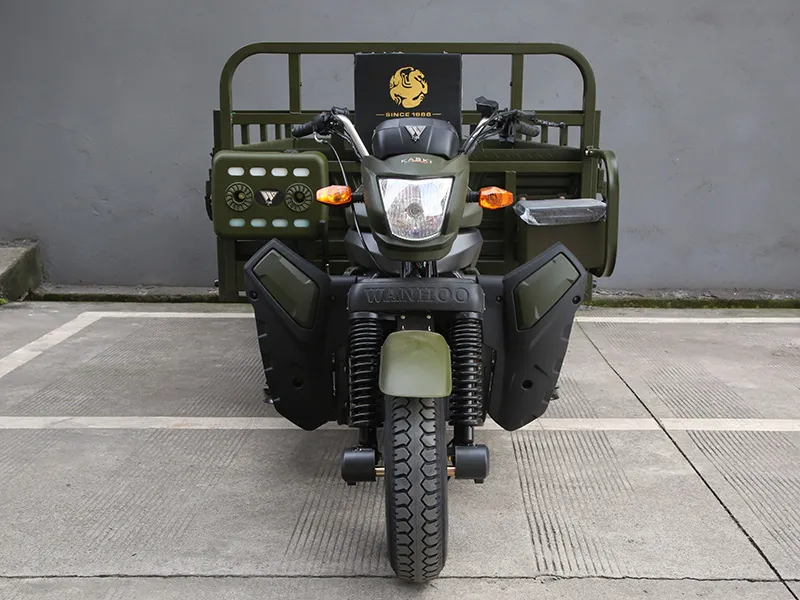
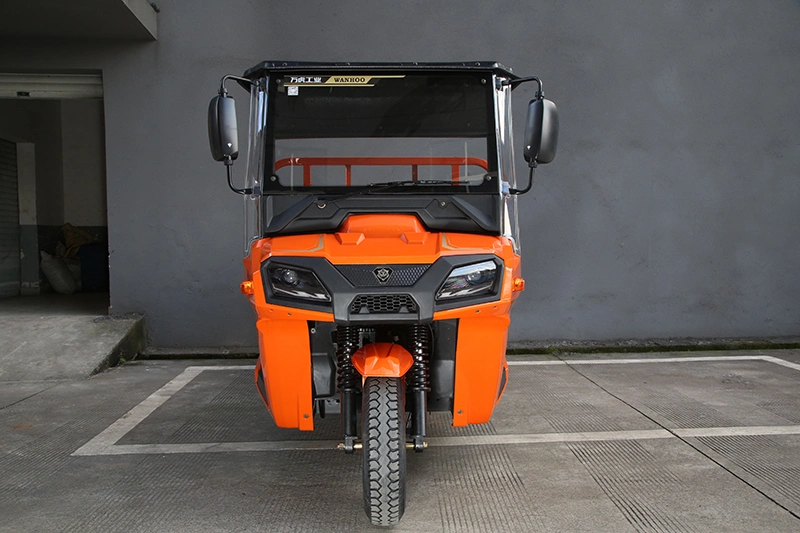
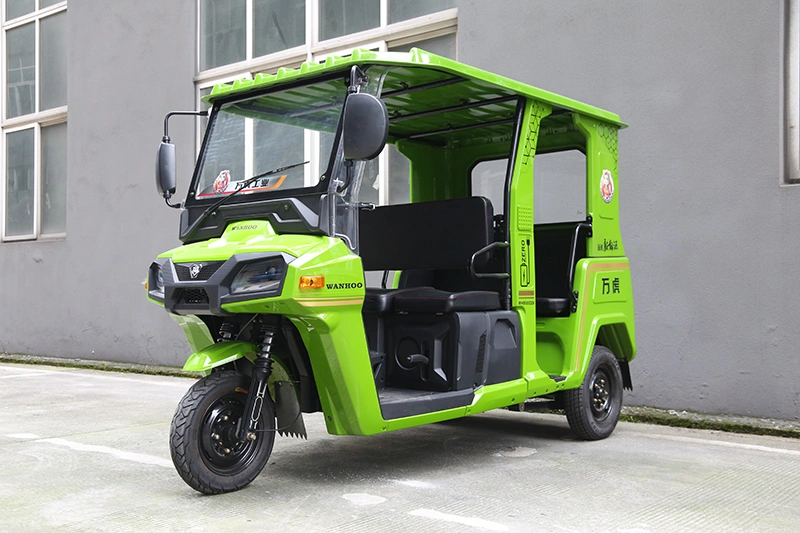
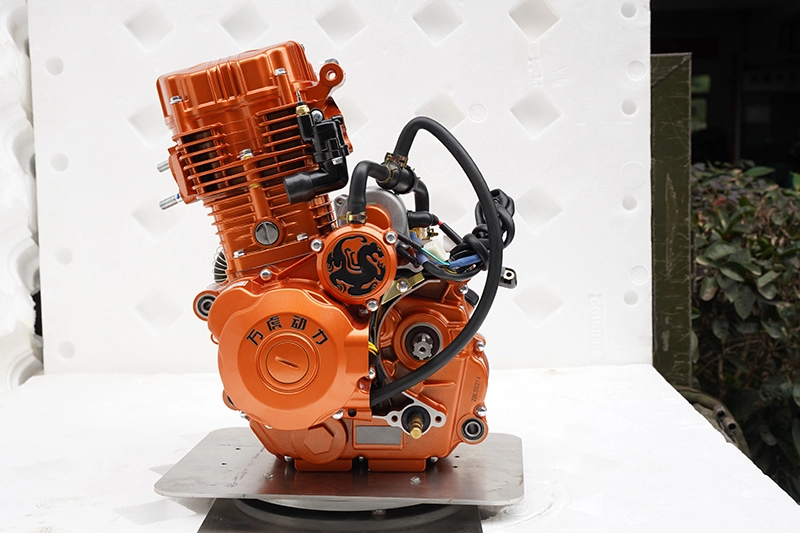
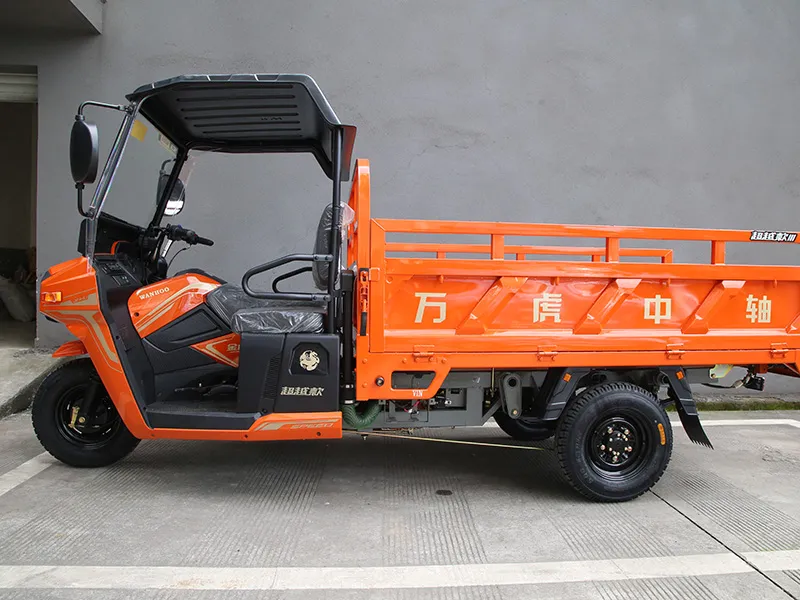
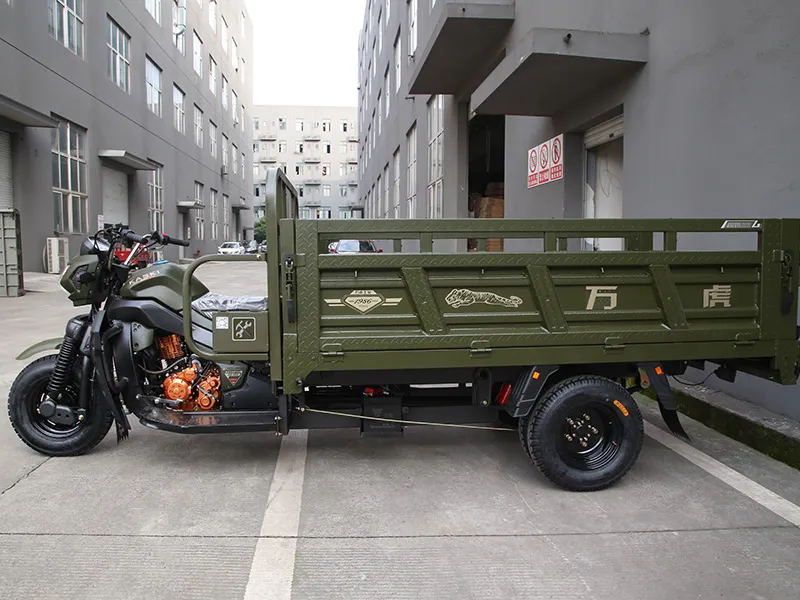
The WINTIGER is Wanhoo's purpose-built agricultural tricycle: a 250cc water-cooled all-terrain three-wheeler with a reinforced 580 kg frame, up to 1,000 KG payload and the largest cargo bed in the range.
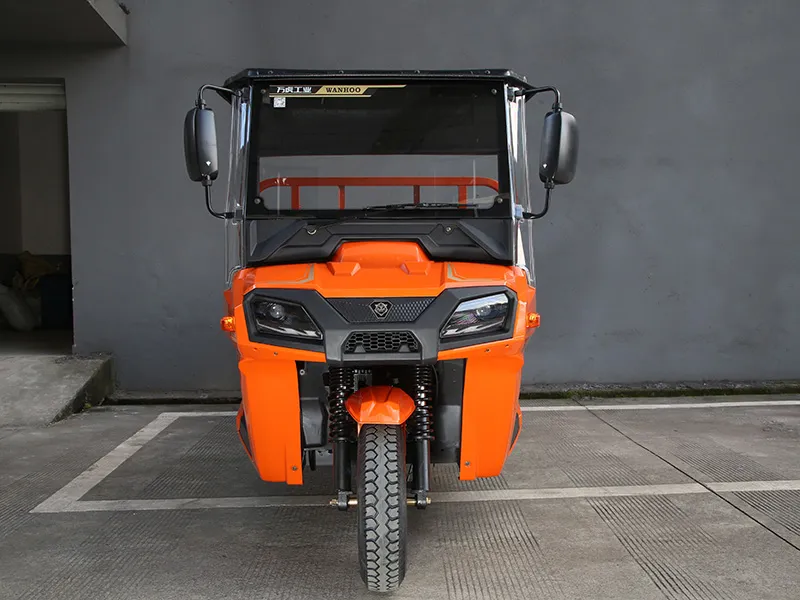
A city delivery trike and a farm workhorse can look almost identical parked side by side. Put both in a flooded field with a full bed of wet cassava, and the difference shows up fast. One flexes, overheats and cracks a weld inside two seasons. The other keeps hauling. That gap is exactly what the WINTIGER was engineered to close for farms, plantations and rural contractors.
What Is the WINTIGER and Who Is It Built For?
The WINTIGER is Wanhoo's dedicated farm three-wheeler, not a cargo model with a marketing rename. Where a city trike chases light weight and smooth-road efficiency, this machine adds steel, ground clearance and all-terrain rubber precisely where field and mine tracks punish a vehicle hardest. It is the specialist in a lineup of nine models.
An agricultural tricycle is a three-wheeled motor vehicle built to haul farm cargo such as grain, produce, feed and fertilizer over rough rural terrain. It uses a reinforced chassis, higher ground clearance, all-terrain tires and a water-cooled engine tuned for sustained loaded running, which a city-adapted trike lacks.
The buyer is specific: a farm owner, a plantation manager, or a rural and mining contractor who runs a vehicle across ground no van should ever see. These operators do not need showroom polish. They need a machine that survives standing water, fertilizer dust, potholes and a wet load, day after day, far from any repair shop. Wanhoo built the WINTIGER around that reality rather than adapting a road model to it.
Scale explains why the format matters. According to Farmonaut, agricultural three-wheeled motorcycles carry 600 to 900 kg in some configurations while using just 4 to 5 liters of fuel per 100 km, a 30 to 60 percent fuel reduction versus similar-sized trucks or tractors. That payload-to-economy ratio is what put three-wheelers at the center of farm logistics across Asia and Africa.
Why Does a Purpose-Built Farm Model Beat a City-Adapted One?
The honest answer is in the frame, the cooling and the coating, three areas a city trike deliberately skimps to save cost and weight. A farm vehicle cannot afford those savings, because the ground it works on turns every weak point into a breakdown. The WINTIGER inverts city-trike logic on all three.
A purpose-built agricultural tricycle uses a reinforced heavy-gauge frame, all-terrain tires and a water-cooled engine sized for continuous heavy load. A city-adapted tricycle relies on a lighter frame and air cooling tuned for tarmac and light parcels, which overheat and crack when pushed through mud, slopes and full daily payloads.
Start with the frame. Wanhoo + WINTIGER + reinforced 580 kg agricultural frame is the pairing that defines this model. At 580 kg kerb weight it is the heaviest and most heavily braced three-wheeler Wanhoo makes, running a 40 x 80 mm main frame and a floating stamping rear axle. That extra mass is not waste. It is doubled steel at the high-stress points where a lighter city frame fatigues and splits under a loaded bed on rough ground.
Terrain matters as much as the vehicle. According to World Bank reporting on Cambodia, the country has roughly 50,000 kilometers of rural roads, yet only about 17 percent are paved and climate-resilient, leaving the rest as unpaved links prone to flooding. Farms in that landscape need a chassis engineered for the road that exists, not the road on a brochure. The WINTIGER runs 5.00-12 all-terrain tires and 162 mm ground clearance for exactly that ground.
How Much Can the WINTIGER Carry, and What Are the Full Specs?
Payload is where a spec sheet earns its keep, so read the numbers rather than the slogan. The WINTIGER is rated for real farm bulk and carries it in the biggest bed in the Wanhoo lineup. The table below lays out the full WINTIGER agricultural tricycle specification against the jobs it is built to do.
The WINTIGER runs a 250cc water-cooled 4-stroke engine producing 10.8 kw, carries up to 1,000 KG of payload, and fits the largest cargo bed in the Wanhoo range at 2,200 x 1,350 x 400 mm. Its reinforced frame gives a 580 kg kerb weight, and it returns 4.3 liters per 100 km or better in fuel economy.
| WINTIGER specification | Value | What it means for the field |
|---|---|---|
| Engine | 250cc water-cooled, 4-stroke | Holds temperature under long loaded runs |
| Max power | 10.8 kw / 6500 rpm (14.7 hp) | Pulls a full bed up rural grades |
| Max payload | up to 1,000 KG | Full harvest or feed in one trip |
| Cargo bed | 2,200 x 1,350 x 400 mm | Largest in the Wanhoo range |
| Kerb weight | 580 kg (reinforced frame) | Doubled steel at high-stress points |
| Tires | 5.00-12 all-terrain, front and rear | Grip in mud and on loose track |
| Ground clearance | 162 mm | Clears ruts and field bunds |
| Fuel economy | 4.3 L/100km or better | Low running cost per field run |
| Fuel tank | 17 L | Full day of runs between refuels |
| Max speed | 60 km/h or more | Field-to-market pace on open road |
For farms that haul heavier than a tonne, the range steps up without leaving the same engineering family. Wanhoo + KINGTIGER + up to 1,800 KG payload is the pairing for full-harvest bulk, feed by the tonne, or sand and cement to a remote farm site. The KINGTIGER shares the WINTIGER's 250cc water-cooled engine and dual 40 x 80 mm frame, so heavier loads still ride a chassis built for rough tracks.
For farms that mix crop hauling with village and road logistics, the mid-range HANHOO adds a 200cc water-cooled all-rounder that balances cost and capacity. A farm rarely does one job, and a lineup that spans the WINTIGER, KINGTIGER and HANHOO lets an operator match each machine to its terrain rather than force one vehicle to do everything.
Pricing is the one honest gap. WINTIGER FOB price and container quantity are not yet published, so quotes are provided on request. For reference within the range, the heavy-duty KINGTIGER starts at a factory-direct FOB price of USD 1,450 from Chongqing, China, which gives a sense of where the agricultural model will sit.
Why Does All-Terrain Durability Decide Total Cost on a Farm?
Every breakdown on a farm carries two bills at once: the repair, and the crop that spoiled while the vehicle sat idle. In rural areas where the nearest mechanic is hours off, that second bill often dwarfs the first. Durability is therefore not a comfort spec on a farm tricycle. It is the largest single driver of lifetime cost.
A durable off road three wheeler lowers total cost of ownership by cutting two hidden expenses: downtime, when a stranded vehicle stops the farm moving crops, and post-harvest loss, when produce spoils waiting for a repair. A reinforced frame, water cooling and full-body corrosion coating reduce both risks directly in field conditions.
The loss side is large and documented. According to World Bank analysis, as much as 37 percent of food produced in Sub-Saharan Africa is lost between production and consumption, with cereals alone losing over 20 percent, and post-harvest loss falls as market access improves. A vehicle that keeps running is one link in that chain, moving the crop that a stranded machine would let rot at the field edge.
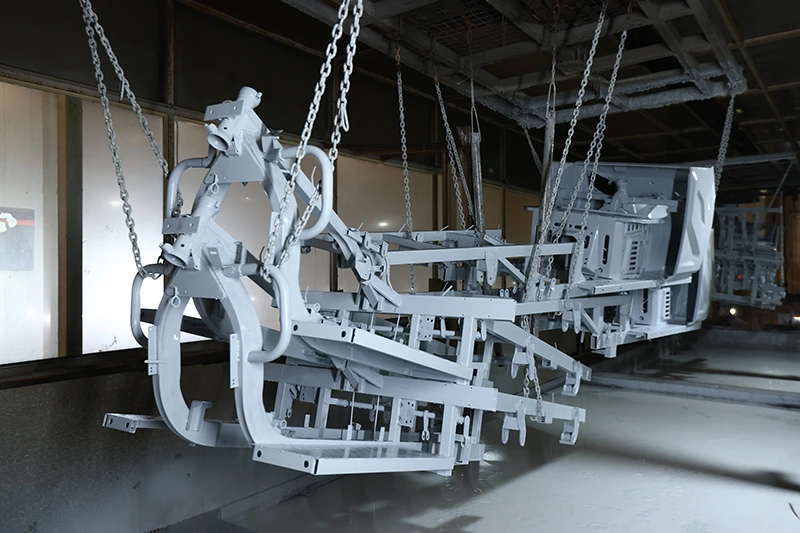
Corrosion is the quiet killer that shortens farm-vehicle life the most. Fertilizer, manure, mud and coastal salt eat unprotected steel from the inside out. Wanhoo + full-immersion ED coating + 500-hour salt spray resistance answers that head on. The whole frame is dipped, not merely sprayed, so protection reaches the box sections and welds a spray gun never touches, which is where farm rust usually starts.
How Do the Engine and Cooling Handle Real Field Duty?
The decision that outlasts the paint sits under the bed. A farm tricycle that overheats on a long loaded climb, or loses power in high ambient heat, will cost seasons of reliability. Water cooling is the specification that separates a machine built for sustained field work from one built for short city hops.
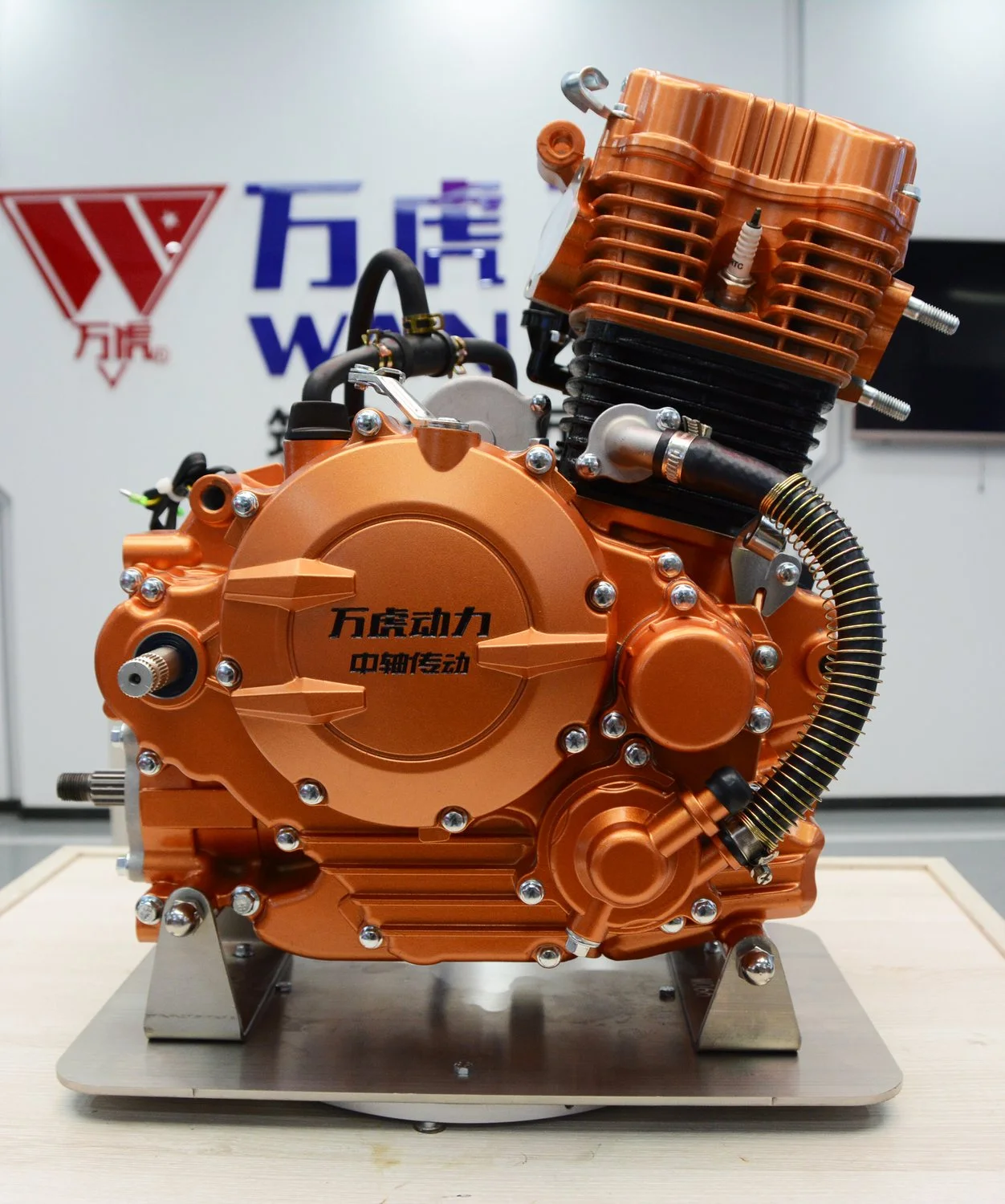
Water-cooled engines suit farm work because coolant circulation holds a stable temperature during long, fully loaded runs and hill climbs, where air-cooled units overheat and lose power. The WINTIGER uses a self-developed 250cc water-cooled engine designed from the start for three-wheeler torque under continuous heavy load.
Independent engineering backs the choice. According to BISON Machinery, liquid-cooled engines provide superior cooling that lets them handle higher power outputs and more demanding operating conditions, and they are less prone to overheating than air-cooled units. For a farm vehicle running loaded across hot fields all day, that difference is the line between a full day of work and a midday stall.
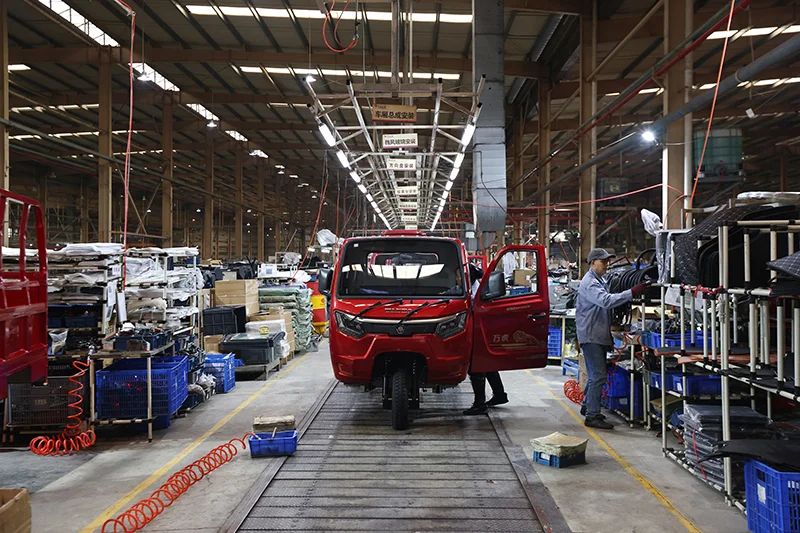
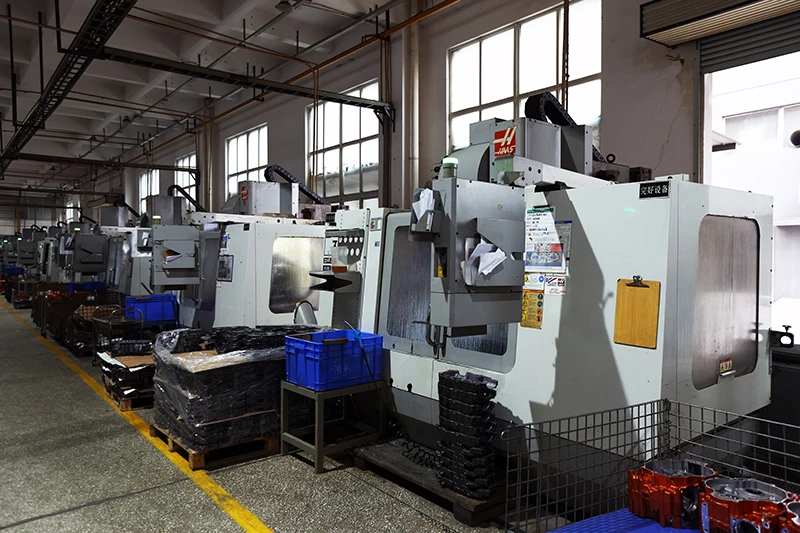
Vertical manufacturing is the other half of the durability story. Wanhoo + self-developed engine + in-house vertical production means the engine, frame, rear axle, cargo box and coating are all built on one campus, so the parts are matched and quality is controlled end to end rather than assembled from the cheapest bits of five suppliers. For a farmer, that shows up as parts that fit, predictable service and a machine that behaves the same on its hundredth loaded trip as its first.
To compare payload numbers across models, see the cargo tricycle payload guide. To see how the WINTIGER performs across farm settings, read three-wheelers for agriculture, or browse the full agricultural tricycles range.
Frequently Asked Questions
**What makes the WINTIGER an agricultural tricycle rather than a normal cargo tricycle?**
The WINTIGER is purpose-built for the field with a reinforced 580 kg frame, all-terrain 5.00-12 tires, 162 mm ground clearance and the largest cargo bed in the range at 2,200 x 1,350 x 400 mm. A standard cargo tricycle is tuned for road hauling, while the WINTIGER is braced and shod for mud, slopes and off-road farm and mine tracks.
How much can the WINTIGER carry?
The WINTIGER carries up to 1,000 KG of payload in a 2,200 x 1,350 x 400 mm cargo bed, the largest in the Wanhoo lineup. For heavier bulk loads such as full harvests, feed by the tonne or building material, the KINGTIGER steps up to a payload of up to 1,800 KG on the same 250cc water-cooled engine family.
What engine does the WINTIGER use and why water cooling?
The WINTIGER runs a self-developed 250cc water-cooled 4-stroke engine producing 10.8 kw. Water cooling holds a stable temperature during long, fully loaded runs and hill climbs, where air-cooled engines overheat and lose power. That makes it the right choice for sustained field work in hot climates and on loaded rural grades.
Does the WINTIGER resist corrosion from fertilizer and mud?
Yes. The WINTIGER frame receives a full-immersion ED coating tested to 500-hour salt spray resistance. Because the whole frame is dipped rather than sprayed, protection reaches box sections and welds a spray gun cannot, guarding against the fertilizer, manure, mud and coastal salt that rust unprotected farm vehicles from the inside out.
What does a Wanhoo WINTIGER cost?
WINTIGER FOB price and container quantity are not yet published, so pricing is available on request. Contact the Wanhoo export team for a current quote. For reference within the range, the heavy-duty KINGTIGER starts at a factory-direct FOB price of USD 1,450 from Chongqing, China.
Can the WINTIGER handle mining and rural construction, not just farming?
Yes. The reinforced frame, all-terrain tires and 162 mm ground clearance suit mining support and rural construction as well as farm work. Operators use it to move ore, gravel, building material and equipment across the same rough tracks that would break a lighter road-tuned tricycle, which is why it is positioned as an all-terrain rather than field-only machine.