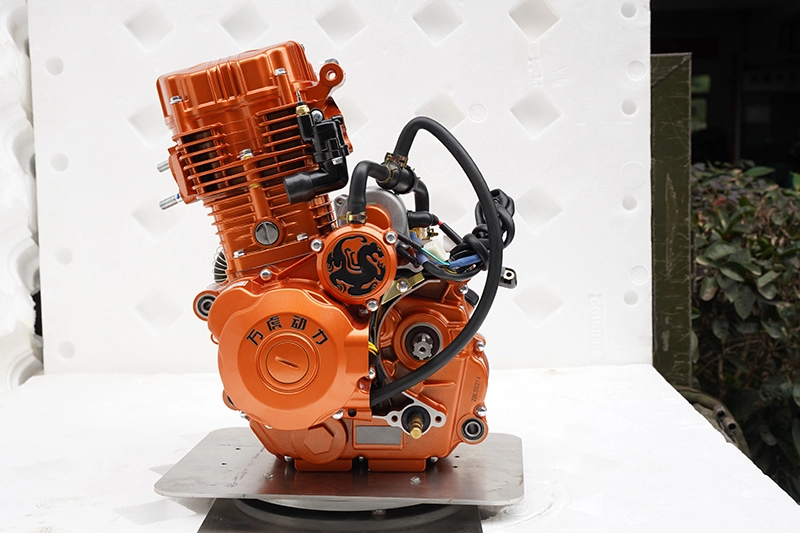
A cargo operator in West Africa once asked us why his previous tricycles kept dying on the same hill. The answer was under the seat. He had bought vehicles running a repurposed scooter engine tuned for a light two-wheeler at high revs, not for a loaded three-wheeler crawling up a gradient. A three-wheeler engine should be designed for the vehicle's load, not borrowed from a motorcycle. The most common imported cargo and passenger three-wheelers use air-cooled motorcycle engines from the GY6 family, which overheat and lose torque under sustained load. Wanhoo designs and builds its own water-cooled three-wheeler engines instead, and the difference shows up in service life, not just a spec sheet.
What Is Wrong With a Repurposed Motorcycle Engine?
A GY6 engine is an air-cooled single-cylinder engine family originally developed for scooters, widely copied and fitted to budget three-wheelers because it is cheap and available. It was engineered to spin a light two-wheeler at high RPM, not to hold torque under a one-tonne load on a slow climb.
A repurposed motorcycle engine is a two-wheeler powerplant fitted to a three-wheeler without redesign for load. Because it was tuned for high-RPM operation on a light vehicle, it runs hotter and wears faster when asked to move heavy cargo at low speed, which is the exact duty cycle a cargo tricycle spends most of its life in.
The problem is rarely visible at purchase. Two three-wheelers can list similar horsepower, and only one has an engine built for the job. A large share of imported three-wheelers are retired early not because the frame failed, but because the engine was never designed for the load it carries every day. For a fleet, that is downtime, lost income, and a scramble for parts.
Buyers searching for a specific engine such as the GY6 150cc are usually trying to gauge whether it is enough. For light passenger duty on flat routes it can be. For sustained cargo work in heat, the cooling method matters more than the displacement number.
Why Water Cooling Wins Under Load
Cooling is the single specification that decides whether an engine survives its duty cycle. A cargo three-wheeler works hot: heavy loads, slow traffic, tropical climates, and long hours are the norm across Wanhoo's markets. That is the condition air cooling handles worst.
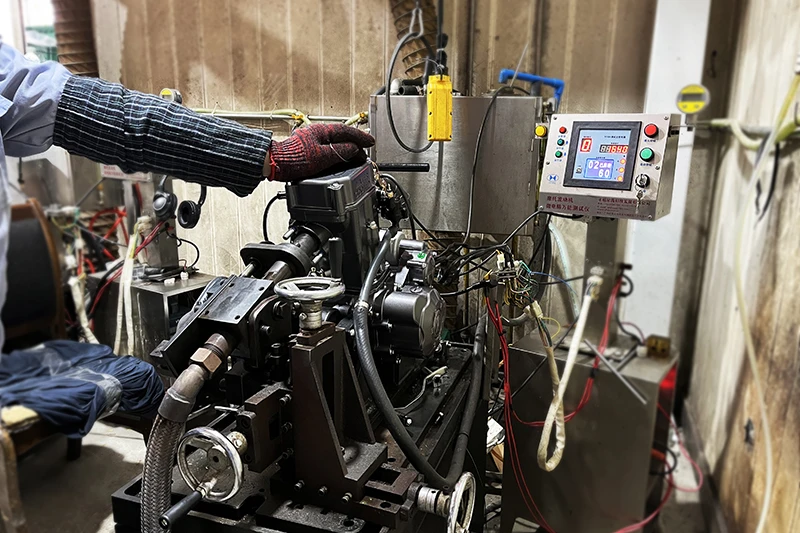
According to Bison Machinery, air-cooled engines struggle to cool effectively under heavy load or high ambient temperatures and can overheat, while water-cooled engines hold a constant temperature whether or not the vehicle is moving. Airflow over cooling fins works while a vehicle moves fast, and stops working in the slow, loaded crawl a cargo tricycle lives in.
A water-cooled engine circulates coolant through a jacket around the cylinder to maintain a steady operating temperature under continuous load. This stability keeps piston-to-cylinder tolerances tight, which reduces wear over the engine's life. An air-cooled engine relies on airflow over fins and swings through wider temperature ranges that accelerate wear during heavy, low-speed operation.
According to AutoGuru, water-cooled engines maintain a constant temperature that produces less thermal expansion and tighter tolerances between piston and cylinder. Consistent temperature is what turns an engine rated for a load into an engine that survives that load for years.
What Wanhoo's Self-Developed Engines Do Differently
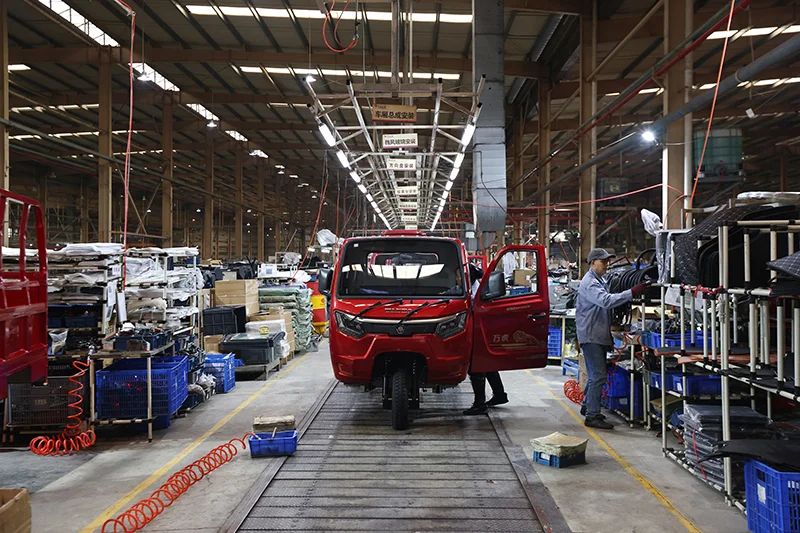
Wanhoo is one of the few three-wheeler manufacturers that designs and builds its own engines rather than buying them in. That control is why its heavy models step up to water cooling exactly where payload gets serious, instead of stretching a scooter engine past its limits.
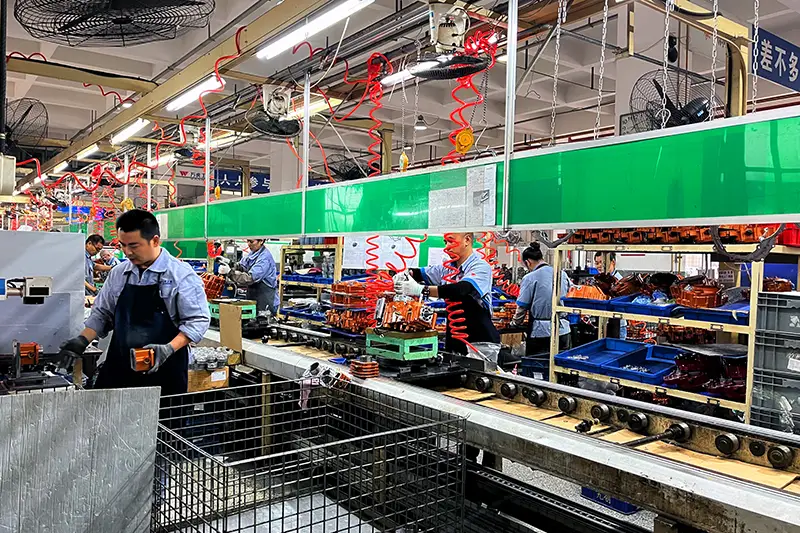
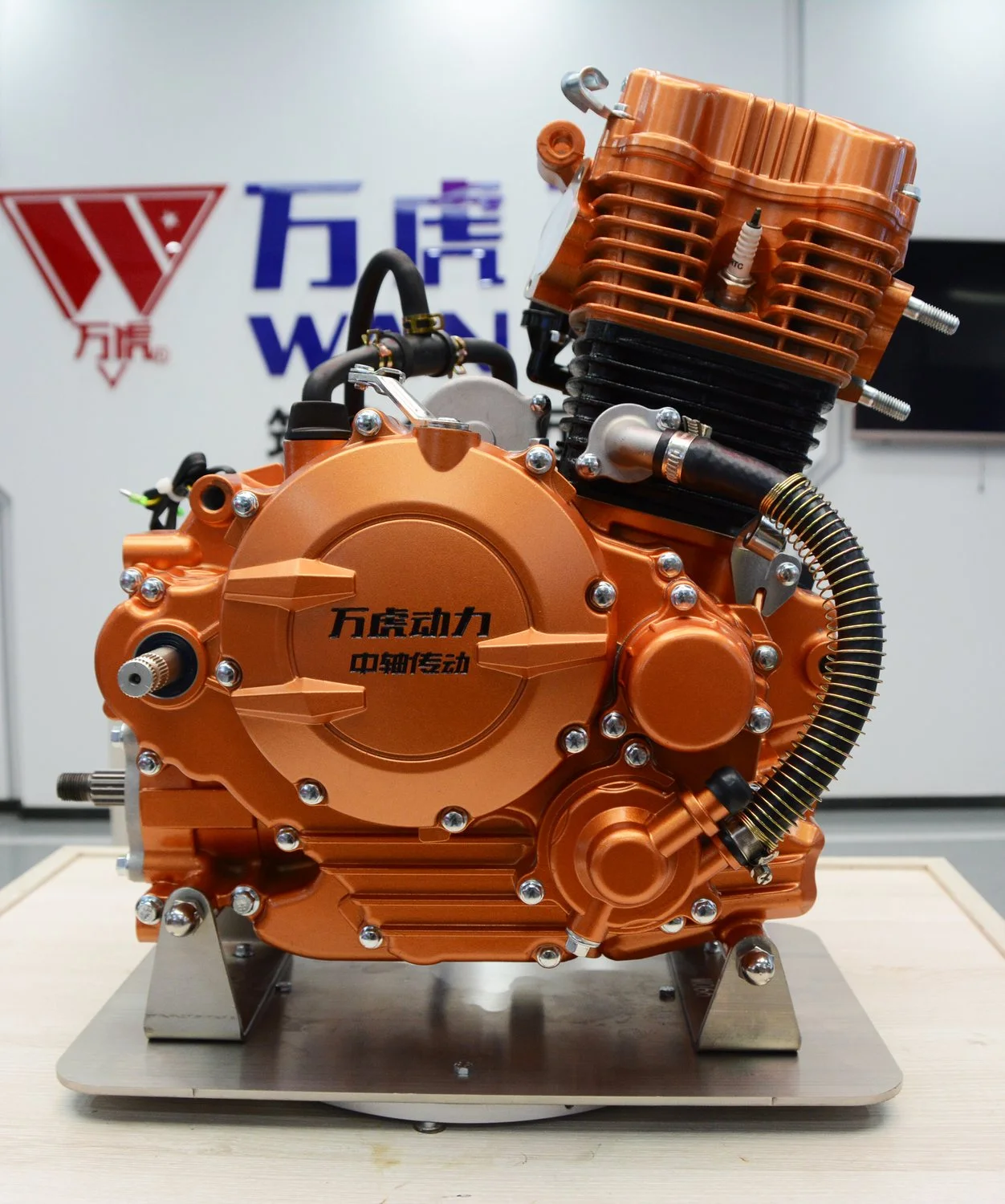
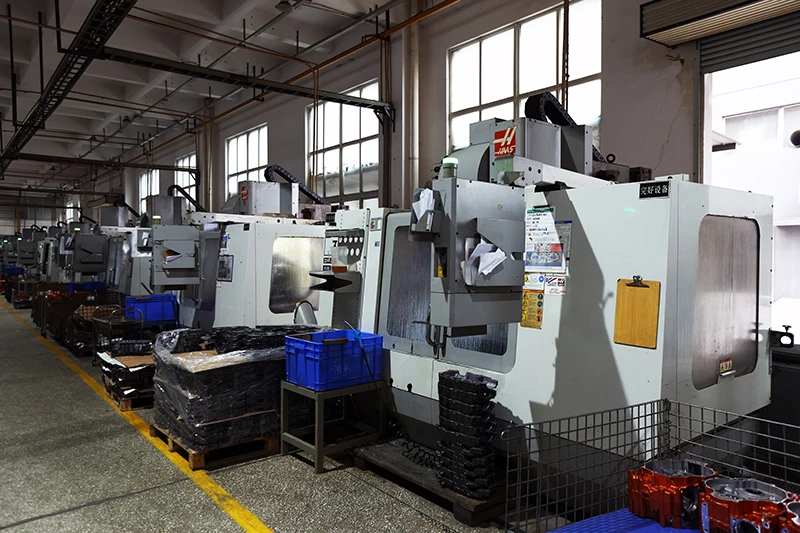
Wanhoo builds two self-developed water-cooled three-wheeler engines: the WH163ML-B at 197cc and the WH170MM-2B at 250cc, both produced in-house on 21 imported CNC machines and backed by more than 30 patents. Both are designed from scratch for three-wheeler load torque rather than adapted from a motorcycle, which is why they hold power on a loaded gradient where a repurposed engine fades.
The specifications below show what purpose-built means in numbers. These figures come from Wanhoo's own engine specification sheets.
Three-Wheeler Engine Comparison: Repurposed vs Wanhoo Self-Developed
| Factor | Repurposed air-cooled (GY6 class) | Wanhoo WH163ML-B (197cc) | Wanhoo WH170MM-2B (250cc) |
|---|---|---|---|
| Cooling | Air | Water | Water |
| Designed for | Two-wheeler, high RPM | Three-wheeler load torque | Three-wheeler load torque |
| Max torque | Lower, fades under heat | 14.2 N·m @ 6000 rpm | 18 N·m @ 6000 rpm |
| Max power | Varies | 10.2 kW @ 7500 rpm | 10.8 kW @ 7500 rpm |
| Transmission | Often CVT or 4-speed | 5-speed gearbox | 6-speed gearbox |
| Under sustained load | Overheats, loses torque | Holds constant temperature | Holds constant temperature |
| Powers | Budget imports | HANHOO | KINGTIGER, NIMBA, WINTIGER |
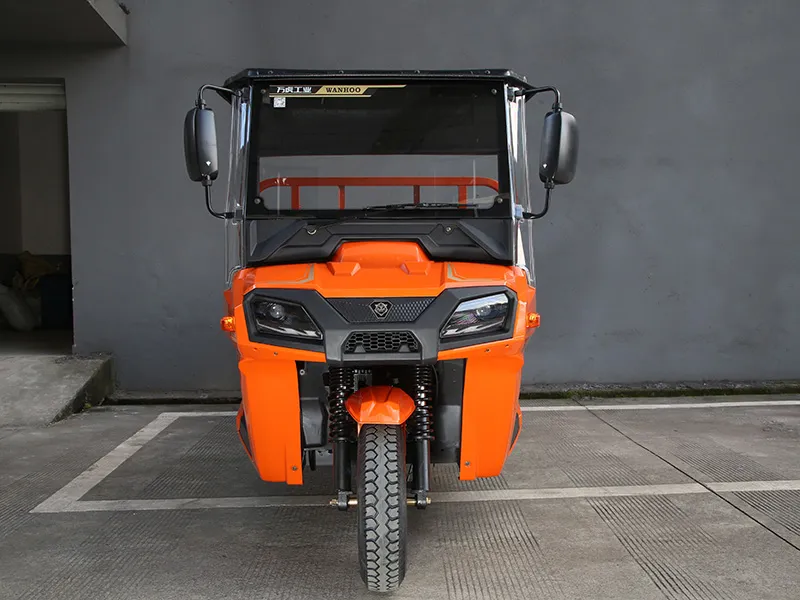
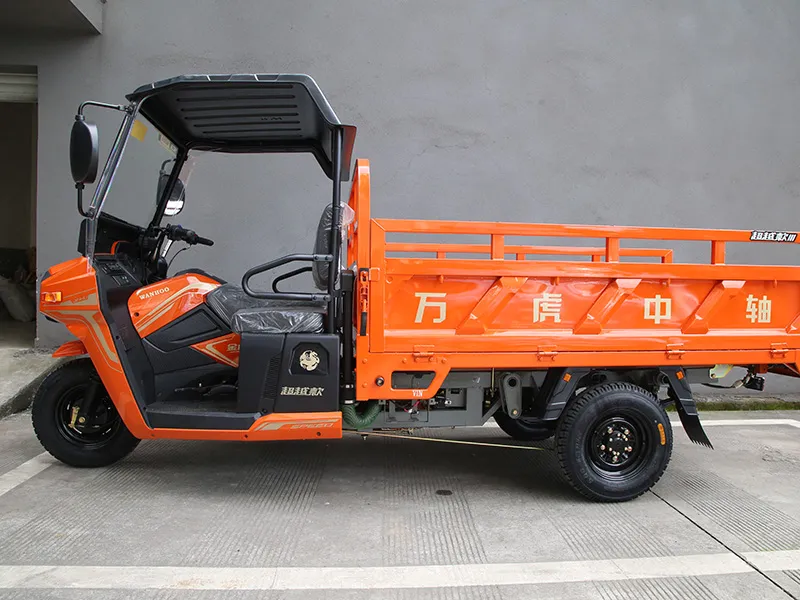
Wanhoo powers the KINGTIGER cargo tricycle with the 250cc water-cooled WH170MM-2B, rated at 18 N·m, which is how the vehicle carries up to 1,800 KG without the engine becoming the weak link. The same platform runs the NIMBA and the agricultural WINTIGER, so one proven engine covers the hardest jobs in the range.
Why Carburetors, Not EFI, in Export Markets
A purpose-built engine is only useful if it keeps running where it is sold. Wanhoo makes a deliberate choice that surprises some buyers: standard engines use carburetors rather than electronic fuel injection.
Wanhoo specs carburetors on standard three-wheeler engines because they can be serviced and adjusted at the roadside in markets where EFI-trained mechanics are scarce. Electronic fuel injection offers marginal efficiency gains but requires diagnostic tools and trained technicians, which turns a small fault into days of downtime in regions where that support does not exist. EFI is available on request.
This is the same logic that runs through Wanhoo's vertical integration. Because the company machines its own engine components, spare parts are consistent and supply is stable, so a worn part is a quick fix rather than a long wait. For a fleet, serviceability and parts availability decide annual uptime more than a horsepower figure on a brochure.
How to Read a Three-Wheeler Engine Spec Sheet
Once you know cooling matters most, the rest of the spec sheet gets easier to judge. Buyers often anchor on displacement and horsepower alone, which is how two very different engines end up looking equivalent on paper.
Check cooling first. For any cargo duty above the lightest class, or any hot climate, a water-cooled engine is the baseline, not an upgrade. A common question is how many horsepower a 200cc three-wheeler engine makes, and the honest answer is that it depends on tune, but torque at working RPM matters more than peak horsepower for a loaded vehicle.
For a loaded three-wheeler, engine torque at low-to-mid RPM predicts real-world pulling ability better than peak horsepower. A 250cc water-cooled engine delivering 18 N·m at 6000 rpm will out-work a higher-revving air-cooled engine of similar displacement on a gradient, because torque, not headline power, moves weight uphill.
The three-wheeler market rewards buyers who get this right. According to Dataintelo, the global cargo tricycle market is projected to grow from 8.7 billion dollars in 2025 to 18.4 billion dollars by 2034, and the operators who scale profitably are the ones whose vehicles stay on the road. The engine is where that reliability starts.
Frequently Asked Questions
**What is a GY6 engine?**
A GY6 is an air-cooled single-cylinder engine family originally designed for scooters and widely fitted to budget three-wheelers. It is inexpensive and available, but because it was tuned for a light two-wheeler at high RPM, it runs hot and loses torque under the sustained heavy loads a cargo tricycle carries.
Is a water-cooled three-wheeler engine better than air-cooled?
For heavy loads and hot climates, yes. A water-cooled engine holds a constant temperature under sustained load, which keeps tolerances tight and reduces wear, while an air-cooled engine swings through wider temperatures and can overheat in slow, loaded operation.
Does Wanhoo make its own engines?
Yes. Wanhoo designs and builds its own three-wheeler engines in-house, including the WH163ML-B (197cc) and WH170MM-2B (250cc) water-cooled units, on 21 imported CNC machines and backed by more than 30 patents.
How many horsepower is a 200cc three-wheeler engine?
Output depends on tune, but a purpose-built 197cc to 200cc water-cooled three-wheeler engine typically produces around 10 kW of power, and strong low-end torque for pulling loads is what actually moves weight. Torque at working RPM predicts real hauling ability better than peak horsepower.
Why does Wanhoo use carburetors instead of fuel injection?
Carburetors can be serviced and adjusted at the roadside in markets where EFI-trained mechanics and diagnostic tools are scarce. This keeps vehicles running where they are sold. Electronic fuel injection is available on request for buyers who need it.
Which Wanhoo models use the 250cc water-cooled engine?
The self-developed WH170MM-2B 250cc water-cooled engine powers the KINGTIGER and NIMBA heavy cargo tricycles and the WINTIGER agricultural tricycle, all rated for demanding loads up to 1,800 KG on the cargo models.