In the cargo tricycle vs truck decision, a tricycle usually wins total cost of ownership for last-mile routes below 1,800 KG.
A fleet owner in Lagos runs six vehicles on the same 40 km loop. Three are pickups burning fuel on stop-start city routes. Three are cargo tricycles that slip down alleys the pickups cannot enter. At year five, the tricycles have moved comparable volume at a fraction of the purchase price, fuel bill, and downtime loss. That gap is what this cargo tricycle vs truck comparison measures.
The math matters because most operators compare only the sticker price. A cargo tricycle is a three-wheeled goods vehicle built to haul freight on short routes, while total cost of ownership is the full lifetime cost of a vehicle including purchase, fuel, maintenance, parts, and downtime. Read those two definitions together and the five-year picture changes completely.
Why does purchase price alone mislead last-mile fleet buyers?
Purchase price is the smallest number in a five-year fleet budget, yet it drives most buying decisions. A single pickup truck costs many times what an entire Wanhoo cargo tricycle range costs to acquire, and that capital difference compounds across a fleet.
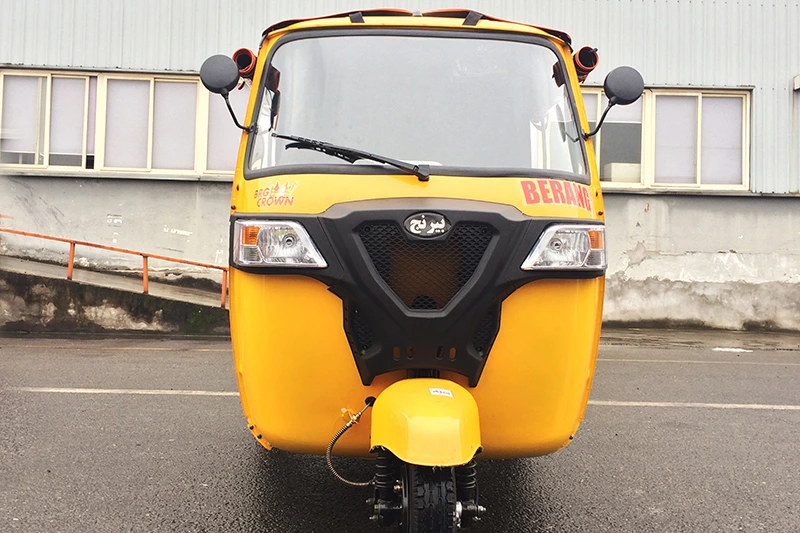
Wanhoo cargo tricycles start at $830 FOB Chongqing for the Q1 and reach $1,450 FOB for the KINGTIGER flagship. A pickup truck typically costs several thousand dollars more per unit before it moves a single load, which means one pickup can equal three or four working tricycles. For a six-vehicle last-mile operation, that spread frees capital for spare parts, drivers, or route expansion.
According to AAA, the total cost of owning and operating a new vehicle in the United States reached $11,577 per year, or $964.78 per month, and pickups sit at the top of that range at roughly $6,402 more per year than a small sedan. The Wanhoo Q1, by contrast, is engineered so the total annual operating cost stays a small fraction of one pickup's monthly bill.
Payload-per-dollar is the metric that reframes the whole cargo tricycle vs pickup question. A buyer is not paying for a vehicle; they are paying for the capacity to move goods, and the right yardstick is dollars spent per kilogram of daily payload rather than the headline sticker price.
The Wanhoo KINGTIGER carries up to 1,800 KG for $1,450 FOB, delivering a payload-per-dollar figure a pickup cannot approach at its far higher acquisition cost. On short routes where that 1,800 KG ceiling covers the load, every extra dollar spent on a pickup buys capacity or highway speed the last-mile duty cycle never uses.
Cheaper acquisition also lets a buyer diversify the fleet. Wanhoo pairs the Q1 entry model with the KINGTIGER heavy-loading flagship, so an operator can match vehicle to route instead of overpaying for capacity that light urban runs never use. Three tricycles covering three routes often out-earn one pickup stretched thin across all of them.
How much does fuel drain a pickup fleet on short routes?
Fuel is where a cargo tricycle for delivery pulls decisively ahead on stop-start city work. Pickup engines were sized for highway cruising, not for creeping through congested markets, so their real-world consumption on last-mile loops runs far above the brochure figure.
The Wanhoo Q1 consumes as little as 3.4 L/100km, making it the most economical model in the lineup. On a busy urban delivery loop where a pickup can burn several times that volume, the fuel gap alone can cover a tricycle's entire purchase price within the first two years of daily operation.
According to Smartroutes, the last mile now represents 53% of total shipping costs, up from 41% in 2018, with fuel adding 10 to 25% of last-mile expense. Trimming per-kilometer fuel burn attacks the single largest cost bucket in the delivery chain, and that is exactly where a light tricycle beats a heavy truck.
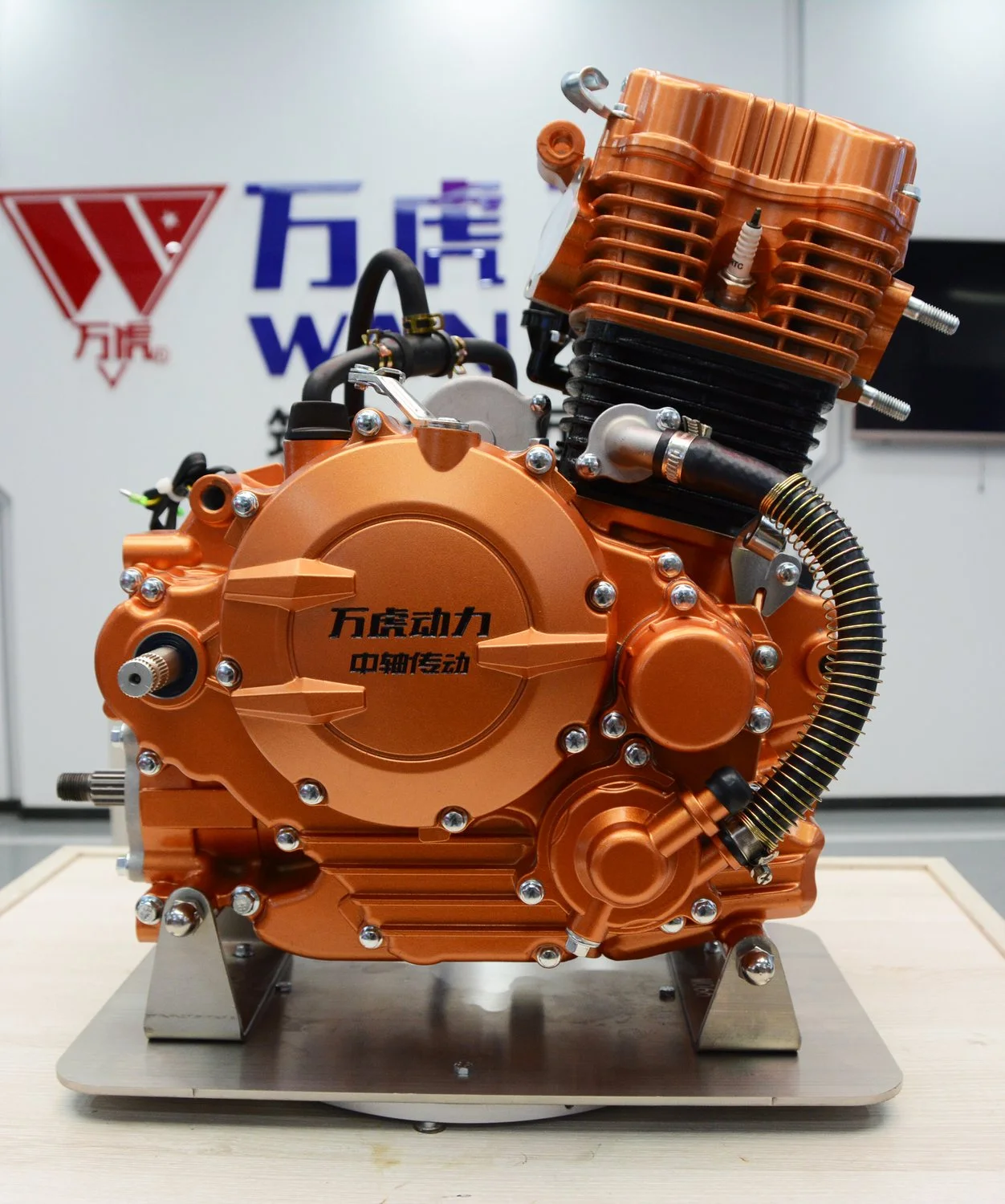
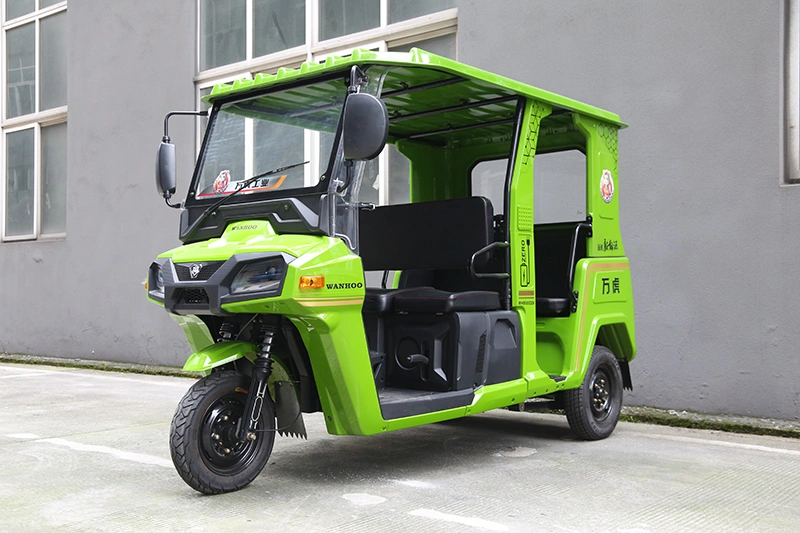
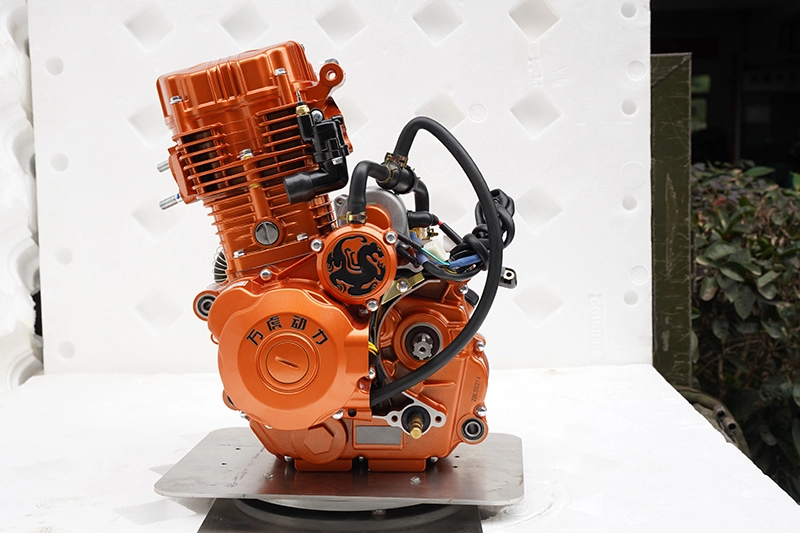
The Wanhoo HANHOO extends this logic to mid-weight work. Its 200cc water-cooled engine carries up to 1,800 KG on a body far lighter than any pickup, so payload-per-liter of fuel stays high even when the box is full. Lighter kerb weight means less fuel spent moving the vehicle itself rather than the cargo.
Rough-route access compounds the fuel advantage in rural markets. A pickup detours around washed-out lanes and narrow bridges, adding kilometers and fuel to every run, while a compact tricycle takes the direct line. Fewer kilometers driven for the same drops is the quietest fuel saving a fleet ever books.
Where do maintenance, parts, and downtime tip the balance?
Downtime is the hidden line item that quietly wrecks a fleet budget. A vehicle that cannot run earns nothing while fixed costs keep accruing, and imported vehicles assembled from mismatched parts stall most often.
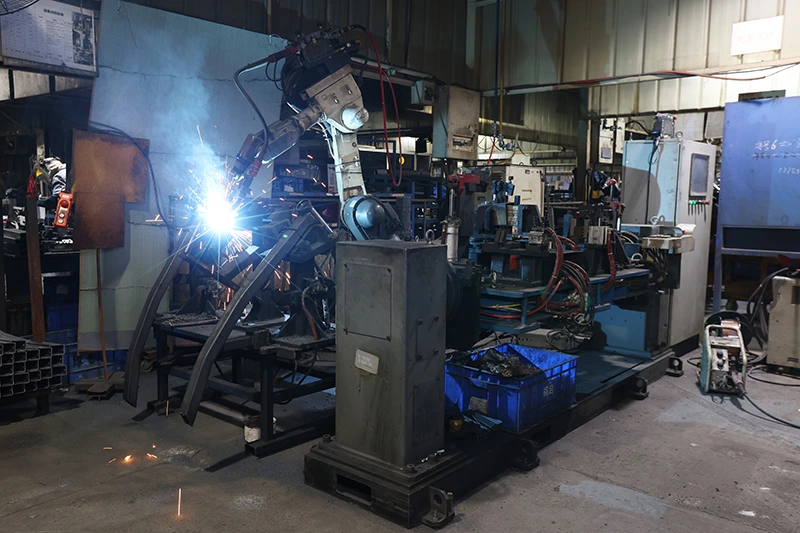
A stalled export three-wheeler costs an operator an estimated $50 to $200 per day in lost revenue, which reaches $1,500 to $6,000 across a single year of frequent breakdowns. Wanhoo counters this with self-developed engines, a reinforced dual main frame, and full-immersion electrophoretic coating rated for 500-plus hours of salt spray. Fewer breakdowns keep the daily revenue clock running.
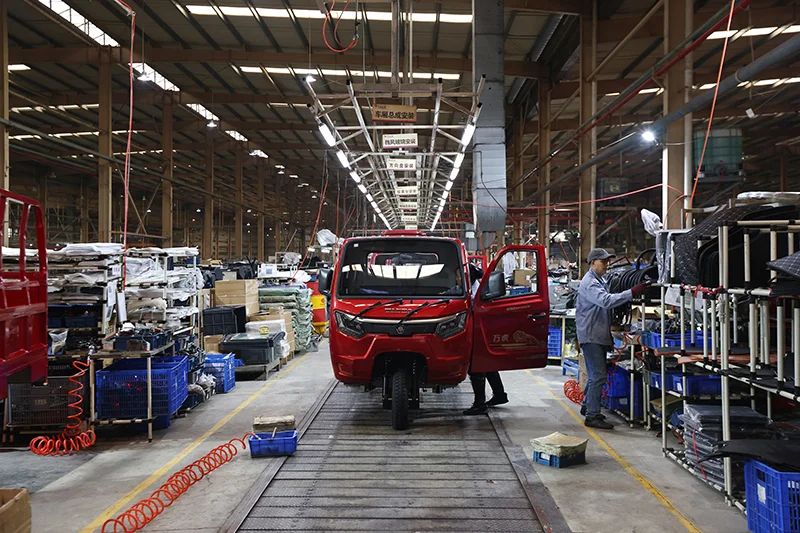
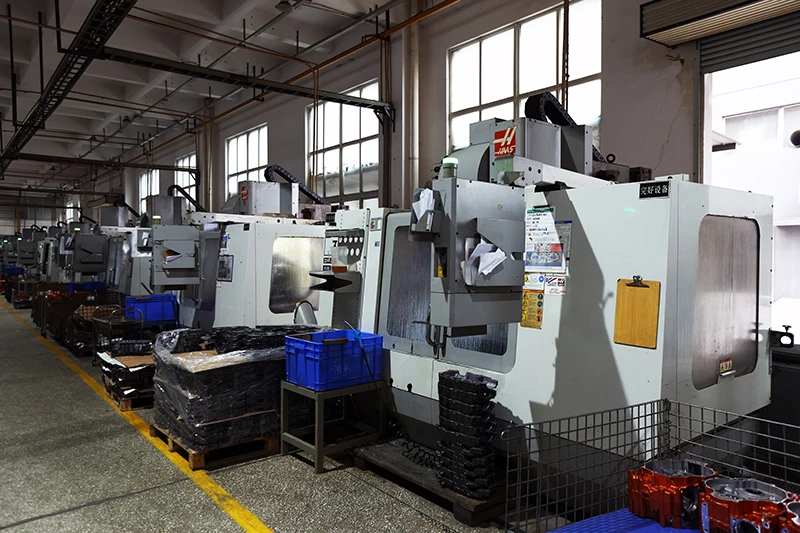
Parts availability decides how long any breakdown lasts. Because Wanhoo builds its own engines, frames, rear axles, and cargo boxes in one plant, replacement parts stay standardized and in stock rather than arriving months later from a scattered supply chain. A pickup fleet in a remote market often waits weeks for a dealer part while the vehicle sits idle.
Maintenance simplicity favors the tricycle on routine service too. A carbureted, self-developed Wanhoo engine can be serviced by a local mechanic with basic tools, whereas a modern pickup's electronics and emissions systems often demand a franchised dealer. In export markets with thin service networks, repairability is worth more than raw specification.
According to Straits Research, the global three-wheeler market was valued at $11.28 billion in 2025 and is projected to reach $27.66 billion by 2034 at a 10.48% CAGR. That scale, driven by e-commerce and last-mile demand in Africa and Asia, keeps a deep, competitive parts ecosystem alive around cargo tricycles.
Cargo tricycle vs truck: the 5-year cost breakdown
A side-by-side table makes the cargo tricycle total cost of ownership gap concrete for a single short-haul last-mile vehicle over five years. The figures below use Wanhoo FOB pricing and published fuel and downtime ranges; a pickup column shows directional order-of-magnitude differences for the same urban duty cycle.
| Cost factor (5-year, one vehicle) | Wanhoo cargo tricycle | Pickup truck (short-haul) |
|---|---|---|
| Purchase price (FOB / unit) | $830 (Q1) to $1,450 (KINGTIGER) | Several thousand dollars, far higher |
| Fuel on urban routes | Low; Q1 from 3.4 L/100km | High; sized for highway, not city |
| Payload capacity | Up to 1,800 KG (KINGTIGER, HANHOO) | Higher ceiling, often underused in-city |
| Maintenance and parts | Standardized, self-built, in-stock | Dealer-dependent, longer waits |
| Downtime cost exposure | Lower; own engine and frame | $50 to $200 per day when idle |
| Narrow-route access | Excellent; fits alleys and markets | Limited on tight urban lanes |
Across purchase, fuel, maintenance, and downtime, a Wanhoo cargo tricycle carries a materially lower five-year total cost of ownership than a pickup on short urban and rural routes. The pickup only closes the gap when a route demands sustained highway speed or loads that exceed the 1,800 KG tricycle ceiling. Match the vehicle to the route and the cheaper tool usually wins.
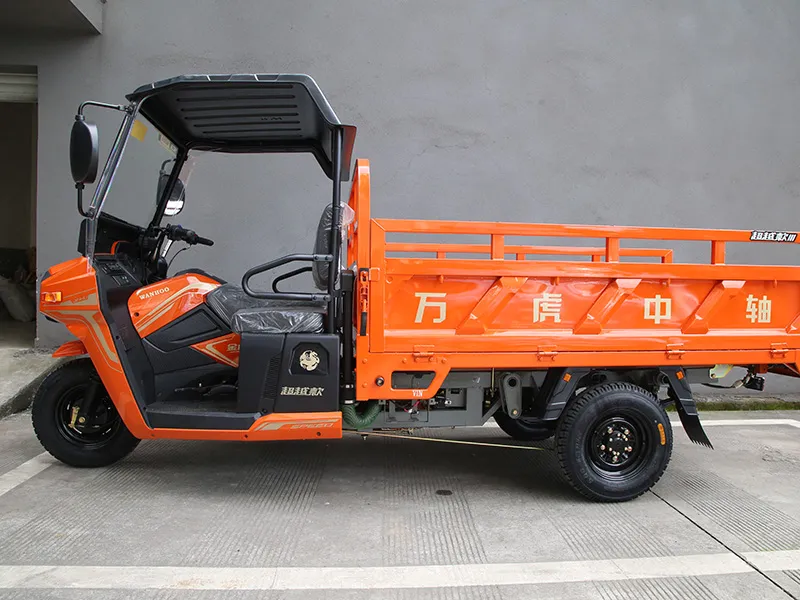
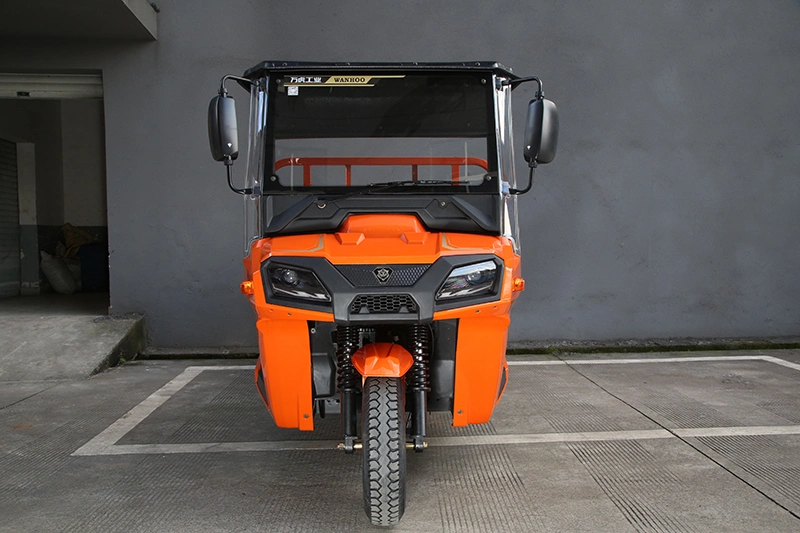
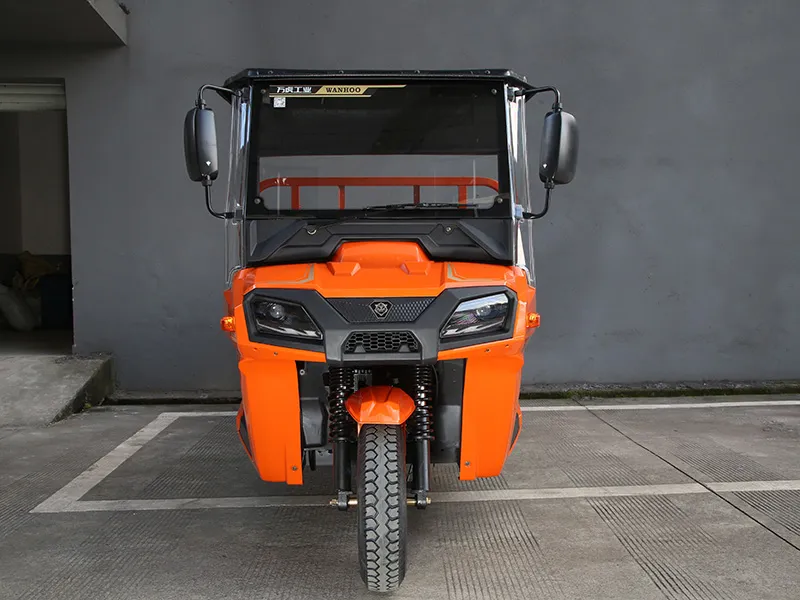
The Wanhoo KINGTIGER anchors the heavy end of this table. Its 250cc water-cooled engine and floating stamping rear axle carry up to 1,800 KG, so a fleet can retire a pickup entirely on many mid-weight construction and market-supply routes.
When does a pickup truck genuinely win?
A pickup earns its higher cost on long-haul highway work where sustained speed and range matter more than maneuverability. A cargo tricycle is built for short routes; asking it to run 300 km of open highway at pickup speed is the wrong tool for the job.
Pickups also win on very heavy or oversized single loads that exceed the 1,800 KG payload ceiling of even the Wanhoo KINGTIGER, and on routes with no tight-access constraint where a full-size truck bed pays off. For long-haul, high-speed, bulk freight, the truck is the honest recommendation. Naming that boundary keeps the comparison credible.
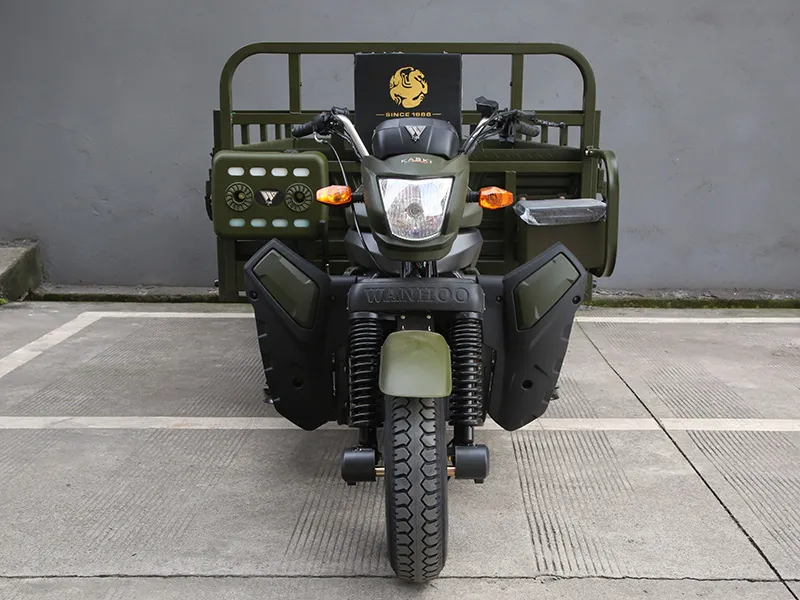
For everything short of that line, the tricycle range covers the ground. The Wanhoo K3 handles economical mid-weight loads up to 1,000 KG with a large 2,000 mm cargo box, while the Q1 keeps the lightest urban runs cheapest to operate. Buyers can browse the full cargo tricycle range and the KINGTIGER 250cc heavy-loading model to match a specific route.
Maneuverability is the pickup's structural disadvantage in dense cities. Narrow lanes, informal markets, and rough rural tracks reward a compact three-wheeled footprint that a four-wheeled truck simply cannot fit through. For last-mile logistics operations, that access advantage converts directly into more drops per shift. Operators sizing payload first should read the companion cargo tricycle payload guide before choosing a model.
Frequently asked questions
### Is a cargo tricycle cheaper than a pickup truck over five years?
A cargo tricycle is usually cheaper than a pickup over five years for short-haul urban and rural delivery work. Lower purchase price, far lower fuel burn on stop-start routes, standardized in-house parts, and reduced downtime combine to give the tricycle a materially lower total cost of ownership below the 1,800 KG load range.
What is the total cost of ownership of a cargo tricycle?
The total cost of ownership of a cargo tricycle is the full lifetime cost including purchase price, fuel, maintenance, parts, and downtime. Wanhoo models start at $830 FOB for the Q1 and reach $1,450 FOB for the KINGTIGER, with fuel from 3.4 L/100km and self-built parts that keep long-run maintenance and idle-time costs low.
How much can a Wanhoo cargo tricycle carry compared to a pickup?
A Wanhoo KINGTIGER or HANHOO carries up to 1,800 KG, which covers most last-mile, construction-supply, and market-haul loads. A pickup has a higher payload ceiling and remains the better choice for oversized single loads or bulk freight that exceeds 1,800 KG on a regular basis.
When should a fleet choose a pickup truck instead?
A fleet should choose a pickup truck for long-haul highway routes, sustained high-speed running, and very heavy or bulky single loads above 1,800 KG. On short urban and rural goods routes with tight access, a cargo tricycle delivers lower cost per delivery and better maneuverability than any pickup.
How does downtime affect fleet cost with imported vehicles?
Downtime affects fleet cost heavily because an idle vehicle earns nothing while fixed costs continue. A stalled export three-wheeler can cost $50 to $200 per day in lost revenue. Wanhoo reduces this exposure with self-developed engines, a reinforced frame, and standardized parts that shorten every repair and keep the vehicle working.
Which Wanhoo cargo tricycle fits last-mile delivery best?
The Wanhoo Q1 fits light urban last-mile delivery best because it is the most fuel-efficient model at 3.4 L/100km and the lowest-priced at $830 FOB. For heavier mid-weight delivery, the K3, HANHOO, and KINGTIGER scale payload up to 1,800 KG while keeping operating cost well below a comparable pickup.