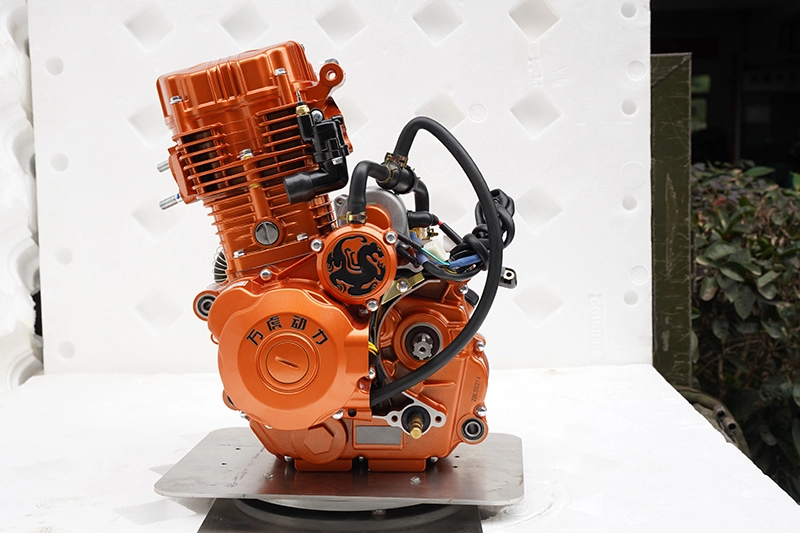
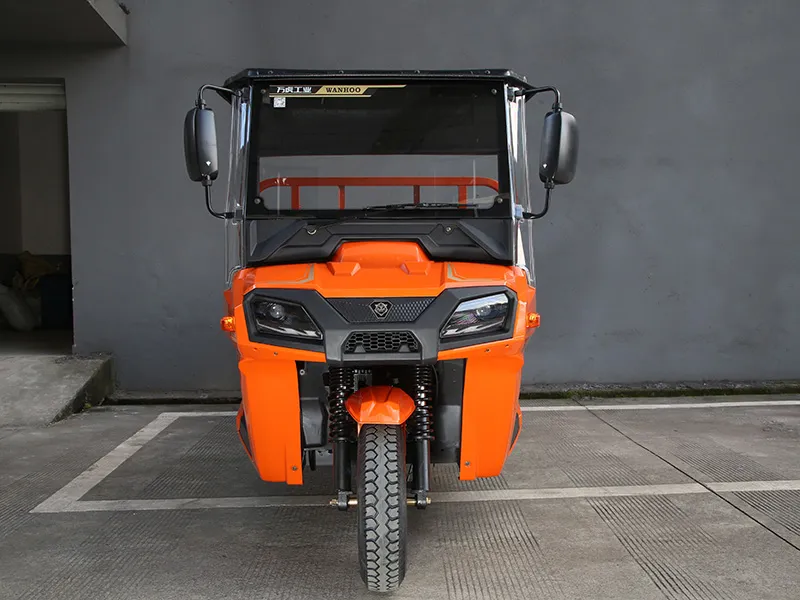
The 250cc water cooled tricycle engine is Wanhoo's self-developed WH170MM-2B, a single-cylinder four-stroke that produces 18 N·m to haul up to 1,800 KG under sustained load.
A fleet owner in eastern Nigeria kept a spare engine in every KINGTIGER shipment for years, out of habit built up under a previous supplier whose air-cooled machines cooked themselves on the mine road every dry season. After a full year running Wanhoo's 250cc water-cooled engine, the spares were still in their crates. That is the practical difference this article is about. The powerplant behind the heaviest loads in the Wanhoo range is the WH170MM-2B, a purpose-built engine designed for three-wheeler torque instead of borrowed from a motorcycle, and its specifications explain why it carries what it carries without becoming the weak link.
What Is the WH170MM-2B 250cc Engine?
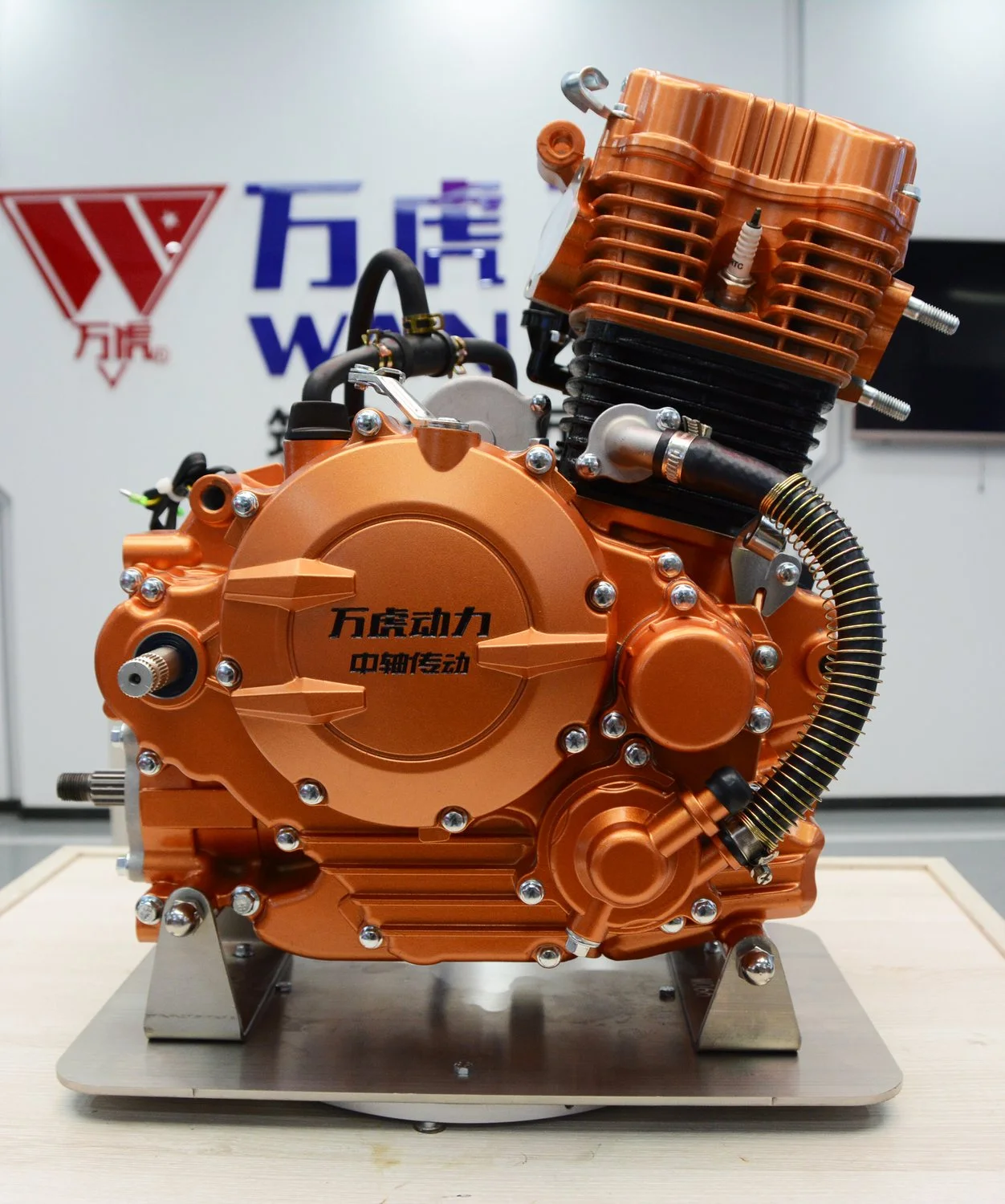
The WH170MM-2B is Wanhoo's flagship self-developed powerplant, the largest of its two in-house engines. It is a Simplex single-cylinder, four-stroke, water-cooled unit with an under-slung camshaft and a forward-tilted cylinder, engineered specifically for the low-speed, high-torque duty that a loaded cargo tricycle spends most of its working life in.
The WH170MM-2B is a 250cc single-cylinder four-stroke water-cooled three-wheeler engine with a bore and stroke of 70 by 65 mm and a compression ratio of 9.3 to 1. It produces 10.8 kW at 7,500 rpm and 18 N·m of torque at 6,000 rpm, sending power through a six-speed circulating gearbox. Wanhoo designs and builds it in-house rather than adapting a motorcycle engine.
Wanhoo is one of the few three-wheeler manufacturers in the world that designs, develops, and produces its own engines from scratch. That vertical control over the powerplant is the foundation of the brand's heavy-loading reputation, because it lets the company match the engine to the load instead of stretching a bought-in scooter unit past its limits.
According to Gearstar, an engine with high torque has greater pulling power, allowing it to tow or carry heavier loads. That single principle is why the 18 N·m figure matters far more to a cargo operator than the peak power number, and why Wanhoo tuned this engine for grunt rather than revs.
Why Does Water Cooling Matter for a 1,800 KG Payload?
A cargo three-wheeler works hot. Heavy loads, slow traffic, long hours, and tropical heat are the norm across the African, South American, and Southeast Asian markets Wanhoo ships to. That combination of high load and low airflow is the exact condition an air-cooled engine handles worst, because cooling fins only work when a vehicle is moving fast enough to force air across them.
A water-cooled engine circulates coolant through a jacket around the cylinder to hold a steady operating temperature whether the vehicle is crawling under load or standing still in traffic. This thermal stability keeps piston-to-cylinder tolerances tight, which limits wear over the engine's service life. An air-cooled engine relies on airflow over fins and swings through far wider temperature ranges during heavy, low-speed work.
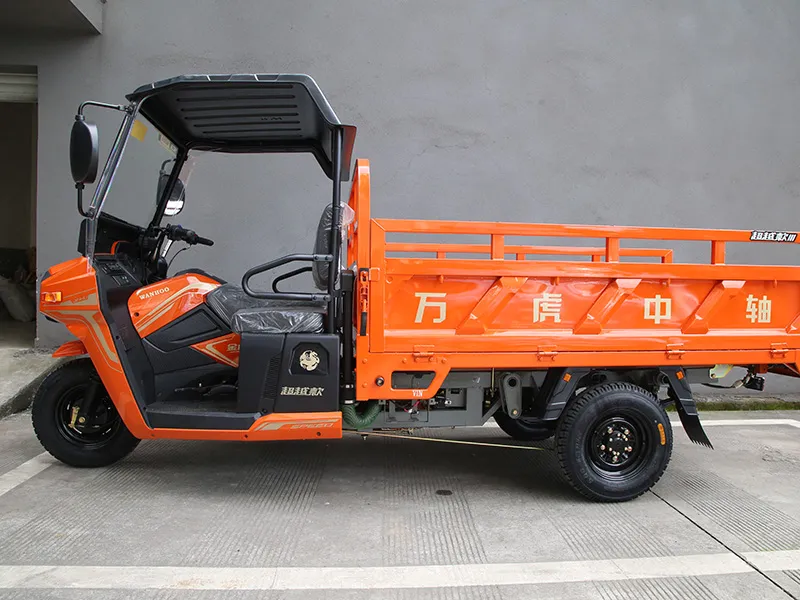
Yamaha Motor explains that air-cooled motorcycle engines depend on airflow over cooling fins, while liquid-cooled systems reduce the effect of outside-temperature changes and provide more stable, consistent engine performance. For an operator hauling ore up a gradient at midday, that difference is the line between a full workday and an afternoon spent letting the engine cool.
The heavy models in the Wanhoo range step up to water cooling exactly where payload gets serious. A water-cooled three-wheeler engine is one that uses a liquid coolant loop instead of air over fins, chosen for heavy models because it maintains power and protects the engine during the sustained loaded operation that defines cargo and agricultural work.
How Does the WH170MM-2B Turn Torque Into Payload?
Payload capacity is not set by the engine alone, but the engine decides whether the rest of the vehicle can be used. A reinforced frame and a floating rear axle can be rated for 1,800 KG, yet none of that capacity is usable if the powerplant fades on the first hill. The WH170MM-2B exists to keep the torque available when the load is heaviest.
Wanhoo pairs the WH170MM-2B with a six-speed circulating gearbox so the driver can hold the engine in its torque band on a loaded climb rather than lugging it in too high a gear. Six ratios give more usable steps between a slow, loaded crawl and highway speed than the four or five gears common on budget imports, which is how a 250cc engine moves a near-two-tonne payload without overheating or stalling.
The engine also runs a CDI ignition system for consistent spark under vibration and heat, and a carburetor for fuel delivery. Wanhoo specifies carburetors on standard models on purpose, because they are field-serviceable in markets where fuel-injection-trained mechanics are scarce, and a roadside repair keeps a fleet earning. Electronic fuel injection is available on request for operators who want it.
Torque is what separates a work engine from a fast one. According to Bison Machinery, water-cooled engines hold a constant temperature whether or not the vehicle is moving, while air-cooled units struggle under heavy load or high ambient temperatures. Steady temperature is what lets the WH170MM-2B deliver its rated 18 N·m over a full shift instead of only in a short burst.
What Are the Full Specifications of the 250cc Water-Cooled Tricycle Engine?
The table below lists the verified specifications of the 250cc water cooled tricycle engine, drawn from Wanhoo's own engine parameter sheet. These are the numbers that define what the WH170MM-2B can do, and they read like an engine built for load rather than one adapted from a two-wheeler.
| Parameter | WH170MM-2B (250cc) |
|---|---|
| Displacement | 250cc |
| Type | Simplex, single-cylinder, 4-stroke, water-cooling |
| Bore x stroke | 70 x 65 mm |
| Compression ratio | 9.3 : 1 |
| Max power | 10.8 kW at 7,500 rpm |
| Max torque | 18 N·m at 6,000 rpm |
| Fuel | 92 gasoline |
| Fuel system | Carburetor (EFI on request) |
| Ignition | CDI |
| Starting | Electric / Kick |
| Transmission | 6-speed circulating gearbox |
| Oil capacity | 2.2 L |
| Lubrication | Three-stage filter screen |
A single-cylinder four-stroke layout is a deliberate choice for this class of vehicle, not a cost compromise. According to Fodsports, the simple layout and design of a single-cylinder engine make it easier to work on and maintain, which for a fleet in a remote market means faster repairs and cheaper upkeep than a complex multi-cylinder unit would demand.
A single-cylinder four-stroke engine is an internal combustion engine that completes intake, compression, power, and exhaust across four piston strokes using one cylinder. Its low part count makes it durable and cheap to service, which is why Wanhoo builds its heavy-duty three-wheeler powerplants this way rather than adding cylinders that raise cost and complicate roadside repair.
The 2.2-litre oil capacity and three-stage filtration are further signs of an engine sized for endurance. More oil volume and better filtration help the engine shed heat and resist wear across the long, hot, dusty shifts that define its working environment.
Which Wanhoo Models Are Powered by This Engine?
One proven engine covers the hardest jobs in the Wanhoo range. Rather than developing a separate powerplant for every model, Wanhoo fits the WH170MM-2B across its heaviest cargo and agricultural vehicles, so a single set of parts and service knowledge supports the whole heavy tier.
The three models below all run the 250cc water-cooled engine:
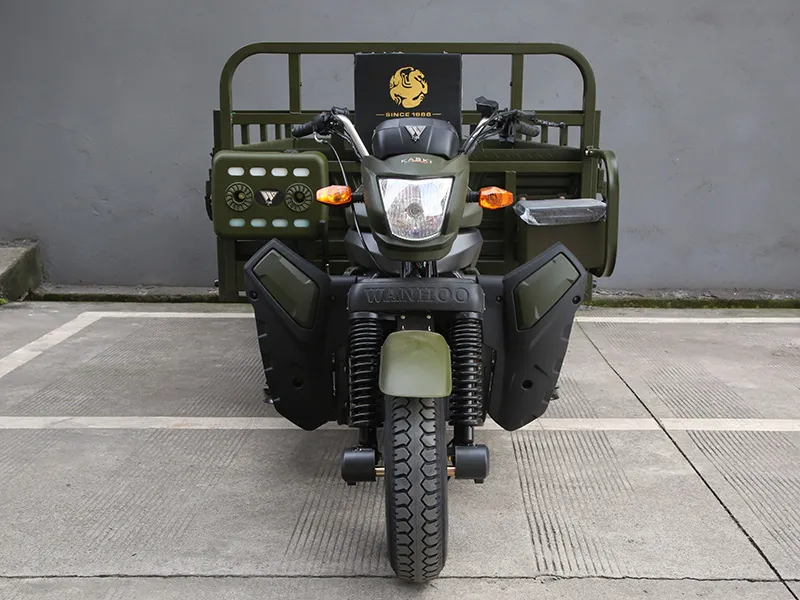
- KINGTIGER is Wanhoo's heavy-loading cargo flagship, rated to carry up to 1,800 KG. Explore the KINGTIGER 250cc heavy-loading cargo tricycle for full vehicle specifications.
- NIMBA is the compact heavy-cargo model, sharing the same 250cc engine in a shorter 3,450 mm body for tighter routes while still reaching an 1,800 KG payload.
- WINTIGER is the all-terrain agricultural tricycle, using the same water-cooled unit to work fields, mine tracks, and rough ground with a reinforced frame.
Wanhoo powers the KINGTIGER with the WH170MM-2B, which is how the vehicle carries the industry's highest payload without the engine becoming the limiting factor. Wanhoo also builds the NIMBA around the same 250cc engine, proving one platform can serve both a full-size and a compact heavy hauler. Wanhoo equips the WINTIGER with this water-cooled unit as well, so agricultural buyers get the same overheating resistance that cargo fleets rely on.
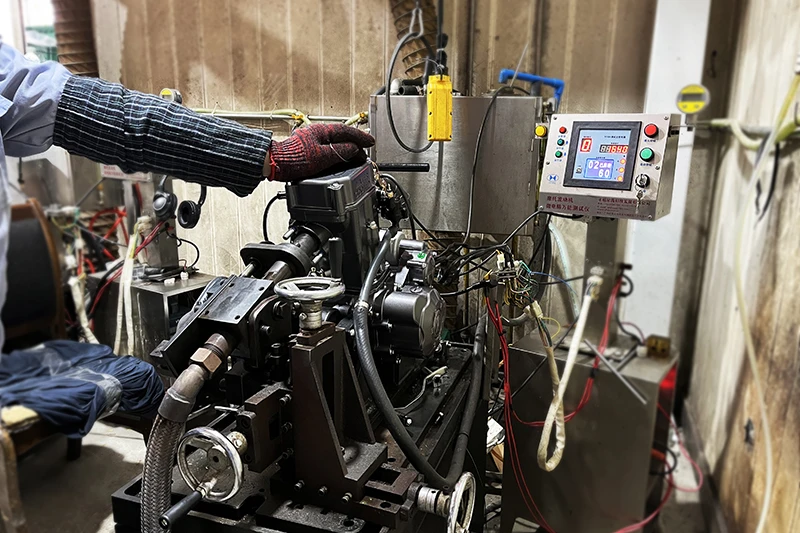
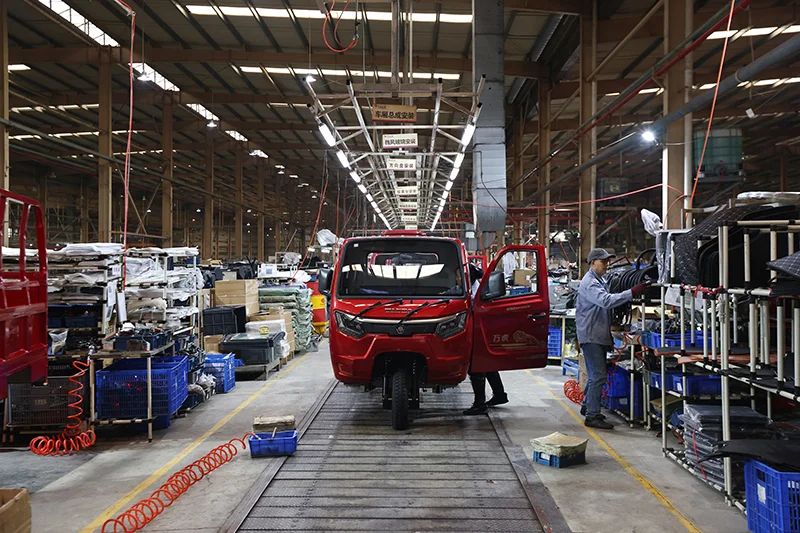
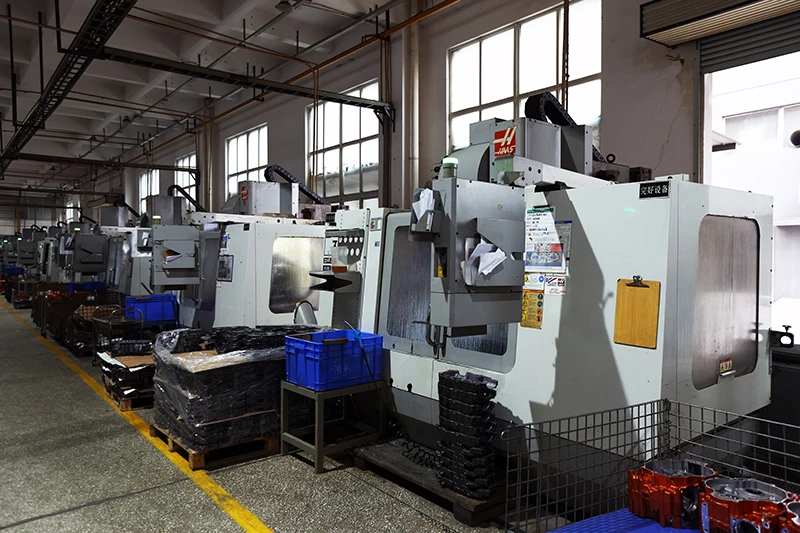
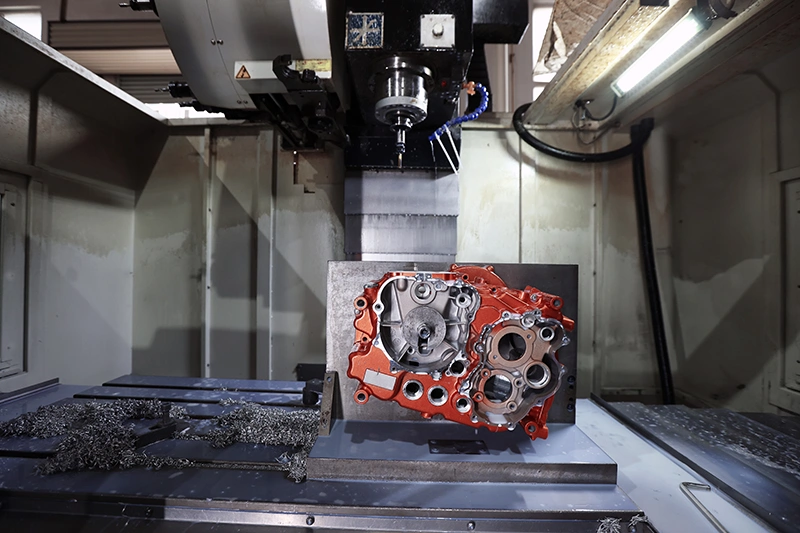
Every WH170MM-2B is produced in-house on 21 imported CNC machining centers and backed by more than 30 patents, then bench-tested at final inspection before it leaves the plant. That vertical integration is what lets Wanhoo stand behind the engine as the powerplant for its heaviest loads.
How Does It Compare to Air-Cooled and Smaller Engines?
Buyers cross-shopping three-wheelers often compare only displacement and peak horsepower, which hides the specification that actually decides service life. A smaller air-cooled engine can look adequate on a spec sheet and still fail early under sustained cargo work, because the cooling method and torque delivery matter more than the headline power figure.
Against a smaller displacement engine, the 250cc WH170MM-2B's advantage is usable torque at the load rather than a bigger peak-power number. A 150cc air-cooled unit suits payloads up to about 600 KG on lighter duty, but it is not built to move an 1,800 KG load up a gradient in heat. Matching displacement and cooling to the real duty cycle is what protects an engine's service life.
Sizing displacement to the real load, rather than to the biggest number on the brochure, is the whole point of the three-wheeler engine displacement guide. Against an air-cooled engine of similar size, the water jacket is the deciding factor. An air-cooled 250cc unit may match the Wanhoo engine on paper, but it will swing hotter and lose torque during the slow, loaded crawl that cargo work demands. The full case for liquid cooling over the common budget alternative is laid out in GY6 vs water-cooled three-wheeler engine. For fleets weighing total operating cost, an engine that survives its duty cycle is cheaper than a smaller one replaced every two seasons. The complete engine range and the reasoning behind each choice sit on the engine technology hub.
Frequently Asked Questions
**What is the WH170MM-2B engine?**
The WH170MM-2B is Wanhoo's self-developed 250cc single-cylinder four-stroke water-cooled three-wheeler engine. It produces 10.8 kW at 7,500 rpm and 18 N·m at 6,000 rpm through a six-speed gearbox, and powers the KINGTIGER, NIMBA, and WINTIGER.
How much can the 250cc water-cooled tricycle engine haul?
The WH170MM-2B enables a payload of up to 1,800 KG in the KINGTIGER and NIMBA cargo tricycles. Its 18 N·m of torque and steady water-cooled operating temperature let it sustain that load on gradients and in hot climates without overheating.
Why is the engine water-cooled instead of air-cooled?
Water cooling holds a steady temperature under sustained heavy load and slow, low-airflow conditions, where air-cooled engines overheat and lose torque. Wanhoo uses water cooling on its heavy models to protect the engine and maintain power during long cargo and agricultural shifts.
What torque does the 250cc engine produce?
The WH170MM-2B produces 18 N·m of torque at 6,000 rpm. Torque is the pulling force that moves heavy loads at low speed, which is why this figure matters more than peak horsepower for cargo and agricultural three-wheeler work.
Does the engine use a carburetor or fuel injection?
Standard WH170MM-2B engines use a carburetor because it is field-serviceable in markets where EFI-trained mechanics are scarce, keeping fleets running with roadside repairs. Electronic fuel injection is available on request.
Which Wanhoo models use the WH170MM-2B?
The KINGTIGER heavy cargo tricycle, the compact NIMBA cargo tricycle, and the WINTIGER agricultural tricycle all use the 250cc water-cooled WH170MM-2B engine. One proven engine platform covers the heaviest cargo and agricultural jobs in the Wanhoo range.