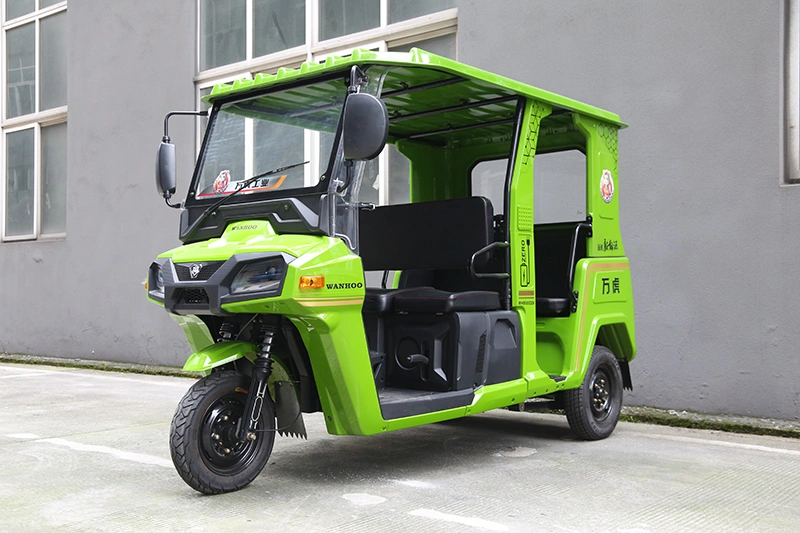
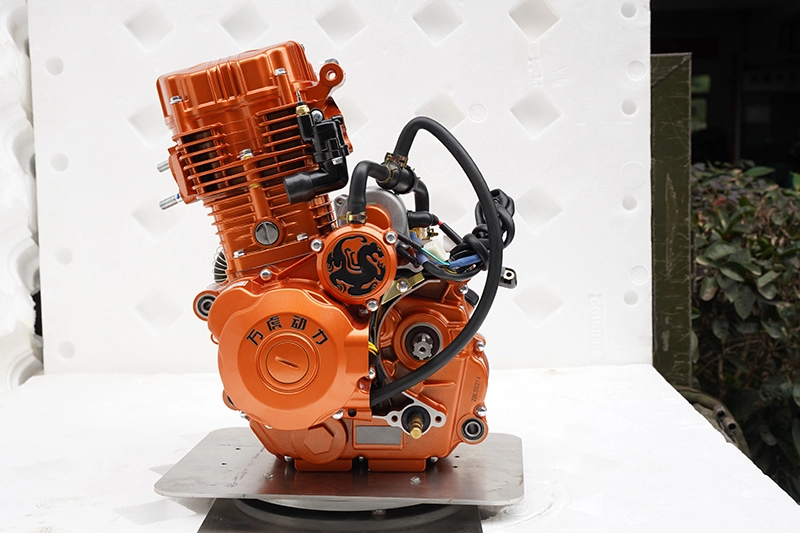
A standard cargo bed is not automatically a waste body. Specify a waste collection three wheeler through a competent body builder and task risk assessment: compatible leak-resistant containment, controlled washwater, verified payload and axle limits, safe loading access, worker separation from traffic, and only an approved tipping system.
Third stop on the lane, and the loader has one boot on the rear wheel hub because that is the only step there is. He swings a bag over the side wall at the height of his sternum, twists at the waist, and lets it drop. The bag splits near the bottom. Something wet runs down the outside of the body, follows a weld seam, and reaches the road. The driver pulls away. The puddle stays.
This is an illustrative failure mode, not a claim about a particular fleet. It shows why a cargo platform needs a purpose-designed body, operating procedure and worker-safety assessment before waste collection begins.
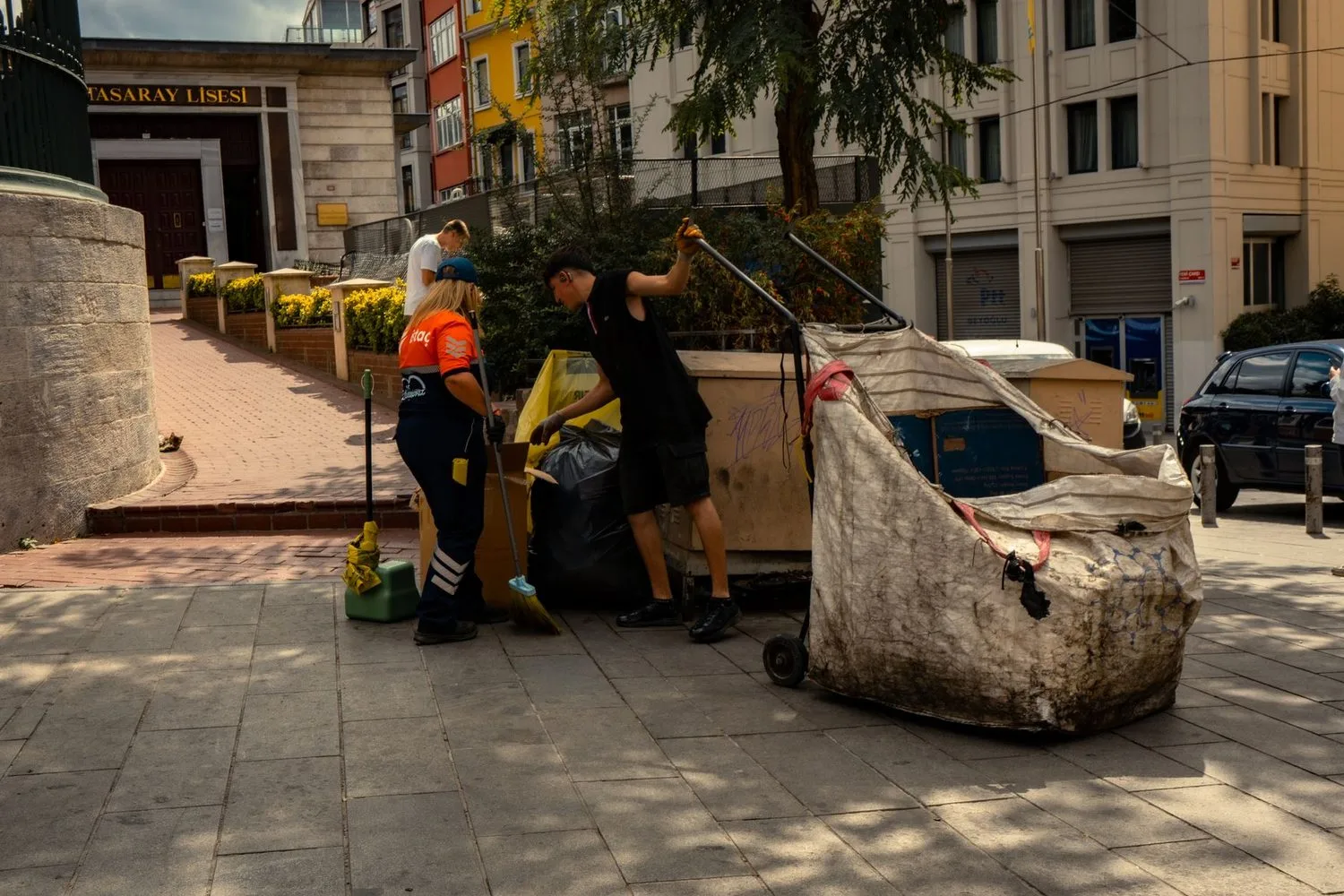
A tender writer and a loader may see the same vehicle differently. The specification should include the crew's real loading, access, traffic and cleaning tasks rather than optimising only for body volume and purchase price.
Waste Is a Liquid Problem Pretending to Be a Solid One
Mixed waste may already contain liquid, collect rainwater or release liquid during handling and compaction. Any liquid that drains through the waste will move toward joints, openings and the lowest point in the body.
Leachate is liquid that has passed through or drained from waste and may carry dissolved, suspended or biological contaminants. Its composition varies with the waste stream, so containment, cleaning and disposal requirements must come from the local waste and environmental authorities.
A standard cargo bed may have drop sides, bolted joints or drainage openings that do not contain wet waste. Inspect the actual body instead of assuming it is sealed. The World Health Organization's solid-waste and health guidance explains how poorly managed waste can contaminate water, soil and air and harm workers and communities.
The body-builder specification should define compatible materials, joint design, corrosion protection, a leak test, a controlled low point and a drain that can be locked closed in transit. The drain must discharge only into an authorised containment or treatment system. Obtain manufacturer approval before drilling, welding or altering the base chassis.
The Side Wall Is the Argument Nobody Has
Loading height is one of the most important body dimensions because it affects reach, lift and access on every collection cycle.
Loading height, reach distance, container mass and handling frequency all affect manual-handling risk. Choose access, steps, handholds, tailgates and lifting aids from a task assessment with the actual crew and waste containers, not from body volume alone.
Repeated high or extended-reach lifting can increase musculoskeletal risk. The International Labour Organization's vehicles-in-the-workplace guide calls for risk assessments that include loading, unloading, falls and pedestrian interaction. Local occupational-safety rules and a site-specific manual-handling assessment still control.
Possible controls include a body-builder-approved drop-down access point, compatible lifting aid, slip-resistant step and correctly placed handhold. A longer or lower body also changes axle loads, turning clearance and chassis stress, so it must be engineered rather than added as a simple volume trade.
Record loading height, reach distance, typical container mass, lifts per shift and access method in the tender. That turns an ergonomic requirement into something a body builder and safety reviewer can verify.
Volume Fills First, Until the Day It Does Not
Waste density varies by route, season and contamination. Dry packaging may fill the body by volume, while wet organics, soil, rubble or rain-soaked material may reach a mass limit first.
A waste body can be volume-limited on one route and mass-limited on another. Establish representative waste density with weigh records, then set operating limits that protect gross mass, each axle, tyres, suspension and the body structure.
Do not rely on the driver's visual judgement. Use route weigh data, prohibited-load rules and access to a scale, and segregate rubble, chemicals, healthcare waste, batteries and other streams that the vehicle or permit does not cover.
A calibrated fill line may be a secondary operational aid for a consistent waste stream, but it is not a weighing device and cannot account for changing density or axle distribution. Wanhoo's cargo-tricycle payload guide provides useful load questions; the final body specification and local weight limits govern.
Mechanisms Add Failure Modes, and Tipping Adds a Rollover
Compaction and tipping add mass, controls and maintenance requirements. Consider them only as part of a purpose-designed and approved system.
Compaction can increase effective body capacity, but it also introduces crush zones, stored energy, hydraulic or mechanical components and more demanding cleaning and maintenance. Do not retrofit it without base-vehicle approval, guarding, interlocks, an exclusion-zone procedure and trained maintenance support.
Tipping deserves a harder warning.
Raising a tipping body elevates the load and can reduce stability. Use tipping only when the base vehicle and body builder approve the complete system, on firm level ground, with the load evenly distributed, the exclusion zone clear and the operator following the equipment manual.
The UK Health and Safety Executive's tipping guidance requires level operation, even load distribution, a safe tailgate and keeping people away from the raised body and discharge area. It is written for workplace vehicles generally; a three-wheeler needs model-specific approval and may not be suitable for tipping at all.
Manual unloading is not automatically the safer alternative. It can create lifting, sharps, slip, contact and traffic risks. Compare mechanical and manual options through the hierarchy of controls, provide suitable tools and staffing, and train workers for the selected method.
Plan washdown, drainage and corrosion together
A collection body needs a written cleaning and disinfection plan based on the waste stream and local public-health requirements. The body, wiring and drainage should be designed for that planned method and frequency.
Washwater from waste vehicles may contain pollutants and must be captured and managed through an authorised system. Specify cleanable surfaces, controlled drainage and protected electrical components, and use cleaning agents compatible with the body and local discharge rules.
The UK government's current pollution-prevention guidance treats vehicle-washing water as potentially contaminated and calls for sealed collection, authorised treatment or permitted foul-drain disposal rather than release to surface-water drains. Apply the equivalent local environmental rules and confirm where every drain discharges.
The Crew
The people on the round face waste-contact, manual-handling and traffic risks that must appear in the specification and operating procedure.
Waste bags may conceal sharps, chemicals, biological contamination or unstable objects. Use source segregation, a no-blind-reaching rule, task-specific tools and PPE, a sharps-response procedure, and a traffic plan that separates workers on foot from the collection vehicle and passing road users.
PPE must match the assessed hazards; a generic glove is not proof against every needle, chemical or biological exposure. The International Labour Organization's PPE guidance places PPE after stronger controls and requires suitable selection and provision.
Traffic is the other half. The US National Institute for Occupational Safety and Health's refuse-worker safety guidance emphasises vehicle visibility, staying in the cab until a complete stop and high-visibility clothing near active roads. A small vehicle does not remove blind spots or passing-traffic risk.
Put those controls into the vehicle specification, route procedure and training record rather than leaving them as unwritten habits.
The Route Is the Reason You Chose Three Wheels
A three-wheeler may be considered where access is too narrow for a larger collection vehicle, but route fit must be verified rather than assumed. Measure lane width, turning space, gradient, surface, reversing needs and safe places for workers to stand.
Stop-start collection can accumulate engine hours and operating cycles without high distance. Use the model's severe-duty maintenance schedule where specified, and record hours, starts, fuel and route data before deciding which metric best predicts service cost.
Published fuel figures may not represent a specific collection route. Build the budget from a controlled local trial with the completed body, legal load and actual stop pattern, and follow the model manual for cooling and maintenance.
Reading the Specification From Both Sides
Before signing off a waste collection three wheeler specification, read every line twice: once as the person paying for it, once as the person loading it.
| Decision | Buyer optimises for | Crew needs | The honest trade-off |
|---|---|---|---|
| Side wall and access | Maximum volume | Low-risk reach, steps and lifting aids | Validate ergonomics and body strength together |
| Floor and seams | Lowest-cost standard bed | Compatible leak-resistant containment | Specify materials, joints and a leak test |
| Drainage | Fast washdown | Locked transit drain and authorised disposal | Washwater must not escape to road or surface drain |
| Tipping gear | Faster unloading | Approved system and exclusion zone | Some base vehicles may not be suitable for tipping |
| Payload vs body size | Maximum volume | Measured route density and axle control | A fill line cannot replace weighing and segregation |
| Access and steps | Verified access method | Slip-resistant step, handhold or lifting aid | Specify geometry and rated attachment points |
Where a Base Vehicle Fits
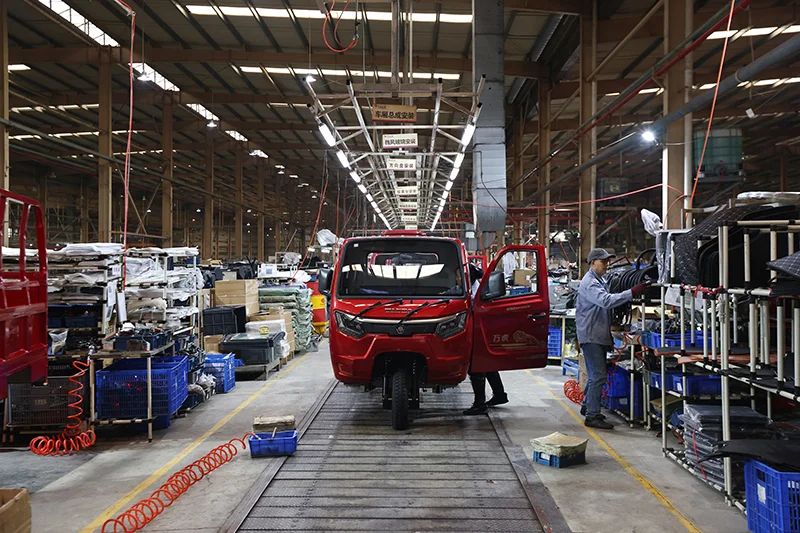
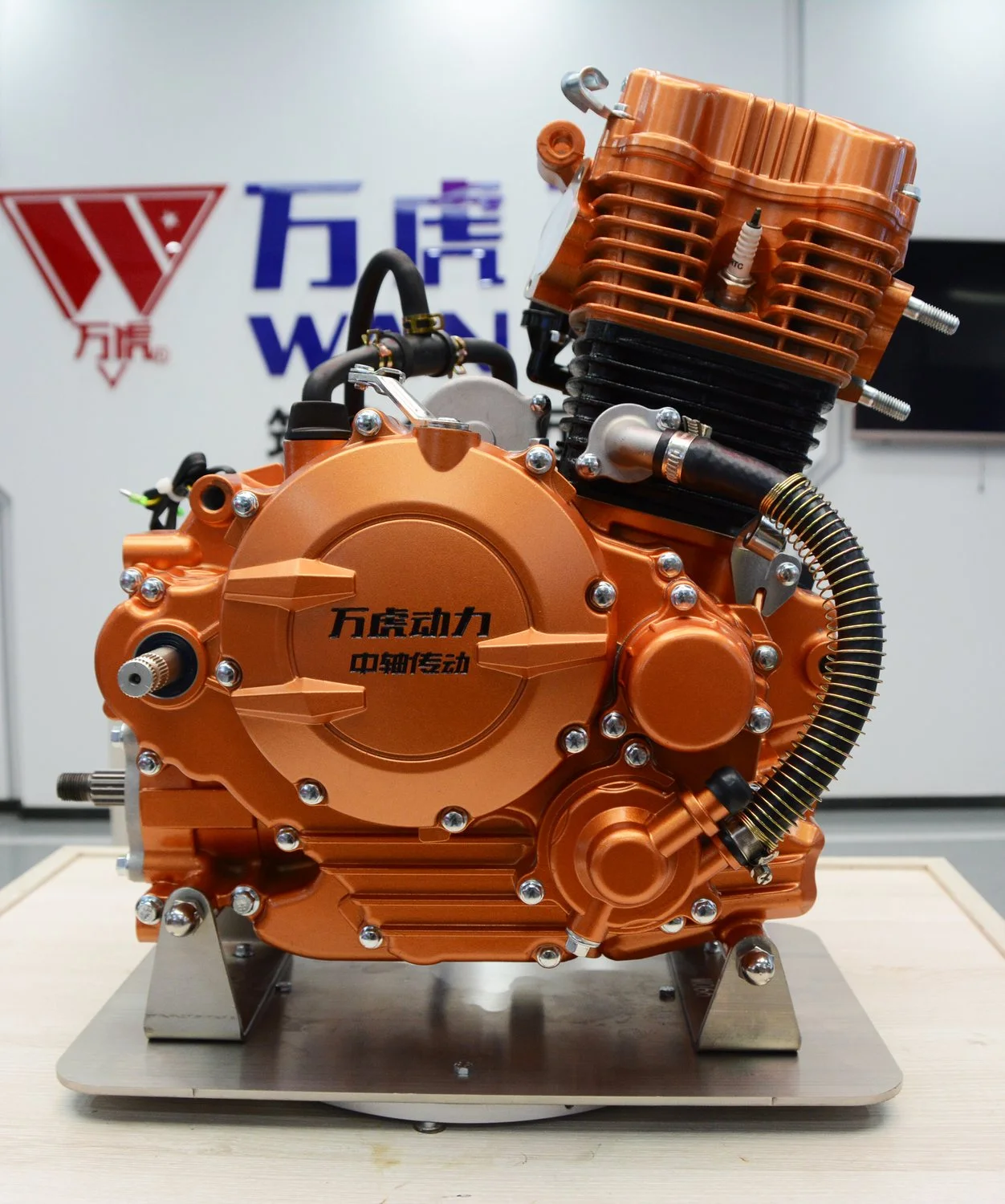
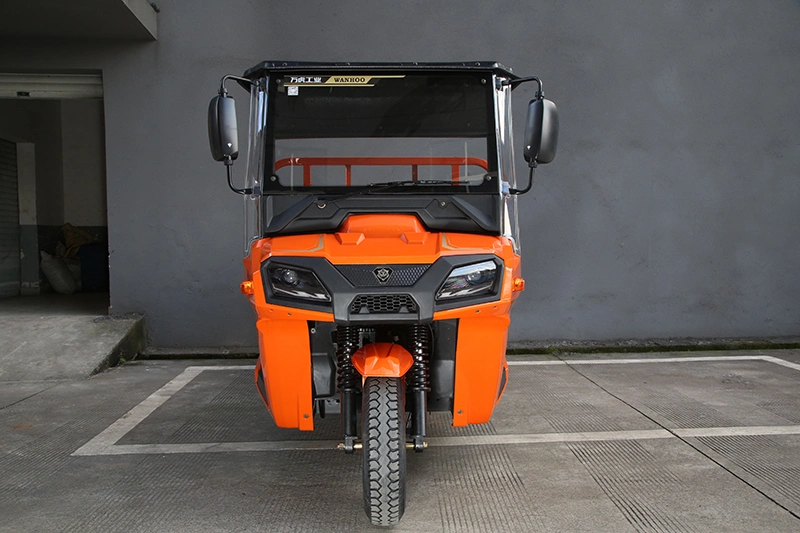
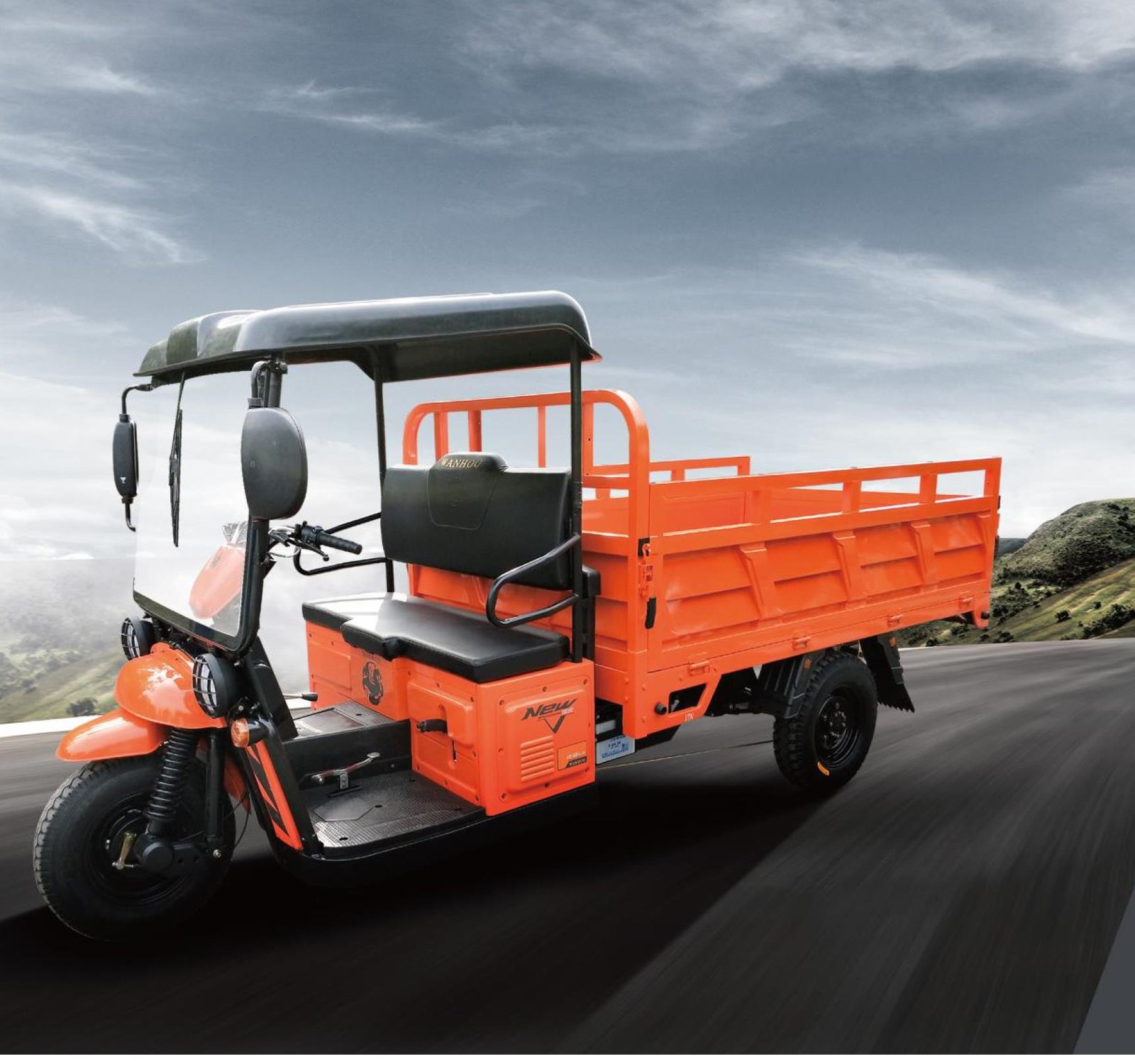
Wanhoo's company page describes a Chongqing manufacturer founded in 1986 with in-house engine and frame production. Those facts do not approve a refuse body or a waste-collection duty cycle.
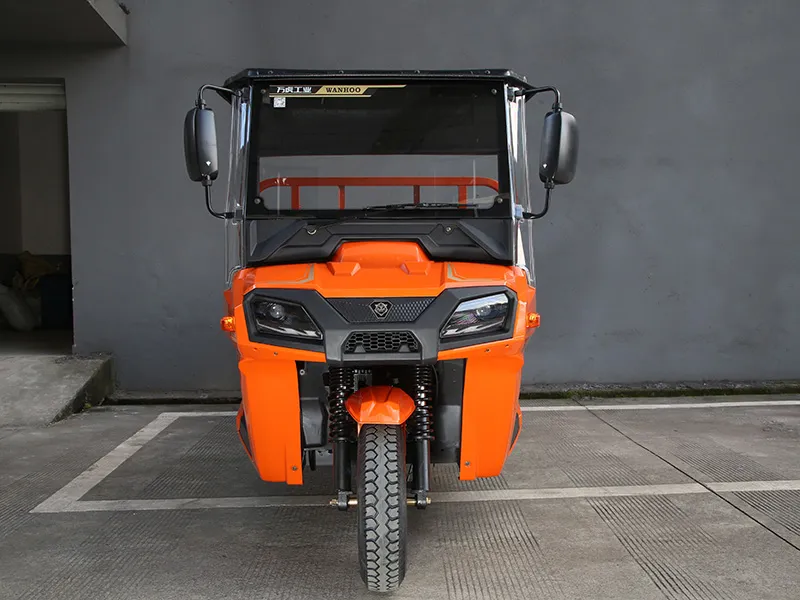
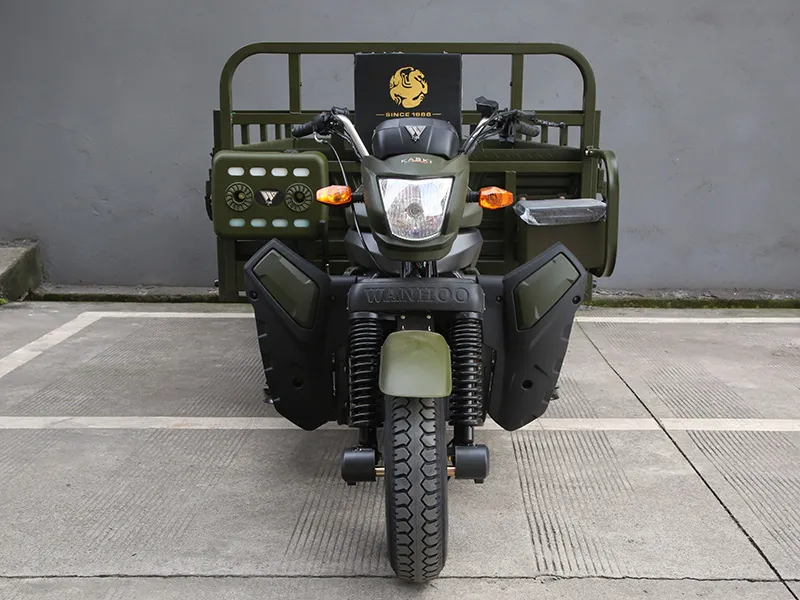
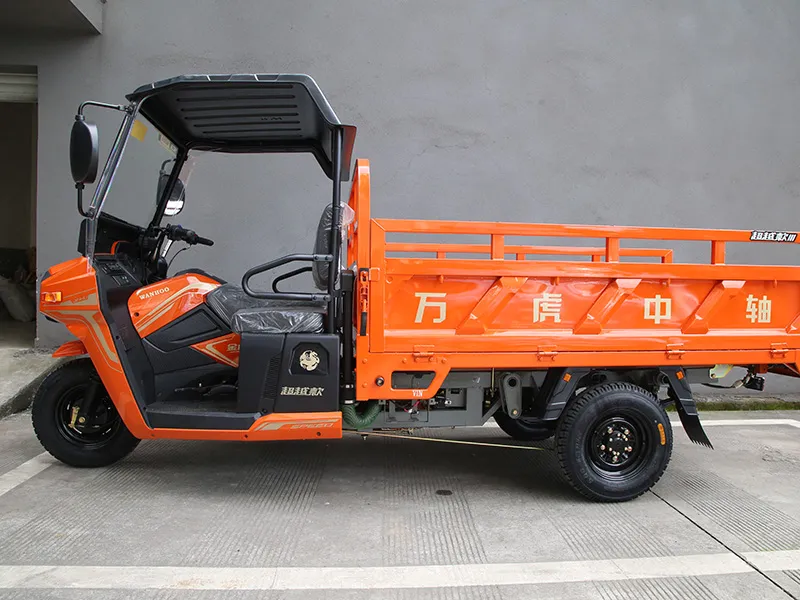
The public catalogue reviewed for this draft shows standard cargo and agricultural platforms, not a certified refuse body or compactor package. Confirm current custom options directly. A third-party body still needs competent design, manufacturer approval where required, final weighing, registration and local waste and workplace approval.
Current public pages list headline maximum loads of up to 600 kg for Q1, 1000 kg for K3, 1800 kg for KINGTIGER and 1000 kg for WINTIGER. The refuse body, drain, lifting gear, crew and tools consume capacity, and axle or tyre limits may govern before the headline load.
Those are headline public platform specifications. Bed width, internal volume, wall height, containment and drainage require a configuration-specific answer in writing.
The loader on that third stop does not read specification sheets. He finds out what was decided the first time he lifts a bag, and again every day after that.
Frequently Asked Questions
**What makes a waste collection three wheeler different from a standard cargo three-wheeler?**
A purpose-designed body uses materials and joints compatible with the waste stream, verified leak resistance, a controlled low point and a drain locked closed in transit and connected to authorised containment during cleaning. The exact design and discharge rules must come from the body builder and local authority.
Should I specify a tipping body?
Only if the base-vehicle manufacturer and competent body builder approve the complete system and local rules allow it. Tip on firm level ground with an exclusion zone and follow the equipment manual. Manual unloading is not automatically safer and needs its own ergonomic and exposure assessment.
How do I choose between a larger body and a higher payload rating?
Use representative route weigh records to establish density and size the body, then protect gross and axle limits with weighing, segregation and prohibited-load rules. A calibrated fill line may help with a consistent stream but cannot replace a scale or account for wet waste and rubble.
What loading height should I ask for?
Do not choose one number from a blog. Assess loading height, reach, container mass and frequency with the actual crew, then ask a competent body builder to integrate safe access or lifting aids without compromising containment, axle loads or chassis approval.
How should vehicle cleaning be specified?
Use compatible cleanable materials, controlled drainage and protected electrical components, then capture washwater in an authorised system. Confirm cleaning agents, frequency and discharge requirements with the body builder and local health and environmental authorities.
Is a three-wheeler the right vehicle for waste collection at all?
It may fit narrow routes, but only after checking access, legal vehicle class, waste type, payload and axle limits, body approval, worker safety and the unloading point. Compare it with other collection methods through a route trial and task risk assessment.