Mid-shaft vs lateral-shaft describes a claimed drivetrain layout. To compare two cargo three-wheelers, locate the installed engine output and rear-axle input, then check the drawing, component codes and service requirements. The layout name alone does not establish payload, fuel consumption or handling.
Two quotations may list similar displacement and gear count while using different engine and axle assemblies. This guide explains how to identify those differences and decide which evidence belongs in the purchase file.
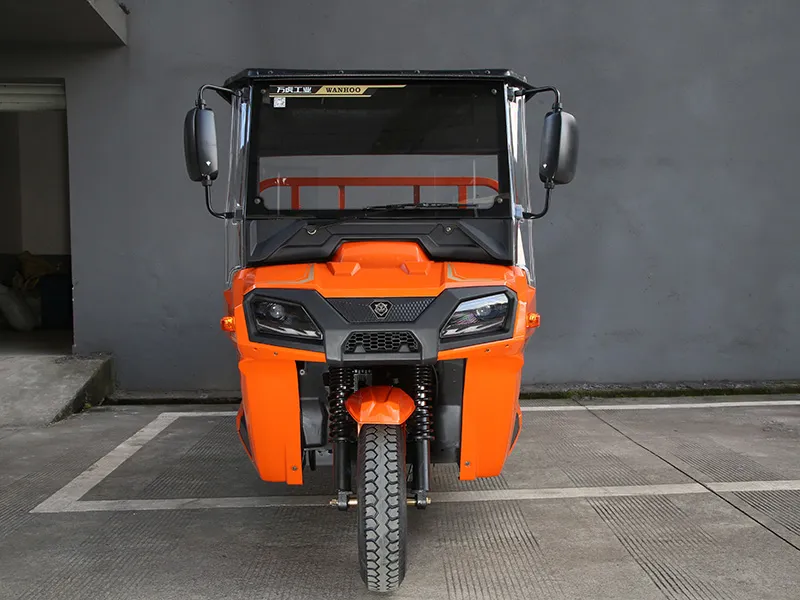
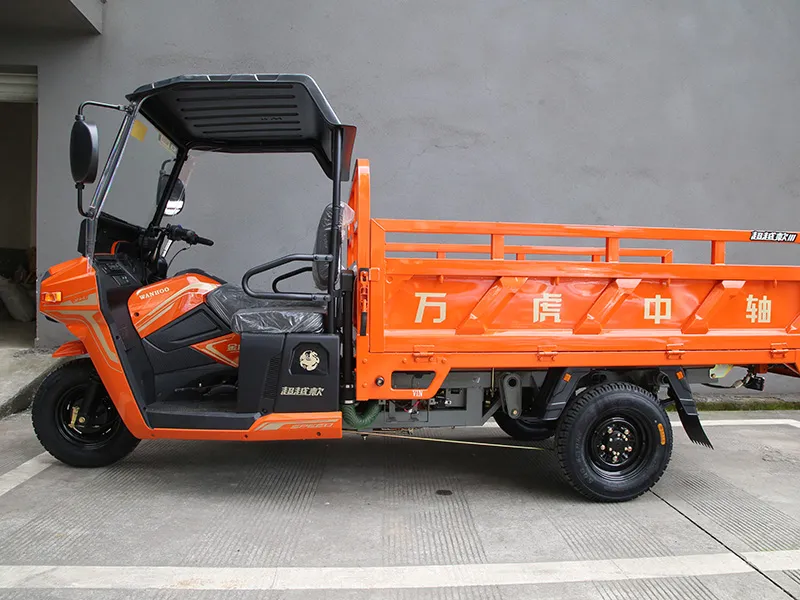
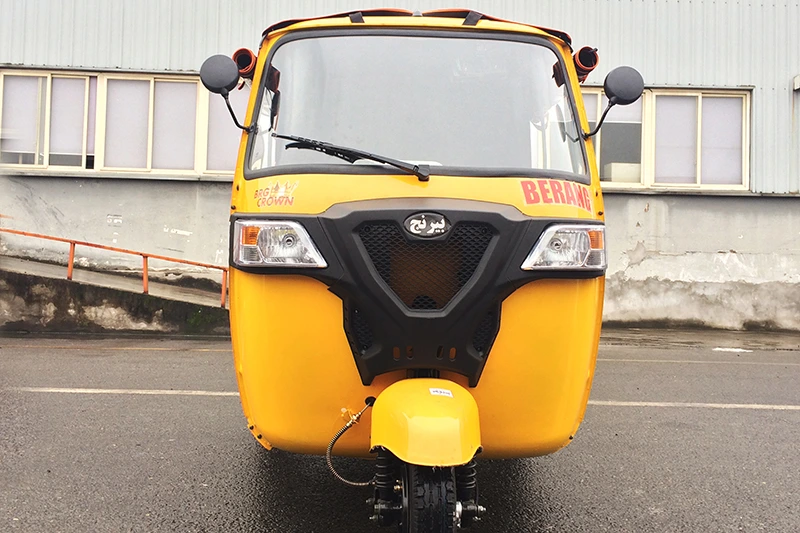
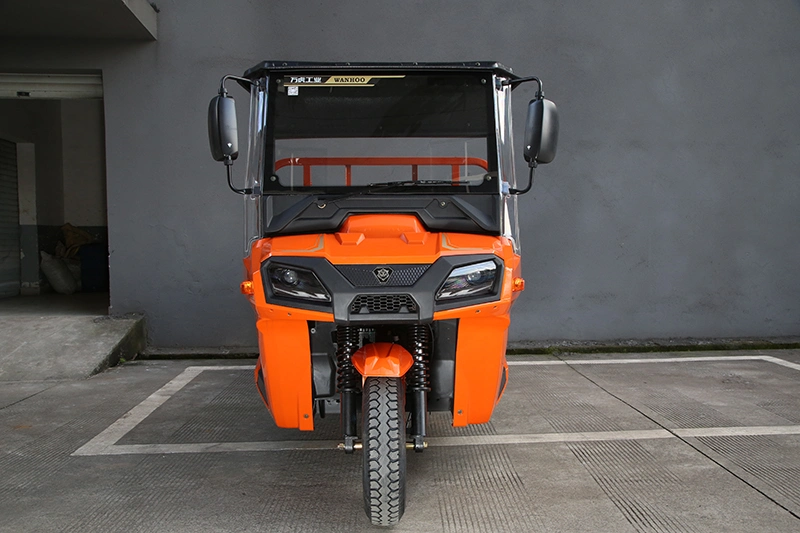
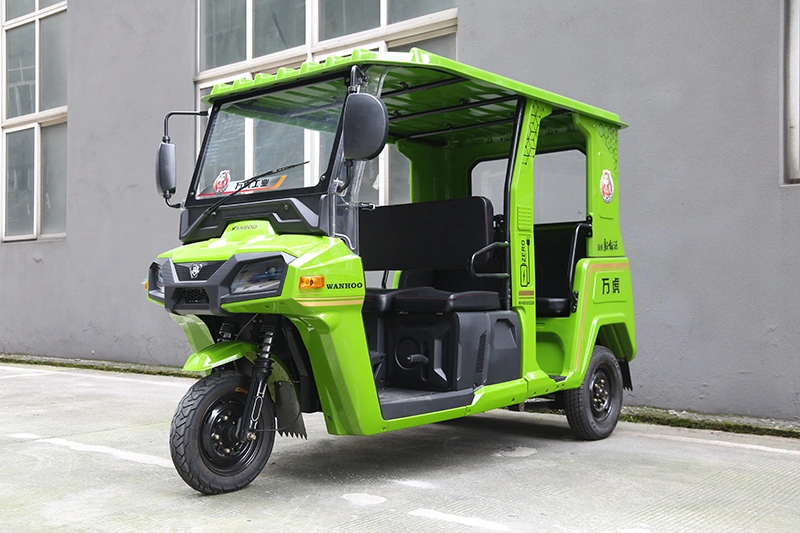
This view shows the vehicle exterior. A rear and workshop underside view are needed to examine the installed drive path.
What Mid-Shaft vs Lateral-Shaft Means
In Wanhoo's historical Chinese technical material, the terms distinguish a centred output from a laterally offset output. That explains the terminology used in those materials; it does not identify the current configuration of every vehicle sold under an English marketing name.
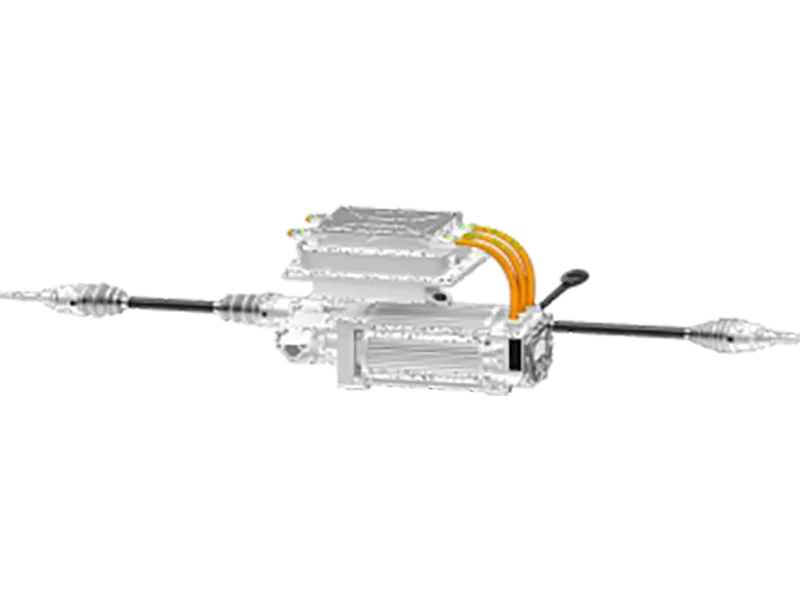
Trace the actual drive path from the engine through any intermediate components to the axle. Covers and packaging can hide parts of it. A centred visible input also does not prove the dimensions of the enclosed half-shafts.
Record the supplier's definition of the layout with its drawing. This avoids comparing labels that refer to different parts of the drivetrain.
Compare the Same Views and Documents
Ask both suppliers for equivalent evidence, tied to the quoted model and revision.
| Item | What to compare |
|---|---|
| Rear photograph at axle height | Visible input position relative to the vehicle centreline |
| Workshop underside photograph | Installed engine output, exposed drive path and intermediate components |
| Assembly drawing | Enclosed components, dimensions and connection points |
| Engine and axle codes | Which parts and service documents apply |
| Dated configuration sheet | Whether the evidence describes the vehicle being quoted |
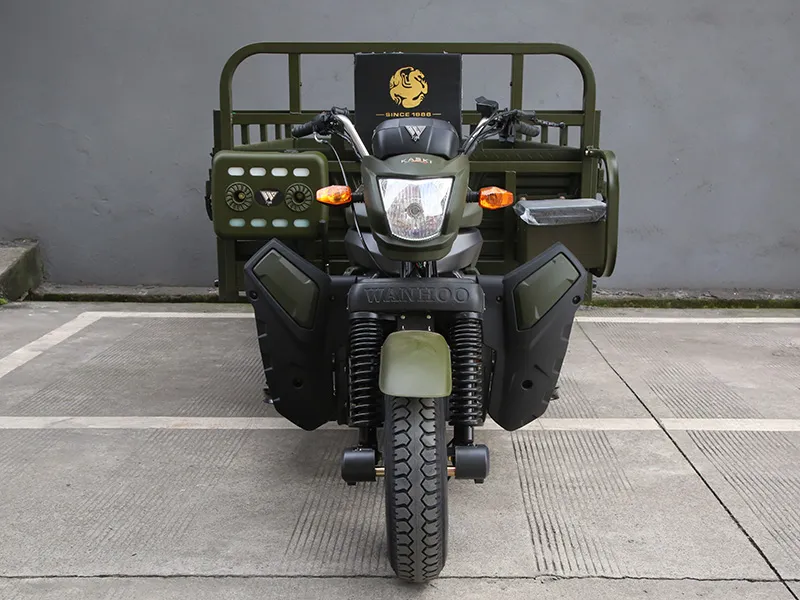
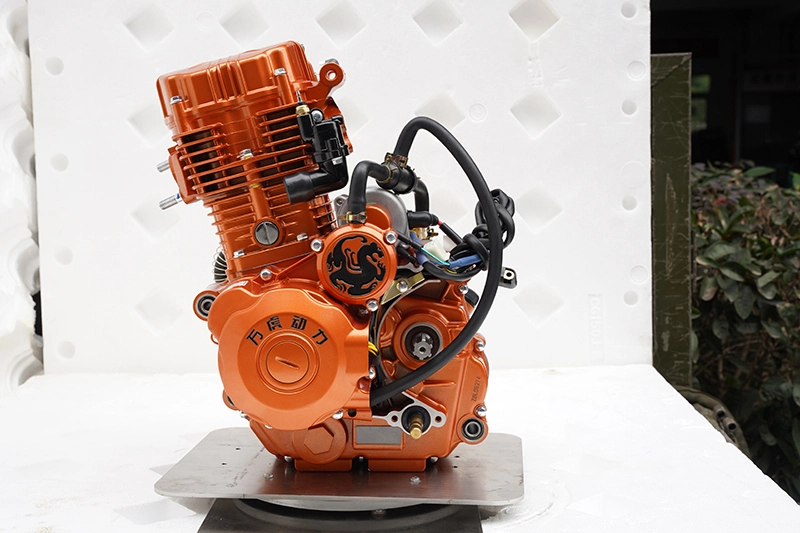
A loose engine photograph shows a component, not its position in a vehicle. A front catalogue photograph normally leaves the axle input obscured. Neither is sufficient for a matched layout comparison.
Workshop images must be obtained using the manufacturer's lifting procedure and proper support. The CCOHS guide to working under vehicles explains why a jack alone is inadequate support.
Geometry Does Not Establish a Performance Advantage
The drawing can establish where components sit and how they connect. A claim about lower vibration, longer bearing life, improved fuel use or more stable handling needs additional evidence.
Ask what was compared: the vehicle models, load, tyres, suspension, final-drive ratio, route, speed, test duration and measurement method. If these differ, the observed result may have several causes. The supplier should explain which conclusion the test actually supports.
Cooling method, gear count and displacement are not substitutes for layout evidence. Conversely, a centred output does not establish the engine's output or the vehicle's approved load.
Service Access Can Decide the Purchase
For a fleet, parts compatibility and repair access may matter more than the label. Compare the exact assemblies that local workshops can identify and support.
A useful service file contains the engine and axle codes, illustrated parts list, workshop procedure and required tools. Add the distributor's stocked parts, current lead times and warranty process. Similar appearance does not establish interchangeability between assemblies.
Before ordering, ask a workshop in the destination market whether it has repaired those exact codes and can obtain the specified parts. Record the answer with the supplier's written parts commitment. The spare-parts guide provides a framework for that file.
Match Each Layout to the Actual Job
Use the same cargo, route and service assumptions in both quotations.
| Purchase consideration | Evidence that helps decide |
|---|---|
| Frequent climbs at the intended load | Ratio sheet, engine curve and a documented loaded route test |
| Fragile or tall cargo | Loading instructions and complete-vehicle ride or handling evidence |
| Remote operation | Repair procedures, tools, stocked parts and delivery times |
| Long ownership period | Parts support terms and identifiable assembly revisions |
| Acquisition cost | Like-for-like equipment, warranty and service scope |
Do not choose a layout from a general claim about one region's workshop familiarity. Local experience is specific to models, parts and suppliers.
Applying This to a Wanhoo Quotation
Ask Wanhoo to connect the English product name to the exact vehicle, engine and axle codes on a dated specification. Historical references to mid-shaft engines do not complete this step for a current export order.
The configuration file should also show rear and underside views of the quoted vehicle. Until that evidence is available, describe the layout as a supplier declaration and avoid attributing comparative ride, wear or fuel results to it.
Conclusion
A mid-shaft vs lateral-shaft comparison becomes useful when both vehicles have identifiable assemblies, comparable documentation and a realistic service plan. Select the complete configuration against your route and load, then put the agreed codes and support terms in writing.
Frequently Asked Questions
Can I identify the layout from a front photograph?
A front photograph usually obscures the installed drive path. Request rear and workshop underside views with a drawing for the exact vehicle.
Does a mid-shaft label mean higher payload?
No. Payload requires the complete vehicle specification and its applicable load basis. Output position does not establish that rating.
Are mid-shaft engines exclusive to one manufacturer?
The term does not prove manufacturer identity or exclusivity. Verify the engine maker, complete code and current vehicle application.
Which layout is easier to service?
Compare the exact assemblies, manuals, tools and local parts supply. The layout name alone cannot establish repair time or availability.