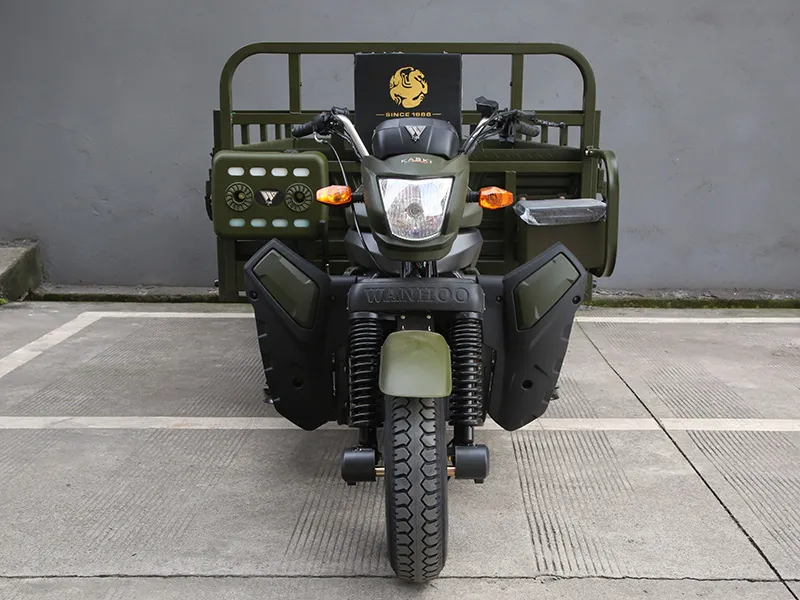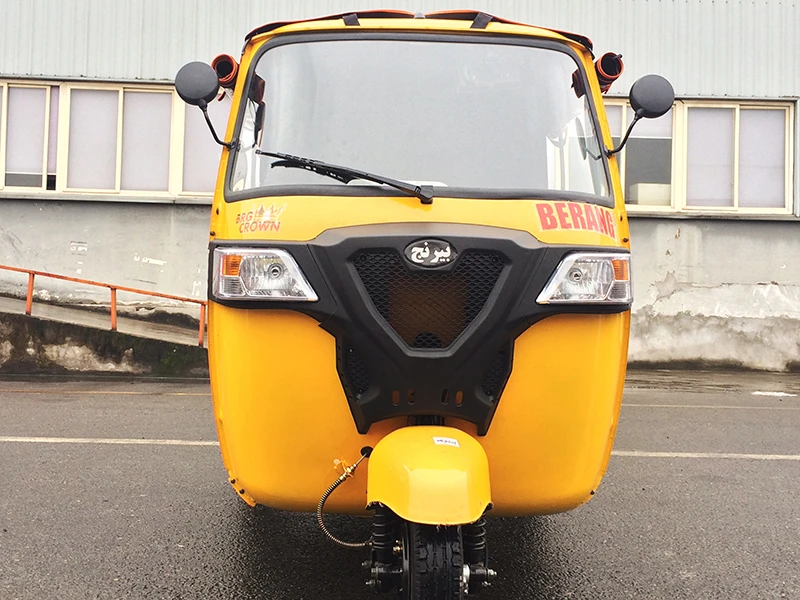
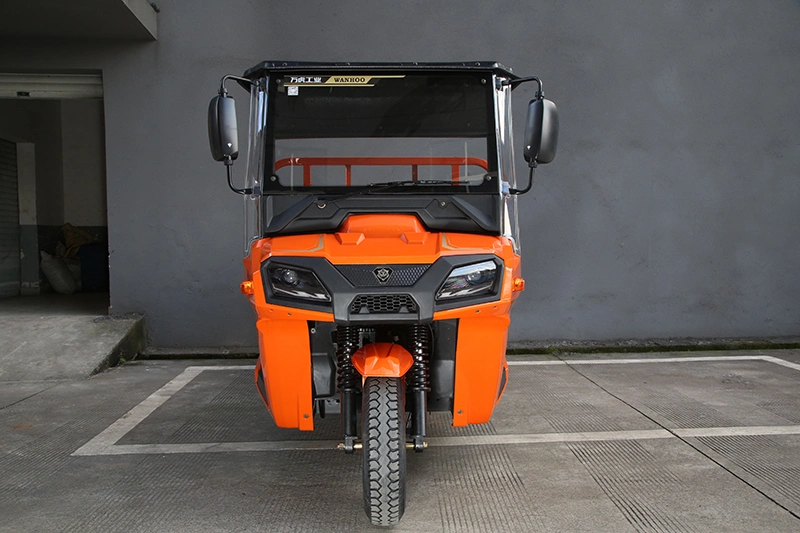
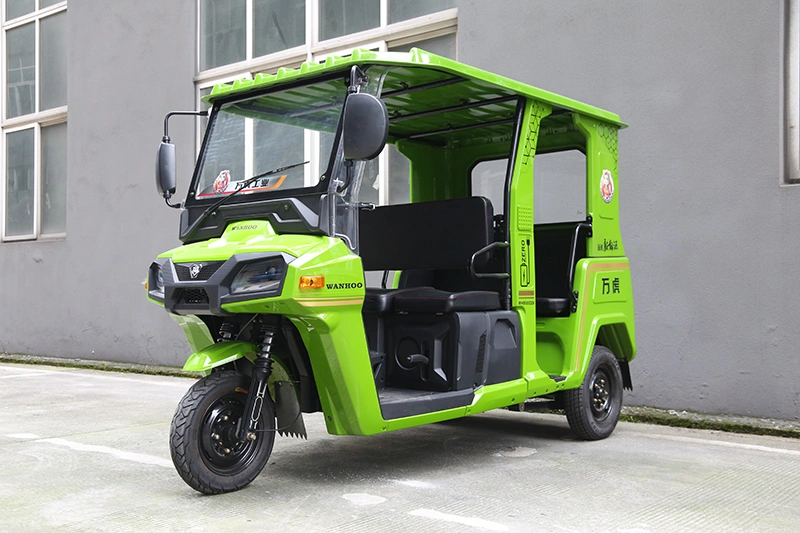
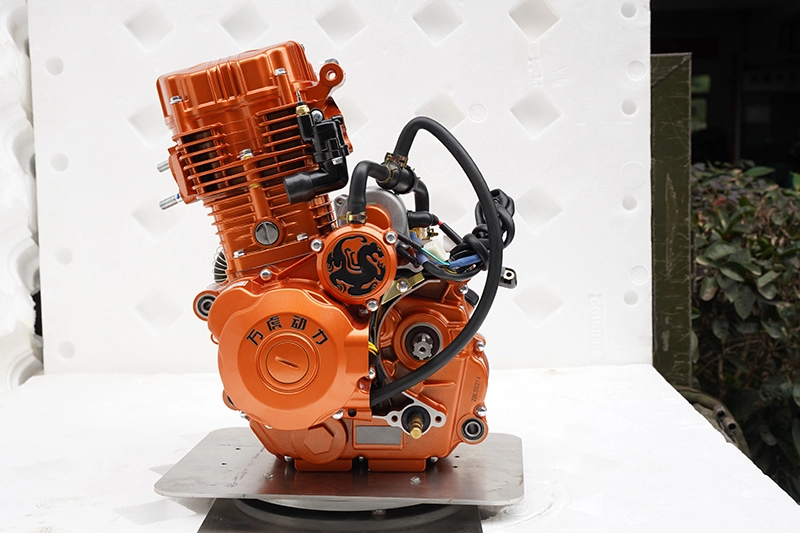
Three wheeler spare parts are the wear and consumable components, from engine parts to brakes and bearings, whose availability decides whether a cargo tricycle keeps earning or sits idle.
Seventy percent of imported three wheelers develop problems within two years, and when they do, the clock that matters is not diagnosis time. It is parts time. A tricycle can be diagnosed in an hour and still sit for weeks because the right component cannot be found. Three wheeler spare parts, and how you source them, quietly decide your fleet's real uptime.
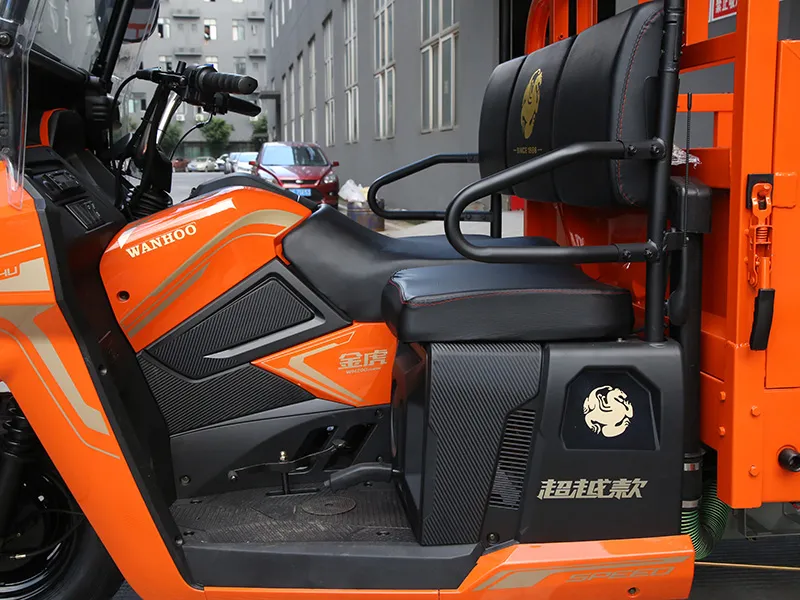
Most buyers shop hard on the price of the vehicle and never ask the harder question: when a bearing fails or a clutch wears out eighteen months from now, where does the replacement come from, and will it fit? This guide maps the wear parts every operator will eventually replace, the sourcing traps that strand fleets, and a stocking strategy that keeps machines on the road.
Why do spare parts, not the purchase price, decide your fleet's uptime?
Parts availability is the hidden variable that separates a fleet that compounds earnings from one that constantly waits. A vehicle only generates revenue when its wheels turn, so the day it sits waiting for a component is a day of pure loss, regardless of how cheap it was to buy.
Three wheeler spare parts availability decides fleet uptime because a stalled cargo tricycle costs its operator roughly $50 to $200 per day in lost revenue, and over a month of unplanned downtime that reaches $1,500 to $6,000 per vehicle. The delay is rarely caused by a hard repair. It is caused by a part that cannot be sourced fast.
According to Torque by Ryder, a vehicle can be diagnosed in an hour and still sit for three days because a component is backordered, which the fleet guide calls a silent bottleneck in maintenance operations. The mechanic is not the constraint. The supply chain behind the part is.
The same pattern scales up in commercial fleets, where the numbers are brutal. According to Platform Science, downtime costs a fleet an average of $448 to $760 a day per vehicle once indirect losses are counted. A three-wheeler operator runs on thinner margins, so a parts delay hits proportionally harder and faster.
Which three wheeler spare parts wear out and need regular replacement?
Every cargo tricycle has a predictable set of components that wear on a schedule, and knowing them turns parts buying from a panic into a plan. The wear items cluster around the engine, the driveline, the brakes, the running gear, and the electrical system.
Common three wheeler spare parts fall into five groups: engine parts (piston rings, gaskets, carburetor kit, spark plug, oil and air filters), driveline parts (clutch plates, gear oil seals, rear axle bearings), brake parts (drum shoes, cables, springs), running gear (tires, tubes, wheel bearings, leaf springs), and electricals (battery, CDI unit, regulator, lights and wiring).
The engine consumes the most frequent parts because it works hardest under load. Piston rings, valve seals, and gaskets wear with heat and hours, while the carburetor, spark plug, and filters are routine service items. On a water-cooled unit, hoses and the water pump seal join the list of parts to keep on the shelf.
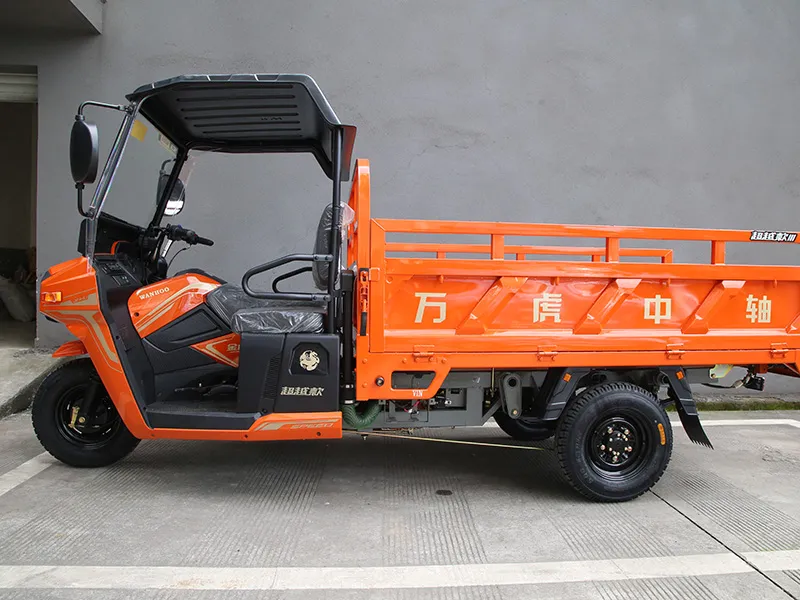
The rear axle and clutch are the driveline parts that end trips when they fail. A cargo tricycle carrying near its rated load stresses axle bearings and clutch plates far more than a two-wheeler ever would, which is why a well-engineered, matched driveline matters as much as the parts that feed it. Brakes and tires round out the frequently replaced items every operator budgets for.
Here is a practical wear-parts reference for a working cargo tricycle. Use it to build a starter stock list, and tighten the intervals for heavy loads, dusty routes, or hot climates where three wheeler spare parts wear faster than the baseline suggests.
| Part category | Common items | Typical replacement driver |
|---|---|---|
| Engine consumables | Oil filter, air filter, spark plug, carburetor kit | Operating hours, dust exposure |
| Engine wear parts | Piston rings, gaskets, valve seals, water pump seal | Heat and sustained load |
| Driveline | Clutch plates, rear axle bearings, gear oil seals | Payload and hard use |
| Brakes | Drum brake shoes, cables, return springs | Braking cycles, terrain |
| Running gear | Tires, inner tubes, wheel bearings, leaf springs | Load, road surface, mileage |
| Electricals | Battery, CDI unit, voltage regulator, bulbs, wiring | Vibration, age, moisture |
What is the real difference between assembly-only importers and vertically integrated parts supply?
The parts problem usually starts at the factory that built the vehicle, long before the first breakdown. Many three-wheeler exporters do not manufacture their own major components. They assemble the cheapest engines, frames, and axles they can source from a rotating cast of suppliers.
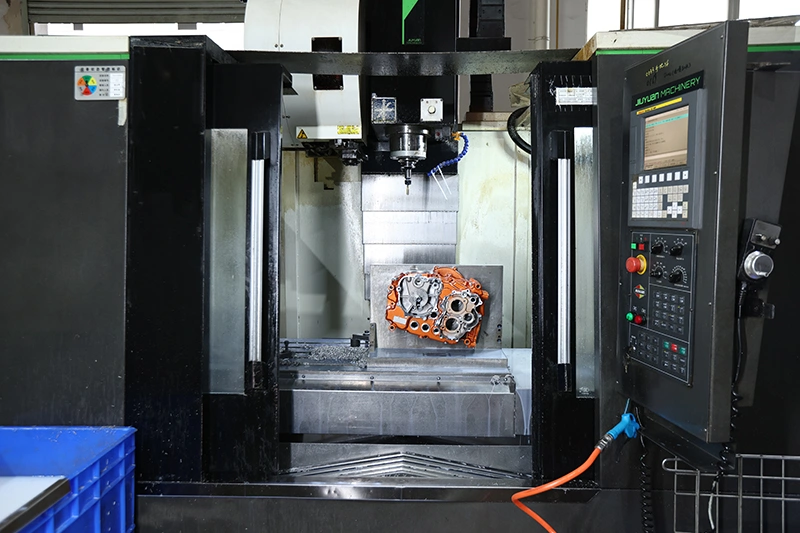
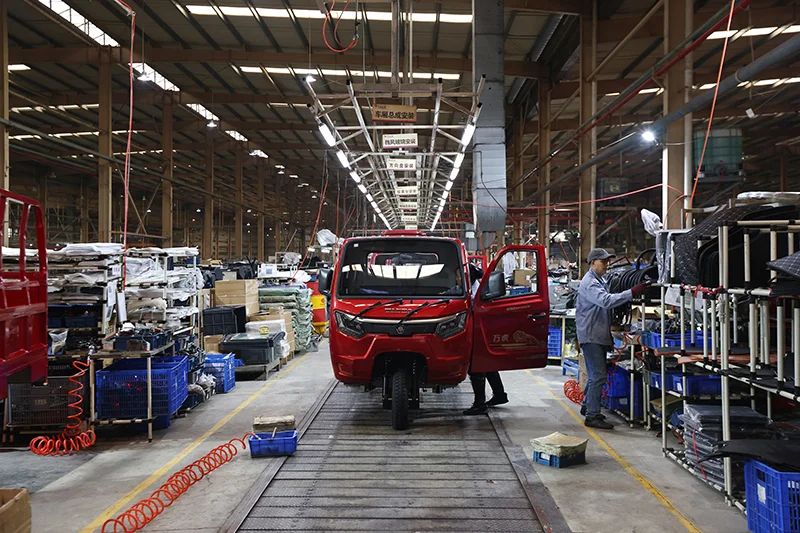
An assembly-only importer builds three wheelers from bought-in parts sourced across several suppliers, so replacement parts are hard to match and can disappear when a supplier changes. A vertically integrated manufacturer like Wanhoo produces its own engines, frames, rear axles, and cargo boxes in-house, which keeps spare parts consistent, traceable, and available across the vehicle's service life.
The consequence shows up two years in. When an assembled vehicle needs a clutch or a bearing, the operator discovers the original supplier has changed, the tolerances differ, or nobody kept a record of which component actually went into that batch. The part exists somewhere, but matching it becomes a hunt.
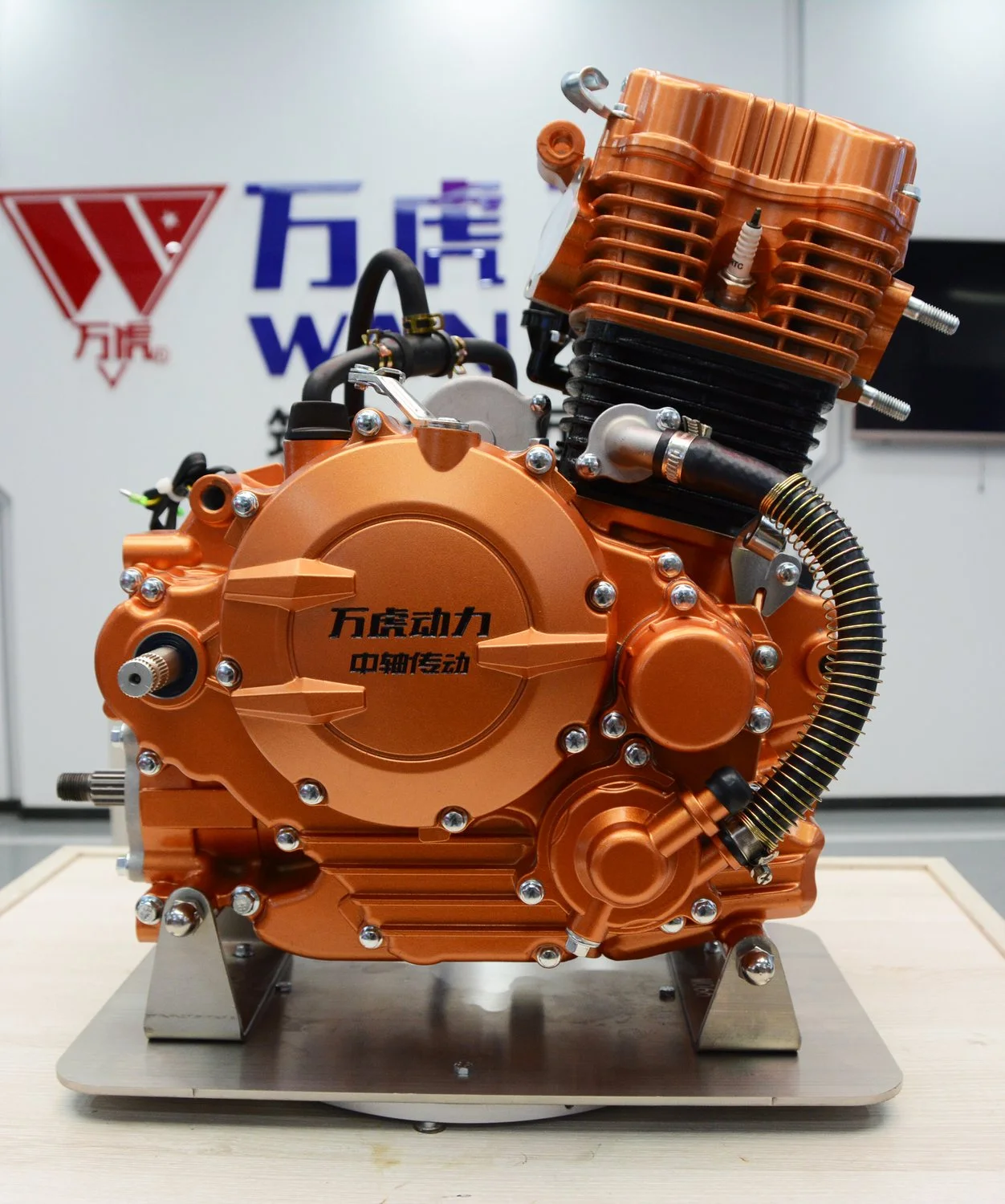
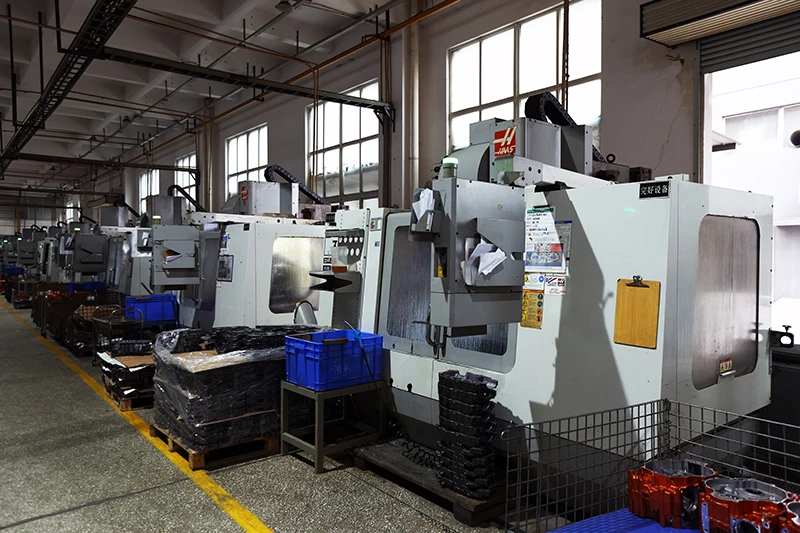
Wanhoo has spent nearly 40 years building only three wheelers, and it manufactures its own engines on 21 imported CNC machining centers inside one factory campus. That vertical integration means the company that built the vehicle also holds the drawings, the tooling, and the parts, so a replacement is the same part, not a close guess.
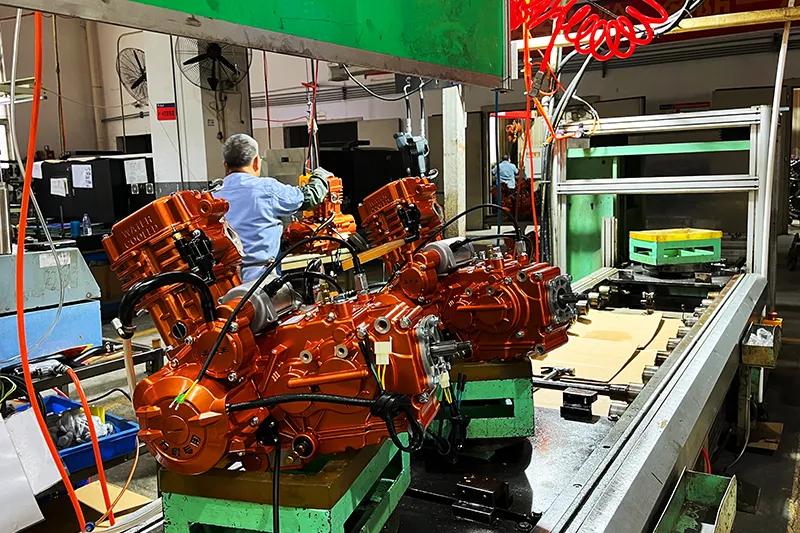
The traceability that comes with in-house manufacturing is the quiet advantage. Because Wanhoo designs and produces the engine, the reinforced floating rear axle, and the frame together, the parts are engineered as a system rather than bolted together from a catalog. Explore the spare parts and cargo tricycle range to see how in-house manufacturing supports long-term parts supply.
OEM or aftermarket three wheeler parts: which should a fleet actually buy?
The OEM versus aftermarket question has no single answer, and treating it as one costs fleets money in both directions. The right choice depends on how critical the part is and what its failure does to your uptime.
OEM three wheeler parts are made to the original manufacturer's specification for exact fit and full service life, while aftermarket parts come from third-party makers at lower cost but variable quality. Sophisticated fleets buy OEM for high-impact components like engine and driveline parts, and accept quality aftermarket for consumables like filters and bulbs where a failure is cheap and easy to reach.
The trap is judging parts on unit price alone. An aftermarket clutch or bearing that costs less but fails at half the interval can erase its savings in a single day of downtime, because the lost revenue from the extra breakdown dwarfs the few dollars saved at purchase. Total cost of ownership, not the sticker, is the correct lens.
Component criticality is the practical filter. Engine internals, rear axle bearings, and brake parts justify genuine or manufacturer-grade parts because their failure strands the vehicle and can compromise safety. Filters, gaskets, bulbs, and fluids are lower-stakes items where a reputable aftermarket option is a sensible economy. Wanhoo's in-house parts sidestep the dilemma for critical components by supplying the genuine article directly from the maker.
How should a fleet stock three wheeler spare parts to avoid downtime?
A stocking strategy turns parts from a reactive scramble into a buffer that keeps vehicles moving. The core idea from commercial fleet management is simple: hold more of the parts that fail often and strand you, and less of the parts you rarely need.
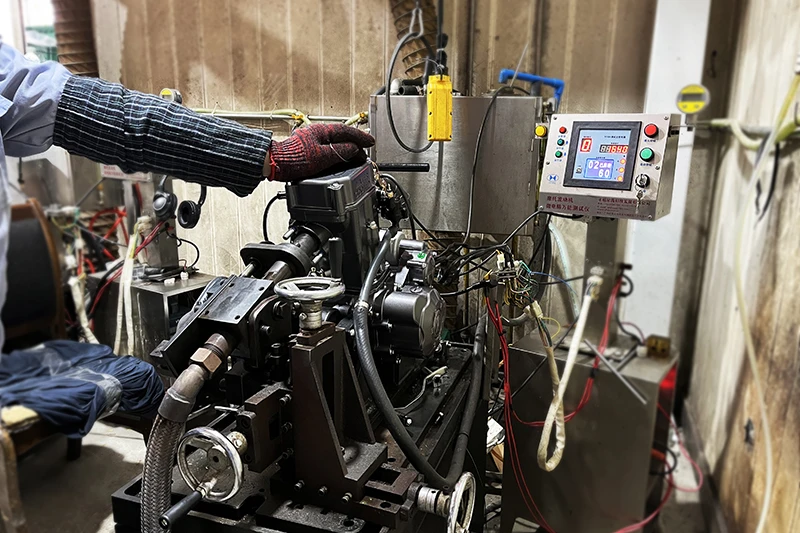
A three wheeler parts stocking strategy tiers components by failure frequency and downtime impact. Keep high-frequency uptime-critical parts on hand at all times, such as filters, belts, bulbs, brake shoes, and common bearings, hold a smaller buffer of medium-frequency parts like clutch plates and starters, and order long-lead specialty items only as needed against forecast demand.
According to Torque by Ryder, effective fleets classify parts into tiers, from high-frequency uptime-critical items like batteries, belts, and filters, through medium-frequency components like alternators and brake chambers, to long-lead specialty parts, and review each tier on its own cadence. Your top failure parts from the last year should never be out of stock.
For a two-to-ten vehicle three-wheeler fleet, that translates into a modest shelf: a case of oil and air filters, spark plugs, a set of drum brake shoes, common wheel and axle bearings, a spare battery, and a carburetor rebuild kit. That small investment converts a multi-week parts wait into an afternoon repair, which is the whole point.
Serviceability decides whether the part on your shelf can even be fitted where the vehicle works. This is why Wanhoo fits carburetors on standard models rather than electronic fuel injection, because a carburetor and its rebuild kit can be serviced by a local mechanic with hand tools in markets where EFI diagnostic equipment and trained technicians are scarce, with EFI available on request.
Wanhoo pairs its vertically integrated parts supply with roadside serviceability, choosing carburetors over EFI on standard three wheelers so a village mechanic can service the fuel system with hand tools and a cheap rebuild kit. This combination of in-house parts and simple, stockable components is what keeps a fleet earning where dealer networks are thin. Pair a stocking plan with our three wheeler maintenance guide and the engine technology overview to keep the fleet earning.
Frequently Asked Questions
**What are the most common three wheeler spare parts to keep in stock?**
The parts worth keeping on hand are the ones that wear often and stop the vehicle: engine oil and air filters, spark plugs, a carburetor rebuild kit, drum brake shoes and cables, wheel and rear axle bearings, tires and inner tubes, and a spare battery. This short list covers the majority of unplanned repairs on a working cargo tricycle.
Why are spare parts easier to get from a vertically integrated manufacturer?
A vertically integrated manufacturer makes its own engines, frames, axles, and cargo boxes, so it holds the drawings, tooling, and parts for every vehicle it ships. Wanhoo produces these components in-house, which keeps replacement parts consistent and traceable, instead of vanishing when a third-party supplier changes as happens with assembly-only importers.
Should I buy OEM or aftermarket three wheeler parts?
Buy OEM or manufacturer-grade parts for high-impact components like engine internals, driveline, and brakes, where failure strands the vehicle or affects safety. Reputable aftermarket parts are a sensible economy for consumables like filters, bulbs, and fluids. Judge on total cost of ownership, since a cheap part that fails twice as often erases its savings in downtime.
How much does three wheeler downtime from a missing part actually cost?
An idle cargo tricycle costs its operator roughly $50 to $200 per day in lost earnings, and over a month of unplanned downtime that reaches $1,500 to $6,000 per vehicle. Because a part can be backordered for days or weeks while the vehicle sits, keeping common wear parts in stock is almost always cheaper than the downtime it prevents.
Do Wanhoo three wheelers use carburetors or fuel injection, and how does that affect parts?
Wanhoo fits carburetors on standard models because they are serviceable at the roadside by a local mechanic with hand tools and a rebuild kit, which matters where EFI diagnostic equipment and trained technicians are scarce. This keeps fuel-system parts simple, cheap, and easy to stock. Electronic fuel injection is available on request for operators who prefer it.
How many spare parts should a small three wheeler fleet keep on hand?
A two-to-ten vehicle fleet should keep a modest buffer of high-frequency parts: a case of filters, spark plugs, a set of brake shoes, common bearings, a spare battery, and a carburetor kit, plus a smaller stock of medium-frequency items like clutch plates. Long-lead specialty parts are ordered against forecast demand rather than held on the shelf.