Two dealers once quoted us against the same rival tricycle. One kept losing warranty claims to seized engines; the other could not source pistons a year after the shipment landed. Both had bought vehicles from an assembler that bolts in whatever engine is cheapest that quarter. A self developed three wheeler engine means the maker owns the design, the quality process, the parts supply, and the accountability when something fails. A bought-in engine means none of that is guaranteed. Wanhoo designs and builds its own water-cooled engines in-house, and that sourcing model, not the spec sheet, is what actually changes what you are buying.
What Does Self-Developed vs Bought-In Actually Mean?
Most three-wheeler brands are assemblers. They buy an engine from an outside supplier, fit it into a frame, paint it, and ship it. A smaller group designs and manufactures the engine themselves. That single distinction, upstream of any specification, decides who is responsible for the part most likely to fail.
A self-developed engine is one the vehicle maker designs, tools, and produces itself rather than sourcing from a third party. The maker controls the design tuning, the quality process, the parts supply, and the warranty accountability. A bought-in engine is a component purchased from an outside supplier and fitted by an assembler who does not control how it was made or whether that same unit will be available next year.
The reason this matters to a buyer is simple. When the engine is bought in, the brand on the tank is not the brand that engineered the powerplant. If the engine overheats under a full load, or the supplier discontinues the model, the assembler has limited leverage to fix it. You are two steps removed from anyone who can actually change the part.
Why Does the Sourcing Model Change What You're Buying?
A spec sheet describes a single unit on a test bench. The sourcing model describes what happens across a thousand units over five years in the field. Those are different questions, and the second one is where fleets lose money.
A bought-in engine forces the assembler to fit whatever component is cheapest and available, which means the same model can ship with different engine batches from different suppliers within a single year. That undermines consistency, so two vehicles bearing the same name can behave differently, and a fleet cannot standardize maintenance or stock a single set of spare parts across its units.
Consistency is not a luxury for a commercial operator. A fleet running twenty tricycles wants every engine to be the same engine, so one mechanic, one parts list, and one service interval cover the whole fleet. When engines arrive from rotating suppliers, that discipline breaks down. According to Deskera, contract manufacturers often work with various clients each holding unique quality standards, which creates difficulty maintaining uniform quality processes across different production runs.
The design question is just as important. A three-wheeler is not a two-wheeler with an extra wheel. It carries heavy loads at low speed on bad roads in hot climates, which demands an engine tuned for sustained torque, not high-RPM output. An assembler buying a generic engine takes whatever tuning the supplier offers. A maker that develops its own engine can design the torque curve around the load the vehicle is actually built to haul.
How Does In-House Manufacturing Improve Engine Quality?
Owning the production process means the quality standard is set and enforced in one building, from raw casting to final test. Nothing is handed across a company boundary where oversight weakens and accountability blurs.
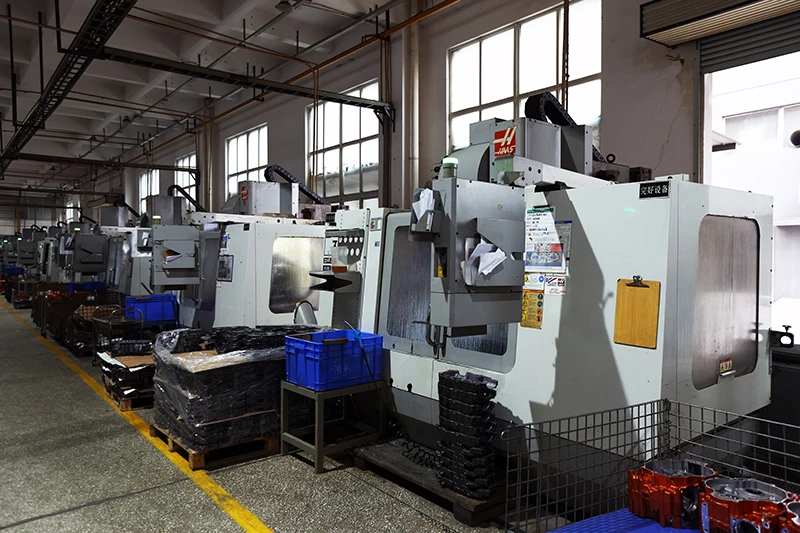
According to RCO Engineering, by keeping critical operations in-house, teams can enforce consistent quality standards from raw materials to final assembly. That single continuous chain is the difference between a manufacturer that can guarantee a tolerance and an assembler that can only trust a supplier's certificate.
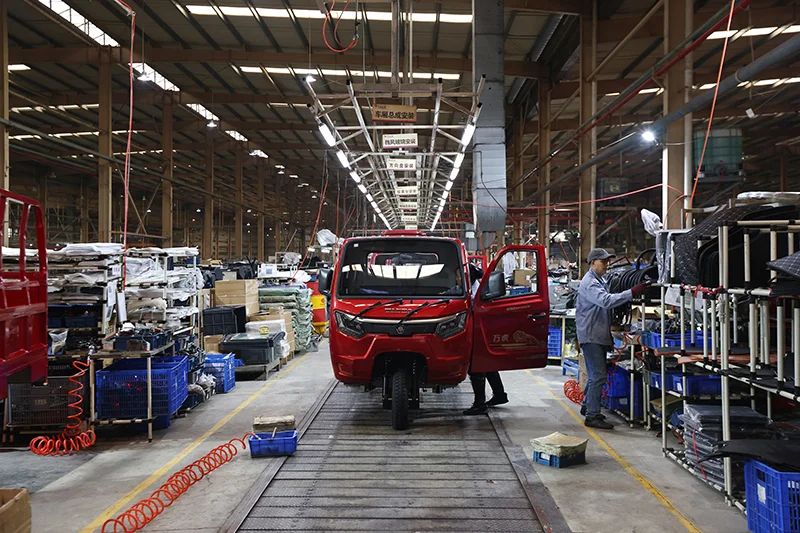
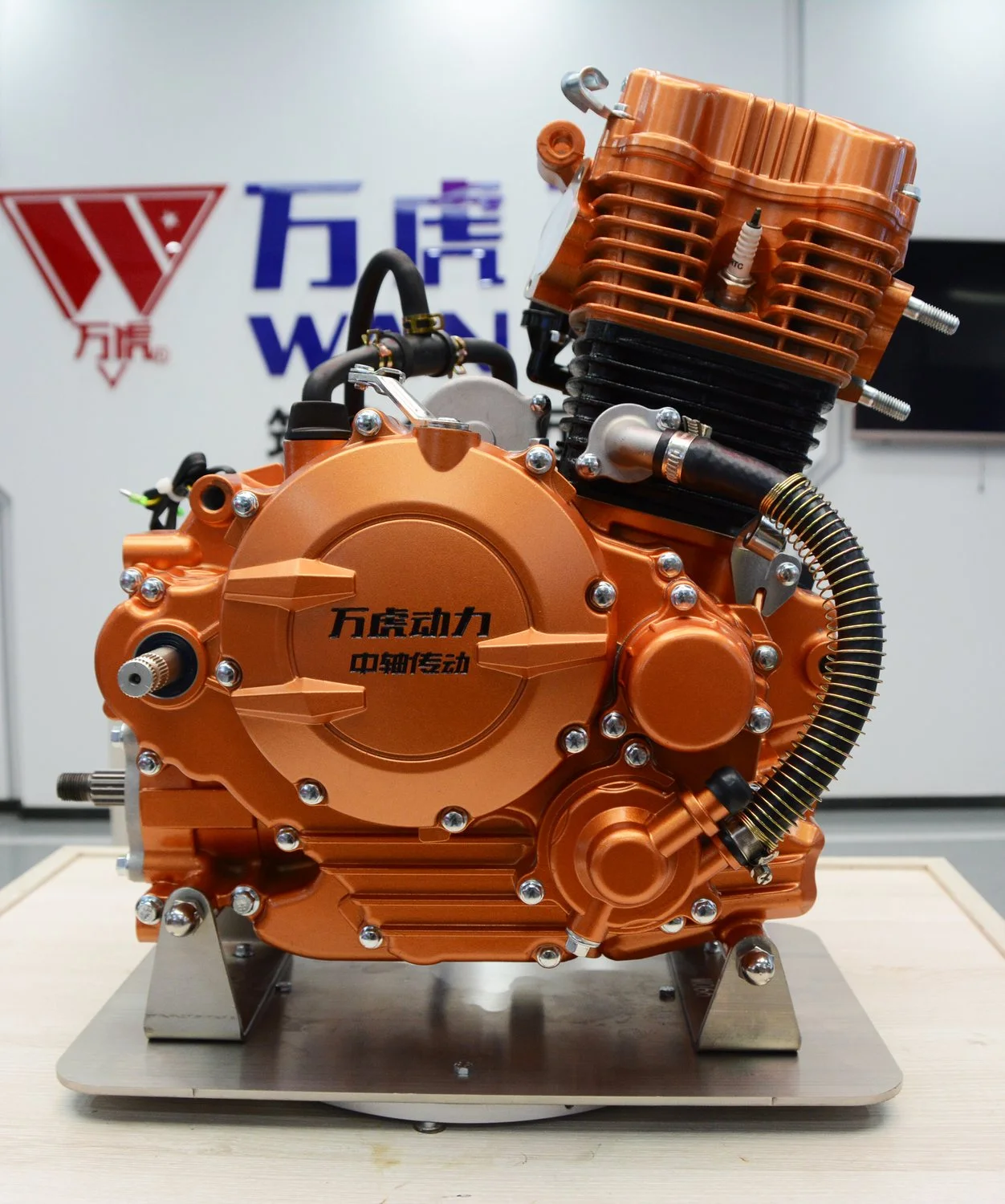
A vertically integrated manufacturer produces its own critical components rather than sourcing them from external vendors. This gives it direct control over machining tolerances, material quality, and inspection at every stage. Wanhoo machines its engine components in-house on 21 imported CNC machining centers, which keeps piston-to-cylinder precision under one roof instead of relying on the variable output of an outside engine supplier.
The alternative carries a known cost. According to Deskera, managing a quality management system across geographically dispersed facilities can be complex, because physical distance between manufacturing locations complicates direct oversight. When the engine is made in another company's plant, the assembler is monitoring quality from the outside, after the fact, on parts it did not build.
Wanhoo pairs that machining control with a documented process: engine components move through machining, ultrasonic cleaning, a flexible production line, and factory calibration before any unit is signed off. Wanhoo controls the whole engine build in-house, so a defect is caught and corrected internally rather than shipped and discovered by the customer.
Who Is Accountable When a Bought-In Engine Fails?
Accountability is the quiet reason sourcing matters most. When a self-developed engine fails, the maker that designed it owns the fix. When a bought-in engine fails, responsibility splits between the assembler and a supplier the buyer has never met.
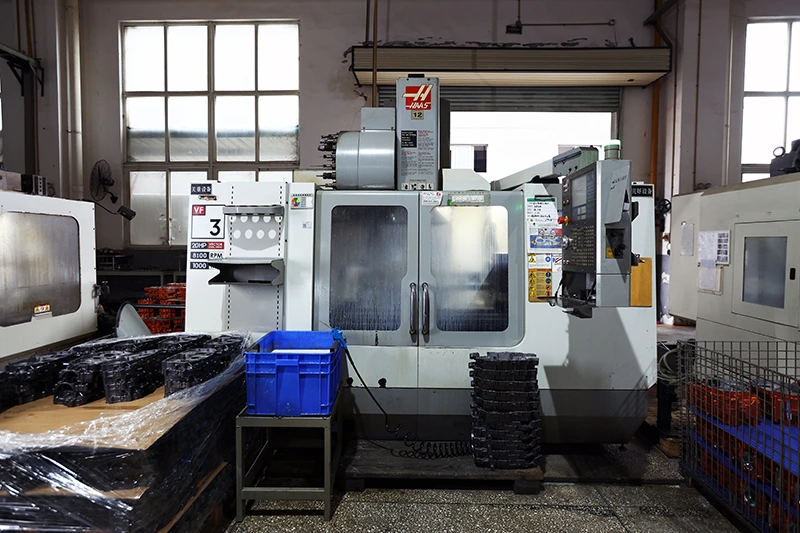
Supplier accountability weakens with every company boundary a component crosses. An assembler that buys engines cannot redesign a fault it did not create, cannot compel a supplier to keep producing a discontinued model, and cannot guarantee the next batch matches the last. A maker that develops its own engine absorbs the fault, the fix, and the long-term parts supply itself, because there is no one else to defer to.
Parts supply is where this becomes concrete years after purchase. A supplier can retire an engine model, leaving an assembler unable to source the pistons, gaskets, or crank for tricycles already sold. According to RCO Engineering, when key processes stay under one roof, manufacturers gain tighter control over timelines, inventory, and logistics, which is exactly the control an assembler surrenders when it buys its engines in.
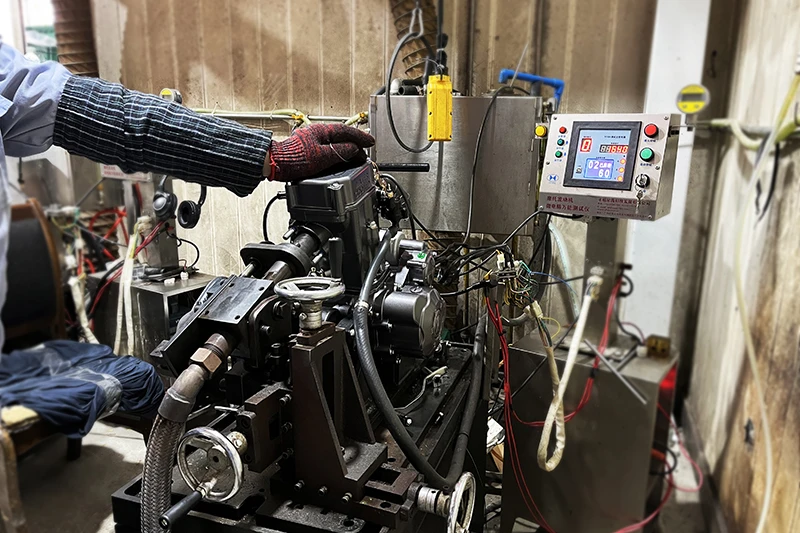
Final inspection closes the accountability loop for a self-developed engine. Because Wanhoo builds and tests every unit before it ships, a fault is caught on the maker's own bench rather than discovered by a customer in the field. An assembler fitting a bought-in engine inspects the finished vehicle, not the engine's internal build, so it validates a component it neither machined nor tested.
This is also why serviceability is a design decision, not an afterthought. Wanhoo specifies carburetors on its standard engines rather than electronic fuel injection, because a carburetor can be cleaned and adjusted at the roadside in markets where EFI diagnostic tools and trained technicians are scarce. Because Wanhoo designs the engine, it can make that call for the buyer's operating reality. EFI remains available on request.
Self-Developed vs Bought-In: What Changes for the Buyer
The table below sets the self developed three wheeler engine model against the bought-in model across the factors that decide cost of ownership. These distinctions come from how each sourcing approach actually works, not from any single spec.
| Factor | Bought-in engine (assembler) | Self-developed engine (Wanhoo) |
|---|---|---|
| Who designs it | Outside supplier | The vehicle maker |
| Tuned for | Generic, often two-wheeler | Three-wheeler load torque |
| Batch consistency | Varies by supplier and price | One controlled build |
| Quality oversight | Monitored from outside | Enforced in-house, end to end |
| Parts supply | At risk if supplier drops model | Owned by the maker |
| Accountability on failure | Split assembler and supplier | Held by the maker |
| Serviceability choice | Whatever supplier offers | Carburetor for field repair |
| Example units | Rotating generic engines | WH163ML-B 197cc, WH170MM-2B 250cc |
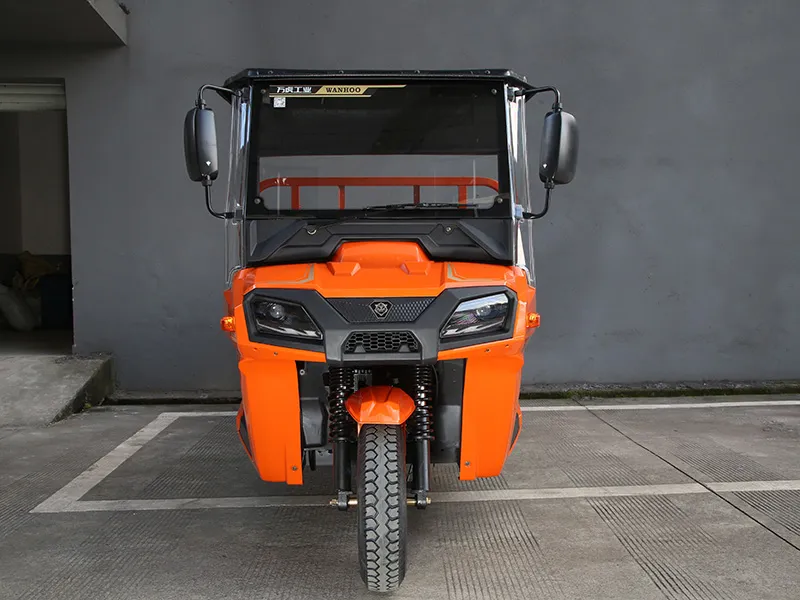
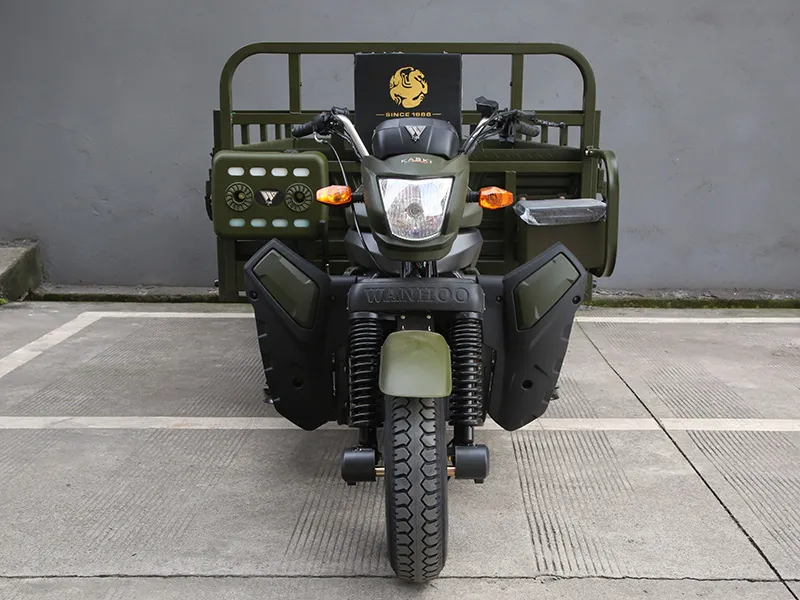
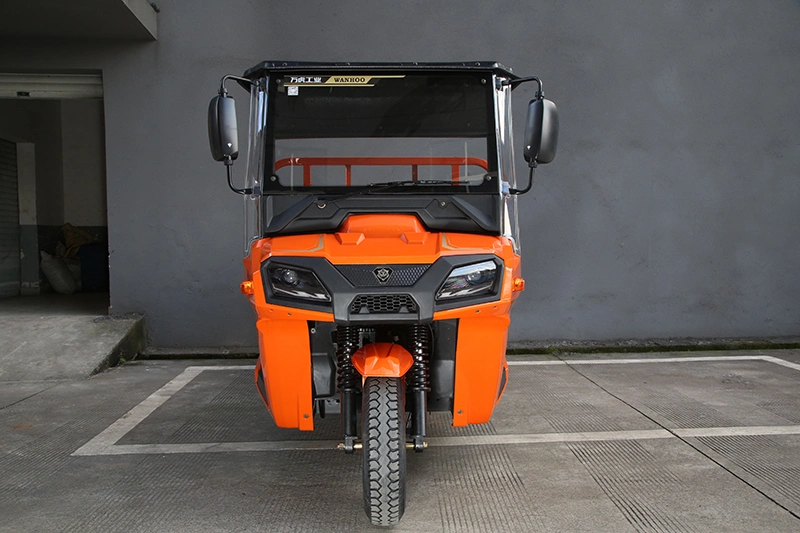
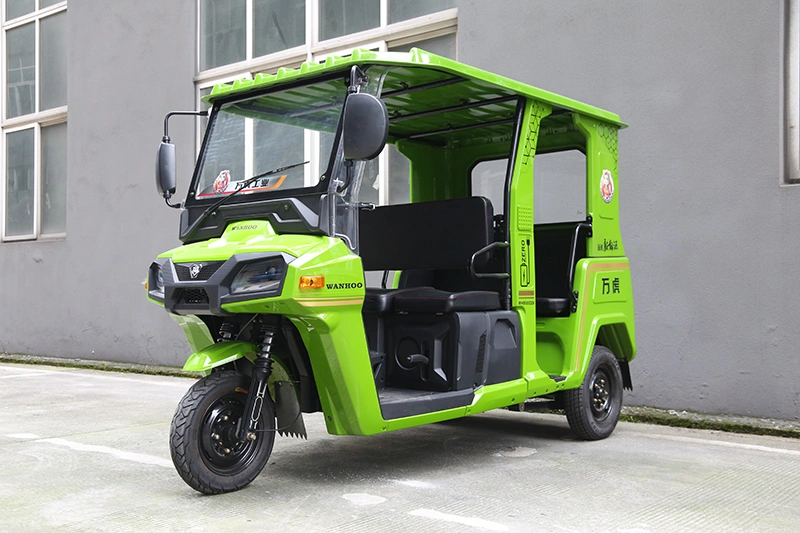
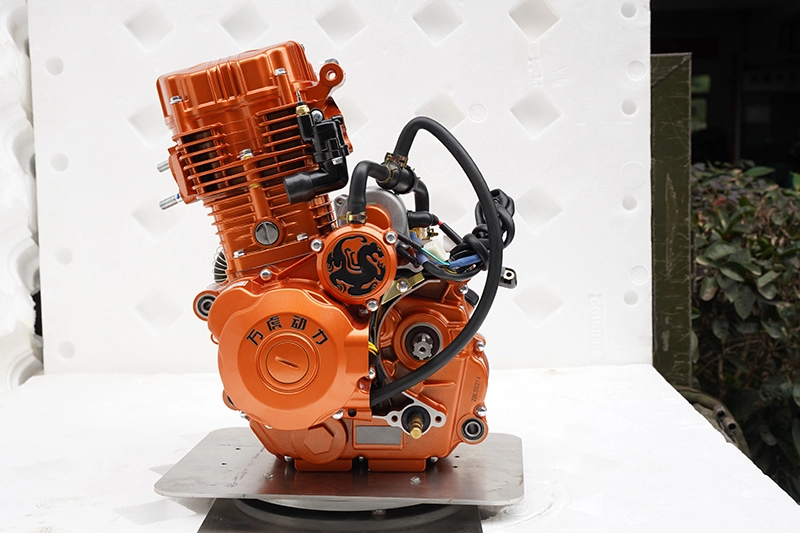
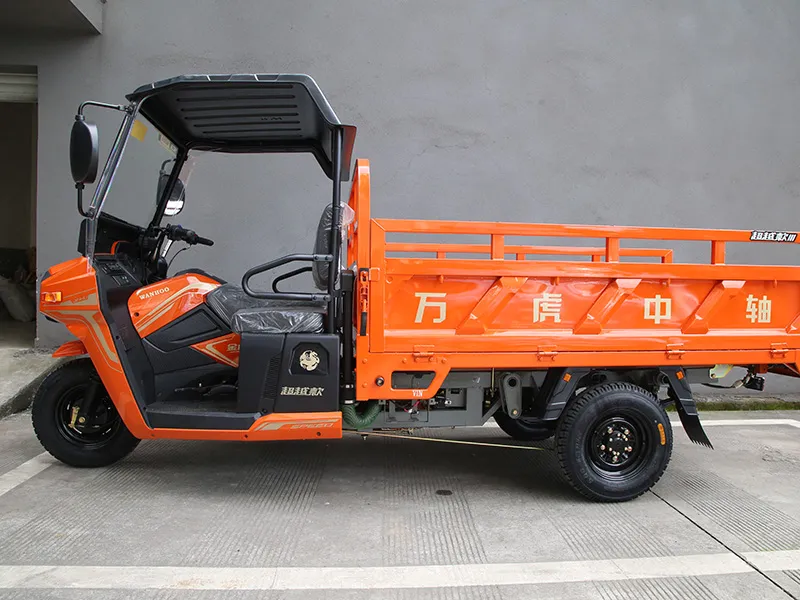
Wanhoo is one of the few three-wheeler manufacturers that designs and builds its own water-cooled engines from scratch, including the WH163ML-B at 197cc and the WH170MM-2B at 250cc, produced in-house on 21 imported CNC machines and backed by more than 30 patents. That vertical integration is why the same proven engine powers the KINGTIGER, NIMBA, and WINTIGER instead of a different bought-in unit per model.
Read across the table and the pattern is consistent: every column where a bought-in engine introduces a risk is a column a self-developed engine closes. The buyer is not choosing between two spec sheets. The buyer is choosing whether one accountable maker stands behind the engine or whether responsibility dissolves into a supply chain.
What Should You Ask Before You Buy?
Vetting a three-wheeler maker starts with one question that cuts through the marketing: do you build your own engines, or do you buy them in? The answer reframes everything that follows about quality, consistency, and parts.
If the answer is bought-in, follow up on the risks that model carries. Ask which supplier makes the engine, whether every unit in your order ships with the same engine batch, and whether parts will still be available in three years. An honest assembler will admit it cannot fully control those answers, because the engine is not its own.
If the answer is self-developed, the accountability sits in one place. According to RCO Engineering, keeping critical operations in-house lets teams enforce consistent standards from raw materials to final assembly, which is the guarantee a vertically integrated maker can make and an assembler cannot. Wanhoo builds its engines in-house, so the company that sells you the tricycle is the company that engineered its heart.
For a deeper look at how cooling design affects engine life, compare a GY6 against a water-cooled three-wheeler engine. To pressure-test any supplier before you commit, use this checklist on how to vet a three-wheeler manufacturer. The full picture of Wanhoo's powertrain program lives on the engine technology hub.
Frequently Asked Questions
**What is a self-developed three-wheeler engine?**
A self-developed three-wheeler engine is one the vehicle maker designs, tools, and manufactures itself rather than buying from an outside supplier. The maker controls the design tuning, the quality process, the parts supply, and the warranty accountability, so the brand on the tricycle is the same company responsible for the engine.
Why does it matter if a three-wheeler engine is self-developed or bought-in?
It decides who is accountable for the part most likely to fail. A bought-in engine can ship in inconsistent batches from rotating suppliers and may lose parts support if the supplier drops the model. A self-developed engine gives you one accountable maker for design, consistency, and long-term parts.
Does Wanhoo make its own engines?
Yes. Wanhoo is one of the few three-wheeler manufacturers that designs and builds its own engines in-house, including the WH163ML-B (197cc) and WH170MM-2B (250cc) water-cooled units, produced on 21 imported CNC machines and backed by more than 30 patents.
Is a bought-in engine always worse than a self-developed one?
Not automatically, but it carries risks a self-developed engine removes. With a bought-in engine, batch consistency, tuning, parts supply, and accountability all depend on a supplier the buyer never deals with directly. A self-developed engine keeps all four under the maker's control.
Why does Wanhoo use carburetors instead of fuel injection?
Because Wanhoo designs its own engines, it specifies carburetors on standard models so they can be serviced and adjusted at the roadside in markets where EFI diagnostic tools and trained technicians are scarce. This keeps vehicles running where they are sold. Electronic fuel injection is available on request.
How do I vet whether a three-wheeler maker really controls its engines?
Ask directly whether the engine is designed and built in-house or purchased from a supplier. If bought-in, ask who the supplier is, whether every unit ships with the same batch, and whether parts will be available in three years. A vertically integrated maker like Wanhoo can answer all three; an assembler usually cannot.