


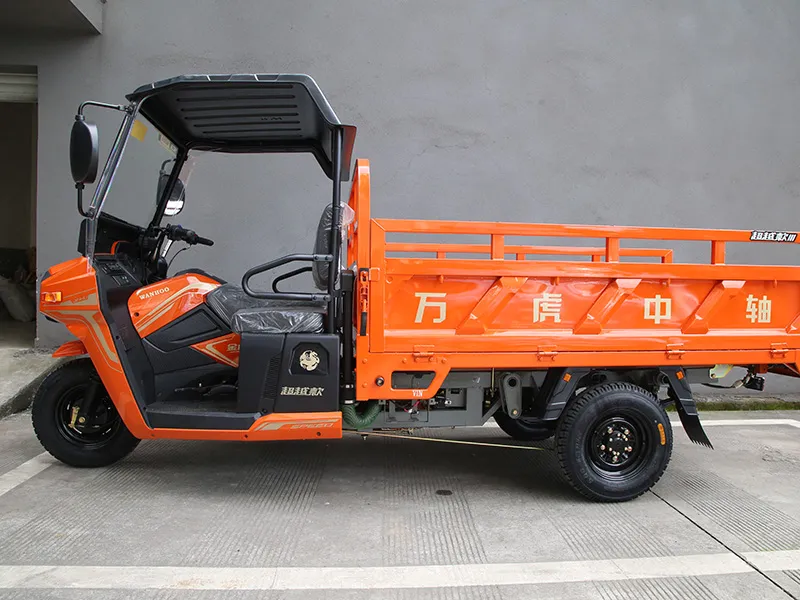
A fleet owner in Nigeria once told us his last batch of imported tricycles ran fine for eight months, then two of them stalled and no local mechanic could touch the fuel system. The engines had electronic fuel injection, and the nearest technician with a diagnostic tool was a day's drive away. The three wheeler carburetor EFI choice is not really a debate about efficiency. It is a debate about who can fix the vehicle when it stops, and how fast. Electronic fuel injection delivers marginal fuel savings and cleaner emissions, but it needs diagnostic tools and trained hands. A carburetor is a simple mechanical part that a roadside mechanic can strip, clean, and re-jet with hand tools. For fleets in emerging markets, that difference decides annual uptime, which is why Wanhoo specs carburetors on standard engines and offers EFI only on request.
How Does a Carburetor Actually Work?
A carburetor is a mechanical device that mixes air and fuel in the right ratio before the mixture enters the engine, using nothing more than airflow and suction. It has no sensors, no control unit, and no electrical dependency, which is exactly why it is repairable almost anywhere.
A carburetor mixes fuel and air using the venturi effect: incoming air is forced through a narrowing that speeds it up and drops its pressure, and that low pressure draws fuel from a float bowl through a small metering jet. The fuel atomizes into the airstream and flows into the cylinder. The whole process is mechanical, so a carburetor can be cleaned, re-jetted, and reassembled with hand tools and no diagnostic equipment.
According to Jack's Small Engines, the carburetor contains five critical parts, the float, the float chamber, the main discharge nozzle, the venturi, and the throttle valve, and it automatically adjusts fuel delivery based on engine demand without any electronic components. That mechanical simplicity is the whole point for a working vehicle far from a service center.
Because the parts are few and standardized, a worn carburetor is a cheap fix rather than a stranded vehicle. A rebuild kit, a set of jets, and a can of cleaner cover most faults, and none of them require a laptop or a factory scan tool.
How Does Electronic Fuel Injection Work, and What Does It Add?
Electronic fuel injection replaces the carburetor's suction with pressure and computer control, and it does the job more precisely. The trade is complexity: every gain depends on sensors and an electronic control unit staying healthy.
Electronic fuel injection (EFI) is a system that uses an electronic control unit, sensors, and a pump to spray pressurized, finely atomized fuel into the engine in precisely metered amounts. Because the mixture is measured electronically rather than drawn by suction, EFI improves fuel efficiency, smooths throttle response, and lowers emissions. The cost is a dependence on electrical components and diagnostic tools that a mechanical carburetor does not need.
According to TVS Motor, a fuel injection system is comprised of a complex set of electronics and sensors, and while it is typically maintenance free, it cannot be repaired with simple tools and has to be replaced, which is expensive. The same source notes a carburetor is simple in operation and easy to repair or replace. Two honest statements about the same choice, pointing in opposite directions depending on where the vehicle lives.
The efficiency gain from EFI is real but modest on a small single-cylinder engine. For an importer weighing fuel savings against a field repair that turns into days of downtime, the arithmetic often favors the simpler system.
What Are the Honest Trade-Offs Between the Two Fuel Systems?
Neither system is universally better. The right answer depends on climate, emissions rules, fuel quality, and above all the depth of local technical support. The comparison below lays out the three wheeler carburetor efi decision without dressing up either side.
Carburetor vs EFI: A Three-Wheeler Fuel System Comparison
| Factor | Carburetor | Electronic Fuel Injection (EFI) |
|---|---|---|
| How it meters fuel | Mechanical suction through a venturi and jet | Electronic control unit, sensors, and a fuel pump |
| Roadside serviceability | High, repairable with hand tools and a rebuild kit | Low, needs diagnostic tools and a trained technician |
| Upfront cost | Lower | Higher |
| Fuel efficiency | Good | Marginally better |
| Emissions | Higher | Lower |
| Tolerance of poor fuel quality | More forgiving | Sensitive to contaminated fuel |
| Electrical dependency | None | Requires a healthy electrical system |
| Cold start and altitude tuning | Manual adjustment | Automatic |
| Best fit | Fleets where EFI mechanics and tools are scarce | Markets with service infrastructure or strict emission limits |
A carburetor is cheaper, simpler, more tolerant of poor fuel quality, and repairable at the roadside, at the cost of higher emissions and manual tuning. EFI is more efficient, cleaner, and self-adjusting for altitude and cold starts, at the cost of higher price, electrical dependency, and a need for diagnostic tools. For a fleet, the deciding factor is rarely efficiency; it is which system keeps the most vehicles earning on any given week.
Fuel quality tilts the balance further in many export markets. EFI systems are sensitive to contaminated gasoline, while a carburetor tolerates a dirtier fuel supply and can be cleaned out when it clogs. In regions where fuel consistency cannot be guaranteed, that tolerance is worth more than a small efficiency figure.
Why Is EFI Adoption Being Pushed, and Where Does It Fit?
EFI is not winning on merit alone; it is often driven by tightening emission regulation. That distinction helps an importer decide when EFI is genuinely worth the added complexity.
Fuel injection adoption in two- and three-wheelers is largely driven by emission standards rather than buyer demand. As regulators tighten limits on nitrogen oxides and hydrocarbons, carburetors struggle to comply, and manufacturers move to EFI to meet the targets. In markets with looser emission enforcement and thin service networks, that regulatory pressure is absent, so the practical case for a carburetor stays strong.
According to Transport Policy, India's tighter NOx requirement "will force the two-wheeler manufacturers to adopt technologies that specifically target NOx, including electronic fuel injection," with the Bharat Stage VI standard taking effect for two- and three-wheelers manufactured on or after 1 April 2020. EFI, in other words, spreads fastest where regulation demands it, not where roadside repairability matters most.
This is why Wanhoo treats EFI as a configurable option rather than a default. Where a destination market enforces strict emission limits or has the service depth to support injection, EFI on request makes sense. Where it does not, forcing EFI onto a fleet trades a real reliability advantage for a compliance feature the market may not require.
Why Does Wanhoo Spec Carburetors on Standard Export Engines?
Wanhoo makes engines for a specific reality: heavy loads, hot climates, uneven fuel, and workshops that run on spanners rather than scan tools. The carburetor choice follows directly from designing for that reality instead of a showroom spec sheet.
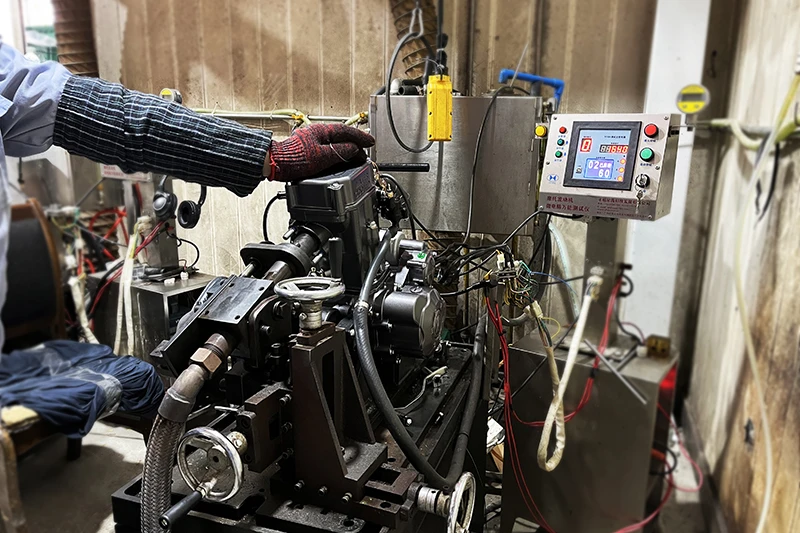
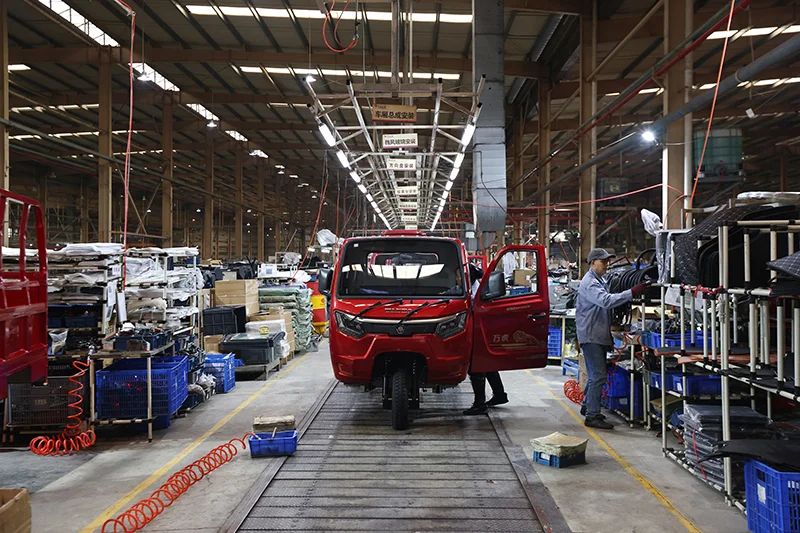
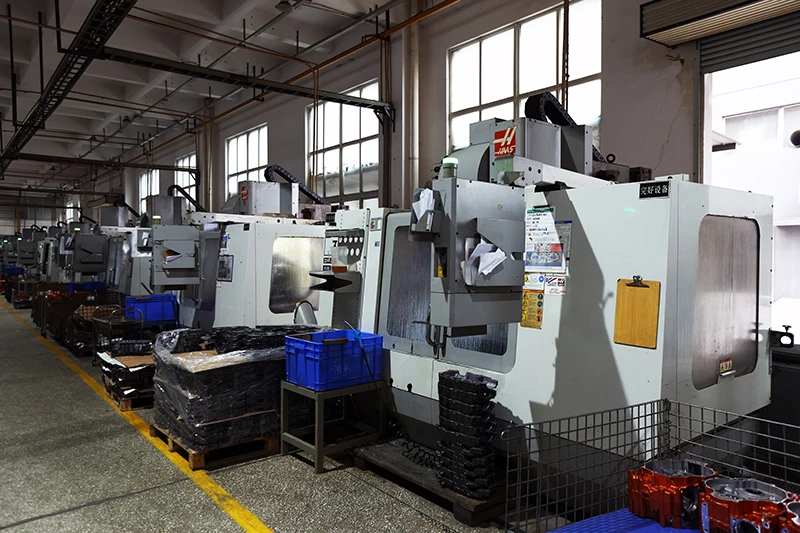
Wanhoo designs and builds its own three-wheeler engines on 21 imported CNC machines and deliberately specs carburetors on standard models. The reason is serviceability: in the African, South American, and Southeast Asian markets Wanhoo serves, EFI-trained mechanics and diagnostic tools are scarce, so a carburetor keeps a stalled vehicle a same-day roadside repair rather than a multi-day recovery. EFI is available on request for operators whose markets need it.
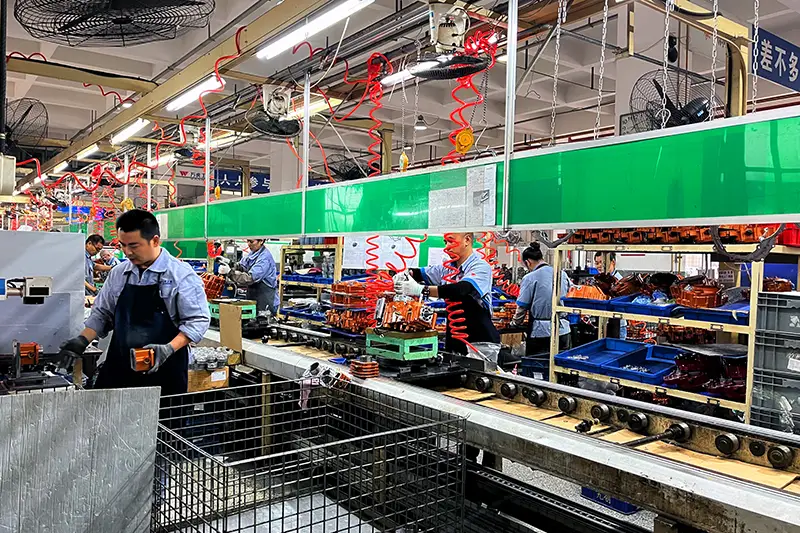
This decision connects to Wanhoo's vertical integration. Because the company machines its own engine components in-house, the carburetors, jets, and fuel-system spares stay consistent and available, so a worn part is a quick swap rather than a long wait on an importer's backorder. A simple fuel system and a stable parts supply reinforce each other on the same goal, which is fleet uptime.
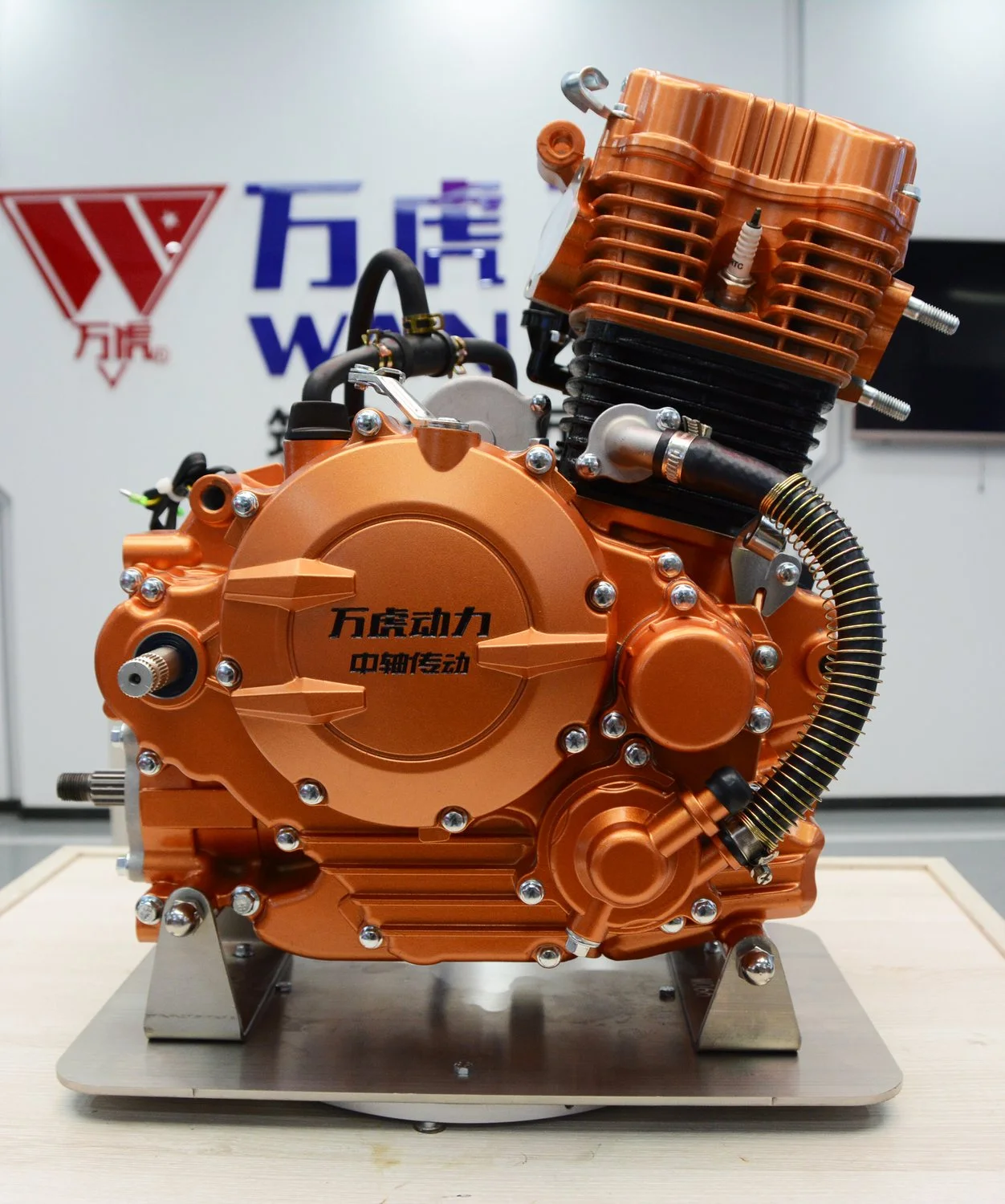
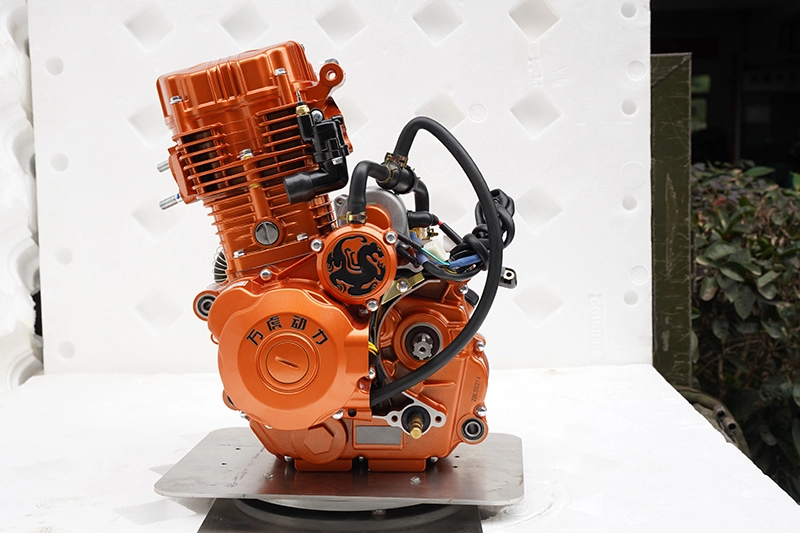
It also fits how Wanhoo builds the rest of the vehicle. The same self-developed water-cooled engines that hold torque on a loaded gradient are the ones running these carburetors, so buyers get a powertrain designed as a whole for load and serviceability, not a high-tech fuel system bolted to an engine that was never meant for the job.
How Should an Importer Decide Between Carburetor and EFI?
The choice comes down to matching the fuel system to the operating environment, not to the newest technology available. A few honest questions settle it faster than any brochure.
Ask first whether local mechanics can service EFI. If the answer is no, or if the nearest diagnostic tool is hours away, a carburetor protects uptime regardless of what the spec sheet promises. Ask next about fuel quality, because inconsistent gasoline punishes EFI harder than it punishes a carburetor.
An importer should choose a carburetor when local mechanics lack EFI training, when diagnostic tools are unavailable, or when fuel quality is inconsistent, because these conditions turn a small EFI fault into extended downtime. EFI makes sense when the destination market enforces strict emission standards or has the service infrastructure to support electronic diagnosis. Matching the fuel system to the environment protects fleet earnings better than defaulting to the newer technology.
Finally, weigh the regulatory picture. If the import market enforces a stringent emission standard, EFI may be non-negotiable, and specifying it on request is the right move. Absent that pressure, the simpler system usually wins on total cost of ownership, because the vehicle spends more days working and fewer days waiting for a specialist. For a deeper look at the engine itself, see the engine technology overview and the guide to three-wheeler spare parts, and for how cooling interacts with all of this, read GY6 vs water-cooled three-wheeler engines.
Frequently Asked Questions
**What is the difference between a carburetor and EFI on a three-wheeler?**
A carburetor is a mechanical part that mixes air and fuel by drawing fuel through a jet with airflow, using no electronics. Electronic fuel injection uses a control unit, sensors, and a pump to spray precisely metered fuel. EFI is more efficient and cleaner, while a carburetor is cheaper, simpler, and repairable at the roadside with hand tools.
Is a carburetor or EFI better for a three-wheeler in Africa or South America?
For most fleets in these markets a carburetor is the more practical choice, because EFI-trained mechanics and diagnostic tools are scarce and fuel quality varies. A carburetor lets a local mechanic fix a stalled vehicle the same day, while an EFI fault can strand it for days. EFI suits markets with service infrastructure or strict emission rules.
Why does Wanhoo use carburetors instead of fuel injection?
Wanhoo specs carburetors on standard engines because serviceability protects fleet uptime in its export markets, where EFI technicians and tools are hard to find. A carburetor keeps repairs simple, cheap, and local. Wanhoo makes EFI available on request for operators whose destination markets require it for emissions or prefer it for service reasons.
Does a carburetor use more fuel than EFI?
EFI is marginally more fuel efficient than a carburetor because it meters fuel electronically for cleaner combustion, but the gap on a small single-cylinder three-wheeler engine is modest. For many fleets the fuel savings are outweighed by the carburetor's lower cost, simpler repair, and tolerance of poor fuel quality, which together lower total cost of ownership.
Can a local mechanic repair a three-wheeler carburetor without special tools?
Yes. A carburetor can be removed, cleaned, re-jetted, and reassembled with basic hand tools and an inexpensive rebuild kit, which is why it suits markets without diagnostic equipment. EFI, by contrast, needs a scan tool and a trained technician to diagnose sensor or control-unit faults, so repairs usually require a service shop rather than a roadside fix.
Is EFI required on three-wheelers by emission regulations?
Emission standards rarely mandate EFI by name, but tighter limits on nitrogen oxides and hydrocarbons push manufacturers toward it, as seen with India's Bharat Stage VI standard. In markets with strict, enforced emission rules, EFI may be effectively necessary. Where enforcement is looser, a carburetor remains fully viable, which is why Wanhoo offers EFI as an option rather than a default.