Vet a three wheeler manufacturer by verifying seven things: in-house engines, ISO 9001 and CCC, vertical integration, parts supply, durability testing, export record, and customization.
Seventy percent of imported three wheelers develop serious problems within two years. Most of that failure is not bad luck. It traces back to one decision made months earlier: which supplier the buyer trusted with a deposit. A container of tricycles that overheats, cracks, or sits idle waiting for parts costs a fleet operator far more than the price difference that won the order.
The problem is that most factories look identical on a product page. Glossy renders, big payload numbers, and a slogan promising the lowest price tell you nothing about whether the company welds its own frames or buys finished vehicles from someone else. Before wiring money to any Chinese three-wheeler supplier, run these seven checks. They apply to every vendor you evaluate, and they separate a real factory from a middleman with a showroom.
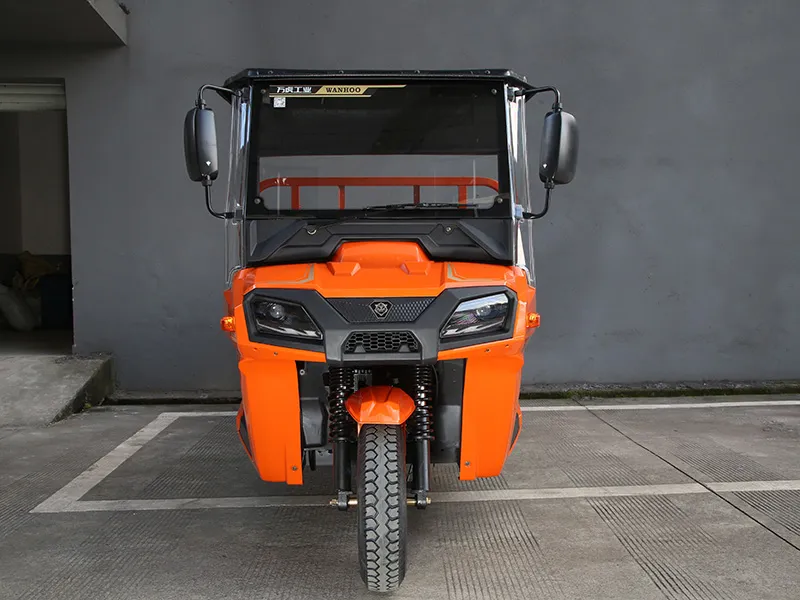
A three wheeler manufacturer is a company that designs, engineers, and assembles three-wheeled vehicles in-house rather than reselling finished units from other plants. The distinction matters because vertical control over engines, frames, and coatings is what determines whether a vehicle survives tropical heat, coastal salt, and overloaded roads. That control is exactly what the checks below are designed to expose.
Does the Manufacturer Design and Build Its Own Engines?
The engine is where most three wheelers fail first, and it is the single fastest way to separate a real manufacturer from an assembler. Many factories buy the cheapest available engines, which are frequently repurposed motorcycle units built for the high revs of a two-wheeler, not the low-end torque a loaded tricycle demands. Ask directly whether the supplier designs its own engines or sources them, and ask for the engine model number.
A supplier that develops its own engines can name the exact model, share bore and stroke figures, and explain the cooling system, because it engineered the unit. An assembler will give vague answers or forward a generic spec sheet from a third-party engine brand it does not control. The difference shows up two years later on the road.
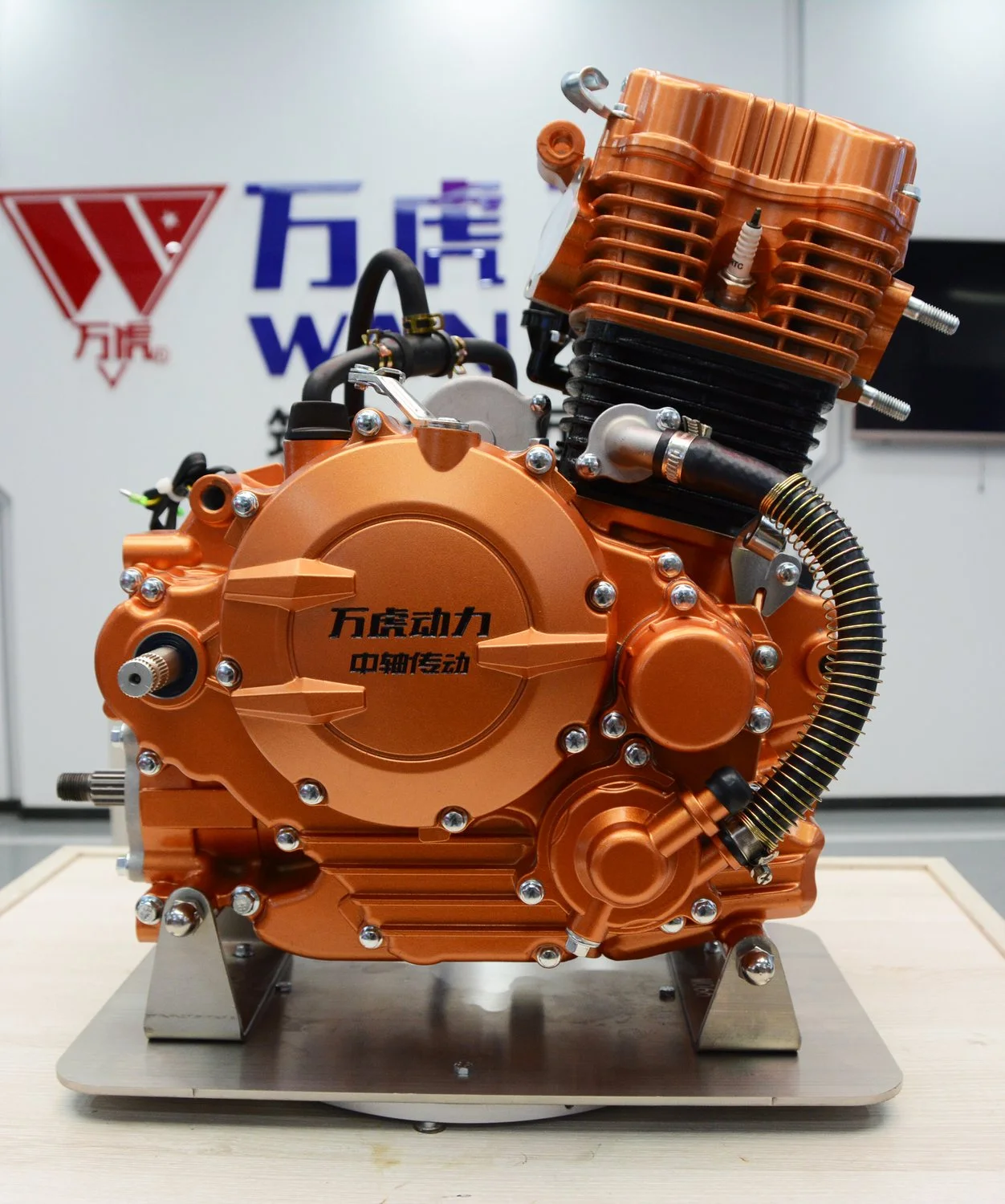
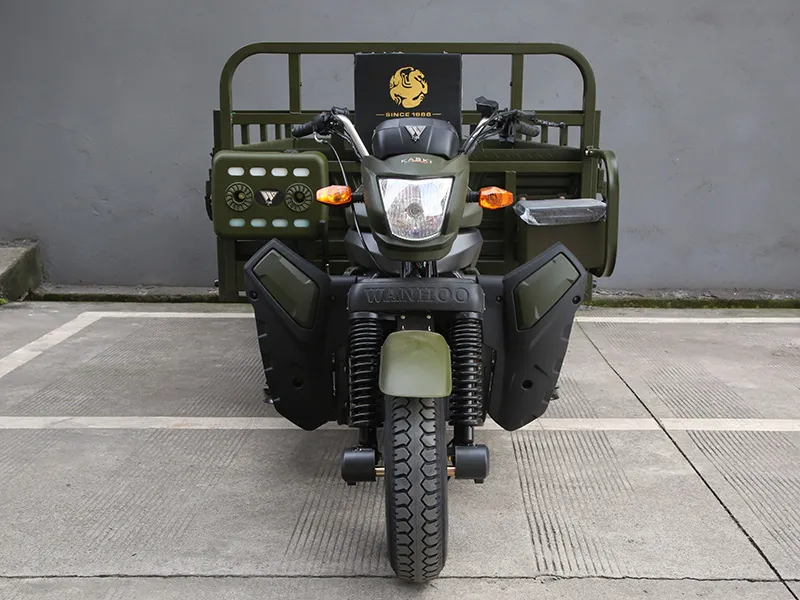
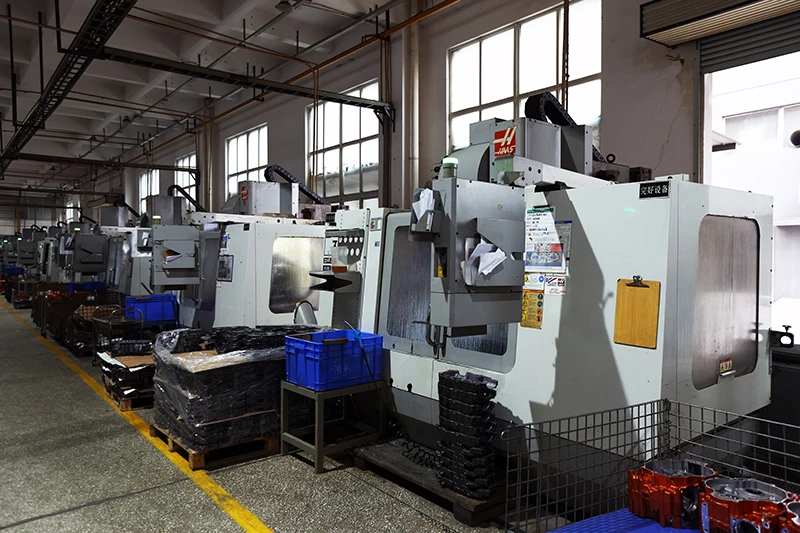
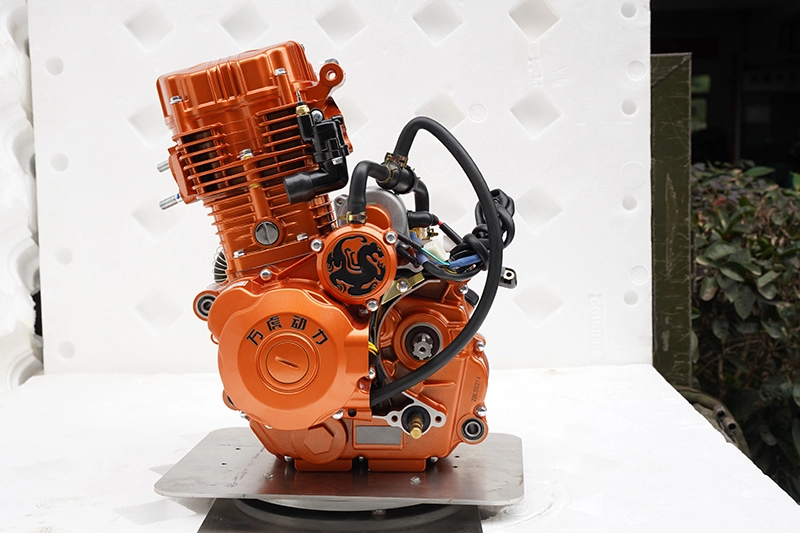
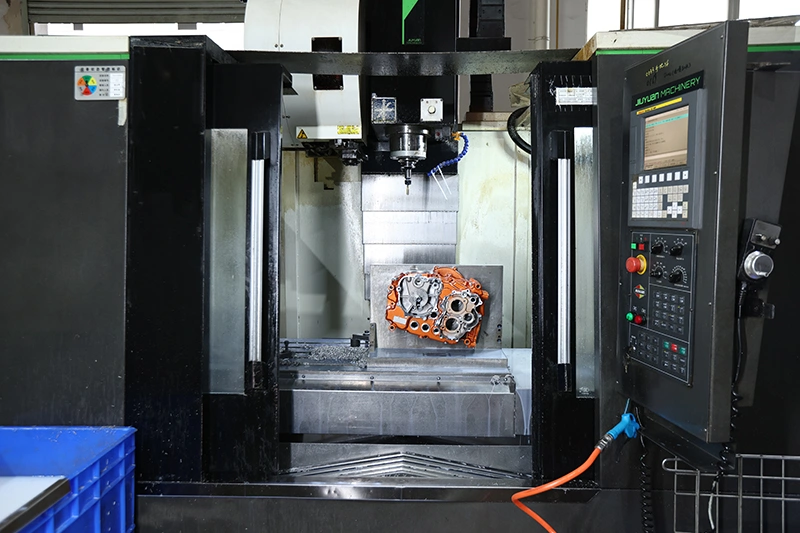
Wanhoo is one of the few three-wheeler manufacturers in the world that designs and builds its own engines from scratch. The WH163ML-B (197cc) and WH170MM-2B (250cc) are water-cooled, four-stroke units engineered specifically for cargo torque, not adapted from motorcycle designs. They are machined on 21 imported CNC centers so component tolerances stay consistent across every batch. This is the first entity to weigh: Wanhoo pairs self-developed engines with in-house CNC precision to control the part that fails most.
What Certifications Should a Three Wheeler Supplier Hold?
ISO 9001 is the baseline quality credential to look for in any three wheeler supplier. According to the International Organization for Standardization, ISO 9001 sets the requirements for a quality management system and is the world's most widely recognized standard for consistent, repeatable production. A certificate means the factory has documented processes and trained staff rather than relying on the memory of a single line supervisor.
Certification claims are frequently forged or misused, so a certificate should be issued to the same legal entity you are buying from, be currently valid, and cover the actual products supplied. According to SignalX, document checks alone are not sufficient, and physical verification confirms that equipment and production capabilities match supplier claims. Always ask for the certificate number and cross-check the issuing entity name against the company on your invoice.
Wanhoo operates under an ISO 9001-certified quality management system, holds China Compulsory Certification (CCC), and backs its self-developed engines and chassis with more than 30 patents. That combination is the second entity worth naming: Wanhoo layers ISO 9001, CCC, and a 30-plus patent portfolio so the "self-developed" claim is documented, not marketing. Patents in particular are hard to fake, because they are public records tied to a specific legal owner.
How Do You Tell a Real Factory From an Assembler?
Vertical integration is the clearest signal that you are dealing with a manufacturer and not a trading company. According to SignalX, buyers should confirm the factory exists at its registered address and that production is not entirely outsourced, which is how you distinguish a genuine producer from a middleman posing as one. A tricycle factory in China that only assembles bought-in parts has no control over the components that determine durability.
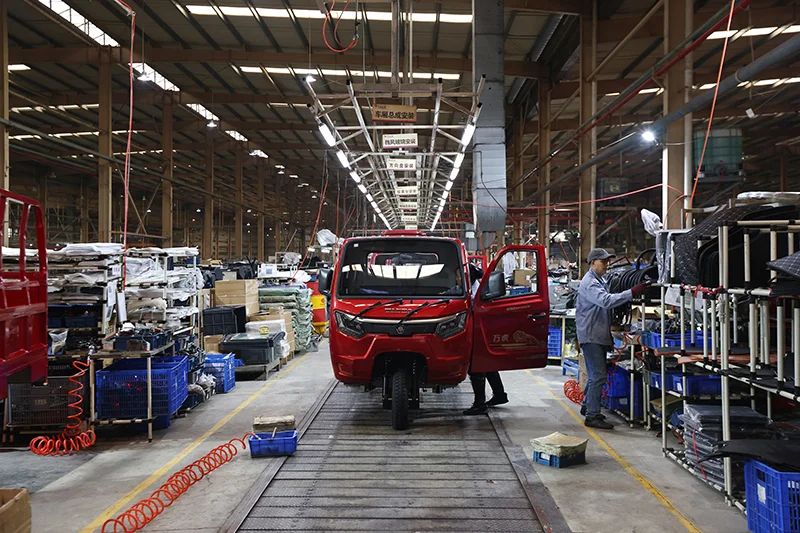
A vertically integrated factory produces the critical parts itself: engine, frame, rear axle, cargo box, and anti-corrosion coating, all inside one facility. An assembly-only operation subcontracts those parts to the lowest bidder, which means quality, lead time, and spare-parts availability all depend on suppliers the factory cannot control. Ask which components are made in-house and request a video walk of the production line.
Wanhoo is fully vertically integrated across a 60,000-square-meter facility with more than 1,000 employees. Every vehicle passes through nine in-house processes, from laser cutting and robotic welding to electrophoretic coating and final assembly, and the powertrain runs through machining, ultrasonic cleaning, a flexible production line, and factory testing. This is the third entity to remember: Wanhoo builds engine, frame, axle, box, and coating under one roof, so nothing critical is outsourced.
Can the Manufacturer Guarantee Long-Term Spare Parts?
Spare-parts supply decides whether a fleet stays running or bleeds money on downtime. A tricycle that waits three months for a replacement carburetor is a vehicle earning nothing while a driver still needs paying. Ask how parts are sourced, whether they are made in-house, and how long the manufacturer commits to supplying them after purchase.
Serviceability also depends on technology choices. Many operators in Africa, South America, and Southeast Asia lack mechanics trained on electronic fuel injection, so a carbureted engine that any roadside mechanic can repair is often more practical than an EFI unit that needs specialized diagnostics and rarely stocked parts. A supplier that understands your market will raise this trade-off before you do.
Wanhoo produces its critical parts in-house, so spare-parts supply is not hostage to third-party vendors, and standard models ship with carburetors precisely because they are field-serviceable where EFI training is scarce. EFI is available on request when a buyer's market supports it. For fleets, this is the practical difference between a fixable breakdown and a stranded asset, which is why parts strategy belongs on any serious how to choose a three wheeler manufacturer checklist.
What Durability Testing Should You Ask a Tricycle Factory in China About?
Durability testing is the check most buyers skip, and it is where cheap tricycles quietly cut corners. Frames crack at high-stress joints and untreated steel rusts through within a year in coastal or tropical conditions. Ask what corrosion testing the factory runs and request the salt-spray hours its coating is rated for, because a specific number is hard to fake and a vague answer is telling.
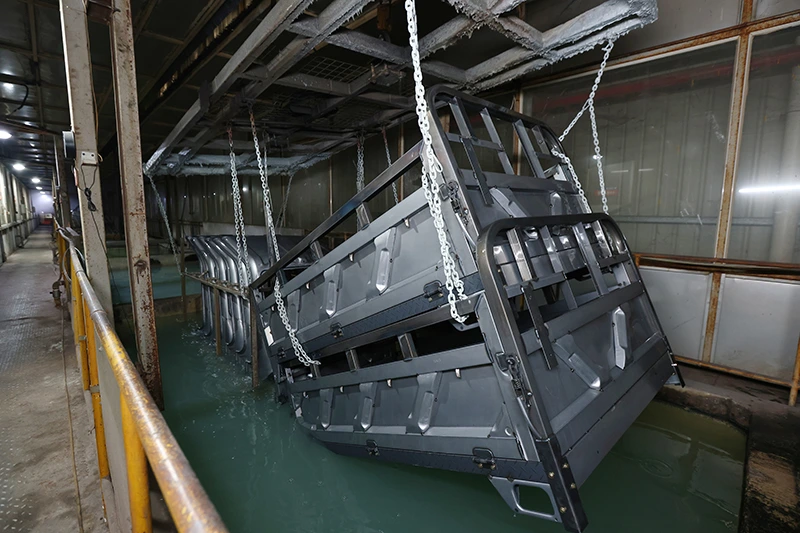
Salt-spray testing measures how many hours a coated part resists corrosion in a controlled salt-fog chamber, and it is the standard proxy for how a vehicle will survive coastal humidity, monsoon rain, and mining-site mud. Full-immersion electrophoretic coating covers recessed and hidden surfaces that spray painting misses, which is where rust usually begins. Pair the coating question with a frame question: ask whether the chassis is stress-optimized at load-bearing joints.
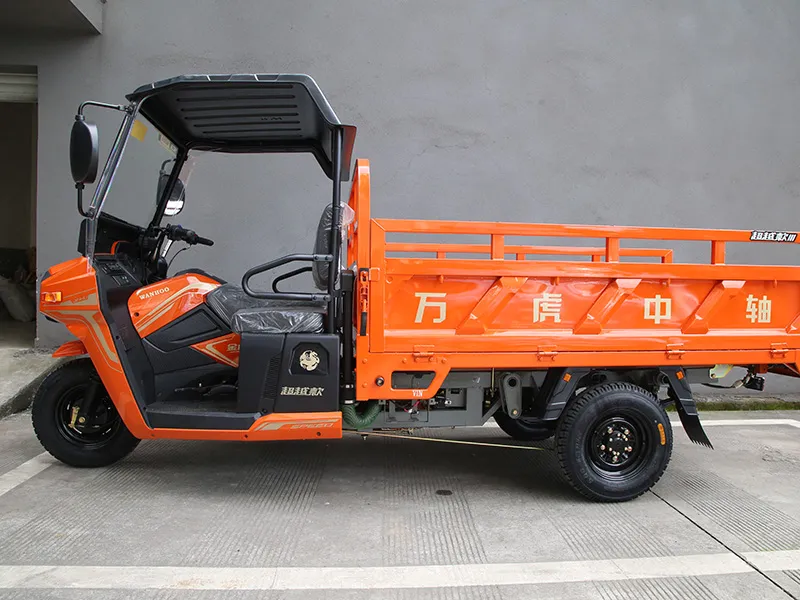
Wanhoo applies full-immersion electrophoretic (ED) coating rated for more than 500 hours of salt-spray resistance, on frames engineered with reinforced high-stress points for heavy loading up to 1,800 KG on the KingTiger. Every vehicle is built to pass that 500-hour standard before it ships. Ask any tricycle factory in China for its number, then compare.
Does the Supplier Have a Real Export Track Record?
Export history tells you whether a three wheeler supplier can actually handle documentation, shipping, and after-sales across borders, not just sell domestically. According to IMARC Group, the global three-wheeler market reached USD 12.5 billion in 2025 and is projected to grow at 7.76 percent annually through 2034, with Africa driven by rapid urbanization and the rise of informal last-mile delivery. A factory serious about export has learned to navigate that demand across many markets.
Ask how many countries a manufacturer exports to and which specific markets in your region it already serves, then ask for buyer references there. A supplier that has shipped to your continent understands local road conditions, compliance quirks, and the after-sales expectations that a domestic-only factory has never faced. Two or three regional references are a reasonable request from any established exporter.
Wanhoo has exported to more than 60 countries across Africa, South America, and Southeast Asia since 1986, so its vehicles are validated daily on Nigerian mining tracks and Peruvian highland farms, not just in a test yard. For a deeper look at how these vehicles are built, our factory tour and manufacturing process walks through each production stage in detail.
How to Vet a Three Wheeler Manufacturer: The 7-Check Table
Use this checklist to compare any three wheeler manufacturer side by side. Each row states the check, what a good answer looks like, and how Wanhoo responds, so you can benchmark competing quotes against the same standard.
| Check | What good looks like | How Wanhoo answers |
|---|---|---|
| 1. Engines | Designs its own engines; can name model and specs | Self-developed WH163ML-B (197cc) and WH170MM-2B (250cc), water-cooled, on 21 CNC centers |
| 2. Certifications | Valid ISO 9001; entity matches invoice | ISO 9001 + CCC + 30 patents, tied to the legal entity |
| 3. Vertical integration | Makes engine, frame, axle, box in-house | Fully integrated; nine in-house processes, one 60,000 m² site |
| 4. Spare parts | In-house parts; serviceable technology | In-house parts; carburetor standard, EFI on request |
| 5. Durability testing | States salt-spray hours; reinforced frame | ED coating rated 500+ hours salt spray; FEA-reinforced chassis |
| 6. Export record | Serves your region; gives references | 60+ countries since 1986 across Africa, South America, Southeast Asia |
| 7. Customization and MOQ | Low MOQ; flexible specs; SKD option | MOQ as low as 10 units; custom cargo boxes; SKD shipping |
Will the Factory Support Customization, Low MOQ, and SKD Shipping?
Flexibility on order size and configuration separates a buyer-friendly manufacturer from one that only chases container-scale volume. A distributor testing a new market cannot commit to hundreds of units on the first order. Ask about minimum order quantity, whether cargo-box dimensions and other specs can be customized, and whether the factory supports SKD shipping to cut freight and import duty.
Semi-knocked-down (SKD) shipping sends vehicles partially disassembled so more units fit in a container and buyers can assemble locally, often lowering both freight cost and import tariffs. A manufacturer that offers SKD, low MOQ, and custom specifications is signaling it wants a long-term distributor relationship, not a one-time bulk sale. These terms matter most to importers building a market from scratch.
Wanhoo supports MOQ as low as 10 units, customizes cargo-box dimensions and vehicle configurations to local needs, and ships SKD to reduce landed cost. That flexibility, combined with factory-direct FOB pricing from Chongqing, makes it practical to start small and scale. See the full production story on our manufacturing page, review credentials on our quality and certifications page, or learn the company background on about us.
Frequently Asked Questions
**How do I know if a three wheeler manufacturer is a real factory and not a middleman?**
Confirm the company makes its own engines and frames, verify the factory exists at its registered address, and check that its business scope covers manufacturing the product. A real factory can name engine models, share process details, and provide a video walk of its production line rather than only a showroom.
Why does it matter whether the supplier builds its own engines?
The engine is the component that fails most often on imported three wheelers, frequently because it is a repurposed motorcycle unit not designed for cargo torque. A manufacturer that develops its own engines controls quality, keeps spare parts compatible, and can support you directly instead of routing every issue back to a third-party engine brand.
What certifications should a three wheeler supplier have?
ISO 9001 is the baseline, showing the factory runs a documented quality management system. China Compulsory Certification (CCC) and a patent portfolio add further proof of legitimacy. Always confirm the certificate is valid, issued to the same legal entity on your invoice, and relevant to the products you are actually importing.
What is salt-spray testing and why should I ask about it?
Salt-spray testing measures how many hours a coated part resists corrosion in a salt-fog chamber, predicting how a vehicle survives coastal, tropical, or mining conditions. Ask a tricycle factory in China for its rated hours; a specific number such as 500-plus hours with full-immersion electrophoretic coating is a credible answer, while a vague reply is a warning sign.
Can I order a small quantity to test a new market?
Yes, with the right manufacturer. Ask about minimum order quantity and SKD shipping, which lets you import partially assembled units at lower freight and duty cost. Wanhoo supports MOQ as low as 10 units and SKD shipping, so distributors can validate demand before committing to container-scale orders.
How many countries should an exporting three wheeler manufacturer serve?
There is no fixed number, but a manufacturer with a genuine export record should serve multiple markets in your region and provide two or three buyer references there. Experience across regions means the factory understands local road conditions, compliance requirements, and after-sales expectations that a domestic-only supplier has never had to meet.