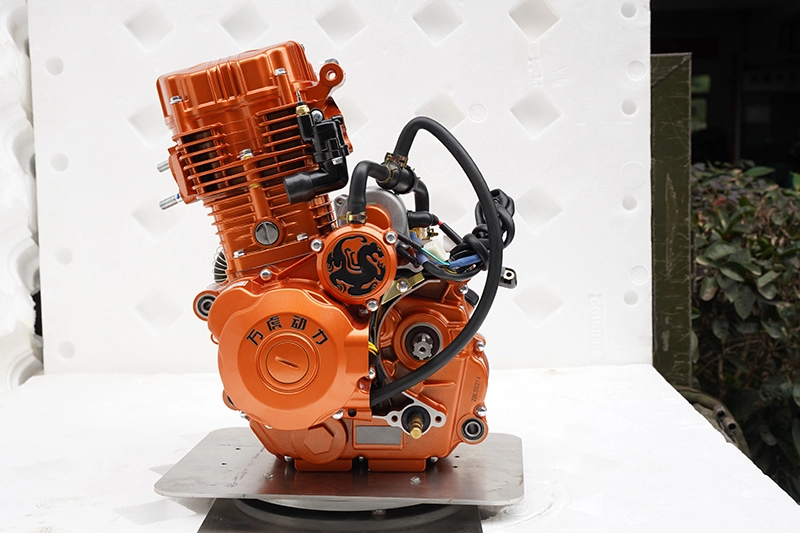
Three-wheeler fuel economy depends on the model, load, route, driving and maintenance. Match the vehicle to the duty cycle, then track your own baseline before judging any change.
Consider an illustrative case: two vehicles leave the same yard on the same morning, on the same forty-kilometre circuit of market drops, and one returns having used more fuel. The difference could sit in traffic, load, idling, tyre pressure, driver inputs or vehicle condition; one trip does not isolate the cause.
That gap is ordinary, and it has causes. Some sit with the driver and can be changed before lunch. Some were settled years earlier by whoever chose the model and signed the purchase order.
You need a baseline first: a measured range for your own vehicle on representative routes, recorded with a safe, consistent fill procedure. The question after that is which variable you can change and verify.
The split that decides everything
Most advice on this subject mixes two very different kinds of factor: properties of the machine you own, and properties of how you use it.
A three-wheeler's model and configuration set one part of its fuel-use baseline, while load, route, traffic, tyre pressure, driving and maintenance shape the result in service. Published model figures cannot isolate those effects unless the test conditions are matched.
A third category sits between them: a worn or maladjusted vehicle burns more than one in good order.
The table below sorts the factors that drive three-wheeler fuel economy by whether you can still do anything about them.
| Factor | Fixed or changeable | Mechanism | What to do |
|---|---|---|---|
| Engine and tune | Fixed | Efficiency depends on the complete design and duty-cycle match | Specify to the real duty cycle |
| Kerb weight | Fixed | Moves itself before it moves cargo | Compare kerb weights before signing |
| Gearing | Fixed | Haulage ratios hold higher revs when light | Match ratio to terrain and load |
| Body and bed | Fixed | Cabins and tall boxes add mass and frontal area | Choose the enclosure the work needs |
| Duty-cycle fit | Fixed | Unused capacity may add mass or cost | Compare typical loads and routine peaks |
| Load discipline | Changeable | Extra mass must be accelerated and lifted | Split overloads into two trips |
| Tyre pressure | Changeable | Soft tyres deform more, raising rolling resistance | Check cold weekly at the specified pressure |
| Idling | Changeable | Fuel burns while the odometer stands still | Follow the manual and local rules; avoid unnecessary idling |
| Route planning | Changeable | Each stop discards the loaded vehicle's energy | Consolidate trips, avoid peak traffic |
| Throttle technique | Changeable | Accelerating towards a stop becomes brake heat | Read ahead, roll off early |
| Air filter | Maintenance | Restricted airflow enriches a carburetted mixture | Inspect often on dusty routes |
| Carburettor | Maintenance | Rich mixture delivers more fuel than can burn | Set to specification, never lean |
| Spark plug | Maintenance | Weak spark gives incomplete combustion | Replace as specified |
| Drive chain | Maintenance | Dry or slack chain wastes output as friction | Clean, lubricate, tension |
| Dragging brakes | Maintenance | Constant contact turns output into heat | Check hub heat and free rotation |
Fixed at purchase: the decisions you only make once
This is the part most buyers under-weight and no operator can fix afterwards.
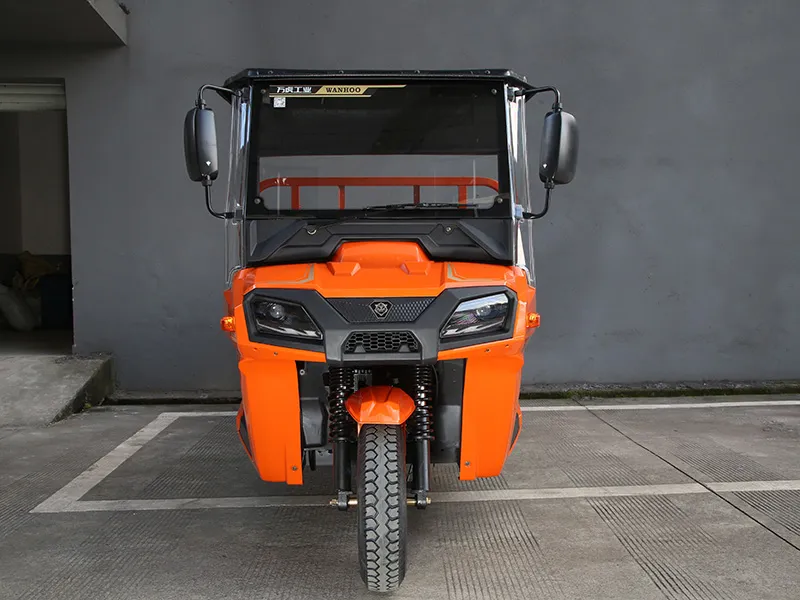
Displacement and state of tune
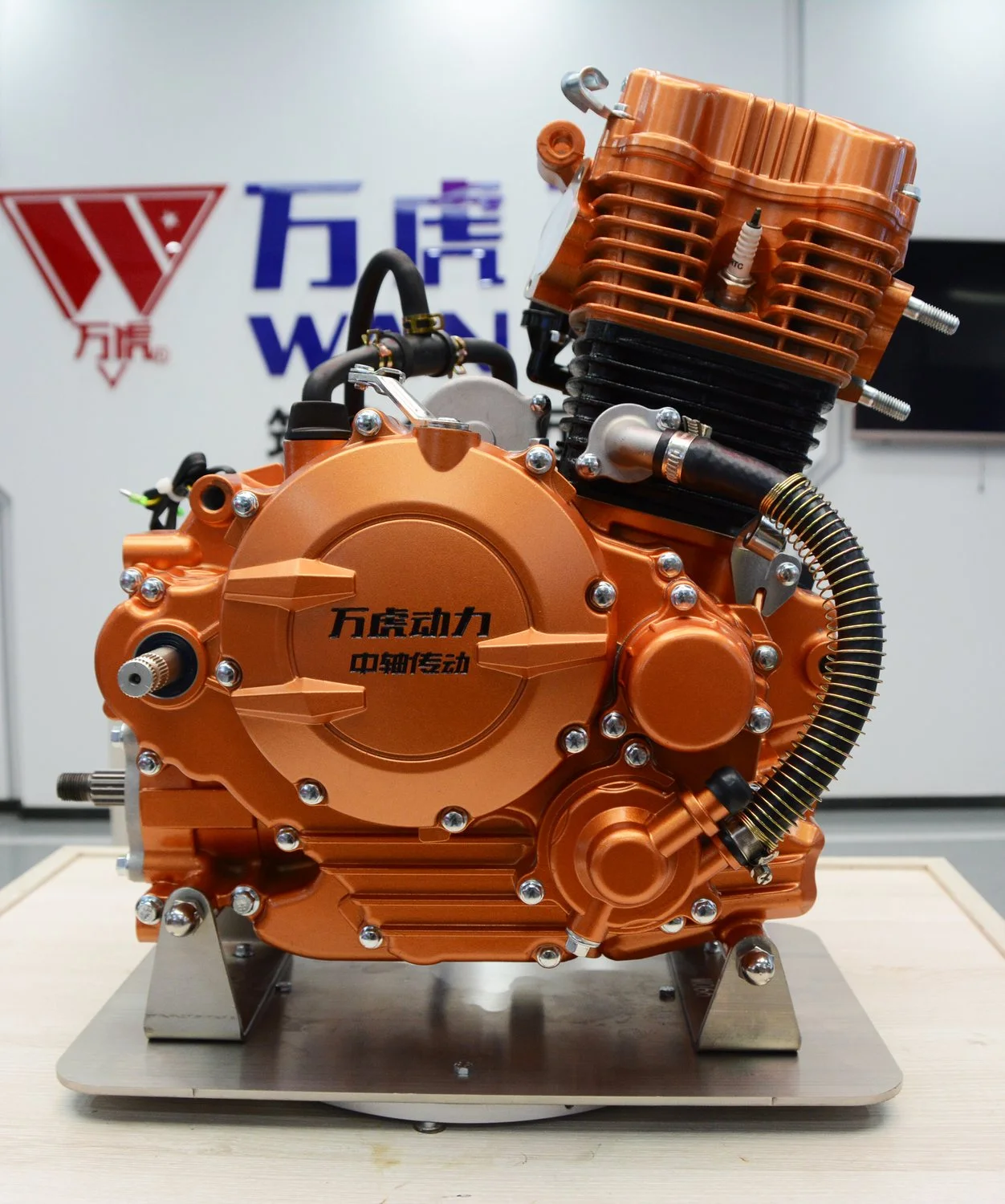
A larger displacement does not by itself establish higher fuel use. Engine design, gearing, cooling, tune, load and operating speed all matter, so compare complete vehicles under matched conditions instead of ranking them by cubic centimetres alone.
State of tune matters too: engines of identical capacity can deliver torque and power differently. Ask for model-specific performance and consumption data for the intended load and route.
Kerb weight
Before a three-wheeler moves a kilogram of cargo it has to move itself. On a stop-start route it is accelerated from rest dozens of times a day, and its own weight is launched every time. Two models with the same rated payload can differ meaningfully in kerb weight.
Gearing and final drive
Gearing is a compromise chosen for an intended use. A ratio picked to haul heavy loads up gradients holds the engine at higher revolutions for a given road speed when running light. A vehicle geared for punishing terrain and then used for flat urban work runs at a disadvantage the driver cannot correct.
Body and bed configuration
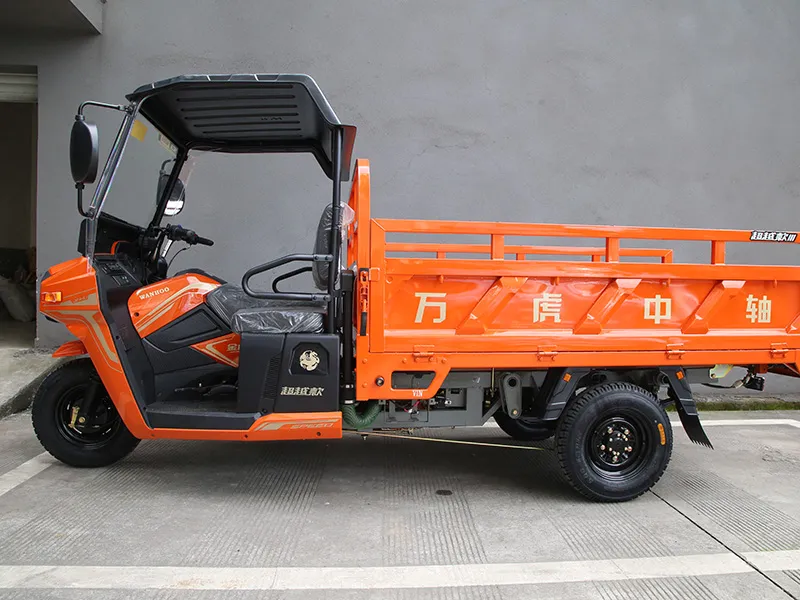
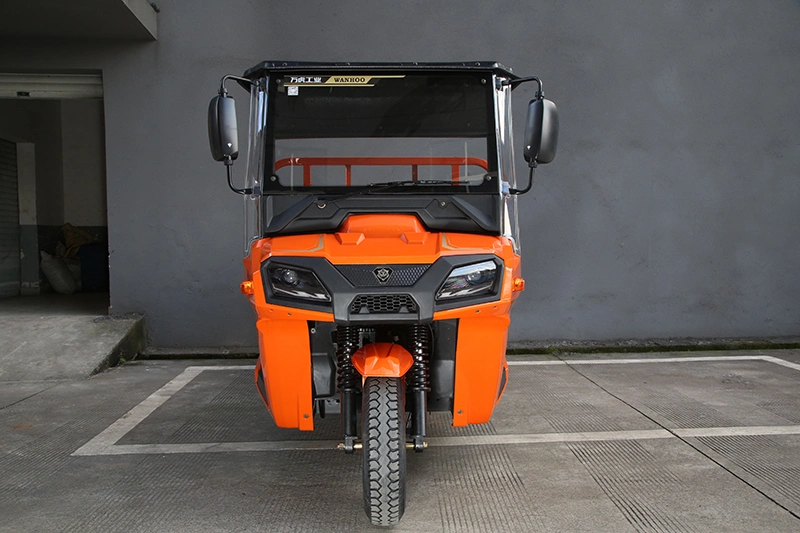
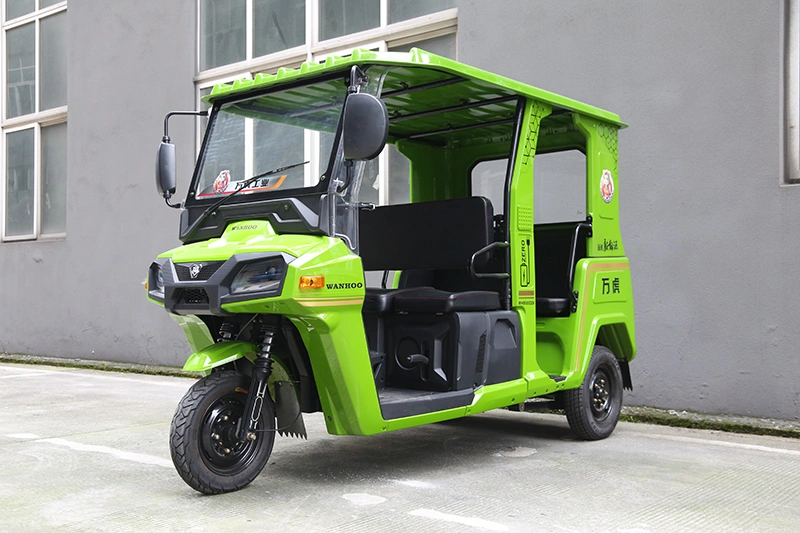
Cabins, tall box bodies and raised side extensions add mass, and the taller ones add frontal area to push through the air. The choice is legitimate, since weather protection and cargo security are worth real money. Picking the heaviest option because it looks more capable is not.
Duty-cycle fit, a purchase-stage lever
Matching a vehicle to routine loads and routes can avoid paying for unused capacity, but payload alone does not prove which option will use less fuel. Compare kerb weight, engine, gearing, body, utilization and matched route measurements before making a total-cost decision.
The trap is buying against an imagined peak without recording the normal job. Log typical loads, routine peaks, trip frequency, gradients and body volume. Then compare the cost of enough in-house capacity with alternatives for rare peaks; the cheaper option is route- and market-specific.
Wanhoo publishes upper limits for part of its range: the 150cc Q1 at ≤3.4 L/100 km, the 150cc water-cooled K3 at ≤3.9 L/100 km, and the 250cc WINTIGER at ≤4.3 L/100 km. The public pages do not provide matched load, route, speed, fuel or environmental conditions, so the three limits describe product specifications rather than a controlled efficiency ranking.
Ground conditions sharpen the question rather than softening it. According to the World Bank, rural access remains a global problem, with "more than one billion people living more than 2km away from an all-weather road". Where roads are poor, operators lean towards more vehicle than they need, and that instinct is where the oversizing penalty gets locked in.
Changeable today: what an operator controls
Load discipline
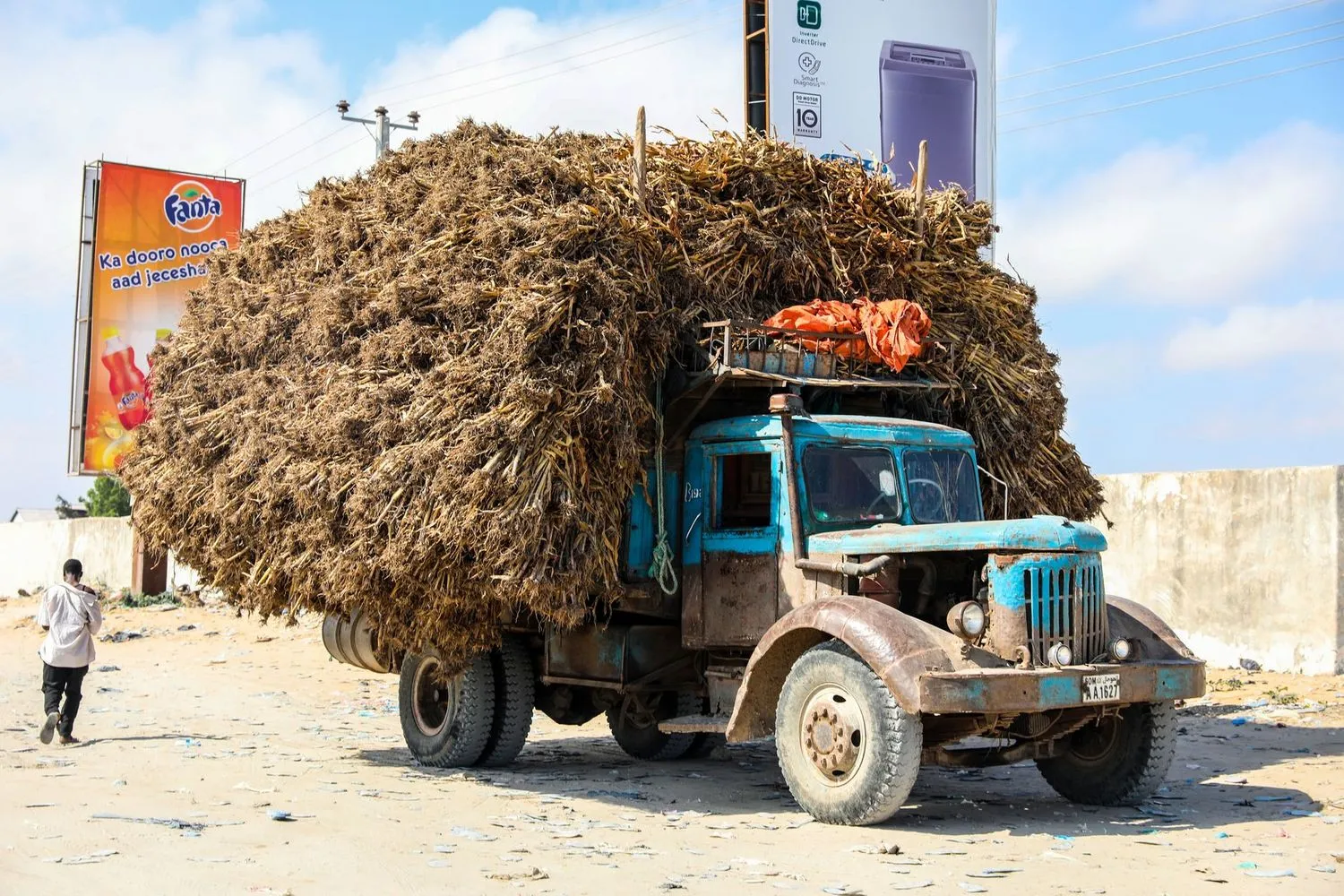
Load is one direct operating factor. Extra mass must be accelerated and lifted on gradients, and it also changes demand on the drivetrain, tyres and brakes. Never compare one overloaded trip with two compliant trips as if overload were an option; stay within the vehicle, axle and legal limits, then compare compliant schedules.
Tyre pressure, the cheapest lever nobody pulls

Under-inflated tyres deform more with every rotation, and that deformation is energy the engine has to supply, so rolling resistance and fuel consumption both rise. Over-inflation is not the fix: it shrinks the contact patch, reduces grip and wears the tyre centre. Use the pressure specified for the vehicle at its working load.
Pressure is free to check and takes a minute, which is precisely why it gets skipped. A tyre can sit well below specification and still look normal on a loaded vehicle, where sidewall bulge is expected.
Idling, the fuel that hides
Idling burns fuel while the odometer stands still, so it does not show up as a worse litres-per-hundred-kilometres figure unless distance is logged alongside fuel. It inflates litres per working day instead. An operator watching only consumption per kilometre can miss waiting time entirely, even when it dominates the daily fuel bill.
Idling adds litres to the numerator without adding distance to the denominator. If you only record what goes into the tank, a high figure could mean more work done or more waiting, and you cannot tell which.
An illustrative pair shows the shape of it. Illustrative BEFORE: 100 km in a working day, 5.0 litres, engine left running through long waits. Illustrative AFTER: the same 100 km, 4.0 litres, engine switched off. Distance is identical, so the difference sits entirely in the fuel column. These are invented round numbers showing the arithmetic, not a measured saving. Substitute your own.
Route and trip planning
Stop-start running is expensive because every stop throws away the loaded vehicle's kinetic energy and every restart buys it back out of the tank. Consolidating three errands into one loop removes repeated acceleration, and departing outside the worst congestion window removes stops altogether.
Smooth throttle and anticipating stops
According to the US Department of Energy's fueleconomy.gov, "Aggressive driving (speeding, rapid acceleration and braking) wastes gas", with a published estimate of roughly 15% to 30% lower mileage at highway speeds and 10% to 40% in stop-and-go traffic. That data covers cars and light trucks in US conditions, not three-wheelers, and the percentages should not be transplanted. What generalises is the mechanism: fuel burned accelerating towards a stop you can already see becomes brake heat. Reading the road far enough ahead to roll off instead of braking hard removes that loss.
Maintenance-dependent: what the workshop controls
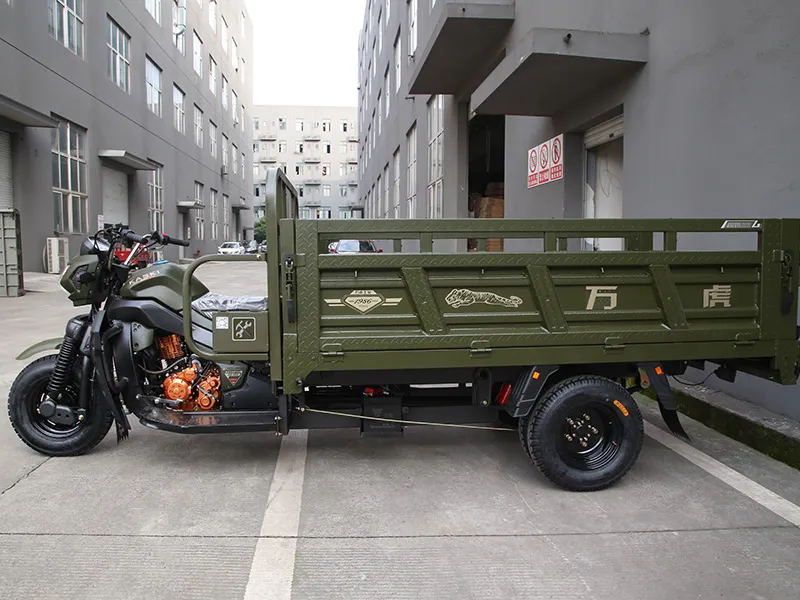
Air filter condition
The US Department of Energy's maintenance guidance says replacing a clogged filter on older carburetted cars can improve economy and acceleration, while modern fuel-injected cars respond differently. This is directional context, not a Wanhoo test; inspect and service the filter at the interval and method in the model manual.
The same source notes that on modern fuel-injected engines a clogged filter does not carry the same fuel penalty. Fuel-system design matters, and dusty duty can require more frequent inspection than clean-road operation. Use the service schedule's severe-duty guidance rather than inventing an interval.
Carburettor adjustment
A rich carburettor mixture sends more fuel than the air charge can burn, so the surplus leaves as waste and fouls the spark plug. Running lean is not the safe alternative: a lean mixture raises combustion temperature and risks engine damage. Mixture should be set to the manufacturer's specification, not adjusted for economy.
Richness shows up in the fuel bill before anywhere else. Long before a misfire, there is a slightly higher weekly fuel figure blamed on traffic or on the driver. A mixture check belongs in routine service, not fault diagnosis.
Spark plug condition
A worn or fouled plug gives a weaker, less reliable spark, and combustion that starts poorly finishes poorly. Repeated fouling is a message that something upstream, often mixture or filtration, is putting in more fuel than is being burned.
Drive chain and final drive
Engine output that reaches the road moves cargo. Output lost to friction in a dry chain, or to shock loading in a slack one, does not. Cleaning, lubricating and tensioning to specification also extends sprocket life.
Dragging brakes
A shoe or pad that never fully releases turns engine output into heat. Do not touch a hub or brake immediately after a run: it can cause burns. If there is a hot smell, pulling, reduced free rotation or an abnormal temperature difference observed without contact, stop using the vehicle and have the brake inspected.
Who is actually paying
According to the International Labour Organization, "Over 60 per cent of the world's workforce and 80 per cent of enterprises operate in the informal economy." For many three-wheeler operators fuel is not a line in a fleet budget. It is money out of the driver's own pocket, and the gap between a well-specified vehicle and an oversized one is what goes home.
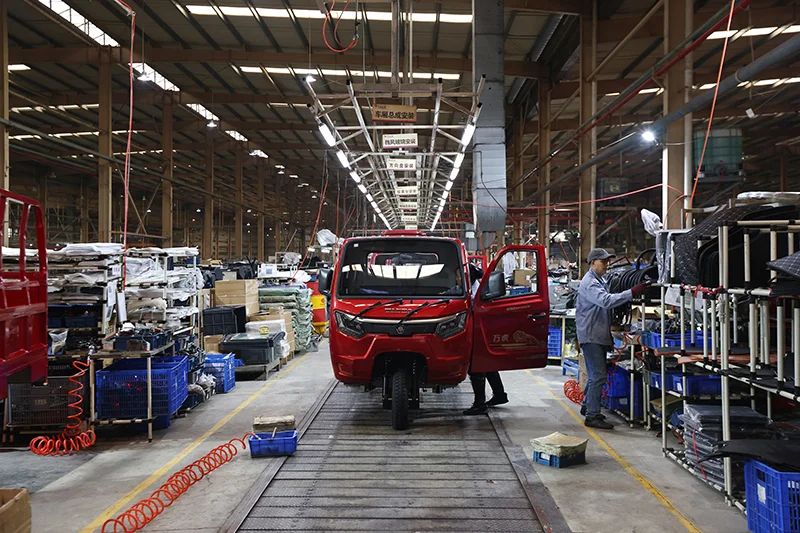
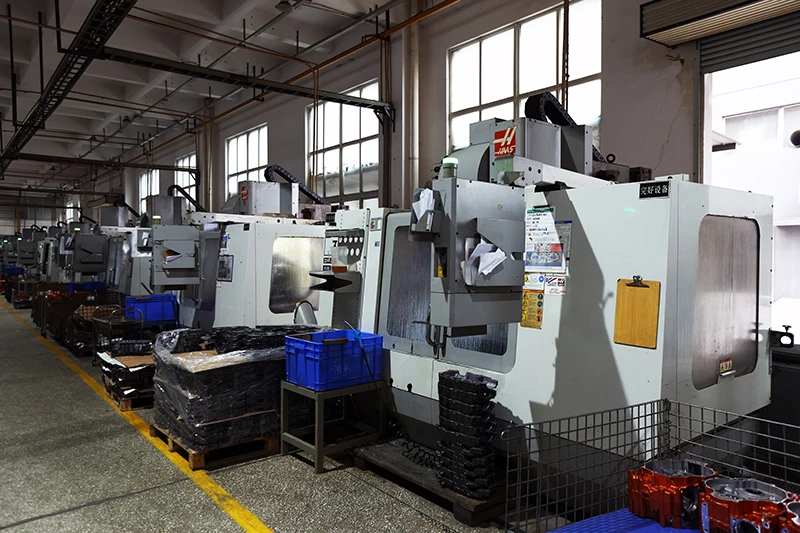
Wanhoo, founded in Chongqing in 1986, builds three-wheelers and makes its own engines and frames, at an annual capacity of 100,000 vehicles and 300,000 engines. Those facts do not establish route-level fuel economy; use model data and matched operating measurements.
The honest hierarchy
Start with duty-cycle fit because engine, gearing, kerb weight and body are expensive to change later. That does not prove which vehicle is cheapest: only matched measurements and a route-specific cost model can do that.
Among the things you can change today, compliant loading, specified tyre pressure and avoiding unnecessary idling are sensible checks. Track distance, fuel, load and waiting time together so that one variable is not mistaken for another.
Maintenance still matters. A serviced air filter, correct fuelling, sound plug, correctly adjusted and lubricated drive, and brakes that release protect reliability as well as fuel use. Follow the three-wheeler maintenance guide and the model manual rather than tuning components by feel.
Frequently Asked Questions
**What has the biggest effect on three-wheeler fuel economy?**
There is no universal single largest factor. Model and configuration set part of the baseline; load, route, traffic, tyre pressure, driving and maintenance shape the result. Record a representative baseline and change one variable at a time before attributing a difference.
Can better driving make up for buying a vehicle that is too big?
Better driving can reduce avoidable fuel use, but it does not prove that one vehicle will match another. Engine, gearing, body, kerb weight and duty cycle remain different. Compare vehicles under matched loads and routes, and compare each vehicle against its own baseline.
What is the cheapest way to improve fuel economy on a three-wheeler?
Checking tyre pressure is one quick, low-cost action. Under-inflation raises rolling resistance, while over-inflation is not an economy fix. Check cold at the interval and pressure specified for the vehicle and working load, using an accurate gauge.
Does idling really matter if the vehicle is not moving?
Yes, and it is easy to miss. Idling consumes fuel while covering zero distance, so it adds litres without adding kilometres. If you only track litres per working day you cannot tell whether a high figure means more work done or more time waiting with the engine running. Log distance alongside fuel to separate them.
Will leaning off the carburettor save fuel?
No, and it is dangerous. A rich mixture does waste fuel and foul plugs, but a lean mixture runs hotter and risks engine damage, so lean is not the safe direction to err in. The correct setting is the manufacturer's specification, adjusted by someone competent, not tuned by feel towards economy.
Does a dirty air filter affect a carburetted three-wheeler?
It can. US DOE guidance reports an economy and acceleration effect for older carburetted cars, while modern fuel-injected cars respond differently. That is not a Wanhoo test. Inspect and service the filter according to the model manual, including any severe-duty schedule for dusty routes.