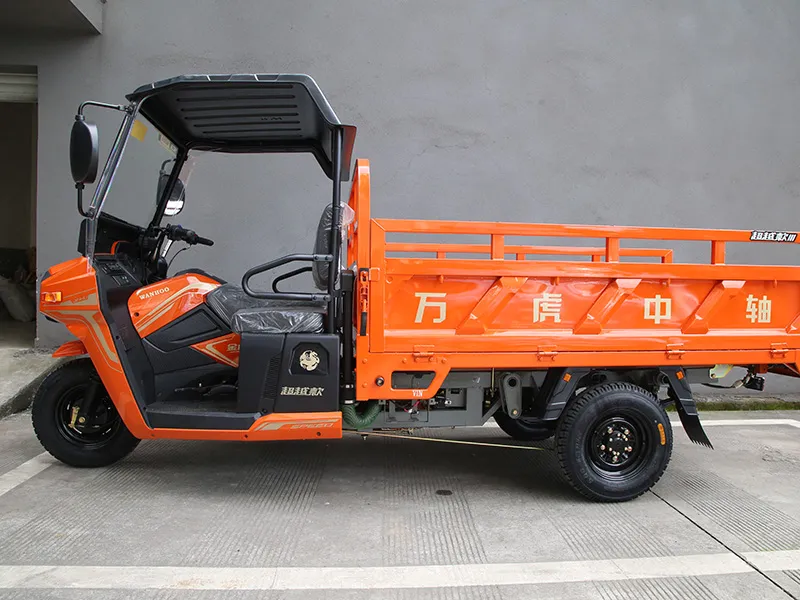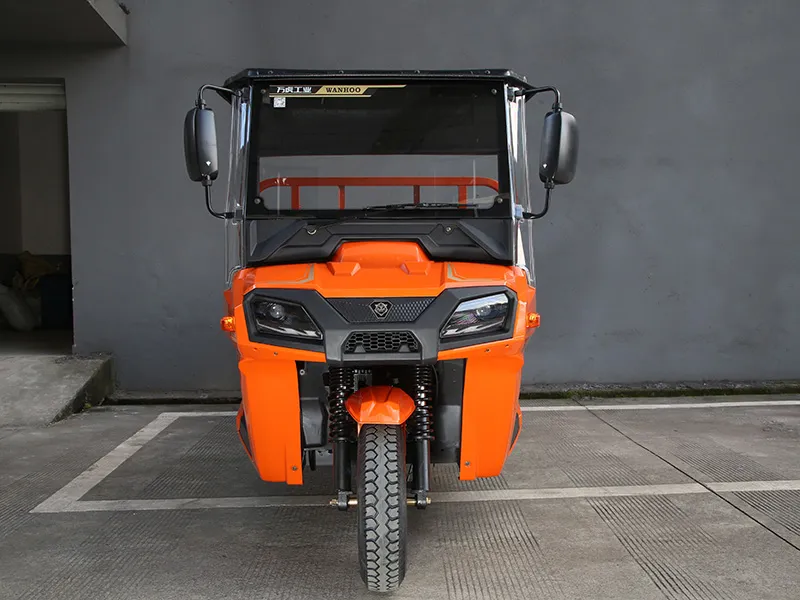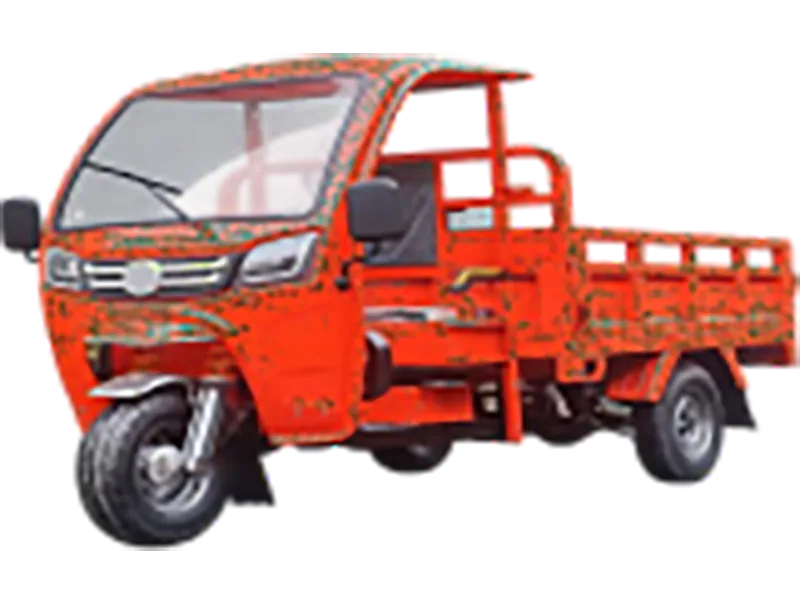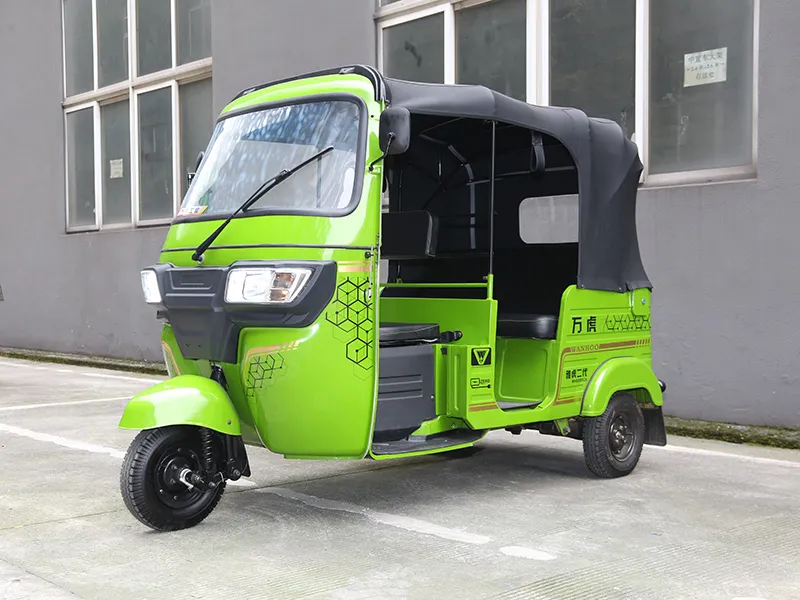
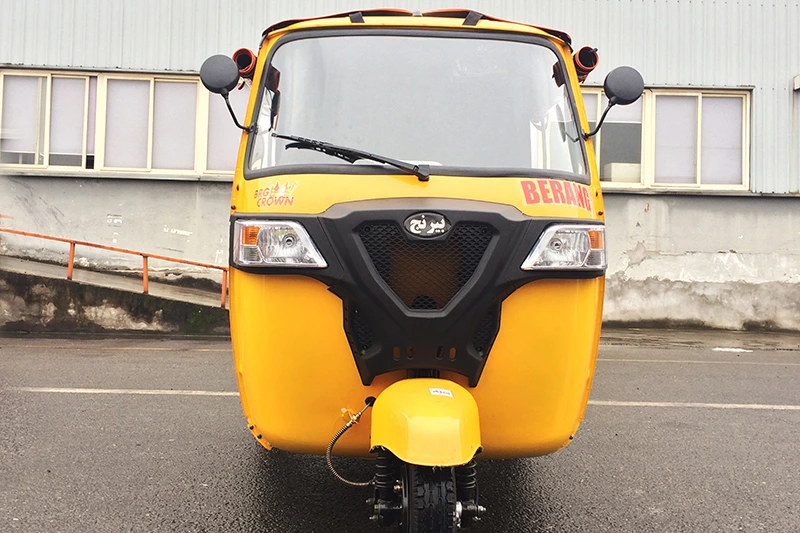
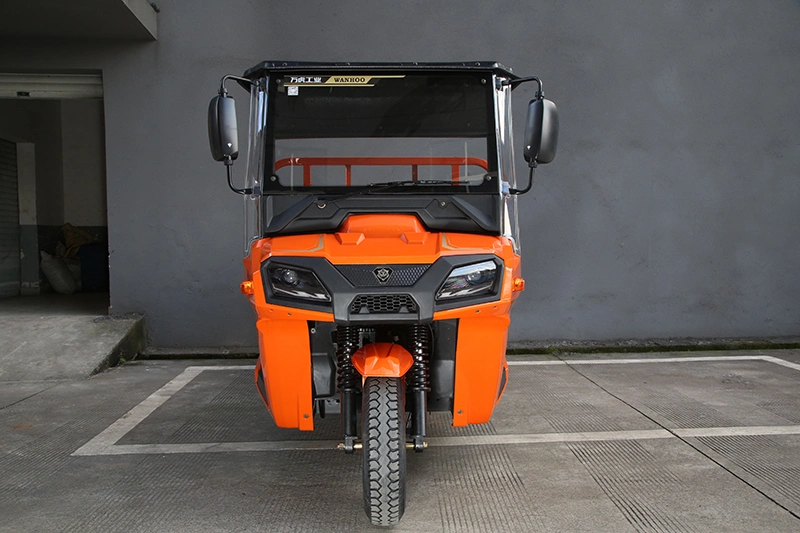
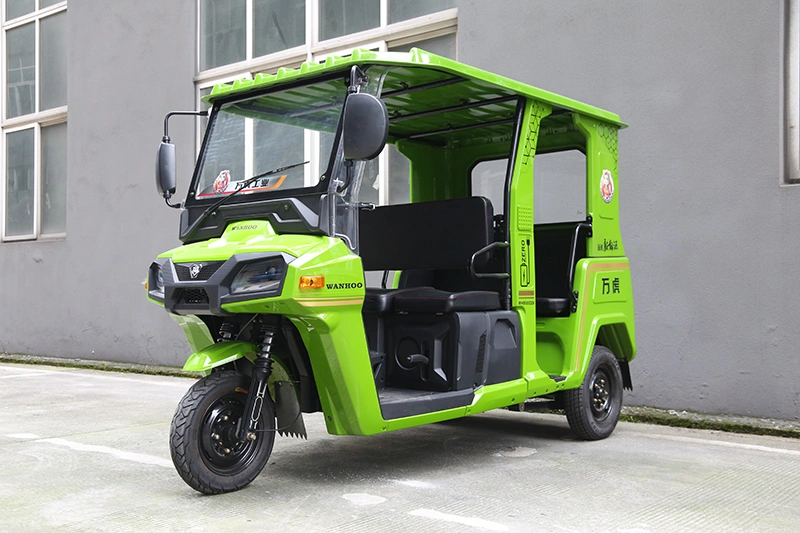
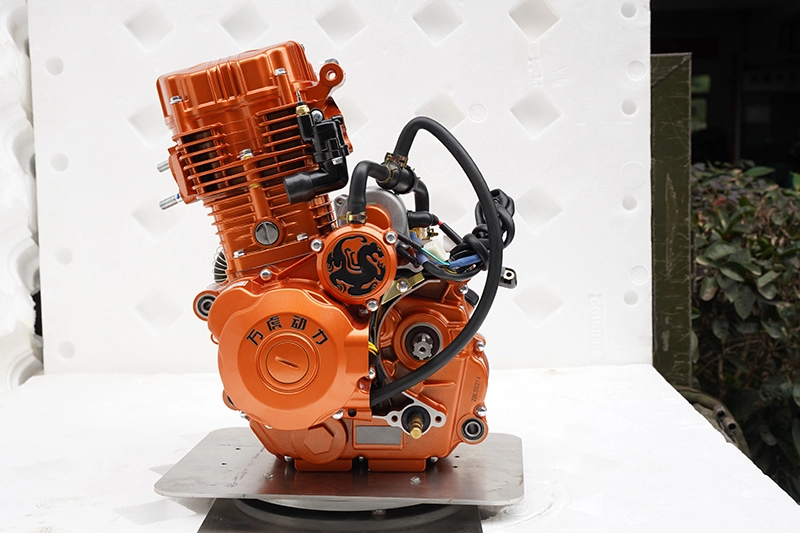
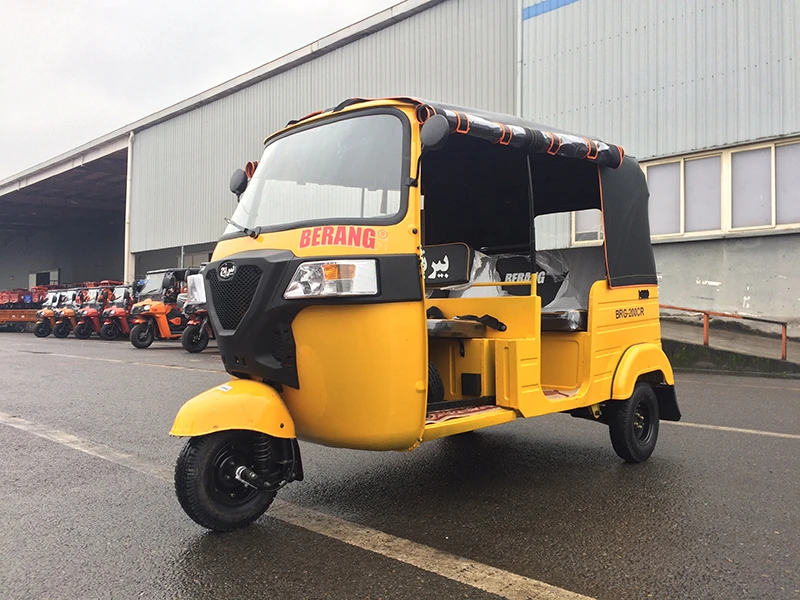
A tuk tuk car is a motorized three-wheeled passenger vehicle, the same class marketed as an auto rickshaw, bajaj, keke or raksha depending on your country. Wanhoo’s YAHOO 200cc air-cooled passenger tricycle carries three to four adults at up to 65 km/h. First-time importers usually type “tuk tuk car” into a search bar before they ever learn a single model name.
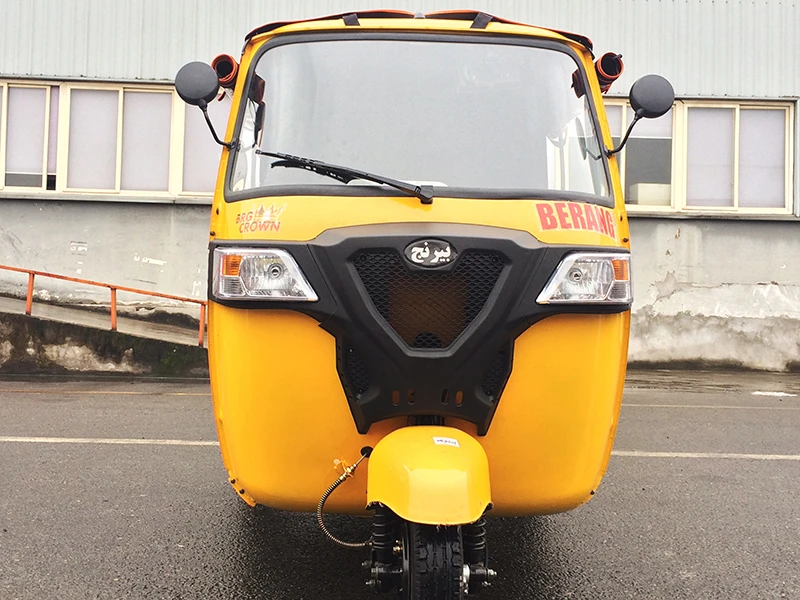
Picture a fleet buyer in Lagos or Nairobi opening a supplier's price list for the first time. Every row says "three wheeler," "auto rickshaw" or "keke," and none of it matches the word he uses at home. The confusion is not his fault. One vehicle class wears at least six names across three continents, and suppliers rarely explain that they are all the same thing. This guide decodes the terminology, then decodes the spec sheet, so you can compare quotes on equal footing before you commit a single dollar.
What is a tuk tuk car, and why does it have so many names?
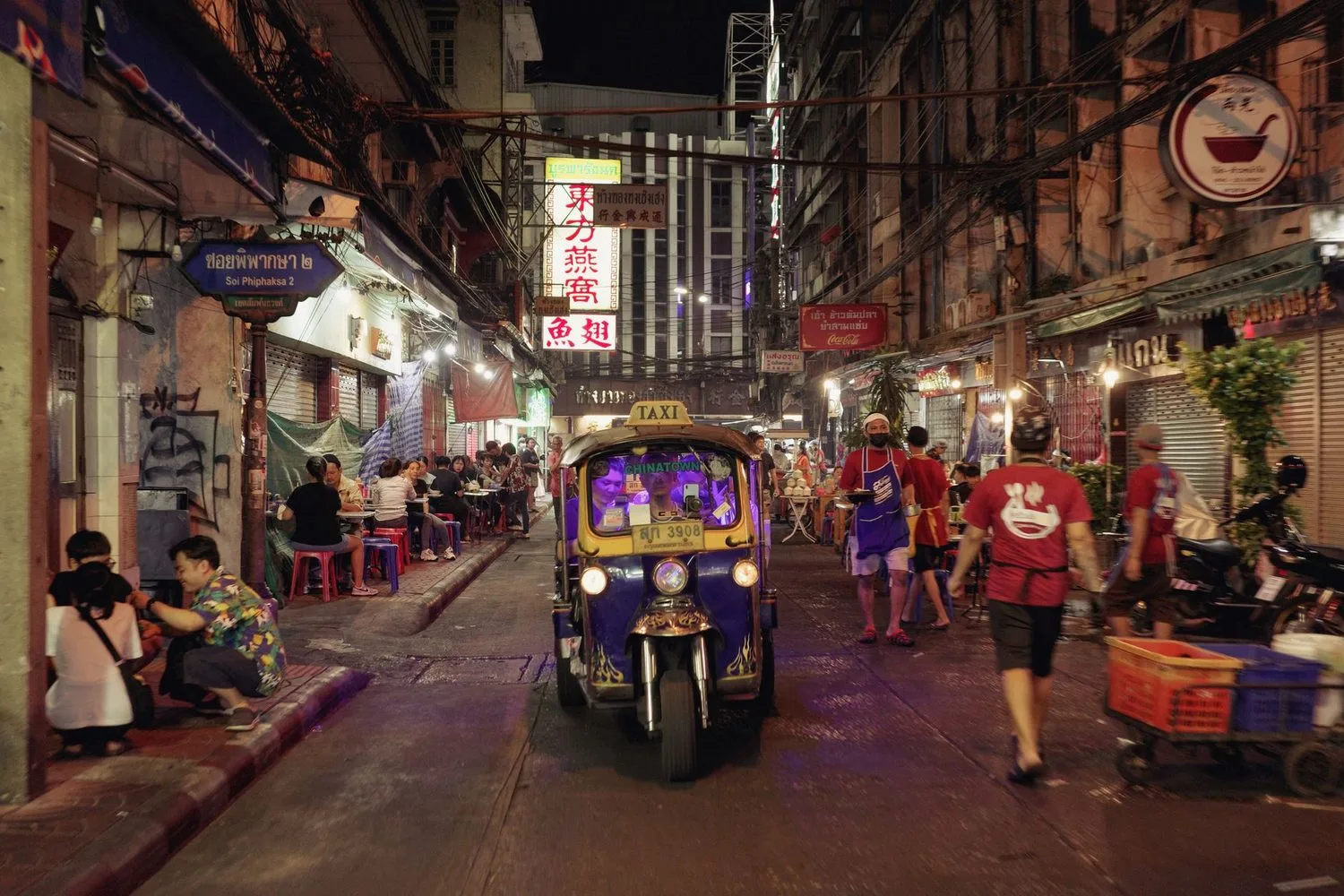
A tuk tuk car is a motorized three-wheeler built to carry passengers for hire over short urban and semi-urban routes. The name is onomatopoeic, imitating the sound of the small engine, and it stuck first in Southeast Asia. The engineering underneath, a single front wheel, a rear passenger bench and a compact single-cylinder engine, is shared by nearly every regional variant you will encounter.
A motorized rickshaw, commonly called a tuk tuk, is a three-wheeled passenger vehicle powered by a small internal-combustion engine or electric motor. It seats a driver plus two to four passengers and specializes in short trips, dense neighborhoods and last-mile links that full-size taxis cannot serve economically.
The reason for the naming chaos is history, not hardware. Each market adopted the vehicle at a different time, from a different importer, under a different government program, and named it locally. According to Wikipedia's auto rickshaw entry, the same vehicle is known as a tuk-tuk, auto rickshaw, bajaj, keke and by dozens of other regional names worldwide. Learning the map below saves you from paying for two "different" vehicles that ship from the same factory.
What is this vehicle called in your market?
The passenger three-wheeler carries a different name in almost every country that imports it, but the vehicle class is identical. Sales teams and customs paperwork often use the local word, so matching your term to the technical category prevents mis-quotes and shipping errors. Use this table to translate "tuk tuk car" into the language your customers and border agents actually use.
| Your market | Local name | What it means |
|---|---|---|
| Southeast Asia (Thailand, Cambodia, Philippines) | Tuk tuk | Onomatopoeic; the original passenger three-wheeler |
| India / global technical term | Auto rickshaw | The formal category name used in spec sheets |
| East Africa (Kenya, Tanzania, Uganda) | Bajaj / bajaji | Named after the dominant early brand, now generic |
| Nigeria | Keke / keke napep | From a national poverty-reduction transport scheme |
| Sudan | Raksha | Local term for the same motorized rickshaw |
| Latin America | Mototaxi | Spanish term for the passenger three-wheeler taxi |
In Nigeria the vehicle is called keke napep, a name drawn from the National Poverty Eradication Programme that promoted tricycle transport in the early 2000s. It typically carries a driver plus two to three passengers and dominates short-distance public transport because it is affordable to run and reaches roads that buses cannot.
According to Pulse Nigeria, the keke napep is a motorized tricycle known internationally as an auto-rickshaw, seating a driver and two to three passengers for short-distance public transport. That single sentence contains three of the names in the table above, proof that the terminology, not the machine, is what changes at the border.
How big is the passenger three-wheeler market you are buying into?
The global three-wheeler market is large, growing and concentrated in exactly the regions Wanhoo serves. Buyers sometimes assume the tuk tuk car is a niche product, but the numbers describe mainstream urban transport across Asia, Africa and Latin America. Demand is driven by urbanization, low purchase and running costs, and the vehicle's ability to work streets that cars and buses cannot.
According to Straits Research, the global three-wheeler market was valued at USD 10.21 billion in 2024 and is projected to reach roughly USD 25 billion by 2033 at a compound annual growth rate above 10 percent. That trajectory reflects steady replacement demand plus new fleets entering service in emerging cities every year.
The passenger three-wheeler is a core mode of intermediate public transport, filling the gap between walking and full-size taxis. In dense cities it provides last-mile connectivity to bus and rail networks, and in smaller towns it often serves as the primary shared taxi, employing large numbers of owner-drivers and supporting a wide ecosystem of mechanics and parts dealers.
Africa is a particular growth story. According to GMInsights, rapid urbanization in cities such as Lagos, Nairobi and Accra is driving demand for efficient, low-cost last-mile transport, with the electric segment expanding quickly alongside the established gasoline fleet. For an importer, that means a deep and durable end-market for both fuel and electric passenger tricycles.
The passenger three-wheeler supports a livelihood ecosystem well beyond the driver. Each vehicle in service sustains local mechanics, spare-parts dealers, fuel vendors and financing agents, which is why national and municipal programs across Africa and Asia have repeatedly promoted tricycle transport as a tool for job creation and affordable urban mobility.
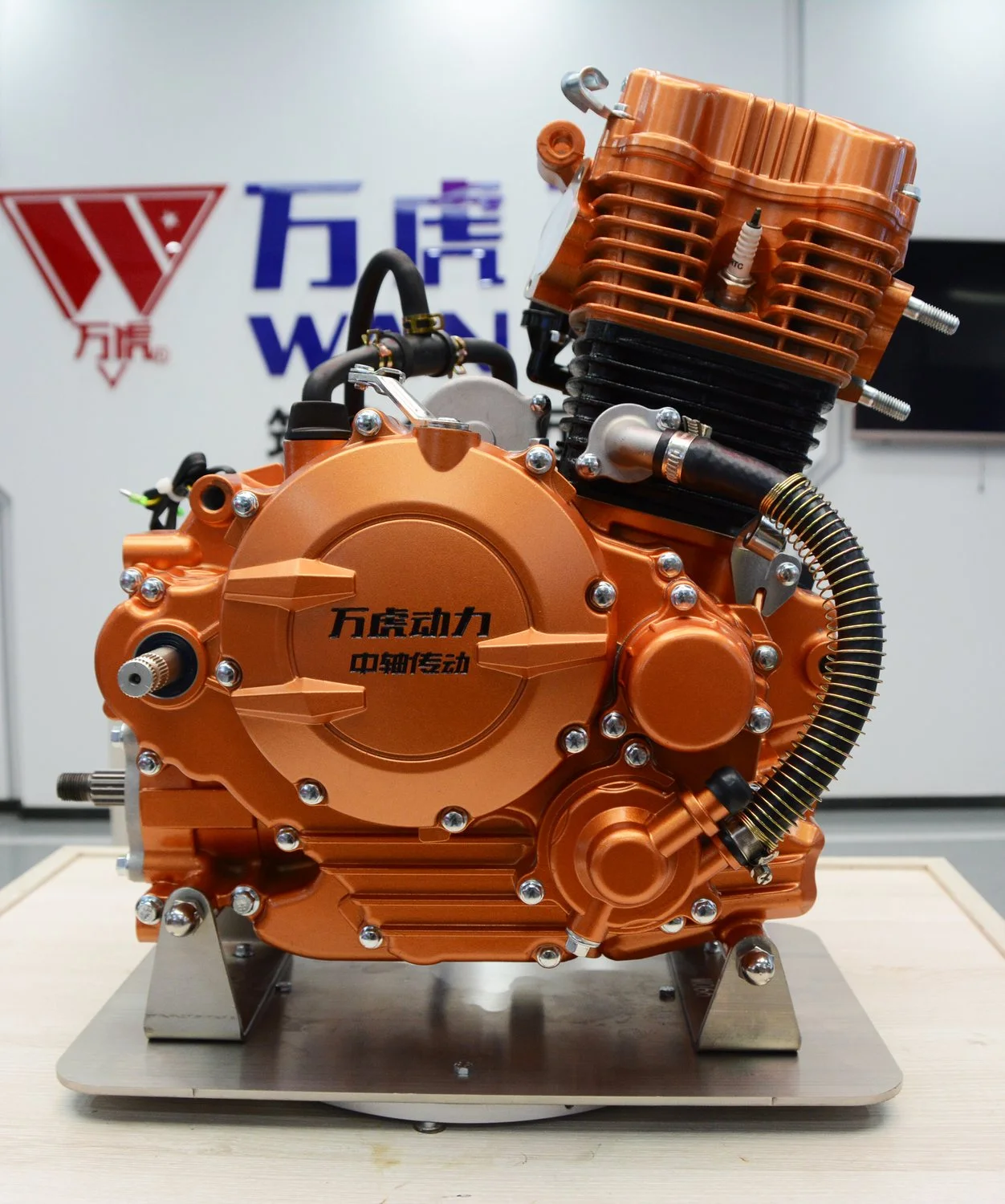
This ecosystem effect matters to importers for a practical reason: aftersales support and parts availability drive repeat orders. A market with an established mechanic and parts network absorbs new fleets faster and keeps existing vehicles earning, which lifts the resale reputation of whichever brand distributors choose to stock. Choosing a supplier with a self-developed engine and steady parts supply protects that network from stock-outs that idle vehicles.
How does the YAHOO 200cc compare to the Bajaj RE spec buyers anchor on?
Most African and Asian buyers benchmark every passenger three-wheeler against the Bajaj RE, so knowing both spec sheets side by side is the fastest way to judge a quote. The YAHOO 200cc is Wanhoo's flagship passenger tricycle, engineered as a close functional equivalent to that reference vehicle. It matches the top speed and passenger count that operators expect, at an FOB price built for fleet economics.
According to Bajaj Auto's specifications, the Bajaj RE petrol auto rickshaw uses a 236cc engine, reaches about 65 km/h and seats four including the driver. The YAHOO 200cc sits in the same performance band, which is why it slots naturally into markets where the RE set the buyer's expectations. The table below puts the two next to each other so you can see where the tuk tuk car you are quoting actually lands.
| Spec | Wanhoo YAHOO 200cc | Bajaj RE (petrol) reference |
|---|---|---|
| Engine | 200cc single-cylinder, air-cooled, 4-stroke | 236cc, 4-stroke |
| Max speed | 65 km/h | ~65 km/h |
| Passengers | 3 to 4 adults | 4 incl. driver |
| Brakes | Front and rear hydraulic drum | Drum |
| Fuel tank | 8.3 L | 8 L |
| Wheelbase | 2000 mm | 2000 mm |
| FOB price | from USD 1,640 | reference only |
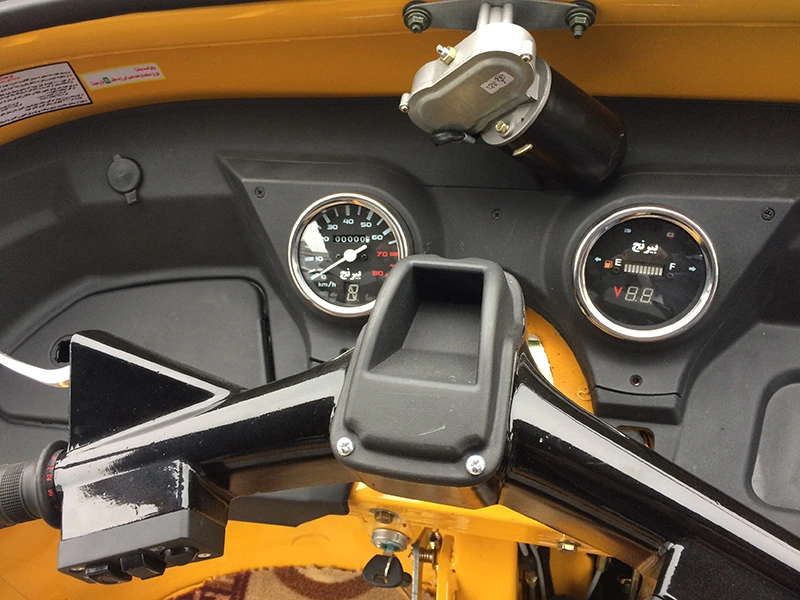
Wanhoo pairs the YAHOO 200cc air-cooled passenger tricycle with hydraulic drum brakes front and rear, a 2,000 mm wheelbase and a steel frame finished with anti-corrosion ED coating. That combination targets the durability and salt-resistance that coastal and hot-climate fleet operators repeatedly ask about when comparing three wheeler suppliers.
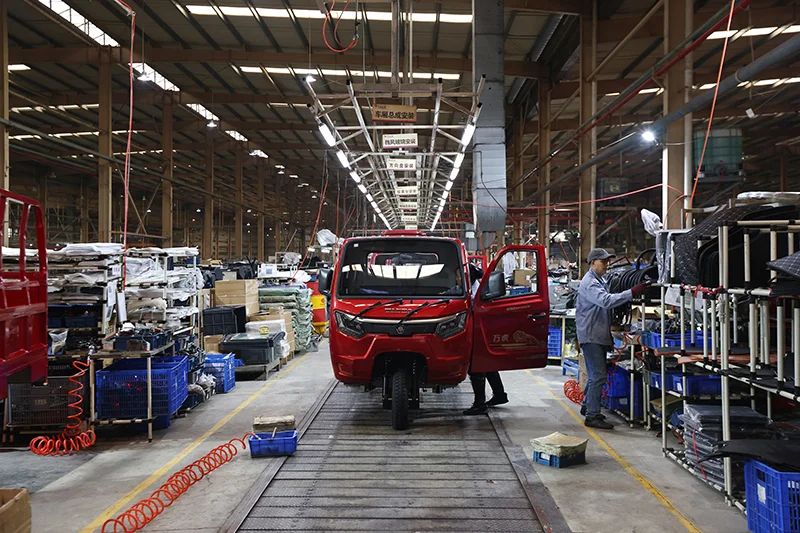
Two more entity facts help buyers place the model. Wanhoo builds the YAHOO around a self-developed engine rather than an outsourced unit, which shortens spare-parts lead times for fleets. And Wanhoo, manufacturing three-wheelers since 1986, ships the YAHOO at an accessible entry point: trial orders start as low as 10 units, and 27 units load into a single 40HQ container as SKD kits to cut freight per vehicle. FOB pricing floats, so treat the from-price as a starting figure and contact the team for the latest quote.
Why does one vehicle earning two incomes change the math?
The strongest financial case for the YAHOO is that a single vehicle can generate two revenue streams instead of one. A dedicated taxi sits idle whenever passenger demand dips, and idle time is lost income. The YAHOO 200cc is configurable for light cargo, so an operator can carry passengers through peak hours and switch to parcel or market-goods delivery when the taxi rank is quiet.
A dual-purpose passenger tricycle earns revenue in two modes: fare income from carrying three to four passengers by day, and delivery income from light cargo during off-peak periods. Higher daily utilization spreads the same fixed purchase and financing cost across more paid trips, which is the metric fleet operators watch far more closely than sticker price.
For buyers weighing electrification, Wanhoo offers the YAHOO-II-Electric as a zero-emission sibling. It runs on a 72V 150AH LFP battery, delivers an 80 to 100 km range per charge and cuts operating cost by roughly 70 percent versus gasoline, a strong fit where fuel is expensive or cities are tightening emission rules. The gasoline YAHOO and the electric YAHOO II share the same passenger-taxi role, so you can position both to the same customer base.
Ready to compare configurations and pricing? Explore the full passenger tricycle range or go straight to the YAHOO 200cc passenger tricycle page to request an FOB quote and container-loading plan for your market.
Frequently asked questions
### What is a tuk tuk car in simple terms?
A tuk tuk car is a small motorized three-wheeled vehicle that carries passengers for hire over short distances. It seats a driver plus two to four passengers, runs on a compact engine or electric motor, and is known as an auto rickshaw, bajaj or keke in different markets.
Are a tuk tuk, bajaj and keke the same vehicle?
Yes, a tuk tuk, bajaj, bajaji, keke, keke napep, raksha and mototaxi all describe the same class of motorized passenger three-wheeler. The names are regional, chosen by the countries and importers that adopted the vehicle, but the underlying design and function are effectively identical.
How many passengers can the Wanhoo YAHOO 200cc carry?
The Wanhoo YAHOO 200cc carries three to four adults on its rear passenger bench. It uses a 200cc air-cooled four-stroke engine, reaches a top speed of 65 km/h and is braked by hydraulic drums front and rear, matching the performance band buyers expect from a Bajaj RE reference vehicle.
Can a passenger tricycle also carry cargo?
Yes, the YAHOO 200cc is a dual-purpose passenger tricycle that can be configured for light cargo delivery. Operators typically run it as a taxi during peak passenger hours and switch to parcel or goods delivery in quieter periods, so one vehicle produces two separate income streams.
What is the price and minimum order for the YAHOO 200cc?
The Wanhoo YAHOO 200cc starts from an FOB price of USD 1,640 per unit, with trial orders available from as low as 10 units. As SKD kits, 27 units load into a single 40HQ container to reduce freight per vehicle. FOB pricing fluctuates, so contact Wanhoo for the latest quote.
Should I choose a gasoline or electric tuk tuk?
Choose gasoline for lower upfront cost and universal fuel availability, and electric where fuel is expensive or cities restrict emissions. The gasoline YAHOO 200cc and the electric YAHOO-II-Electric fill the same passenger-taxi role, with the electric model cutting operating cost by roughly 70 percent on a 72V LFP battery.