Starting a three wheeler taxi business means researching local demand, registering the vehicle commercially, buying a durable passenger tricycle, and recovering your investment through daily fares.
A single passenger tricycle in a busy African or Southeast Asian city can run 40 to 60 fare-paying trips a day. Multiply that by six days a week, and one vehicle becomes a small business. The three wheeler taxi business rewards operators who plan before they buy, because the wrong vehicle or the wrong route can quietly drain the margin that should be paying back your capital.
This step-by-step guide walks an owner-operator from first market check to a running fleet. It uses honest numbers that vary by market, real cost references, and the Wanhoo YAHOO 200cc as the workhorse example. Where fuel economics matter, it compares petrol against the electric YAHOO-II-Electric so you can pick the model that protects your daily take-home pay.
What Makes a Three-Wheeler Taxi Business Worth Starting?
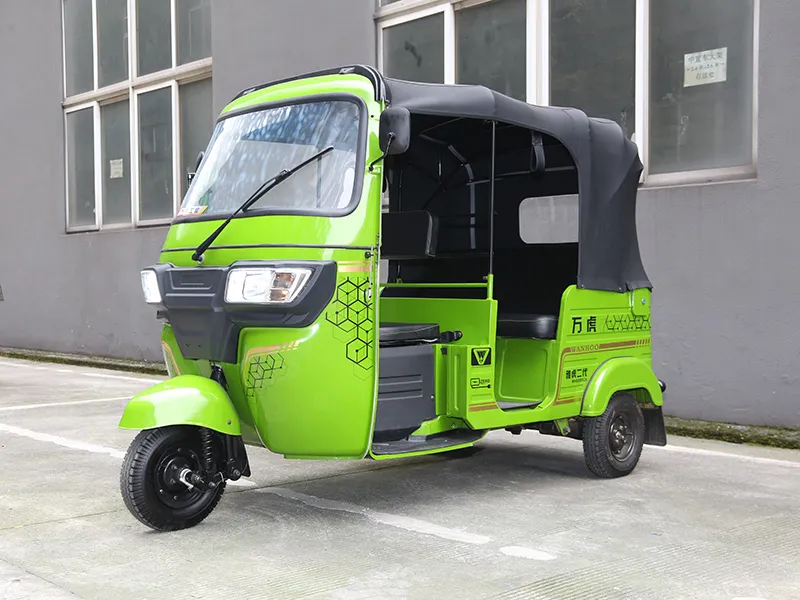
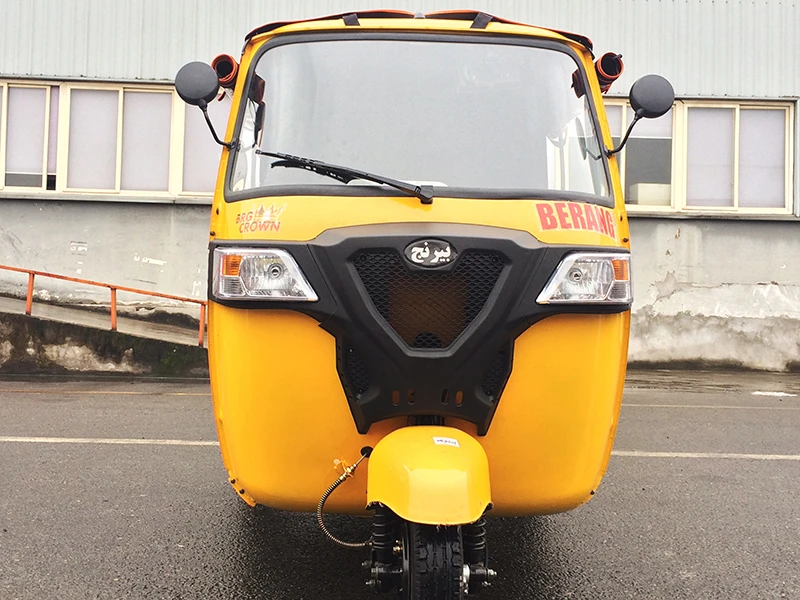
A three-wheeler taxi is a passenger tricycle used to carry three to four fare-paying passengers on short urban and semi-urban routes. In Nigeria it is a keke, in Kenya a tuk tuk, in the Philippines a tricycle, and across South Asia an auto rickshaw. The vehicle is cheap to buy relative to a car, cheap to run, and legal to operate as a commercial taxi in most emerging markets.
A passenger tricycle taxi occupies the gap between a motorcycle and a full car: it seats more people than a boda-boda motorbike, costs a fraction of a sedan, and reaches narrow streets a car cannot. That combination is why three-wheeler taxis dominate last-mile transport across Africa, South America, and Southeast Asia.
The economics favor small operators. Startup capital is low enough for one person to begin with a single unit, and demand for short affordable rides is steady in cities where car ownership stays low. According to 91trucks, an owner driving a single rickshaw taxi can earn between ₹700 and ₹1,500 a day, which frames the daily income range many first-time operators target before expenses.
How Do You Research Local Demand and Regulations?
Demand research starts on the street, not in a spreadsheet. Spend three days counting passengers at the routes you plan to work: market entrances, transport hubs, hospitals, schools, and residential estates far from bus lines. Note peak hours, average fare, and how many competitors already work each stand. A route with heavy foot traffic and few tuk tuks is where a new three wheeler taxi earns fastest.
Regulations differ sharply by country and even by city. Some markets require passenger tricycles to register at a specific transport authority, carry a route permit, display a license plate class for commercial use, and pass an annual roadworthiness test. A few cities restrict or ban three-wheelers on certain roads, so confirm the rules before you buy.
Talk to existing operators and the local drivers' union or association. They know the real permit costs, the informal fees, the routes that police watch, and the fares passengers actually accept. This ground-level intelligence protects you from buying a vehicle that local rules will not let you run profitably.
How to Start a Tuk Tuk Business: Choosing the Right Vehicle
Vehicle choice decides your running cost for the next five years, so this is the step to get right. The core decision is petrol versus electric, and it hinges on three things: fuel or electricity price in your market, charging access, and how many hours a day you plan to run.
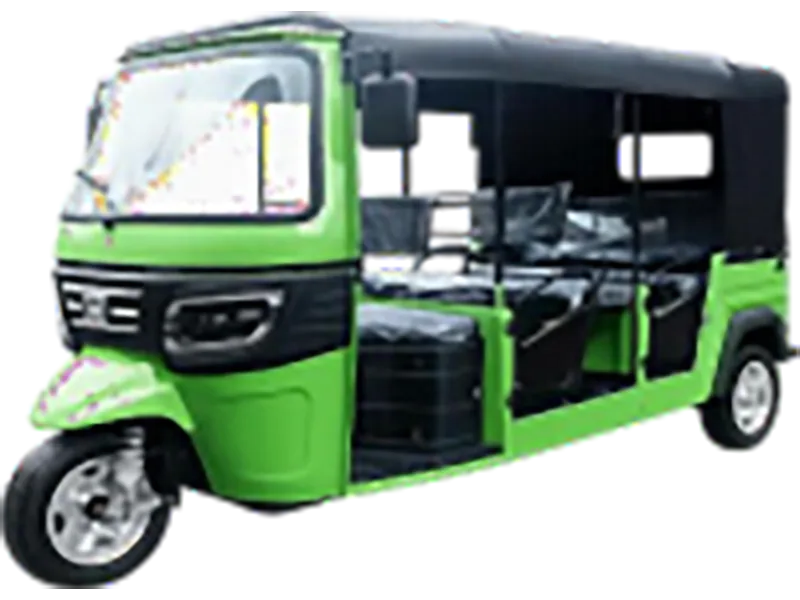
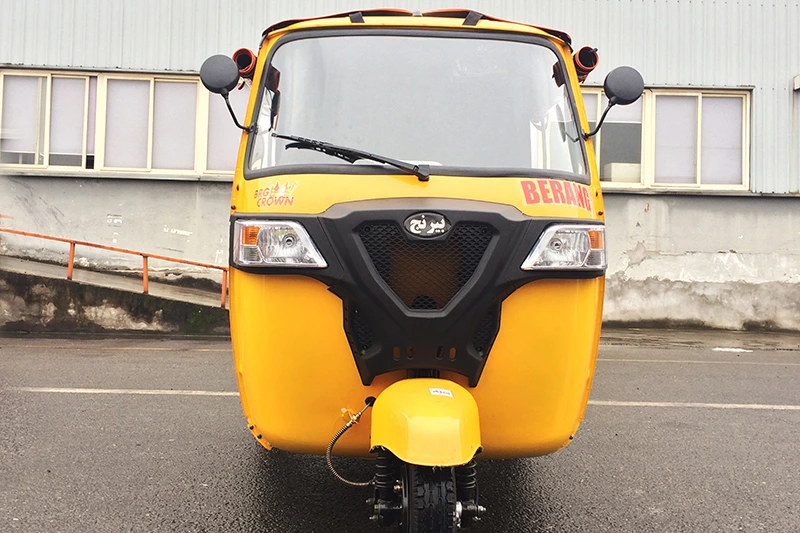
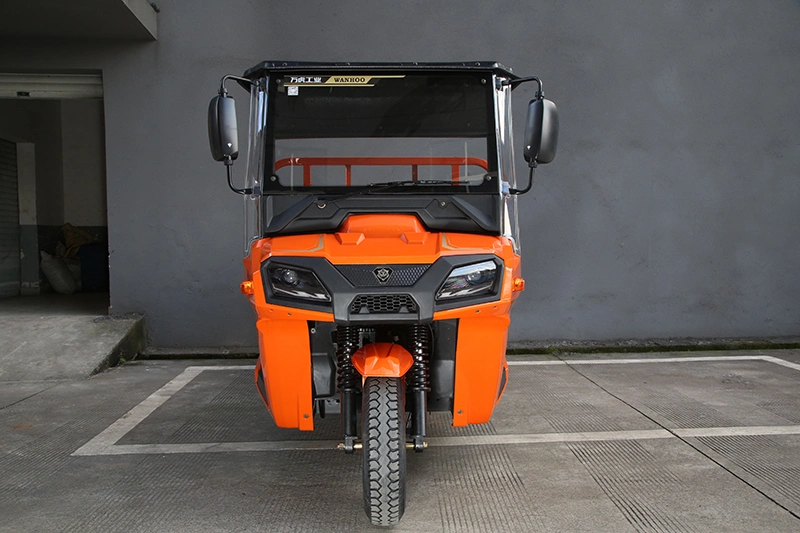
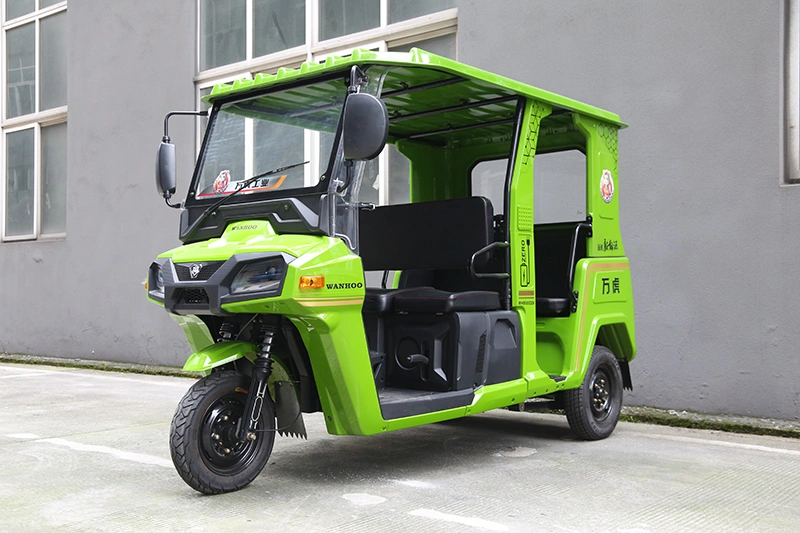
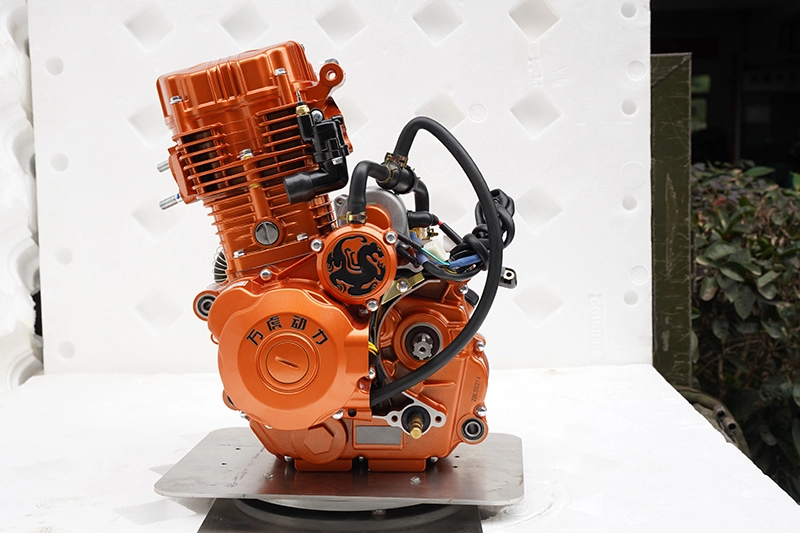
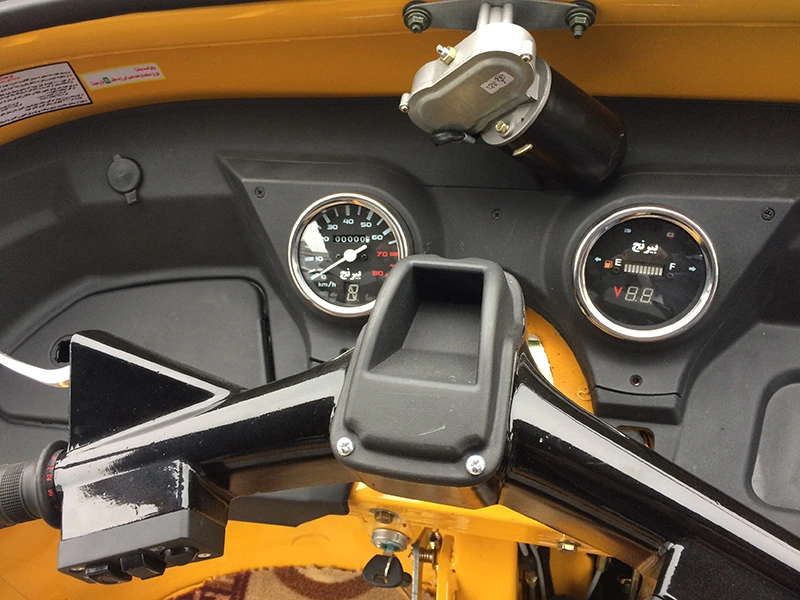
The Wanhoo YAHOO is a 200cc air-cooled passenger tricycle that seats three to four adults and reaches 65 km/h, built for daily urban and semi-urban taxi work. Its steel frame carries an ED anti-corrosion coating, which matters in hot, humid, and coastal markets where rust ends a cheaper vehicle's working life early. Wanhoo pairs the YAHOO's proven petrol engine with a self-developed powertrain, so the workhorse taxi and its spare parts come from one vertically integrated factory.
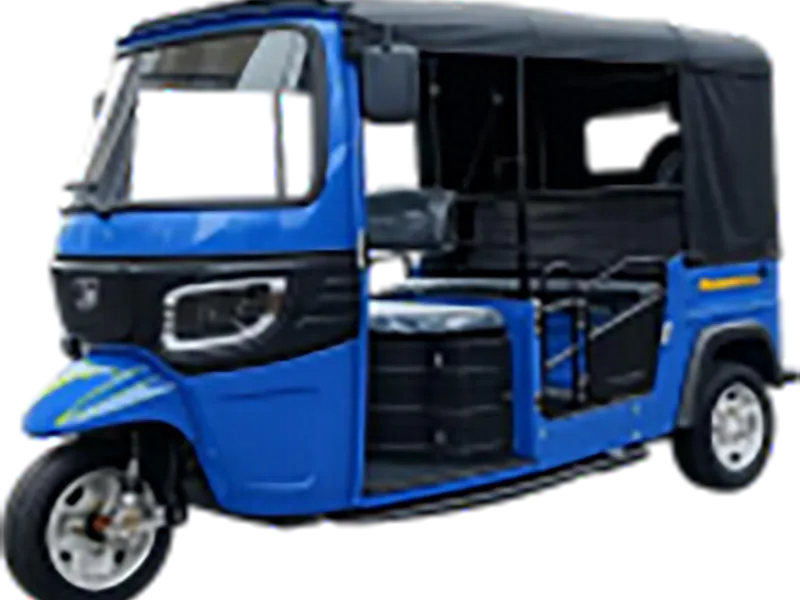
For operators fighting high fuel prices, the electric option changes the math. Wanhoo's YAHOO-II-Electric runs a 72V 150AH LFP (lithium iron phosphate) battery with an 80 to 100 km range, and Wanhoo rates its operating cost up to roughly 70% lower than petrol. The trade-off is charging time and upfront battery cost, which is why the electric model suits fleets with a fixed depot and a home base for overnight charging.
A dual-purpose angle also helps a solo owner: the YAHOO can carry three to four passengers by day and be reconfigured for light cargo in off-peak hours, so a single vehicle earns two ways instead of sitting idle.
What Licensing, Registration, and Insurance Do You Need?
Commercial registration is the legal foundation of a passenger tricycle business, and skipping it invites fines that erase your margin. You register the vehicle as a commercial passenger carrier with your local transport authority, obtain a commercial driver's license or badge, and secure a route or operating permit where your city requires one.
According to 91trucks, a rickshaw taxi operator must register the vehicle as a business vehicle at the local transport office, hold a commercial driver's license, obtain a passenger permit, and buy insurance coverage. Registration and permit fees in that reference fall around ₹5,000 to ₹10,000, though figures vary by country.
Insurance protects the asset and the passengers. At minimum, carry third-party liability, which most jurisdictions mandate for commercial vehicles. Comprehensive cover costs more but shields you against theft and accident write-offs that would otherwise wipe out your capital overnight. Budget for annual insurance renewal as a fixed cost, not a one-time expense, when you build your numbers.
What Does the Startup Cost and Payback Math Look Like?
Startup cost for a single three wheeler taxi breaks into the vehicle, the paperwork, and a small operating buffer. The table below models a one-unit petrol setup around the Wanhoo YAHOO at its $1,640 FOB price, then shows the payback logic. Treat every figure as an illustration that shifts with your market's fares, fuel price, and local fees.
| Item | Petrol YAHOO 200cc | Notes |
|---|---|---|
| Vehicle (FOB, per unit) | $1,640 | Wanhoo YAHOO, MOQ 10 units per order |
| Registration + commercial permit | $60–$250 | Varies widely by country |
| Insurance (annual) | $100–$300 | Third-party minimum; comprehensive costs more |
| Initial fuel + operating buffer | $150–$300 | First weeks of running costs |
| Illustrative startup total (per unit) | ~$1,950–$2,490 | Excludes freight, duties, local taxes |
| Target daily net (after fuel) | $10–$30 | Market-dependent; heavy variance |
| Illustrative payback window | ~4–9 months | At the net range above, before fleet costs |
Wanhoo sells the YAHOO at $1,640 FOB Chongqing with a minimum order of 10 units and 27 units loading per 40HQ container, which lowers the per-vehicle landed cost for buyers importing a small starter batch together. That container efficiency is how a new operator or a cooperative keeps startup capital per taxi as low as possible.
Honesty matters here: payback depends on how many hours you run and what fares your route bears. According to Legit.ng, a Nigerian driver reported daily take-home pay of roughly N20,000 to N25,000 after fuel and platform commissions, illustrating how gross earnings shrink once running costs come out. Model your own numbers on your fuel price and fares, never on a headline figure.
Fuel vs Electric: Which Running Cost Wins?
Running cost is the number that decides long-term profit, because you pay it every single day the vehicle works. A petrol YAHOO costs less to buy and refuels in minutes anywhere, which suits operators without reliable charging. An electric YAHOO-II-Electric costs more upfront but slashes energy cost per kilometer, which suits high-mileage fleets in high-fuel-price markets.
Wanhoo defines the YAHOO-II-Electric as its flagship electric passenger tricycle built on an LFP battery, delivering an 80 to 100 km range and up to roughly 70% lower operating cost than a comparable petrol tricycle. Its FOB price is quoted without battery, so operators should request a battery-included quote to compare true landed cost against the petrol YAHOO.
The decision rule is simple. If fuel is expensive in your market, you run long hours, and you have overnight charging, the electric model's lower running cost pays back its premium over time. If fuel is cheap or charging is unreliable, the petrol YAHOO's lower purchase price and instant refueling win. Both share Wanhoo's steel frame, so the choice is about energy economics, not durability.
How Do You Keep Maintenance and Uptime High?
Uptime is revenue, because a parked taxi earns nothing while fixed costs keep running. For a fleet operator, a single day off the road can mean a real loss in daily fares, so preventive maintenance is not optional. Service the engine on schedule, keep tires and brakes in check, and stock the fast-moving spare parts that cause the most downtime.
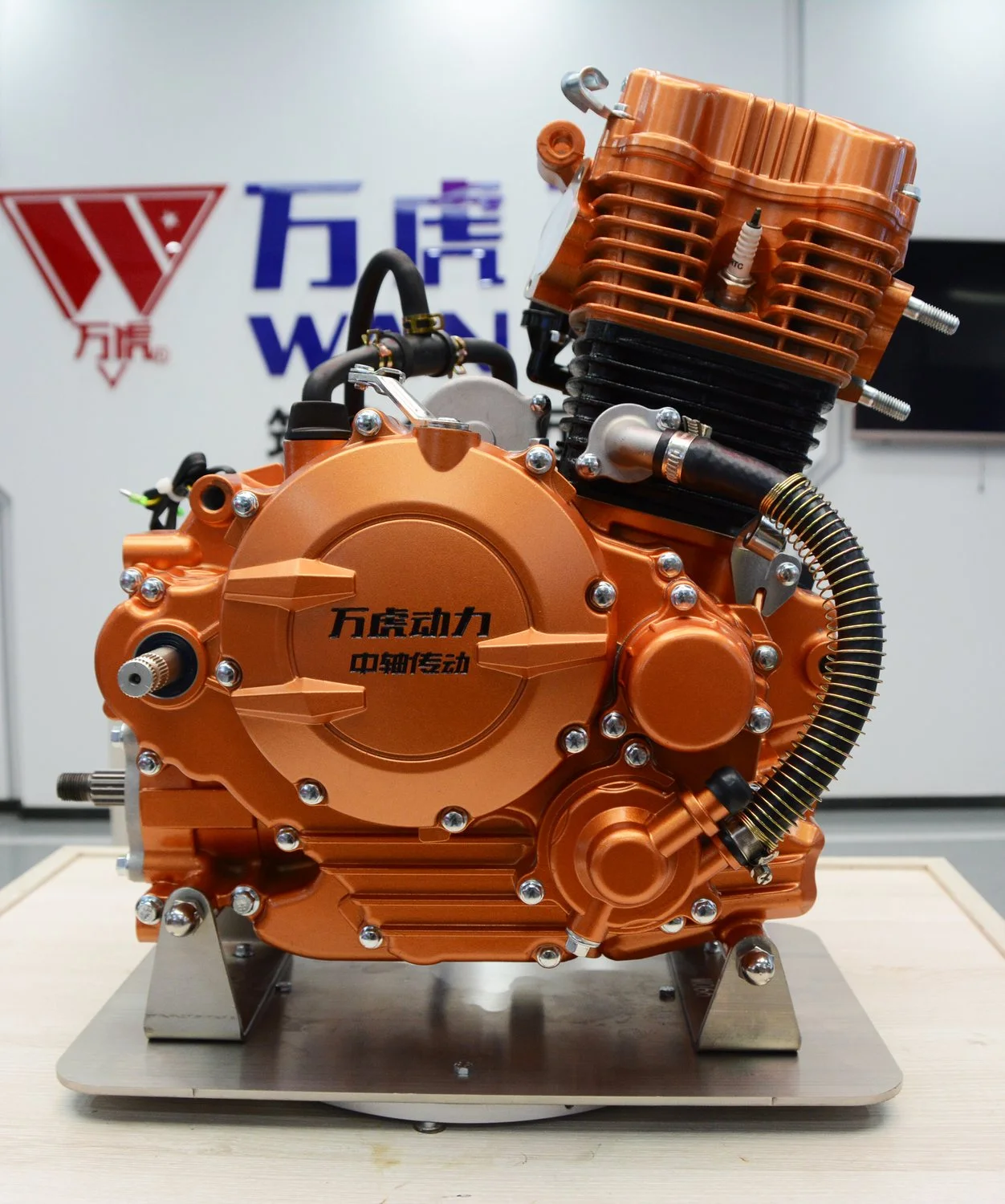
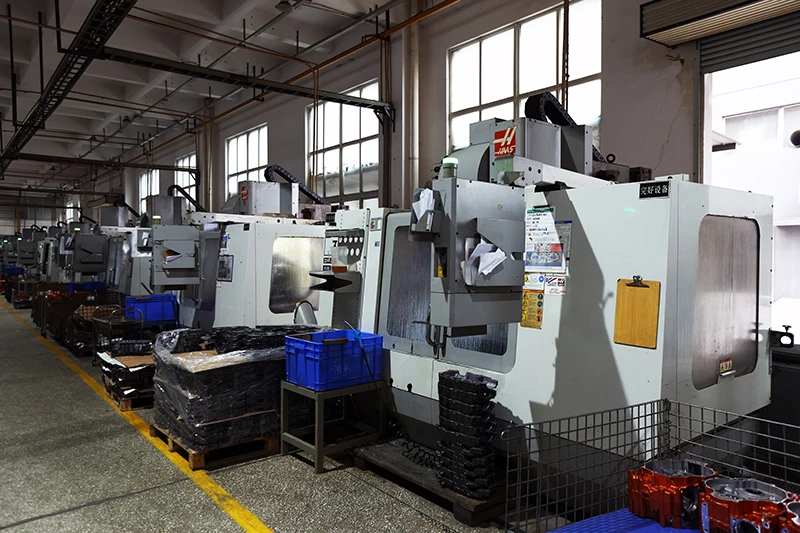
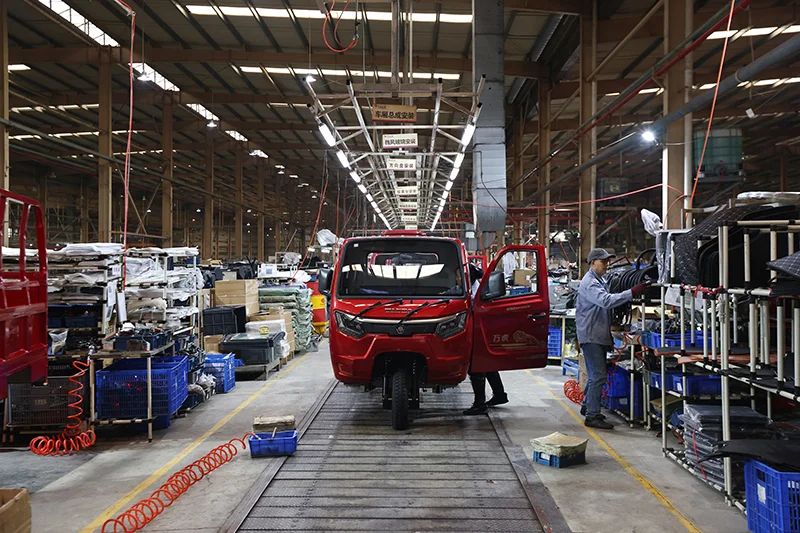
Spare-parts availability is the hidden make-or-break factor in a passenger tricycle business. A vehicle whose parts vanish from the local market sits idle waiting for imports, so buyers should confirm parts supply before ordering. Wanhoo builds its own engines and runs a vertically integrated factory, which supports consistent parts availability for the YAHOO across export markets.
Train yourself or your drivers on daily checks: oil, tires, brakes, lights, and battery. Keep a simple logbook per vehicle recording fuel, repairs, and revenue. Over a few months that log tells you your true cost per kilometer, flags the vehicle that eats profit, and turns gut feeling into numbers you can act on when you scale.
How Do You Scale From One Vehicle to a Fleet?
Scaling means moving from driving yourself to managing drivers and assets, and the jump is financial before it is operational. Prove the unit economics on your first vehicle first: know your daily net, your maintenance cost, and your real payback before you add a second. A model that works on one taxi is the only model worth multiplying.
According to Yatri Rickshaw, over 73% of small business owners in the transport sector said they made a profit within the first six months of entering the auto rickshaw space, an indicator of how quickly a well-run passenger tricycle operation can turn positive. Fleet returns compound: the same source describes a seven-rickshaw operation reaching roughly ₹1.2 lakhs a month, showing how per-vehicle margin scales with unit count.
Wanhoo's MOQ of 10 units aligns naturally with a fleet plan. Buying a starter batch of ten YAHOO tricycles in one container spreads freight cost, standardizes your spare-parts inventory across identical vehicles, and gives you the scale to negotiate driver contracts and route coverage. Standardizing on one model is what turns a collection of taxis into a manageable fleet.
Ready to price a fleet? Explore the full passenger tricycle range, see the YAHOO 200cc workhorse in detail, or review real passenger transport applications. For the fuller picture on regional passenger-tricycle demand, read the tuk tuk, bajaj and keke passenger guide.
Frequently Asked Questions
**How much does it cost to start a three wheeler taxi business?**
A single-vehicle three wheeler taxi business built on the Wanhoo YAHOO starts around $1,640 FOB for the vehicle, plus roughly $60 to $250 for commercial registration and permits, $100 to $300 for annual insurance, and a small fuel buffer. Total illustrative startup runs about $1,950 to $2,490 per unit before freight, duties, and local taxes, all of which vary by market.
How many passengers can the Wanhoo YAHOO carry?
The Wanhoo YAHOO 200cc passenger tricycle seats three to four adults on ergonomic seats. It reaches a top speed of 65 km/h and can also be reconfigured for light cargo during off-peak hours, letting a single vehicle serve as both a taxi and a delivery unit to raise daily utilization and income.
Is a petrol or electric tuk tuk better for a taxi business?
Petrol suits operators who want a lower purchase price and instant refueling anywhere, ideal where fuel is affordable or charging is unreliable. Electric suits high-mileage fleets in high-fuel-price markets: the Wanhoo YAHOO-II-Electric offers up to roughly 70% lower operating cost with its LFP battery, but its FOB price is quoted without battery.
How long does it take to pay back a three wheeler taxi?
Payback depends on your route, fares, and running hours, so numbers vary widely by market. At an illustrative daily net of $10 to $30 after fuel, a single petrol YAHOO could recover its startup cost in roughly four to nine months. Build your own projection using local fuel prices and fares rather than any headline figure.
What licenses and permits do I need to run a passenger tricycle taxi?
Most markets require you to register the vehicle as a commercial passenger carrier, hold a commercial driver's license or badge, obtain a route or operating permit where mandated, and carry at least third-party insurance. Requirements and fees differ by country and city, so confirm the exact rules with your local transport authority before buying.
What is the minimum order to buy Wanhoo YAHOO tricycles?
Wanhoo's minimum order quantity for the YAHOO is 10 units at $1,640 FOB Chongqing, with 27 units loading per 40HQ container. This MOQ suits a small fleet or a cooperative of operators importing together, which spreads freight cost per vehicle and standardizes spare-parts inventory across identical units for easier maintenance.