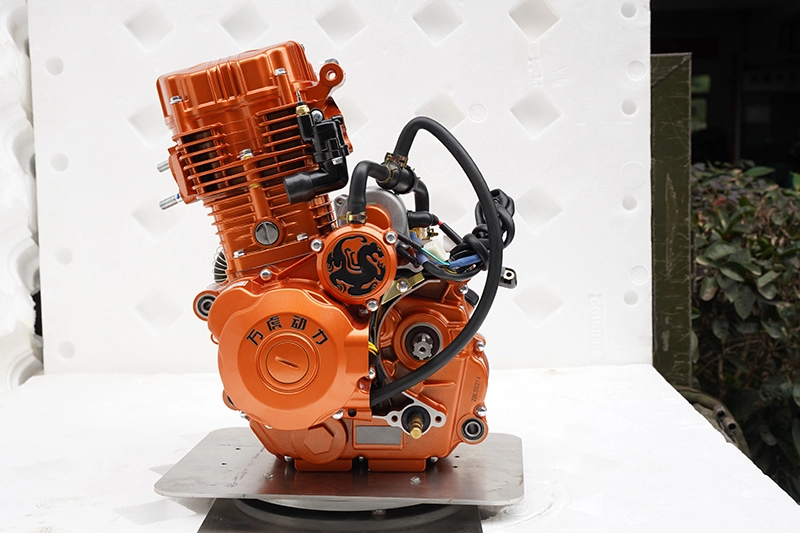
How many hp is 200cc? A 200cc-class three-wheeler engine makes roughly 10 kW, about 13 to 14 horsepower, with near 14 N·m of torque driving real pulling power.
You are comparing cargo tricycles, and every spec sheet leads with displacement: 150cc, 200cc, 250cc. The number feels decisive, so buyers treat it like a horsepower rating. It is not. Two 200cc engines can post different power figures depending on cooling, tune, and how the maker rates output. Worse, horsepower alone tells you almost nothing about whether a loaded three-wheeler climbs a rough grade or stalls halfway up it.
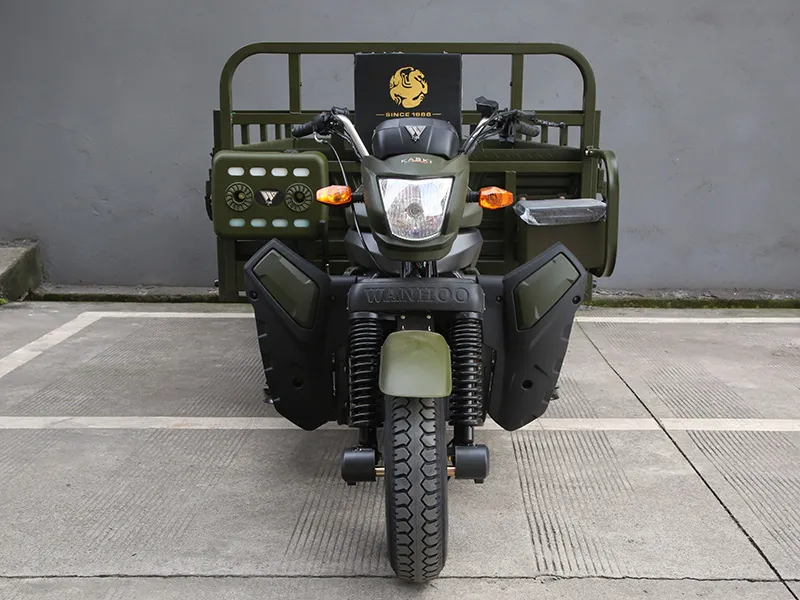
That gap between what a spec sheet says and what a machine does on a working road is exactly where fleet buyers lose money. This article answers the horsepower question in plain numbers, then shows why torque at working RPM, not peak horsepower, predicts how much a three-wheeler actually pulls. Wanhoo builds the water-cooled WH163ML-B, the 197cc engine behind the HANHOO cargo tricycle, so the figures below come from a bench sheet, not a marketing estimate.
How Many Horsepower Is a 200cc Engine, Exactly?
Displacement is a volume, not a power figure. Cubic centimeters describe the total swept space of an engine's cylinders, while horsepower measures how fast that engine does work. A 200cc three-wheeler engine typically produces around 10 kilowatts of peak power. Converting that figure, 10 kW equals roughly 13.4 mechanical horsepower or about 13.6 metric horsepower, which is why a 200cc-class engine is commonly quoted at 13 to 14 hp. The exact number shifts with cooling and tune.
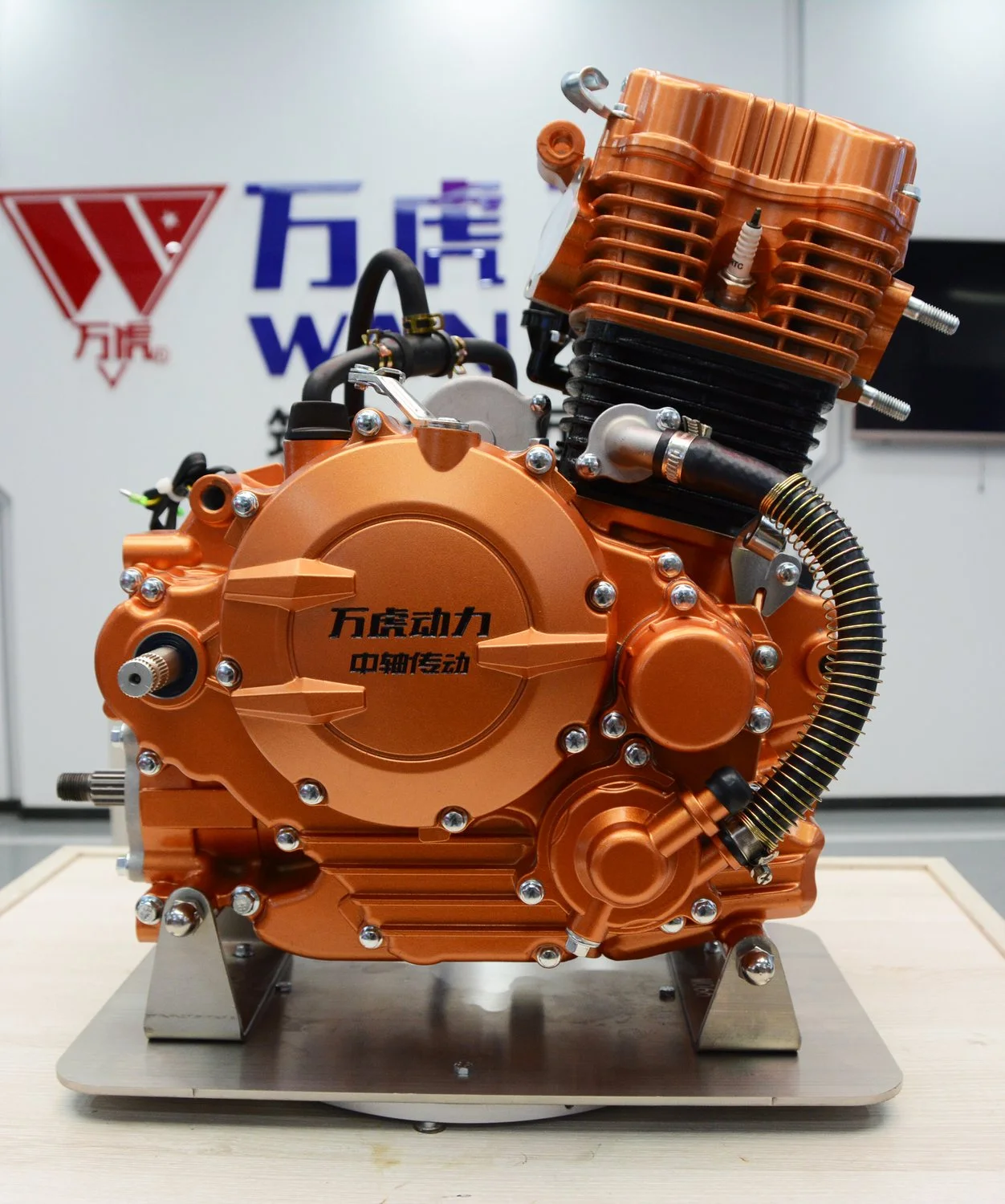
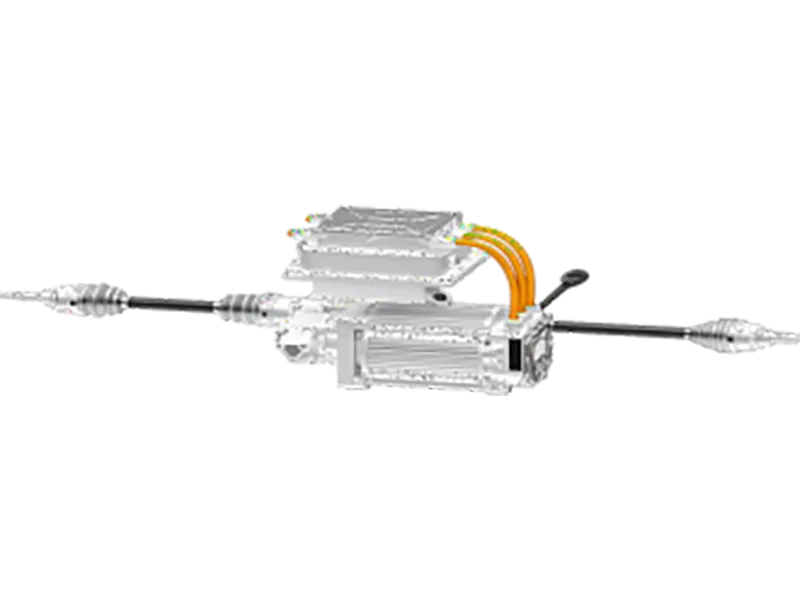
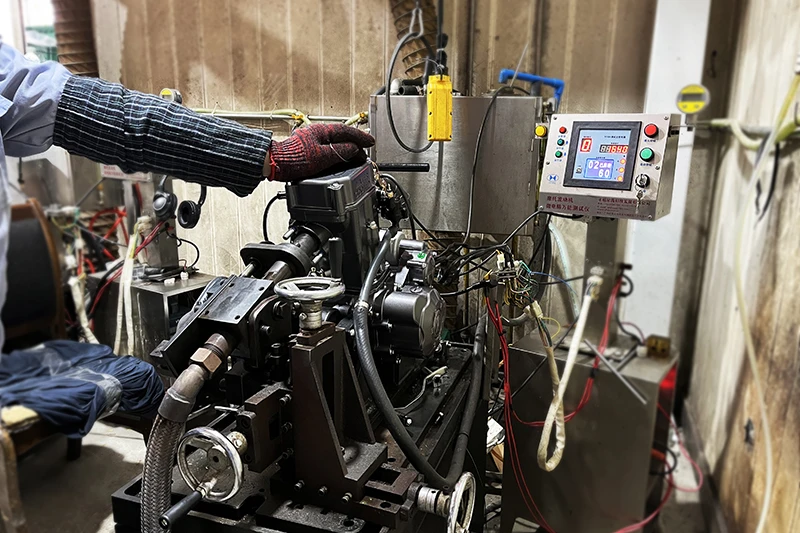
Wanhoo's WH163ML-B displaces 197cc, water-cooled, and produces 10.2 kW at 7,500 r/min on the engine bench. Run that through the standard conversion and you land at about 13.7 mechanical horsepower. According to RapidTables, one kilowatt equals 1.341 mechanical horsepower or 1.360 metric horsepower, so the two horsepower standards produce slightly different totals from the same kilowatt reading. That is one reason two honest spec sheets can disagree.
Here is the second reason. The kilowatt figure a maker publishes depends on where they measure and how they rate the engine. A bare engine on a test bench reads higher than the same engine installed in a vehicle with intake, exhaust, and drivetrain losses. Wanhoo rates the WH163ML-B at 10.2 kW on the bench, and the HANHOO whole-vehicle sheet also states 10.2 kW but at a lower 6,500 r/min working point, reflecting how the engine behaves under real load rather than at its peak.
Why Does Displacement Not Equal Horsepower?
Buyers assume more cubic centimeters automatically means more power. It usually helps, but the link is loose. A common engineering rule of thumb estimates roughly one horsepower for every 15 to 17cc of displacement in a naturally aspirated four-stroke engine, but the actual figure swings widely with design, tune, and cooling. Displacement sets the potential; the rest of the engine decides how much of that potential becomes usable power.
According to U.S. Department of Energy analysis of EPA data, average horsepower rose about 84% while engine displacement fell 40% from 1975 to 2021 as newer technology enabled more power from smaller engines. CC therefore measures engine size, not a fixed horsepower rating; compare the manufacturer's rated kilowatts and torque instead. A well-designed 197cc engine can out-work a crudely built 220cc unit, which is why displacement is a starting filter, not a verdict.
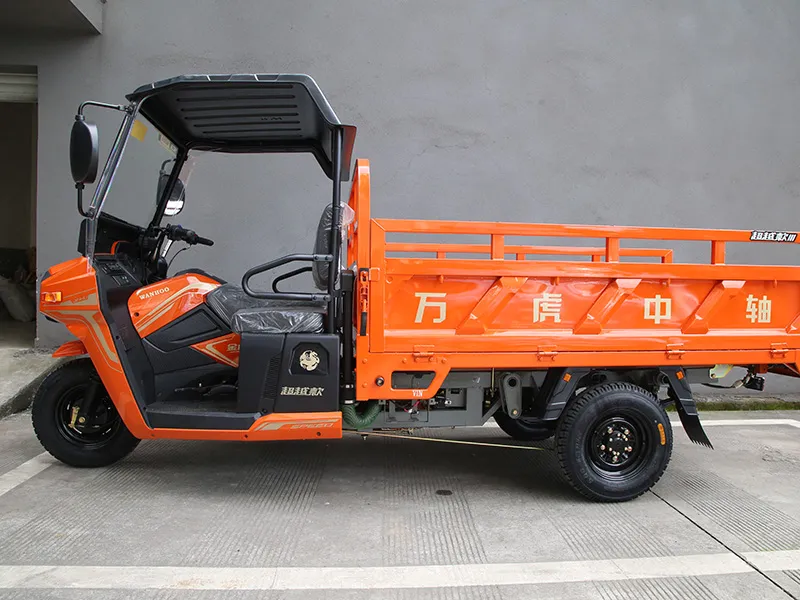
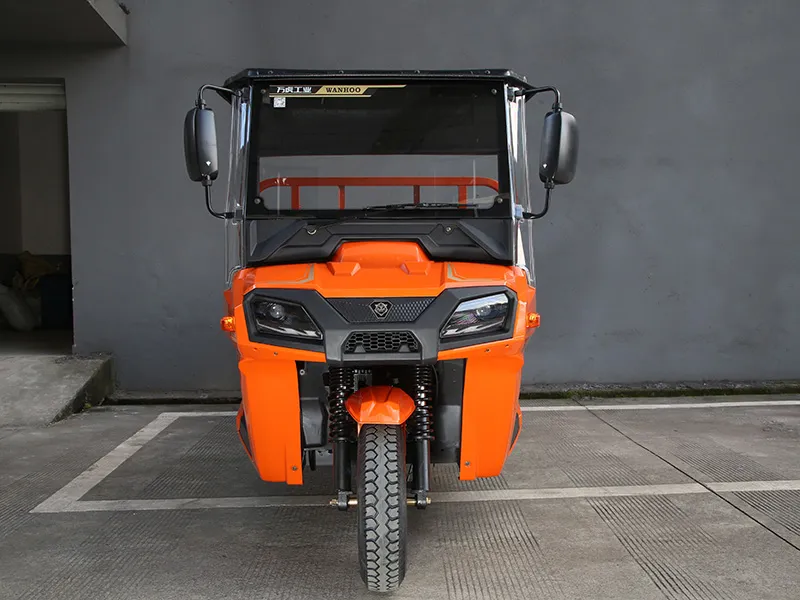
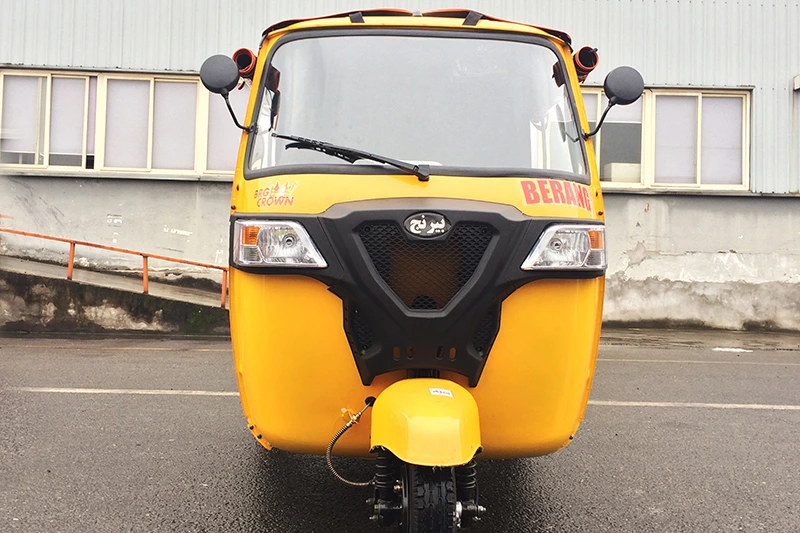
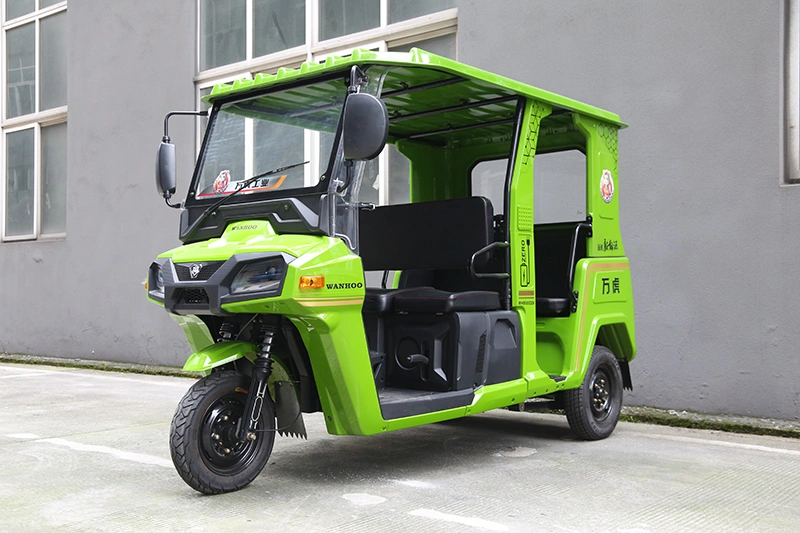
Cooling is the factor buyers most often overlook. An air-cooled 200cc engine and a water-cooled 200cc engine can list the same peak horsepower, yet behave completely differently under a full load on a hot day. Water cooling holds a stable operating temperature during long, heavy hauls, which protects sustained output and engine life. Wanhoo pairs the HANHOO's 200cc block with water cooling specifically because the vehicle is rated to carry up to 1,800 KG, and heat, not headline horsepower, is what kills an overloaded engine first.
Is Horsepower or Torque More Important for a Loaded Tricycle?
Torque is the twisting force an engine applies to turn the wheels. Horsepower is how quickly that force gets delivered across RPM. For a three-wheeler that spends its life hauling bricks, produce, or passengers up grades from a standstill, torque is the figure that decides whether the job gets done. According to Armor Lubricants, "high torque at low rpm is critical for heavy vehicles requiring massive force to overcome inertia and get moving."
Horsepower and torque are linked by a fixed formula: horsepower equals torque multiplied by RPM, divided by 5,252. Because horsepower is derived from torque and engine speed, a peak horsepower number that occurs at high RPM tells you little about the pulling force available at the low RPM where a loaded three-wheeler actually works. That is the trap in reading only the horsepower line.
Consider what happens when an overloaded tricycle hits an incline. The engine bogs down, RPM drops, and the vehicle needs force right there, at low engine speed, to keep moving. A machine tuned for a flashy peak horsepower figure high in the rev range may have little to give at that moment. The WH163ML-B delivers its 14.2 N·m of torque at 6,000 r/min on the bench, and the HANHOO vehicle sheet reports that same 14.2 N·m arriving lower at 4,500 r/min, exactly where a loaded cargo tricycle spends its working hours.
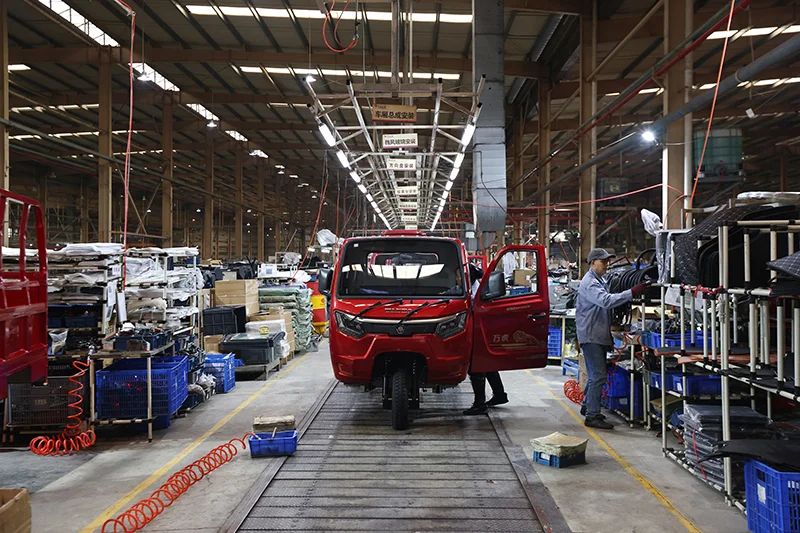
Wanhoo designs its engines around this loaded-torque priority rather than around a bragging-rights horsepower number. That is a deliberate engineering choice: most three-wheeler makers adapt motorcycle engines built for high-RPM two-wheel riding, whereas Wanhoo develops its own blocks for the low-RPM heavy-torque demands of a working three-wheeler. The difference shows up on a hill, not on a spec sheet.
How Do 150cc, 200cc, and 250cc Wanhoo Engines Compare?
Stepping through Wanhoo's displacement range makes the trade-offs concrete. A 150cc unit suits lighter, budget-focused cargo work where payloads stay near or below 1,000 KG. The 200cc WH163ML-B sits in the versatile middle, water-cooled and rated for demanding medium-duty hauling. The 250cc WH170MM-2B is the heavy-loading flagship engine, delivering more torque for the toughest grades and fullest loads. The table below sets the verified figures side by side.
| Displacement (class) | Cooling | Max power | Max torque | Typical Wanhoo application |
|---|---|---|---|---|
| 150cc (K3 / Q1 class) | Water or air | Approx. 7 to 8 kW | Approx. 10 to 11 N·m | Economy and light cargo, payload to about 1,000 KG |
| 200cc (WH163ML-B, 197cc) | Water | 10.2 kW (about 13.7 hp) | 14.2 N·m | HANHOO versatile cargo, payload to 1,800 KG |
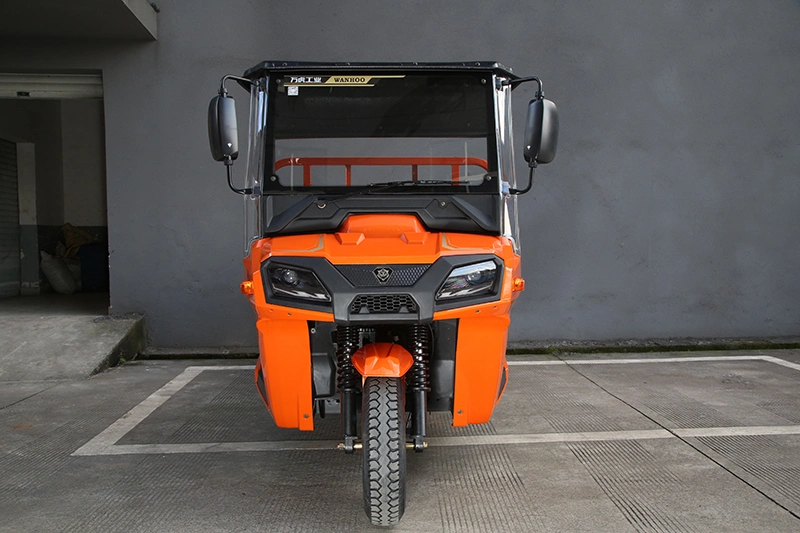
| 250cc (WH170MM-2B) | Water | 10.8 kW (about 14.5 hp) | 18 N·m | KINGTIGER heavy-loading flagship, payload to 1,800 KG |
Read that table by the torque column, not the power column. The 250cc WH170MM-2B produces 18 N·m of torque against the 200cc engine's 14.2 N·m, a meaningful jump in pulling force even though peak power rises only from 10.2 to 10.8 kW. For heavy grades and maximum payload, that extra torque, not the small horsepower gain, is what a fleet buyer should weigh. The horsepower spread between these engines is modest; the usable-work spread is larger.
Notice too that Wanhoo's 200cc and 250cc engines are both water-cooled. That is not an accident of the range. Both blocks are designed for vehicles rated to 1,800 KG, and sustained heavy hauling generates heat that only liquid cooling manages reliably over a long service life. When you compare a Wanhoo displacement class against a competitor's same-cc number, confirm the cooling type first, because an air-cooled rival at the same displacement is not carrying the same duty rating.
What Should Fleet Buyers Check Beyond the Horsepower Number?
A horsepower figure on a brochure is a single data point pulled from one test condition. What determines return on investment for a fleet is whether the drivetrain, cooling, and build survive years of overloaded daily use in your terrain. Peak horsepower does not capture any of that. The questions that actually protect your money sit below the headline number, in the parts of the spec that describe sustained work.
Match displacement and torque to your real payload and route, not to the biggest number available. A 150cc water-cooled engine hauling 800 KG on flat urban roads may serve a route better and cheaper than an oversized engine that burns extra fuel it never needs. A 200cc engine like the WH163ML-B fits the broad middle where loads reach 1,800 KG but the operator still wants efficiency, and Wanhoo's water cooling on that block is the detail that keeps it working through hot-climate hauling.
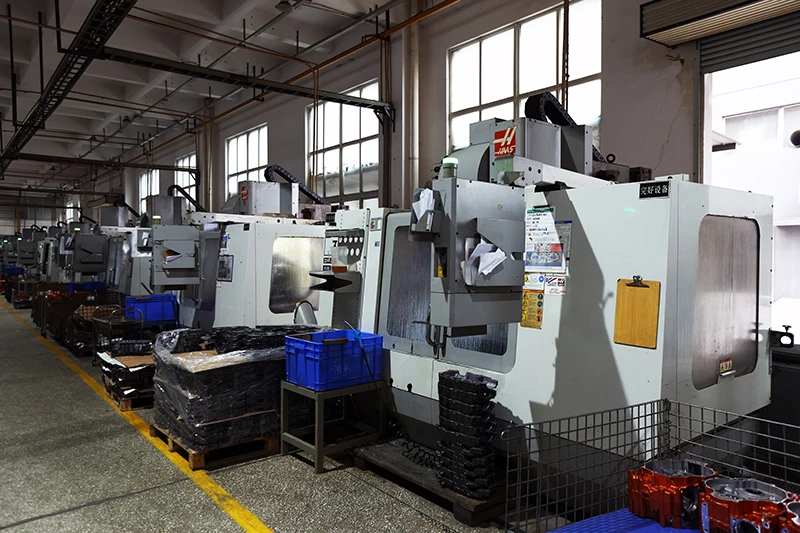
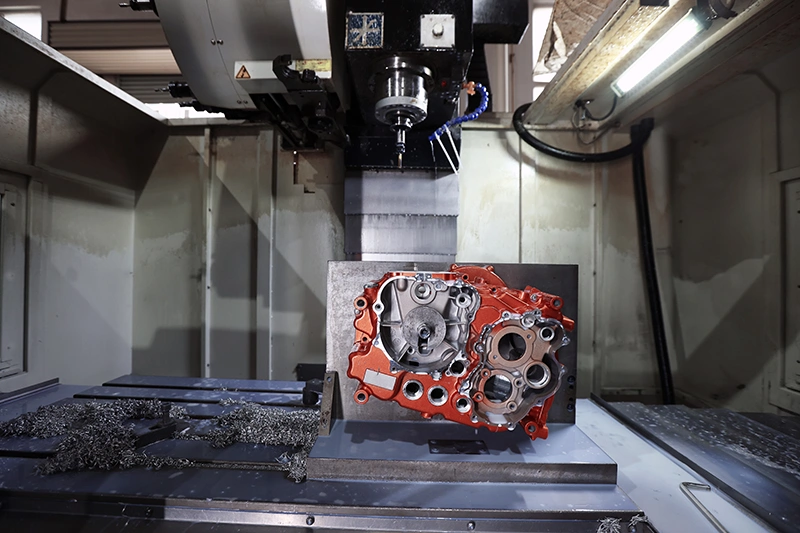
Serviceability closes the loop on real return. Wanhoo builds standard models with carburetors rather than electronic fuel injection because roadside mechanics in emerging markets can repair a carburetor without diagnostic tools, keeping a vehicle earning instead of stranded. A slightly higher horsepower rating means nothing if the machine sits idle waiting for a part. Wanhoo also produces its own engines on imported CNC machining centers, so replacement components stay consistent and available across an entire fleet, which is the kind of durability a peak power figure never reveals.
For the full picture on how cooling shapes real-world durability, see the comparison of a GY6 versus a water-cooled three-wheeler engine. To understand how each displacement class maps to payload and terrain, read the three-wheeler engine displacement guide. Both build on the engineering approach detailed across Wanhoo's engine technology hub.
Frequently Asked Questions
**How many hp is a 200cc three-wheeler engine?**
A 200cc-class three-wheeler engine produces roughly 10 kW, which converts to about 13 to 14 horsepower. Wanhoo’s water-cooled WH163ML-B, a 197cc engine, is rated at 10.2 kW, or about 13.7 mechanical horsepower, with 14.2 N·m of torque.
Does more displacement always mean more horsepower?
No. Displacement sets the potential for power, but tune, valve timing, fuel, and cooling decide how much becomes usable. A rough guideline estimates one horsepower per 15 to 17cc, though real figures vary widely, so a well-built smaller engine can out-work a larger one.
Why does torque matter more than horsepower for a loaded tricycle?
A loaded three-wheeler needs force at low RPM to move heavy cargo from a standstill and up grades. Torque supplies that force, while peak horsepower often occurs at high RPM the vehicle rarely uses when working. Torque at working RPM predicts real pulling ability better.
What is the difference between air-cooled and water-cooled 200cc engines?
Both can list similar peak horsepower, but water cooling holds a stable temperature during long, heavy hauls, protecting sustained output and engine life. Wanhoo uses water cooling on its 200cc HANHOO block because the vehicle is rated to carry up to 1,800 KG.
How much torque does Wanhoo's 200cc engine produce?
The WH163ML-B produces 14.2 N·m of torque. On the engine bench it peaks at 6,000 r/min, and the HANHOO whole-vehicle sheet reports the same 14.2 N·m arriving lower at 4,500 r/min, where a loaded cargo tricycle spends most of its working time.