The keke napep nigeria market rewards importers who match the right specs to Nigerian conditions: durable frames, corrosion resistance for heat and coastal salt, and water-cooled engines for sustained load. This guide maps demand, specs, and import basics for distributors sourcing passenger and cargo three-wheelers.
A commercial keke operator in Lagos or Kano earns roughly 8,000 to 15,000 naira on a good day, and a cargo run can pull more. That daily-income math is what drives the keke napep nigeria market, and it is exactly what an importer has to protect. A unit that overheats in traffic or cracks its frame on a pothole is not a cheap deal. It is a stalled income stream and an unhappy first customer who tells forty others.
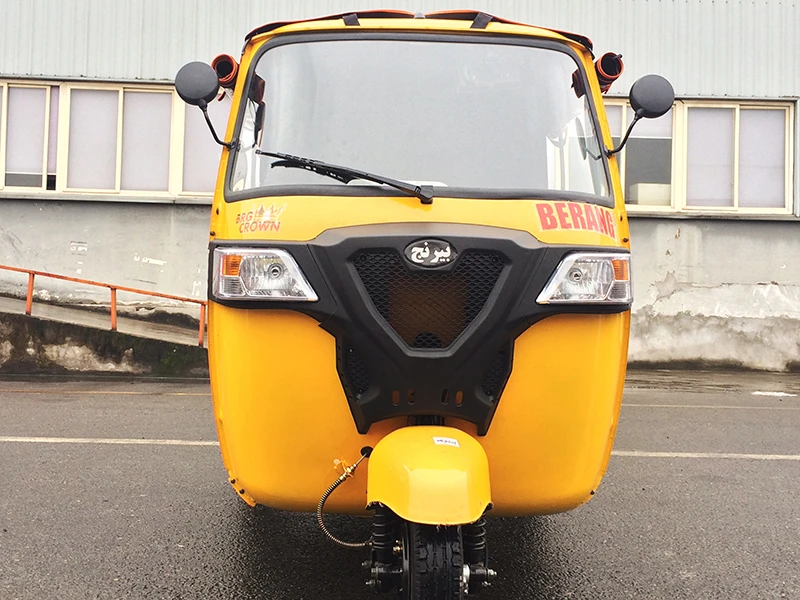
This is a working guide for importers and distributors targeting Nigeria, grounded in what the market actually demands rather than sales copy. Nigeria is one of the largest three-wheeler markets in the world, split between passenger keke that move people through congested cities and cargo tricycles that haul building materials, produce, and last-mile freight. Getting the model, the spec, and the paperwork right is the difference between a fleet that keeps earning and a container of regret.
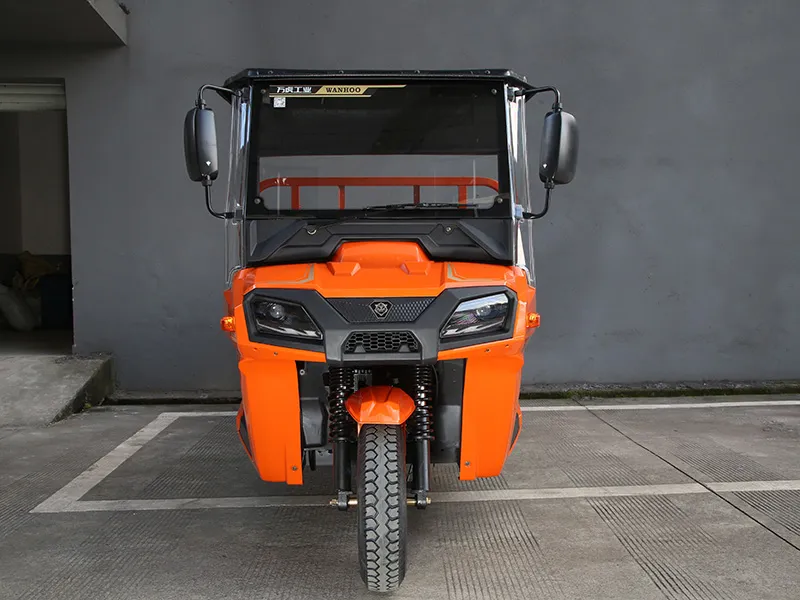
What Is Keke Napep and Why Does Nigeria Buy So Many?
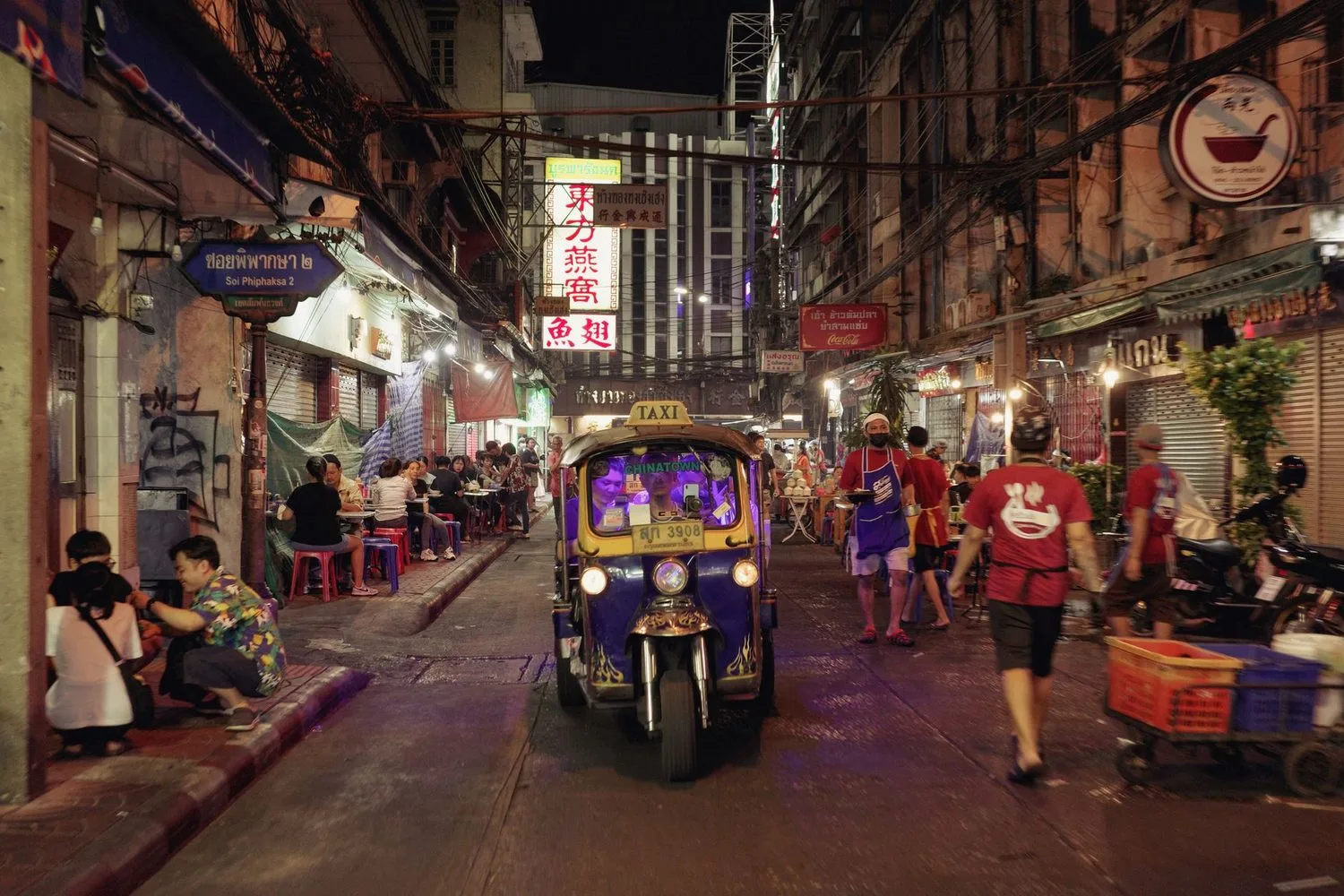
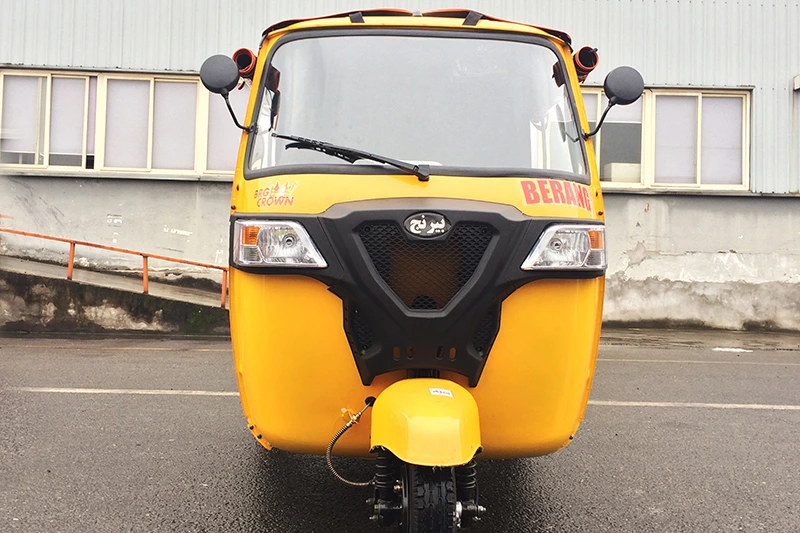
Keke napep is the Nigerian name for a three-wheeled passenger tricycle, the local equivalent of a tuk tuk or auto rickshaw. The word "keke" means bicycle in Yoruba, and "napep" traces to a government scheme, which is why so many operators still use the full phrase in everyday speech and online search.
The keke napep name comes from Nigeria's National Poverty Eradication Programme (NAPEP), launched in 2001, which distributed thousands of imported tricycles to unemployed youths as a livelihood tool. The term stuck, and "keke napep" is now the generic Nigerian word for any commercial passenger three-wheeler, whatever the brand or model on the road.
Demand grew sharply after several states restricted commercial motorcycles. According to the Federal Ministry of Information, Lagos State restricted okada and keke across six local government areas from February 2020, citing over 10,000 accident victims recorded between 2016 and 2019. Where motorcycle bans hold, tricycles often fill the gap for short-distance transport.
According to TechCabal, motorcycles and tricycles served as crucial transportation options that helped Lagos residents navigate traffic congestion before the 2020 restrictions. That structural role, moving people and goods where buses and cars cannot easily reach, is why the keke nigeria market stays large even as individual cities tighten rules on where units may operate.
What Cargo Tricycle Demand Looks Like Beyond the Keke Economy
The keke story is the passenger half. The other half is cargo. Nigerian traders, builders, and farmers need to move cement, sand, produce, water, and packaged goods across roads that punish light vehicles, and a cargo tricycle nigeria buyers trust has to carry a real load without folding.
Cargo tricycle demand in Nigeria concentrates around three uses: construction supply runs hauling sand and cement, agricultural transport moving produce from farm to market, and urban last-mile delivery threading through dense streets where trucks cannot fit. Each use rewards genuine payload and a frame engineered for overload, because Nigerian operators routinely load past the rated figure to maximize each trip's earnings.
Payload is the deciding spec here. Payload is the maximum weight of goods a three-wheeler can carry safely, excluding the vehicle and driver. A tricycle rated on paper for 800 KG that buckles under a real 1,000 KG load of blocks is a liability, not an asset, and a cargo tricycle nigeria distributor who ships underspecced units will spend the season handling warranty claims instead of reorders.
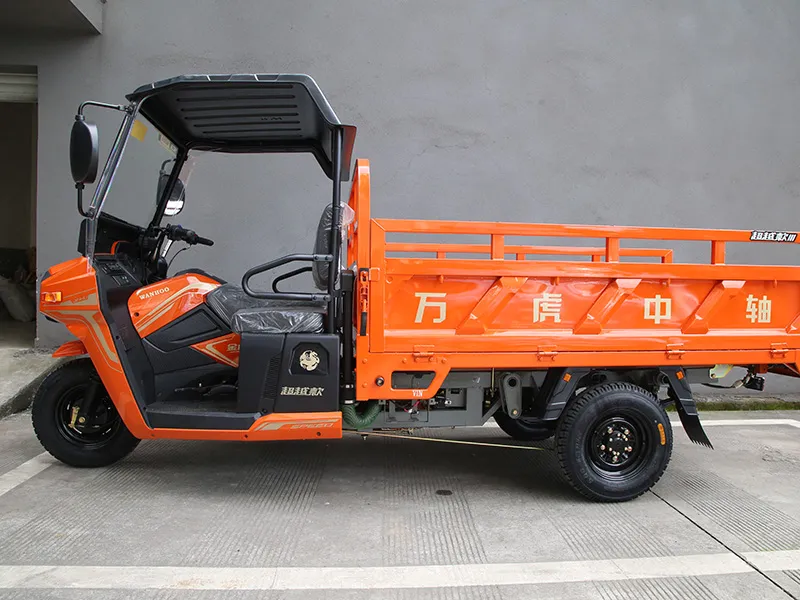
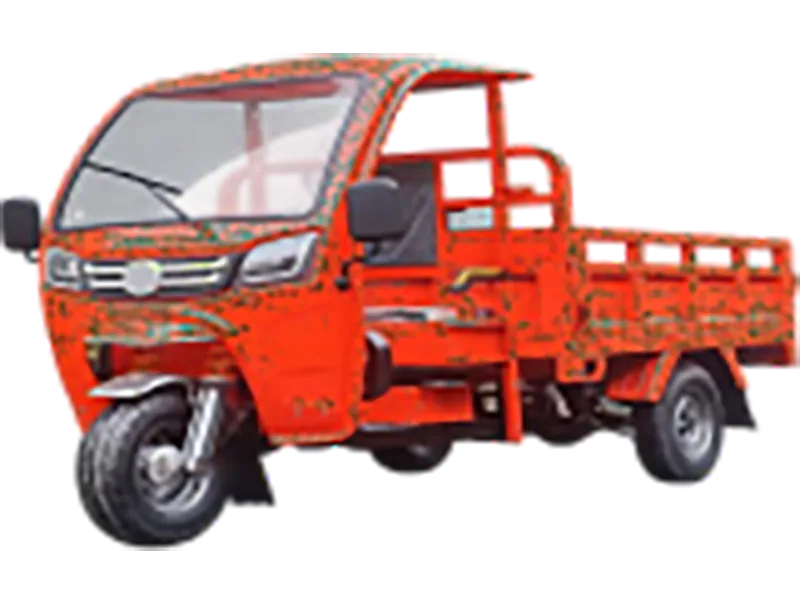
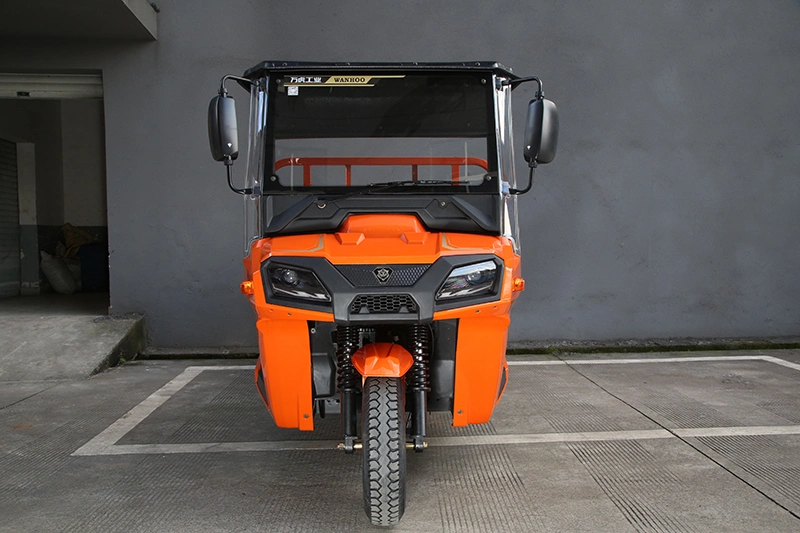
This is where Wanhoo positions its heavy-cargo range. The KINGTIGER is rated for a maximum loading of up to 1,800 KG with a cargo box measuring 1800x1300x390mm, and the HANHOO covers mid-range cargo duty on a 200cc water-cooled engine. Both are built for operators who load hard and haul daily rather than for showroom spec sheets.
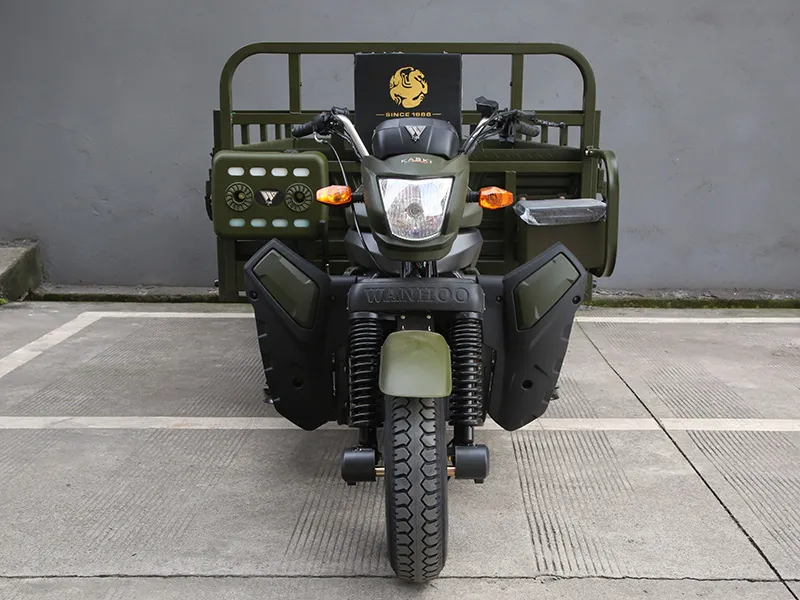
The distinction between heavy and mid-range cargo matters for a distributor's stock mix. A builder supplying a construction site wants the KINGTIGER's 1,800 KG headroom, while a market trader moving produce or a shopkeeper running deliveries is better served by the HANHOO's lower running cost on a still-capable water-cooled frame. Wanhoo pairs the KINGTIGER heavy hauler with the HANHOO all-rounder so an importer can cover both cargo tiers from one order.
Which Specs Actually Suit Nigerian Roads and Climate?
Nigeria is hot year-round, humid and salty along the southern coast, and dusty in the north during the harmattan. Roads range from decent highways to unpaved rural tracks full of potholes. A three wheeler nigeria buyers put into daily service has to survive all of that, not just pass a factory test, so three specs matter more than the sticker price.
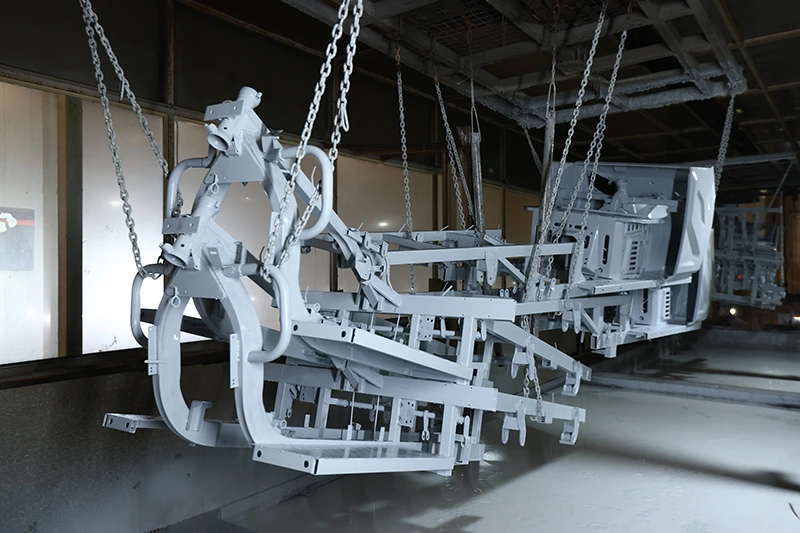
Corrosion resistance is the first survival spec for Nigeria. Coastal humidity in Lagos and Port Harcourt eats unprotected steel, and harmattan dust in Kano and the north grinds into every joint. Wanhoo protects every frame with full-immersion electrophoresis (ED) coating rated for 500+ hours of salt-spray testing, which reaches inside box sections and welded joints rather than sitting on the surface like ordinary paint.
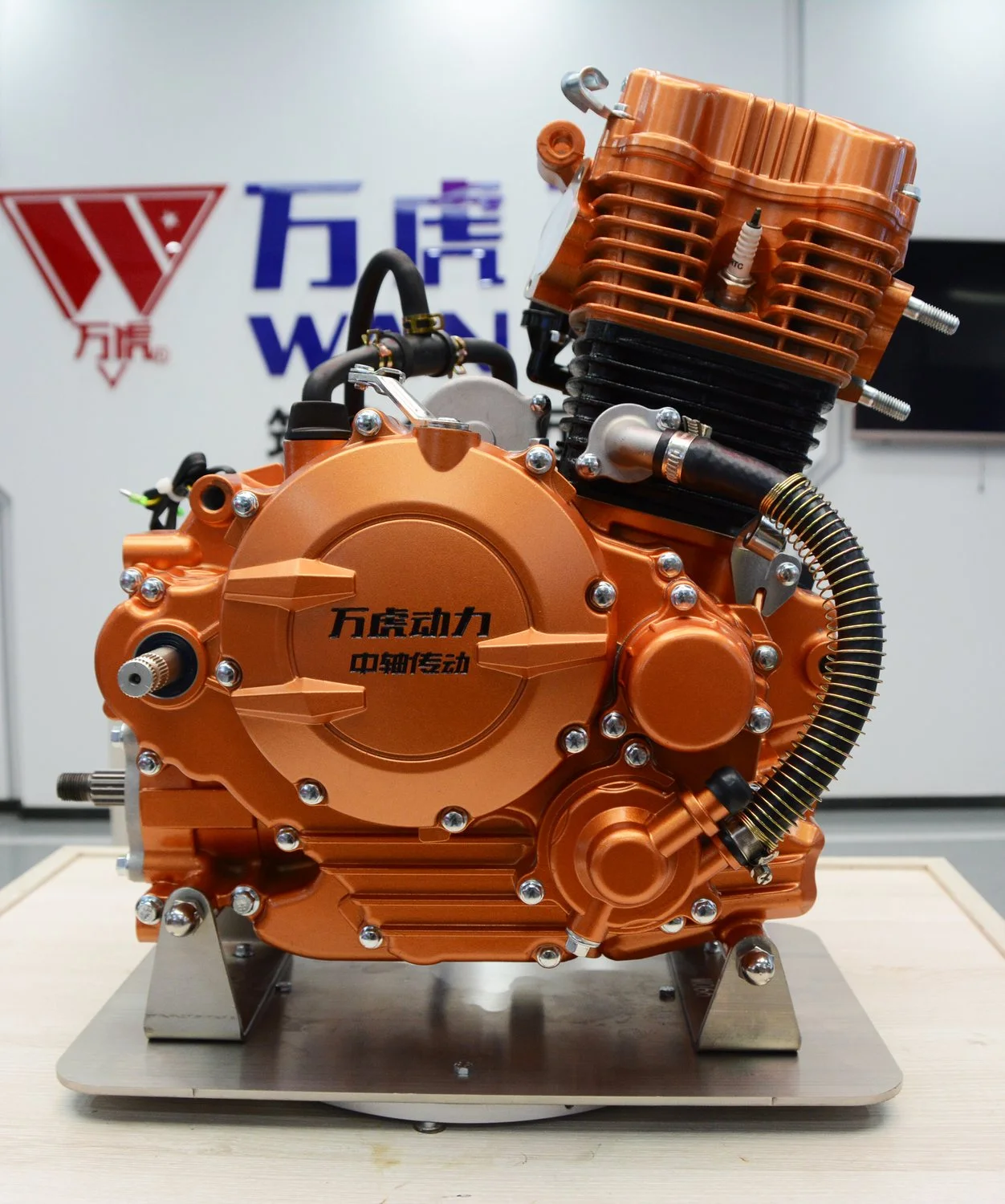
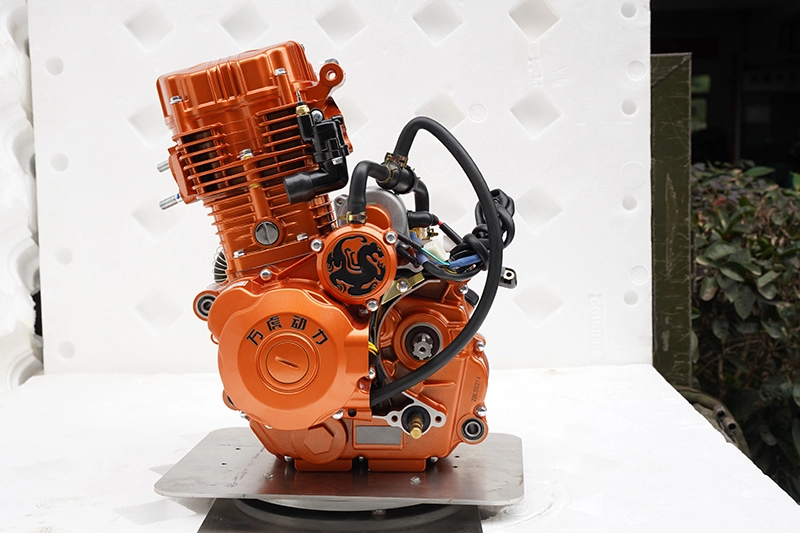
The second spec is cooling. Nigerian traffic means engines idle and grind in heat for hours, and a unit that overheats loses the day. Wanhoo builds self-developed water-cooled engines, including the WH170MM-2B (250cc) in the KINGTIGER and a 200cc water-cooled block in the HANHOO, engineered to run cooler under sustained heavy load in tropical heat rather than adapted from a motorcycle design.
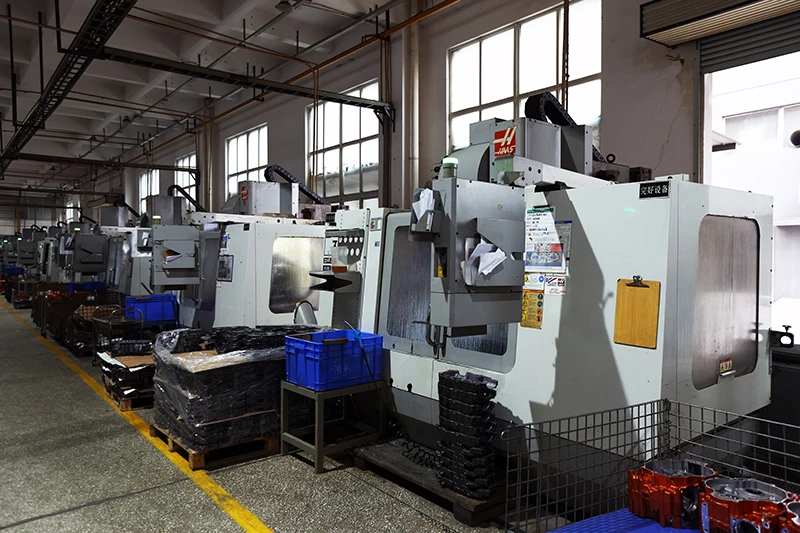
The third spec is serviceability. In many Nigerian towns, mechanics who can repair modern fuel-injection systems are scarce, while carburetor engines can be tuned and fixed at the roadside with basic tools. Wanhoo pairs its water-cooled engines with a carburetor-friendly service logic and a vertically integrated plant, so parts for the components that wear most keep flowing along long import routes.
Which Wanhoo Model Fits Which Nigerian Use Case?
Matching model to duty is the core of a good keke napep nigeria import plan. A passenger operator on a city route needs a different unit than a builder hauling cement, and a distributor who standardizes on the wrong model ties up capital in stock that does not sell. The table below maps common Nigerian uses to a recommended Wanhoo model.
| Nigerian use case | Recommended Wanhoo model | Why it fits |
|---|---|---|
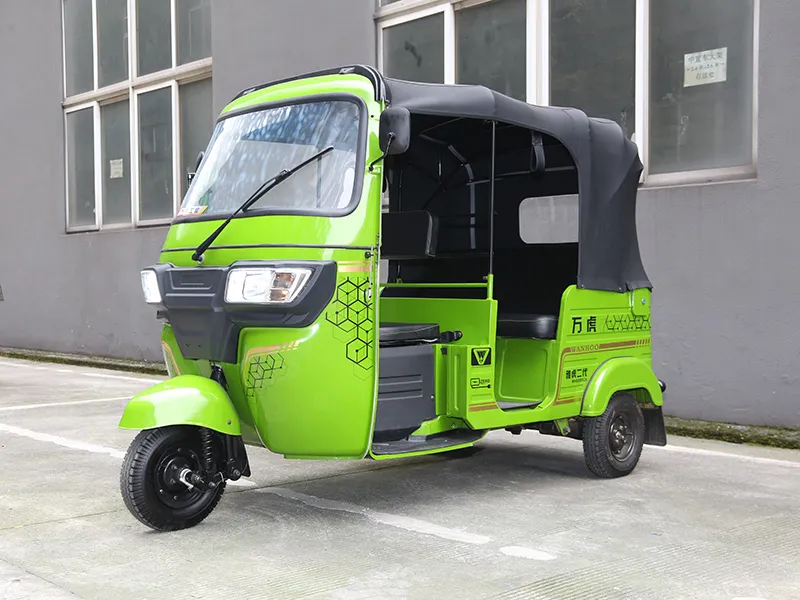
| Passenger keke on city routes | YAHOO (200cc, air-cooled) | Carries 3 to 4 passengers, classic keke-style duty, plus light cargo |
| Heavy cargo: cement, sand, mining supply | KINGTIGER (250cc, water-cooled) | Rated to 1,800 KG max loading, reinforced chassis for overload |
| Mid-range cargo, town-and-country freight | HANHOO (200cc, water-cooled) | All-round cargo hauler, water-cooled for sustained heat |
| Mixed passenger and cargo fleet | YAHOO + KINGTIGER/HANHOO | One supplier across duties, shared parts and service |
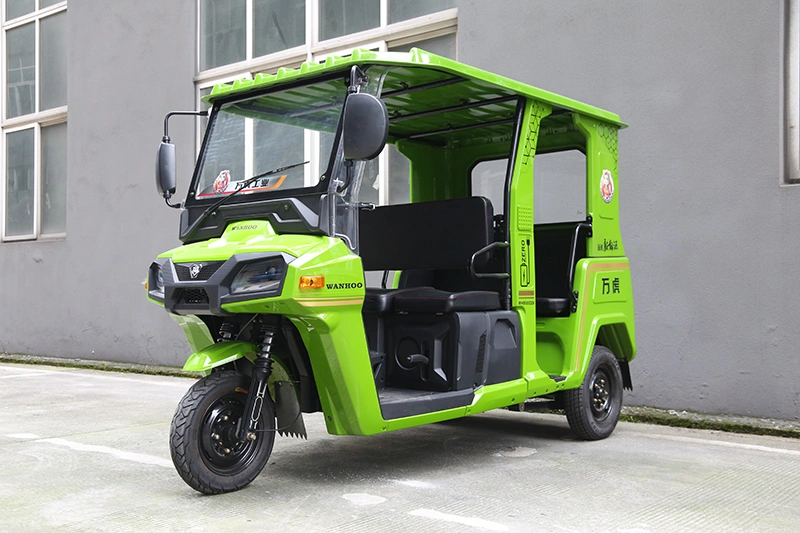
For Nigerian passenger routes, Wanhoo recommends the YAHOO, a 200cc unit carrying three to four people in classic keke fashion with capacity for light cargo. For heavy freight, the KINGTIGER handles construction and mining loads up to 1,800 KG, while the HANHOO covers mid-range cargo, letting a distributor serve both the keke economy and the cargo market from a single manufacturer.
Standardizing on one supplier across passenger and cargo pays off in the field. A fleet running YAHOO passenger units alongside KINGTIGER and HANHOO cargo units shares a parts shelf, a mechanic skill set, and one warranty channel instead of three. Explore the full ranges on the passenger tricycles and cargo tricycles pages before locking a first order.
This single-supplier logic is why fleet buyers across the continent settle on one manufacturer. Operators in mining regions, coastal cities, and farm districts have hit the same durability and parts problems, and their reasons for consolidating are covered in detail in why African fleet operators choose Wanhoo. For a Nigerian distributor, the takeaway is that model breadth from one factory turns a mixed passenger-and-cargo order into a simpler, cheaper operation to support.
What Are the Import Basics for Bringing Tricycles Into Nigeria?
Tricycle import nigeria planning lives or dies on compliance and shipping. Nigeria regulates most imported goods through a mandatory conformity scheme, and a container that arrives without the right certificates can be detained at port at the importer's expense, so the paperwork has to start before the units leave the factory.
According to the Standards Organisation of Nigeria, SONCAP is a pre-shipment verification scheme confirming that regulated imports conform to Nigerian standards. Importers typically need a Product Certificate, a Certificate of Conformity issued after inspection and testing, and a SONCAP Certificate for customs clearance, all tied to opening a Form M for the shipment.
Note the honest caveat here: Wanhoo holds ISO 9001 quality-management certification and states CCC compliance, but SONCAP is issued to a specific product and shipment through accredited firms, and it is arranged per consignment. Wanhoo can support the compliance process with documentation, yet the SONCAP certificate itself is obtained for each import. For the full breakdown of certificates, testing, and timelines, see the three-wheeler import compliance guide.
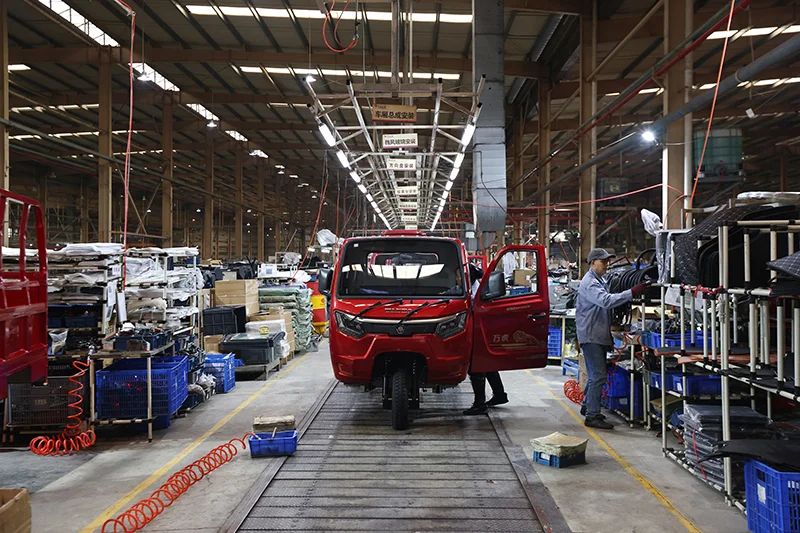
Freight is the other half of the import math. Wanhoo supports SKD (semi-knocked-down) container shipping, which packs more units per 40HQ container and lowers per-unit freight, along with buyer-friendly minimum order quantities. A KINGTIGER container loads around 24 units assembled, while lighter cargo models fit far more, so an importer can size a first order to test demand without locking up excessive capital.
Frequently Asked Questions
**What is keke napep in Nigeria?**
Keke napep is the Nigerian term for a commercial three-wheeled passenger tricycle, similar to a tuk tuk or auto rickshaw. The name comes from the National Poverty Eradication Programme that first distributed imported tricycles to youths in 2001, and it now refers to any passenger three-wheeler in daily Nigerian use.
Are cargo tricycles or passenger keke more in demand in Nigeria?
Both segments are large and serve different buyers. Passenger keke dominate short-distance urban transport, especially where commercial motorcycles are restricted, while cargo tricycles serve construction, agriculture, and last-mile delivery. A distributor who imports both, such as the Wanhoo YAHOO for passengers and the KINGTIGER for cargo, can serve the widest customer base.
What specs matter most for tricycles used in Nigeria?
Three specs decide durability in Nigeria: corrosion resistance for coastal salt and harmattan dust, water-cooled engines that stay cool in traffic heat, and a reinforced frame for the overloading operators do to maximize earnings. Wanhoo addresses all three with 500+ hour salt-spray ED coating, self-developed water-cooled engines, and FEA-reinforced chassis.
Does Wanhoo hold SONCAP certification for Nigeria?
SONCAP is issued per product and per shipment through accredited firms, so it is arranged for each import rather than held permanently by a manufacturer. Wanhoo holds ISO 9001 certification and states CCC compliance, and it supports importers with documentation for the SONCAP process. The certificate itself is obtained for each consignment before customs clearance.
How many tricycles can I fit in one shipping container?
Container loading depends on the model and whether units ship assembled or SKD. A KINGTIGER cargo unit loads around 24 per 40HQ container assembled, while lighter models fit more, and SKD (semi-knocked-down) shipping increases units per container to lower per-unit freight. Wanhoo supports SKD and flexible minimum order quantities for first-time importers.
What is the minimum order to start importing from Wanhoo?
Wanhoo offers buyer-friendly minimum order quantities and SKD container options, so a distributor can start with a manageable first container rather than committing to a large fleet. This lets importers test demand for a specific model in their state before scaling. Request a current quote and MOQ terms directly, since freight and FOB pricing shift with the market.