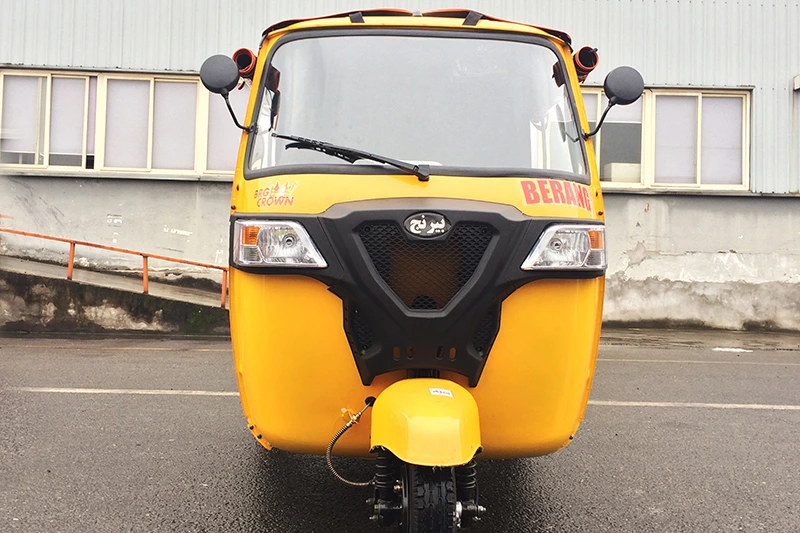
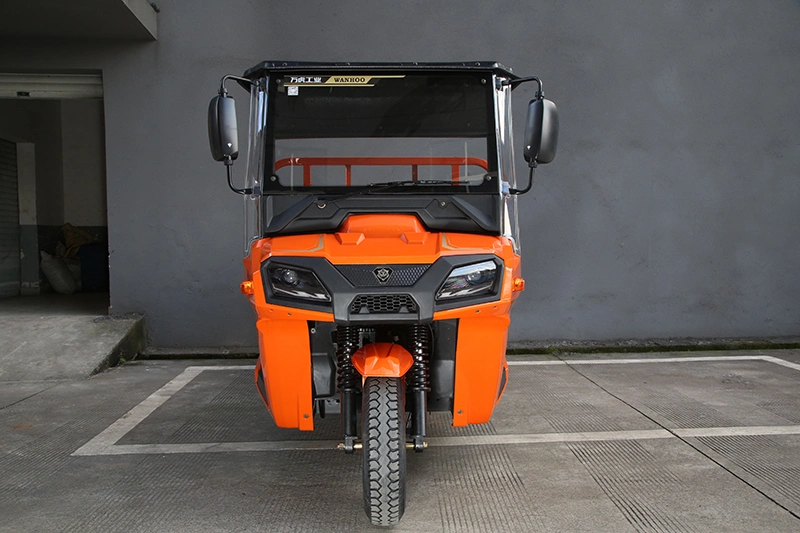
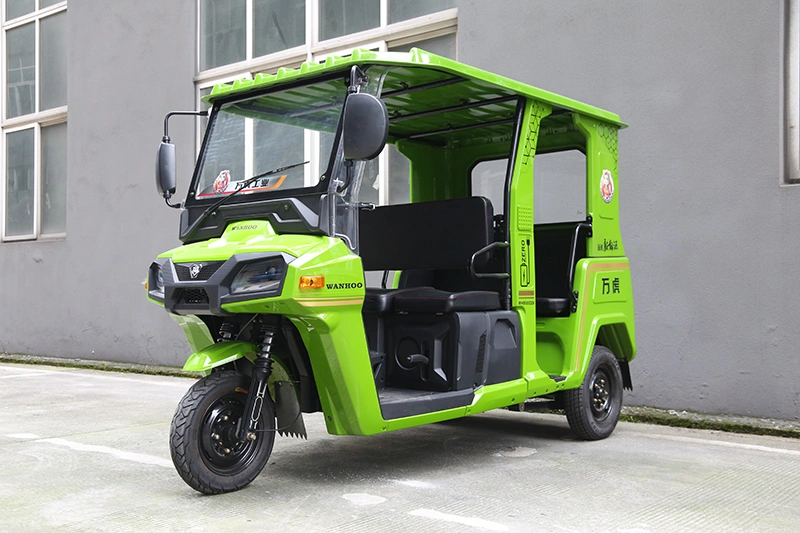
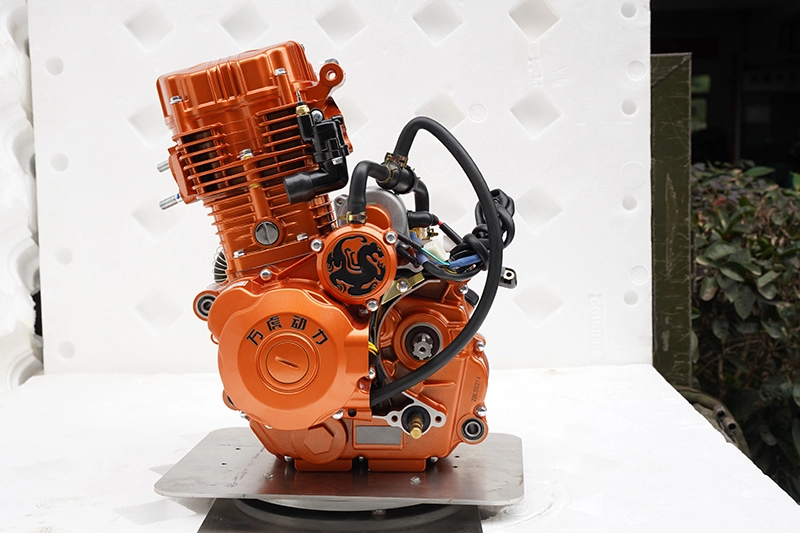
A single tuk-tuk in Mombasa can put Sh20,000 to Sh30,000 in an operator's pocket every month, yet the vehicle you buy in 2026 decides whether fuel prices quietly eat that margin or leave it intact.
A tuk tuk Kenya business earns money by running short passenger routes in coastal towns and inland centers, where a three-wheeler taxi costs far less to buy and run than a car. The 2026 decision is petrol versus electric. Petrol gives flexibility and easy refueling; electric cuts running cost sharply where charging is reachable.
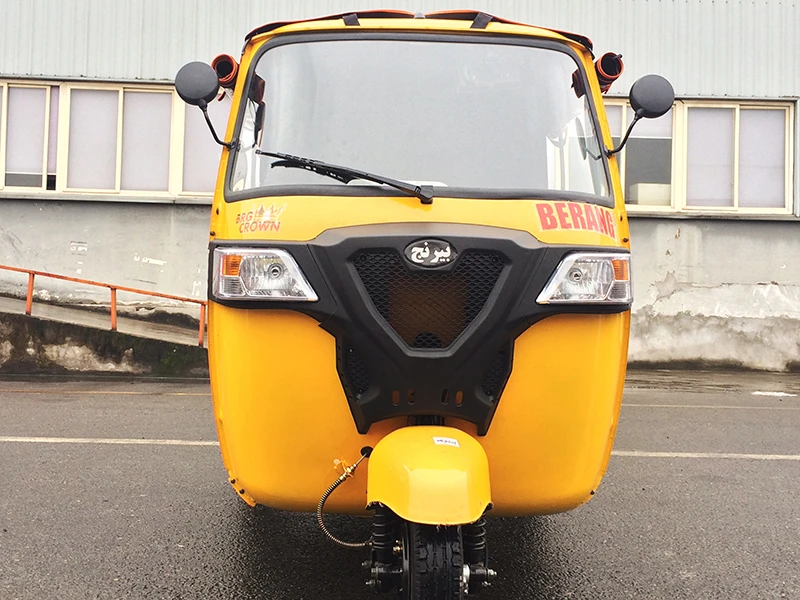
The tuk-tuk, known locally as a three-wheeler taxi, is one of the most reliable small-business assets in Kenya. It carries three to four fare-paying passengers, threads narrow streets that matatus avoid, and starts earning from day one. For importers and fleet operators, the question is no longer whether the market exists. It is which powertrain wins on Kenyan roads.
Why Is the Tuk-Tuk Such a Big Business in Kenya?
The tuk-tuk sits at the center of coastal mobility. In Mombasa and towns like Ukunda, Malindi, and Kilifi, three-wheelers handle short trips that cars price out and buses cannot reach. According to KBC Digital, Mombasa County alone has 15,000 tuk-tuks running on petrol, which shows how deep the demand runs.
A tuk-tuk business in Kenya is a passenger-transport operation built on a three-wheeled taxi that carries three to four riders on short urban and semi-urban routes. It suits owner-operators and small fleets because the vehicle is cheap to buy, cheap to run, and quick to deploy on daily fare routes in coastal and inland towns.
The economics are unusually forgiving for a first-time operator. A petrol tuk-tuk in Kenya commonly yields a monthly profit in the Sh20,000 to Sh30,000 range, and owner-operators who avoid a daily driver fee keep more. This is why so many households build income around a single three-wheeler, and why fleets of ten or twenty units are a realistic starting scale for an importer.
Ride-hailing has widened the market further. Apps now dispatch tuk-tuks in Mombasa the same way they book cars, adding steady digital demand on top of street-hail fares. For an operator, that means higher utilization per vehicle and less idle time between trips, which is exactly where a durable, fuel-efficient machine pays back fastest.
What Is Driving Kenya's Shift to Electric Tuk-Tuks?
Fuel cost is the engine of change. Operators watching diesel and petrol prices are the ones switching first, because energy is their single largest running expense. According to Standard Media, a driver covering 150 km a day spends about Sh650 on battery energy versus roughly Sh850 on diesel, cutting daily fuel cost by up to 30 percent.
An electric tuk tuk in Kenya is a battery-powered three-wheeler taxi that replaces a petrol or diesel engine with an electric motor and rechargeable pack. It lowers running cost because electricity per kilometer is cheaper than fuel, and it removes tailpipe emissions, which matters as Kenyan coastal towns push cleaner urban air.
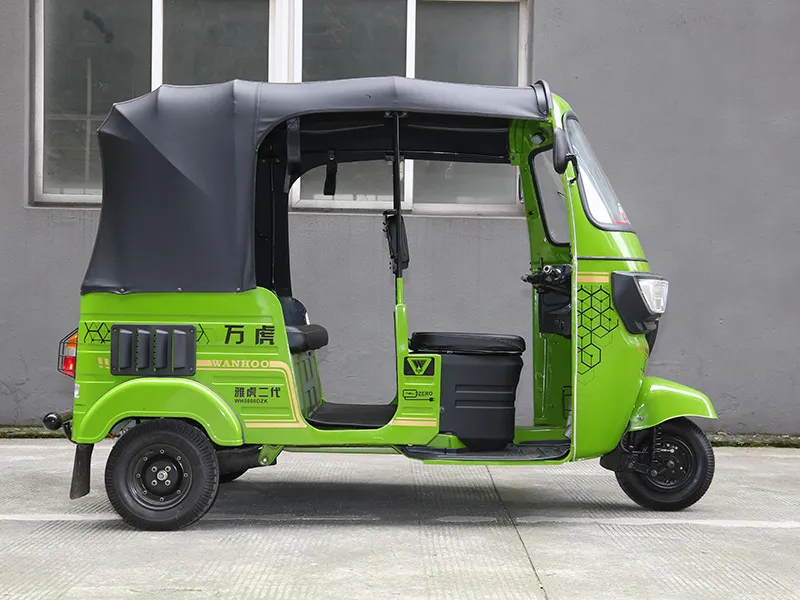
The rollout is already visible on the ground. According to Citizen Digital, companies ran a 24-month pilot in Nairobi to test electric three-wheelers under local conditions before wider deployment, pairing vehicles with battery-swap stations so drivers exchange a depleted pack in minutes rather than waiting to charge.
Kenya's broader EV base is growing fast enough to support this shift. Standard Media reports the country was on track for roughly 35,000 electric vehicles by the end of 2025, up from 5,294 in 2024. Charging and swap infrastructure in Mombasa and Ukunda is expanding alongside that growth, which narrows the historic weakness of electric three-wheelers: where to plug in.
Local assembly is also lowering the entry price. According to CleanTechnica, a Mombasa-based firm imports completely knocked-down kits and assembles them locally with Associated Vehicle Assemblers, a route that reduces import duty exposure. For an importer, that same logic applies: shipping in SKD form can trim landed cost and support a local-assembly story that regulators and buyers increasingly favor.
Petrol or Electric: Which Tuk-Tuk Fits Kenyan Conditions?
Neither powertrain wins everywhere. The right choice depends on the route, the charging access, and how the operator plans to earn. A petrol three-wheeler refuels anywhere in minutes and shrugs off long rural runs. An electric unit rewards dense, predictable urban routes where energy savings compound every single day.
Petrol tuk-tuks suit operators who need range flexibility, work areas with thin charging coverage, or run mixed passenger and light-cargo trips. Electric tuk-tuks suit high-mileage urban fleets on fixed routes near charging or battery-swap points, where lower energy cost per kilometer and clean-air rules turn the switch into a margin advantage over the vehicle's life.
The table below frames the 2026 tuk tuk Kenya decision for an operator or importer weighing both paths.
| Factor | Petrol tuk-tuk | Electric tuk-tuk |
|---|---|---|
| Upfront vehicle cost | Lower entry price | Higher; often battery priced separately |
| Energy cost per day (150 km) | ~Sh850 on fuel | ~Sh650 on battery energy |
| Refuel / recharge | Minutes, fuel widely available | Charge hours, or minute-scale battery swap |
| Best route type | Rural, mixed, unpredictable | Dense urban, fixed daily routes |
| Emissions | Tailpipe emissions | Zero tailpipe emissions |
| Maintenance | More moving parts | Fewer moving parts, simpler drivetrain |
| Range confidence | Refuel anywhere | Depends on charging or swap coverage |
Import cost sits underneath both columns. Kenya applies an import duty of 25 percent plus 16 percent VAT and related levies on motor vehicles, and units must clear the Kenya Bureau of Standards inspection regime. A serious importer should model these landed costs per unit before committing to petrol or electric, because they shift the payback math on the whole fleet.
How Does Wanhoo Fit the Kenyan Tuk-Tuk Market?
Wanhoo builds three-wheelers for exactly these conditions, and its lineup lets an operator hedge across the petrol-versus-electric divide rather than bet everything on one. The starting point for most fleets is the petrol flagship.
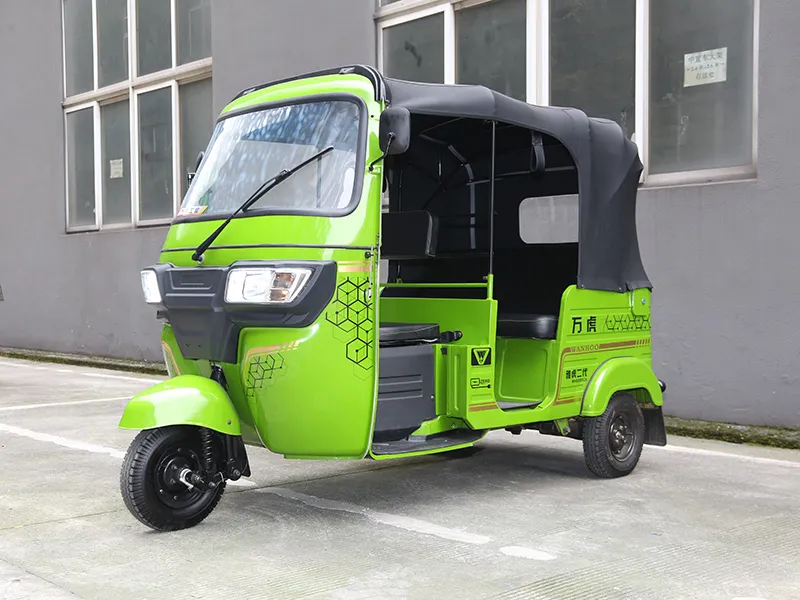
Wanhoo pairs the YAHOO 200cc petrol passenger tricycle with two battery-powered models, so a Kenyan operator can run fuel-based units where charging is thin and electric units on dense urban routes. This mixed-fleet option lets importers match powertrain to route instead of forcing one choice across every vehicle and every town they serve.
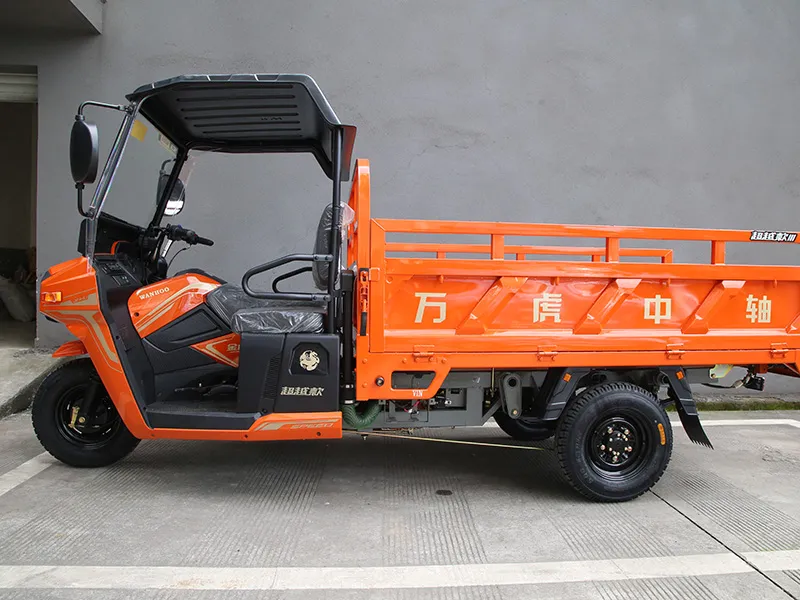
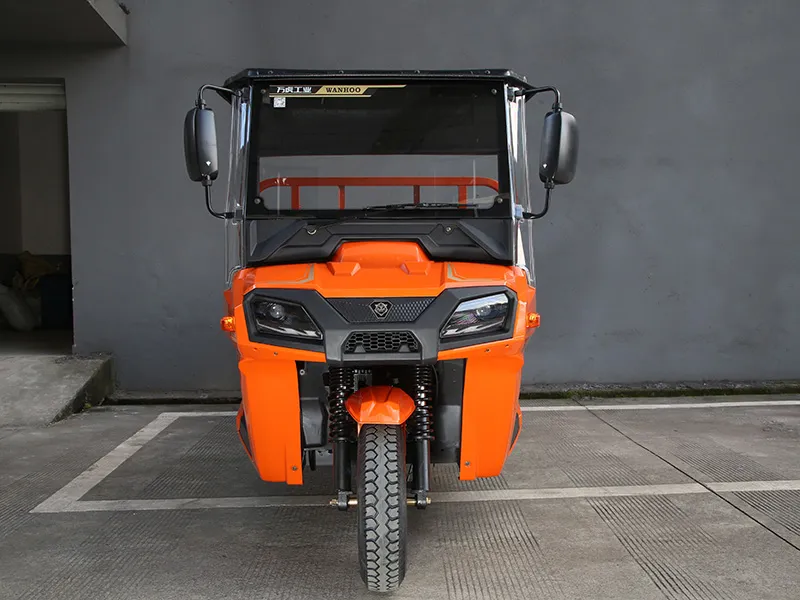
The Wanhoo YAHOO 200cc is a passenger tricycle that doubles as light cargo, which is its core differentiator for a market where a vehicle must earn all day. It seats three to four adults, runs a fuel-efficient 200cc engine, reaches 65 km/h, and starts at a FOB price from $1,640. An operator can carry passengers on the morning fare route and reconfigure for light goods when demand shifts, turning one asset into two income streams.
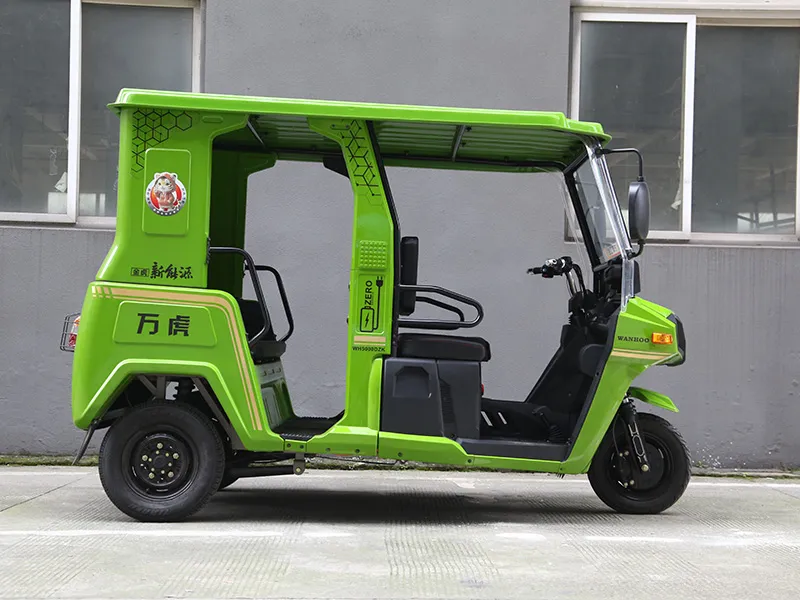
For operators chasing the fuel savings driving Kenya's electric shift, the Wanhoo YAHOO-II-Electric is the direct answer. Its differentiator is running cost: it uses an LFP (lithium iron phosphate) battery and delivers up to roughly 70 percent lower operating cost than petrol, with an 80 to 100 km range per charge. FOB pricing starts from $1,670 without battery, which lets importers pair the vehicle with a local battery or battery-as-a-service arrangement, mirroring the swap and lease models already active in Kenya.
Where a route demands more seats, the Wanhoo King-Tiger-Electric scales the same clean-power logic up. Its differentiator is capacity: it seats nine passengers on a heavy-duty electric platform, climbs gradients of 12 degrees or more, and runs zero-emission, making it a fit for shuttle and higher-density transit work in towns tightening urban-air rules. It ships FOB from $1,560 without battery.
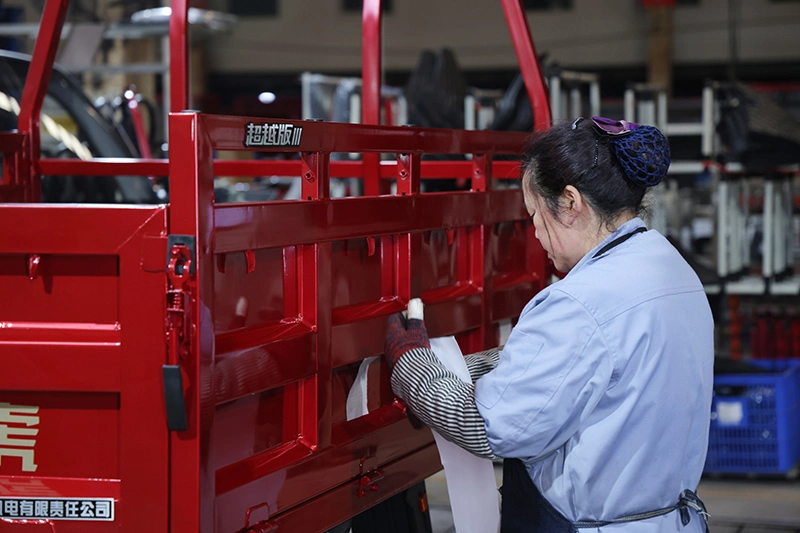
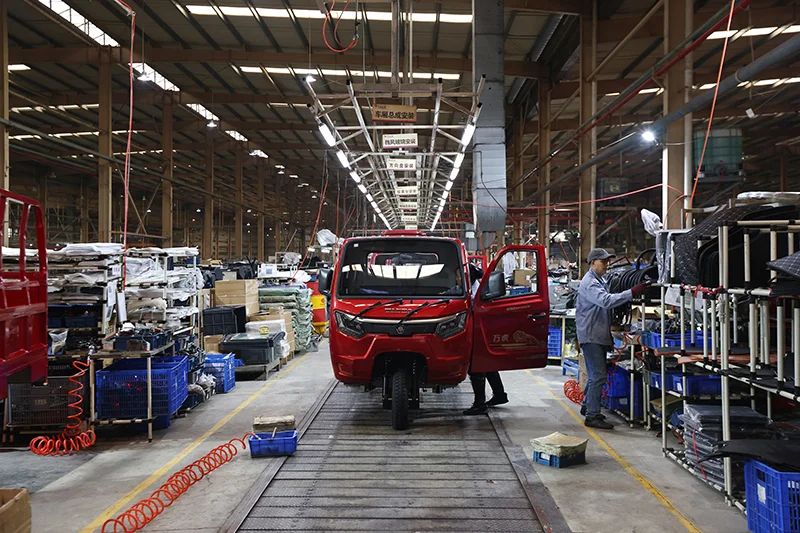
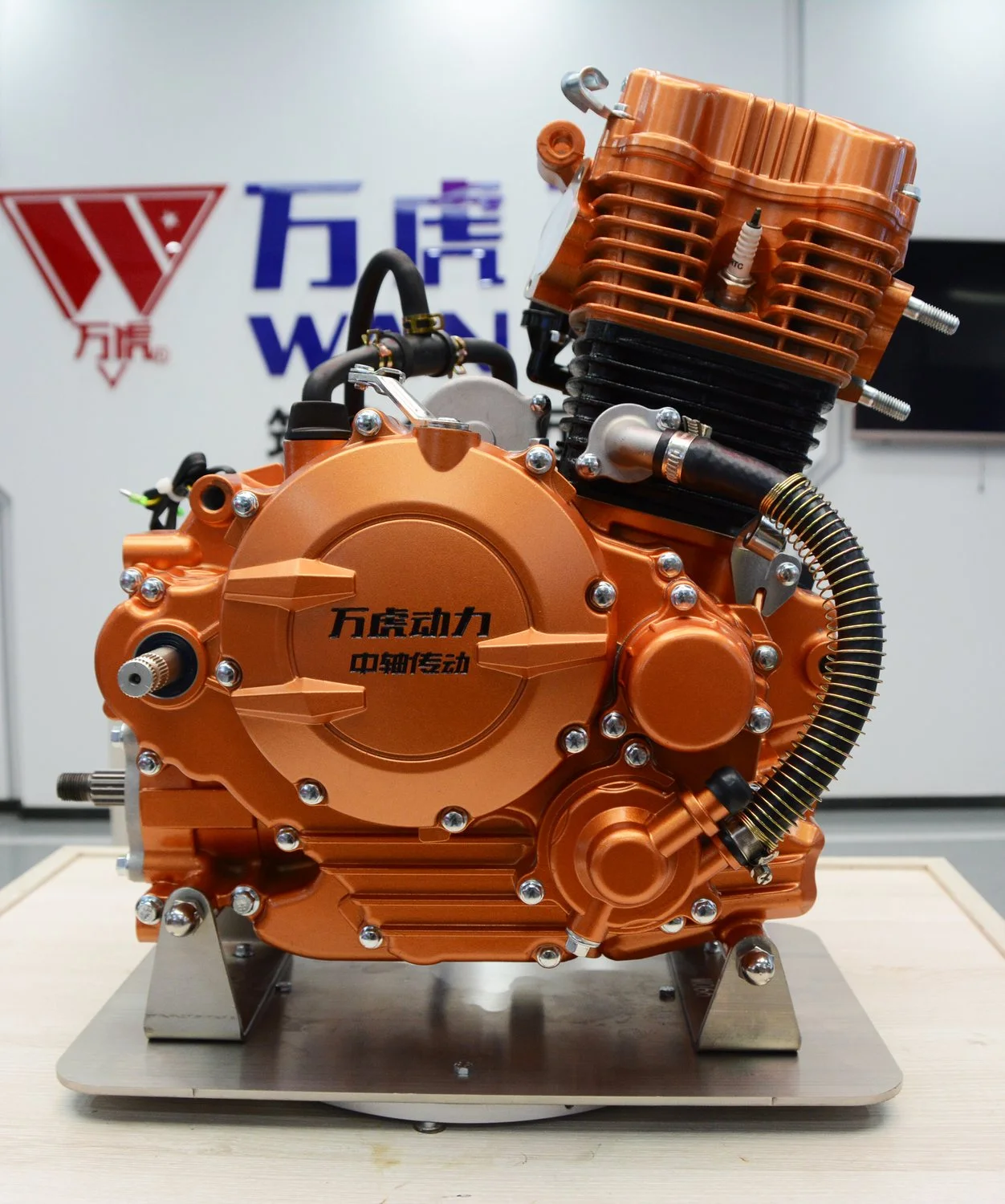
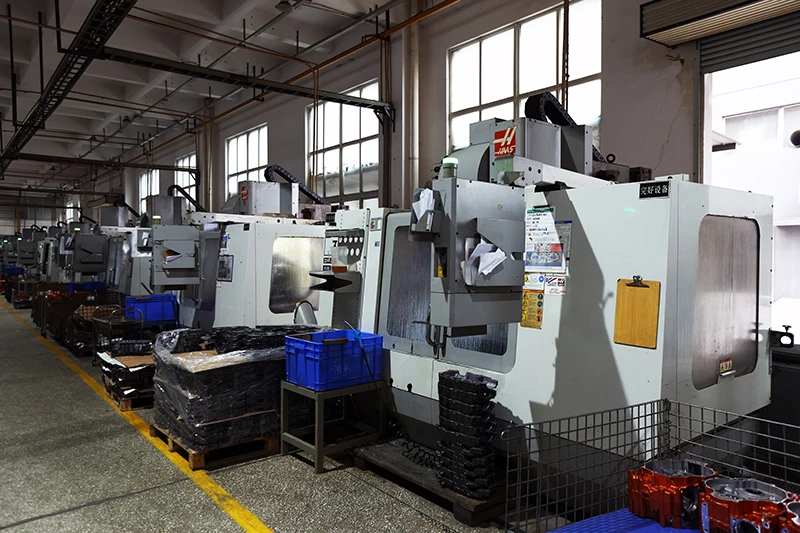
Behind all three sits a manufacturer that has focused on three-wheelers for close to 40 years and builds its own engines, a vertically integrated base that matters when parts availability and durability decide fleet profitability in coastal, salt-heavy conditions. For importers weighing volume, container loading runs 27 units per 40HQ for the YAHOO models, which keeps per-unit freight efficient on a Kenya-bound shipment.
What Should a First-Time Importer Plan For?
Start with the route, not the vehicle. Map where your fleet will actually run, how many kilometers a day, and how close charging or swap points sit to those routes. That single analysis tells you the petrol-to-electric split before you request a quote, and it prevents buying electric units for corridors that cannot yet support them.
A Kenyan tuk-tuk importer should budget for a 25 percent import duty, 16 percent VAT, and KEBS pre-shipment inspection, then model landed cost per unit against expected daily fare income. Starting with a trial order of ten to twenty units lets an operator test route economics and after-sales support before scaling to a full fleet.
Plan the after-sales chain early. Spare-parts access, not sticker price, is what keeps a three-wheeler earning, so confirm the supplier can ship wear parts and support your local mechanics. A trial order, container-efficient loading, and a clear battery-supply plan for any electric units turn a first import into a repeatable, profitable pipeline rather than a one-off gamble.
Frequently Asked Questions
**Is a tuk-tuk business profitable in Kenya?**
A petrol tuk-tuk in Kenya commonly earns a monthly profit of roughly Sh20,000 to Sh30,000, and owner-operators who skip a daily driver fee keep more. Electric units can improve that margin further by cutting energy cost per kilometer, provided the vehicle runs enough daily mileage on routes with reachable charging.
How much cheaper is an electric tuk-tuk to run than petrol?
On a 150 km day, an operator spends about Sh650 on battery energy versus roughly Sh850 on diesel, a cut of up to 30 percent in daily fuel cost, according to Standard Media. Wanhoo's YAHOO-II-Electric targets up to about 70 percent lower operating cost than petrol over comparable duty cycles.
Where are tuk-tuks most used in Kenya?
Mombasa and the coastal region are the heartland, with Mombasa County alone running 15,000 petrol three-wheelers per KBC Digital. Inland towns and county centers also rely on them for short trips that cars price out and buses cannot reach, giving importers multiple regional markets beyond the coast.
What does it cost to import a tuk-tuk into Kenya?
Beyond the FOB vehicle price, budget for a 25 percent import duty, 16 percent VAT, related levies, and Kenya Bureau of Standards inspection. Landed cost per unit therefore runs well above the factory quote, so importers should model total cost against daily fare income before committing to a fleet size.
Which Wanhoo tuk-tuk is best for a Kenyan operator?
The YAHOO 200cc petrol model suits mixed routes and areas with thin charging, since it refuels anywhere and doubles as light cargo. The YAHOO-II-Electric fits high-mileage urban routes chasing fuel savings, and the King-Tiger-Electric serves nine-seat shuttle work where clean-air rules apply.
Can I run a mixed petrol and electric tuk-tuk fleet?
Yes, and it is often the smartest 2026 strategy. Deploy petrol units on rural or unpredictable routes and electric units on dense urban corridors near charging or swap points. Wanhoo supplies both powertrains, letting an importer match each vehicle to its route instead of forcing one choice across the whole fleet.
Ready to size a petrol, electric, or mixed tuk-tuk fleet for Kenya? Explore Wanhoo's passenger tricycles and electric three-wheelers, compare the numbers in our electric vs gasoline cost breakdown, and see the operator playbook in how to start a three-wheeler taxi business. Contact us for the latest FOB quote and a container-loading plan for your first order.