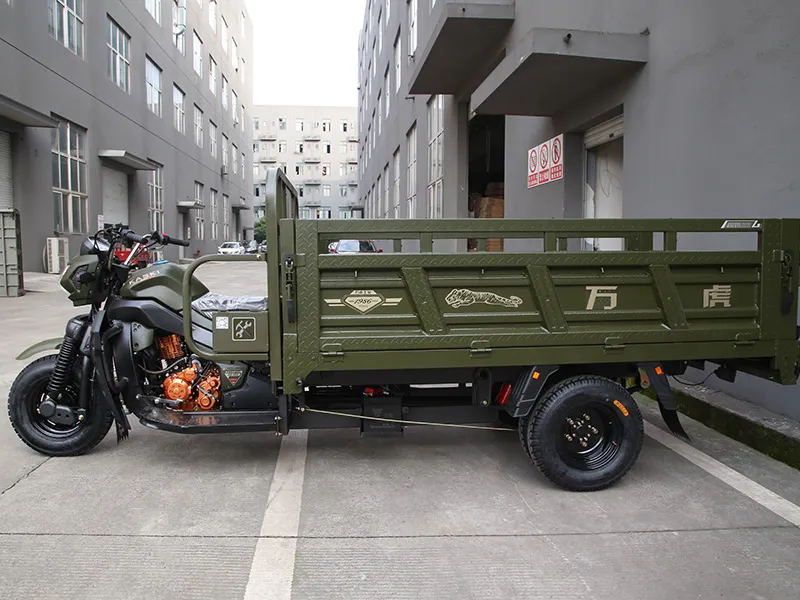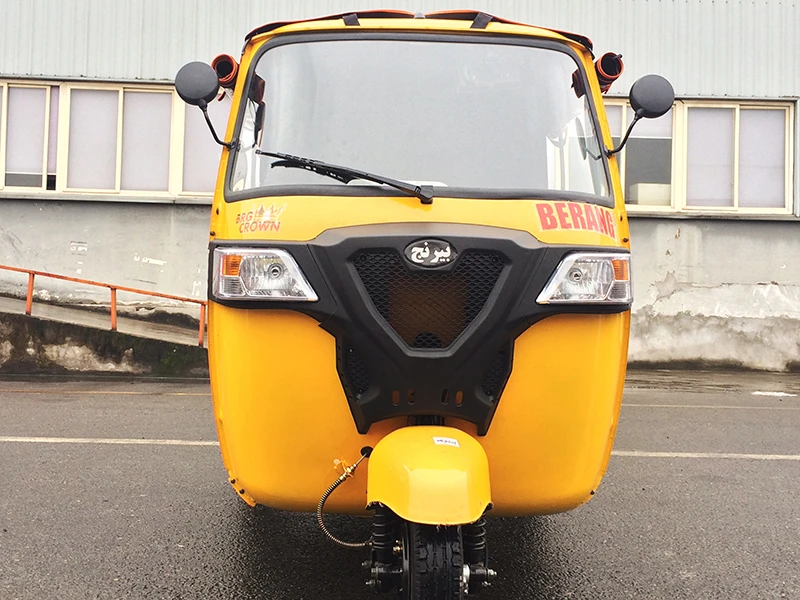
Three-wheeler after-sales support should be checked before an order through documentary evidence: a model-specific parts list, written warranty workflow, technical documents, training scope and a realistic local service plan.
The container doors swing open and the first units roll off looking exactly like the photographs. Initial sales can make a low purchase price look like the whole decision.
The harder test begins whenever the first maintenance request or warranty claim arrives. The item may be a routine consumable, an electrical component, accident damage or something specific to local duty cycles. The driver mainly cares how quickly the vehicle can return to work, while the importer needs evidence to distinguish wear, installation error, misuse and a covered defect.
That is why three-wheeler after-sales support is not merely a service-department detail. It is part of the commercial proposition and should be evaluated alongside unit price.
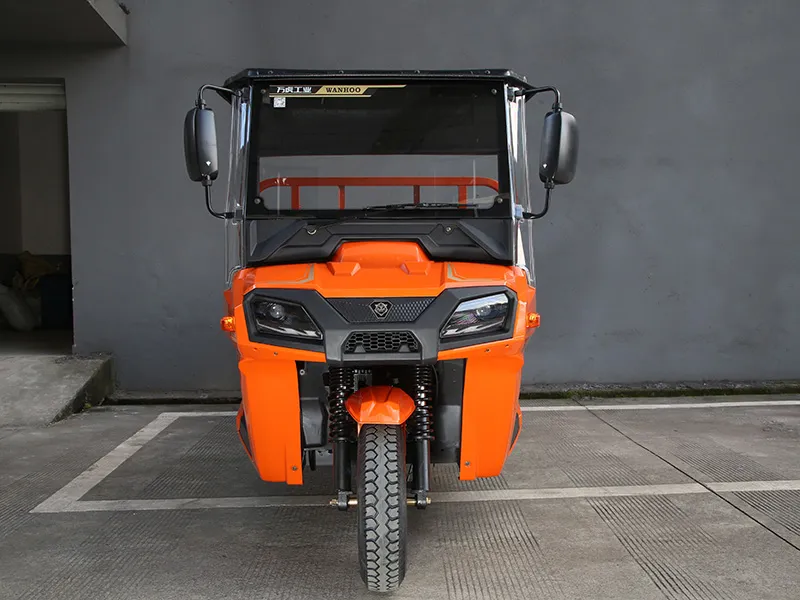
The Margin You Won on Price, You Repay in Parts
The unit price of a three-wheeler is paid once, while maintenance, parts and downtime recur throughout its working life. Importers should therefore compare suppliers on an estimated total-support cost for the intended route, rather than assume the lowest quotation will remain the lowest-cost option.
Duty cycle matters because many three-wheelers are used as income-producing assets. Load, road surface, climate, finance and maintenance practice differ by fleet and should be measured locally. According to the World Bank, more than one billion people live more than two kilometres from an all-weather road, but that global statistic does not establish the road conditions or service needs of a particular imported fleet.
The buyer's calculation should include monthly revenue, maintenance, parts and measured downtime. Compare several downtime and replenishment scenarios rather than insert a fixed number of weeks or assume the lower purchase price produces the lower total cost.
Build the Stocking List From Local Evidence
There is no responsible universal failure order for three-wheelers. Service needs vary with model, load, road surface, climate, maintenance quality, assembly quality and operator behaviour. Brake shoes, clutch plates, bearings, drive components, suspension bushings and electrical parts may all deserve attention, but their local replacement rates should be measured rather than assumed.
Before the first order, request the supplier's model-specific recommended spares list and the assumptions behind it. Then validate that list with local mechanics, comparable fleets and a pilot batch. Record each replacement by vehicle, odometer or operating hours, symptom, diagnosis and cause. That evidence turns the second spares order into a forecast based on the actual fleet rather than a fixed sequence borrowed from another market.
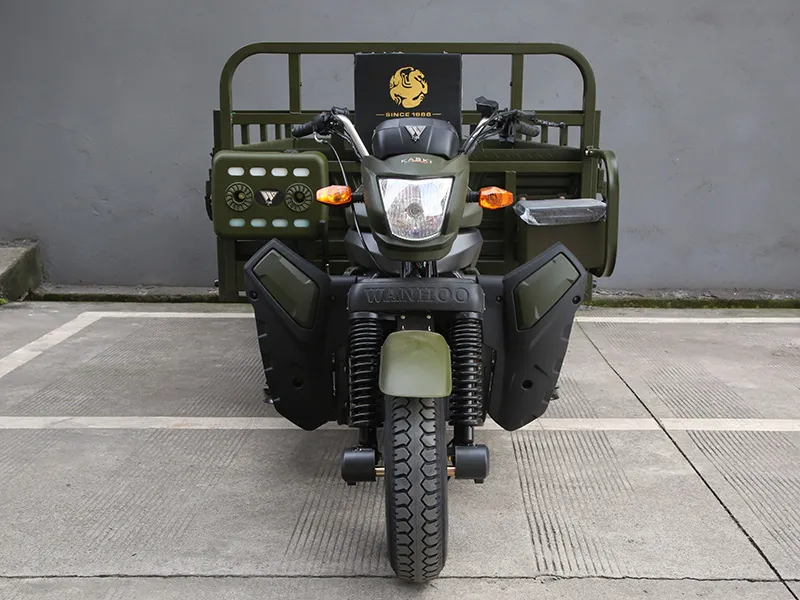
Four Things That Decide Whether You Survive Year Two
Parts availability
Parts availability is both a warehouse and a forecasting question. A model-specific stocking list, local lead-time estimate and measured pilot-fleet usage allow an importer to compare planned sea-freight inventory with the cost and delay of emergency replenishment.
Ask each supplier for a recommended stocking list before placing the order, including part numbers, quantities, model compatibility and the fleet size and duty cycle assumed. Treat the document as one input, not proof of service quality. Cross-check sample part numbers against the parts catalogue and quotation, ask local mechanics whether the list matches comparable vehicles, and confirm replenishment lead times in writing.
Warranty as a process, not a period
A warranty period cannot be evaluated without its process: who reviews a claim, what evidence is required, the target response time, exclusions, remedies and the shipping arrangement for approved parts. Buyers should compare those written terms, not the duration alone.
A stated duration means little on its own. A defined evidence standard, decision target and shipping arrangement for approved claims make the commitment testable. Put those items into the contract and have local counsel review the wording; whether the supplier accepts a proposed clause is a negotiation outcome, not proof of future conduct.
Documentation and technical training
Model-specific technical documents and competency-based training can help technicians distinguish adjustment, installation, wear, misuse and a possible defect. Importers should measure diagnostic accuracy, repeat repair and claim quality before assigning a financial benefit to training.
Workshop manuals, exploded parts diagrams and torque specifications should be included in the technical-document review. The language matters too: a polished English manual is of limited use in a workshop working in French, Portuguese, Spanish or Arabic. Confirm before ordering which documents and translations actually exist and whether the importer is authorised to translate them accurately.
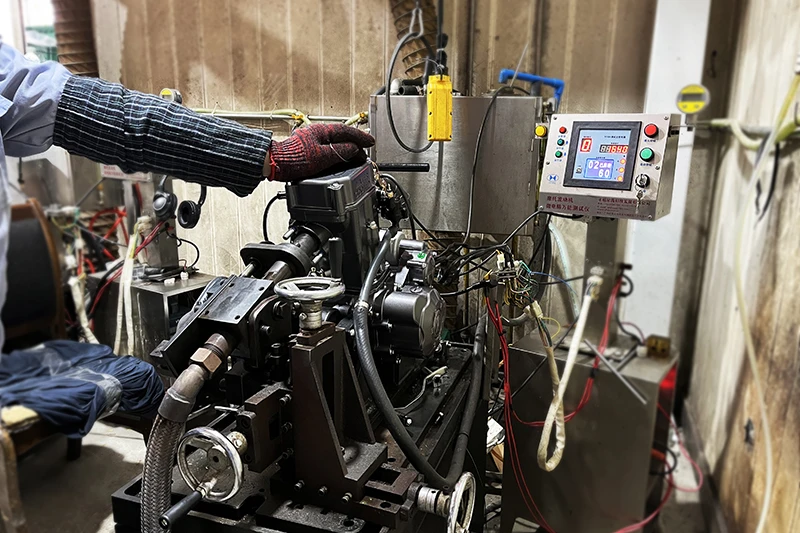
Service capacity on the ground
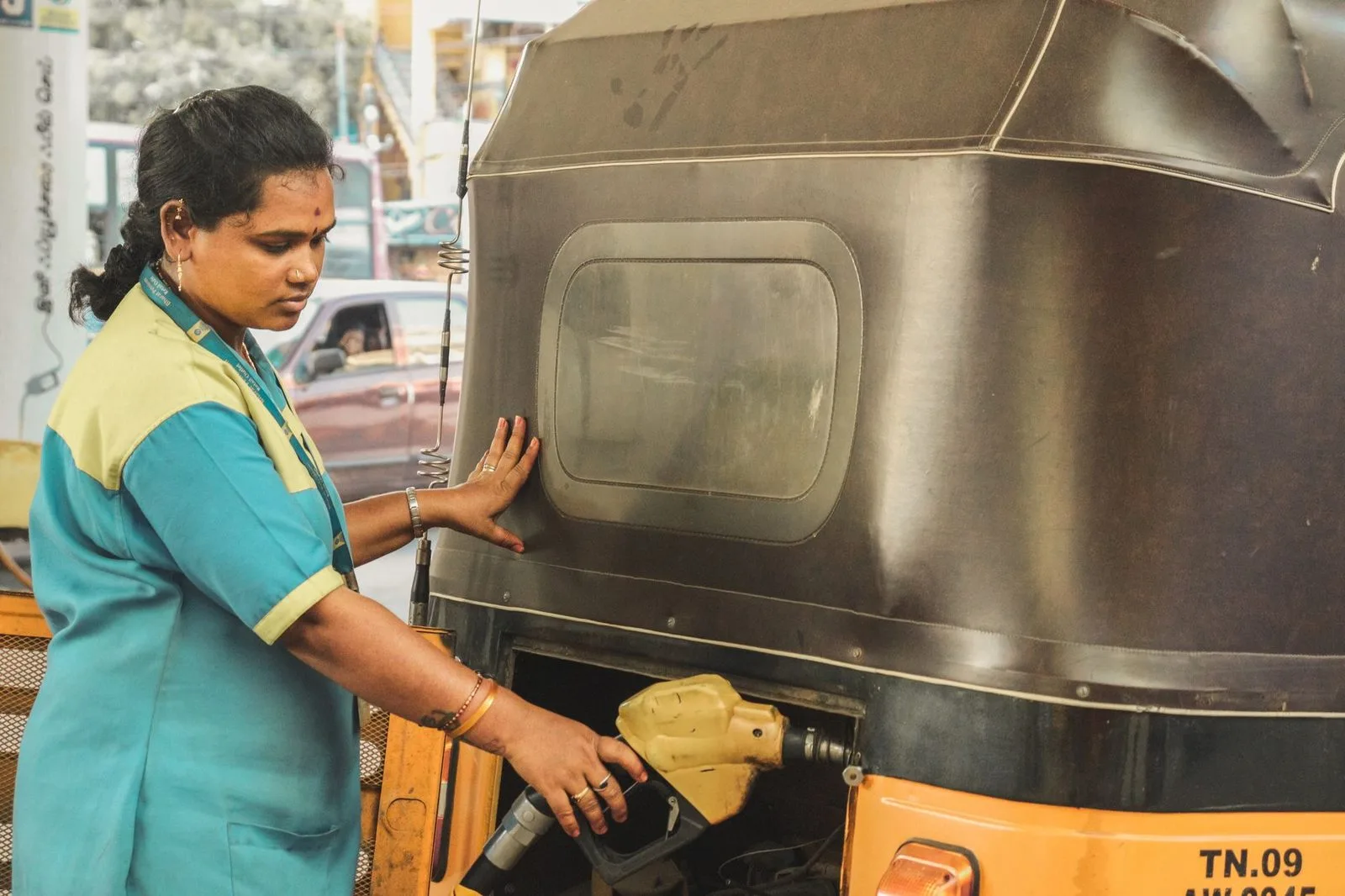
This is the pillar importers control most directly. Service capacity can be checked through named workshops willing to take the units, technicians who have access to the vehicle and its technical documents, and a practical parts-counter schedule. Budget it in the launch plan and test it with the pilot fleet.
According to the IFC, the financing gap facing formal micro, small and medium enterprises is estimated at USD 5.2 trillion, with a further USD 2.9 trillion for informal ones. Those aggregate figures do not describe a particular Wanhoo buyer or prove the cost of one unavailable vehicle. Importers should measure customer finance terms, replacement options and downtime exposure in the target market.
Running the Same Fleet Past Two Different Suppliers
The table below compares two illustrative three-year support scenarios. It is not measured market data and does not predict which supplier will produce the lower total cost; replace each qualitative entry with quotations, lead times and pilot results.
| Dimension, illustrative 3-year view | Reactive-support assumption | Planned-support assumption |
|---|---|---|
| Landed unit cost | Lowest available | Higher |
| Initial spare parts package | Not positioned before launch | Positioned from a verified local plan |
| Emergency air freight on parts | Higher use in this scenario | Lower use in this scenario |
| Downtime per warranty event | Longer assumption | Shorter assumption |
| Warranty claim handling | Undefined assumption | Written-process assumption |
| Technician capability | No pre-launch preparation assumed | Documents and training tested in the pilot |
| Repeat orders from the same buyers | Not predicted by this illustration | Not predicted by this illustration |
| Financial result | Must be calculated from local inputs | Must be calculated from local inputs |
The illustration shows a timing risk: a purchase-price difference is known immediately, while support costs emerge later. Discounted-cash-flow and scenario analysis can put both into the procurement decision without declaring either supplier "wrong" in advance.
A Verification Checklist Before the First Order
Use the negotiating stage to collect evidence, not to infer a supplier's integrity from tone, speed or confidence. The checklist below records what can be verified before shipment and what still needs a pilot-fleet test.
| Item to verify | Evidence to request | Independent or pilot check |
|---|---|---|
| Initial spares | Model-specific list with part numbers, quantities and duty-cycle assumptions | Compare with the catalogue, quotation, local mechanics and pilot usage |
| Parts commonality | Compatibility matrix across the models being ordered | Match sample numbers and physical parts before relying on interchangeability |
| Warranty workflow | Written coverage, exclusions, evidence list, reviewer, response target and remedy | Submit a test scenario and confirm the contract uses the same process |
| Technical documents | Workshop manual, exploded diagrams, torque specifications and revision numbers | Have the intended local technician review a sample |
| Training | Agenda, trainer, location, language, duration and competency check | Record attendance and assess technicians on the pilot units |
| Engine and major systems | Manufacturer and model identifiers, parts source and support route | Verify labels, catalogue references and supply continuity |
| End-of-production support | Written parts-support policy or contractual commitment | Treat any unsupported horizon as unverified and plan alternatives |
Range Discipline and Why Parts Commonality Matters
Additional models can expand the number of unique parts an importer must support. Use bills of materials and a verified compatibility matrix to calculate the inventory difference; apparent component similarity does not prove interchangeability or a profit outcome.
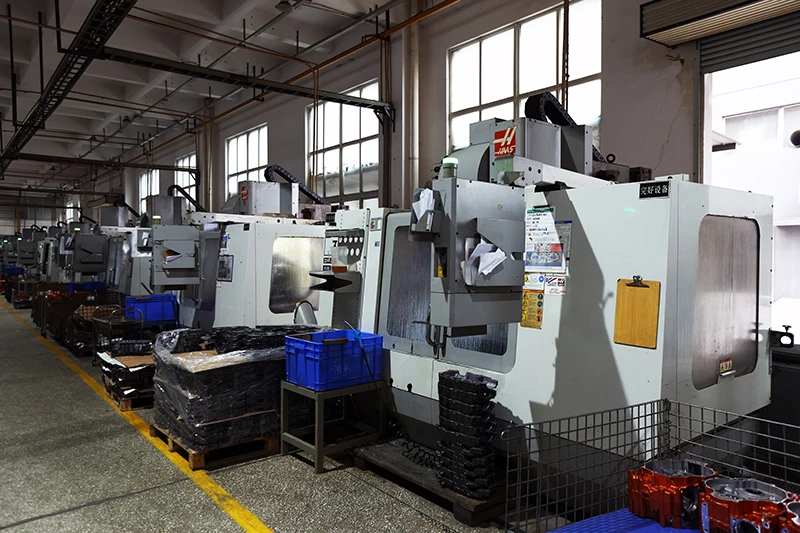
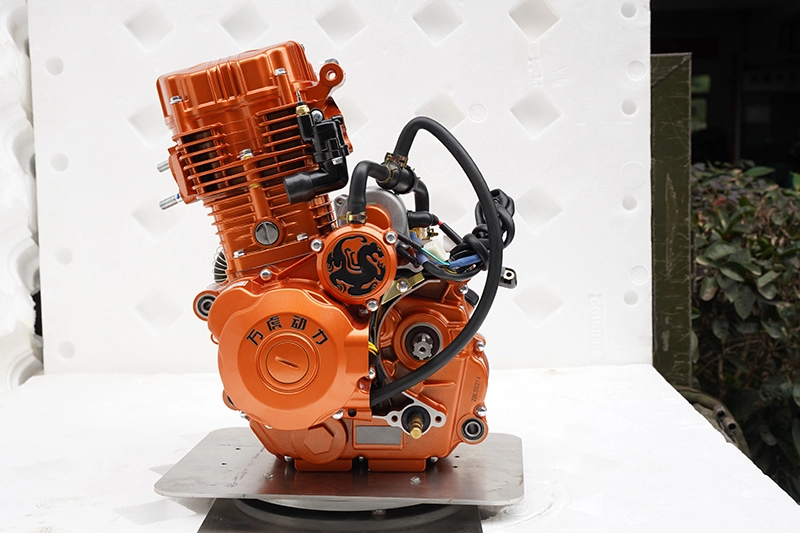
This is where a supplier's manufacturing structure becomes your operational problem. A factory assembling bought-in engines from several sources may have less direct control over long-term parts supply than one producing its own, although neither structure guarantees continuity. Manufacturers that build their own engines and frames have more room to design common components across a range, but buyers still need a compatibility matrix and support commitment. Wanhoo was founded in 1986. It is a Chongqing three-wheeler manufacturer and produces its own engines. Verify what that structure means for the specific model and part numbers after a model changes.
Ask directly how long parts will remain available once a model leaves production. Record the answer as verified only if the commercial agreement, written support policy or other documentary evidence supports it; confidence during a negotiation is not evidence.
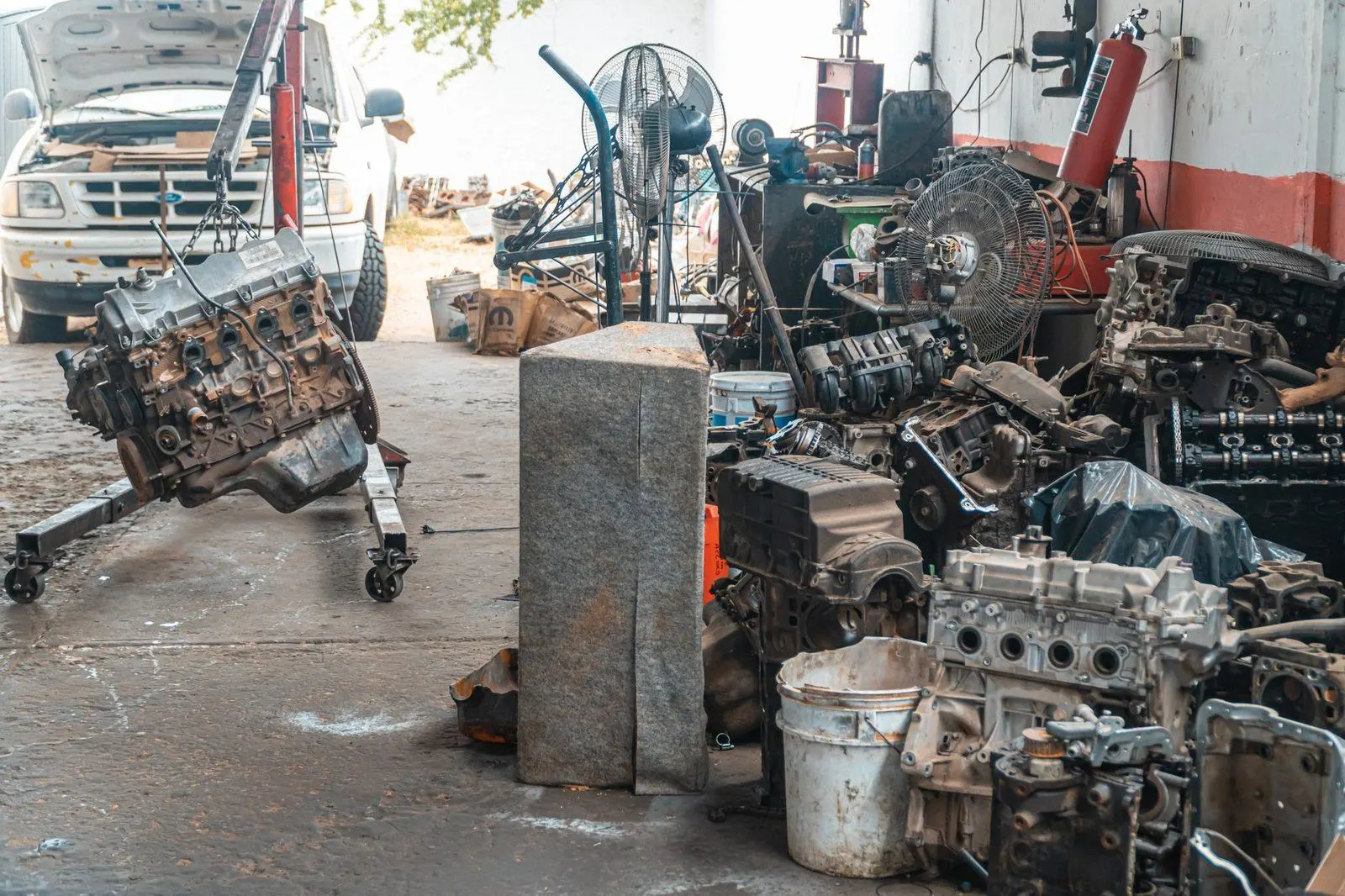
What Getting It Wrong Actually Costs
Service experience may affect referrals, repeat purchases and local brand trust. Measure downtime, complaint resolution, customer retention and lost orders rather than using an invented number of vehicles, weeks or buyers to estimate the effect.
Warranty exposure and emergency freight are visible costs. Possible lost repeat orders are harder to observe, so record the reason for each cancelled or competitor order and separate service-related loss from price, finance, product fit and market demand.
There is a timing dimension worth planning around too. According to the World Trade Organization, full implementation of the Trade Facilitation Agreement could reduce trade costs by an average of 14.3%. That is the upside case rather than the current reality: implementation is uneven, and clearance times for spare parts still vary enormously between markets. Build the stocking plan around the border you actually face, not the one your supplier assumes.
The Shift That Separates Importers Who Last
Importers building a service network may come to manage parts, workshops, training and claims alongside vehicle sales. Whether that model is commercially durable depends on measured local demand, working capital and service performance.
That reframing is the entire lesson. Price gets the first container sold. Everything after that is service.
Frequently Asked Questions
**How much should I budget for spare parts alongside my first container?**
There is no universal percentage. Start with the supplier's model-specific stocking list and its stated fleet and duty-cycle assumptions, then test it against a pilot, comparable local fleets and current replenishment lead times. Use a range in the budget until measured replacement rates are available.
What should a three-wheeler warranty actually cover, and for how long?
Duration and process both matter. Establish in writing which components are covered, which are excluded as consumables, what evidence a claim requires, who decides, the response target, available remedies and who pays freight on approved parts. Compare the complete written terms and have local counsel review them.
How do I verify a supplier's after-sales claims before ordering?
Test the process rather than the promise. Ask for a model-specific stocking list, a service-manual sample and a written warranty procedure before signing anything. Verify part numbers against the catalogue, have a local technician review the documents, and run a test claim scenario against the proposed contract. Record missing or unsupported items as unverified; do not infer honesty or service quality from how quickly or confidently a negotiator responds.
Should I stock parts locally or order them as failures occur?
Compare a tiered stocking plan with reactive ordering using local lead times, freight, carrying cost and measured pilot usage. Hold quantities only after verifying part numbers, compatibility and demand; the supplier's recommendation is an input to validate, not proof of the right stock level.
How many models should I carry in my first year?
There is no universal number. Start with the smallest model set justified by measured demand and local service capacity. Use bills of materials and a verified compatibility matrix to calculate the unique parts, tools, documents and training each additional model requires, then expand only when the support plan can absorb them.
What should a first-time importer test before scaling?
Use the pilot to test both the vehicles and the support chain: parts identification and lead time, technician documents and competency, claim evidence and response, workshop capacity, downtime records and customer feedback. Scale only from recorded results; there is no evidence-based "most common" failure that applies to every importer.