Transport-specific evidence on women in the three-wheeler economy is limited and highly local. A responsible market study should separately count drivers, owners, consignors, financiers, repair workers and people who manage vehicle income instead of inferring those roles from broad labour statistics.
Vehicle and licence records usually identify the registered owner or driver, not every person involved in the trip. They may omit the consignor, the customer, anyone who contributed to the purchase and the person who manages the resulting business income. Those roles can be held by women or men, and their distribution has to be measured in the specific market.
That measurement gap is the useful starting point. Counting licensed drivers alone does not describe the whole commercial chain, but broad statements about women's ownership, finance or control are equally unsafe without local evidence.
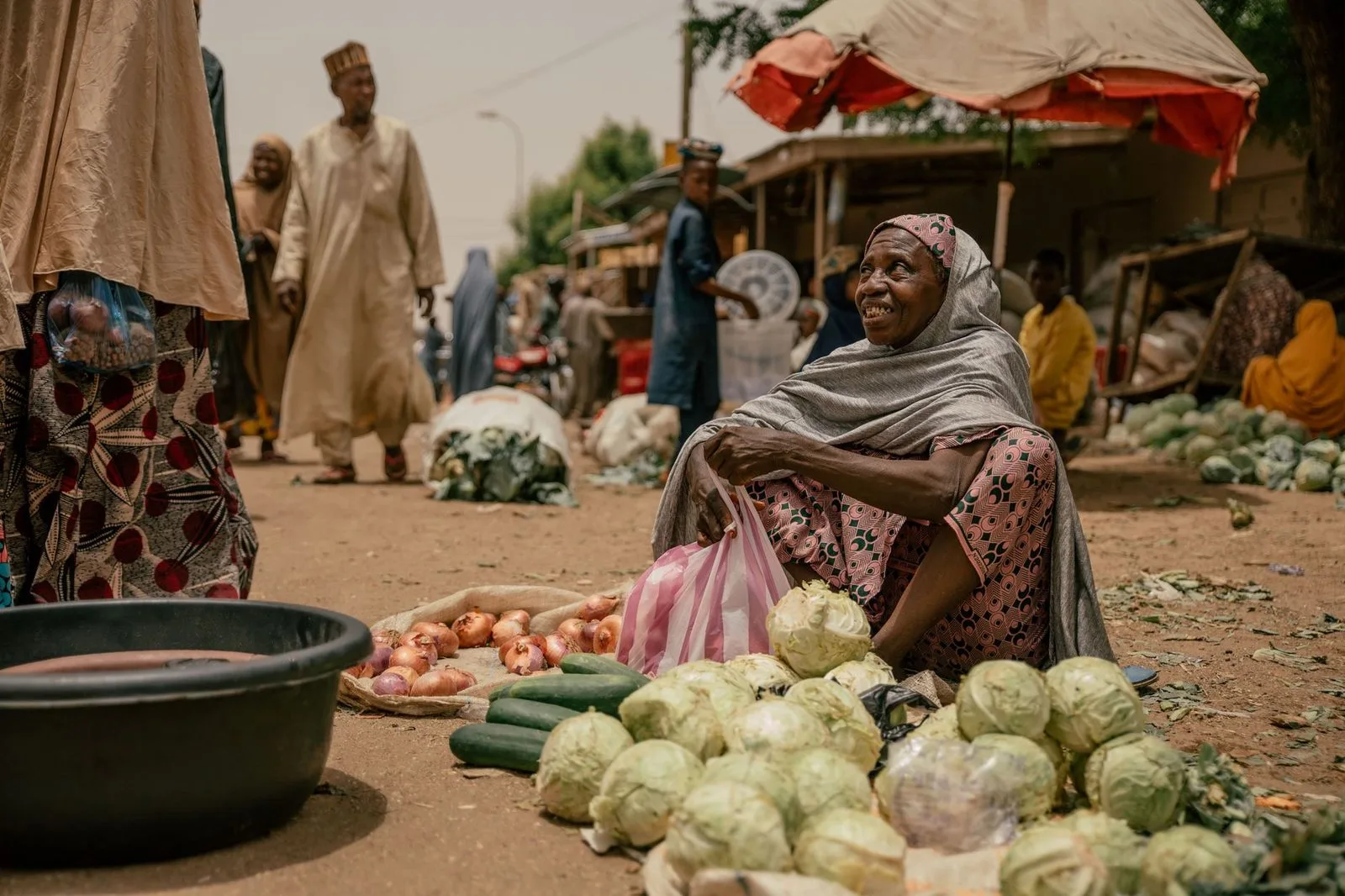
The load belongs to someone
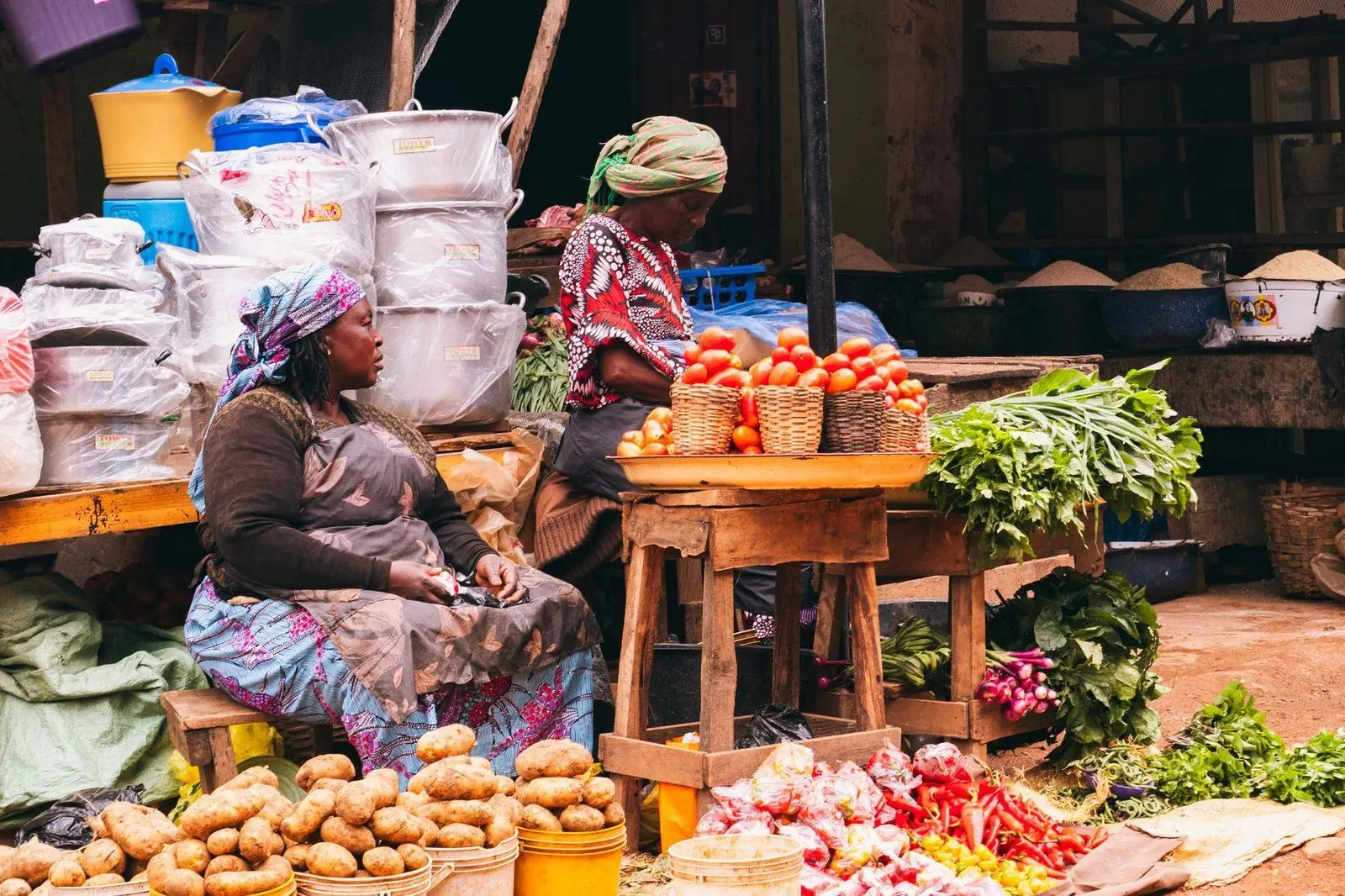
Three-wheelers can serve high-frequency, short-distance trade where a motorcycle has too little capacity and a larger vehicle costs more than the job can support. In many locations some of that work is informal, but the customer mix differs by route and market.
Available global labour data do not show what share of three-wheeler cargo belongs to women or what share of three-wheeler income they finance or manage. Those are market-specific questions requiring interviews or transaction records from traders, operators, owners and lenders.
The wider informal economy is large. According to the International Labour Organization, over 60 per cent of the world's workforce and 80 per cent of enterprises operate in it. WIEGO also reports gender-disaggregated informal-employment statistics and studies occupational groups including street vendors. These economy-wide figures provide context only; they cannot be used to calculate women's participation in three-wheeler transport or in any particular market.
Read any such percentage carefully. A share of employed women working informally is not the share of informal workers who are women, and neither measure identifies who uses, owns or operates a three-wheeler. To establish that, sample the actual route: record the gender of willing respondents, their role in each trip and who pays, owns the cargo, owns the vehicle and controls the business account.
Where women actually sit in the chain
The following table is a fieldwork checklist, not a statement about prevalence. The roles are separate, one person may hold several, and each proposed barrier needs to be confirmed locally.
| Role to ask about | What to record | What to verify locally |
|---|---|---|
| Market vendor / consignor | Cargo ownership, freight payment and loss exposure | Route reliability, freight terms and complaint options |
| Wholesale or cross-border trader | Vehicle hiring frequency and contract form | Payment, checkpoint and damage-dispute procedures |
| Non-driving owner | Title, rental or employment arrangement and access to trip records | How takings and maintenance are verified |
| Owner-operator / driver | Licence, route, hours, income and operating costs | Access to ranks, repair, finance and safe working conditions |
| Savings group or cooperative financier | Contribution, borrower, title holder and repayment terms | Liability allocation and default procedure |
| Household financial manager | Who records and allocates vehicle income | Whether financial control matches legal ownership |
| Parts and repair worker | Role, training, supplier terms and customer base | Access to technical training, tools and wholesale credit |
Do not fill that table from assumption. Interview a defined sample, report its location and dates, distinguish observed counts from self-reported answers, and avoid extending the result to another city or country without new data.
Who owns the vehicle, and who pays for it
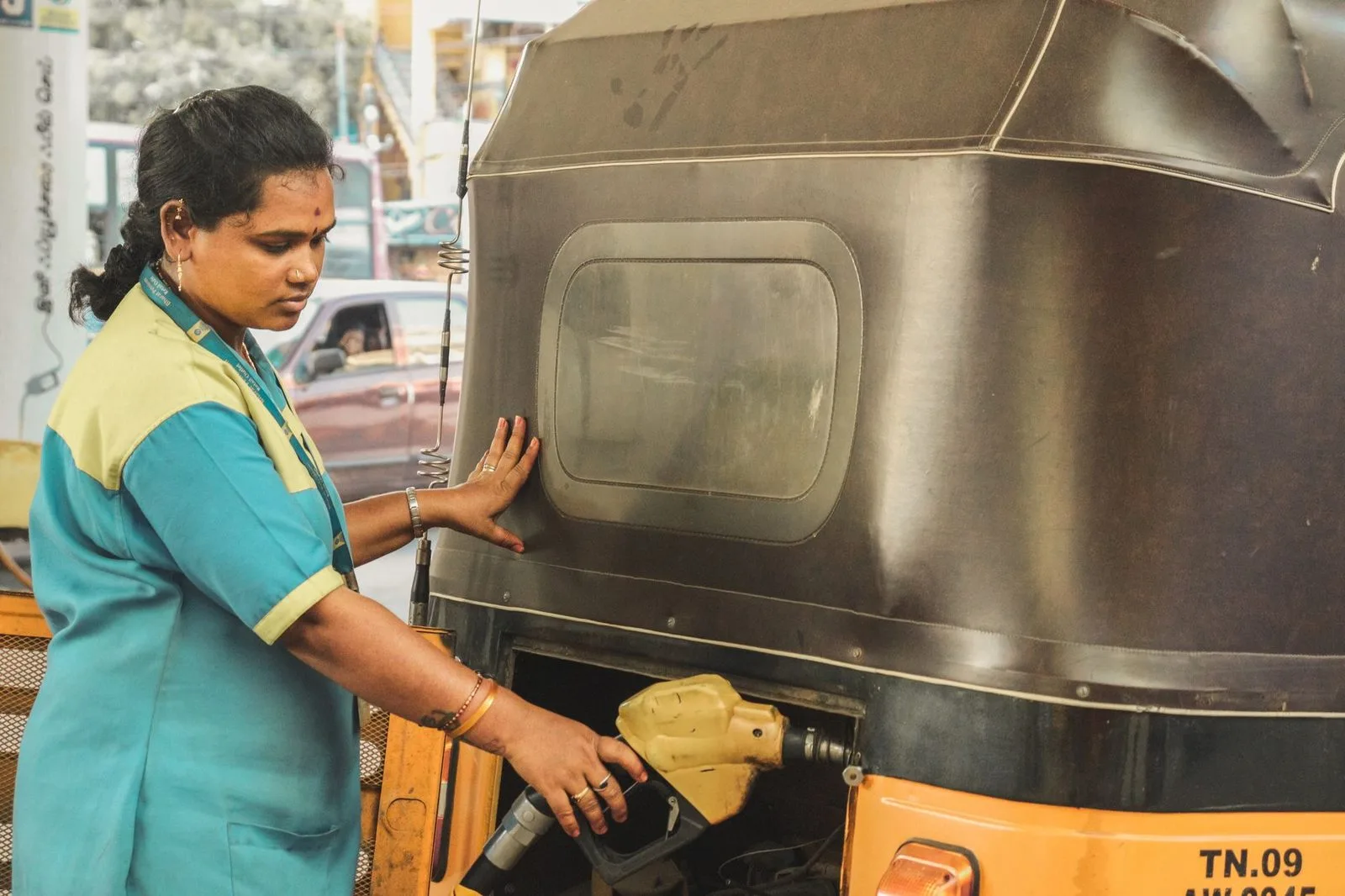
Ownership and finance are separate variables. A three-wheeler is a meaningful capital purchase, and an asset-finance application may request identity, income, collateral or banking records. Requirements and gender gaps differ by institution and jurisdiction, so obtain the lender's actual checklist and disaggregated approval data where available.
Savings groups and cooperatives are possible vehicle-finance channels in some settings, but the transport-specific evidence is not strong enough to describe them as the usual ownership model for women three-wheeler operators. Verify who contributed, who holds title, who owes the debt and what happens after default.
The World Bank's Global Findex database can establish broader gender gaps in account ownership and use of financial services. It does not show who finances three-wheelers. Use it as background, then collect product-level terms and borrower data from the lenders or groups active in the target market.
Documentation may affect credit or registration, but requirements vary. Compare the local registration rules, lender checklist and title document rather than assume who in a household holds the papers. Where one person contributes money and another takes legal title, both parties should obtain independent local legal advice and record the arrangement.
At the handlebars
No global dataset reliably measures the gender of commercial three-wheeler drivers, and informal or unregistered work is especially difficult to count. Local studies should record service type separately—open-rank passenger work, school or clinic contracts, delivery work, app dispatch and cooperative dispatch—because participation may differ between channels.
If one channel shows different participation, interview operators before assigning a cause. Dispatch method, hours, route safety, customer preference, licence rules, vehicle access and sample selection may all affect the result.
A gender-sensitive local risk assessment should ask operators about traffic exposure, working hours, rank access, passenger interactions, checkpoints, repair pricing and complaint channels. Without comparable local data from women and men, it should not claim which risk is greater or universal.
Vehicle ergonomics are another fieldwork topic.
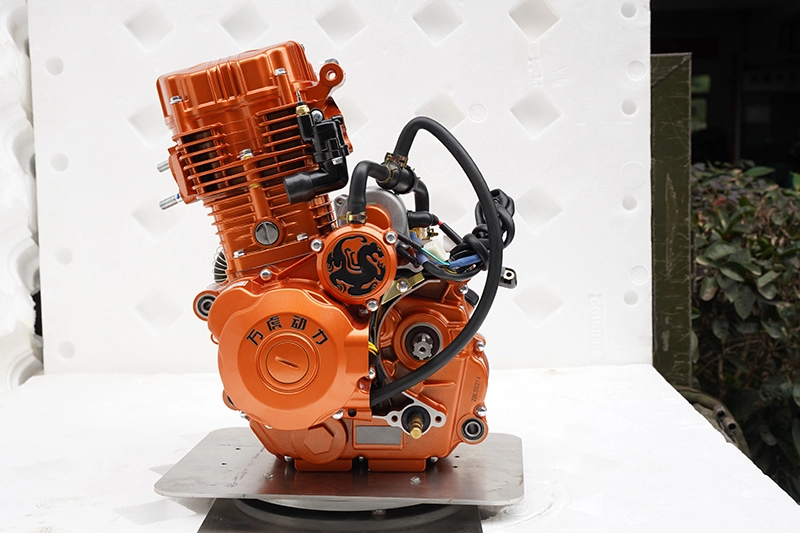
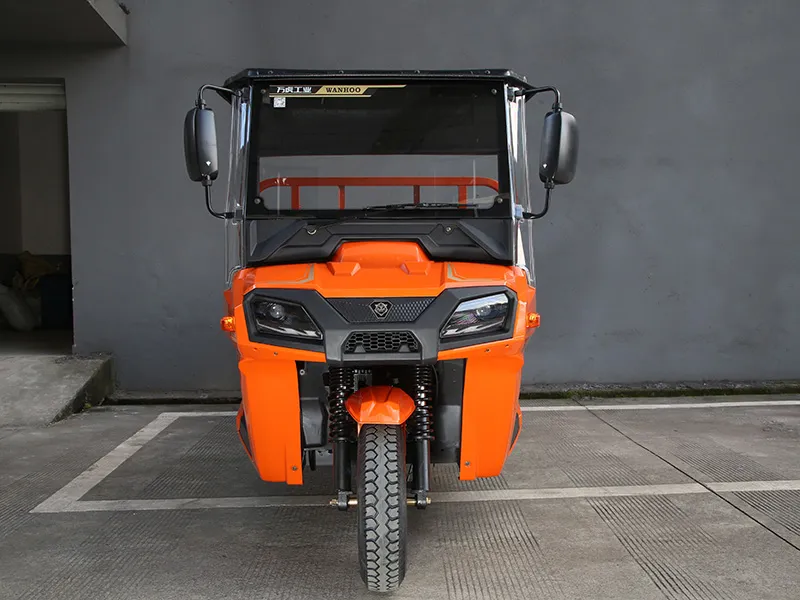
Seat reach, steering effort, clutch force, starting method, visibility and loading tasks should be tested with the intended operator population rather than inferred from gender. Electric drivetrains may remove clutching or manual starting on some models, but the actual controls, effort and safe operating procedure must be checked model by model.
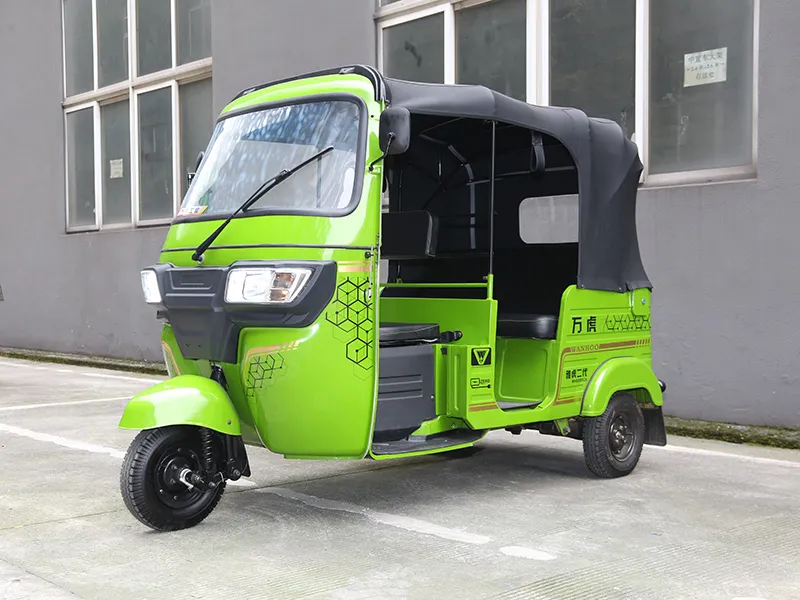
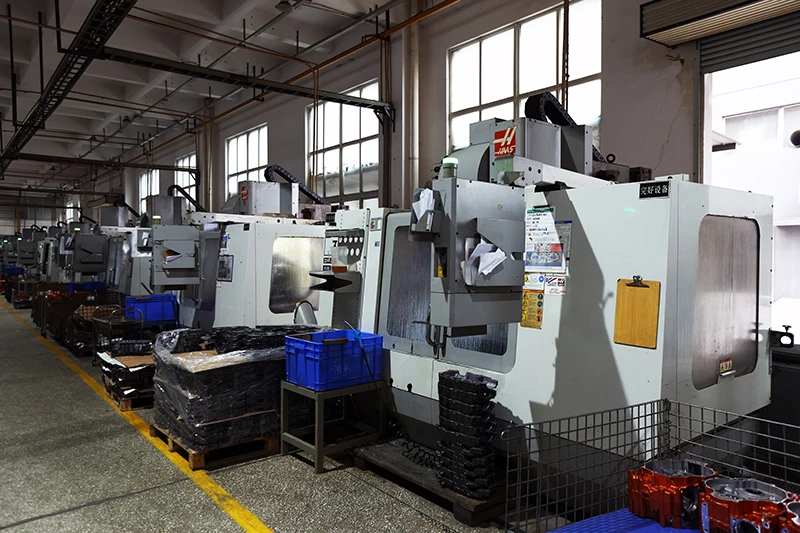
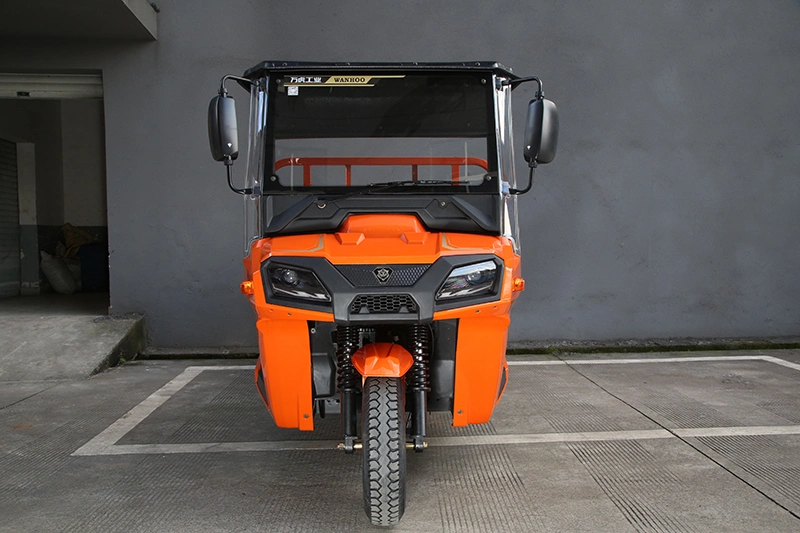
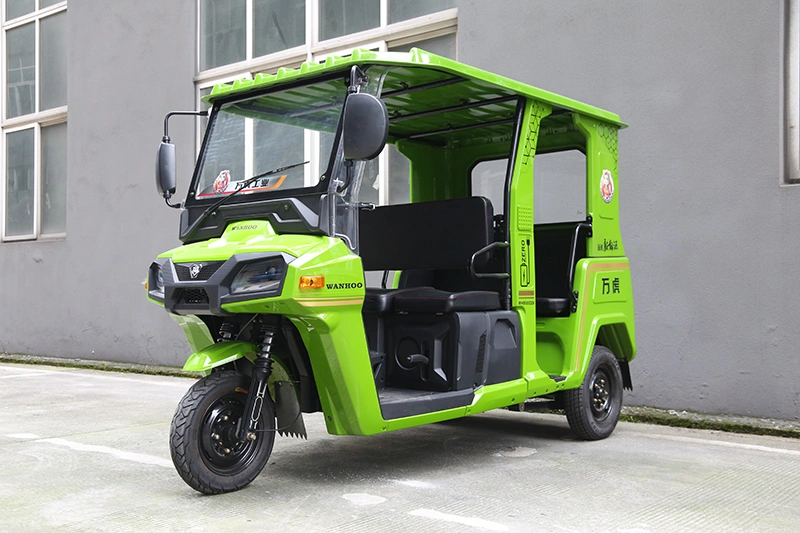
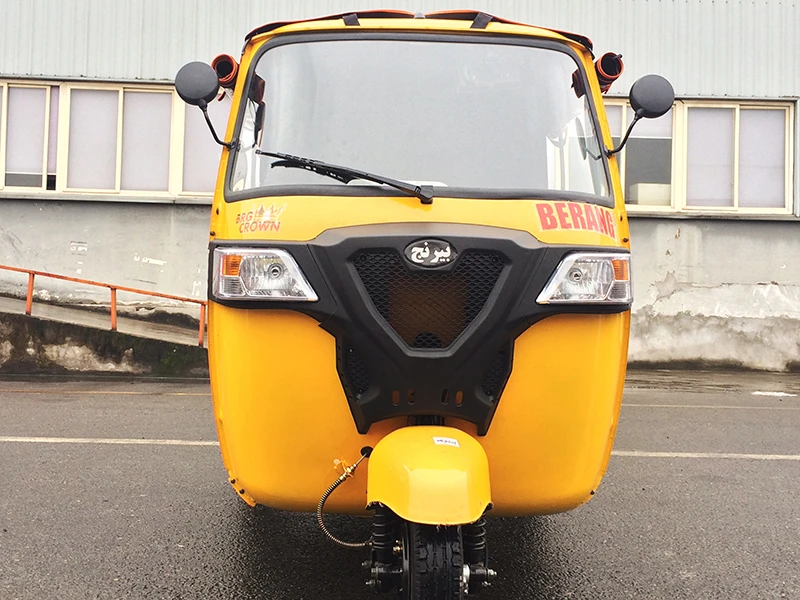
Manufacturers may sit several steps from the eventual operator, so structured distributor feedback matters. Wanhoo was founded in 1986 and manufactures three-wheelers in Chongqing. It has exported to more than 50 countries. Those facts do not establish who operates its vehicles in any one market; that requires local data.
The household economist
One role a transport study can miss is financial management by someone who does not drive.
Do not assume the driver, registered owner and person who manages business income are the same. Ask separately who receives fares, records costs, approves maintenance, pays debt and controls the account, then report the result for the sampled fleet.
This distinction may matter to a lender or fleet manager, but it should be handled with consent and privacy safeguards. Speak to the borrower and any authorised co-manager rather than assuming household roles or disclosing account information to someone who is not party to the agreement.
According to the ILO, women perform a disproportionate share of unpaid care work globally. That is relevant background when designing interview schedules or training hours, but it does not establish why any individual does or does not operate a three-wheeler. Ask respondents directly about time constraints and report their answers without substituting a global average.
The barriers that have not been solved
The transport-specific evidence is too limited to say how the sector is changing globally. A local assessment can still test several plausible barriers without presuming that every respondent experiences them.
Start with licensing.
List the actual commercial-licence requirements in the target jurisdiction—identity documents, fees, training, tests, processing time and language—and compare completion and rejection data by gender where the authority publishes them. Without that evidence, do not claim a requirement disproportionately excludes women.
Next, map safety, harassment and access to work through confidential interviews and the local complaint record. Identify who manages ranks or stands, how turns are allocated, the membership criteria and the gender composition of decision-makers. Association governance varies, so one market's structure should not be presented as the global pattern.
For credit, compare actual loan and rental terms, approval rates and title arrangements for similarly situated applicants. Do not infer financing constraints from the operator's gender alone.
Social expectations may affect occupational choice, but they require direct, voluntary testimony. Ask operators, non-operators and customers the same neutral questions, describe the sample and avoid treating an anecdote as a market-wide attitude.
ILOSTAT provides country- and income-group data on informal employment. Informal status can be associated with gaps in contracts or social protection, but the applicable protections differ and the dataset does not identify three-wheeler workers. Verify each operator's employment arrangement and available complaint, insurance and pension mechanisms locally.
What the evidence points to, cautiously
A few mechanisms merit local testing, with the explicit caveat that the transport-specific evidence base is thin and often small-scale.
Potential pilots include group-based finance, cooperative or platform dispatch, inclusive repair training and title arrangements that match the financier's legal interest. Each intervention needs a defined baseline, consent, safety monitoring and measurable outcomes such as approval, retention, income, downtime or complaint resolution. Plausible logic is not a demonstrated result.
None of that constitutes a solved problem, and none of it happens because a vehicle got cheaper. The three-wheeler is a good tool for the trade women already run. Whether they get to own it, drive it, and keep the proceeds is decided by licensing offices, lenders, transport associations and family law, all of which sit well outside the specification sheet.
The useful correction is methodological: count more than licensed drivers, but do not pre-fill the result. Record who owns the cargo, who finances and holds title to the vehicle, who operates it, who manages business income and who repairs it. Then publish the defined local sample, not an unsupported global conclusion.
Frequently Asked Questions
**How common are women three-wheeler operators?**
There is no reliable global estimate. Gender-disaggregated data on informal transport operators are scarce, and licence records may omit unregistered work. Measure the specific route and period, define whether the count covers drivers, owners or both, and publish the sample before making a local claim.
If few women drive, why describe this as a women's economy?
The title is a prompt to examine roles beyond driving, not a claim that women form a majority. A local study should separately count cargo owners, customers, vehicle owners, financiers, drivers, income managers and repair workers, then report where women and men appear in that defined sample.
What is the single biggest obstacle for a woman who wants to own a three-wheeler?
The evidence does not support one universal answer. Audit the local lender's documents, collateral, deposit and income requirements; compare approval and rejection data where available; and interview applicants about registration, route access, safety, repair and time constraints. Report which barrier is observed in that market rather than assigning one in advance.
Do electric three-wheelers change anything for women operators?
Possibly, but check the specific model and market. Measure seat reach, steering and control effort, starting method, visibility, charging access and total operating cost with intended operators. Then assess licensing, finance and work-allocation rules separately; a drivetrain change alone does not demonstrate an inclusion outcome.
Why does household money management matter to lenders and fleet operators?
The driver, owner, borrower and person recording business income may be different people. With consent, identify who is authorised to receive account information, approve maintenance and make repayments. Do not infer those responsibilities from gender or involve a household member who is not party to the agreement.
Is there evidence that supporting women operators improves anything measurable?
Transport-specific evidence is limited and often based on small pilots. Broader ILO and World Bank data describe informal employment, financial access and unpaid care, but cannot prove a three-wheeler intervention's effect. A pilot should define baseline, comparison, safety safeguards and outcomes such as licensing, retention, net income, downtime and complaint resolution.