There is no universal three-wheeler work-allocation system. Before placing vehicles, interview local drivers, customers, associations, market managers and authorities to verify whether queues, permits, gate rules, repeat-customer arrangements or digital dispatch apply on the exact route.
Imagine a new driver arriving at an unfamiliar rank and discovering that vehicles are called forward from a list rather than by simple arrival time. That is a possible local arrangement, not a description of every rank or market.
This part of the trade does not appear in a vehicle specification. Load capacity, cooling type and fuel cost can be measured; access to work requires local verification. Possible mechanisms include turn-taking queues, associations, route permits, market rules, direct customer relationships and app dispatch. Some routes may use several; others may use none.
The queue is the first institution
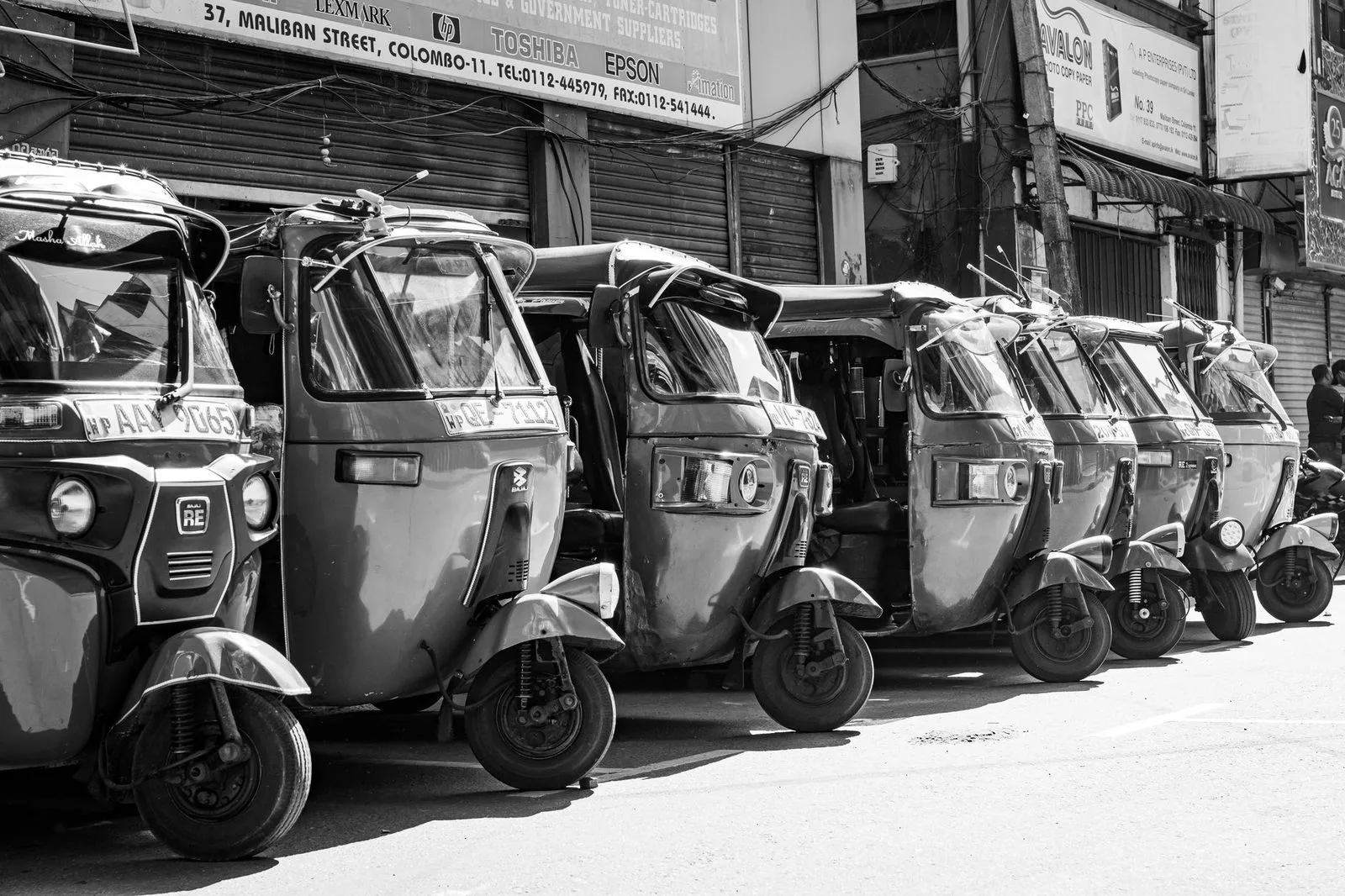
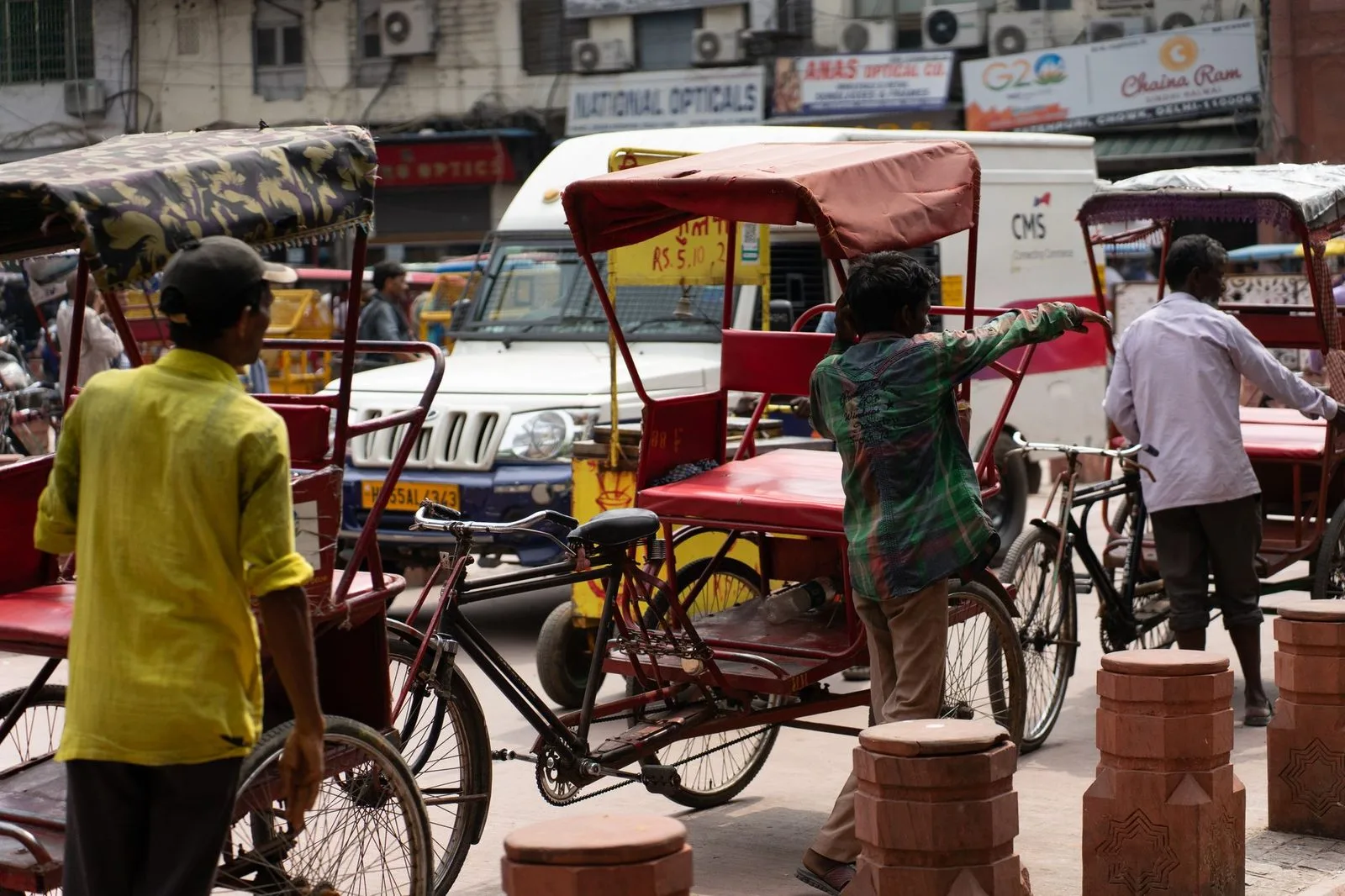
A rank, stage, stand or park may be a fixed place where vehicles wait and customers arrive. Do not assume it uses a queue: observe several loading cycles and ask who keeps order, whether arrival time matters and what happens when a driver takes a private job.
Where turn-taking exists, vehicles may load in an agreed order tracked on paper, from memory or on a phone. Return rules and exceptions vary even between nearby stands, so record the actual rule and corroborate it with more than one participant.
A turn-taking queue is one possible coordination mechanism, but its effects on fares, safety and income cannot be assumed. Verify them through observation, driver interviews and route-level records before describing the queue as protective or exclusionary.
If a rota controls entry, ask who admits a newcomer, what written or customary criteria apply, what it costs and whether capacity is capped. A queue may be open, closed or informal; the label alone does not establish gatekeeping.
What three-wheeler driver associations actually do
An association may operate at a rank or route, but its existence and authority must be verified. The body might call itself an association, union, cooperative, welfare society or stage committee; ask for its legal status, rules and actual functions.
Possible functions include maintaining a loading order, representing members, resolving disputes, running mutual aid or controlling entry. Interview both members and non-members and check documents where available; do not attribute every function to every body.
WIEGO documents examples of informal transport workers organising through unions and associations. Those examples show possible functions, not that a particular three-wheeler route has an association or that it exercises the same authority.
Where a body exists, ask separately what members receive and what access it controls. Collect the joining rules, dues, welfare terms, disciplinary process and appeal channel. Benefits and barriers should be reported from local evidence rather than inferred from organisational design.
According to the ILO, over 60 per cent of the world's workforce and 80 per cent of enterprises operate in the informal economy. That economy-wide statistic does not establish whether a particular three-wheeler service is informal or whether its work rules come from law, contract, platform or collective body.
Route franchises and who controls entry to them
Passenger work may add a route permit, franchise or other operating authority. Requirements and scarcity are jurisdiction-specific.
Depending on jurisdiction, the right to carry passengers along a corridor may attach to a permit, franchise, stage allocation, individual licence or collective authority. Obtain the current rule from the issuing body and confirm how it applies to the proposed vehicle and corridor before purchase.
If route rights are held collectively, verify the admission procedure, fees, waiting list, vehicle cap and appeal process with the permit holder and issuing authority. Collective ownership does not by itself prove that a contribution, queue or wait applies.
The Africa Transport Policy Program, SSATP, has built a body of urban mobility work on paratransit and informal public transport in African cities, examining how these operator-run systems are structured, regulated and reformed. That literature covers passenger transport specifically, so it should not be read across to freight three-wheelers without care, but it maps the permit, route and association machinery passenger operators live inside.
Market gates, loading bays and the freight side
Cargo allocation may differ from passenger allocation, but it should not be assumed to be open or organised without checking.
At a wholesale market, depot or supply lane, observe where vehicles wait and who assigns a bay or load. Interview market management, traders, loaders and drivers about written rules and informal practice. A relationship with loading staff may matter in one place and not another; document it rather than generalise.
Another possible mechanism is a standing arrangement between a trader and a driver. Verify its frequency, payment terms, service expectations and termination conditions; not every regular customer bypasses a queue.
Ask drivers whether regular work also creates availability, delayed-payment or exclusivity costs. Record the agreed terms and actual payment interval; do not assume the customer controls every standing arrangement.
Standing trader-driver arrangements are difficult to observe in a rank count because the job may be assigned by phone. Compare trip logs, waiting time, rates, payment delay and customer concentration before claiming that this channel pays more or is more valuable than open-market work.
The money that moves alongside the load
Some allocation systems collect fees or contributions. Separate each payment and verify who levies it and under what authority.
Possible categories include membership dues, joining contributions, stand fees, municipal or market levies, welfare contributions and unauthorised payments. Ask for receipts, rules, fund accounts and complaint channels. Do not assume what a payment funds without documentary evidence.
Amounts vary by location, so calculate them for the actual route as a share of gross and net earnings. For each payment, record the collector, legal or contractual basis, receipt, stated service and appeal route. That evidence is more reliable than labelling a fee legitimate or illegitimate from outside the market.
The allocation layer is not a curiosity. It determines who can convert a vehicle into income.
Comparing the systems side by side
The mechanisms below are interview hypotheses. More than one may operate, and no row should be marked present until local participants and documents corroborate it.
| Possible mechanism | Who to interview | Evidence to request | Questions for a newcomer |
|---|---|---|---|
| Rank or stage queue | Drivers, queue keeper, site manager | Loading observations, written list or rules, fee receipts | Is order fixed, who changes it, and how is a newcomer admitted? |
| Association membership | Members, non-members, officers, regulator | Constitution, membership criteria, dues, accounts, appeals | Is membership required for this route or stand, and by what authority? |
| Route franchise or permit | Issuing authority, permit holder, operators | Current regulation, permit, vehicle cap and transfer rules | Which licence applies to this vehicle and corridor? |
| Market gate or loading-bay rule | Market manager, traders, loaders, drivers | Posted rules, levy schedule, receipts and observations | Who may wait or load, and are exceptions documented? |
| Standing trader arrangement | Traders and their regular and occasional drivers | Trip logs, payment records and service terms | How are jobs assigned, paid and ended? |
| App or platform dispatch | Platform, active and former drivers, regulator | Onboarding terms, commission, deactivation and data policy | What documents, costs, ranking rules and geographic limits apply? |
What apps changed, and what they did not
Digital dispatch may offer a separate onboarding path. Verify required documents, vehicle eligibility, coverage area, wait-list status, commission, ranking and deactivation rules before describing it as easier to enter.
Interview platform-only, rank-only and mixed-channel drivers. Ask where they may wait, which local fees still apply, whether an association represents them and which freight remains direct. Answers from one city should not be transferred to another platform or route.
Digital dispatch can add, replace or fail to establish a channel depending on local coverage, regulation, customer use and physical access to waiting or loading space. Measure onboarding completion, job share and driver retention before claiming an entry effect.
Reading a market before you commit capital
For an importer or would-be fleet owner, work access should be checked before the fleet quantity is fixed.
Run at least three interview groups on the exact corridor: active drivers from different channels, customers or traders, and the relevant authority or site manager. Ask which mechanism assigns work, who can enter, all monetary and time costs, legal authority, seasonal changes, complaint route, current vehicle count and whether committed customers already cover the proposed fleet. Cross-check answers with several days of observation and documents.
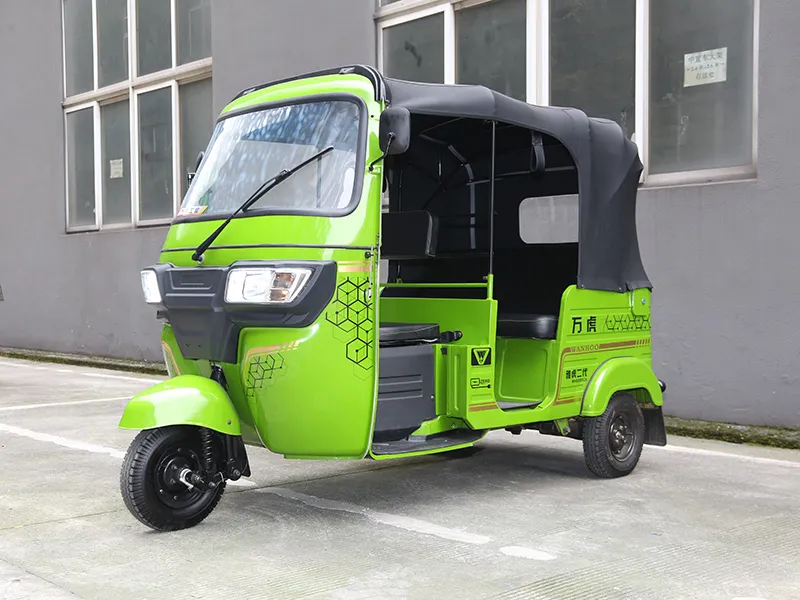
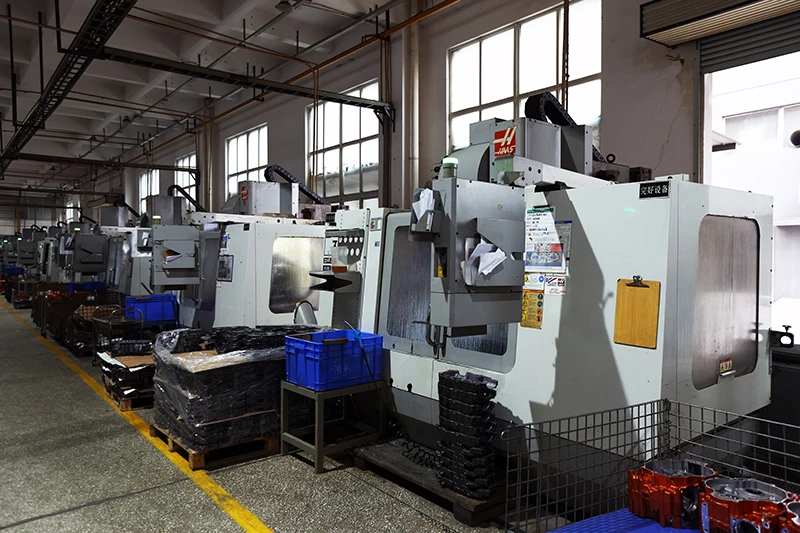
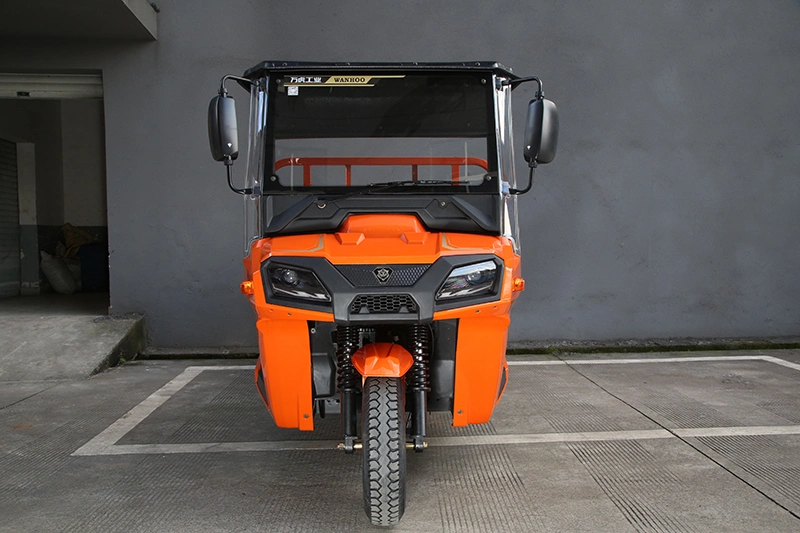
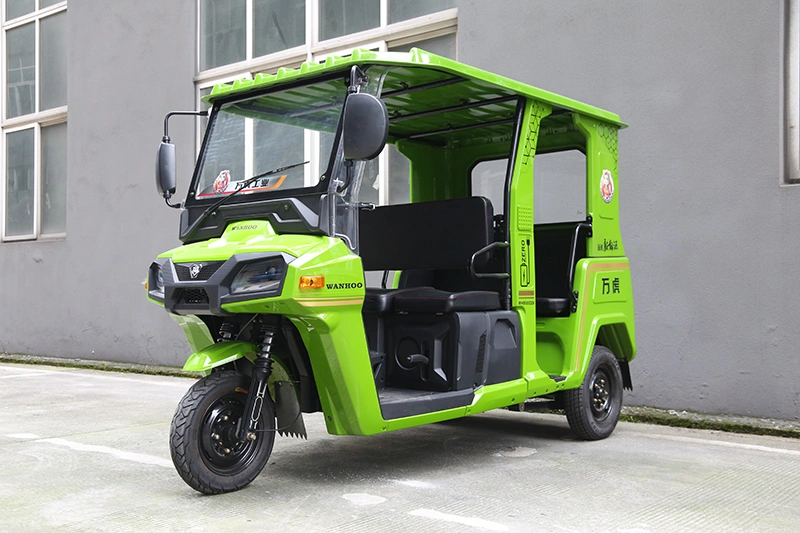
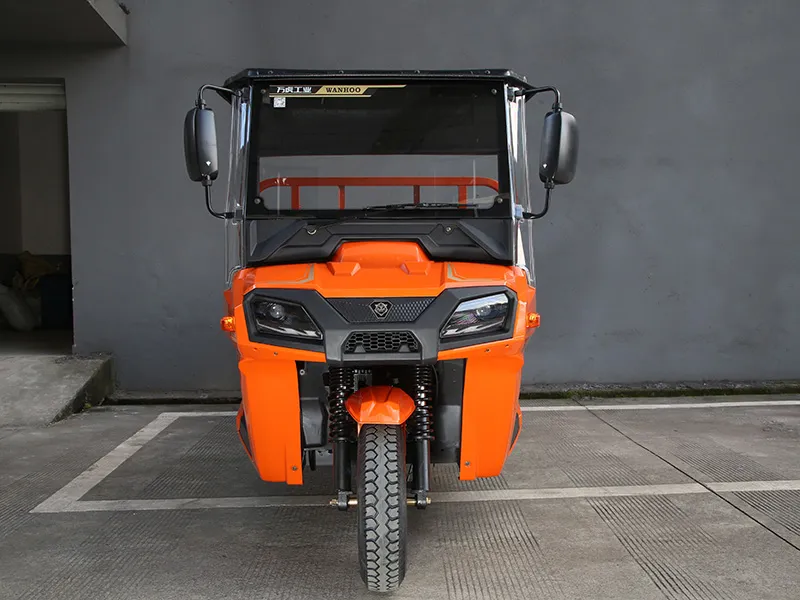
Wanhoo was founded in 1986 and builds three-wheelers in Chongqing. It has exported to more than 50 countries. That export footprint does not reveal the work-allocation rules on a buyer's intended route, so the buyer still needs the local interviews.
The publication-safe conclusion is deliberately narrow: a route may have access rules that materially affect utilisation, and a vehicle quotation does not reveal them. Verify the rules, capacity and customer demand before ordering; do not assume a queue, association or gatekeeper exists until the fieldwork shows it.
Frequently Asked Questions
**What do three-wheeler driver associations actually control?**
There is no universal answer. Ask for the local body's constitution, membership rules, fee schedule, permit relationship, disciplinary process and appeal route, then compare those documents with member and non-member interviews. Do not assume it controls a queue, fares or route entry merely because it is called an association.
Can I just buy vehicles and start operating on a busy route?
Only after checking the specific corridor. Confirm vehicle classification, operating permit, route or stand rules, platform eligibility where relevant, fees and current capacity with the issuing authority and local operators before committing to vehicle numbers.
Is freight allocation freer than passenger allocation?
Do not infer that from the absence of a passenger-route permit. Observe the target market and interview management, traders, loaders and drivers to learn whether bays, gate rules, queues, direct calls or open hailing allocate work.
Are the fees drivers pay legitimate or extortion?
That is a local legal and evidentiary question. Record who collects each payment, its statutory or contractual basis, receipt, stated service, fund accounts and complaint route. Seek local legal or regulatory guidance for disputed charges instead of assigning a label from anecdote.
Do ride-hailing and logistics apps make associations irrelevant?
Not necessarily, and the relationship varies. Interview platform-only, association-only and mixed-channel drivers, then check whether rank access, fees, representation or direct customer work still applies. Platform availability alone does not show how much work it supplies.
What should I check before placing a fleet in an unfamiliar market?
Interview active drivers from different channels, customers or traders, and the relevant authority or site manager on the exact corridor. Verify permits, allocation method, admission rules, all fees and waiting costs, vehicle count, seasonal demand, complaint routes and committed customers; cross-check the answers with observation and documents.