Three-wheeler resale value has to be appraised locally. Parts access, model familiarity, mechanical and structural condition, records, legal status and comparable transactions are assessment inputs, not a universal formula or guaranteed retention rate.
Consider an illustrative fleet deciding whether to rotate six units after three years. The dealer may have no published valuation guide, while local traders may want to inspect each vehicle before quoting. That uncertainty is the reason to include an estimated disposal value in the purchase model and to update it with local evidence, not a claim that every fleet follows the same path.
Purchase price gets compared across four quotations, argued over, negotiated down. Residual value gets ignored, then discovered by accident at disposal. That gap is the subject here.
The second price belongs in the arithmetic
Purchase price is only one line for either an owner-operator or a fleet. If a vehicle is later sold, the proceeds offset part of ownership cost; if it is written off or cannot transfer legally, the residual may be zero. Two otherwise similar vehicles can therefore produce different capital-cost outcomes at disposal.
That is not an argument for buying expensive vehicles. It is an argument for buying vehicles that stay sellable.
Before using any percentage, check whether the target country has a published valuation guide, insurer schedule, lender table or observable transaction database for the exact vehicle class. India's IRDAI age-based schedule concerns insured declared value, not an observed three-wheeler resale price, so it should not be exported to another market or treated as a sales-price forecast.
The distinction matters. An insurance schedule, lender assumption, asking price and completed cash sale measure different things. If a relevant transaction dataset cannot be found, label the residual estimate as an assumption and obtain dated appraisals from several independent local buyers. Do not transplant passenger-car curves or another country's insurance schedule to a cargo tricycle.
Why the used market exists at all
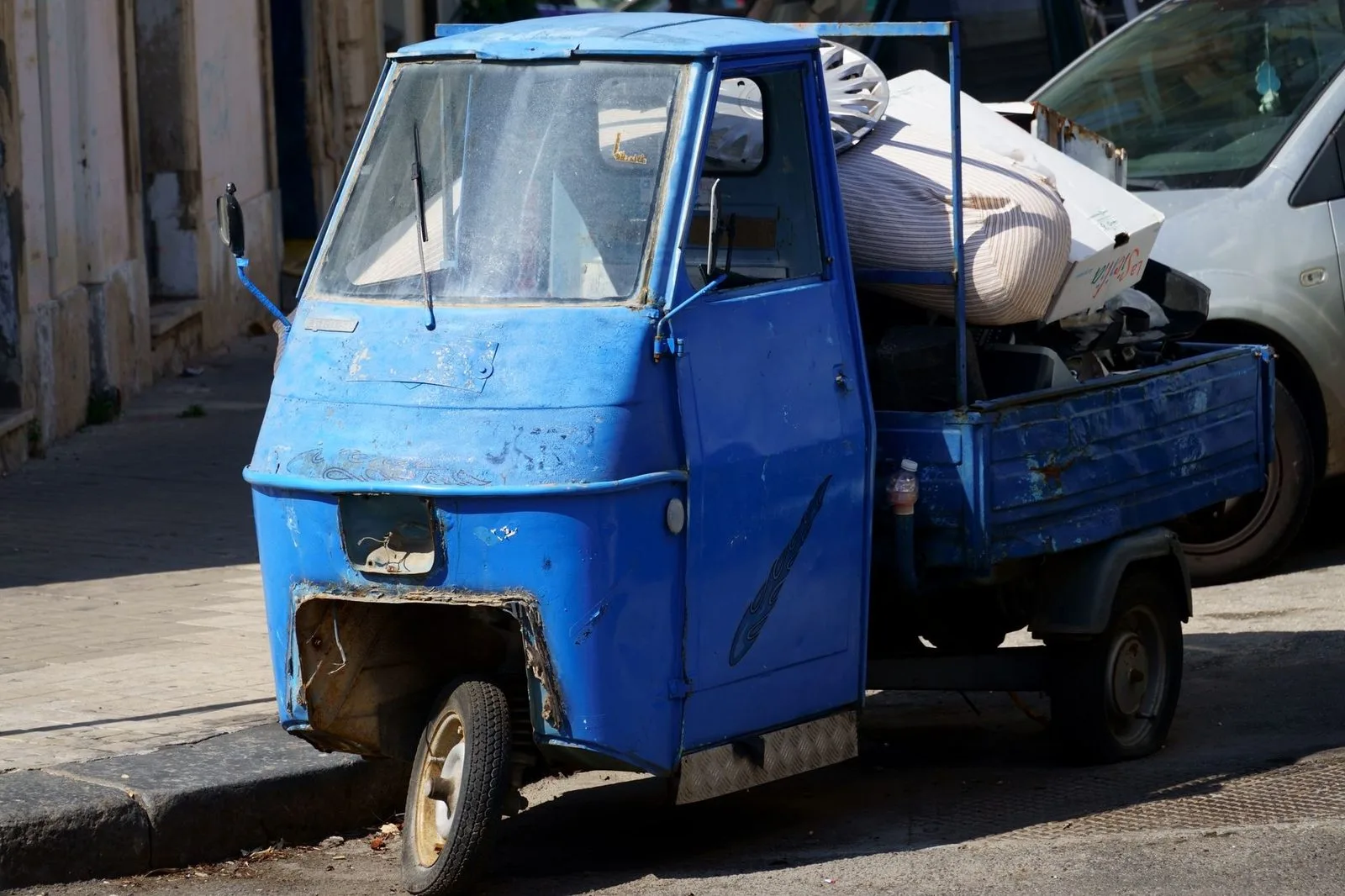
Used three-wheelers may be an entry point into motorised transport for some operators, but buyer profile and demand have to be verified in the target town.
Expected use may influence an offer for an income-producing vehicle, but the buyer's method has to be checked locally. Road surface, load history, climate and maintenance can affect condition. The World Bank reports broad global transport-access challenges, but that statistic does not show where a particular three-wheeler operated or what its components have experienced. Inspect the vehicle and document its actual duty cycle.
A second-hand buyer may be an owner-operator, trader, dealer or fleet. Ask local buyers what use they plan and which documents, parts and condition checks affect their offer rather than assuming one buyer profile.
Candidate factors to test in a local appraisal
The following factors are prompts for quotations and inspections. Their order and price effect are not universal.
Parts availability. Ask how buyers price lead time, supplier choice and local stock.
Parts lead time is a plausible resale factor for an income-producing vehicle, but no comparative dataset establishes it as the top factor across markets. Test it by asking several independent buyers to price otherwise similar units with locally stocked versus slow-to-source parts.
Model presence. Ask workshops whether they service the exact model, which documents and tools they use, and how familiarity affects their quoted labour time.
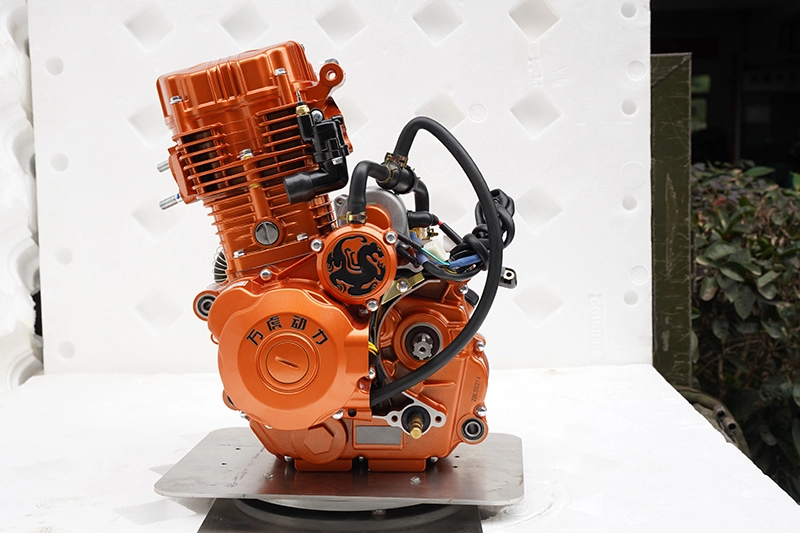
Engine identification, condition and local familiarity. Obtain the exact model, service history and a qualified condition report, then ask appraisers how each item affects the offer. Do not substitute reputation for inspection.
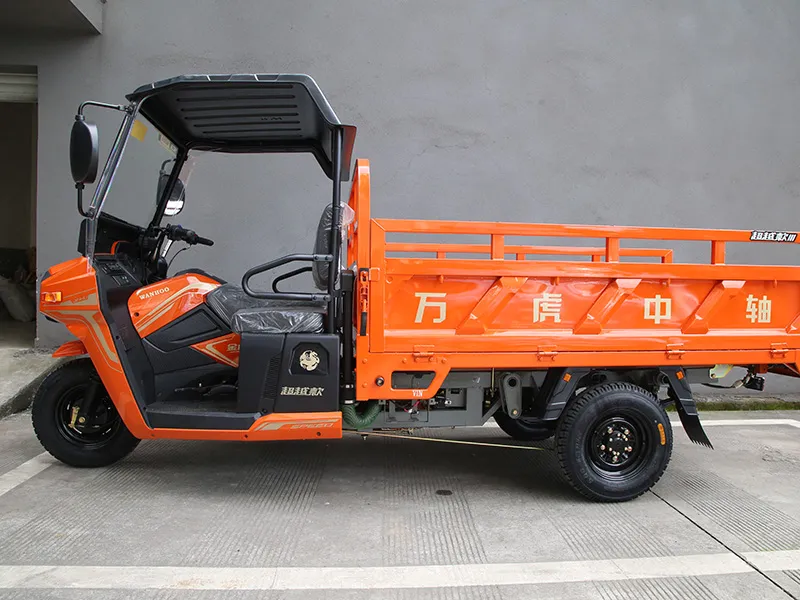
Frame and cargo bed condition. Use a qualified inspection against the manufacturer's limits; visible appearance alone cannot classify a defect.
Visible frame repair, misalignment or cracking should trigger inspection by a qualified technician against the manufacturer's limits. The defect may affect safety and a buyer's offer, but neither its severity nor its price effect can be determined from a universal rule.
Documented history. Ask appraisers whether verifiable records change their offer in this market.
Local brand familiarity. Whether the name means something in that specific town, which is not the same as whether it means something nationally or globally.
What destroys value, and how quietly it happens
Some condition and support risks may only become visible during inspection or disposal.
Operation above the manufacturer's rated load can accelerate wear or damage to suspension, axle, tyres, brakes, frame and bed mounts. A qualified inspection and service history can identify evidence relevant to an appraisal, but appearance alone cannot establish the past load or a fixed resale discount.
Accident damage and repair may affect safe use, legal transfer and an appraiser's offer. Have structural work assessed against the manufacturer's repair limits, disclose known repairs and compare dated quotations rather than assume a fixed ranking or discount.
Then there is the model that simply disappears from the supply chain.
When local support for a model ends, parts lead time and technician familiarity may affect a buyer's offer. Verify the effect with current parts quotations and local appraisals; model prevalence does not automatically outweigh condition, legal status or specification.
Missing records can add uncertainty. Ask several buyers to quote the same vehicle with and without verifiable service and repair documents to test whether that uncertainty affects price locally.
Regulatory and registration risk
Regulatory change can affect whether and where a vehicle may operate or transfer. Relevant possibilities include an emissions transition, route or zone restrictions, a commercial-registration age cap or a change in used-import rules. Only current local law and official implementation dates can show whether any applies.
Four questions are worth answering in writing. Is the model type-approved for the emission standard currently in force in that market, and is a stricter one already scheduled? Are there municipal route or zone restrictions on three-wheelers where the fleet will work? Is there an age cap on commercial registration, and at what age does it bite? Are the chassis and engine numbers traceable on the registration document, so a future buyer can verify the vehicle is what the paperwork says?
There is more than one valid comparison method. A buyer may report the expected sale amount, a percentage of original purchase price, or a percentage of the current price of a comparable new unit. State which denominator, currency and date are used, and show exchange-rate and new-price changes separately; none of these methods is the universal definition of residual value.
The comparison below is an appraisal worksheet, not a prediction. Confirm each item with documents, a qualified inspection and dated local quotations.
| Factor | Evidence to collect | Question for local appraisers |
|---|---|---|
| Parts supply | Current stock and lead-time quotations for model-specific wear parts | How does verified local availability affect this offer? |
| Model presence | Registration, dealer or workshop evidence where available | Does local familiarity affect labour time or buyer demand here? |
| Engine | Exact model, condition report and service records | Which engine findings change the offer, and by how much? |
| Frame | Manufacturer-aligned inspection for cracks, repair and alignment | Is repair permitted and documented, or is specialist assessment required? |
| Cargo bed | Floor, mount and corrosion inspection | Which defects are cosmetic, repairable or structural? |
| Load history | Operating records plus suspension, axle, tyre and brake inspection | Is there evidence of misuse, and what uncertainty remains? |
| Distance or hours run | Reading, service history and evidence of instrument replacement | Is the reading credible and material to the offer? |
| Records | Dated invoices, logbook and delivery or service photographs | Which records can the buyer verify? |
| Brand and model familiarity | Local fleet, workshop and parts-shop interviews | Does recognition affect this transaction or not? |
| Ownership and legal status | Title, registration, liens and transfer requirements | Can the vehicle transfer legally without unresolved claims? |
How the second-hand market actually works
Who is on the other side of the table is one appraisal input.
According to the ILO, over 60 per cent of the world's workforce and 80 per cent of enterprises operate in the informal economy. That economy-wide statistic does not establish how a specific used-vehicle transaction is financed or recorded. Check locally whether dealers, lenders, insurers, auctions, registration data, cash sales or mobile payments provide usable comparables.
Where hire-purchase financiers dispose of repossessed vehicles, their completed sales or written valuation rules may provide one local input if those records are lawfully available. Do not infer an unpublished price floor from the existence of finance alone.
In markets without a published guide, buyers may rely on dealers, mechanics, auctions or direct inspection. Record who performed the appraisal, the evidence reviewed and the adjustments made; no single participant's opinion is automatically the market value.
Condition and location may change an offer, but the size of the effect requires comparable quotations. Ask appraisers to separate cosmetic, mechanical, structural and legal adjustments so the reason for each discount is visible.
A stamped logbook, dated invoices and delivery or service photographs can reduce uncertainty if a buyer can verify them. Whether records add money to an offer, and how much, must be tested with local appraisals rather than assumed.
Protecting residual value from day one
Several appraisal inputs can be protected from the first week of ownership.
Make parts support a procurement check. Request the exact model's parts catalogue, identify planned service items and obtain dated local quotations for stock and lead time. Ask the supplier for a written compatibility matrix across any models under consideration, and verify sample part numbers before relying on commonality.
Vertical integration changes the supply chain but does not guarantee future availability or cross-model compatibility. Ask any supplier which part numbers carry over between versions, how revisions are documented and what written support commitment applies after a model leaves production.
Then govern how the vehicles are used. Rated load is a residual-value control, not a suggestion, and an operator who tolerates routine overloading is spending disposal value to save trip costs at a bad exchange rate.
Keep records a stranger can read: dated invoices, a simple logbook, photographs at delivery and at each service. Records do not guarantee a higher price, but they help a buyer verify the history. Structural damage should be assessed and repaired only through the manufacturer's approved method and a qualified technician, then disclosed with supporting records.
One piece of illustrative arithmetic, not market data: if disposal returns a quarter of purchase, the three-year capital cost is three quarters of purchase; if it returns half, it is half. Running costs sit on top in both cases and must be calculated from the actual operation. Those fractions are invented only to show how the residual assumption changes the capital line.
The electrification question worth asking early
Drivetrain transition is another scenario to test rather than a universal residual-value forecast. According to the IEA, electric three-wheelers passed a 25% share of global three-wheeler sales in 2025, with more than 1.2 million sold, and India accounted for a much higher share of new three-wheeler sales than many other markets.
The geographic concentration means a global share cannot predict demand in a specific African, Latin American or Asian secondary market. Local registration, sales, charging, fuel-price, repair and used-listing data are needed. A used electric vehicle also requires a qualified battery-health assessment; roadside appearance cannot establish remaining pack life.
Ask whether electric units are registered and trading locally, whether qualified controller and battery service exists, whether charging suits the intended routes and whether completed used sales provide comparables. Use the answers as scenario inputs; none alone establishes the future resale price of either combustion or electric units.
Frequently Asked Questions
### What percentage of its value does a three-wheeler keep after three years?
There is no reliable universal percentage. Check for completed local sales, dealer bids, auction results, lender tables and any official valuation instrument covering that exact class. India's IRDAI schedule is an insured-declared-value tool, not a resale-price observation. If comparables are scarce, obtain several dated independent appraisals and label the residual figure in the business model as an assumption.
Which single factor matters most for three-wheeler resale value?
No comparative dataset establishes a single top factor across markets. Ask several local appraisers to price parts access, model familiarity, mechanical and structural condition, records, legal status and current demand separately. Their dated quotations reveal the ranking for that vehicle and town.
Does a repaired frame really matter that much if the vehicle drives fine?
It may matter materially, but only a qualified inspection against the manufacturer's repair limits can establish severity and safe use. Disclose known repairs and provide the method and invoice. Do not promise rated-load capability or a fixed resale discount based only on the appearance of a weld.
How can I tell whether a used unit was overloaded?
Review operating records and have a qualified technician inspect suspension, bed mounts, axle, tyres, brakes and frame. Wear, cracking or misalignment may be consistent with overloading but can have other causes, so they are inspection findings rather than proof of a past load.
Is a globally known brand automatically worth more second-hand?
Not automatically. Test whether local buyers recognise the exact model, can obtain its parts and can find qualified service, then compare actual offers. Brand recognition is one possible input alongside condition, documents and demand; it does not guarantee a higher price.
What should I do at purchase to protect the disposal price?
Build a local baseline before ordering: collect dated appraisals or comparables, verify model-specific parts support, check legal transfer and operating rules, and document the vehicle at delivery. During use, follow the manufacturer's rated load and maintenance schedule and keep invoices, logbooks and approved-repair records. These steps improve the quality of a future appraisal but do not guarantee a disposal price.