Choose a mobile shop three wheeler by its fully fitted mass and axle loads, a low and secured layout, an approved parked-stability plan, safe independent power, food and fire requirements, and a legal trading pitch. A standard cargo tricycle is only a base vehicle, not a ready-approved mobile shop.
The engine has been off for four hours. The vehicle is parked near a trading pitch, the tailgate is doing duty as a counter, and customers are gathering along one side. Nothing in that moment involves driving, but load distribution, customer separation and parking stability still matter.
A transport checklist is not enough for a mobile shop. Rated payload and roadworthiness remain essential, but the design also has to work safely while parked, serving and packing down.
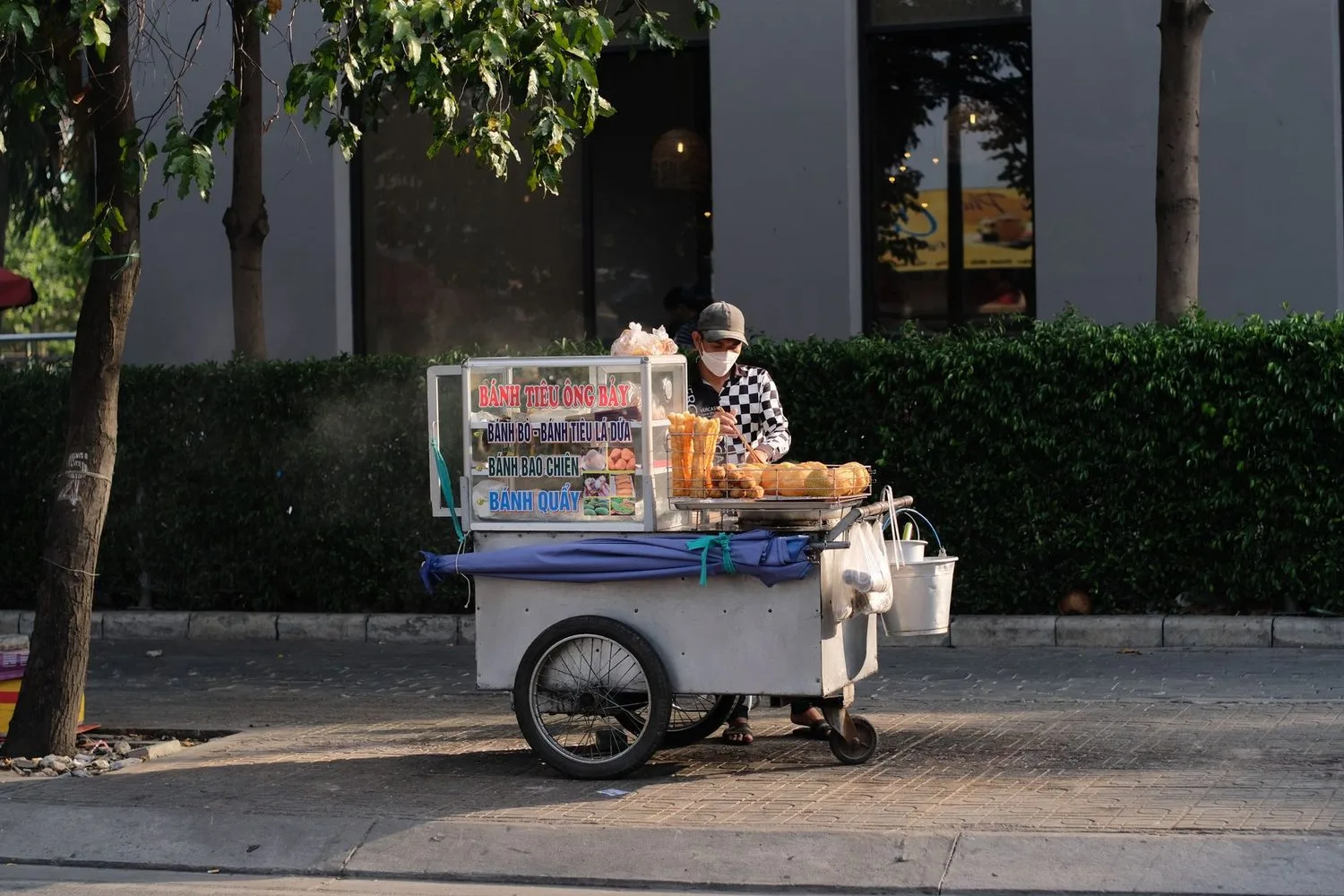
The day is mostly parked
Map the real duty cycle: driving, setting up, serving, restocking and packing down. For a unit that trades mainly from a pitch, the parked condition may occupy more hours than the road condition, while both still require a safe design.
A mobile shop may spend most of its trading time stationary, so procurement must cover both road use and the parked operating condition. Payload, brakes and tyres still matter, while serving layout, customer separation, parking stability, power and hygiene become additional requirements.
Food and street-trading rules are local. For example, the UK government's current food-business registration guidance explicitly includes mobile units and temporary premises. It is an example, not a universal licence: identify the transport, fire, food, electrical and pitch authorities for the exact place where the unit will operate.
What the stopped condition actually asks of a vehicle
Once you accept that the vehicle is furniture for most of its working life, the questions change shape.
Judge the stopped condition without using customers as a stability test. Park on firm, level ground, apply the parking brake, keep customers outside a defined service line, and use only wheel chocks, stabilisers or outriggers that the vehicle manufacturer and competent body builder approve for the completed unit.
Serving frontage affects the queue and the safe distance between customers and hot, sharp or moving equipment. A deep cargo bed may carry stock well but still need a purpose-designed counter and barrier; do not turn a tailgate into a load-bearing counter unless its rating and hinges are approved for that use.
Shade may protect temperature- or light-sensitive goods and reduce heat exposure for the operator, subject to the product's actual storage limits. Security also affects whether stock and equipment must be removed after each session. Treat both as design and operating requirements rather than assumptions about revenue.
The gap becomes obvious when the two checklists are set side by side, because a transport buyer and a mobile shop three wheeler buyer are optimising for opposite halves of the day.
| What a transport buyer optimises for | What a mobile shop buyer should optimise for instead | Why |
|---|---|---|
| Maximum rated payload | Payload left over once the fit-out is bolted in | Fixtures ride every day; stock is the part that varies |
| Fuel used per kilometre driven | Fuel and power consumed while parked and trading | The actual duty cycle may include long stationary periods |
| Bed volume for bulk cargo | Usable serving frontage facing the queue | Frontage sets how many customers you serve at once |
| Loading and unloading speed | Set-up and pack-down time at the pitch | Set-up happens twice a day, every trading day |
| Ride comfort over distance | A designed customer boundary and parked-stability plan | Customers must not become the stability test |
| Weather protection for the cargo | Shade and shelter for the seller and the goods | The seller stands in it for the whole session |
| Theft risk while in transit | Whether it can be secured and left in place | The vehicle often stays out between sessions |
Payload is the wrong headline number
Rated payload is essential, but it is not sufficient for this job.
Fitted equipment is permanent dead weight. A display case, cooler, griddle, shelving or counter is carried every working day whether or not anything sells, while stock is the variable and usually smaller part. Every kilogram of fixture is a kilogram of rated payload spent before the first item is loaded.
Unlike removable freight, the fitted body and equipment travel on every operating day. Compare vehicles by the verified remaining load allowance after the completed fit-out, while also checking gross and axle limits. The vehicle supplier cannot calculate that figure without the conversion specification, so require the body builder to provide a final measured mass and loading data.
The fit-out is heavier and higher than the drawing suggests
Two surprises usually arrive together, and the second one is the dangerous one.
Counters, display cases, tanks, batteries and shelving can raise the centre of gravity and change axle loads. A completed mobile shop needs a measured mass and load-distribution check against the vehicle and body-builder limits, not just a sum of component weights.
A three-wheeler has a different footprint from a four-wheel truck, and a tall fitted load behaves differently from cargo placed low on a bed. Steel framing, a counter, display, water tank, canopy and battery system can add substantial mass at different heights.
Keep heavy equipment low and near the approved load zone, secure every tank and battery for road forces, and avoid drilling, welding or extending the chassis without written manufacturer or engineering approval. Use Wanhoo's cargo-tricycle payload guide to frame the questions, then have the finished build weighed and check gross and axle limits on its final specification.
Power needs its own engineered system
Electrical demand is easy to underestimate because appliance ratings, starting current and hours of operation all matter.
Do not connect commercial appliances to the starting circuit unless the vehicle manufacturer and a qualified installer confirm the alternator, battery, wiring, protection and isolation are designed for that load. A separate battery system, generator or mains connection also needs its own rated protection and local electrical approval.
Each option changes weight, ventilation, fire protection and operating rules. A battery bank needs secure mounting, over-current protection, isolation and a charging plan. A fuel-burning generator must not operate in or beside an enclosed customer area: the US Occupational Safety and Health Administration warns that generators and other combustion equipment can create lethal carbon monoxide in enclosed or partly enclosed spaces. Mains power needs a suitably rated supply and protective device specified under local rules.
Give the installer an appliance schedule with starting current, continuous demand and duty cycle, and ask for a labelled isolation procedure. Do not improvise connections at the pitch.
Cooking turns the vehicle into a regulated installation
The moment you put a flame on board, you are no longer buying a vehicle with a box on it.
Cooking on board introduces fuel, ignition, hot surfaces, ventilation and burn risk near customers. Treat the conversion as a regulated installation: obtain the local fire, gas, food and vehicle approvals before fabrication, and use competent installers for every fuel and electrical system.
Rules genuinely differ. The UK Health and Safety Executive's vehicle guidance, for example, requires upright secured LPG cylinders and a purpose-designed externally ventilated compartment for the use case it covers; see its mobile gas-equipment safety alert. Do not copy those dimensions into another jurisdiction or application. Ask the enforcing authority and a competent gas installer what applies before the body is built.
Food handling: water, waste and surfaces you can clean
Selling food from a vehicle brings a second set of requirements that has nothing to do with driving.
The WHO Five Keys to Safer Food cover cleanliness, separation, cooking, temperature and safe water. A mobile unit also needs the cleanable surfaces, potable water, handwashing and waste arrangements required by its local food authority; confirm the applicable code before fabrication.
Water adds mass, while solid and liquid waste need separate contained storage and authorised disposal. Food-contact and splash surfaces should meet the cleanability and material rules set by the local food authority. Confirm those requirements before choosing finishes or laying out the tanks.
The pitch is the business
Buyers spend months choosing a vehicle and an afternoon thinking about where it will stand. That is the wrong way round.
A compliant vehicle does not create a legal trading pitch. Permitted locations, hours, fees, food registration and street-trading approvals vary by jurisdiction, so obtain written answers from the relevant authorities before committing to a vehicle or conversion.
Before you spend, find out who controls the proposed pitch, what it costs, which hours are allowed and whether the permission is transferable. A well-designed vehicle cannot operate commercially from a location where trading is prohibited.
Access is the other half of that question. Compare the proposed route, surface and gradient with the base vehicle's approved use, then review Wanhoo's three-wheeler safety-features guide and the model manual before choosing tyres or making suspension changes.
Reading a standard cargo three-wheeler as a base
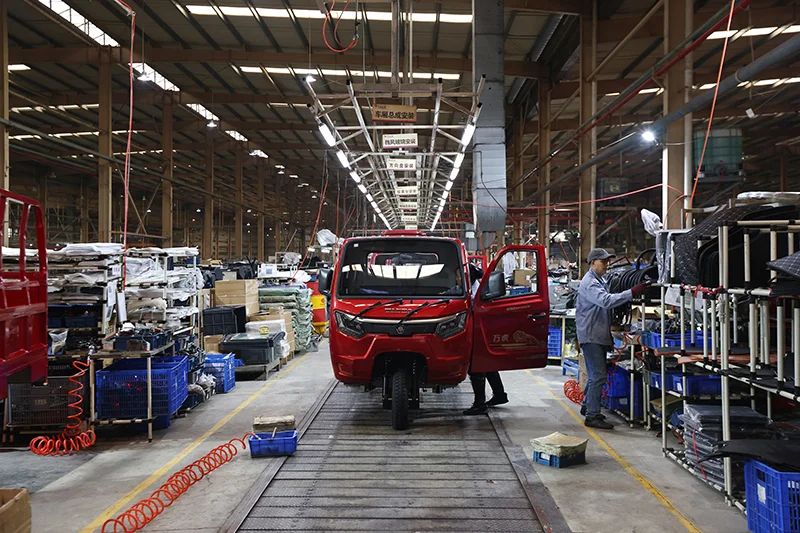
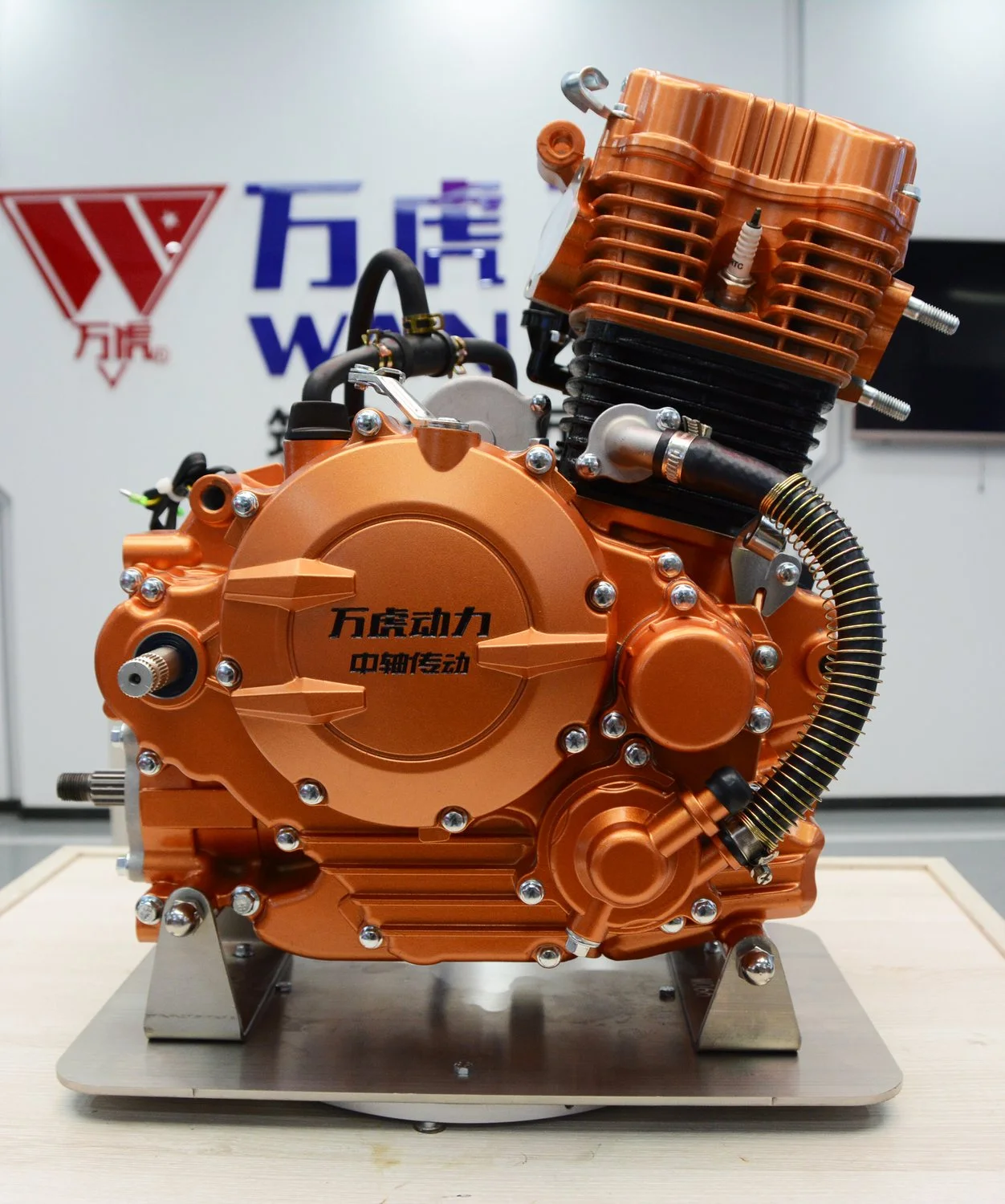
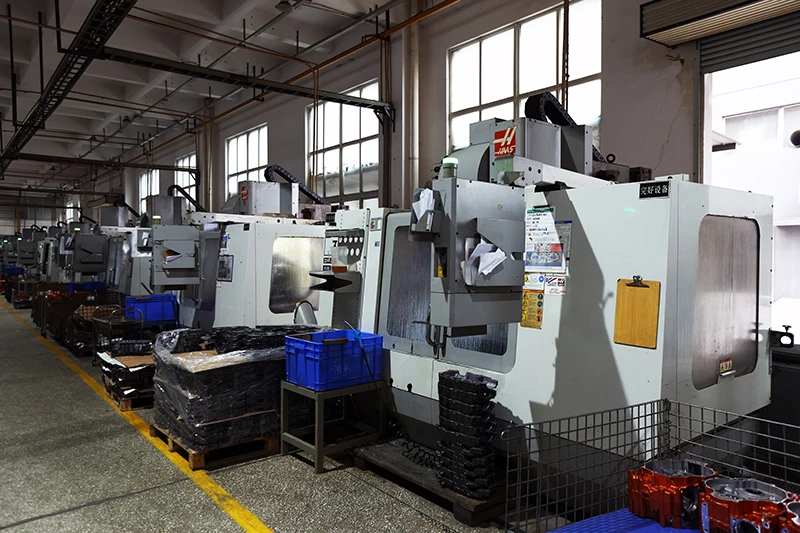
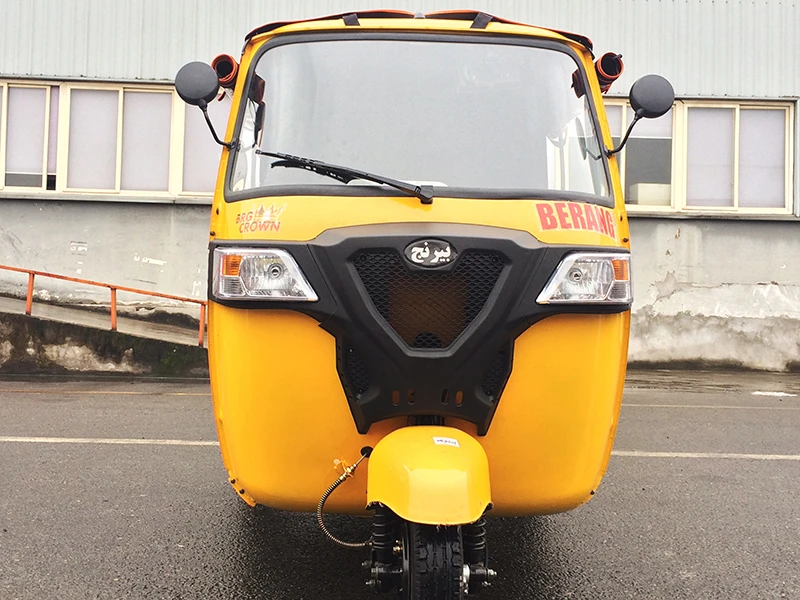
Wanhoo's company page describes a Chongqing manufacturer founded in 1986 with in-house frame and engine production. Those company facts do not approve a particular conversion.
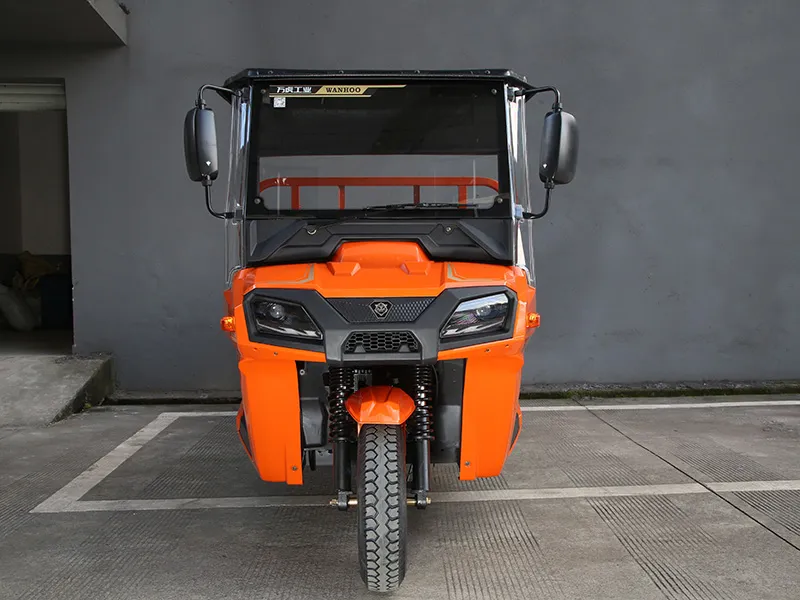
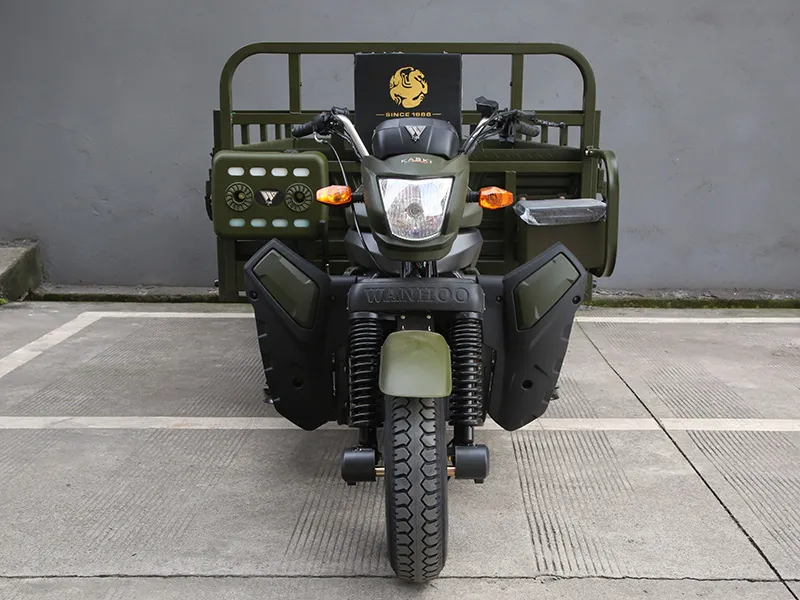
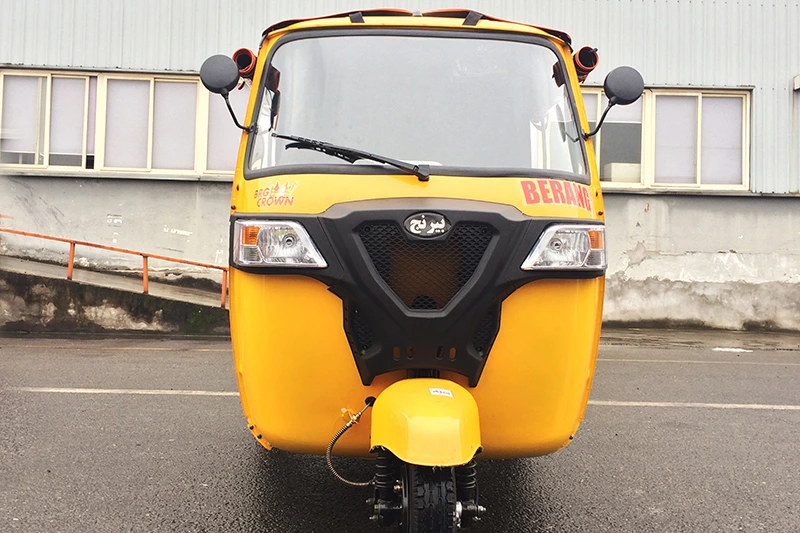
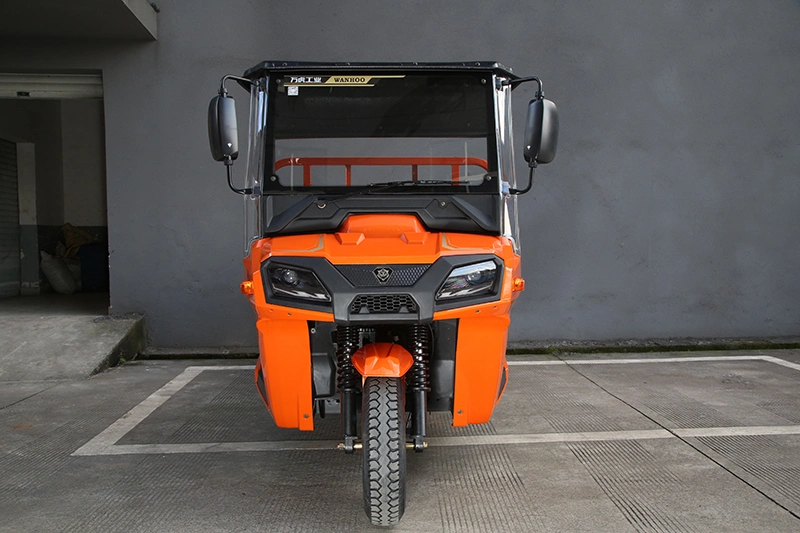
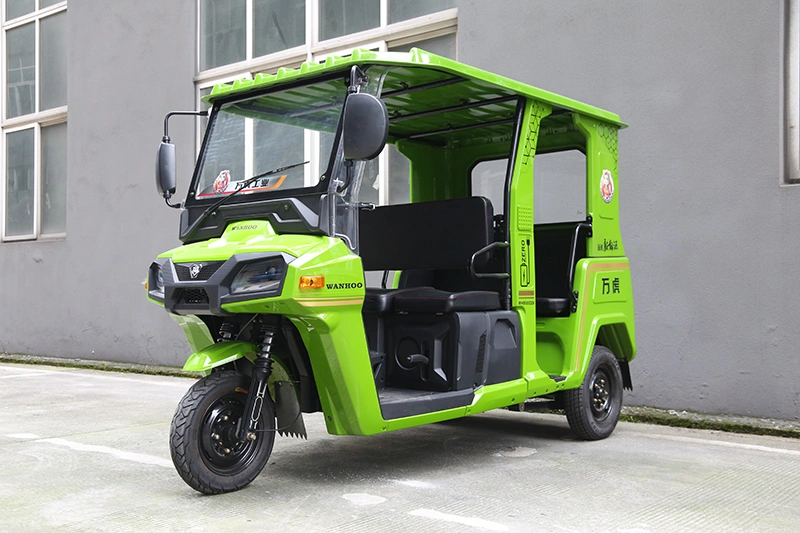
The public product catalogue reviewed for this draft lists standard cargo, agricultural, passenger and electric three-wheelers; it does not show a certified mobile-shop package. Confirm current custom options directly. Any conversion still needs a competent body builder, final weighing, manufacturer approval where required, and local registration and operating approval.
The base vehicle sets the initial load envelope, but the body, counters, appliances, water, fuel, batteries, people and stock all consume it. Compare the current cargo-tricycle range and cargo-box configuration guide, then request a configuration-specific build sheet rather than mixing headline figures from different models or markets.
Treat any published payload as an initial ceiling for the conversion, equipment, stock, water and other carried items, then check the configuration-specific gross and axle limits.
An illustrative weight budget
The following numbers are invented round figures used to show the arithmetic. They are illustrative only and are not measurements of any vehicle or any fit-out.
ILLUSTRATIVE BEFORE. A buyer picks a model rated to carry 1000 kg and plans to sell around 300 kg of goods a day. On paper there is 700 kg of slack, so nobody weighs anything.
ILLUSTRATIVE AFTER. The finished body, counter, glazed display, cooler, shelving, canopy, a full water tank and a separate battery bank come to 500 kg. Goods are still 300 kg. The arithmetic leaves 200 kg against the headline payload, but that does not prove compliance: axle loads, gross mass, passenger allowance, mounting strength and local modification approval still have to be checked.
The point is not the invented numbers. The completed fit-out has to be weighed and checked before the available stock allowance is known.
What this adds up to
The cost split varies by country and concept. Budget separately for the base vehicle, engineered body, appliances, power, fire and food compliance, permits, pitch, insurance, inspection and maintenance before choosing a model.
So buy for the parked hours. Ask what the vehicle is like with the engine off, a queue in front of it, sun overhead and a counter full of weight standing at waist height. That is the vehicle you are going to own.
Frequently Asked Questions
**Is payload the right way to compare vehicles for a mobile shop?**
Only partly. Payload matters, but the fit-out claims a fixed share of it every single day, whether or not anything sells. Compare vehicles on the payload remaining after the counter, display, cooler and shelving are bolted in, because that leftover figure is the only part available for stock.
Can I run a cooler or a blender from the vehicle battery?
Only if the vehicle manufacturer and a qualified installer confirm that the alternator, battery, wiring, protection and isolation are designed for the appliance load. Otherwise use a separately engineered supply. A generator also creates carbon-monoxide and fire risks and must follow local placement and ventilation rules.
How much does a shop fit-out weigh?
More than most buyers expect, and we will not give you a figure, because it depends entirely on what is fitted. The only reliable method is to weigh the finished body and equipment, or get a written weight from whoever builds it, then subtract that from the rated load before you count any stock.
Does Wanhoo sell a ready-made mobile shop or food cart three-wheeler?
The public catalogue reviewed for this draft does not list a certified vending or food-cart package. Confirm current options with Wanhoo. A third-party conversion still requires competent design, final weighing, manufacturer approval where required and local vehicle, fire, food and trading approvals.
How do I make a parked mobile shop stable?
Do not let customers lean on the unit as a test. Use firm level ground, the parking brake, a defined customer line, a low secured layout and only manufacturer- or engineer-approved chocks, stabilisers or outriggers. Weigh the completed unit and verify its axle and gross limits before trading.
Which costs belong in a mobile shop budget?
Budget separately for the base vehicle, body and fixtures, power system, fire and food compliance, permits, pitch, insurance, inspection and maintenance. The largest item varies by market, so obtain written quotes and choose a vehicle only after the completed fit-out mass is known.