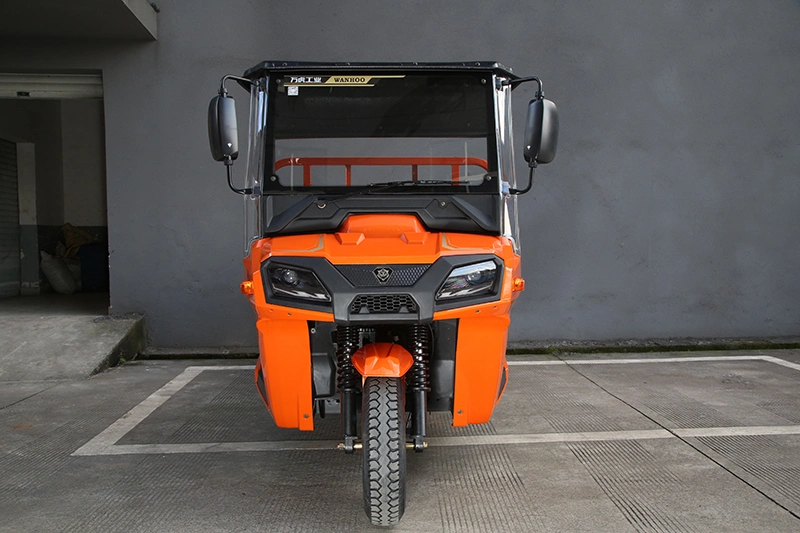
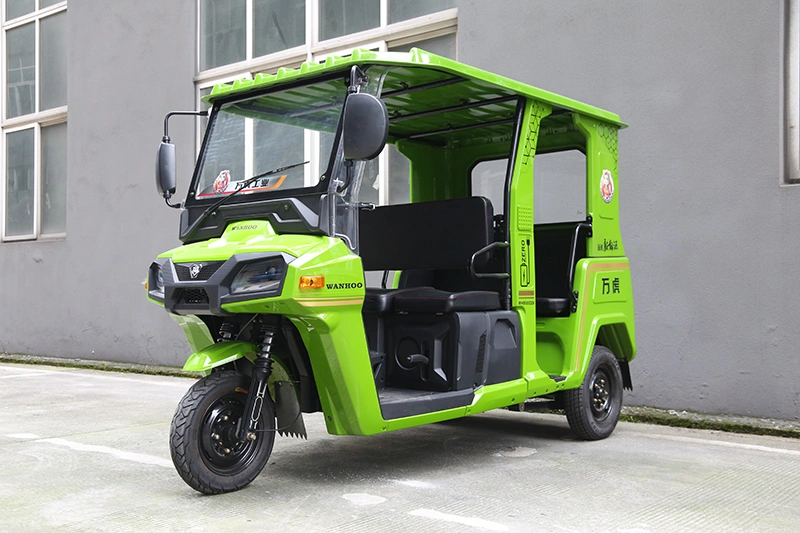
Treat water and LPG cylinders as two separate risk cases. Verify vehicle, gross and axle limits; use an approved tank, rack or body; restrain every load; protect potable water from contamination; and carry LPG cylinders in the orientation, quantity and ventilation arrangement required by the cylinder supplier and local dangerous-goods law.
Consider an illustrative failure mode: a vehicle enters a familiar corner with a partly filled tank, and the liquid continues moving after the steering input changes. That delayed load movement is one reason a tank designed and approved for road use cannot be replaced with an improvised container on a cargo bed.
These are different trades. Drinking-water delivery is a hygiene-controlled supply chain; LPG is dangerous-goods transport. Both can use payload quickly, and both need purpose-designed restraint, but their containers, operating rules and emergency procedures must remain separate.
The Bed Looks Empty and the Vehicle Is Already Full
Deck space is not a reliable measure of mass. Low-density cartons may fill the body before the payload limit, while water, cylinders and other dense loads may reach mass or axle limits with much of the deck still visible.
Water breaks that relationship. Water is about one kilogram per litre, basic physics rather than a vehicle specification, and full steel cylinders are heavier still for their size. Load either and you reach the rated payload with much of the deck untouched.
Water and full gas cylinders can reach the vehicle's rated or legal mass while deck space remains. Check the completed vehicle's gross mass, axle loads, body and floor point-load limits, then place and restrain the load according to an approved loading plan.
A concentrated drum, tank foot or cylinder rack can impose high point loads on a small part of the floor. The body builder must check both the local support structure and the load position.
Off-centre or high dense loads can reduce a three-wheeler's stability and overload one tyre, suspension side or axle end. Keep mass low and within the approved load zone, and have the body builder specify restraint points and a loading diagram for the final configuration.
Use Wanhoo's cargo-tricycle payload guide to structure the calculation, but rely on the final build sheet, axle ratings and a competent load-restraint design for the actual tank or cylinder rack.
The free-surface effect in a partly filled tank
This is the part general cargo advice never covers, because general cargo does not do it.
A completely filled tank has little free surface but carries its maximum mass; an empty tank has little cargo mass. Neither condition is automatically safe. A partly filled tank adds liquid movement, often called surge or slosh, to the vehicle's existing mass and stability limits.
Liquid in a partly filled tank can surge during braking and cornering and affect vehicle stability. Do not adopt a blanket “full or empty” rule: a full tank may overload the vehicle. Use a road-approved tank with suitable baffles or compartments and follow its permitted fill range and loading instructions.
During a turn, liquid can move toward the outside of the tank after the vehicle changes direction, altering lateral load transfer. The size and timing depend on tank geometry, fill level, baffles, speed and steering input.
Braking can also move liquid toward the front of the tank. Tank design, restraint and conservative driving controls must be established before service rather than improvised after instability appears.
Official road-freight guidance supports that distinction. The UK's ADR driver-training syllabus covers product movement during cornering and braking, plus the roles and limitations of baffles and minimum loading ratios. The UK Health and Safety Executive also notes that liquid-carrying vehicles without effective baffles can become unstable. Those sources concern larger workplace or dangerous-goods vehicles, so a competent engineer still has to assess the smaller three-wheeler configuration.
The practical controls are design and operating instructions, not rider confidence:
- Use a tank designed and mounted for road transport, with baffles or compartments specified by its manufacturer or engineer.
- Follow the tank's permitted fill range; never fill beyond the vehicle, axle or tank rating.
- If smaller containers are used, each must be suitable for the liquid, closed, individually restrained and included in the loading plan.
Do not assume that drums or jerricans need no engineering. A loose or unsuitable container can slide, leak or contaminate the water, and a group of containers can still overload an axle or restraint point.
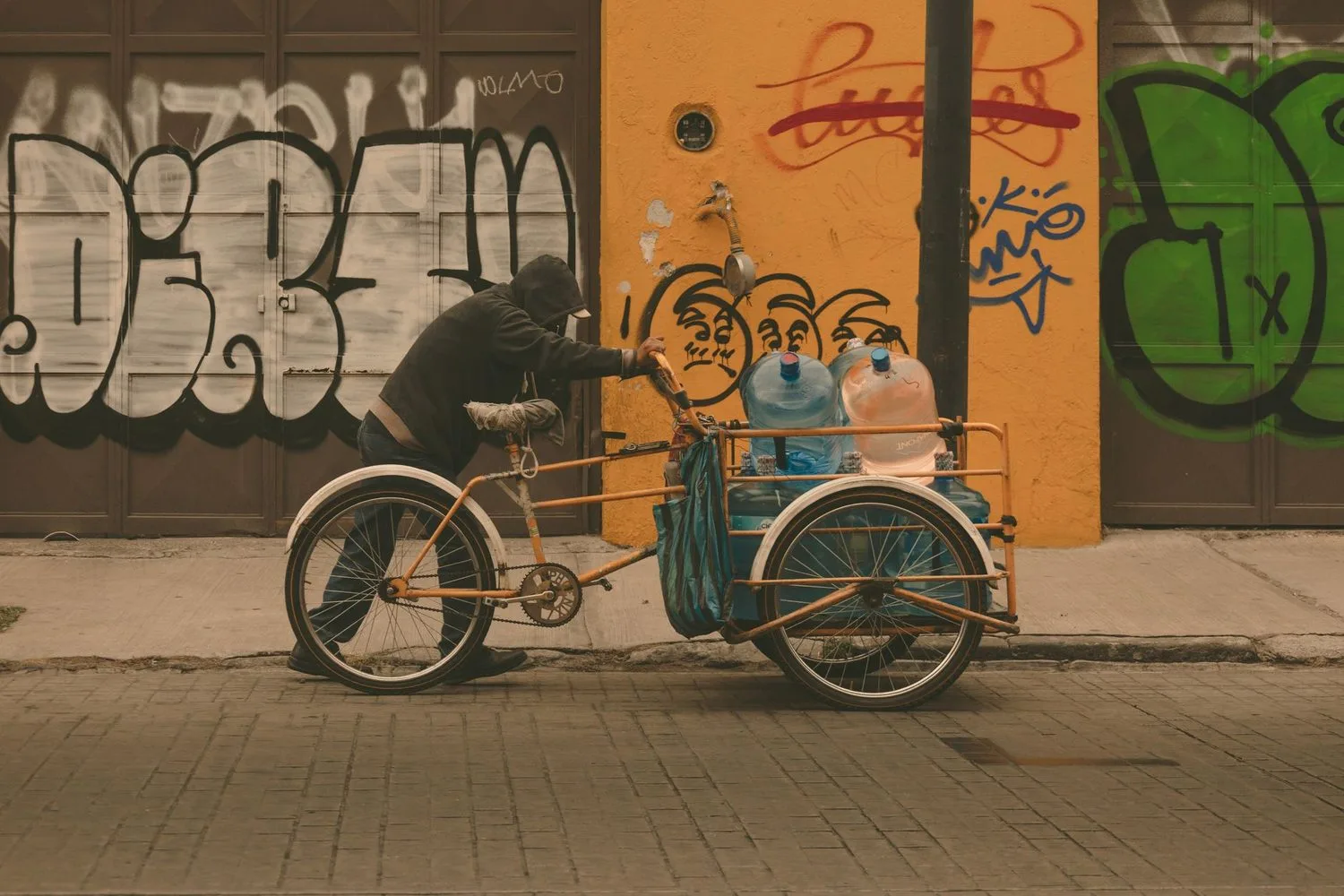
Water Is a Hygiene Load, Not Just a Heavy One
The stability problem hurts you today. The hygiene problem hurts your customers quietly.
The World Health Organization's technical note on delivering safe water by tanker calls for water-contact materials suitable for drinking water, protected openings and hoses, cleaning and maintenance records. A smaller delivery vehicle does not remove those hygiene controls.
Potable water needs dedicated, food-grade, closed containers and protected water-contact equipment. A container previously used for fuel, pesticide, solvent or another hazardous substance must not be repurposed for drinking water, even after cleaning.
Keep closures shut, prevent hose ends and sealing faces from touching dirty surfaces, and separate potable-water equipment from fuel, chemicals, waste and cylinder handling. Follow the local water authority's cleaning, disinfection, sampling and temperature requirements; washing a visibly dirty cargo bed alone does not validate the water system.
Cylinders Roll, and the Rules Are Not Optional
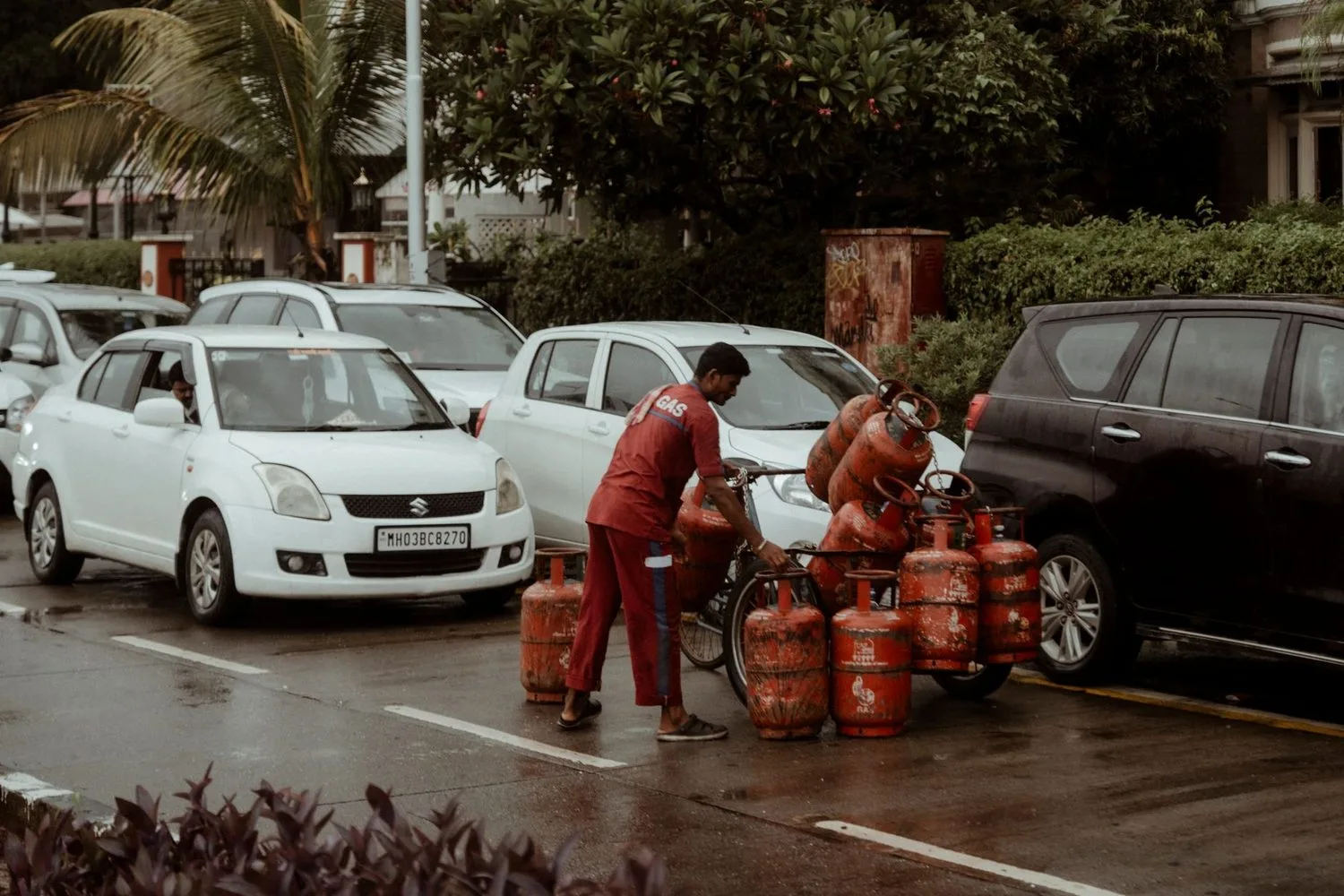
An unrestrained LPG cylinder can move, tip or damage its valve during transport. The approved cylinder rack or lashing arrangement must prevent movement without damaging the cylinder.
For standard LPG containers covered by the UK HSE guidance cited here, transport is upright and secured against movement, with adequate ventilation and valve protection. Cylinder designs and national rules differ, so follow the cylinder marking, supplier instructions and the dangerous-goods authority rather than applying a blog rule to every cylinder.
The UK Health and Safety Executive's current dangerous-goods FAQ states that LPG containers must be carried upright and that individual cylinders must be secured against movement. It also explains ventilation and documentation requirements. Treat it as a worked regulatory example, not permission to carry LPG in another country or on a vehicle class that local rules exclude.
Any suspected leak is an emergency, not a small problem. Do not operate switches, start the engine, smoke or create an ignition source. Keep people away, move upwind if safe to do so, and follow the cylinder supplier's emergency instructions and local emergency-service advice. Do not handle or transport a leaking cylinder unless trained and authorised.
The transport plan should address approved orientation, closed valves, valve protection, compatible rack or lashings, ventilation, segregation, quantity limits, signage, fire equipment, driver training and emergency information. Treat returned “empty” cylinders as regulated unless the competent authority and supplier say otherwise; residual vapour may remain.
Then comes the part no article can do for you. Where LPG is regulated as dangerous goods, rules may cover securing, signage, quantity, driver training, fire equipment and permitted vehicle classes. They vary by jurisdiction and can change. Check with the enforcing authority and treat any generic blog, including this one, as background rather than compliance guidance.
Matching the Securing Method to the Failure Mode
The two halves of water and gas cylinder delivery fail in different ways, and the securing method has to match the failure mode rather than the load's weight.
| Load type | What makes it dangerous | How to secure and carry it |
|---|---|---|
| One partly filled road tank | Liquid surge changes axle and lateral loading | Use an approved baffled or compartmented tank and its permitted fill range |
| Several potable-water containers | Sliding, leakage, contamination and concentrated point loads | Use food-grade closed containers, an approved restraint plan and protected water-contact surfaces |
| LPG cylinders | Movement, valve damage, leakage, fire and dangerous-goods non-compliance | Follow cylinder-specific orientation, restraint, ventilation, segregation and quantity rules |
| Returned LPG cylinders | Residual vapour and easier movement at lower mass | Treat as regulated unless the authority and supplier confirm otherwise; restrain under the approved plan |
| Dense load plus other goods | Concentrated mass can overload the floor or one axle | Follow the approved loading diagram and segregation rules for the actual goods |
The Economics of the Same Route Every Day
Both trades may use repeat routes. That makes loading checks, restraint inspection, container control and safe stop procedures repeatable parts of the operating plan.
A repeat delivery route should be designed around compliant loading, restraint checks, safe unloading and container returns before speed or stop count. Bed access matters only after payload, axle, hygiene and dangerous-goods requirements are satisfied.
In cylinder distribution, the return may carry regulated empties back to the depot. A water-delivery backhaul should be added only if the hygiene plan, segregation, vehicle approval and local rules allow it; route efficiency does not override contamination control.
Wanhoo's three-wheeler safety-features guide can help define vehicle questions, while the dangerous-goods and drinking-water authorities define the load controls. Neither trade should rely on an informal loading habit.
What This Asks of the Vehicle
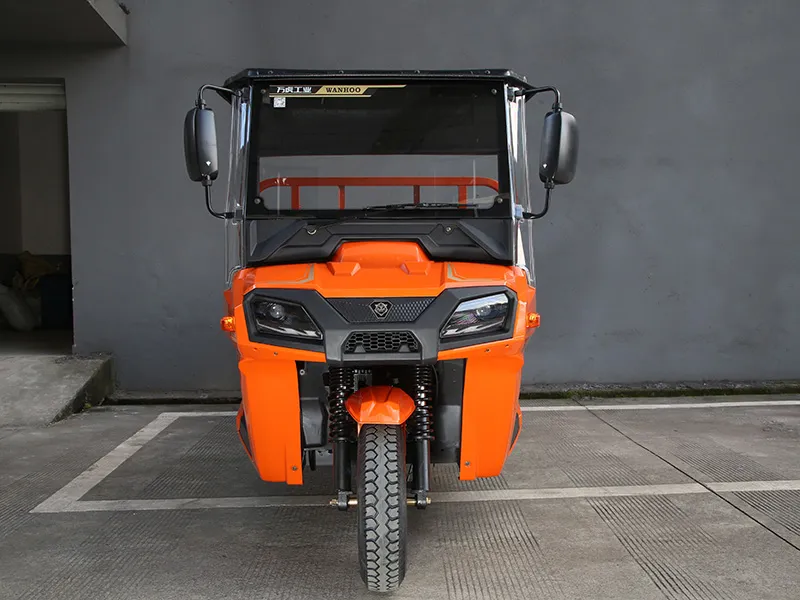
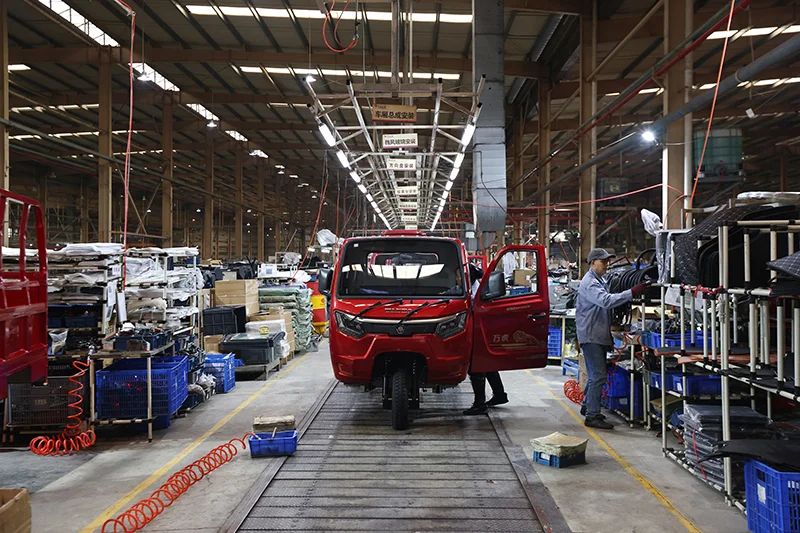
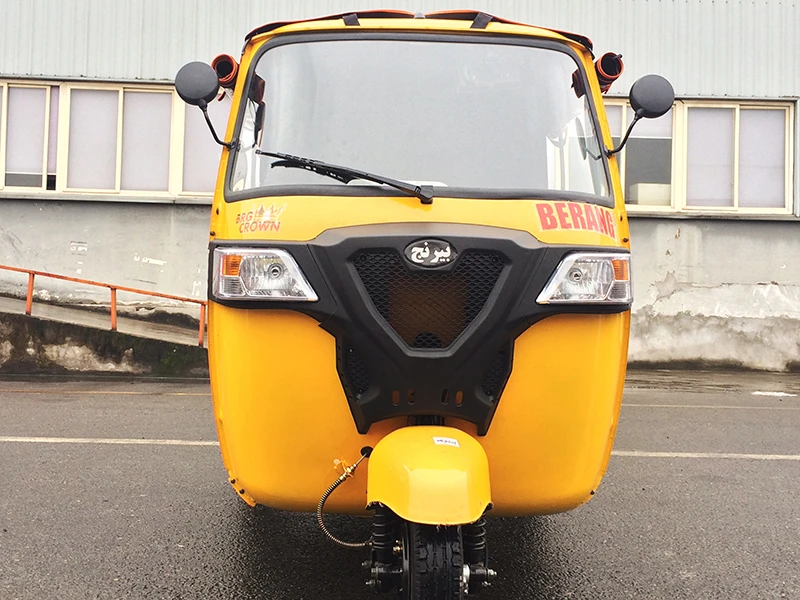
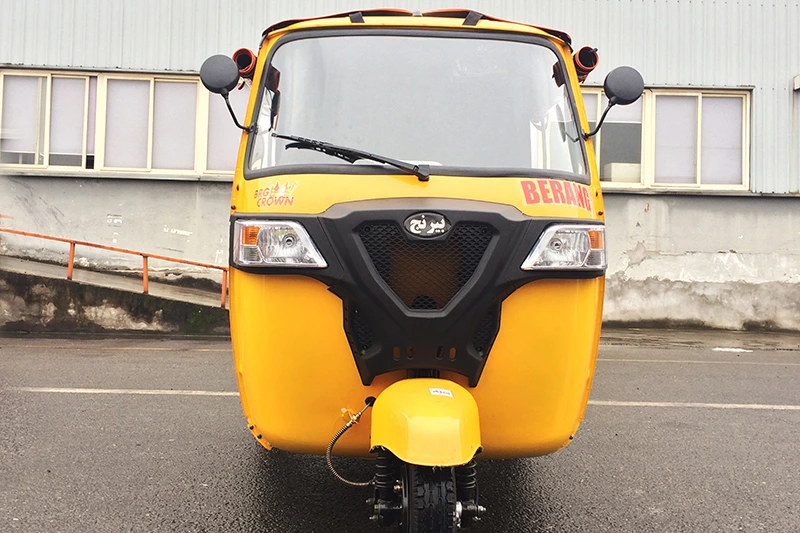
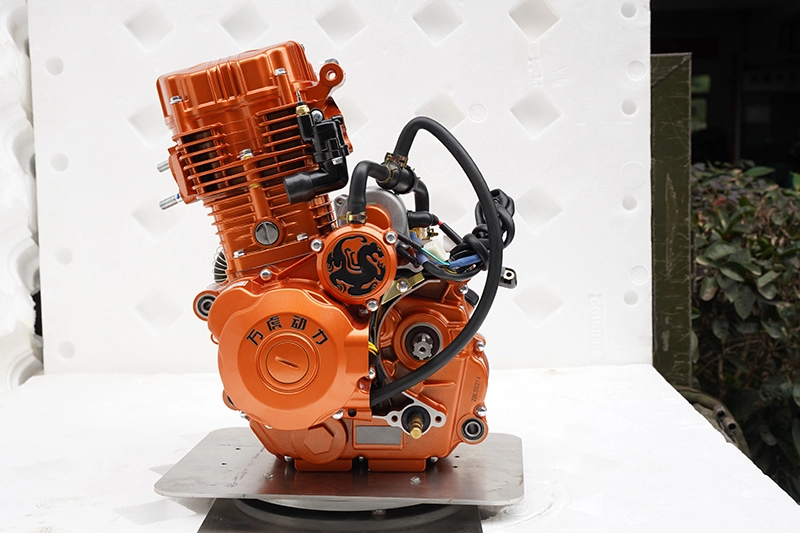
Wanhoo's company page describes a Chongqing manufacturer founded in 1986 with in-house engine and frame production. That does not approve an aftermarket tank, cylinder rack or dangerous-goods use.
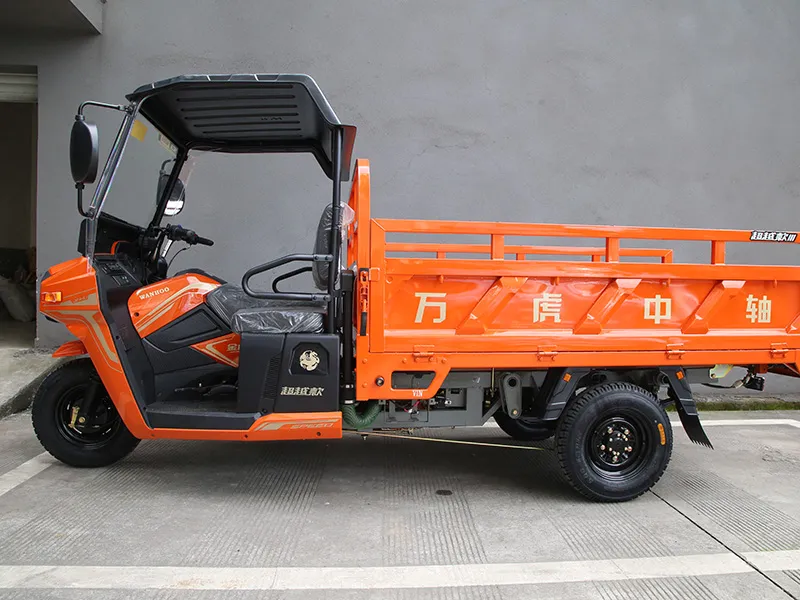
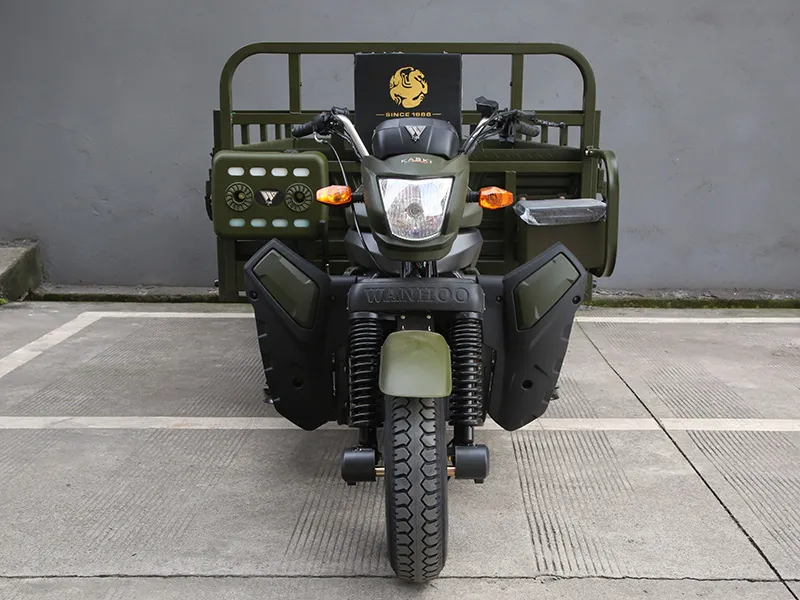
The public catalogue reviewed for this draft does not list a certified water tanker, bowser or LPG-cylinder carrier. Confirm current custom options directly. Any tank, rack or cradle still needs a competent design, manufacturer approval where required, final weighing, load-restraint validation and local registration or dangerous-goods approval.
Current public pages list headline maximum loads of up to 600 kg for Q1, 1000 kg for K3, 1800 kg for KINGTIGER and 1000 kg for WINTIGER. These are public platform figures, not approval for a tank or cylinder load; the body, rack, restraints, containers and equipment consume capacity, and axle limits may govern first.
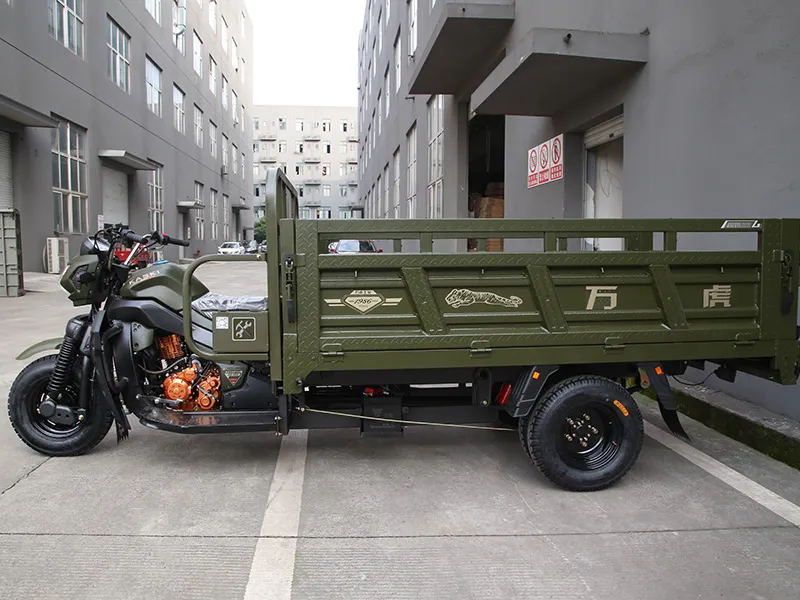
Whichever platform an operator picks, the load decides. Dense freight hits the payload limit long before it fills the bed, so rating and placement matter more than deck size. And the load will move. Plan for that at the loading point, because there is nothing useful to do once you are in the corner.
Frequently Asked Questions
**Why does a partly filled water tank need special controls?**
Part-filled liquid can surge under braking and cornering and affect stability. A full tank has less free surface but maximum mass, so it is not automatically safer and may overload the vehicle. Use an approved baffled or compartmented tank and follow its fill-range and loading instructions.
Can LPG cylinders be carried lying down if they are strapped securely?
For standard LPG containers covered by the cited UK HSE guidance, no: they must be upright and secured. Other cylinder designs and jurisdictions may differ. Follow the cylinder marking, supplier instructions and the competent dangerous-goods authority; never improvise orientation.
Should I use one large tank or several smaller containers?
Neither is automatically safer. A large tank needs an approved structure, mounting and baffles or compartments. Smaller containers must be food-grade, closed and individually restrained and can still overload an axle. Have a competent designer validate the complete system and permitted fill range.
Does Wanhoo make a water tanker or a cylinder carrier three wheeler?
The public catalogue reviewed for this draft does not list a certified tanker, bowser or LPG-cylinder carrier. Confirm current options with Wanhoo. Any added tank, rack or cradle still needs competent design, approval, weighing, restraint validation and local compliance.
What matters most when choosing a vehicle for a daily delivery round?
Start with legal vehicle and axle limits, approved containment and restraint, hygiene or dangerous-goods compliance, and safe loading and unloading. Bed access and route efficiency come after those controls, not before them.
Is it safe to carry drinking water on a bed that hauled other goods?
Not without a hygiene assessment. Use dedicated food-grade closed containers and protected hoses and fittings, and keep them separate from fuel, pesticides, solvents, waste and LPG handling. A container previously used for a hazardous substance must never become a drinking-water container.