Three-wheeler export certification has three layers: factory quality systems, Chinese domestic approval, and destination-market conformity. Only the destination process addresses import clearance, and its current rules must be confirmed for each market.
A distributor sends the same message to four Chinese suppliers: “Do you have SONCAP?” All four answer yes, usually within the hour, often with a scanned document attached. The distributor files the replies and moves on to discussing price. Four months later a container sits at the port while somebody tries to explain to an inspection agent why the certificate on file belongs to a different product, a different year and a different consignment.
Nobody lied, exactly. The question had no correct answer. Three-wheeler export certification is where a confident yes costs the most, because the word certification covers three separate things, held by different parties and proving different facts. Only the destination-market process directly addresses whether the goods may be released.
A companion article on this site works through the importer’s compliance checklist itself, the sequence of SONCAP, PVoC, Form M and pre-shipment inspection as steps to complete. This one deals with the two things sitting underneath that checklist.
The same model, two different vehicles
Before certification even enters the conversation, there is a question that confuses buyers: why does a supplier’s specification sheet not match the vehicle another importer received, in the same model, from the same plant?
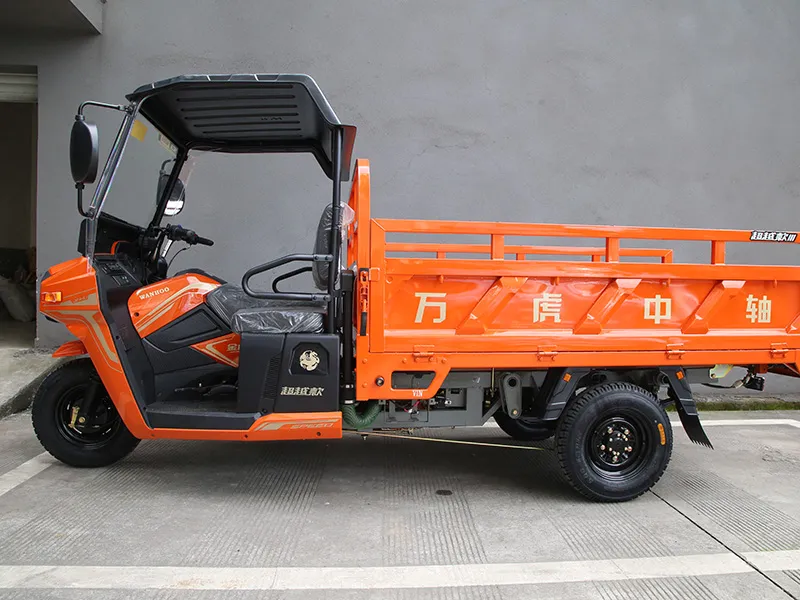
Every three-wheeler sold inside China must appear in the Ministry of Industry and Information Technology vehicle catalogue, which fixes its declared rated load and other parameters for Chinese registration. Vehicles built for export are not governed by that catalogue, so an export unit is configured for its destination market instead.
This is neither a loophole nor a downgrade. The domestic catalogue governs Chinese registration, road enforcement and insurance. It has no jurisdiction over a vehicle leaving on a ship, and a unit built to Chinese domestic parameters is not necessarily what a Tanzanian or Ivorian registration office wants to see.
What follows from that is the part buyers underestimate.
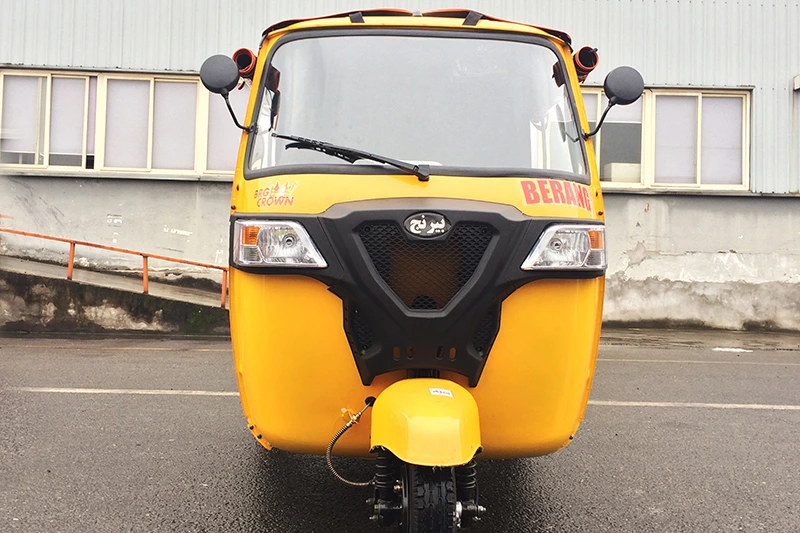
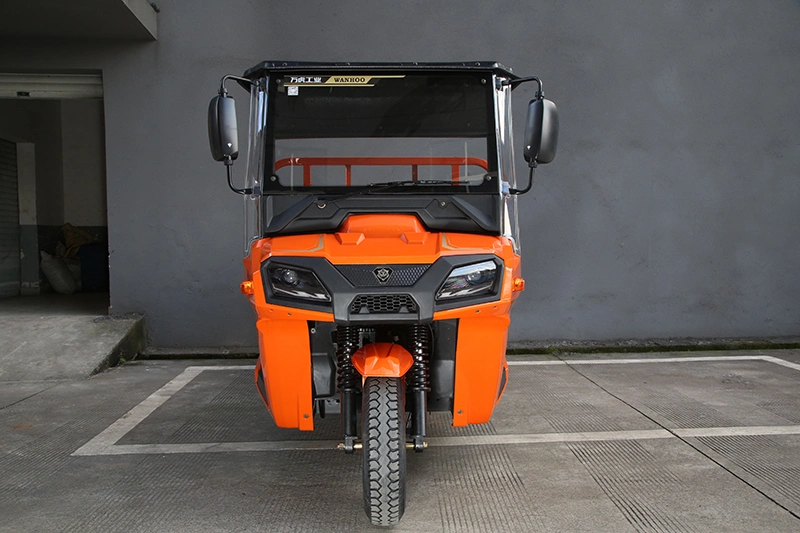
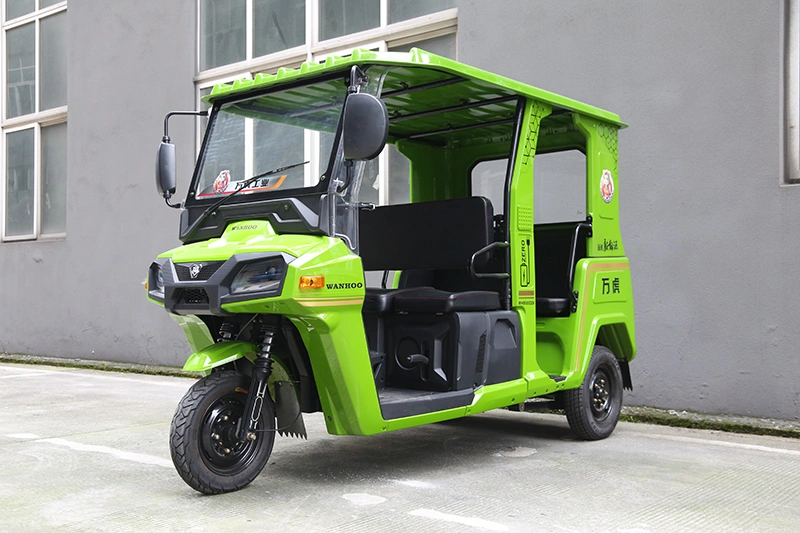
A three-wheeler specification is a configuration, not a fixed factory default. The same model number can leave the same plant with different lighting, different declared load capacity, different tyres and different markings depending on the destination, the order and what the buyer put in writing. Silence is itself a specification decision.
Read that last sentence twice. If you do not specify, someone else decides for you. The factory will build to whatever it treats as standard for your region, assembled from previous orders and from what the last customer in a neighbouring country accepted. That default is usually reasonable and occasionally exactly wrong, and you have no way of knowing which until the registration office is looking at the vehicles.
The failure mode is rarely dramatic. A reflector in the wrong position, a declared load figure that does not match the category the vehicles were registered under, an engine number stamped where the inspector does not look. Small things individually, and collectively the difference between a fleet earning from week one and a fleet parked.
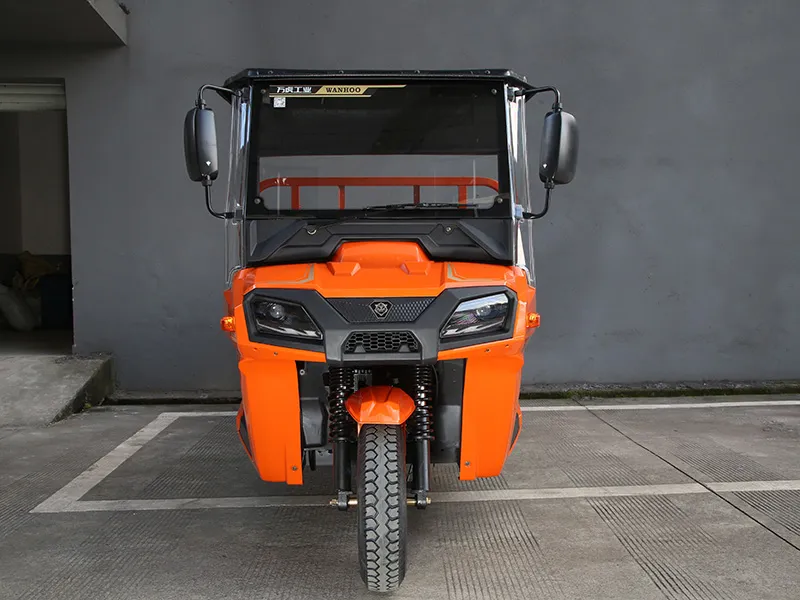
Certification is three different things
Here is where most of the confusion lives, and clearing it up is worth more than any supplier comparison table.
Three-wheeler export certification separates into three layers that buyers routinely merge. Manufacturer system certification such as ISO 9001 audits how a factory runs. Chinese domestic certification such as CCC governs sale within China. Destination market conformity governs whether a specific consignment may be imported. Each answers a different question.
Layer one: manufacturer system certification
ISO 9001 is a quality management system standard. It concerns process: whether work instructions exist, whether records are kept, whether non-conformities are tracked and corrected, whether an external auditor has examined all of that and continues to.
A currently valid ISO 9001 quality-management certificate can show that an external certification body has audited the manufacturer’s documented system. It does not show that a particular three-wheeler is legal in Nigeria, Kenya or Peru. System certification and product admissibility are separate questions.
Buyers should not dismiss this layer, but they should verify the certificate number, scope, issuer and current validity. A functioning quality system can support repeatable production and document control; it is still not an import approval.
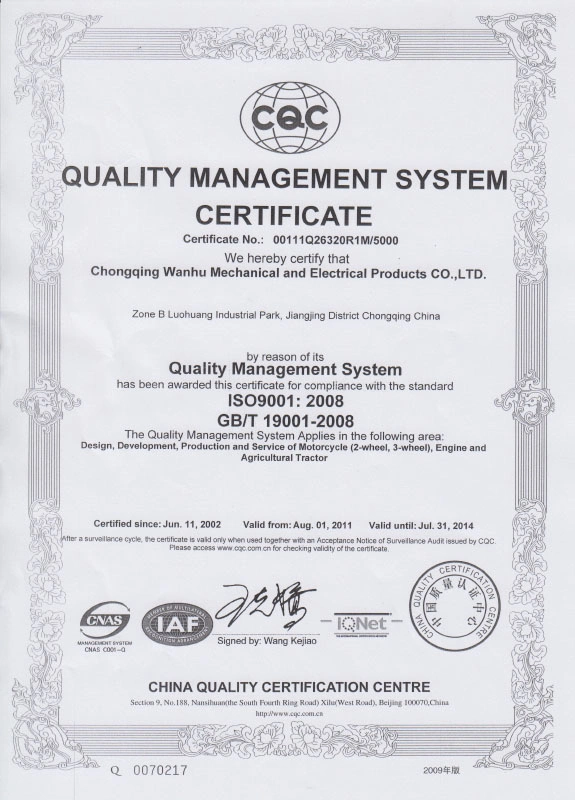
The certificate shown above is a historical ISO 9001:2008 document with a stated validity period from 1 August 2011 to 31 July 2014. It is retained here as archive context only and must not be presented as evidence of current certification. A buyer should request a current, issuer-verifiable certificate before relying on any ISO claim.
Layer two: Chinese domestic market access
CCC, China Compulsory Certification, governs whether a product may be sold on the Chinese domestic market. A supplier stating that it holds CCC is describing Chinese market access, not destination market admissibility. CCC will not clear a container in Lagos, Mombasa or Callao, and no importer should treat it as if it could.
CCC still tells you something. A manufacturer holding it has been through a Chinese regulatory process with testing and factory inspection attached. Read it as background about the supplier, not as a line item in your import file.
Layer three: destination market conformity
This is the layer that actually governs whether your goods enter. It covers SONCAP for Nigeria, PVoC programmes operated by several East African markets, and various Certificate of Conformity schemes elsewhere, each defined by the importing country’s own standards body.
According to the Standards Organisation of Nigeria, SONCAP is a pre-shipment verification process for regulated imports. Its official workflow distinguishes Product Certificates from the SONCAP Certificate used for customs clearance. The scheme is aimed at defined products and consignments, not at the general reputation of a factory in another country.
| Layer | What it certifies | Who holds it | What it does not prove |
|---|---|---|---|
| Manufacturer system certification (ISO 9001) | That a factory operates a documented, externally audited quality management system | The manufacturer, as a standing certificate with a renewal cycle | That any specific vehicle meets a destination country’s technical or safety rules |
| Chinese domestic market access (CCC) | That a product may be sold on the Chinese domestic market | The manufacturer, against Chinese product categories | That the vehicle is admissible in Nigeria, Kenya, Tanzania or anywhere else outside China |
| Destination market conformity (SONCAP, PVoC, various CoC schemes) | That defined products or a consignment meet the destination programme’s requirements | Roles are split: the exporter or supplier normally provides product and shipment evidence, while the importer uses or activates the required certificate for clearance | That every future shipment will pass, or that the factory has blanket approval for every product and configuration |
The correction that saves containers
Now the sentence that most buyers have never been told, and the reason the opening question produces such a useless answer.
SONCAP, PVoC and comparable conformity schemes are not blanket manufacturer credentials. Under SONCAP, the exporter obtains the relevant Product Certificate and submits shipment evidence, while the Nigerian importer activates and uses the required certificates for Form M, PAAR and clearance. PVoC roles and certificate validity must be checked with the destination authority.
Sit with the consequences. A factory does not “have SONCAP” in the same blanket sense that it may hold ISO 9001. SON states that an unregistered Product Certificate is valid for one shipment, while registered or licensed Product Certificates can be valid for one year; the customs-clearance certificate still relates to the import process and shipment. A supplier answering yes may be referring to a product certificate, a prior shipment, or a supporting test report, so the buyer must ask which document, product, route and validity period apply.
So the buyer receives an incomplete yes, files it as reassurance, and skips the work that would have prevented the problem.
A supplier’s yes to SONCAP is incomplete unless it identifies the certificate type and number, the covered product, route, shipment and validity period. Buyers should also confirm who will arrange inspection, provide test reports and technical documents, and coordinate the inspection window with production and loading.
That third point is where commercial pain concentrates. Inspection is an event with a date. It requires finished goods to look at, in a condition and location the inspecting body accepts, with paperwork ready. A factory that treats inspection as an interruption will push it late or present partially assembled units. One that has done this before builds the inspection window into the production plan and tells you which week it falls in.
Timing carries a cost. According to the World Trade Organization, “the full implementation of the TFA could reduce trade costs by an average of 14.3%”, a figure that exists because border formalities, documentation and clearance procedures are a measurable share of the delivered price of goods. Every day a consignment waits for a certificate that should have been arranged during production shows up in your landed price.
One more thing to be plain about: requirements change. Schemes are revised, appointed agents change, and vehicle categories are defined differently from country to country. Nothing here is legal advice, and no supplier can give you a binding answer about your own regulator. Confirm current requirements with your destination authority or the inspection body appointed for your market, then bring them to the factory as instructions.
What you should actually put in the purchase order
This is the executable part. A buyer ordering for an unfamiliar market should put the following in writing, in the contract or technical annex, before production starts.
| What to specify | Why it matters | If you leave it blank |
|---|---|---|
| Declared load capacity as it must appear on documentation | Registration category, road use permissions and duty treatment often hinge on this number | A figure suiting the factory’s default build, which may place your vehicles in the wrong category |
| Lighting and reflector configuration to the destination standard | Position, colour and count are checked at inspection and at registration | Regional default fitment, which may pass in a neighbouring country and fail in yours |
| Mirror and horn requirements | Commonly checked, cheap at the factory and expensive to retrofit at destination | Whatever the standard build carries, corrected later at your cost |
| Speed limitation, if your vehicle category requires one | Some categories are defined by maximum design speed, not by size or engine | An unrestricted vehicle outside the category you registered it under |
| Emission standard | Governs admissibility in markets setting a minimum level for imported vehicles | The factory’s regional default, which may sit below what your market accepts |
| Tyre specification | Load and speed ratings must match the declared capacity, and road conditions vary | A tyre chosen for cost or for a different duty cycle than yours |
| VIN and engine number format and location | Inspectors and registration offices must find and read these where expected | Numbers stamped where your inspector does not look, in a format your system rejects |
| Plates and markings, including language | Some markets require specific data plates, warnings or language on the vehicle | English or Chinese markings where local language is expected |
| Documents accompanying the shipment | Certificates, test reports, invoices and packing lists must match each other and the goods | A mismatch between container and paperwork, the classic cause of a hold |
The minimum written specification for an unfamiliar market covers declared load capacity as it must appear on documents, lighting and reflector layout, mirrors and horn, any speed limitation the vehicle category requires, emission standard, tyre specification, VIN and engine number format and location, plates and markings including language, and accompanying documents.
Be clear about what this list is. It is not a request for special treatment. It is the minimum required to know what is arriving, and a supplier who finds it unreasonable has told you something valuable about how the order will go.
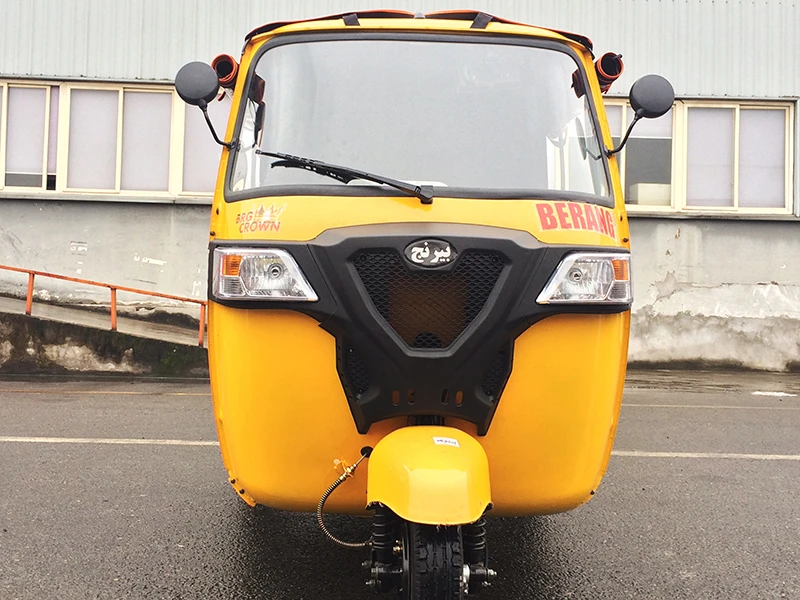
Why the arriving vehicle matters more than the certificate
It is easy to read all this as an administrative chore. According to the World Bank, transport is how people reach jobs, markets, schools and health services, which is the entire commercial logic of a three-wheeler fleet. These are working assets bought by operators who need them earning within days of arrival.
A vehicle that cannot be registered cannot be hired out, financed, insured or driven legally. The certificate problem and the specification problem converge on one outcome: a machine that is physically fine and commercially useless. The specification conversation belongs before the deposit, not after the bill of lading.
Where a manufacturer fits into this
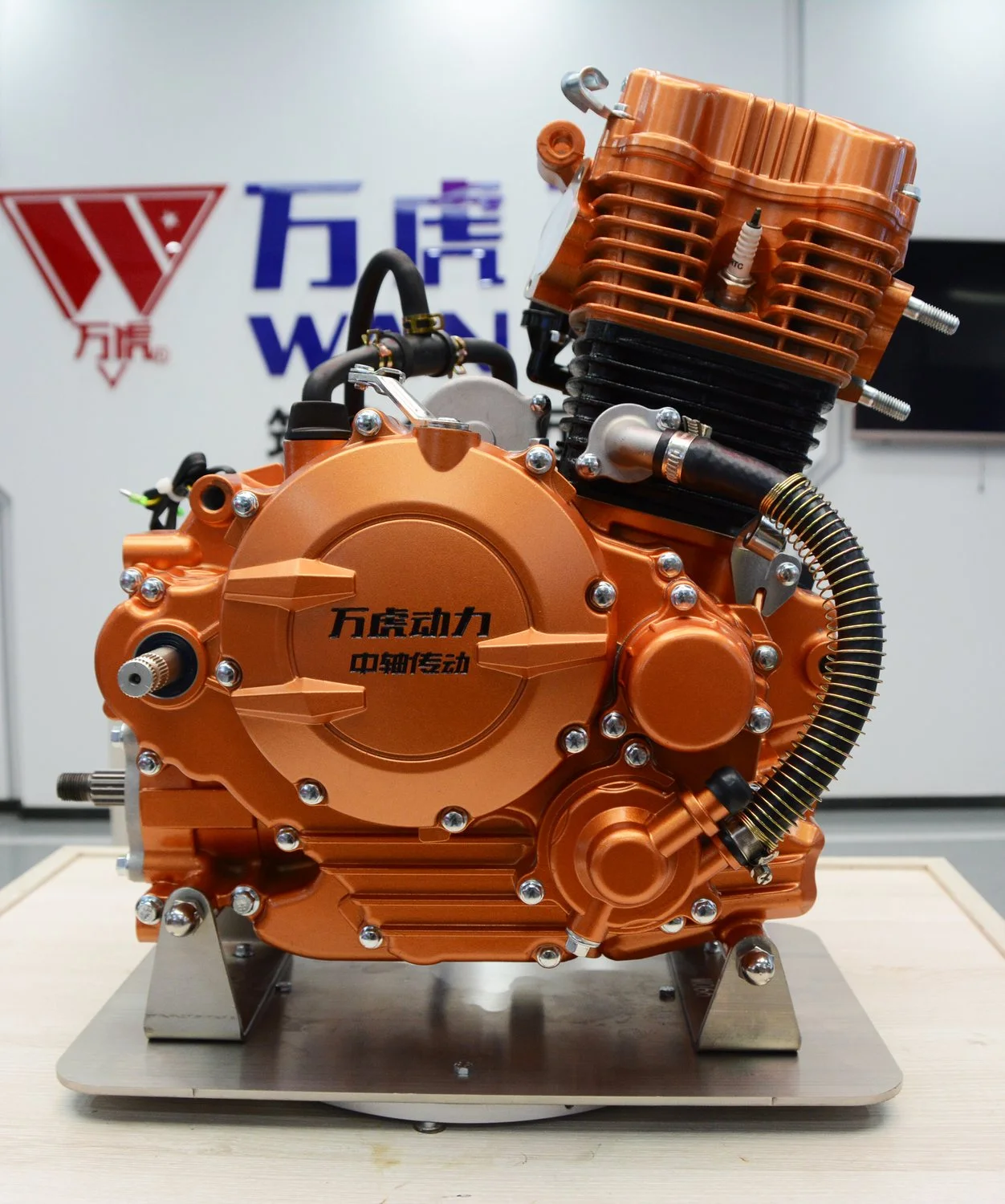
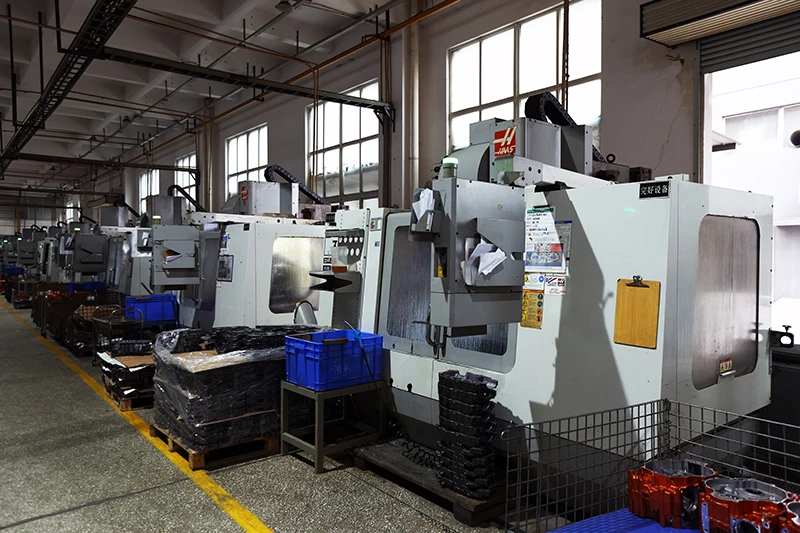
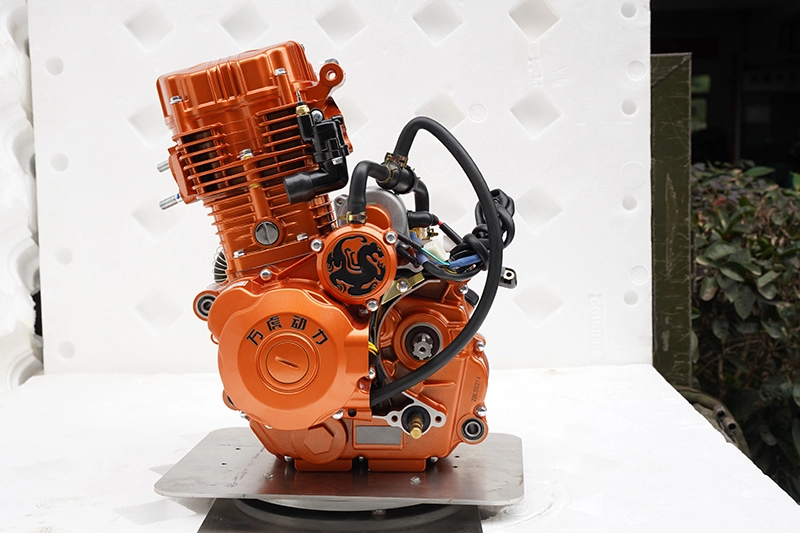
Founded in Chongqing in 1986, Wanhoo runs a 60,000 square metre plant with more than 1,000 employees and an annual capacity of roughly 100,000 vehicles and 300,000 engines, exporting to more than 50 countries. Engines and frames are built in house, which matters here for a specific reason: when an inspection body asks for technical documentation about a powertrain or a chassis, that information sits inside one organisation rather than behind a supplier with no contractual reason to answer quickly.
The archive reviewed for this article includes the historical 2011–2014 ISO 9001:2008 certificate shown above, but it does not establish Wanhoo’s current ISO status. Wanhoo also states that it holds CCC; buyers should request the current certificate, scope and issuer-verification details for any credential they intend to rely on. Even a valid ISO or CCC certificate would belong to layers one and two above, not destination-market approval.
For destination conformity, apply the questions from the correction section to any supplier you are evaluating, including this one. Ask whether the factory will host the inspection your scheme requires, what technical documentation it can produce and in what form, how it fits inspection into its production schedule, and who owns that process internally. Those answers are comparable across suppliers. A yes to “do you have SONCAP” is not.
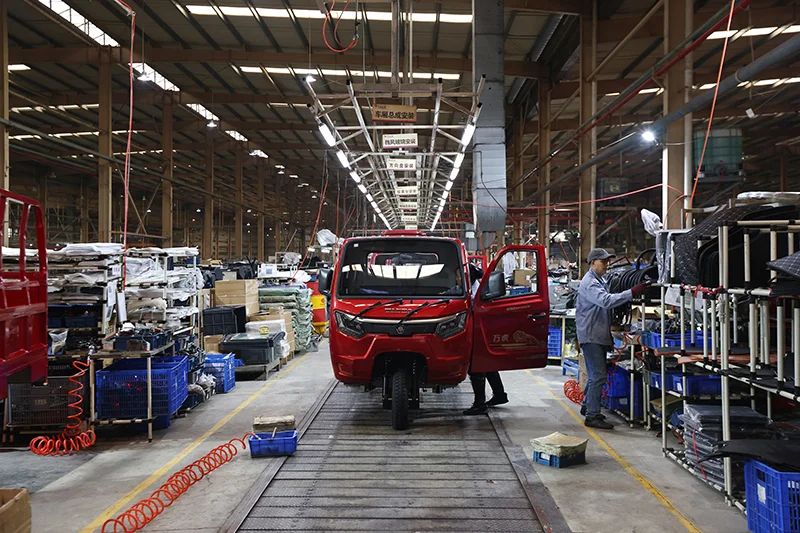
Logistics belong in the same conversation, because inspection and loading interact. SKD loading density varies by model, roughly 18 to 45 units per 40HQ container, with King Tiger Electric at 18 units SKD per 40HQ and YAHOO at 27 units SKD per 40HQ. Those figures shape how many units one inspected consignment contains, and therefore how often the process repeats. Minimum order quantity runs as low as 10 units for a trial order, which lets a new importer run the whole certification and registration sequence once, at small scale, before committing to volume. A June 2025 local-media report described a Wanhoo distribution centre in Dar es Salaam and eight African service centres; buyers should confirm the current locations and coverage before contracting for after-sales support.
If you are preparing a first order, send the requirements you have confirmed locally and the Wanhoo team will tell you plainly what it can build and what it can document.
Frequently Asked Questions
**Does Wanhoo hold SONCAP or PVoC certification?**
Not as a blanket credential covering every product and shipment. Under SONCAP, the exporter obtains product certification and supplies shipment evidence, while the Nigerian importer activates and uses the required certificates for import processing and clearance. PVoC procedures vary by destination. Ask which document, product, route, shipment and validity period a supplier’s claim refers to.
Why does the same three-wheeler model have different specifications in different countries?
Because an export vehicle is a configuration rather than a fixed product. Vehicles sold inside China must match the parameters declared in the national vehicle catalogue, but export units are not governed by that listing and are built to suit the destination market, the order and whatever the buyer specified in writing.
Is ISO 9001 enough to clear customs?
No. ISO 9001 certifies a quality management system, meaning the factory has documented and externally audited processes. It is evidence about how the plant operates, not evidence that a particular vehicle satisfies a destination country’s technical requirements. Customs and standards bodies assess the goods, not the supplier’s management system.
What is CCC and does it help my import?
CCC, or China Compulsory Certification, is the approval required to sell a product on the Chinese domestic market. It is useful context about the manufacturer, but it carries no weight with an importing authority outside China. Treat it as background information rather than as part of your import file.
What should I put in a purchase order for an unfamiliar market?
Put the declared load capacity that must appear on your documentation, the lighting and reflector configuration, mirror and horn requirements, any speed limitation your vehicle category imposes, the emission standard, tyre specification, VIN and engine number format and location, plates and markings including language, and the documents that must travel with the shipment.
Who confirms what my market actually requires?
Your destination authority or the inspection body appointed for your market. Requirements change, categories are defined differently from country to country, and no supplier can give you a binding answer about your own regulator. Confirm the current rules locally, then send them to the factory as a written specification before production starts.