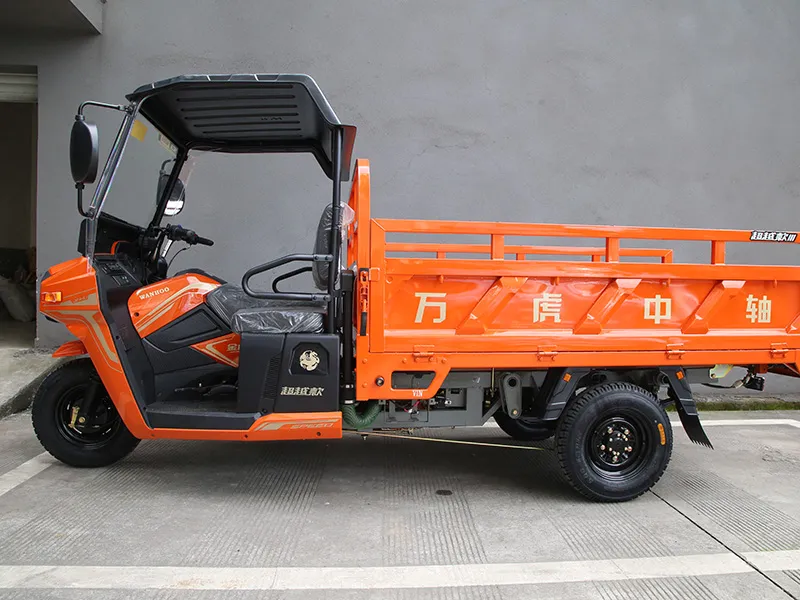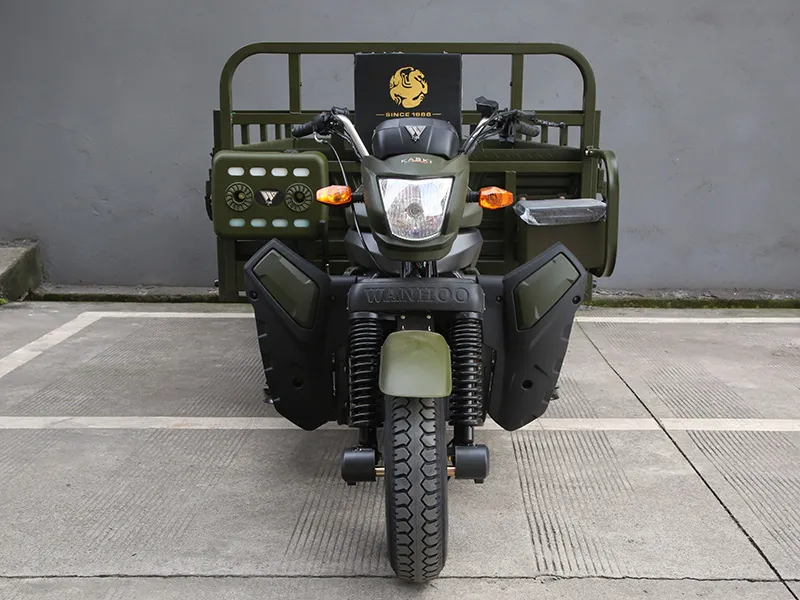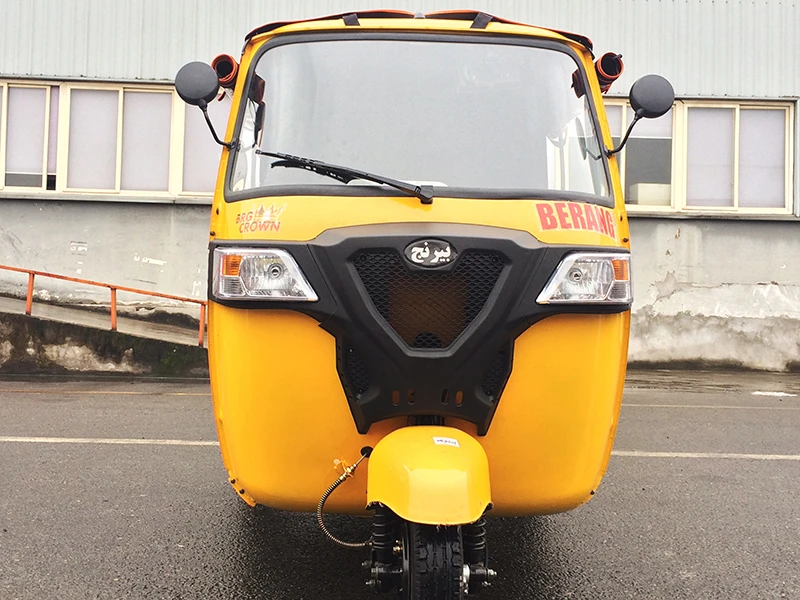
To import three wheelers from China, request a quote, pay a deposit, choose SKD or built-up shipping, pass inspection, then clear customs with correct documents.
Your first container is where a distributor either builds a business or loses a deposit. A tricycle supplier in Chongqing quotes a great FOB price, you wire the money, and three months later the units sit at port because one document is wrong or the duty bracket doubled your landed cost. That risk is entirely avoidable.
The fix is treating the purchase as a defined process, not a single payment. Every experienced importer follows the same sequence, from the first specification email to the after-sales parts order. Knowing that sequence before you commit funds is what separates a smooth first shipment from an expensive lesson at customs.
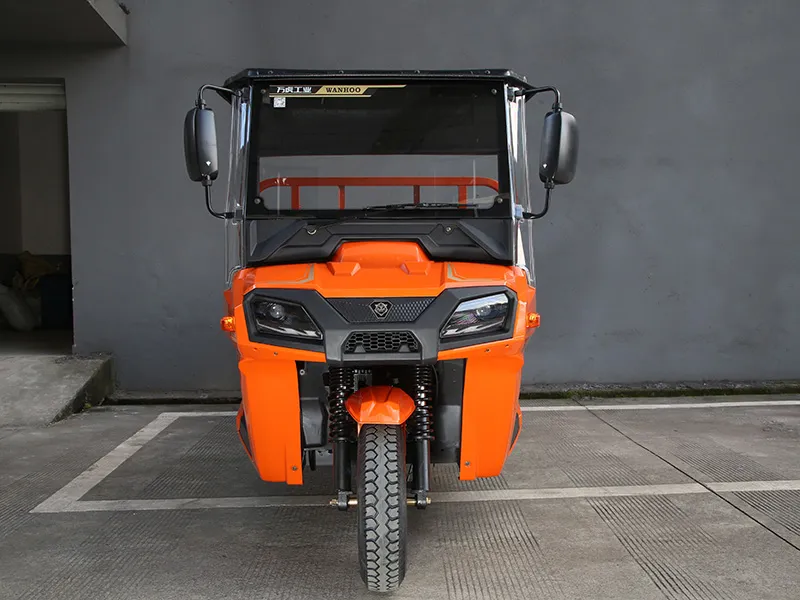
To import three wheelers from China means to source finished or knocked-down tricycles from a Chinese manufacturer and move them through production, inspection, ocean freight, and customs clearance into your market. The process runs in eight steps, from requesting a quote to taking delivery, each with its own documents and decisions.
What Does It Take to Import Three Wheelers from China?
Importing tricycles is a linear process with eight stages, and a first-time buyer who maps them in advance rarely gets surprised. The table below lays out the full path to import three wheelers from China, with a realistic timeline for a single 40-foot high-cube container from order to arrival.
| Step | Stage | What happens | Typical timing |
|---|---|---|---|
| 1 | Quote and spec | Request FOB price, model, and configuration | Week 1 |
| 2 | Order and deposit | Sign proforma invoice, pay a deposit | Week 1-2 |
| 3 | Shipping format | Choose SKD or fully-built (CBU) | Week 2 |
| 4 | Production and inspection | Factory builds, third-party pre-shipment check | Week 3-7 |
| 5 | Documents | Invoice, packing list, B/L, certificate of origin | Week 7-8 |
| 6 | Freight and Incoterm | Book vessel under FOB or CIF, pay balance | Week 8 |
| 7 | Customs clearance | Pay import duty, submit entry, release cargo | On arrival |
| 8 | Delivery and after-sales | Assemble if SKD, stock spare parts | After arrival |
Timing varies with model, order size, and destination, but the shape of the process holds across markets. A stock model moves faster, while a custom cargo-box or private-label order adds tooling time before production starts. A full container also books vessel space more easily than a part load, which affects your schedule.
How Do You Request a Quote and Lock the Specification?
Every import starts with a specific quote request, not a vague “send me your price list.” Tell the supplier the model, engine size, cargo-box dimensions, canopy or cabin, color, and target quantity. A precise brief produces a proforma invoice you can actually compare, because two suppliers quoting different configurations are not quoting the same vehicle.
A proforma invoice is a preliminary bill the seller issues before shipment, stating the goods, quantity, unit price, total value, and agreed Incoterm. It is not a demand for payment but the document a buyer signs to confirm the order and the basis for the deposit, the bank transfer, and later customs valuation.
This is the first Wanhoo advantage worth naming: Wanhoo pairs an MOQ as low as 10 units with factory-direct FOB pricing from Chongqing, so a first-time importer can validate a market on one modest order instead of gambling on a full container. Starting small does not mean paying a trading-company markup on every unit.
Once the proforma invoice is agreed, you place the order with a deposit, commonly 30 percent by bank transfer, with the balance due before shipment or against documents. The deposit triggers production scheduling and, for custom orders, tooling. Confirm the FOB port, lead time, and payment milestones in writing so nothing shifts after your money lands.
Should You Ship Fully-Built or SKD Three Wheelers?
The single choice that most affects your landed cost is how the vehicles ship. Fully-built (CBU) tricycles roll off the container ready to sell but waste volume, because a finished three-wheeler is mostly open space around a frame. Shipping them semi-knocked-down packs many more units into the same box.
SKD (semi-knocked-down) shipping sends a three wheeler partially disassembled, with major sub-assemblies packed flat and final assembly finished at the destination. Because the vehicle no longer travels as one bulky finished unit, many more tricycles fit per container, cutting ocean freight, and many customs regimes tax the kit as parts at a lower duty rate than a complete vehicle.
According to Freightos, full container load (FCL) shipping is when goods “are containerized and shipped using standard sized 20 or 40 ft containers.” Since you pay for the whole box either way, the number of tricycles inside decides your freight cost per unit, which is exactly what SKD improves.
Wanhoo SKD loading runs roughly 24 to 45 units per 40-foot high-cube container depending on model. The compact Q1 light-cargo tricycle loads about 45 units, HANHOO and K3 around 40, NIMBA 37, and the heavy KINGTIGER 24. A distributor uses these per-model figures to calculate freight per unit before committing a deposit.
| Model | Class | FOB from | SKD units per 40HQ |
|---|---|---|---|
| Q1 | Light cargo 150cc | $830 | 45 |
| HANHOO | Mid cargo 200cc | $1,100 | 40 |
| K3 | Mid cargo 150cc | $900 | 40 |
| NIMBA | Heavy cargo 250cc | $1,270 | 37 |
| KINGTIGER | Heavy cargo 250cc | $1,450 | 24 |
The duty side often matters more than the freight side. Many countries classify a knocked-down kit as parts rather than a finished vehicle, which can place it in a lower tariff bracket and, in some markets, qualify a distributor for local-assembly incentives. Always confirm the exact rate with a customs broker, because classification depends on local law.
How Does Production and Pre-Shipment Inspection Work?
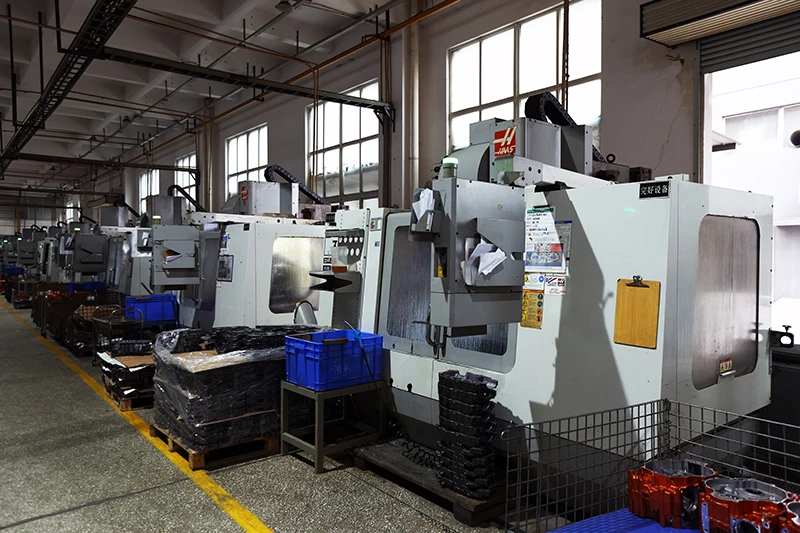
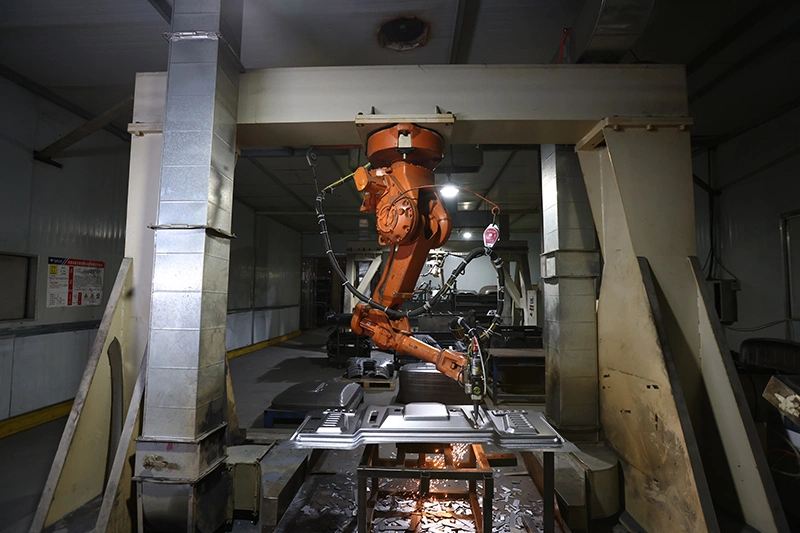
Once your deposit clears, the factory schedules production, and this is where a genuine manufacturer separates itself from a trader reselling someone else’s units. A real factory can show you the line: steel cutting, welding, coating, and final assembly under one roof, with your specification documented at each stage.
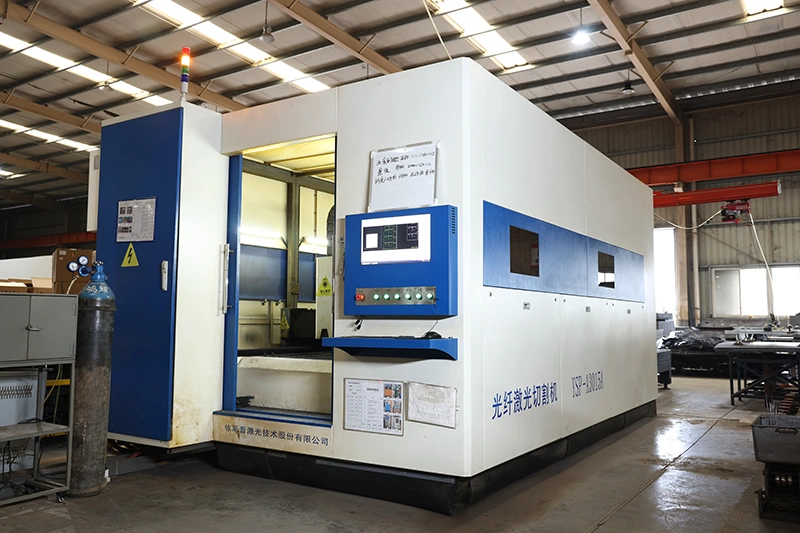
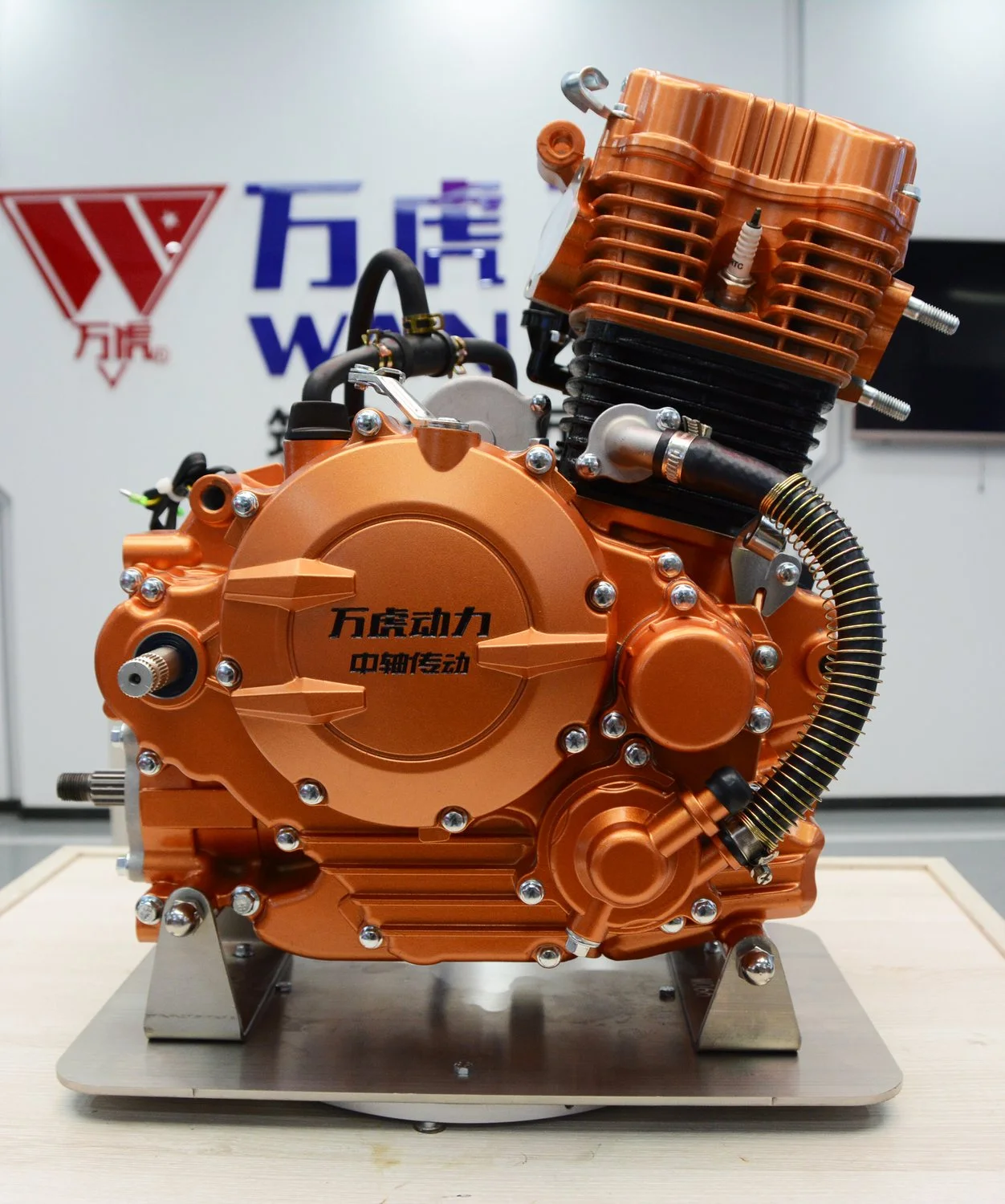
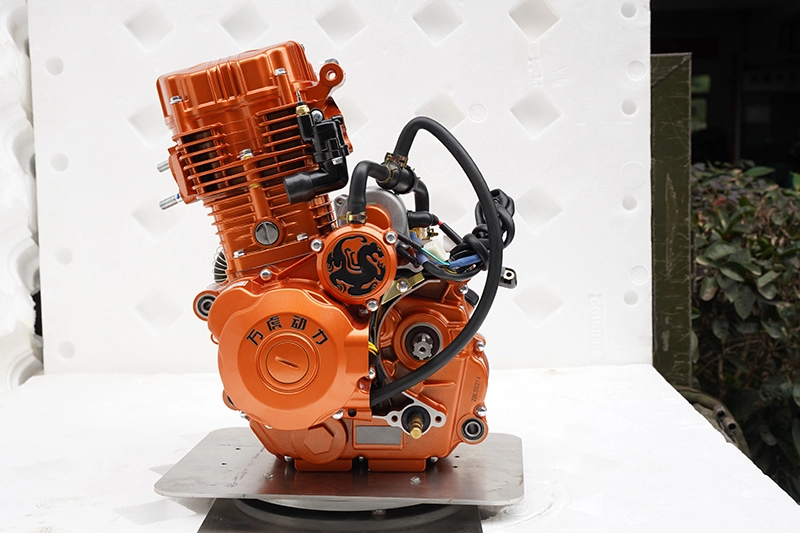
Here the second Wanhoo advantage matters: Wanhoo is vertically integrated, building its own water-cooled engines, frames, rear axles, and cargo boxes across a 60,000-square-meter facility, backed by 30-plus patents. Because every critical part is made in-house rather than bought from outside vendors, your configuration is a production decision the factory fully controls.
Wanhoo builds each vehicle through nine in-house processes, from flat and three-dimensional laser cutting to robotic welding and full-immersion electrophoretic (ED) coating rated for more than 500 hours of salt spray. That anti-corrosion depth is what lets a tricycle survive tropical humidity, coastal salt, and mine-site mud in the markets Wanhoo has served since 1986.
A pre-shipment inspection is a physical check carried out before the container ships, verifying that quantity, specification, workmanship, and packaging match the contract. A buyer wiring funds to a supplier on another continent often has no other proof the order is correct, which is why independent inspection by an agency such as SGS reduces payment and cargo risk.
You can commission SGS, Bureau Veritas, or Intertek to inspect before you release the balance payment. The inspector confirms the units built are the units ordered, catches defects while there is still time to rework, and gives your bank or clearing agent confidence the shipment matches the invoice.
Which Documents and Incoterms Do You Need to Ship?
A shipment clears customs on its paperwork, and one missing document can strand a container in demurrage while charges mount. You will need a commercial or proforma invoice, a packing list, the bill of lading, and a certificate of origin, plus any conformity certificate your destination market requires.
A bill of lading is the transport document a carrier issues as a receipt for the cargo and a title document the consignee needs to collect it; a certificate of origin states the country where the goods were manufactured. Customs authorities use the certificate of origin to determine the correct duty rate and any preferential treatment under a trade agreement.
The Incoterm you agree decides who arranges and pays for each leg of the journey. According to the U.S. government’s trade portal, FOB and CIF are both rules for sea and inland waterway transport, and each rule sets the cargo-insurance obligation and the point at which risk passes from seller to buyer.
FOB (Free on Board) means the seller delivers the goods loaded onto the vessel at the named export port, after which the buyer pays ocean freight, insurance, and onward costs and carries the risk. CIF (Cost, Insurance and Freight) means the seller pays freight and minimum insurance to the destination port, though risk still passes once the goods are loaded.
For a first import, CIF can look simpler because the supplier arranges the freight, but FOB usually gives you more control and a clearer view of the true shipping cost. According to the International Chamber of Commerce, the Incoterms 2020 rules exist to “eliminate uncertainty, prevent costly disputes, and clearly define buyer and seller responsibilities worldwide.”
How Do Customs Clearance, Duty, and Delivery Work?
When the vessel arrives, your customs broker files the import entry and calculates the duty owed before the cargo is released. Duty is assessed on the vehicle’s classification code and its customs value, so the tariff line you declare directly changes what you pay to bring the container in.
Customs clearance is the process of submitting an import declaration, paying assessed duty and taxes, and obtaining release of the goods from the port. Import duty is calculated from the product’s tariff classification (HS code) and the customs value of the shipment, which is why an accurate HS code and honest invoice value are essential to avoid penalties.
According to Shopify’s import guide, an item’s HTS code “tells you the duty (or tariff) on an imported good,” and an ad valorem duty is found by multiplying the customs value of the goods by the duty rate percentage. This is why shipping SKD, classified as parts, can land a lower rate than a complete vehicle.
After clearance you take delivery. If you shipped SKD, your team completes final assembly on a simple bench with basic tools; if you shipped CBU, the vehicles are ready to sell. Either way, the job is not finished until you can keep the fleet running, which means stocking fast-moving spare parts from day one.
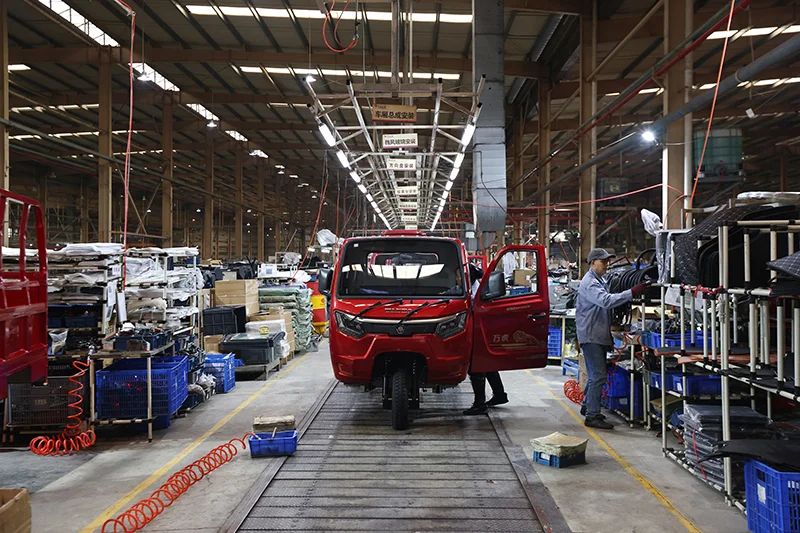
The third Wanhoo advantage closes the loop: Wanhoo has exported to 60-plus countries since 1986 and supplies spare parts for every model it builds, so a distributor is not left hunting for a carburetor or axle after the first season. Vertical integration means the same factory that built the vehicle also makes the replacement part.
Before you wire a deposit, confirm your supplier is a real factory, decide SKD versus CBU with your customs broker, and pin every document in writing. Our guide to OEM and SKD three-wheeler sourcing covers container economics in depth, and the three-wheeler import compliance guide walks the certification schemes for your market. To request a quote or a per-model container cost, contact us for factory-direct pricing from Chongqing.
Frequently Asked Questions
**How do I import three wheelers from China as a first-time buyer?**
Start by sending a precise quote request that states the model, engine size, cargo-box size, and quantity, then compare the proforma invoices you receive. Place the order with a deposit, choose SKD or fully-built shipping, and arrange a pre-shipment inspection before you pay the balance. Agree an Incoterm such as FOB, then let your customs broker clear the container on arrival against the invoice, packing list, bill of lading, and certificate of origin.
Is it cheaper to import three wheelers fully built or as SKD kits?
SKD (semi-knocked-down) shipping is usually cheaper per unit. A fully-built tricycle wastes container volume, so far fewer fit, while knocked-down kits pack flat and raise the units per container sharply. Wanhoo SKD loading runs roughly 24 to 45 units per 40-foot container depending on model. Many customs regimes also tax a kit as parts at a lower duty rate. Fully-built shipping still suits a small trial order, since it needs no assembly at the destination.
What documents do I need to import tricycles from China?
The core export set is a commercial or proforma invoice, a packing list, the bill of lading, and a certificate of origin. Your customs broker uses these to file the entry and calculate duty. Many destination markets add a conformity certificate, such as SONCAP for Nigeria or a PVoC certificate of conformity for East Africa, issued after inspection in China. Confirm the full list with your broker before booking the vessel.
What is the difference between FOB and CIF when importing?
FOB (Free on Board) means the seller loads the goods onto the vessel at the export port, and from that point you pay ocean freight and insurance and carry the risk. CIF (Cost, Insurance and Freight) means the seller pays freight and minimum insurance to your destination port, though the risk still passes when the goods are loaded. FOB gives you more control over freight cost and carrier choice.
How much import duty will I pay on three wheelers?
Import duty depends on your country and the tariff classification (HS code) of the vehicle, applied to the customs value of the shipment. Most duties are ad valorem, a percentage of the goods’ value. Shipping SKD, classified as parts, can fall in a lower bracket than a complete vehicle, and some governments cut tariffs further to encourage local assembly. Confirm the exact rate with a licensed customs broker in your market.
What is the minimum order to import three wheelers from China?
It varies by manufacturer, and MOQ is where many factories exclude smaller distributors by demanding a full container. Wanhoo accepts an MOQ as low as 10 units, so a first-time importer can validate a new market on one modest order instead of betting a full container on unproven demand. Once the model sells, buyers scale into full-container SKD shipping to lower the landed cost per unit.