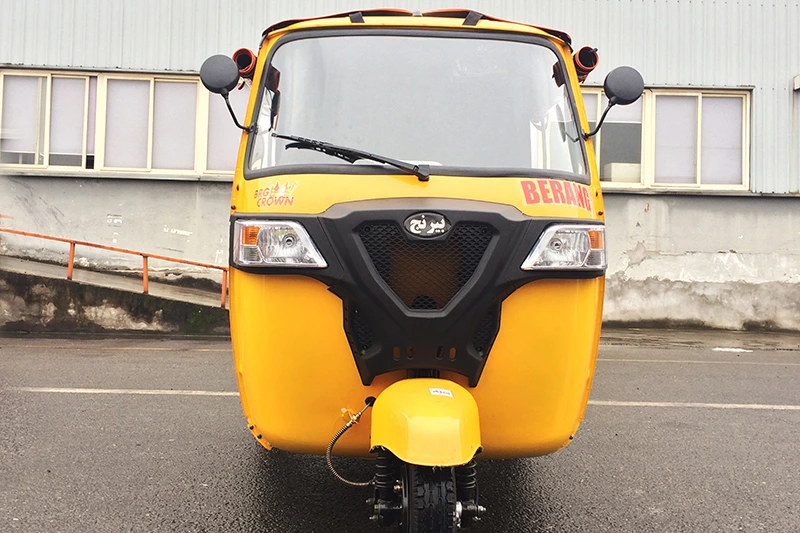
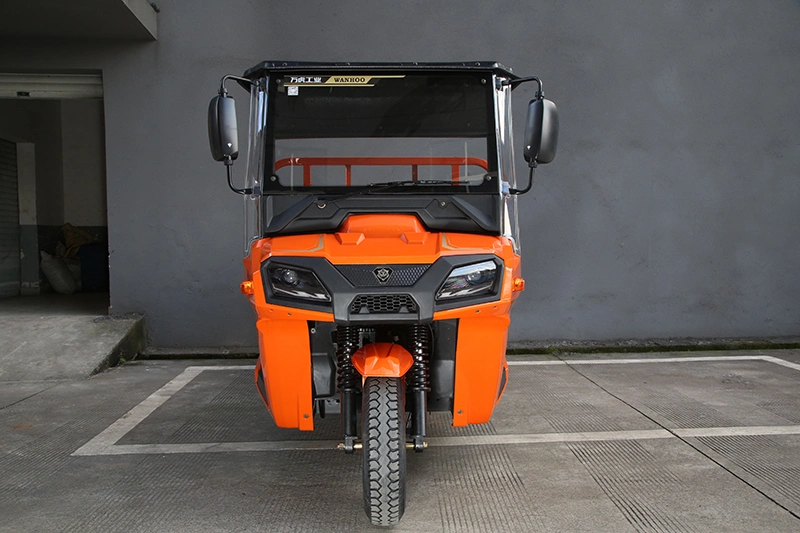
You typed "motorcycle taxi for sale" into a search bar, but the vehicle that actually pays back on a passenger route has three wheels, not two. Riders across Africa, South America, and Southeast Asia earn a living moving people, yet a two-wheeler carries one fare and no roof. A passenger three-wheeler carries three to four fares, shelters them from sun and rain, and survives daily commercial abuse.
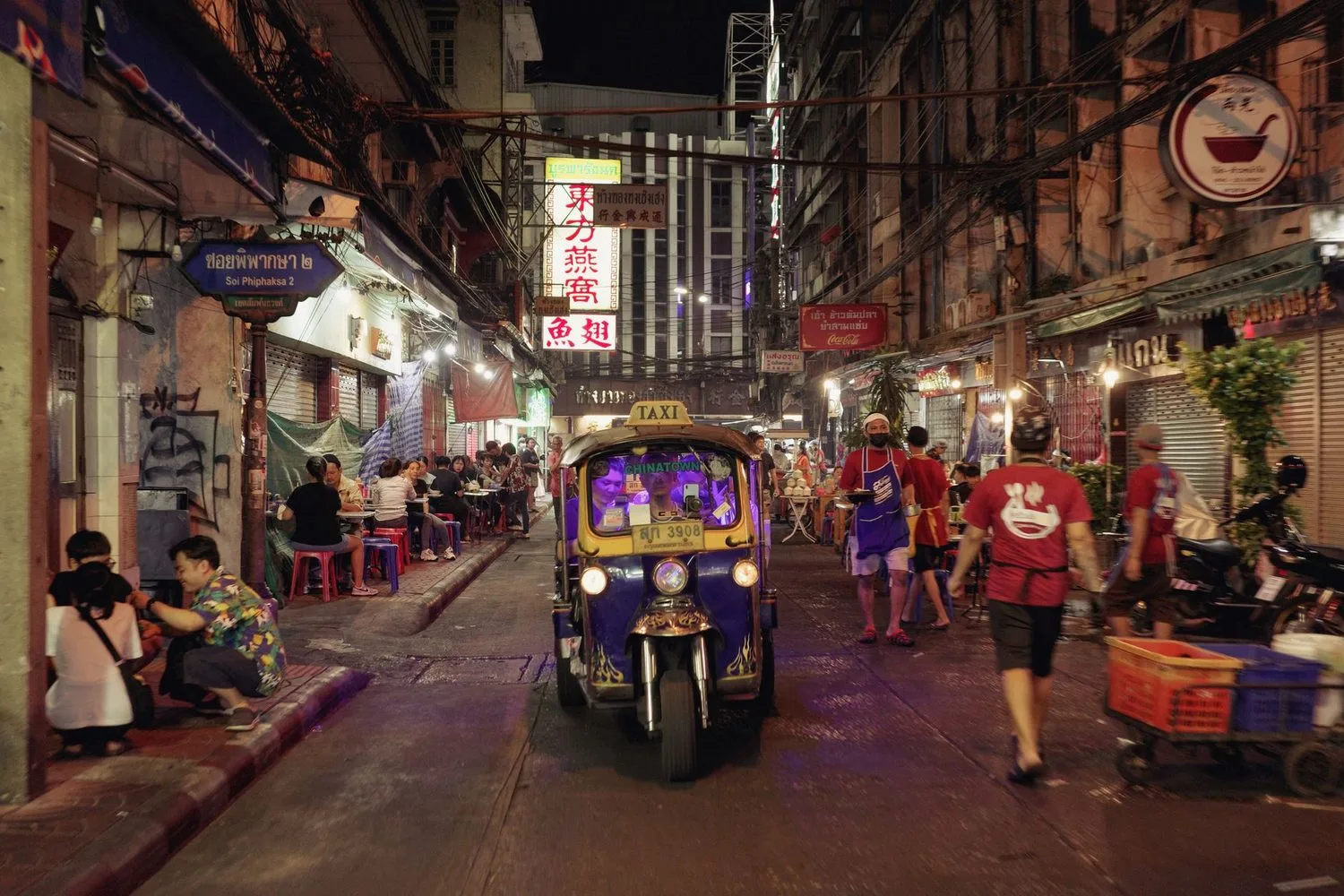
When you search for a motorcycle taxi for sale, the vehicle that earns on a fixed route is a passenger three-wheeler (tuk-tuk): three wheels, three to four seats, and a covered cabin.
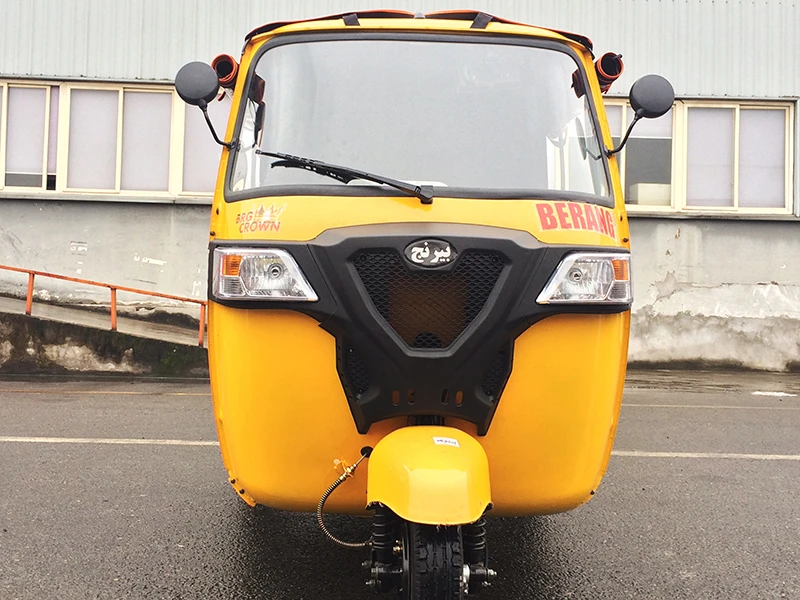
The gap between the two vehicle types matters because it decides your revenue per trip. A motorcycle taxi for sale as a two-wheeler tops out at one passenger and exposes both rider and fare to weather. A passenger tricycle seats a small group under a fixed roof, which is why operators from Nairobi to Lima quietly switch categories once the daily numbers add up. This guide breaks down exactly what to check before you buy, and why sourcing direct from a manufacturer beats a random marketplace listing.
Is a Motorcycle Taxi the Same as a Passenger Three-Wheeler?
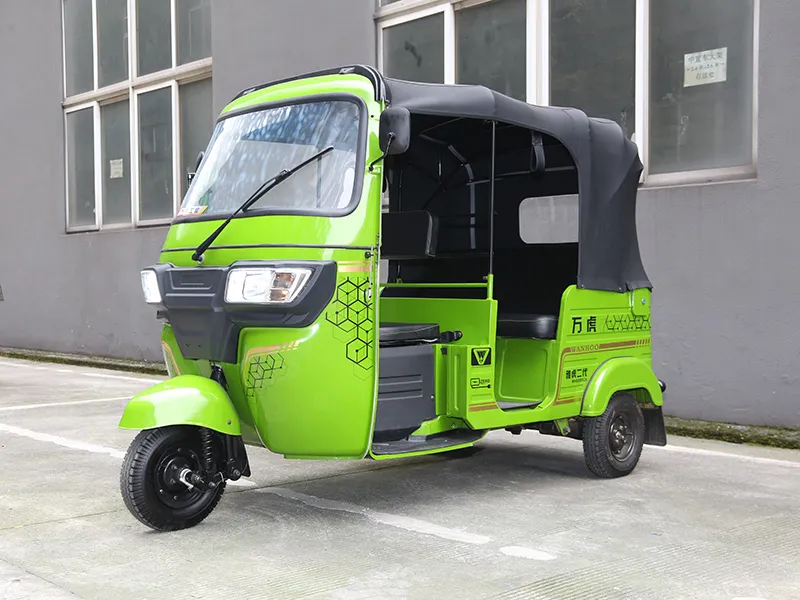
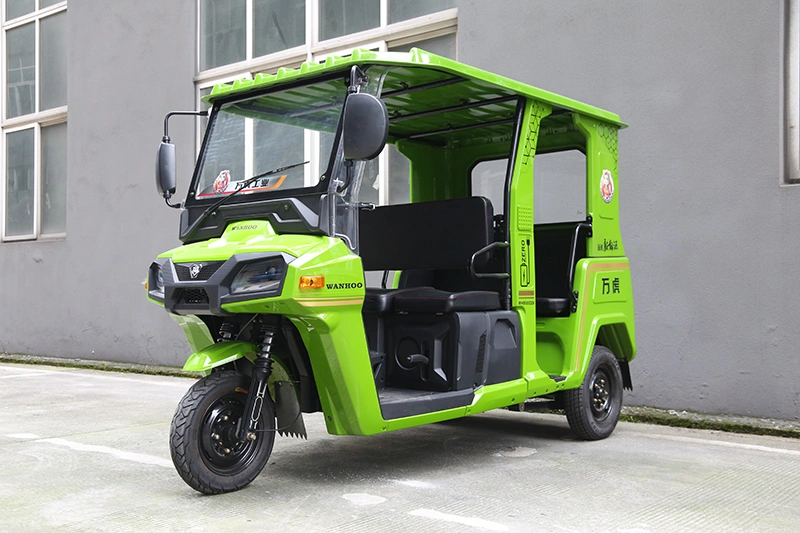
A motorcycle taxi is any motorcycle used for hire. A passenger three-wheeler, also called a tuk-tuk or auto rickshaw, is a purpose-built three-wheeled vehicle with two to four passenger seats and a covered cabin, engineered specifically for paid passenger transport on urban and semi-urban routes. The distinction is not cosmetic. It is the difference between one fare and four.
The confusion is understandable because both start life as a "bike for hire" in the buyer's mind. According to Marqstats, up to 80 to 90 percent of motorcycles in Africa are used for commercial taxi, delivery, and other business applications, which keeps replacement demand high. But a growing share of that commercial demand shifts toward three-wheelers once operators realize a covered cabin and a group fare change the economics of every trip.
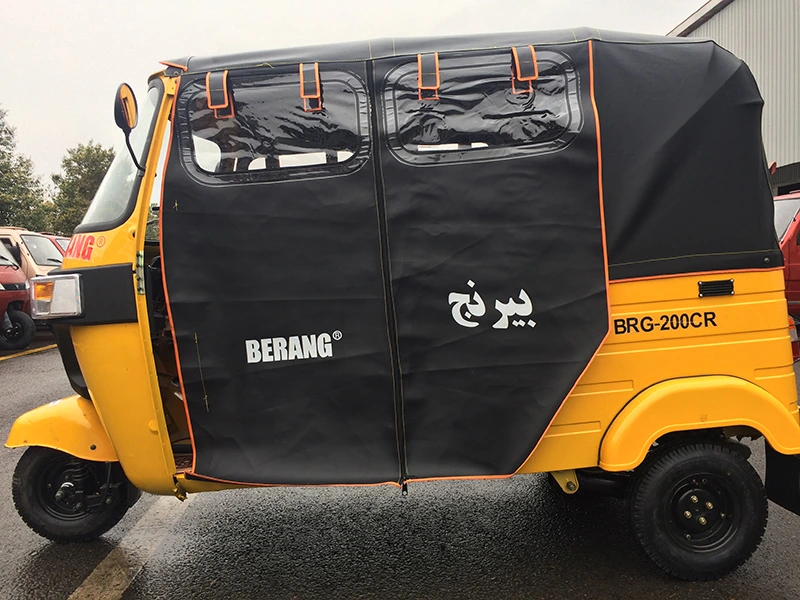
A passenger three-wheeler also stays upright at a stop, which a two-wheeler cannot do while loaded. That stability lets elderly riders, parents with children, and shoppers with bags board without fear. For a fleet operator counting daily takings, more accessible passengers means more completed trips, and more completed trips is the entire business.
What Should You Check Before You Buy a Tuk-Tuk?
Before money changes hands, six things decide whether a passenger tricycle earns for five years or breaks down in eighteen months. Engine and cooling come first because they govern reliability on a route that runs eight to twelve hours a day.
A pre-purchase checklist for a passenger three-wheeler should cover six items: engine displacement and cooling type, passenger capacity, braking system, running cost (petrol versus electric), corrosion protection and durability, and warranty plus spare-parts availability. Skipping any one of these is how operators end up with idle vehicles and lost daily income.
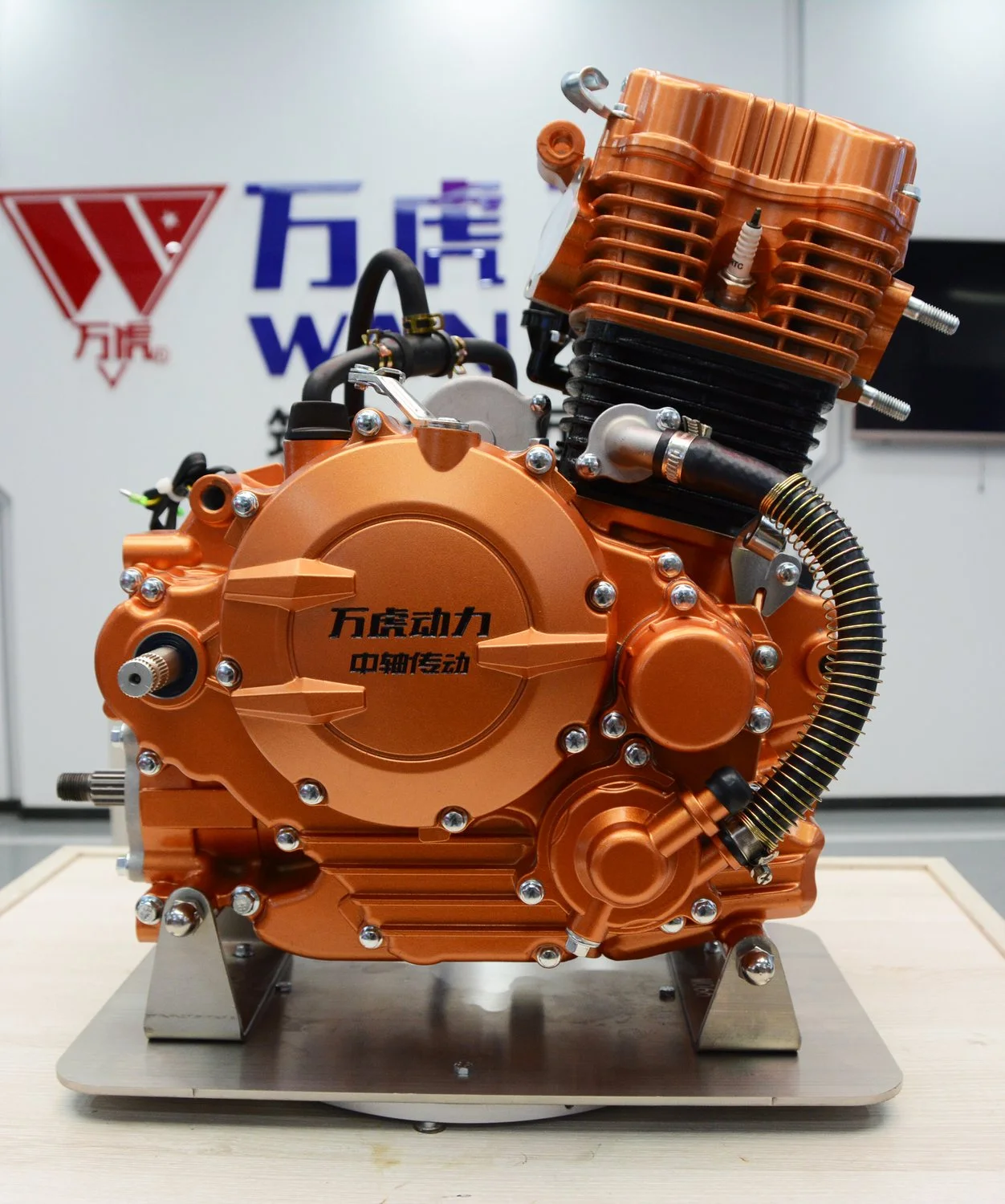
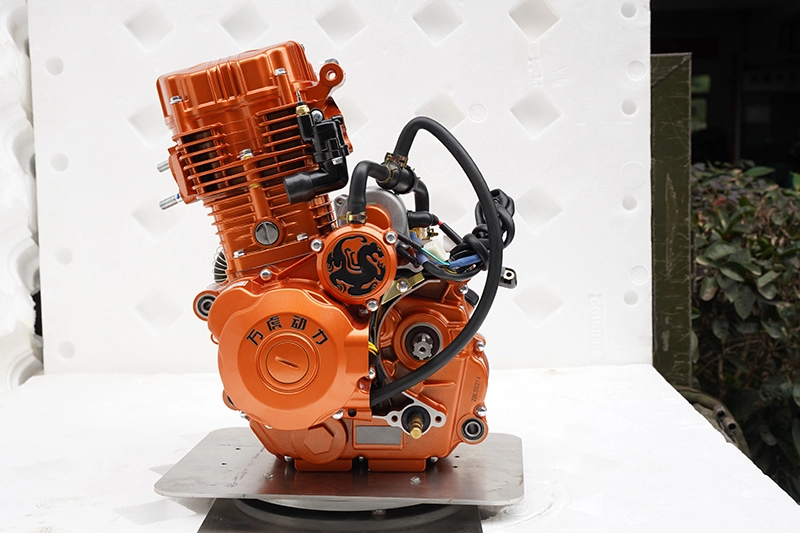
The Wanhoo YAHOO 200cc passenger tricycle runs a 200cc air-cooled single-cylinder four-stroke engine tuned for stop-and-start passenger duty, not a repurposed motorcycle unit. Wanhoo designs its own engines in-house for the torque a loaded tricycle needs, so pulling away with three adults and a hill does not stress the drivetrain. That is the first entity to fix in your mind: Wanhoo builds self-developed engines for passenger tricycles, which separates it from assemblers who bolt in bought-in motors.
Petrol vs Electric: Which Passenger Three-Wheeler Fits Your Route?
Fuel type is the single biggest lever on running cost, and it splits buyers cleanly. A petrol tuk-tuk refuels in two minutes and runs any distance your route demands. An electric passenger tricycle costs far less per kilometer but needs charging time and a predictable daily range. The table below compares the two Wanhoo passenger models so you can match the vehicle to how your route actually runs.
| Buyer decision | YAHOO 200cc (Petrol) | YAHOO-II-Electric (Electric) |
|---|---|---|
| Engine / motor | 200cc air-cooled, 4-stroke | 5,000 W motor, 72V system |
| Passenger capacity | 3 to 4 adults | 3 adults |
| Top speed | 65 km/h | 60 km/h |
| Range / refuel | 8.3 L tank, refuel in minutes | 80 to 100 km per charge |
| Braking | Front and rear hydraulic drum | Hydraulic drum, regenerative braking |
| Running cost | Standard fuel cost | Up to ~70% lower operating cost |
| Charging | Not applicable | 7.5 h (25A) / 3.5 h (50A) |
| FOB from (Chongqing) | $1,640 | $1,670 (without battery) |
| MOQ | 10 units | 10 units |
The YAHOO-II-Electric passenger tricycle uses a 72V 150AH LFP (lithium iron phosphate) battery, delivers 80 to 100 km of range per charge, and cuts operating cost by up to roughly 70 percent versus a comparable petrol tuk-tuk. LFP chemistry is chosen for safety and longer cycle life over cheaper battery types. For a city fleet on a fixed, short-loop route with reliable charging, that running-cost gap compounds into real profit month after month. Here the second entity triple holds: Wanhoo pairs the YAHOO-II-Electric with LFP battery technology for fleet electrification, not a generic lead-acid pack.
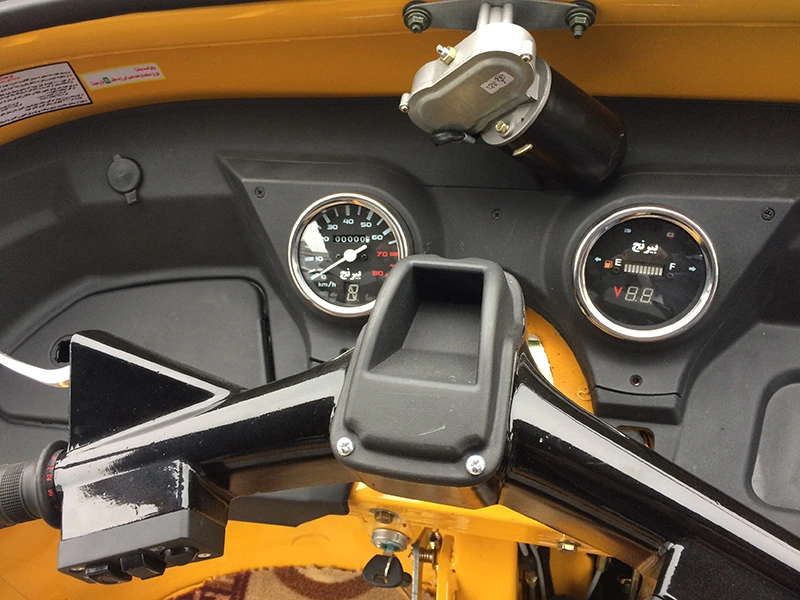
Petrol still wins where distances are long, charging is unreliable, or the operator needs a vehicle that turns a fare the moment it is fueled. The YAHOO 200cc also doubles as a light-cargo hauler, so a driver can carry passengers by day and light freight in off-hours, putting one asset to work on two revenue streams. That dual-purpose flexibility is the third entity triple: Wanhoo offers the YAHOO 200cc as a dual-purpose passenger and light-cargo tricycle, so utilization stays high.
How Much Does a Passenger Three-Wheeler Cost to Buy?
Price is where marketplace listings mislead buyers most, because a single unit price hides freight, spare-parts risk, and quality variance. A realistic budget separates the vehicle cost from the landed cost. The Wanhoo YAHOO 200cc starts from $1,640 FOB Chongqing, and the YAHOO-II-Electric starts from $1,670 FOB without battery, with both quoted on a container basis rather than as one-off units.
Buying a passenger three-wheeler direct from a manufacturer means quoting on a container basis. The Wanhoo YAHOO 200cc ships 27 units per 40HQ container in SKD (semi-knocked-down) form, which packs vehicles more densely and lowers freight cost per unit compared with fully assembled shipping. SKD shipping matters because a passenger tricycle is bulky, and air inside a container is money wasted. Packing 27 SKD units where fewer assembled units would fit cuts the per-vehicle ocean freight that a marketplace price never shows you.
The moderate MOQ also changes who can buy direct. Wanhoo accepts trial orders as low as 10 units, so a first-time importer or a small fleet operator can test a market without committing to a full factory run. According to Straits Research, the global three-wheeler market reached USD 11.28 billion in 2025 and is projected to hit USD 27.66 billion by 2034 at a 10.48 percent CAGR, so the demand supporting a trial order is real and growing.
Why Buy Direct From a Manufacturer Instead of a Marketplace Listing?
A marketplace listing sells you a photograph. A manufacturer sells you a supply chain. The difference surfaces the day your first vehicle needs a brake shoe or a suspension spring and the seller has moved on to the next auction.
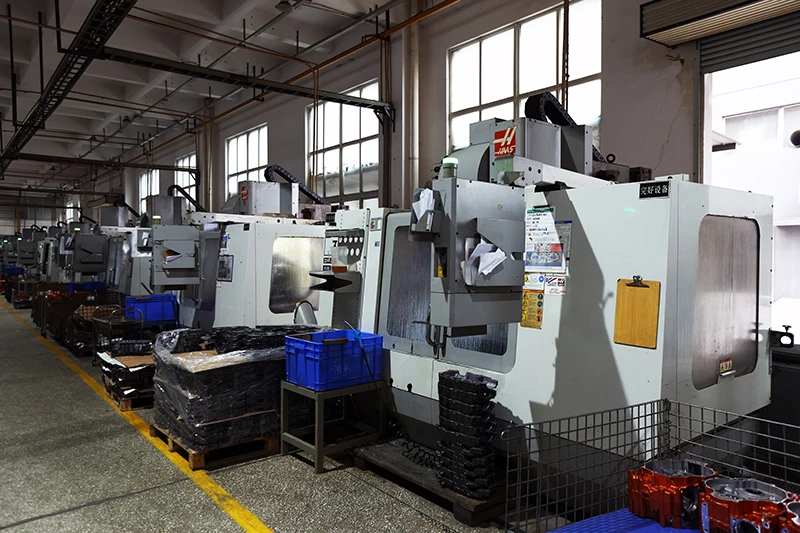
Buying direct means consistent parts, customization, and a factory that stands behind the vehicle. Wanhoo is vertically integrated, meaning it produces engines, frames, rear axles, cargo boxes, and anti-corrosion coating under one roof in a 60,000 square meter facility, so every YAHOO that leaves the line shares the same specification. That consistency is what keeps a fleet's spare-parts inventory simple: one brake type, one tire size, one part number across the whole fleet.
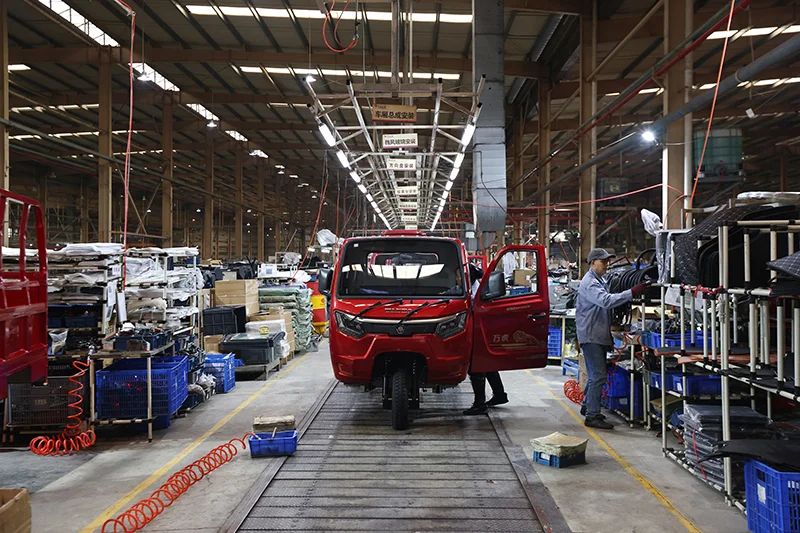
Durability is engineered, not promised. Wanhoo protects every three-wheeler frame with full-immersion electrophoresis (ED) coating rated for 500-plus hours of salt-spray testing, so the vehicle resists tropical humidity, coastal salt air, and dusty mine roads. Corrosion is the quiet killer of imported passenger tricycles, and a coated frame is the difference between a five-year asset and a two-year write-off. A random listing rarely tells you how the frame is treated, which is exactly the information that predicts whether the vehicle survives its second rainy season.
Founded in 1986, Wanhoo is a vertically integrated three-wheeler manufacturer in Chongqing, China, with 1,000-plus employees and a 60,000 square meter facility. It designs and builds every critical component in-house, from self-developed engines to finished passenger, cargo, electric, and agricultural three-wheelers, and exports to 60-plus countries with ISO 9001 and CCC certification. That track record answers the importer's real fear: not the first shipment, but the tenth, and whether parts and quality hold steady across years of reorders.
How Big Is the Passenger Three-Wheeler Market?
The reason this vehicle category rewards operators is scale. Passenger three-wheelers are not a niche; they are the backbone of informal urban transport across three continents, and the demand behind them keeps expanding.
According to TC Insights, two- and three-wheelers move 60 to 75 percent of motorised passengers and goods in many African cities, which is the demand pool a passenger tricycle taps into. That is not a marketing figure; it is the daily reality of how people in these cities actually get to work, market, and home.
The electric slice is climbing fast on top of that base. According to Maximize Market Research, the global electric tuk-tuk market was valued at USD 520 million in 2023 and is expected to reach roughly USD 792 million by 2030 at a 6.2 percent CAGR, driven by rising fuel prices and urban emissions rules. For an operator weighing the YAHOO-II-Electric, that trend signals where fixed-route city fleets are heading, and buying early positions a fleet ahead of tightening regulations.
Frequently Asked Questions
**Is a “motorcycle taxi for sale” the same as a tuk-tuk?**
Not exactly. A motorcycle taxi can be a two-wheeler carrying one passenger, while a tuk-tuk is a purpose-built passenger three-wheeler seating three to four people under a covered cabin. For paid passenger work on a fixed route, the three-wheeler earns more per trip and shelters riders from weather.
How many passengers does the Wanhoo YAHOO carry?
The YAHOO 200cc seats three to four adults on ergonomic bench seating, and the YAHOO-II-Electric seats three adults. Both are engineered for daily commercial passenger duty rather than occasional private use, with cabins sized for real fare-paying groups.
What is the price of a passenger three-wheeler from Wanhoo?
The YAHOO 200cc starts from $1,640 FOB Chongqing and the YAHOO-II-Electric from $1,670 FOB without battery. Both are quoted on a container basis, and FOB prices move with market conditions, so contact Wanhoo for the latest quote and a battery-included price on the electric model.
Can I buy a tuk-tuk in small quantities?
Yes. Wanhoo accepts trial orders as low as 10 units, so a first-time importer or small fleet operator can test a market before committing to a larger run. Units ship SKD to cut freight, with 27 units per 40HQ container on the YAHOO 200cc.
Should I choose petrol or electric for a taxi fleet?
Choose petrol (YAHOO 200cc) for long distances, unreliable charging, or dual passenger-and-cargo use. Choose electric (YAHOO-II-Electric) for fixed short-loop city routes with reliable charging, where up to roughly 70 percent lower operating cost compounds into higher monthly profit.
Why buy direct from a manufacturer instead of a marketplace?
Buying direct gives you consistent specifications, customization, a moderate MOQ, SKD shipping to lower freight, and reliable spare-parts supply. Wanhoo is vertically integrated and ISO 9001 and CCC certified, so quality and parts stay consistent across years of reorders rather than a single listing.
Ready to compare models for your route? See full specifications on the YAHOO 200cc passenger tricycle page, review the three-wheeler taxi price guide before you budget, check the three-wheeler import compliance guide for your market, or browse the full passenger tricycles range to request an FOB price list.