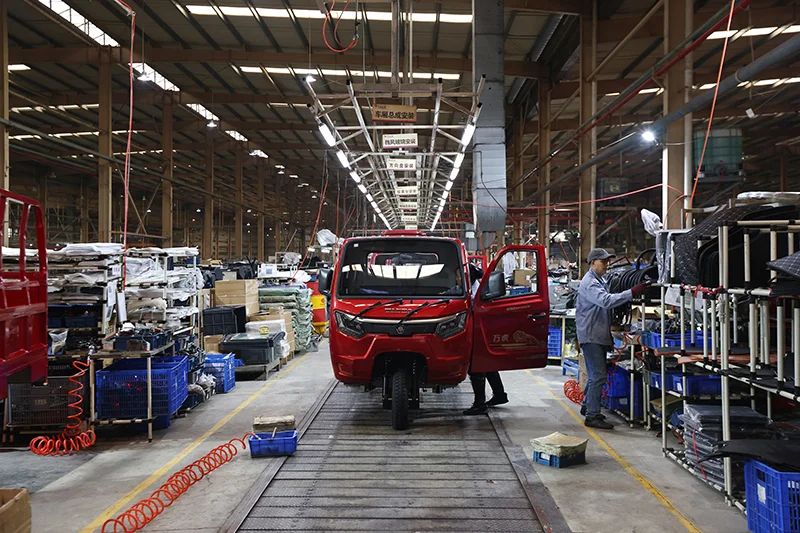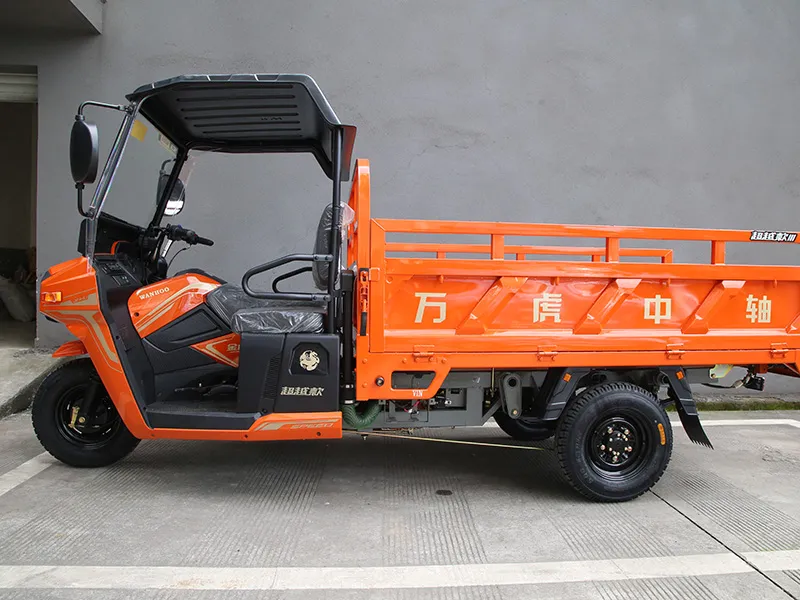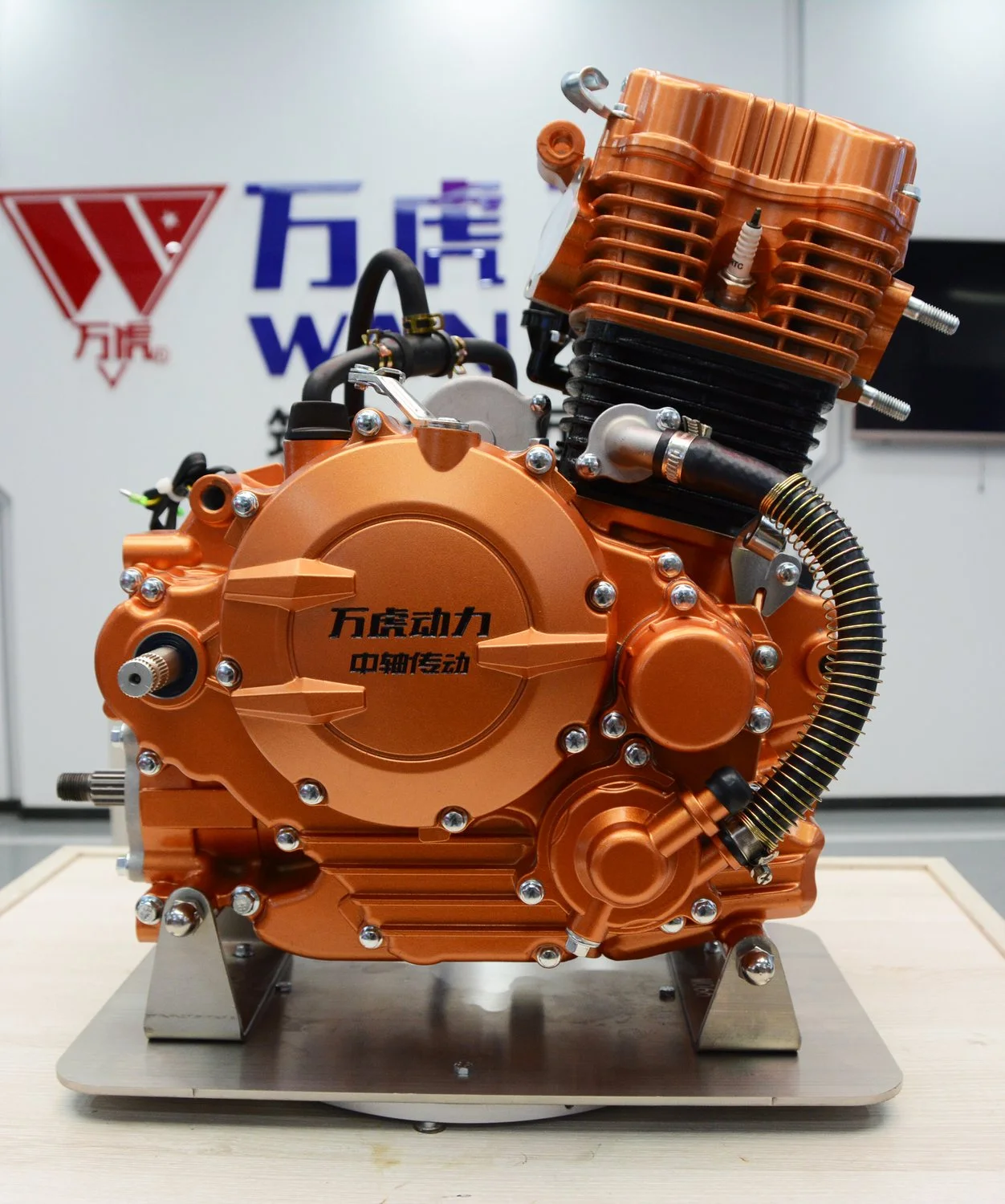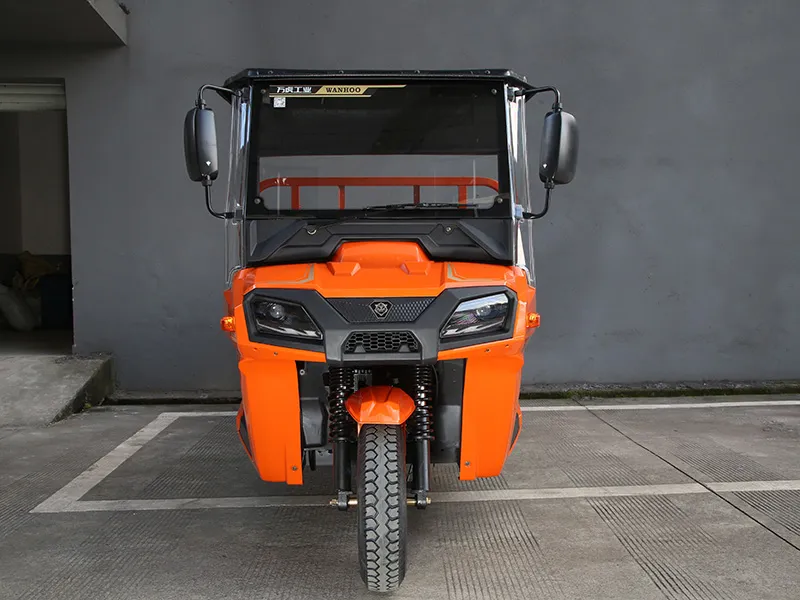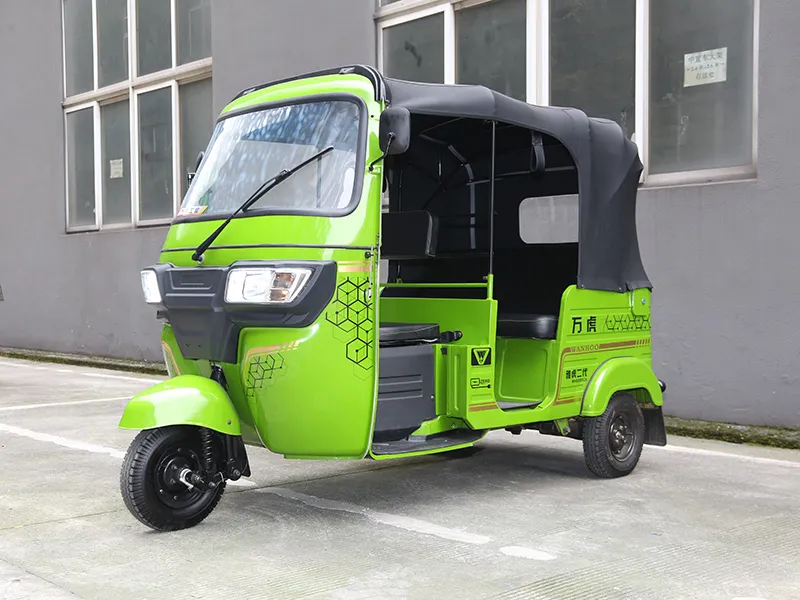
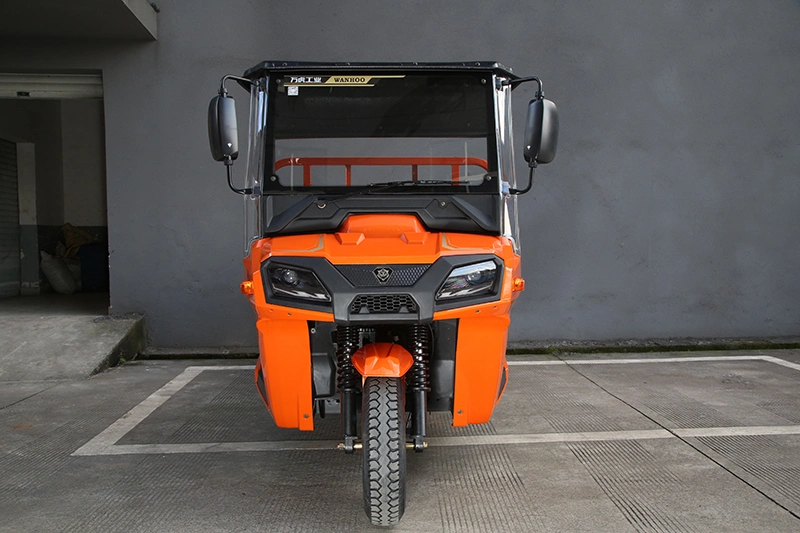
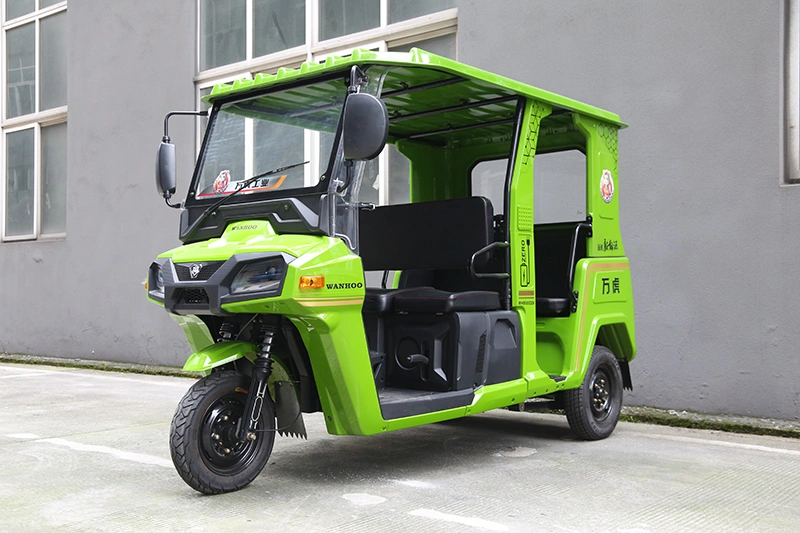
A new three wheeler taxi price starts around USD 1,640 FOB for a 200cc gasoline passenger tricycle like Wanhoo’s YAHOO, and about USD 1,670 FOB for the YAHOO-II-Electric (without battery). FOB is only the factory-to-port starting figure. Once you add ocean freight, insurance, import duty and inspection, the landed cost in your country runs meaningfully higher, so budget for both numbers before you order.
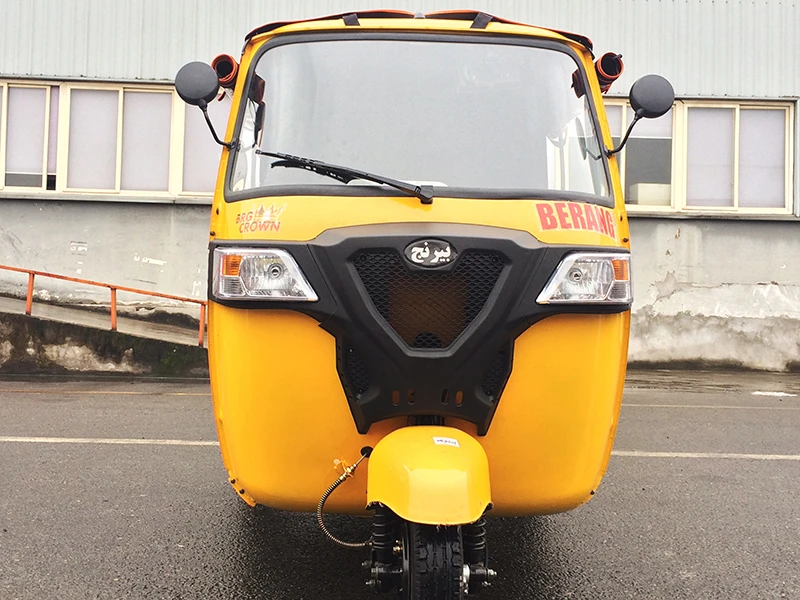
A buyer in Lagos, Nairobi or Manila asks one question first: how much is a tuk tuk, really? The FOB figure a supplier quotes and the amount that finally reaches your yard are two different numbers, and the gap is where first-time importers lose their margin. Freight, duty and port charges can add a third or more on top of the sticker. Get the full cost stack right and the passenger tricycle price stops being a mystery and becomes a spreadsheet you control.
What is a fair three wheeler taxi price in 2026?
A fair three wheeler taxi price depends on where you buy and what you compare against. A domestically sold, road-registered unit and a bulk export order priced at the factory gate are not the same product, so quotes that look wildly different often are not competing at all. Anchoring on one clear reference point stops you from overpaying or chasing a number that hides its real cost.
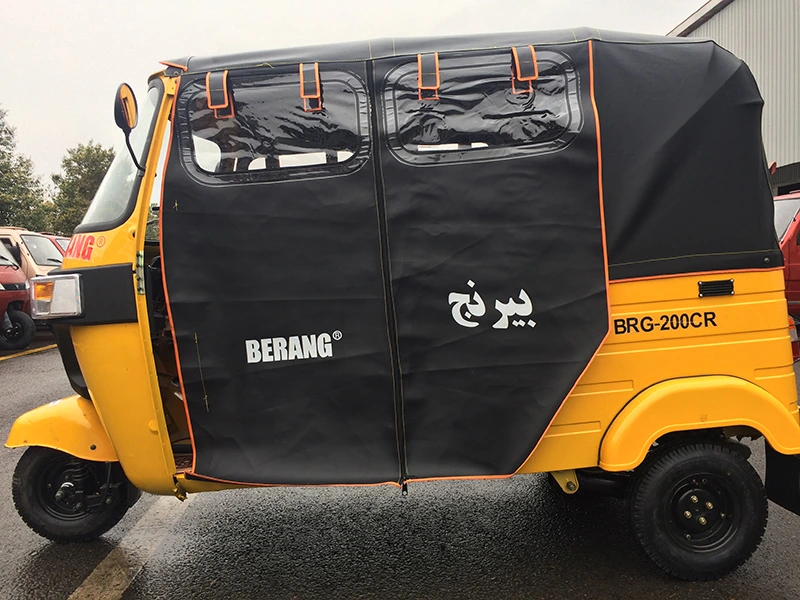
Wanhoo's YAHOO 200cc passenger tricycle carries a factory price from USD 1,640 FOB Chongqing for export orders, with a minimum order quantity as low as 10 units for a trial batch. That figure covers the finished vehicle loaded at the port of origin, not ocean freight, import duty or delivery to your yard, which are added later to reach landed cost.
For a sense of the retail side, a domestic-market benchmark is useful. According to 91Trucks, Bajaj auto rickshaw prices in India start around Rs 1.89 lakh and reach roughly Rs 3.53 lakh ex-showroom, which includes local taxes, registration margin and dealer costs an export FOB price excludes. That is why an FOB quote from a Chinese factory can read lower than a domestic retail price for a broadly similar vehicle: you are buying at a different point in the chain.
What is the difference between FOB and landed cost?
FOB and landed cost describe two different moments in an import, and confusing them is the single most common budgeting mistake buyers make. Treat FOB as your entry ticket and landed cost as the full price of admission. The definitions below draw the line clearly.
FOB (Free On Board) is the price of the goods loaded onto the vessel at the port of origin. It covers the factory cost, inland transport to the port and export clearance, but excludes ocean freight, marine insurance, import duty, customs clearance at your end and final delivery. Landed cost is FOB plus every one of those downstream charges, the true amount you pay to own the vehicle at your yard.
According to Toolio, landed cost is "the total cost of a product at your receiving dock" and is the only figure that should drive pricing and margin decisions, because it reflects what you actually paid to own the goods. FOB tells you what leaves the factory; landed cost tells you what arrives.
The gap is not small. According to Finale Inventory, buyers who plan on FOB alone routinely underestimate their real cost, because freight, duties and handling stack on top before goods clear. On a low-value, high-volume item like a passenger tricycle, that stack decides whether a shipment earns money. The table below shows how an FOB base builds into a landed figure so you can see where every dollar goes.
| Cost component | What it covers | Typical direction |
|---|---|---|
| FOB price | Vehicle loaded at origin port | Starting figure (from USD 1,640) |
| Ocean freight | Sea shipping, port to port | Per container; SKD lowers per-unit cost |
| Marine insurance | Cover for loss or damage in transit | Small percentage of cargo value |
| Import duty | Government tariff on the vehicle | Varies widely by country |
| VAT / local taxes | Value-added or sales tax at import | Applied on CIF plus duty |
| Inspection / compliance | SONCAP, PVoC or equivalent | Fixed fee plus testing |
| Clearance and delivery | Broker, port handling, inland haulage | Fixed and distance-based |
Every row above turns an FOB starting price into your real landed cost, so build the whole stack before you commit.
How much do import duty and taxes add to a tuk tuk price?
Import duty and local taxes are usually the largest single addition to a passenger tricycle price, and they change entirely by destination. Two buyers ordering the identical unit at the same FOB can face very different landed costs simply because of where they clear customs. Checking your own country's rate before you order is not optional.
Import duty is calculated on the CIF value (cost, insurance and freight), not on the FOB price alone, so freight and insurance are effectively taxed too. Most countries then add VAT on top of CIF plus duty, along with inspection and port levies. This layering is why a modest FOB figure can grow by 30 percent or more before a three-wheeler reaches your yard.
Nigeria is a clear example for African fleet buyers. According to the U.S. International Trade Administration, new vehicles imported into Nigeria carry a 20 percent duty plus a 20 percent National Automotive Council levy, before VAT and other charges apply. Those percentages sit on the CIF value, so freight raises the base they are charged on.
East Africa runs a different but comparably layered system. According to the U.S. International Trade Administration Kenya guide, Kenya applies customs duty averaging around 25 percent, then adds an Import Declaration Fee, a Railway Development Levy and 16 percent VAT on the built-up value. The practical takeaway is the same everywhere: get your exact HS-code duty rate in writing before you sign, because it moves your landed cost more than the FOB negotiation ever will.
To estimate landed cost, add ocean freight and marine insurance to your FOB price to reach the CIF value, apply your country's duty and any automotive levy to that CIF figure, then add VAT on the combined total plus inspection and clearance fees. A freight forwarder can produce this full breakdown for your specific port before you commit to an order.
What actually drives the price of a passenger three-wheeler?
Several buildable factors move a passenger tricycle price, and knowing them lets you specify a vehicle that fits your route and budget rather than overbuying. The FOB figure is not arbitrary; each choice below shifts it up or down in a predictable way. Match the spec to the job and you stop paying for capability you will never use.
Engine size is the first price lever on a gasoline three-wheeler. A larger 200cc single-cylinder unit like the YAHOO's carries more passengers and climbs grades better than a smaller displacement, but costs more than an entry-level engine. Wanhoo's cargo three-wheelers start from around USD 830 FOB, so displacement and vehicle class set the base before any options are added.
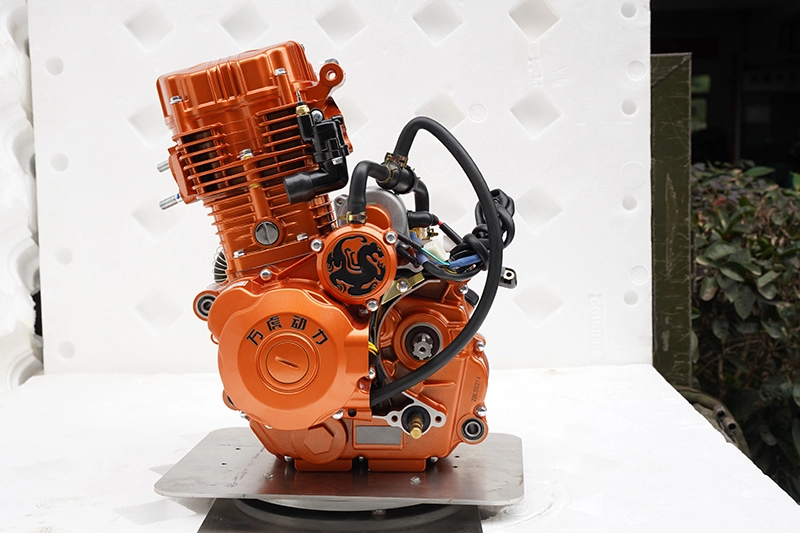
Powertrain is the next fork. A gasoline YAHOO 200cc starts from USD 1,640 FOB, while the battery-electric YAHOO-II-Electric starts from USD 1,670 FOB without its battery, and the battery is a significant added line. Wanhoo builds the YAHOO around a self-developed engine designed for three-wheeler torque, not a re-badged motorcycle unit, which shortens spare-parts lead times for fleets that cannot afford downtime.
Order volume and shipping format are the levers most buyers forget. According to IncoDocs, freight and handling are core components of landed cost, so cutting the per-unit freight directly lowers your delivered price. Wanhoo loads 27 YAHOO units into a single 40HQ container as SKD (semi-knocked-down) kits, and a low MOQ of 10 units keeps a first trial order affordable. Wanhoo pairs the YAHOO with anti-corrosion ED coating rated for coastal and hot-climate service, so the durability that protects resale value is built in rather than an upsell.
How should you budget for a three-wheeler taxi fleet?
Budgeting for a fleet means costing the landed price per unit first, then multiplying, then planning the running economics that decide whether the vehicles earn back their cost. A sticker price alone tells you almost nothing about fleet viability. The daily earning power of each unit matters far more than the FOB figure you negotiate.
A fleet budget has three layers: the landed cost per vehicle (FOB plus freight, duty, taxes and clearance), the total for your order quantity, and the running cost per vehicle per day. Fleet operators who compare only FOB prices between suppliers often overpay in freight or duty, because the cheapest factory gate is rarely the cheapest yard-delivered vehicle.
Running cost is where electric and gasoline diverge sharply. The YAHOO-II-Electric runs on a 72V 150AH LFP battery, delivers an 80 to 100 km range per charge, and cuts operating cost by roughly 70 percent versus gasoline, a strong case where fuel is expensive or cities are tightening emission rules. The gasoline YAHOO answers the opposite need, where charging infrastructure is thin and low upfront cost matters most. Reading the YAHOO fuel versus electric breakdown alongside your local fuel and electricity prices shows which pays back faster on your routes.
Compliance is the last budget line buyers underestimate. Inspection schemes such as Nigeria's SONCAP or Kenya's PVoC add both a fee and lead time, and skipping them risks goods stuck at port. The three-wheeler import compliance guide walks through the documentation so your first shipment clears cleanly. Because FOB pricing floats with materials and volume, treat every from-price here as a starting figure and contact the Wanhoo team for the latest quote on your exact configuration and destination.
Frequently Asked Questions
### How much does a three wheeler taxi cost?
A new passenger three-wheeler for export starts around USD 1,640 FOB for a 200cc gasoline model such as Wanhoo’s YAHOO, and about USD 1,670 FOB for the electric YAHOO-II (without battery). FOB is the factory-to-port price; landed cost in your country is higher once freight, insurance, import duty and inspection are added.
What is the difference between FOB price and landed cost?
FOB (Free On Board) is the price of the vehicle loaded onto the ship at the origin port, covering factory cost, inland transport and export clearance. Landed cost is FOB plus ocean freight, marine insurance, import duty, local taxes, inspection and delivery to your yard. Landed cost is the true figure you should budget against.
How much is a tuk tuk after import duty?
It depends entirely on your country's tariff. Nigeria applies a 20 percent duty plus a 20 percent automotive levy on new vehicles, on top of the CIF value, before VAT. Kenya applies roughly 25 percent duty plus additional levies and 16 percent VAT. Confirm your exact HS-code rate before ordering, because it moves landed cost more than the FOB price.
Is FOB the final price I pay for a passenger tricycle?
No. FOB is a starting figure that ends at the port of origin. You still pay ocean freight, marine insurance, import duty, local taxes, inspection fees and inland delivery to reach landed cost. Plan both numbers, and ask your supplier and freight forwarder for a full landed-cost estimate to your specific port.
Can I lower the price of a three-wheeler order?
Yes, mainly through shipping format and volume. Wanhoo ships the YAHOO as SKD kits, loading 27 units into a 40HQ container to cut per-unit freight, and offers a low MOQ of 10 units for a trial order. Choosing the right engine size and specification for your route also avoids paying for capability you will not use.
How much cheaper is an electric three-wheeler to run than gasoline?
Wanhoo's YAHOO-II-Electric cuts operating cost by roughly 70 percent versus a gasoline equivalent, driven by lower energy cost per kilometer and fewer moving parts. The gasoline YAHOO carries a similar FOB starting price but lower upfront cost once the battery is counted, so the better choice depends on local fuel prices, electricity cost and charging access.
Ready to price your order? Explore the full passenger tricycle range, or go straight to the YAHOO 200cc passenger tricycle page to request an FOB quote and a container-loading plan for your market.