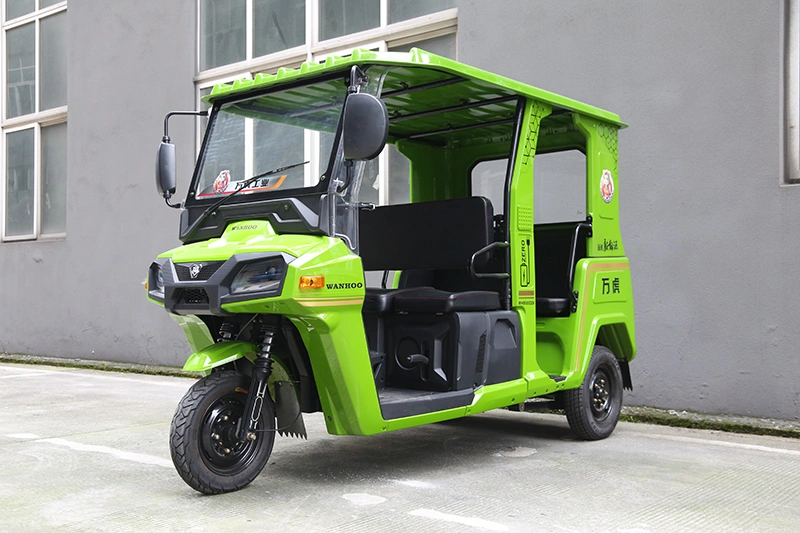
Three imported taxis break down in year two, and every idle day quietly drains $50 to $200 from an operator's route income. That risk starts at the purchase order, not the repair shop, which is why this passenger tricycle buying guide walks through the exact specifications and terms that separate a profitable fleet vehicle from a costly mistake.
A passenger tricycle is a three-wheeled vehicle for hire, seating a driver plus two to four passengers, used as a low-cost taxi across Africa, South Asia, and Southeast Asia. Choosing the right one means checking six things before you wire a deposit: engine size and cooling, passenger capacity, brakes, running cost, frame durability, and order terms like MOQ and SKD shipping.
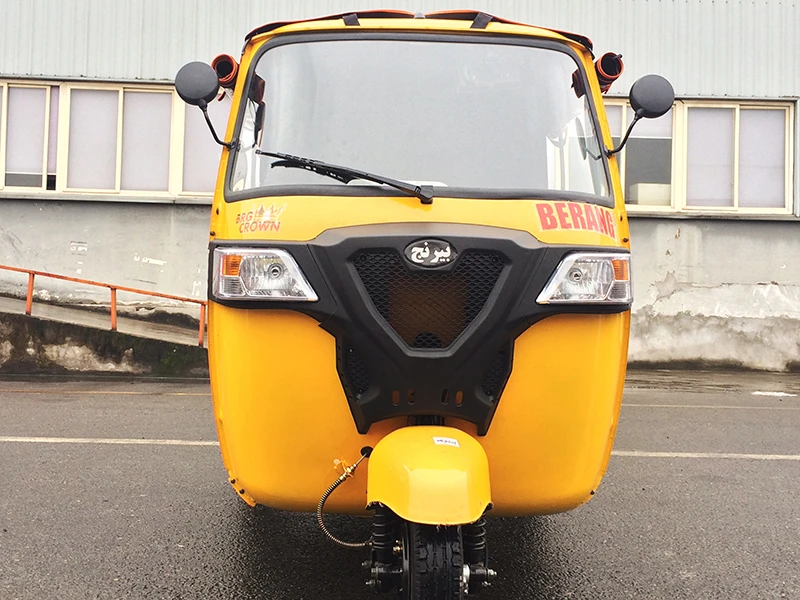
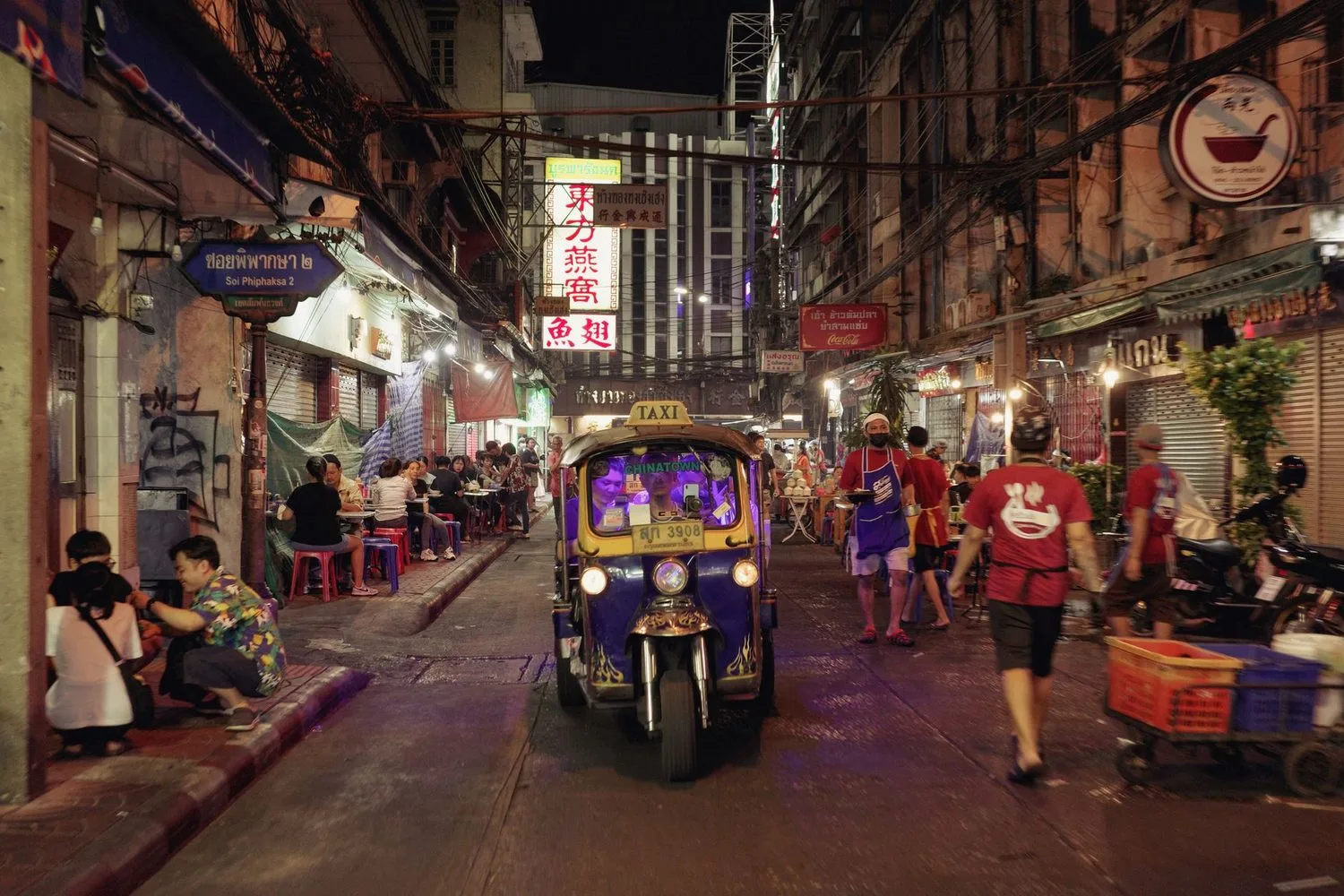
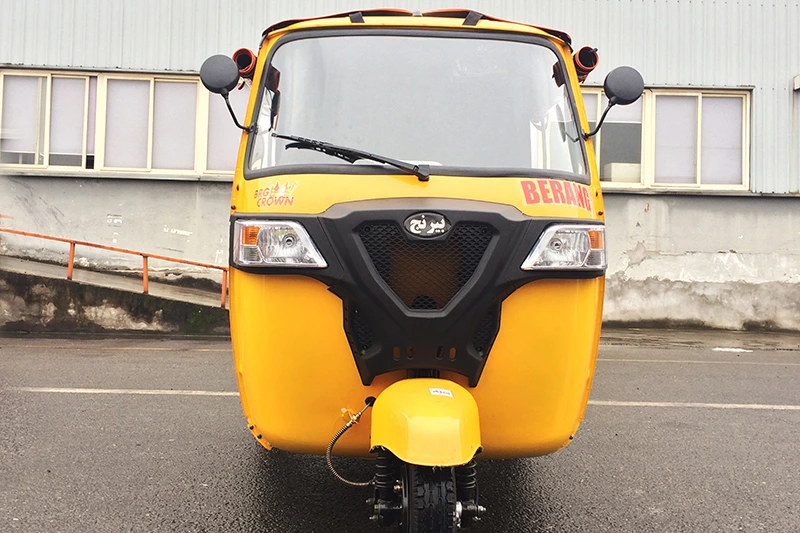
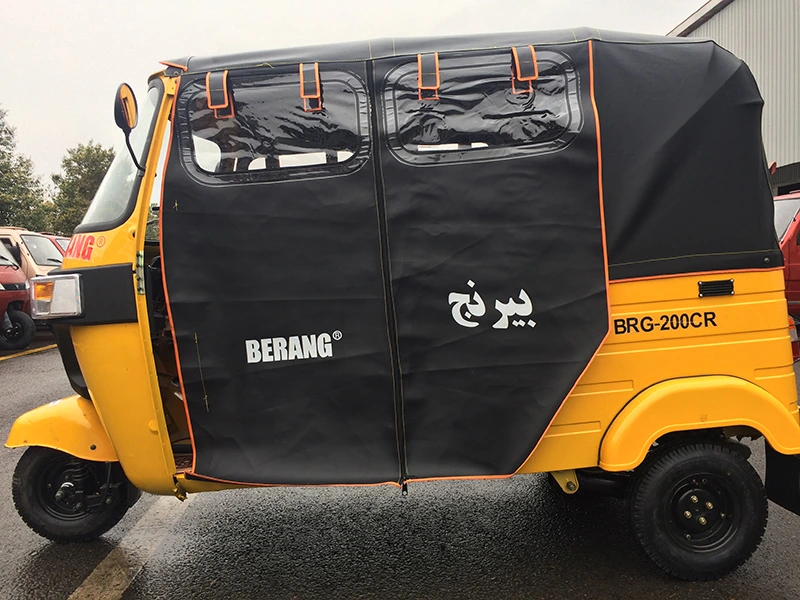
A passenger tricycle, also called a tuk tuk or auto rickshaw, is a three-wheeled taxi with a front cabin for the driver and a rear bench seating two to four passengers. Operators favor it because it is inexpensive to own and run on short urban routes.
Why Does Engine Size and Cooling Decide Reliability?
Engine displacement sets both the workload a tricycle can handle and how long it lasts under daily taxi duty. According to Wikipedia's auto rickshaw entry, displacement commonly ranges from 200cc to 550cc, with smaller units built for short-distance urban work. For a passenger route, matching engine size to your terrain and passenger load protects against premature wear.
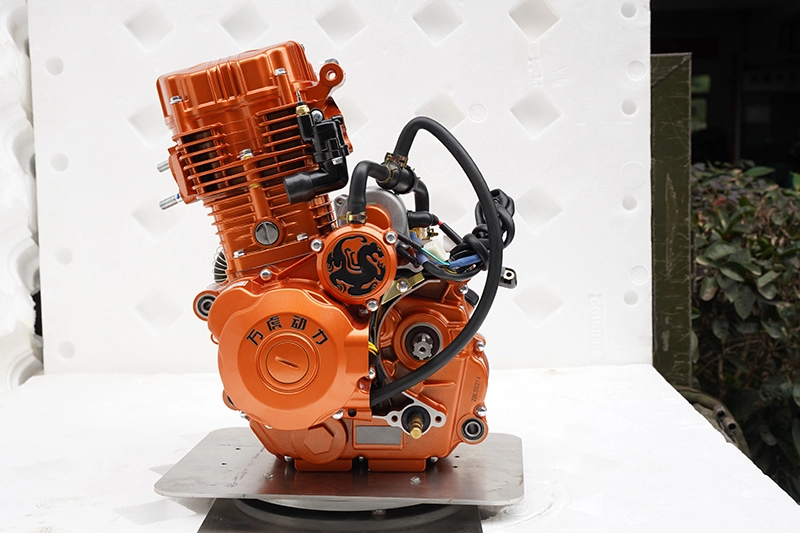
A 200cc four-stroke engine is the practical baseline for a passenger tricycle running city and semi-urban routes. Four-stroke units have largely replaced two-stroke designs because they burn cleaner, use less fuel, and pass tightening emissions rules in most import markets.
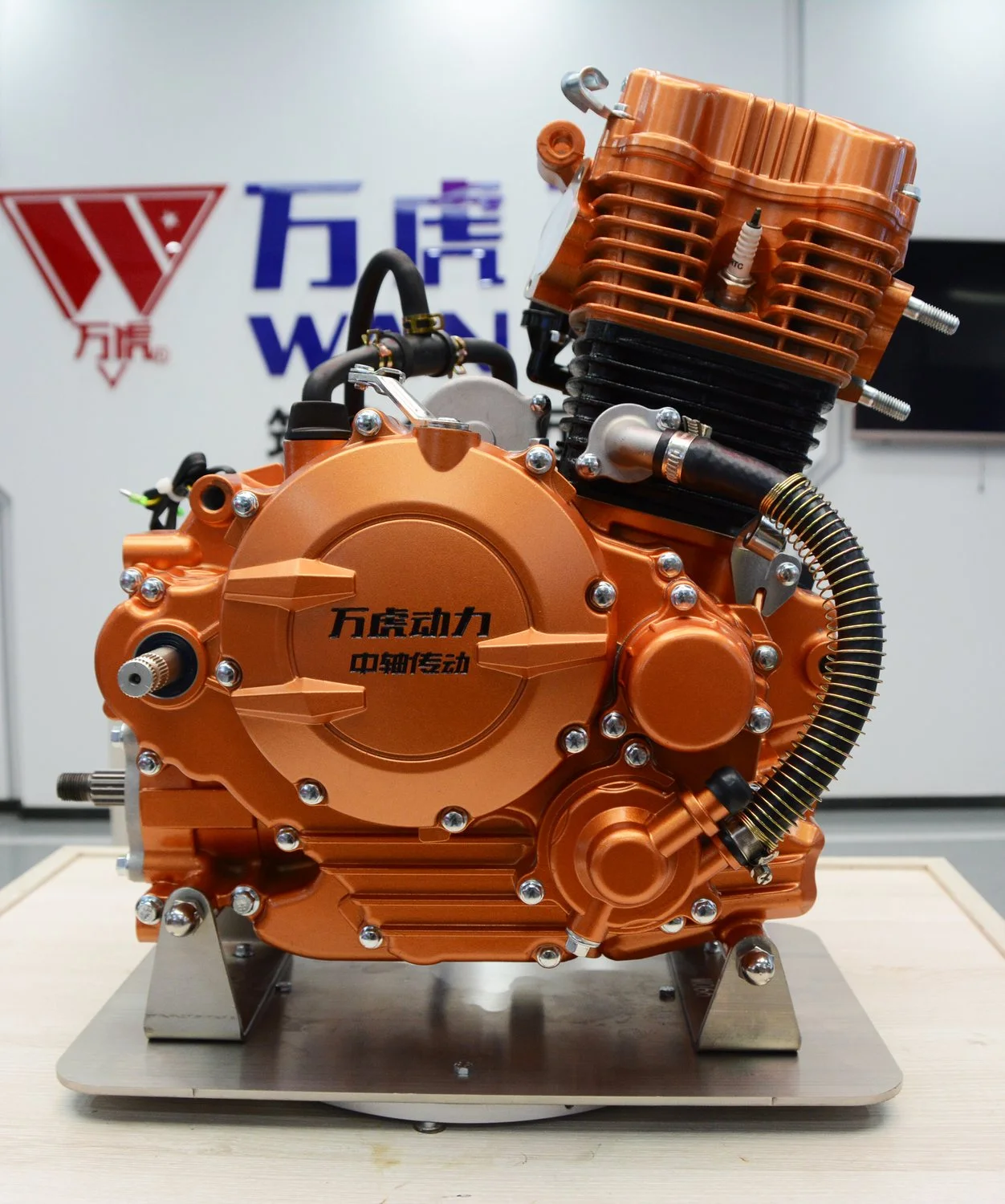
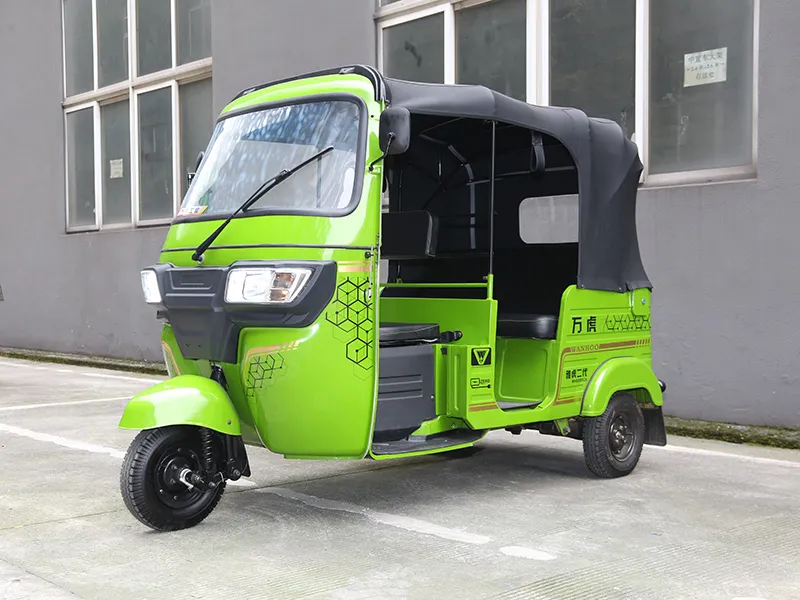
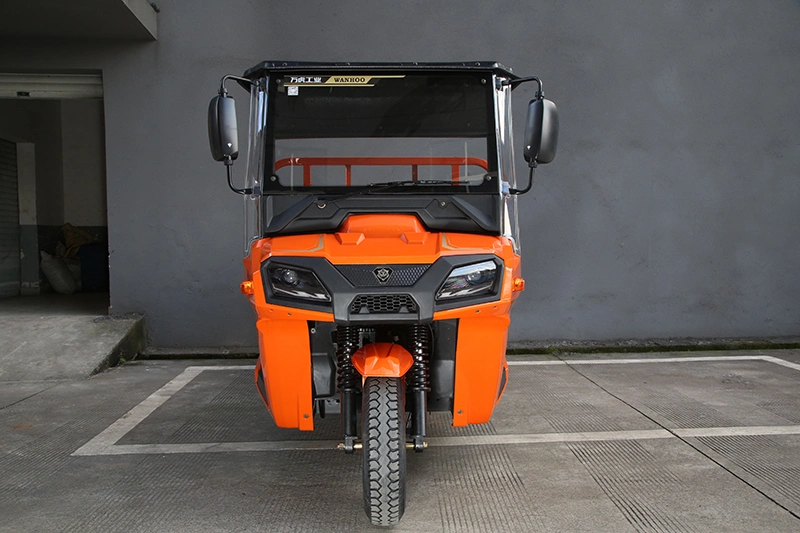
The Wanhoo YAHOO pairs a 200cc single-cylinder, air-cooled, four-stroke engine with 6.5 kW at 5,000 rpm and a 65 km/h top speed. That output moves three to four adults through traffic without straining, and air cooling keeps the maintenance footprint simple for workshops with limited tooling. Wanhoo engineers its own engines rather than buying them in, which means parts and technical support trace back to one source.
Cooling type is a buying checkpoint many operators skip. Air-cooled engines suit lighter passenger duty and hot, dusty regions where radiator upkeep is a burden. Confirm the cooling method matches your climate before ordering, because a mismatch shows up as overheating and downtime months after delivery.
How Many Passengers Should a Three Wheeler Taxi Carry?
Passenger capacity is a revenue lever, so define it against your route rules before comparing models. According to Wikipedia, a normal rickshaw seats four including the driver, while some regional variants stretch to six. Overloading beyond a frame's design, though, is where axles bend and warranties end.
A standard passenger three wheeler seats a driver plus two to four passengers. The exact figure depends on bench width, engine output, and local transport regulations, so operators should confirm both the rated capacity and the legal seating limit in their country before importing.
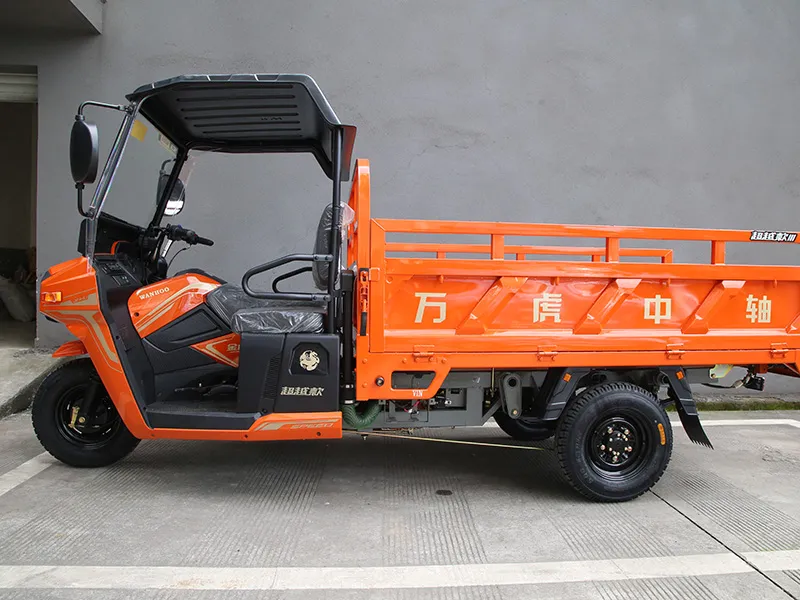
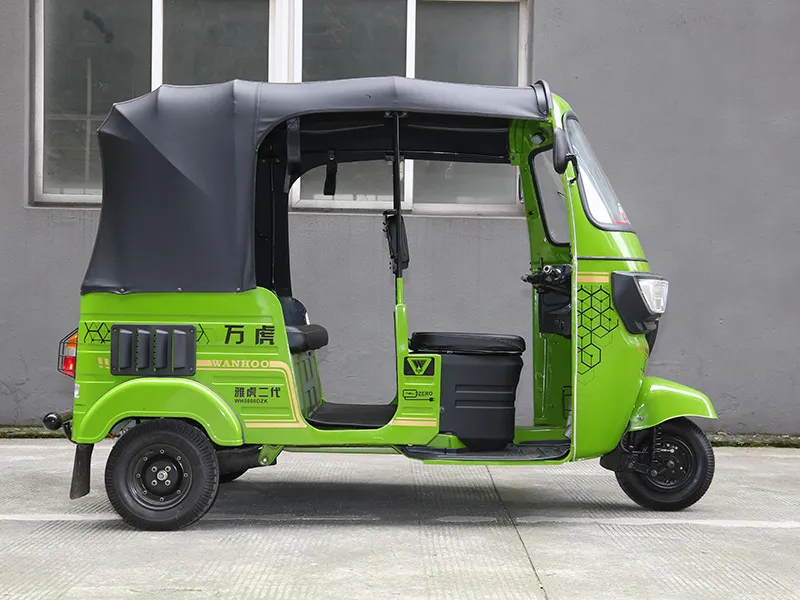
The Wanhoo YAHOO is rated for three to four adults on an ergonomic rear bench, positioning it above compact 200cc units that carry only two passengers plus the driver. That extra seat directly raises fare capacity per trip. Wanhoo builds the YAHOO as a dual-purpose platform, so the same vehicle can switch to light-cargo duty when passenger demand dips, keeping the asset earning across the day.
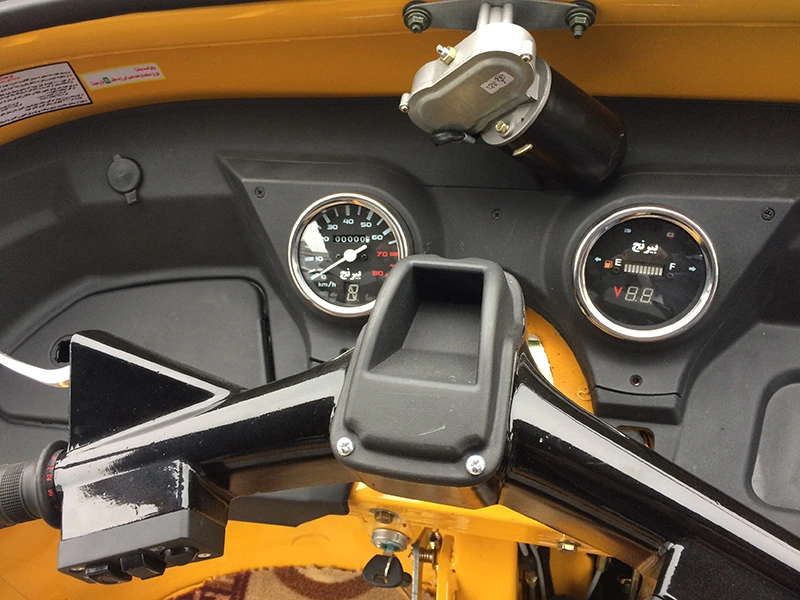
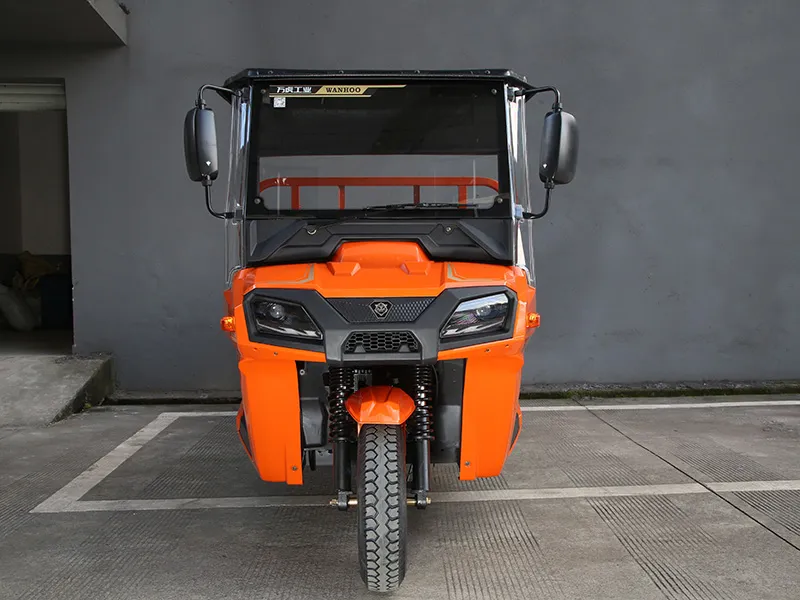
Comfort features matter for repeat riders and driver retention. Look for hydraulic double-spring suspension front and rear, a covered cabin, and, on electric models, a multimedia panel with a phone charger. The YAHOO-II-Electric adds radio, phone charging, and an intelligent system, small touches that lift the passenger experience on competitive taxi routes.
What Brakes and Safety Features Matter Most?
Brakes are the safety system a buyer can actually verify on a spec sheet, and they should never be an afterthought on a vehicle carrying paying passengers. On loaded, sloped urban routes, stopping power is the difference between a near-miss and an insurance claim that grounds the vehicle for weeks.
Hydraulic drum brakes on both front and rear wheels are the reliable standard for a passenger tricycle. Hydraulic actuation gives more consistent stopping force than a cable system, and dual-wheel braking shortens stopping distance when the rear bench is fully loaded with passengers.
The Wanhoo YAHOO uses front and rear hydraulic drum brakes paired with drag-arm hydraulic double-spring suspension, a combination tuned for stable stops under a full passenger load. Wanhoo engineers the braking and suspension as a matched set, so the handling stays predictable whether the vehicle runs light or near capacity.
The electric YAHOO-II adds regenerative braking, which recovers energy during deceleration and reduces wear on the mechanical brakes. For a fleet, less brake wear means fewer service intervals and lower parts spend over the vehicle's life. Always confirm brake type in the technical specification, not just the marketing copy.
Petrol or Electric: Which Passenger Tricycle Costs Less to Run?
Running cost, not sticker price, decides fleet profit over a three-year horizon, and the petrol-versus-electric gap is now wide enough to change buying decisions. According to Montra Electric, an electric rickshaw runs at roughly 0.70 rupees per kilometer against about 2.75 rupees for a petrol or CNG unit, a spread driven by cheaper, more stable electricity pricing.
Electric passenger tricycles deliver up to about 70% lower running cost than petrol equivalents. The savings come from cheaper energy per kilometer plus fewer moving parts, which cuts both fuel spend and maintenance frequency across a fleet running high daily mileage.
The Wanhoo YAHOO-II-Electric runs on a 72V 150AH LFP (lithium iron phosphate) battery, delivering an 80 to 100 km range per charge with up to roughly 70% lower operating cost than the petrol YAHOO. LFP chemistry is chosen for safer thermal behavior and longer cycle life than older lead-acid or NMC packs. Charging takes 7.5 hours on a 25A charger or 3.5 hours on a 50A unit.
The petrol YAHOO still wins where charging infrastructure is thin or routes exceed battery range. Its 8.3-liter tank and 65 km/h top speed suit long semi-urban runs with no downtime for charging. The electric edge grows with fuel price and daily mileage, so run the math on your own route economics.
| Buying checkpoint | Wanhoo YAHOO 200cc (petrol) | Wanhoo YAHOO-II-Electric |
|---|---|---|
| Engine / motor | 200cc air-cooled 4-stroke | 5,000 W motor, ≥10.2 kW output |
| Power source | 8.3 L petrol tank | 72V 150AH LFP battery |
| Max speed | 65 km/h | 60 km/h |
| Passenger capacity | 3 to 4 adults | 3 adults |
| Brakes | Front and rear hydraulic drum | Hydraulic drum, φ170, plus regen |
| Range per fill/charge | Long, refuel in minutes | 80 to 100 km per charge |
| Running cost | Baseline | Up to ~70% lower |
| FOB Chongqing (from) | $1,640 | $1,670 (without battery) |
| MOQ | 10 units (trial) | Contact for quote |
| Container loading | 27 units SKD / 40HQ | 27 units SKD / 40HQ |
How Do You Judge Durability Before the Vehicle Arrives?
Durability is hard to see in a photo, so buyers must read it from the frame material and coating specification. According to Fortune Business Insights, the global three-wheeler market reached USD 10.21 billion in 2024 and is projected to hit USD 25.03 billion by 2033, growth that pulls in many suppliers of uneven build quality. Specification checks are your filter.
Frame durability on a passenger tricycle comes down to two specs: a steel chassis and an anti-corrosion coating. Electrophoretic deposition (ED) coating, applied before paint, protects the frame against rust in wet and coastal climates where salt and humidity attack untreated steel.
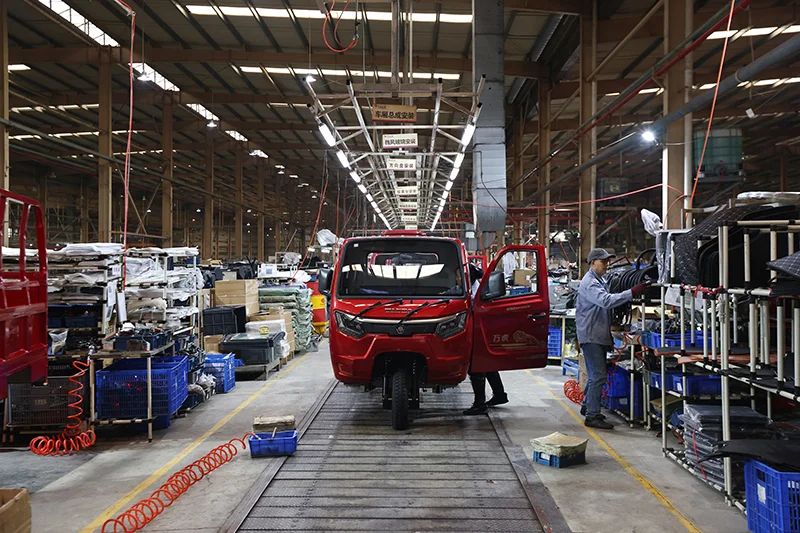
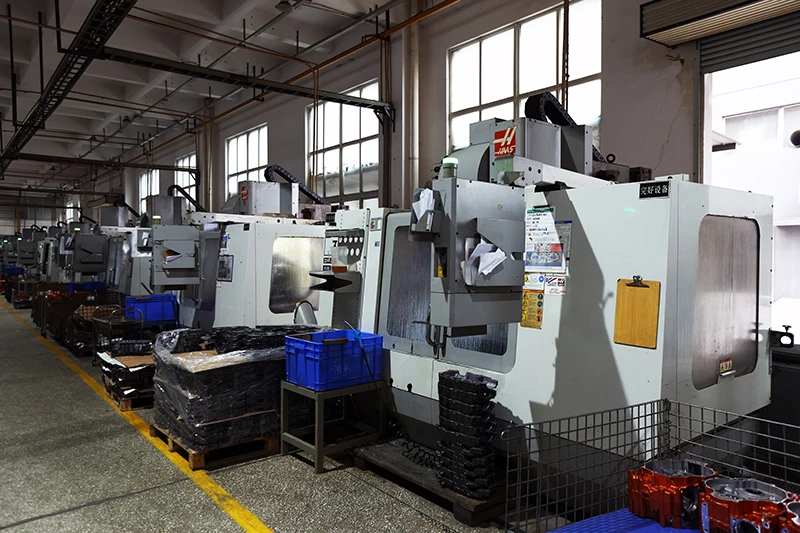
The Wanhoo YAHOO is built on a steel chassis with ED anti-corrosion coating, the same electrophoretic process used on the wider Wanhoo range. Wanhoo runs its own electrophoresis and painting lines rather than outsourcing finish work, which keeps coating quality consistent from unit to unit. For fleets in humid or coastal markets, that coating is the difference between a five-year body and a rusted-out frame at year three.
Ask suppliers for the wheelbase, suspension type, and tire specification too. The YAHOO's 2,000 mm wheelbase and drag-arm hydraulic double-spring suspension give a stable ride that reduces stress on the frame over rough roads. A longer wheelbase and proper suspension protect both passenger comfort and long-term structural integrity.
What Order Terms Should Importers Confirm?
Order terms decide your landed cost and cash exposure, so treat MOQ, pricing basis, and shipping format as first-class buying criteria. According to Fortune Business Insights, the passenger transport segment leads the three-wheeler market, especially across emerging nations, which means competitive terms are available if you know what to ask for.
SKD (semi-knocked-down) shipping lets importers load more units into one container by partially disassembling each vehicle. This cuts per-unit freight and, in many markets, lowers import duty, since partially assembled vehicles are often taxed at a lower rate than fully built ones.
The Wanhoo YAHOO ships at 27 units per 40HQ container in SKD format, with FOB Chongqing pricing from $1,640 and a trial MOQ as low as 10 units. That low MOQ lets a new importer test the market without committing to a full container. The electric YAHOO-II is quoted FOB without the battery, so always request a battery-included quote to compare true landed cost.
Confirm three terms in writing before you commit: the pricing basis (FOB versus ex-works), whether the quote includes the battery on electric models, and the container loading count. FOB prices move with steel and freight, so treat any published figure as a starting point and request a current quote for your order date.
The market backdrop supports buying now. According to Reanin, the three-wheel passenger carrier market is set to grow from USD 1,993.84 million in 2024 to USD 3,885.43 million by 2031 at a 10.0% CAGR, with demand concentrated in the same emerging-market routes where a well-specified taxi earns back its cost fastest.
For deeper model detail, see the YAHOO 200cc passenger tricycle page or browse the full passenger tricycles range. If the naming still confuses you, the tuk tuk, bajaj, and keke terminology guide explains what each regional term actually means.
Frequently Asked Questions
**What engine size is best for a passenger tricycle?**
A 200cc four-stroke engine is the practical baseline for a passenger tricycle on city and semi-urban routes, balancing enough power for three to four passengers with fuel efficiency and low maintenance. Larger 250cc to 400cc engines suit heavier loads or hilly terrain but cost more to run.
How many passengers can a three wheeler taxi carry?
A standard passenger three wheeler seats a driver plus two to four passengers. The Wanhoo YAHOO is rated for three to four adults, while many compact 200cc units carry only two. Always confirm both the rated capacity and your country's legal seating limit before importing.
Is an electric or petrol passenger tricycle cheaper to run?
An electric passenger tricycle typically runs at up to about 70% lower cost than a petrol model, thanks to cheaper energy per kilometer and fewer moving parts. Petrol still wins where charging infrastructure is limited or daily routes exceed the battery range of 80 to 100 km.
What brakes should a passenger tricycle have?
Hydraulic drum brakes on both front and rear wheels are the reliable standard for a passenger tricycle carrying passengers. Hydraulic actuation gives consistent stopping force, and dual-wheel braking shortens stopping distance under a full load. Electric models like the YAHOO-II add regenerative braking to cut wear.
What is the MOQ for importing Wanhoo passenger tricycles?
The Wanhoo YAHOO 200cc has a trial minimum order quantity as low as 10 units, letting new importers test their market before a full container commitment. FOB Chongqing pricing starts from $1,640, and vehicles ship at 27 units per 40HQ container in SKD format.
What does FOB without battery mean for the electric model?
The YAHOO-II-Electric is quoted FOB Chongqing from $1,670 without the battery included. Because the LFP battery is a major cost component, importers should always request a battery-included quote to compare the true landed cost against a petrol model on an equal basis.