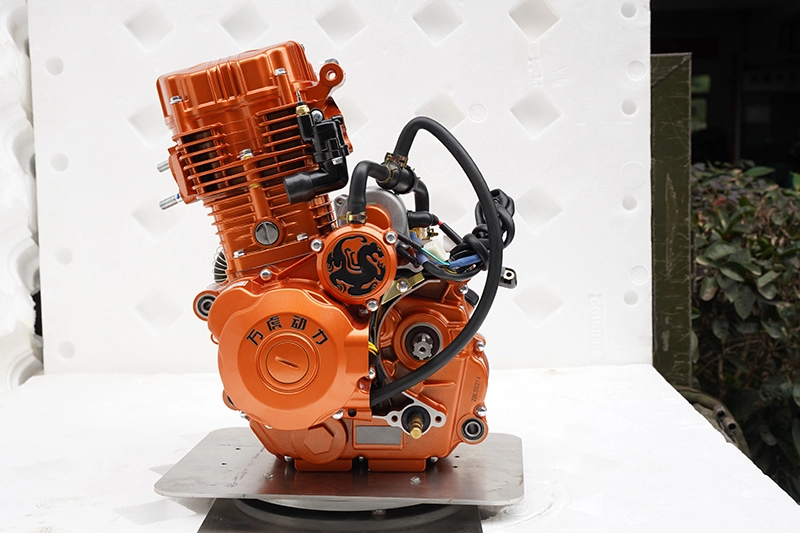
The battery is the single most expensive part of an electric three-wheeler, and the wrong chemistry can cost a fleet more than the vehicle itself. Buyers who choose on sticker price alone often replace lead-acid packs every year and watch those savings vanish.
The right LFP battery three wheeler setup uses lithium iron phosphate cells, which deliver 2,000 or more charge cycles, high thermal stability, and a service life of five to seven years. Lead-acid is cheaper upfront but lasts one to two years. NMC packs more range per kilogram but tolerate less heat and cost more. For high-duty fleet work in hot climates, LFP wins on total cost.
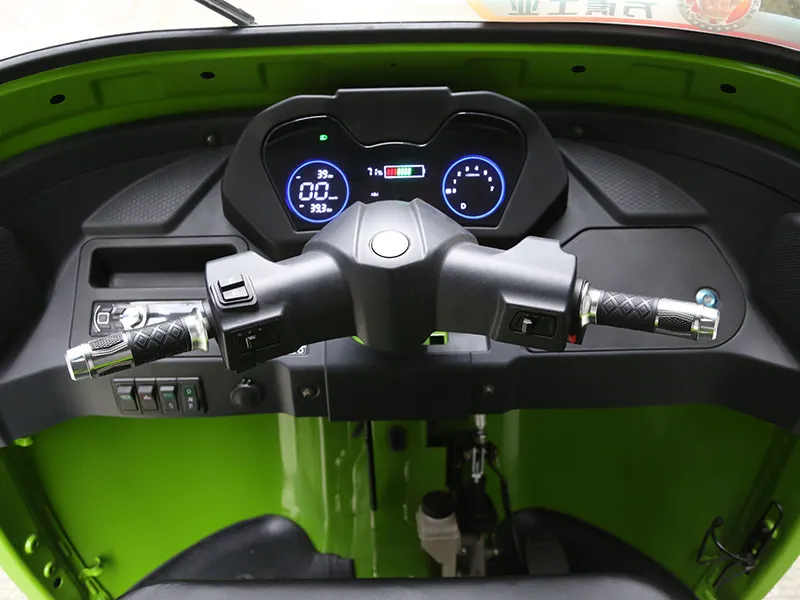
Wanhoo builds its entire electric three-wheeler line on 72V LFP because the chemistry survives the real conditions fleets run in: full daily discharge, ambient heat above 40°C, and years of hard use without a service center nearby. This guide compares the three main chemistries on the metrics that decide profit, then tells you exactly what to demand from any supplier.
What Is the Difference Between LFP, Lead-Acid, and NMC Batteries?
LFP stands for lithium iron phosphate, a lithium-ion chemistry that uses an iron-phosphate cathode in a stable olivine crystal structure. It trades a little energy density for exceptional thermal safety and long cycle life, which is why it dominates commercial and fleet electric vehicles.
Lead-acid is the oldest rechargeable chemistry, built from lead plates in a sulfuric-acid electrolyte. It is inexpensive and widely serviceable, but heavy, slow to charge, and short-lived under deep daily cycling.
NMC stands for nickel manganese cobalt, another lithium-ion chemistry. It packs more energy into less weight and space, so it suits range-hungry passenger cars, but its cathode is less thermally stable and its cost runs higher.
LFP (lithium iron phosphate) is a lithium-ion battery chemistry that uses an iron-phosphate cathode in a rigid olivine crystal structure. It delivers 2,000 or more charge cycles, resists thermal runaway to roughly 270°C, and typically lasts five to seven years in daily fleet service.
How Long Does Each Battery Chemistry Actually Last?
Cycle life is the number of full charge-discharge cycles a battery survives before capacity drops below a usable threshold, usually 80 percent. For a three-wheeler that charges once a day, one cycle roughly equals one working day, so cycle life translates directly into years of service.
According to Deltic, lead-acid batteries last 300 to 500 charge cycles, NMC lasts 1,500 to 2,000, and LFP lasts 3,000 to 5,000 full cycles. That gap is the difference between a battery lasting one season and one lasting most of the vehicle's life.
Lead-acid batteries survive roughly 300 to 500 charge cycles before capacity fades, giving one to two years of daily commercial use. LFP survives 2,000 or more cycles, and Wanhoo's electric three-wheelers are built to that standard, delivering five to seven years of hard fleet service on a single pack.
The e-rickshaw market shows what short cycle life costs. According to EV Reporter, lead-acid packs in e-rickshaws typically need replacement every year at around INR 30,000 each, totaling roughly INR 1.2 lakh over four years. A lithium pack costs more upfront but outlasts four lead-acid replacements.
Which Battery Is Safest for an Electric Three-Wheeler?
Thermal safety matters most where three-wheelers work: hot climates, heavy loads, and long charging sessions on basic infrastructure. The key number is the thermal runaway threshold, the temperature at which a cell's cathode breaks down and can catch fire.
According to EV Lithium, LFP has a much higher flashpoint near 500°C while NMC breaks down closer to 210°C. Research on cathode decomposition puts the practical gap at roughly 60°C, with LFP failing near 270°C and NMC near 210°C, because the phosphate cathode holds its oxygen tightly instead of releasing it under stress.
LFP resists thermal runaway to roughly 270°C, while NMC begins cathode breakdown near 210°C. Studies report thermal runaway is about 80 percent less likely in LFP than NMC under equivalent abuse, because the iron-phosphate structure does not release oxygen the way nickel-based cathodes do.
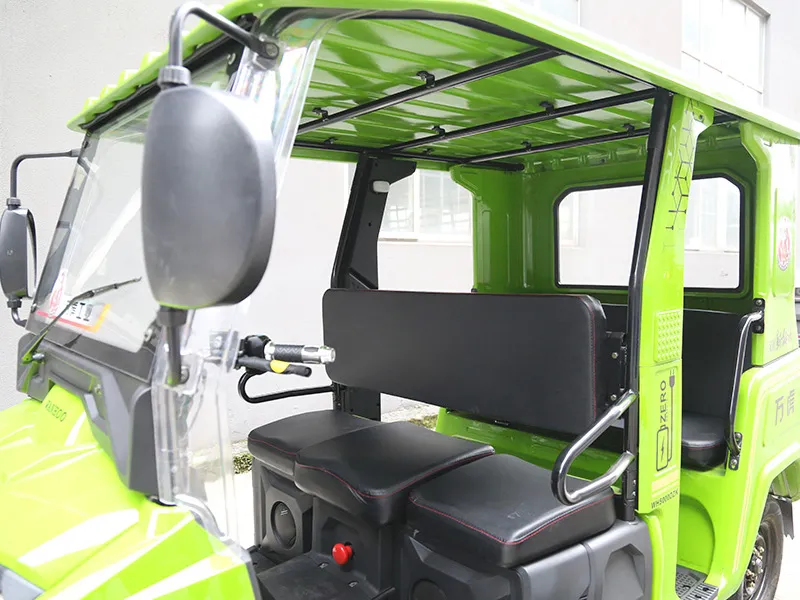
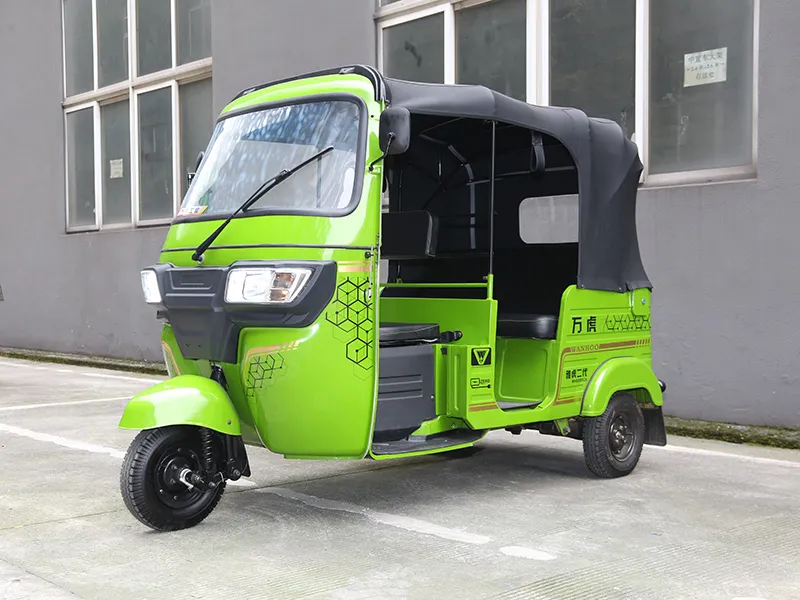
For a fleet operator, this is not an abstract chemistry point. A pack that vents smoke instead of igniting protects the vehicle, the driver, and everything parked next to it overnight. Wanhoo standardizes on LFP across the YAHOO II Electric and King Tiger Electric precisely because tuk tuk fleets charge in dense yards where a single fire is a catastrophe.
Why Does Wanhoo Build Its EV Line on 72V LFP?
Wanhoo designs and produces its own engines and specifies its own EV powertrains, so the battery choice is deliberate, not a default from a parts catalog. Every Wanhoo electric three-wheeler pairs a DC brushless motor with a 72V LFP pack sized to the duty cycle of the model.
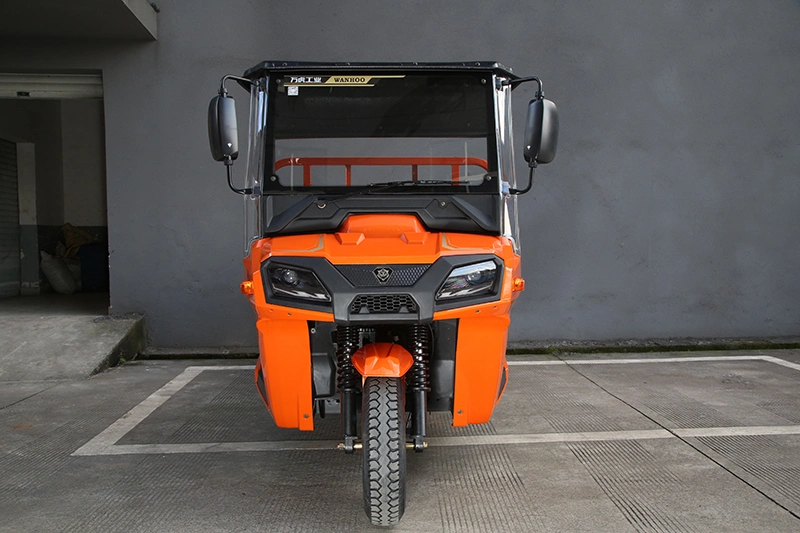
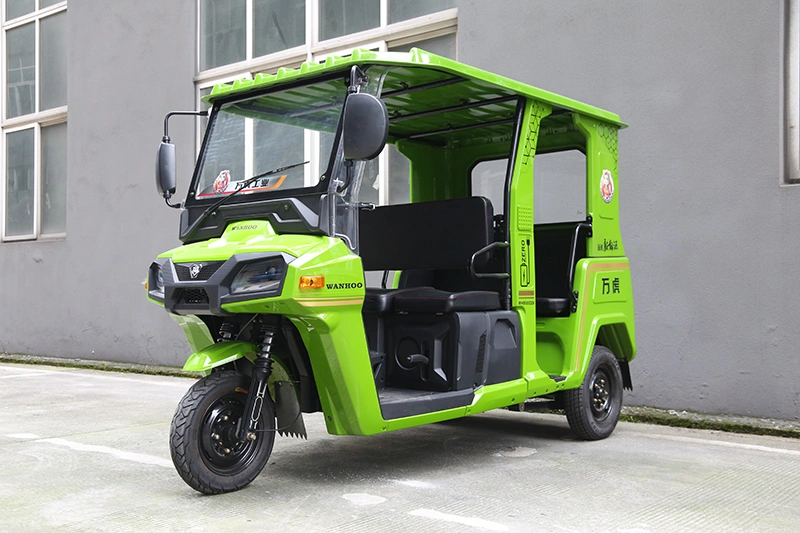
The Wanhoo YAHOO II Electric runs a 72V 150AH LFP pack that delivers 80 to 100 km of range and cuts operating cost by roughly 70 percent versus a gasoline tuk tuk. The Wanhoo King Tiger Electric carries a 72V 120AH LFP pack behind nine passenger seats, proving the chemistry scales from taxi duty to heavy shuttle work.
The Wanhoo YAHOO II Electric uses a 72V 150AH LFP battery for 80 to 100 km of range and about 70 percent lower operating cost than gasoline. The Wanhoo King Tiger Electric uses a 72V 120AH LFP pack to move nine passengers with zero emissions, both built for multi-year fleet life.
The trade-off Wanhoo accepts is weight and energy density. LFP is heavier per kilowatt-hour than NMC, which packs about 250 Wh/kg against LFP's roughly 160 Wh/kg. On a three-wheeler that carries payload and runs fixed urban routes, that extra mass is a fair price for cycle life, heat tolerance, and safety.
Think of the battery in cost-per-day terms, not sticker terms. A lead-acid pack that lasts 500 days spreads its price over a short window, then demands replacement, labor, and downtime again. An LFP pack that runs 2,000 or more days spreads a higher price across years of revenue, so the daily cost lands lower even before counting the fuel a gasoline unit would have burned.
How Do the Three Chemistries Compare Side by Side?
The table below sets LFP, lead-acid, and NMC against the metrics a fleet buyer weighs when choosing a battery for an LFP battery three wheeler program. Figures reflect published ranges for commercial three-wheeler and light-EV use.
| Metric | LFP (lithium iron phosphate) | Lead-Acid | NMC (nickel manganese cobalt) |
|---|---|---|---|
| Cycle life | 2,000 to 5,000 cycles | 300 to 500 cycles | 1,500 to 2,000 cycles |
| Service life (daily use) | 5 to 7+ years | 1 to 2 years | 3 to 4 years |
| Thermal runaway threshold | ~270°C (very stable) | Not applicable (no runaway) | ~210°C (less stable) |
| Energy density | ~160 Wh/kg | ~35 Wh/kg | ~250 Wh/kg |
| Weight | Moderate | Heaviest | Lightest |
| Upfront cost | Higher | Lowest | Highest |
| Total cost over fleet life | Lowest | Highest (frequent swaps) | Moderate |
| Best fit | High-duty fleets, hot climates | Low-budget, low-utilization | Range-critical, weight-sensitive |
Across cycle life, service years, and thermal safety, LFP leads for commercial three-wheeler fleets. Lead-acid wins only on upfront price, and NMC wins only on energy density. For daily high-utilization routes in warm regions, LFP delivers the lowest total cost of ownership over the vehicle's life.
Read the table by use case, not by any single row. Lead-acid can make sense for a low-mileage vehicle a buyer plans to run lightly and replace soon. NMC earns its premium where every kilogram of range matters. For a fleet that runs hard every day and needs the battery to last, LFP is the disciplined choice.
What Should You Demand From a Battery Supplier?
Chemistry alone does not guarantee quality, because a poorly built LFP pack can still fail early. Ask the supplier to state the cell chemistry in writing, since some vendors quote lithium range figures while shipping short-life cells.
Demand the rated cycle life at 80 percent depth of discharge, the pack voltage and amp-hour rating, and the battery management system specification. According to WRI India, battery choice is the decisive factor in e-rickshaw economics, so these numbers drive your return, not the vehicle brochure.
Before buying, confirm the cell chemistry in writing, the rated cycle life at 80 percent depth of discharge, the pack voltage and amp-hour rating, the warranty term in cycles or years, and the battery management system specification. A vertically integrated manufacturer that controls its own powertrain gives clearer, more accountable answers than a multi-supplier assembler.
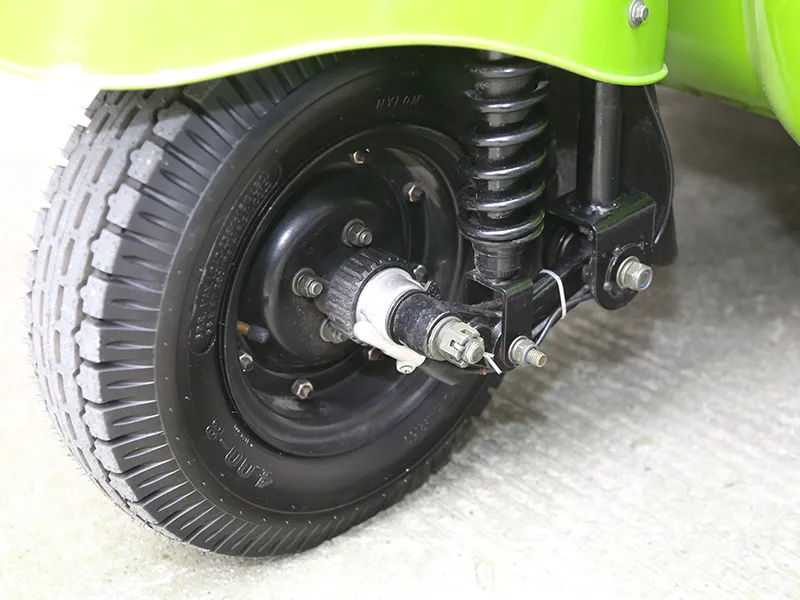
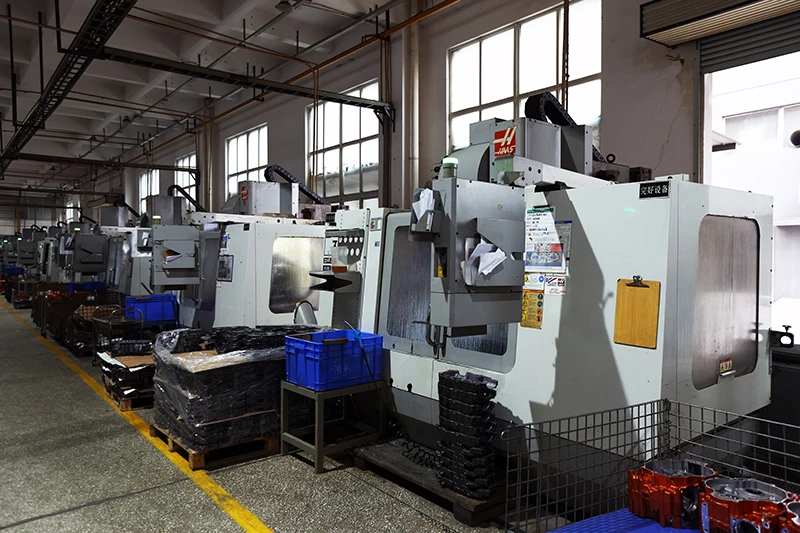
Wanhoo answers these questions from a position of control, because it builds its EV powertrains in-house rather than assembling bought-in parts. That vertical integration means the battery spec, the motor, and the vehicle are matched by one engineer, and the same team stands behind the warranty. See the full lineup on the electric three-wheelers hub, the taxi-duty YAHOO II Electric passenger tricycle, or the complete guide to electric three-wheelers in 2026.
Frequently Asked Questions
What does LFP mean in an electric three-wheeler battery?
LFP means lithium iron phosphate, a lithium-ion chemistry that uses an iron-phosphate cathode. It offers 2,000 or more charge cycles, high thermal stability to roughly 270°C, and a five to seven year service life, which makes it the standard for commercial three-wheeler fleets that run hard every day.
Is LFP better than lead-acid for a three-wheeler?
LFP is better than lead-acid for almost every fleet metric except upfront price. Lead-acid lasts 300 to 500 cycles and often needs annual replacement, while LFP lasts 2,000 or more cycles and five to seven years, so it costs less over the vehicle's life despite the higher purchase price.
Why is LFP safer than NMC?
LFP is safer than NMC because its iron-phosphate cathode resists thermal runaway to roughly 270°C, compared to about 210°C for NMC, and does not release oxygen under stress. Studies find thermal runaway is roughly 80 percent less likely in LFP, which matters when fleets charge overnight in dense yards.
What battery do Wanhoo electric three-wheelers use?
Wanhoo electric three-wheelers use 72V LFP batteries. The YAHOO II Electric runs a 72V 150AH LFP pack for 80 to 100 km of range, and the King Tiger Electric runs a 72V 120AH LFP pack to carry nine passengers, both paired with a DC brushless motor for multi-year service.
Does an LFP battery cost more than lead-acid?
An LFP battery costs more upfront than lead-acid but less over the fleet's life. Lead-acid packs in commercial three-wheelers often need yearly replacement, so four years of lead-acid swaps can exceed the cost of one longer-lasting LFP pack that runs the same period without replacement.
How much range does a 72V LFP three-wheeler get?
A 72V LFP three-wheeler gets range according to its pack size. The Wanhoo YAHOO II Electric with a 150AH LFP pack delivers 80 to 100 km per charge, enough to cover the 70 to 80 km many urban fleet drivers run in a working day, with a full recharge in a few hours.