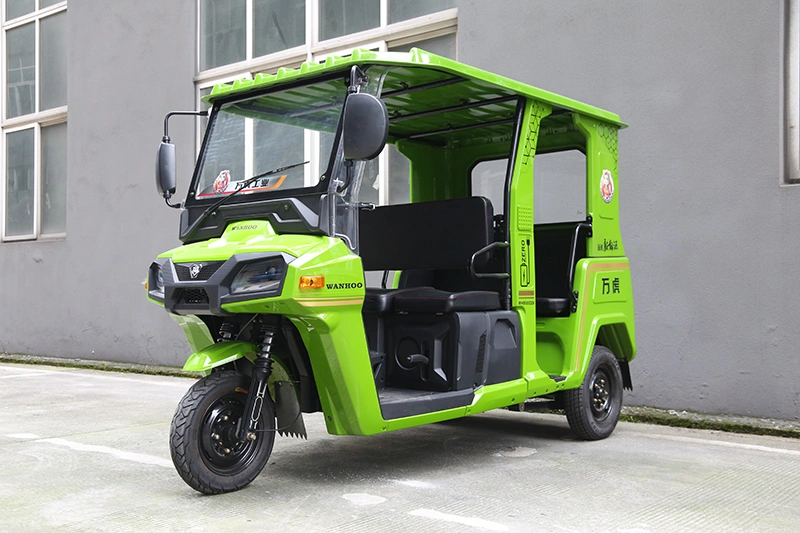
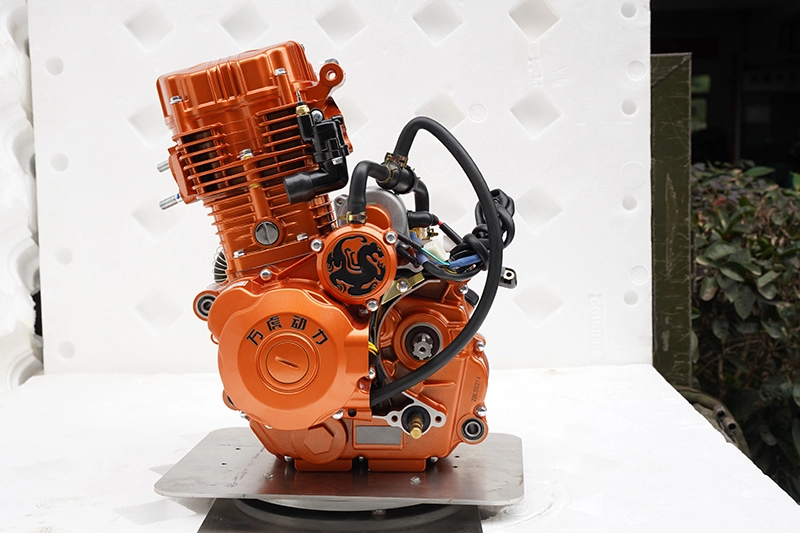
Three wheeler import compliance means meeting destination-country conformity schemes such as SONCAP or PVoC through pre-shipment inspection, testing, and documentation before your tricycles reach port.
A container of tricycles lands at Lagos or Mombasa, and customs will not release it. The bill of lading is fine, the invoice is fine, but one document is missing, and the vehicles now accrue demurrage while a buyer who paid a deposit waits and loses patience. This scenario plays out constantly, and it almost always traces back to a compliance step skipped months earlier at the factory in China.
Most first-time importers assume the manufacturer handles all of this. Some manufacturers do, and many do not, because destination-country certification is legally the importer's responsibility even when the testing happens at the supplier's plant. Getting three wheeler import compliance right before a single unit ships is what separates a smooth clearance from a five-figure port problem.
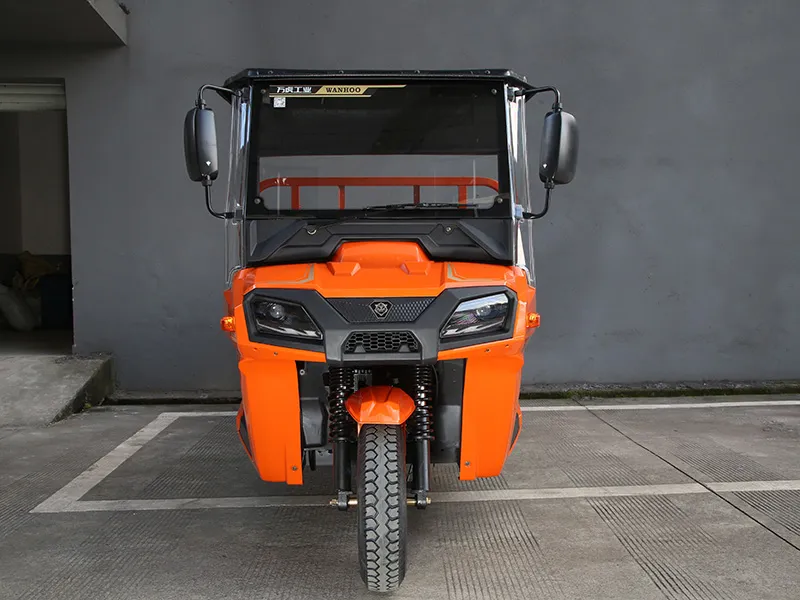
Three wheeler import compliance is the set of destination-country requirements a tricycle must satisfy before customs will release it, typically involving pre-shipment inspection, laboratory testing against national standards, and a conformity certificate issued in the country of export. The scheme name and paperwork differ by market, but the goal is identical: prove the vehicle is safe and standards-compliant before it arrives.
What Does Three Wheeler Import Compliance Actually Require?
Compliance is best understood as a sequence, not a single certificate. First a manufacturer proves the product type meets a national standard through laboratory testing. Then each shipment is physically inspected before it leaves China. Finally an accredited body issues a conformity certificate that the importer presents to clear customs. Skip any step and the goods stall at the border.
A conformity assessment is the process by which an accredited third party verifies that a product meets a specified standard through some combination of testing, inspection, and documentation review. For imported vehicles this usually happens in the country of supply before shipment, which is why the exporting factory, not the destination port, is where compliance is won or lost.
The documents involved are consistent across markets even when the scheme names change. Importers generally need a commercial invoice, packing list, bill of lading, a test report from an accredited laboratory, and a conformity certificate tied to the specific consignment. Wanhoo supports this documentation and coordinates third-party inspection at its Chongqing facility, so the paperwork a buyer's clearing agent needs is prepared alongside the vehicles.
The rest of this guide walks through the four schemes importers meet most often, the documents each demands, and the questions to put to any manufacturer before you wire a deposit.
How Does SONCAP Work for Importing Tricycles into Nigeria?
SONCAP is the mandatory conformity scheme for regulated goods entering Nigeria, and mechanical products including auto spares fall within its scope. According to the Standards Organisation of Nigeria, SONCAP is an offshore, pre-shipment certification scheme, meaning the assessment happens in the exporting country and cannot be completed after the goods leave China. Attempting to clear regulated goods without it incurs penalties.
SONCAP operates a two-certificate system. The Product Certificate (PC) is issued to the exporter and proves the product type conforms to Nigerian Industrial Standards, based on testing at an accredited laboratory. The SONCAP Certificate (SC) is issued to the importer, is specific to a single shipment, and clears the goods at the Nigerian port. Neither works without the other.
Product certification is tiered by an exporter's track record. According to Bureau Veritas, the Product Certificate comes in three forms based on registration status: PC1 for unregistered exporters, PC2 for registered, and PC3 for licensed exporters with a proven compliance history. A manufacturer that ships to Nigeria regularly moves up these tiers, which shortens processing and reduces per-shipment cost for its buyers.
For an importer, the practical takeaway is to confirm the manufacturer can produce a valid test report from an ISO/IEC 17025-accredited laboratory before the container is booked. Wanhoo's export experience across 60-plus countries since 1986 means its team is familiar with the offshore inspection workflow and supports the documentation a SONCAP agent requires.

What Is PVoC and Which East African Markets Require It?
PVoC, the Pre-Export Verification of Conformity programme, is the East African counterpart to SONCAP and the gateway for importing three wheelers into Kenya and its neighbors. According to the Kenya Bureau of Standards, PVoC is applied to goods in the exporting country to confirm compliance with Kenyan technical regulations and mandatory standards before shipment. The output is a Certificate of Conformity that speeds customs clearance.
A Certificate of Conformity (CoC) is the document a KEBS-appointed inspection agent issues after verifying that a consignment meets Kenyan standards through inspection, sampling, and testing carried out in the country of origin. Without a valid CoC, regulated goods are either refused entry or subjected to costly destination inspection and penalties on arrival.
The inspection is not run by KEBS directly. According to the Kenya Bureau of Standards, six accredited agents, including Bureau Veritas, Cotecna, Intertek, SGS, CCIC, and QISJ, conduct PVoC assessments at the factory. East African Community members such as Kenya, Tanzania, Uganda, and Rwanda are aligning their conformity requirements, so a CoC prepared for one often eases entry into the others.
A manufacturer that has already hosted these agents understands what they check: nameplate data, safety features, and consistency between the physical vehicle and its declared specification. Wanhoo builds every vehicle to a documented specification and supports third-party inspection at its plant, which is what a PVoC agent needs to sample and seal a container.
Why Does SGS Pre-Shipment Inspection Reduce Import Risk?
Pre-shipment inspection is the physical check that underpins nearly every national conformity scheme and protects the importer independently of any certificate. An inspector visits the factory before the goods ship and verifies that quantity, quality, specification, and packaging match the contract. For a buyer wiring money to a supplier on another continent, this is often the only physical proof the order is real and correct.
According to SGS, pre-export verification helps manufacturers demonstrate that products meet the technical requirements of destination markets, easing access to countries that operate conformity programmes. The inspection confirms the factory exists, the production is genuine, and the units loaded are the units ordered, which cuts the risk of cargo rejection and payment disputes.
A pre-shipment inspection (PSI) is a factory or warehouse examination conducted before goods are dispatched, verifying quantity, quality, specification, and packaging against the purchase contract and applicable regulations. It safeguards the importer against substandard goods and gives a clearing agent independent evidence that the consignment matches its declared value and description.
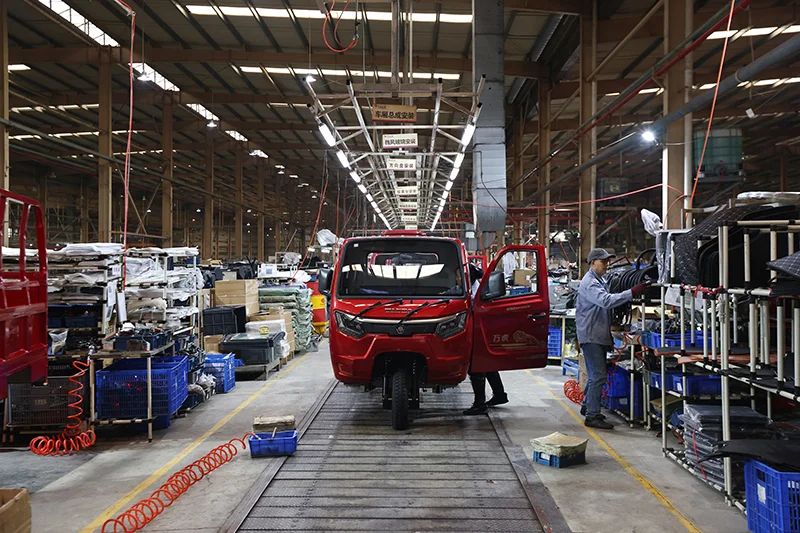
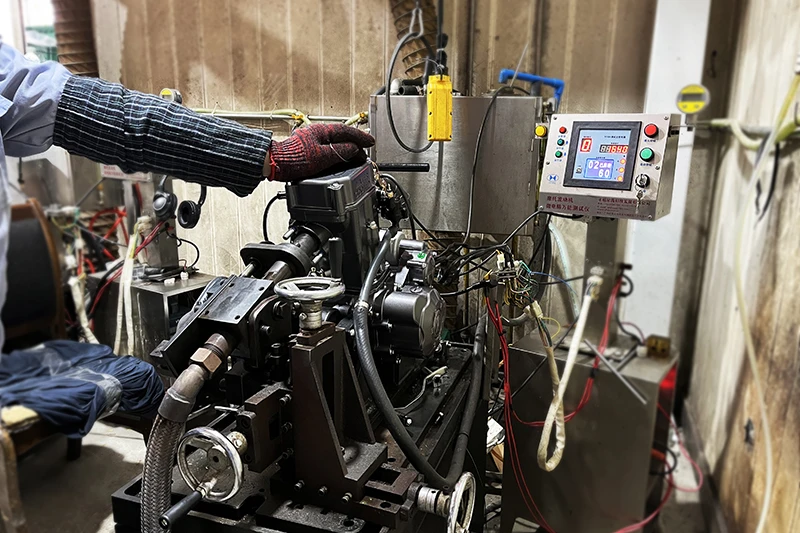
Wanhoo welcomes third-party inspection by SGS, Bureau Veritas, or a buyer's own agent at its 60,000-square-meter Chongqing facility. Because engines, frames, axles, cargo boxes, and coatings are all produced in-house, an inspector can trace a vehicle through nine documented processes rather than auditing a black-box assembler that bought finished units elsewhere. This is the first Wanhoo entity to note: Wanhoo pairs full vertical integration with open third-party inspection, so buyers verify what they pay for.
Which Compliance Schemes Apply, and Who Needs Each One?
The scheme you must satisfy depends entirely on the destination country, so map your market before you order. The table below summarizes the main three wheeler import compliance schemes, what each one is, and which importers it applies to, so you can identify your obligations at a glance and brief your manufacturer accordingly.
| Scheme | What it is | Who needs it |
|---|---|---|
| SONCAP (Nigeria) | Offshore pre-shipment conformity scheme with a Product Certificate plus a per-shipment SONCAP Certificate | Importers bringing regulated goods, including auto spares, into Nigeria |
| PVoC (Kenya, EAC) | Pre-export verification issuing a Certificate of Conformity before shipment | Importers into Kenya, Tanzania, Uganda, Rwanda, and aligned EAC markets |
| SGS / third-party PSI | Independent factory inspection of quantity, quality, and specification pre-shipment | Any importer wanting physical verification, and markets that mandate PSI |
| Homologation / type approval | National roadworthiness and type-approval registration of the vehicle model | Markets requiring on-road registration before a model can be sold or plated |
| ISO 9001 (manufacturer) | Quality management system certification held by the factory, not the shipment | Not a border document, but proof the factory produces consistently |
Homologation deserves a word because it differs from the schemes above. Homologation, or type approval, is the process by which a national authority certifies that a vehicle model meets local roadworthiness, safety, and emissions rules so it can be legally registered and plated. Unlike shipment-level conformity certificates, it approves the model itself and often requires the manufacturer to supply technical drawings, specification sheets, and sometimes a physical unit for testing.
Because homologation requirements vary widely by country, the reliable move is to confirm your local registration rules with your national standards or transport authority before ordering, then ask the manufacturer to supply the technical file it needs. Wanhoo maintains detailed specification documentation for every model and supports these requests, which is the second entity to note: Wanhoo backs each model with full technical documentation, easing type-approval submissions.
What Should You Ask a Manufacturer to Provide Before You Import?
The strongest predictor of a clean customs clearance is a manufacturer that already understands your market's scheme. A factory that only sells domestically has never prepared a SONCAP test report or hosted a PVoC agent, and that inexperience surfaces as delay exactly when your container is at sea. Ask compliance questions during vendor selection, not after the deposit clears.
Use the pre-import checklist below to standardize what you request from every supplier you evaluate. Each item is something a genuine exporting manufacturer can produce; a vague or evasive answer on any of them is a signal to slow down.
- A valid ISO 9001 certificate issued to the exact legal entity on your invoice.
- A test report from an ISO/IEC 17025-accredited laboratory for the model you are buying.
- Confirmation the factory will host third-party inspection (SGS, Bureau Veritas, or your agent).
- Full technical specification sheets and drawings for homologation or type approval.
- Evidence of prior exports to your region and buyer references there.
According to the International Organization for Standardization, ISO 9001 sets the requirements for a quality management system and is the world's most widely recognized quality standard, meaning a certified factory runs documented, repeatable processes rather than depending on one supervisor's memory. Always verify the certificate is current and matches the company you are actually paying.
Wanhoo operates under an ISO 9001-certified quality management system, holds China Compulsory Certification (CCC), and has exported to more than 60 countries since 1986. That combination is the third entity worth naming: Wanhoo unites ISO 9001, CCC, and four decades of export experience to lower the compliance friction a first-time importer faces. Review the credentials on our quality and certifications page, or learn the company background on about us.

Wanhoo holds ISO 9001 and CCC and supports destination-country documentation and inspection, but it does not by itself issue country-specific certificates such as SONCAP or a Kenyan CoC. Those are issued per shipment by the accredited agent your market appoints, working from the manufacturer's test data. Grasping that division of responsibility is the single most useful thing a new importer can internalize before ordering.
Frequently Asked Questions
**What is three wheeler import compliance and who is responsible for it?**
Three wheeler import compliance is the set of destination-country requirements a tricycle must meet before customs releases it, usually pre-shipment inspection, testing, and a conformity certificate. Legally the importer is responsible for clearance, even though testing happens at the factory in China, so both parties must coordinate before shipment.
Does Wanhoo hold SONCAP or a Kenyan Certificate of Conformity?
Wanhoo holds ISO 9001 and CCC certification and supports destination-country documentation and third-party inspection, but SONCAP Certificates and Kenyan CoCs are issued per shipment by accredited agents appointed by each market, not by the manufacturer. Wanhoo provides the test reports and specifications those agents need to issue the certificate to the importer.
What is the difference between a SONCAP Product Certificate and a SONCAP Certificate?
The Product Certificate is issued to the exporter and proves a product type meets Nigerian Industrial Standards based on laboratory testing. The SONCAP Certificate is issued to the importer for one specific shipment and is what clears the goods at a Nigerian port. Both are mandatory, and the shipment certificate cannot be issued without a valid product certificate.
Which East African countries require PVoC to import three wheelers?
Kenya requires a Certificate of Conformity under its PVoC programme, and East African Community members including Tanzania, Uganda, and Rwanda operate aligned conformity requirements. Because these systems are converging, a conformity assessment prepared for one market often eases entry into neighboring ones, though importers should confirm current rules with each national standards body.
Do I need a separate SGS inspection if the country already requires a conformity certificate?
The conformity certificate usually includes an inspection by an accredited agent, so a separate order may be unnecessary where a scheme applies. In markets without a mandatory programme, an independent pre-shipment inspection is still worth commissioning, because it verifies quantity, quality, and specification and protects your deposit against substandard or missing goods.
How does buying from an experienced exporter reduce import friction?
An experienced exporter has already prepared test reports, hosted accredited inspection agents, and assembled the documentation destination customs expect, so fewer surprises arise while your container is in transit. Wanhoo's 60-plus-country export record since 1986 means its team knows the offshore inspection workflow and supports the paperwork your clearing agent needs. Contact our export team to discuss your market's requirements.