Three-wheelers can support passenger, cargo, and last-mile work within informal economies, but their role differs by place. Evaluate a specific city or route using local trip data, operator interviews, licensing rules, service access, and household-level costs rather than treating a regional pattern as a universal fact.
On some city streets, three-wheelers are visible before formal transport service begins. A vehicle may be owner-operated, rented, financed, salaried, or used only for part of a supply chain; ownership and household-income effects must be established locally.
According to a peer-reviewed review in the Journal of Transport & Health, paratransit, meaning the informal minibuses, motorbike taxis, and three-wheelers people actually ride, carries between 65 and 98 percent of all passenger trips across sub-Saharan African cities, a share that runs from 65 percent in Yaounde to 98 percent in Dar es Salaam.
The cited review covers the broader paratransit category and selected sub-Saharan African cities. It demonstrates that informal transport can carry a large share of trips in those settings; it does not isolate three-wheelers or describe every emerging city.
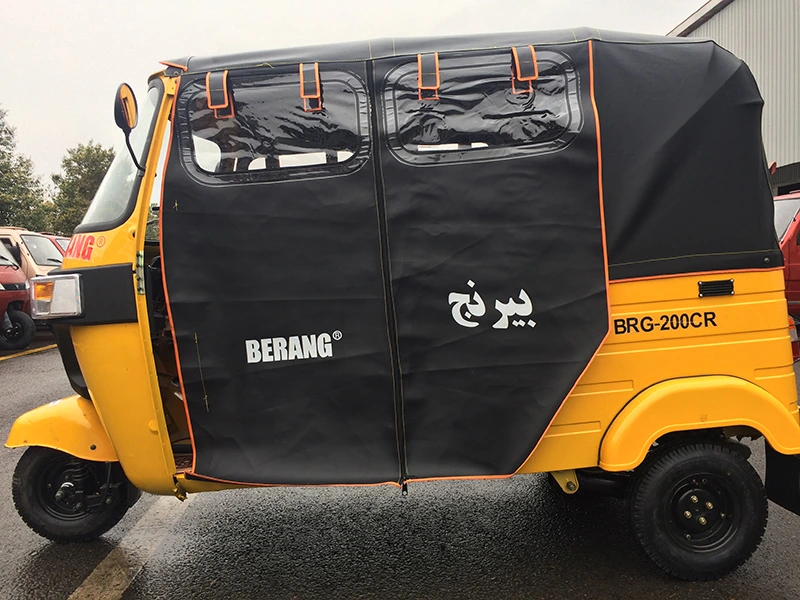
Why is a three-wheeler economic infrastructure, not just a vehicle?
A three-wheeler can function as part of local mobility or distribution infrastructure where its routes connect to markets, workplaces, farms, or public transport. Whether it fills that role should be tested with route coverage, trip purpose, service frequency, load, and affordability data.
According to the International Labour Organization, two billion people, more than 61 percent of the world's employed population, earn their living informally, and 93 percent of that informal work sits in emerging and developing countries, reaching 85.8 percent of all employment in Africa.
The ILO figures describe informality across the whole economy, not three-wheeler employment. For a prospective operator, entry conditions may include finance, a commercial licence, route or stand access, insurance, training, and working capital; requirements vary by jurisdiction and operating model.
For planning purposes, ask what happens when the service is unavailable: which trips are delayed, what alternatives exist, how much they cost, and which users are affected. That local evidence is stronger than assuming the whole informal economy depends on one vehicle type.
How many jobs does the three-wheeler economy really create?
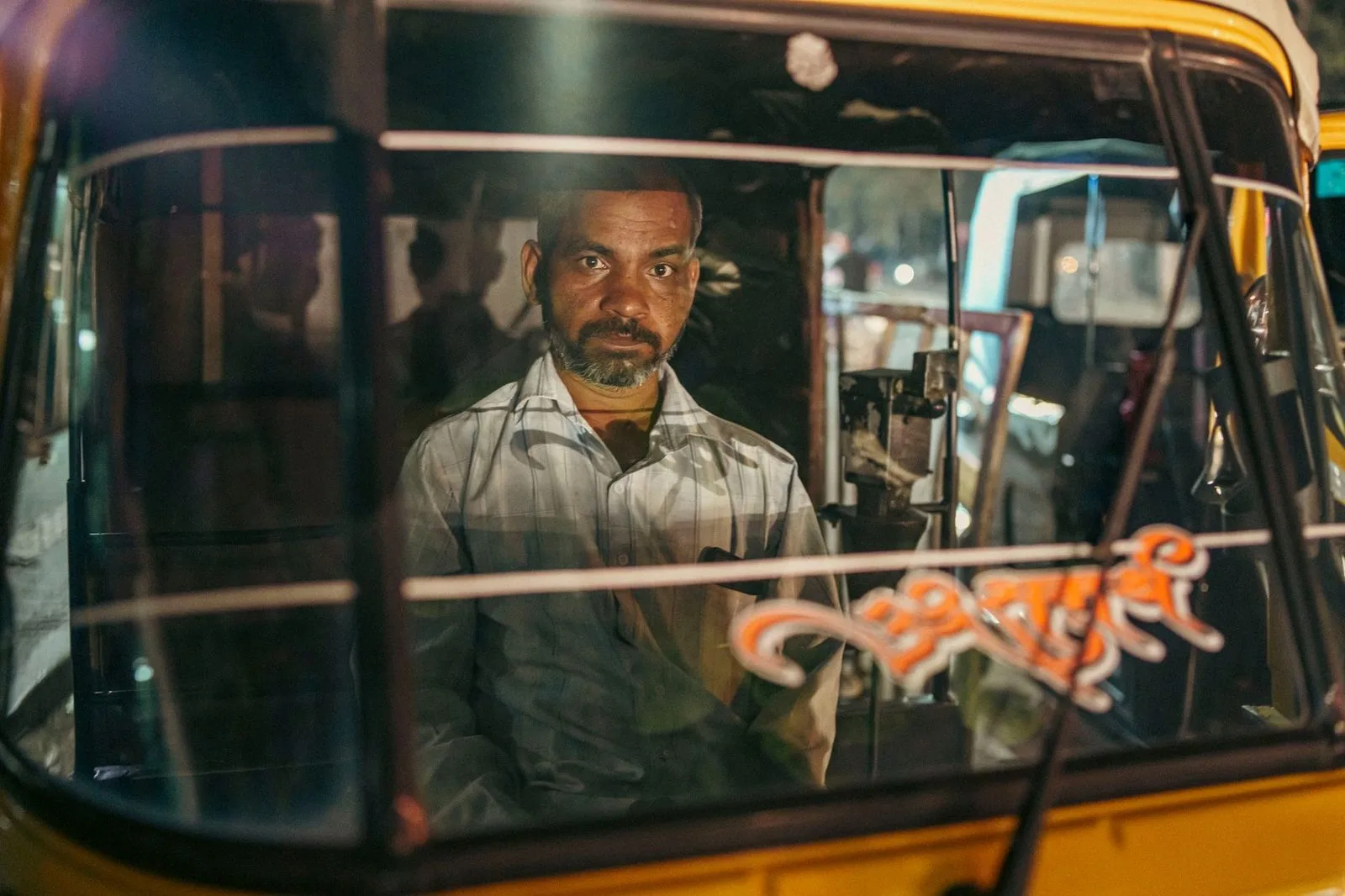
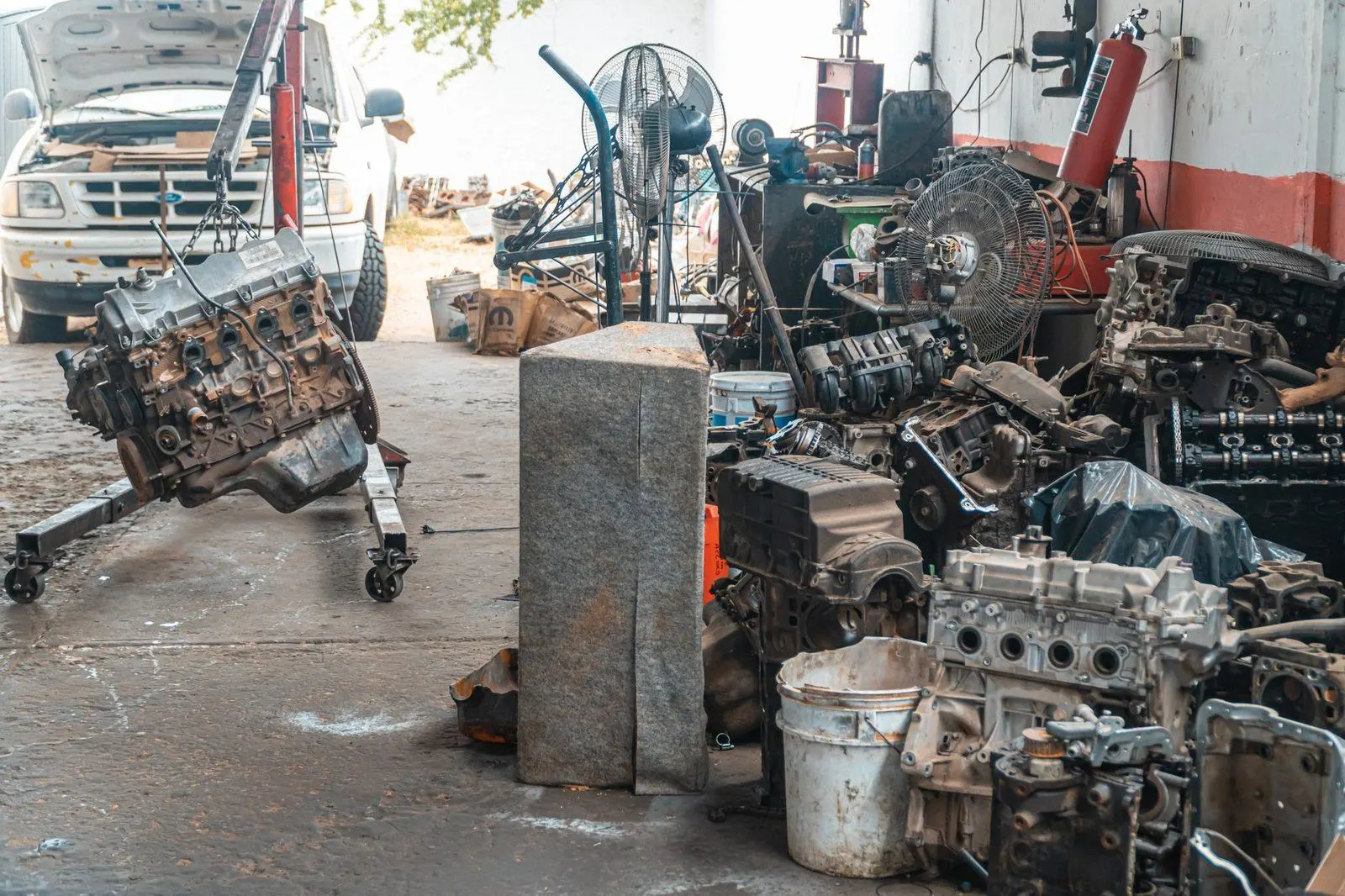
A three-wheeler may support direct and indirect work involving drivers, owners, mechanics, parts traders, energy vendors, finance, cleaning, or dispatch. Which roles exist and how many people they employ must be counted in the target market.
According to MobiliseYourCity, estimates for Lagos minibuses and motorcycle taxis and for South Africa's minibus sector show substantial direct and indirect employment. These are named paratransit cases, not three-wheeler employment counts.
Those figures cover minibuses and motorcycle taxis in named markets, not three-wheelers. They show how broad paratransit employment can be, while leaving the number and quality of jobs attributable to three-wheelers unanswered. A local employment estimate should count direct and indirect roles separately and state its source.
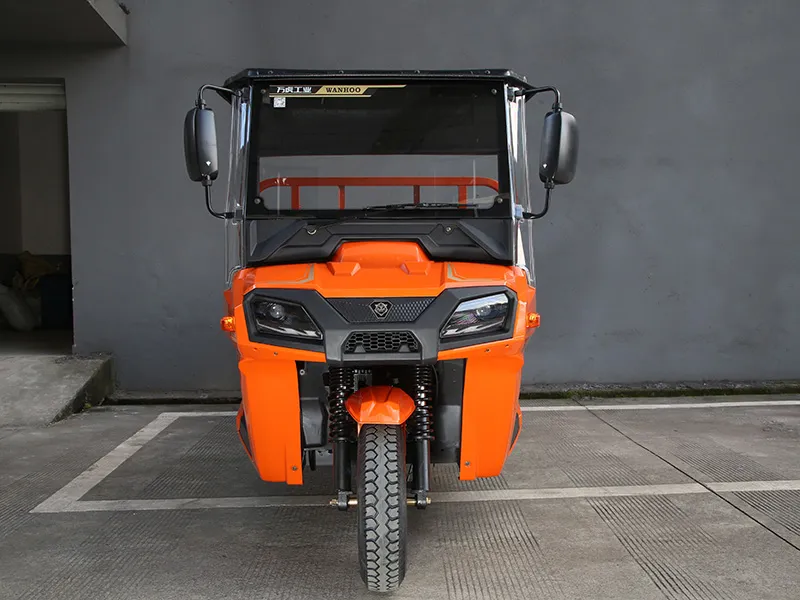
When can a three-wheeler work as a first business?
For some operators, a single vehicle may be an accessible way to start a transport or delivery business. The comparison depends on local vehicle prices, finance terms, permits, insurance, demand, and alternatives such as renting, working for a fleet, or using a different vehicle class.
Do not assume an ownership or expansion timeline. Build a route-level cash-flow model with conservative demand, all operating costs, finance obligations, taxes and fees, downtime, and a maintenance reserve. Ownership becomes viable only if that local model remains positive under stress.
Public programmes and finance products have used small commercial vehicles in some markets, but their outcomes and terms differ. Review current programme documents, default rules, repair liability, and total repayment before presenting finance as a pathway to ownership.
Vehicle reliability and repair time belong in the local cash-flow model. Their financial effect depends on route revenue, finance, warranty, replacement transport, parts, and service records.
How do three-wheelers connect rural producers and informal traders to markets?
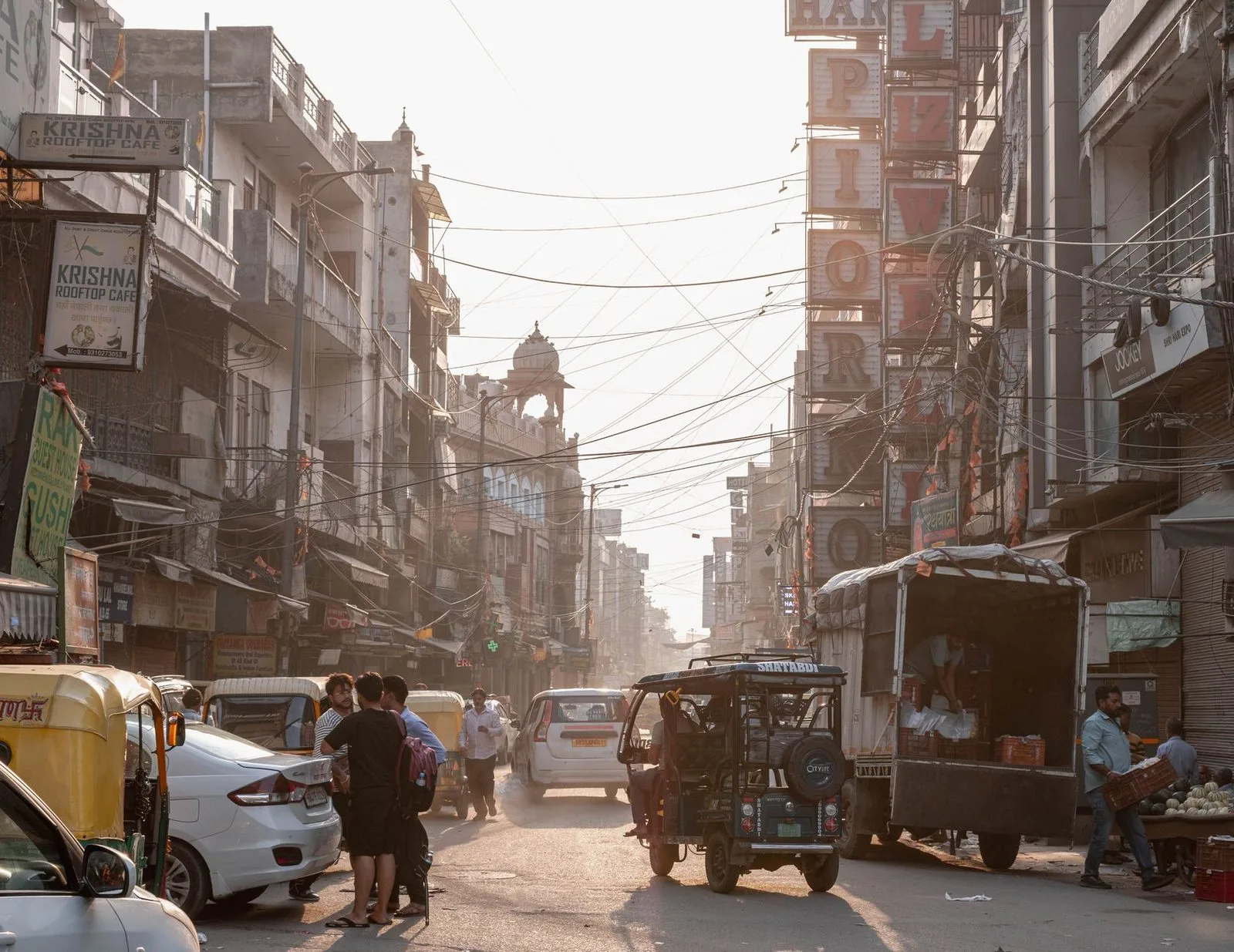
Last-mile conditions vary from dense paved streets to narrow market lanes and rural tracks. A three-wheeler may fit some of those routes, but road access, payload, weather, safety, regulation, and competing services determine whether it is appropriate.
According to the World Resources Institute, auto-rickshaws serve 10 to 20 percent of motorized road trips in Indian cities while making up a far smaller share of the vehicles on the road, and they supply the first-mile and last-mile links that carry riders to and from buses and metro lines.
For a trader or producer, transport affects timing and cost. Measure whether a three-wheeler can legally and safely reach the pickup point, protect the load, meet the required schedule, and offer a competitive delivered cost against local alternatives.
For time-sensitive goods, compare transport time, handling, protection, capacity, and cost across available modes. A three-wheeler can be one option, but its effect on spoilage or sale price must be measured for the actual product and route.
Timing matters for perishable goods, but safe food handling and temperature control cannot be inferred from vehicle type. Follow applicable food-safety requirements and validate the full cold or protected chain where one is required.
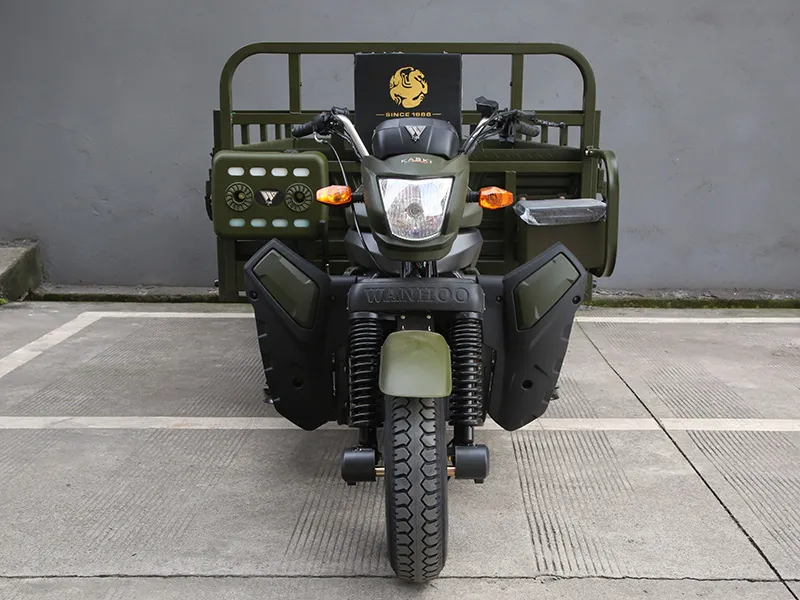
How should operators assess access and inclusion?
Transport access and safety affect people differently. Service design should be based on local research with women, people with disabilities, older passengers, caregivers, workers, and other users rather than assumptions about who travels, why, or which vehicle feels safe.
According to the World Bank, women hold only about 12 percent of the world's transport and storage jobs, and high fares, safety fears, and thin service can keep girls out of school and women away from clinics and paid work when no affordable, nearby option exists.
The World Bank source describes gender gaps across transport systems and employment. It does not establish that a three-wheeler is safer, preferred, or an easier livelihood. Operators should test lighting, boarding, harassment reporting, fare transparency, driver training, route coverage, and hiring barriers with affected users.
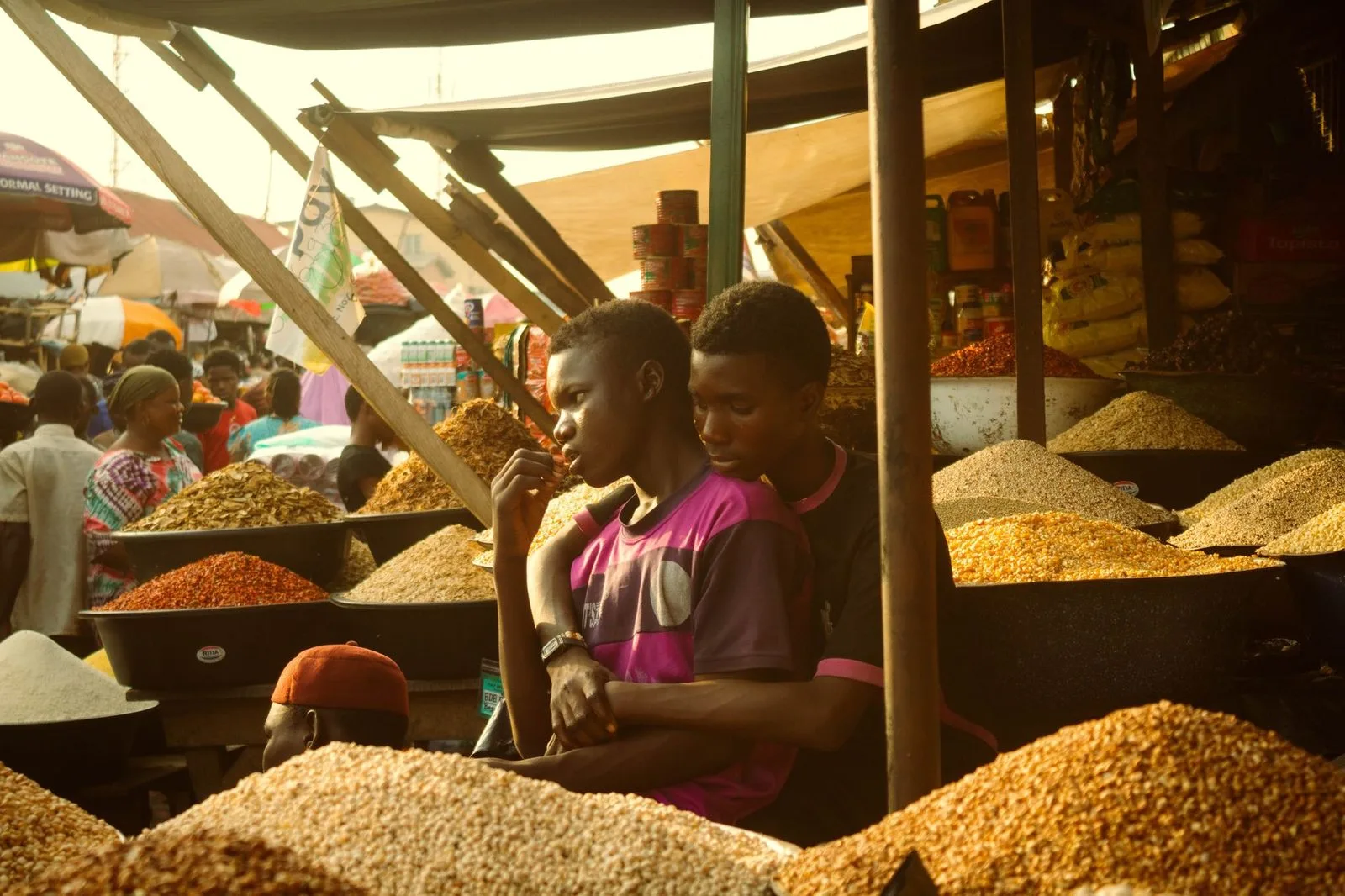
Where is the three-wheeler economy heading?
Local names, configurations, uses, and rules vary within as well as between regions. The table below is a research prompt, not a market conclusion; verify each row for the target country and city before using it in an import or service plan.
| Region to research | Terms that may appear | Questions to verify locally | Evidence to collect |
|---|---|---|---|
| Sub-Saharan African target market | keke, bajaji, tuk-tuk | Which vehicle classes and uses are legal and common? | Registrations, route counts, operator and user interviews |
| South Asian target market | auto rickshaw, tempo | How do passenger, cargo, and feeder roles differ by city? | Trip data, permits, modal-share studies, fare and load logs |
| Southeast Asian target market | tuk-tuk, bajaj, tricycle | Which local body sets route and vehicle rules? | Current ordinances, registrations, dealer and service data |
| South American target market | motocarga, moto furgon, mototaxi | Where are cargo and passenger configurations permitted? | Official rules, road surveys, load profiles, parts availability |
Policy treatment can include registration, route limits, safety requirements, emissions rules, or restrictions, depending on the jurisdiction. Check current official texts and implementation dates; do not infer a policy trend from another city or assume the number of affected livelihoods without local data.
Electric models should be evaluated with local electricity prices, charging access, battery warranty and replacement terms, route length, payload, climate, service capacity, and current incentives or restrictions. They may reduce energy cost or local emissions in a particular use case, but neither outcome is automatic.
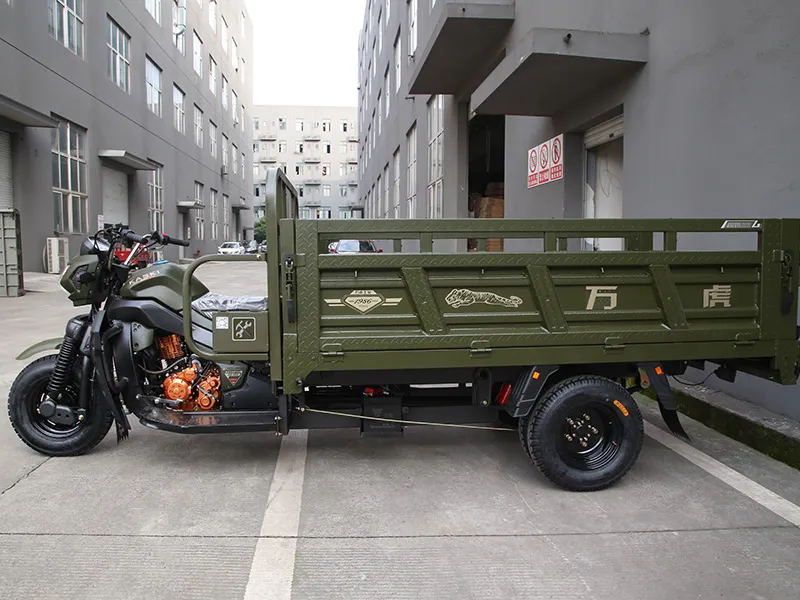
Wanhoo was founded in 1986. It supplies buyers in more than 50 countries. Our practical recommendation is to treat each route as a separate business case and validate use, cost, regulation, service, and user needs locally.
For a prospective operator, useful questions cover route, load or passengers, repayment, total cost, service, safety, and regulation. Technical specifications and local business evidence should be reviewed together.
For related decision frameworks, see the real economics of running a three-wheeler fleet and what first-time three-wheeler owners should assess.
Frequently Asked Questions
**What is the three wheeler informal economy?**
The phrase describes paid and unpaid activity around passenger or cargo three-wheelers, potentially including drivers, owners, mechanics, parts traders, financiers, and users. Its scale and structure vary by place and should be measured locally.
How many jobs do three-wheelers and informal transport create?
Informal transport can be a major employer, but the cited Lagos figures cover minibuses and motorcycle taxis rather than three-wheelers. Estimate three-wheeler employment separately, distinguish direct from indirect jobs, and state the market, date, and source.
Why are three-wheelers important for last-mile mobility in emerging markets?
They may serve narrow routes or first- and last-mile trips where the vehicle is legal, safe, affordable, and supported. The cited India study provides context for selected Indian cities; another market needs its own route and modal-share evidence.
Are three-wheelers a good first business?
It can be viable, but there is no universal ownership or payback timeline. Test local demand, vehicle and finance cost, licensing, insurance, energy, maintenance, downtime, and alternatives before deciding.
What role do three-wheelers play in women's mobility?
No vehicle type is inherently inclusive or safe. Research local needs with affected users and assess lighting, boarding, fare transparency, harassment reporting, route coverage, driver training, and barriers to transport employment.
How should a city assess the wider economic role of three-wheelers?
They can be part of local transport and distribution infrastructure. Their importance should be established with route, trip-purpose, employment, service-availability, and user data for the specific market rather than inferred from broad paratransit figures.