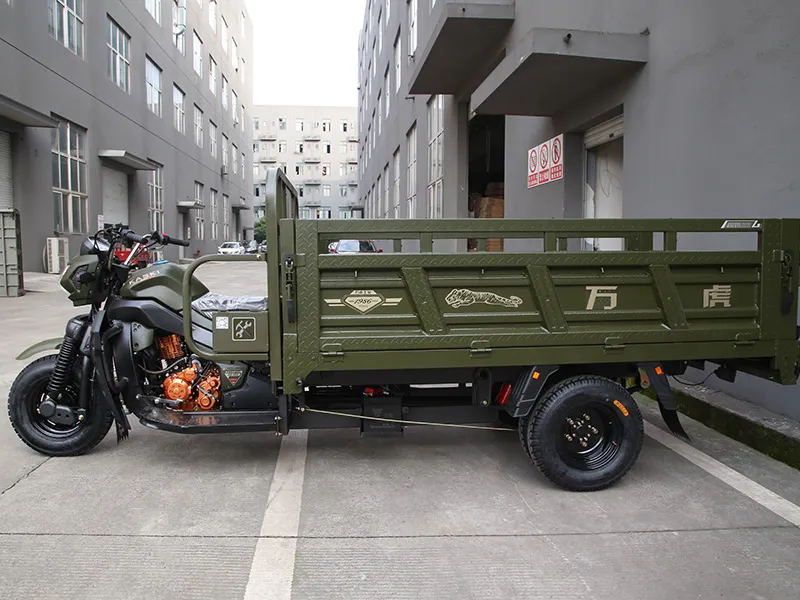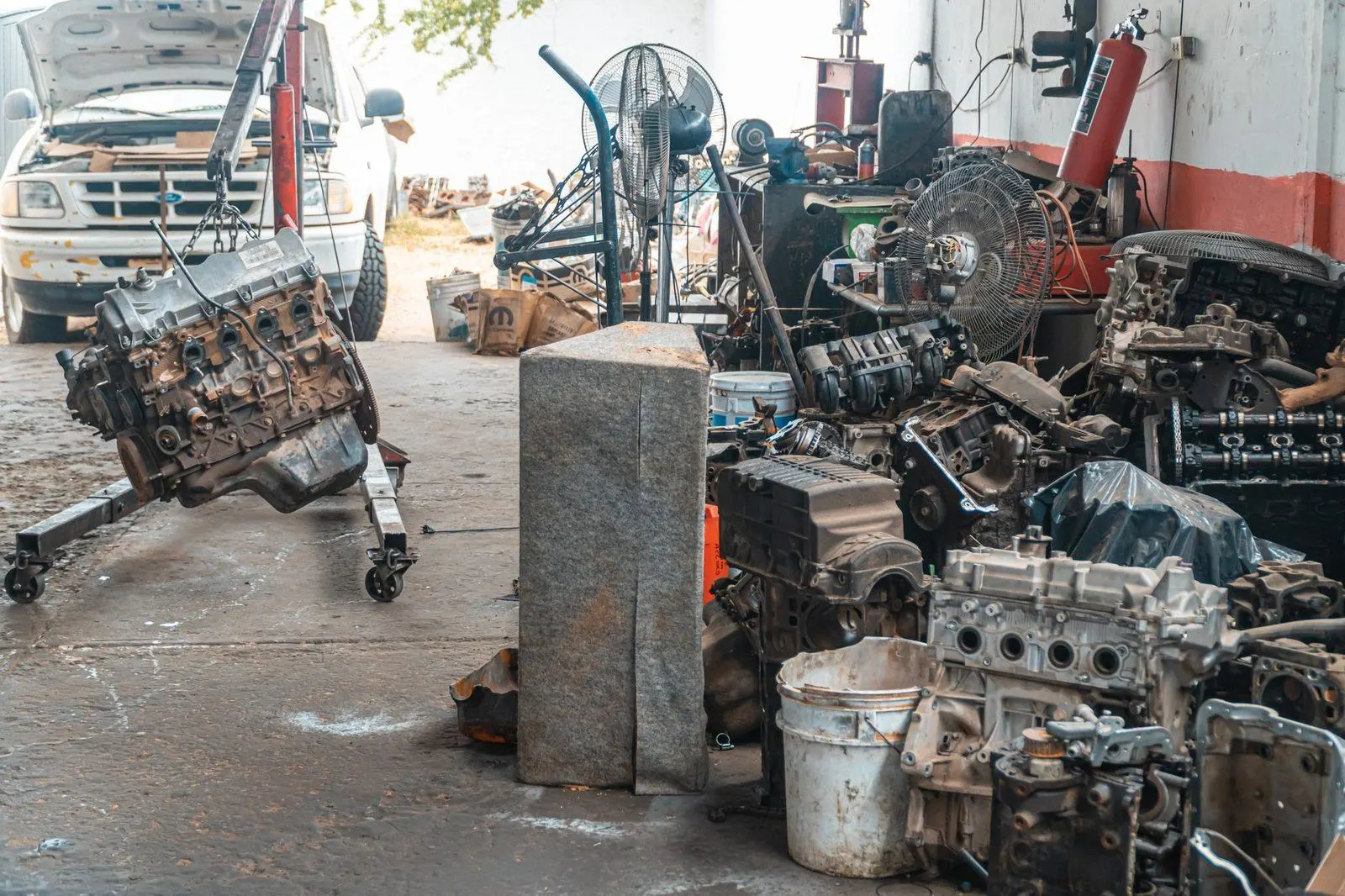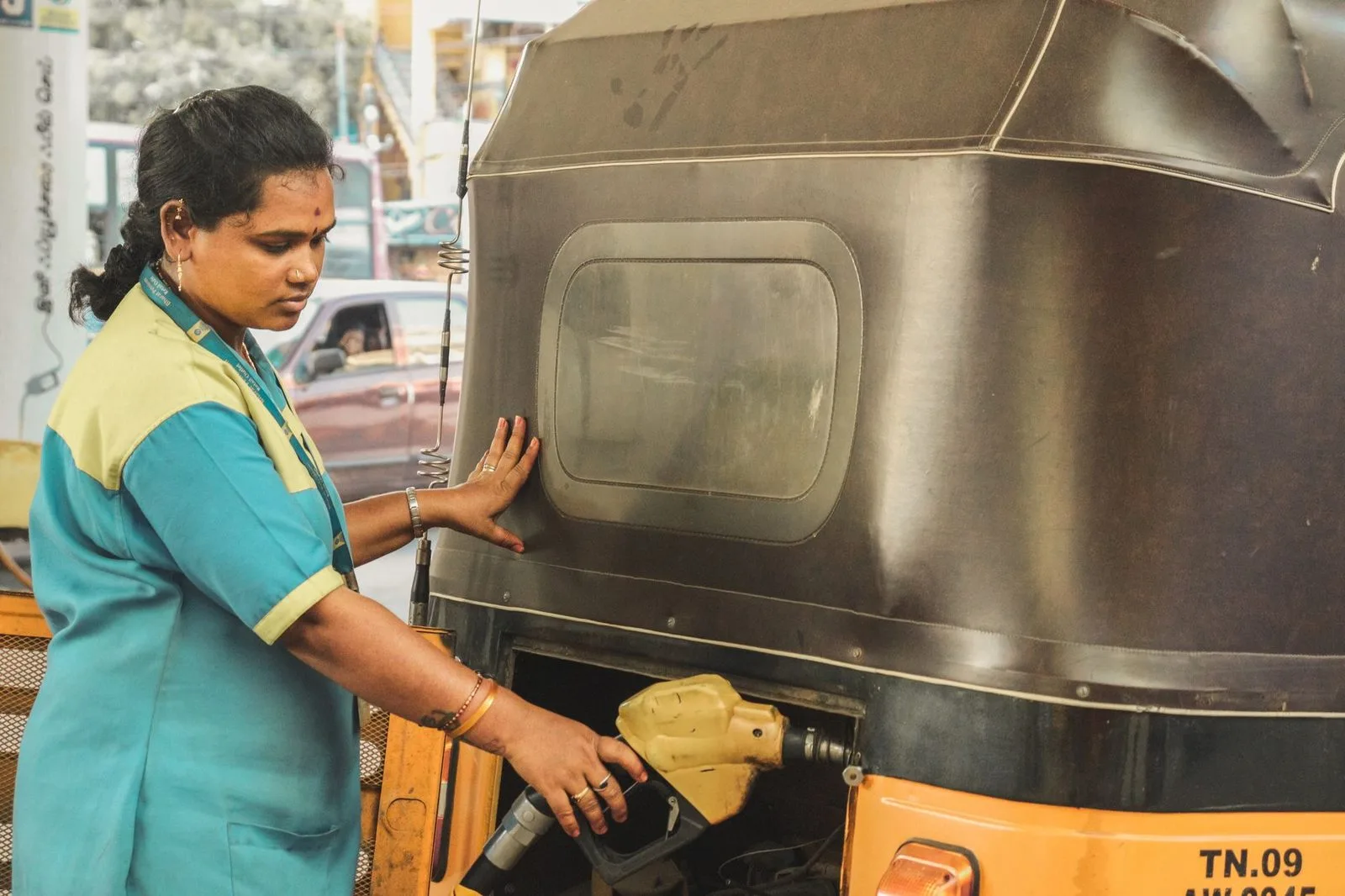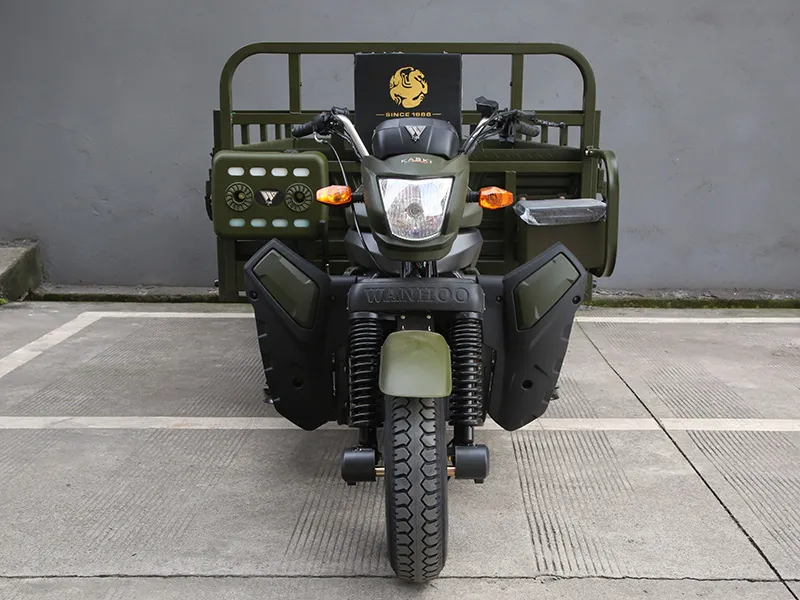
There is no universal first-year timeline or payback point for a three-wheeler. Use the year to verify registration, training, route and load fit, service support, safety, revenue, costs, downtime, and customer demand against local rules and the vehicle manual.
The vehicle arrives on a Tuesday, or a Thursday, or whenever the transporter finally calls. Someone hands over a key, the manuals, and a folder of documents. Ownership begins by reading those documents, confirming handover condition, and following the manufacturer's setup and training requirements.
What follows is a planning framework, not a customer story, survey, or sequence that every owner follows. Timing changes with the country, route, duty cycle, experience, finance, season, service network, and how often the vehicle operates.
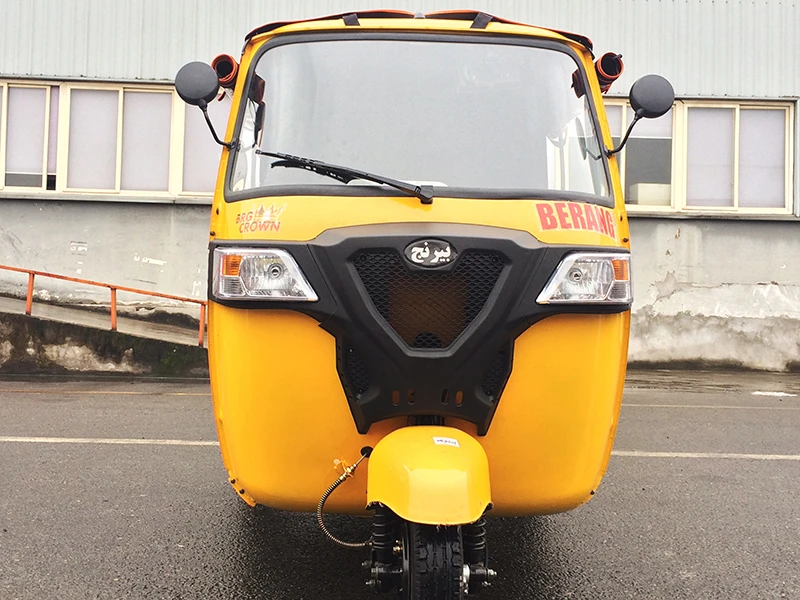
At handover: establish a safe and legal baseline
Before any paid trip, confirm registration, plates, insurance, inspection, driver licensing, and cargo or passenger permits required for the intended use. Requirements, cost, and timing vary, so obtain current information from the responsible authorities rather than assuming a standard delay.
A demonstration run does not establish competence or show how the vehicle behaves under every permitted load, route, and condition.
A loaded three-wheeler can behave differently from an empty one. Complete the manufacturer-specified familiarization and training, remain within rated load and axle limits, and follow local licensing and road rules. No fixed number of days or months establishes competence.
Define permitted use, insurance coverage, authorized drivers, loads, passengers, and payment records from day one. Personal or unpaid use may affect insurance, tax, finance, and availability, so record it and confirm it is allowed.
Training and load control are ongoing
Do not assume the controls or vehicle dynamics are quickly mastered. Training should cover the specific model, inspection, load and passenger limits, securement, dimensions, turning, braking, slopes, surfaces, weather, visibility, and emergency procedures in accordance with the manual and local rules.
The World Bank transport overview describes broad global access challenges. Those figures do not establish that three-wheelers fill the gap or operate on a particular surface. Survey the actual route and verify that it is legal and within the vehicle's documented operating limits.
Use the manufacturer's loading diagrams, payload and axle ratings, centre-of-gravity guidance, passenger limits, and tie-down instructions. If the load cannot be verified or secured within those limits, do not carry it.
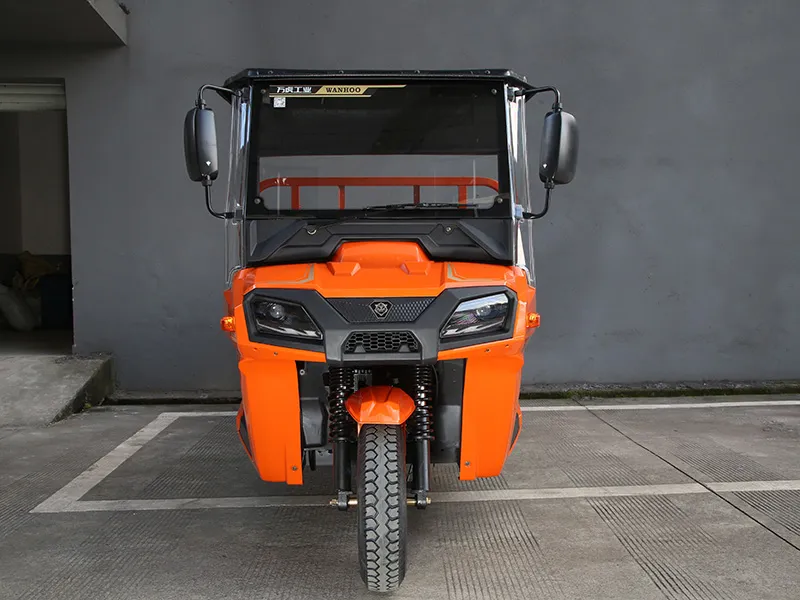
Night operation requires working lights and visibility equipment, a legal and safe route, fatigue controls, emergency support, and compliance with any local restrictions. Demand does not justify operation when those conditions are not met.
Once operating: maintenance becomes a recorded cost
Maintenance begins at the intervals and conditions specified in the manual, not at a universal point in the year. Record scheduled work, defects, parts, labour, downtime, and warranty decisions from delivery.
Follow the applicable owner's and service manuals for intervals, inspection, fluids, parts, and qualified work. Severe-duty adjustments must come from model-specific guidance or authorized technical advice, not a generic blog rule.
Dust, mud, load, heat, and other severe conditions may change inspection or service requirements. Use the manufacturer's severe-duty schedule where provided and consult authorized support; do not shorten or alter intervals without model-specific guidance.
Parts and service access are among the factors to verify before and during ownership.
No single factor predicts a smooth first year. Map approved service, technician capability, parts stock and lead time, warranty handling, recovery, route fit, training, and finance, then calculate downtime from the operation's own records.
Wanhoo was founded in 1986. It supplies buyers in more than 50 countries. For a specific purchase, verify the written warranty, local service path, parts plan, model ratings, and operating requirements instead of relying on brand reach alone.

Build the money model from local records
Pre-purchase estimates are hypotheses. Compare them with actual records and revise them without assuming all first-time buyers make the same error.
Gross revenue and net cash flow are different. Record collected revenue, refunds, energy, compensation, parts, tires, service, finance, insurance, taxes, official permits and fees, downtime, and reserves using one consistent reporting period.
This article does not provide an illustrative payback number because even fictional values can be mistaken for a benchmark. Calculate scenarios from the actual purchase and setup cost, finance terms, local demand, collected revenue, operating costs, taxes, maintenance, downtime, and residual value. Include lower-demand and higher-cost cases and follow lawful working-time limits.
ILOSTAT reports that informal employment is widespread globally. That statistic does not determine an owner's business or employment status. Verify registration, accounting, tax, insurance, credit, and worker obligations for the actual jurisdiction and arrangement.
A first-year review framework
Review these areas repeatedly rather than assigning them to fixed months. A vehicle may encounter them in a different order or not at all.
| Review area | Evidence to collect | Decision question |
|---|---|---|
| Compliance and insurance | Registrations, licences, inspections, policies, route permissions | Is every intended use currently covered and lawful? |
| Training and load control | Training records, load logs, incidents, inspections | Are people competent and loads within documented limits? |
| Route and demand | Inquiries, completed work, refusals, seasonality, customer mix | Is demand repeatable or concentrated in a short period? |
| Maintenance and support | Service records, parts lead time, warranty, downtime | Is the support plan meeting the actual duty cycle? |
| Financial performance | Collected revenue, every cost, finance, tax, reserves | Does the conservative case remain viable without unsafe work? |
Risks to monitor
The following risks are common planning concerns, not claims that almost every owner makes the same mistakes.
The first is overloading.
Overloading is unsafe and can violate manufacturer ratings and local law. Use documented payload, axle, passenger, centre-of-gravity, and securement limits; reject any load that cannot be verified and carried within them.
The second risk is treating collected revenue as profit. Create documented reserves for scheduled service, wear items, unexpected repairs, finance, tax, and replacement. Set the amount from quotations and actual records rather than a universal percentage or claim about who remains in operation.
The third risk is comparing purchase price without service, parts, warranty, financing, compliance, route fit, and downtime. Calculate total cost with verified local inputs.
When the records become useful
There is no month when a vehicle universally starts paying off. Records become more useful as they cover different demand periods, services, routes, and conditions.
Track repeat customers, on-time completion, cancellations, load or passenger mix, route contribution margin, safety events, downtime, and service cost. These records show what is changing without promising that regular demand or profitability appears by a fixed month.
Potential value may include repeat customers, reliable scheduling, route knowledge, and cost data. Confirm it with records; do not treat fictional school or market arrangements as a typical outcome.
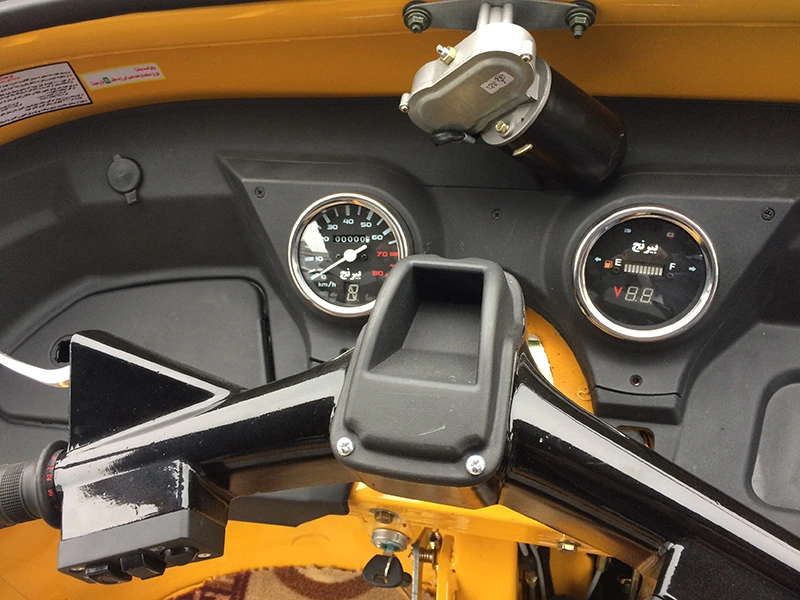
Actual use may differ from the original plan. Any change from cargo to passenger work, route, customer, or contract should be checked against vehicle configuration, insurance, licensing, safety, warranty, and local law before operation.
What to decide after a first-year review
A full year can provide data across seasons, but only if records are complete and comparable. Review revenue, costs, downtime, safety, service, customer demand, compliance, and finance before deciding whether the operation works.
Possible decisions include continuing, changing routes or loads, improving support, refinancing, adding a vehicle, or stopping. Hiring creates employment and safety duties; changing use can affect configuration and insurance; financing depends on lender criteria. None is an automatic next step.
The International Energy Agency reports strong electric three-wheeler sales globally and in India. Those figures do not determine an individual owner's choice elsewhere. Compare charging access and permissions, electricity and fuel cost, usable range under local load and climate, battery terms, route distance, financing, and service support.
The first-year review is complete only when the records support a decision and unresolved compliance, safety, service, and financial gaps are documented.
Frequently Asked Questions
**How long does it take to feel genuinely comfortable driving a three-wheeler?**
There is no safe universal timeline. Complete model-specific training and any local licensing requirements, stay within rated load and route limits, and use objective competence checks. Familiarity does not replace training or guarantee safe operation.
What maintenance should I expect in the first twelve months?
Follow the applicable owner's and service manuals. If the manufacturer provides a severe-duty schedule for dust, mud, heat, or heavy use, use it or obtain authorized model-specific advice. Record scheduled work and maintain a reserve for unplanned faults without assuming one must occur.
How much should I set aside for repairs and downtime?
There is no universal figure. Start with service and parts quotations, finance obligations, warranty exclusions, recovery cost, and conservative downtime scenarios. Keep the reserve separate and refine it with actual records; obtain financial advice where appropriate.
Is an electric or a petrol three-wheeler the better first vehicle?
It depends on the specific models and local conditions. Compare compliant charging, electricity and fuel cost, usable range under load and climate, battery terms, route distance, finance, warranty, parts, and qualified service. Verify every input before choosing.
What first-year risks should an owner monitor?
There is no evidence here for a single most common mistake. Two important risks are operating outside documented load limits and treating gross revenue as profit. Control both with load procedures and complete financial records.
When does a three-wheeler start paying for itself?
There is no standard payback point. Calculate local scenarios from total setup cost, finance, lawful demand, collected revenue, all operating costs, tax, maintenance, downtime, and residual value. Treat the result as a forecast, not a promise.