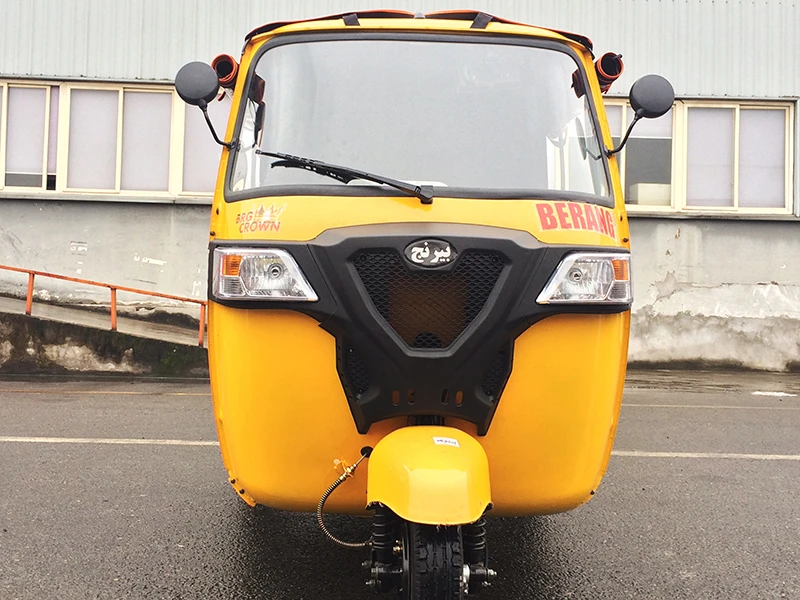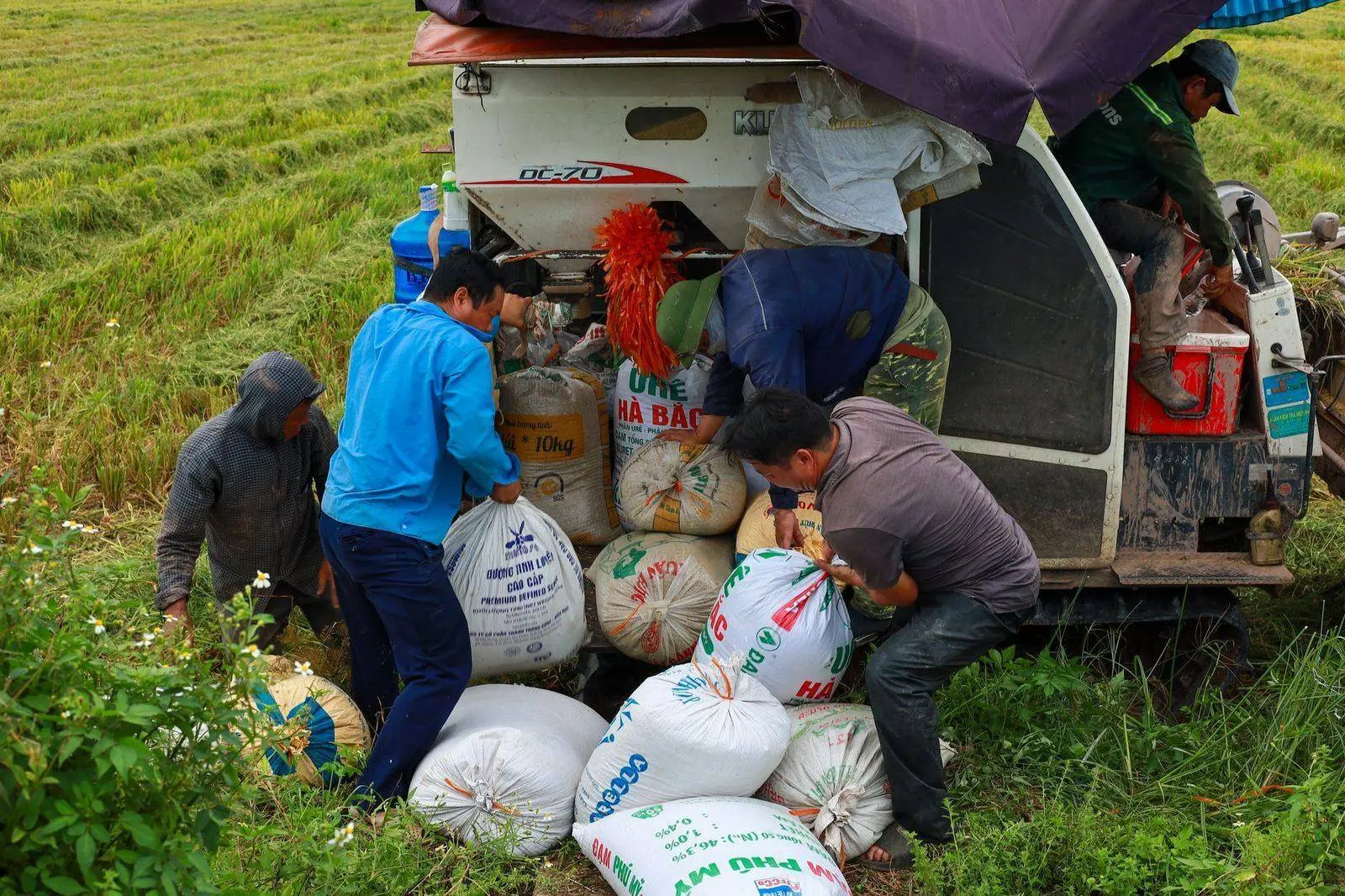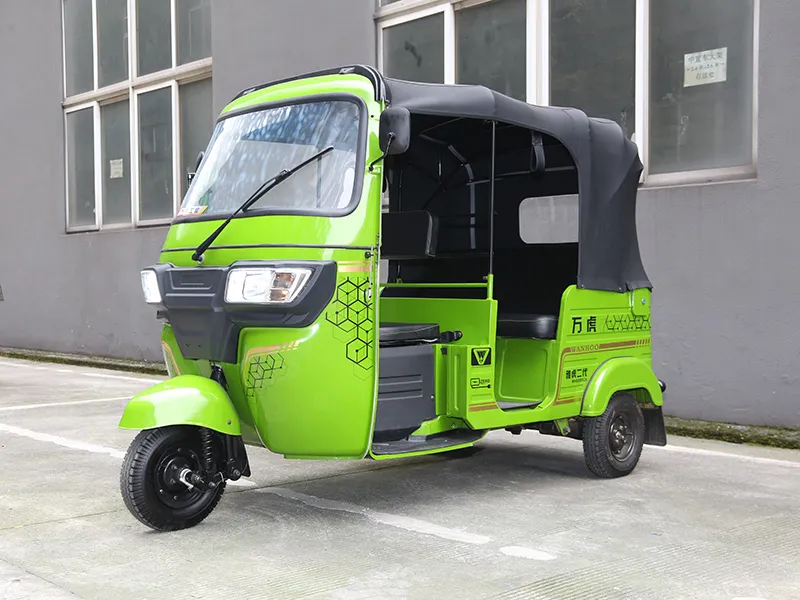
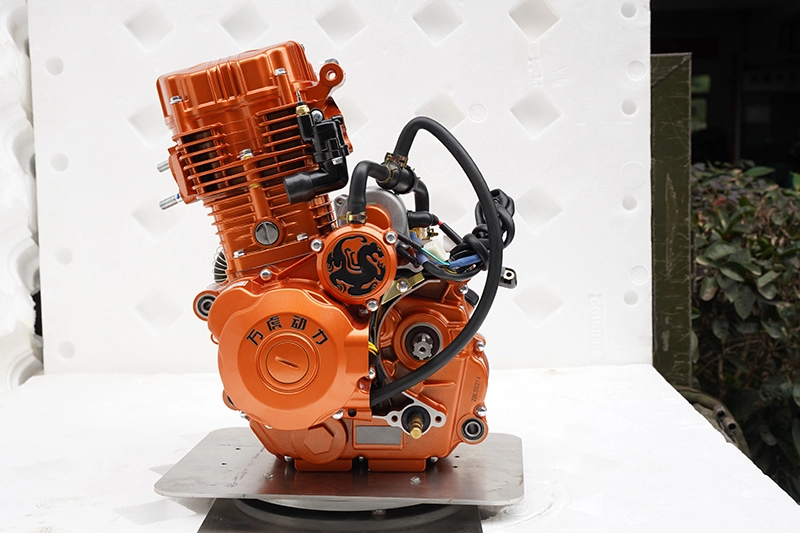
Three-wheeler driver training starts after legal eligibility is confirmed. Check the licence class, references and right to work under local law; assess basic control in a closed area; then train to the exact vehicle, load limits, route, inspection procedure and incident plan.
The second vehicle arrives and the arithmetic stops working. With one vehicle you drive it yourself: you know the route, you feel the moment a bearing starts to complain, and when the day goes badly you absorb it. With two, somebody else is out there with your capital underneath them.
That is the point at which most small transport businesses discover that the real constraint was never the vehicle or the demand. It was finding, training and keeping three-wheeler drivers who will still be there in six months. Capital you can raise. A second driver you have to earn.
None of what follows is about controlling anyone. The people who do this work are skilled operators running long hours in difficult traffic, usually with far less protection than the owner has. Owner and driver interests line up almost everywhere, and diverge in a few specific, nameable places. Good hiring and training are mostly about naming those places out loud before the vehicle leaves the yard.
Where drivers actually come from
There are four realistic sources, and they behave very differently.
Existing operators. Someone already driving a three-wheeler for another owner, or who used to own one. They arrive with road experience, route knowledge and a realistic idea of what a long day on the road feels like. The obvious question is why they are leaving. The obvious follow-up is whether you can speak to the previous owner.
According to WIEGO, informal transport workers include own-account owner-drivers and dependent self-employed drivers who lease vehicles; the latter may earn what remains after rent is paid to the owner. That describes possible working arrangements, not the terms of any applicant in front of you. Ask neutrally why the person is moving and obtain consent before contacting a previous owner.
Apprentices and mechanics from workshops. Some workshop staff understand engines and gearboxes well but have limited commercial road experience or customer-facing practice. Mechanical knowledge is useful; it does not replace the licence, road-safety competence or supervised training required for the job.

Referrals from your current drivers. This is the source most owners underuse.
A current driver can provide useful context for a referral, but personal familiarity is not evidence of legal eligibility or competence. Obtain the candidate's consent, apply the same job-related checks to everyone and do not make the referrer responsible for another person's performance.
Walk-ins. Someone who appears at the yard asking for work. Plenty of good drivers have started exactly this way. The risk is not the person; it is that you have no independent way to check a single claim about experience, licences or past employers, so everything has to be verified from scratch while a vehicle sits idle.
What to check before you hand over the vehicle
According to the International Labour Organization, over 60 per cent of the world's workforce and 80 per cent of enterprises operate in the informal economy. That figure covers every sector, not transport applicants, and must not be used to judge an individual. It does explain why a formal personnel file may not always exist; use the same lawful, job-related checks for everyone and do not treat missing corporate paperwork as evidence of dishonesty.
Confirm legal eligibility first, then competence and route knowledge. Apply local employment, privacy, anti-discrimination and safeguarding rules to every applicant, and collect only the personal information you are entitled to use.
Confirm the licence class, commercial-use permission and insurance conditions before any assessment. Start with an unloaded vehicle in a closed, controlled area under a competent supervisor. Move to a lawful on-road assessment only when the applicant, vehicle, insurance and supervision arrangement all satisfy local rules.
Second, separate road experience that happened from road experience that is being described. This is not about suspecting anyone of lying; memory compresses and most people round up. Specific questions get you past it without any accusation: which junctions they avoid at market hours, where they park to wait, what they do when their usual road floods.
Third, local route knowledge. A driver who has run the same district for years knows which customers pay on delivery, which gate opens at the back, and which stretch of road eats tyres. That knowledge takes months to rebuild if you hire from outside the area.
Fourth, references from a previous owner, with the applicant's consent and within local privacy and employment law. Keep questions job-related: dates, vehicle type, duties and whether the person is eligible for rehire. Do not request protected personal information.
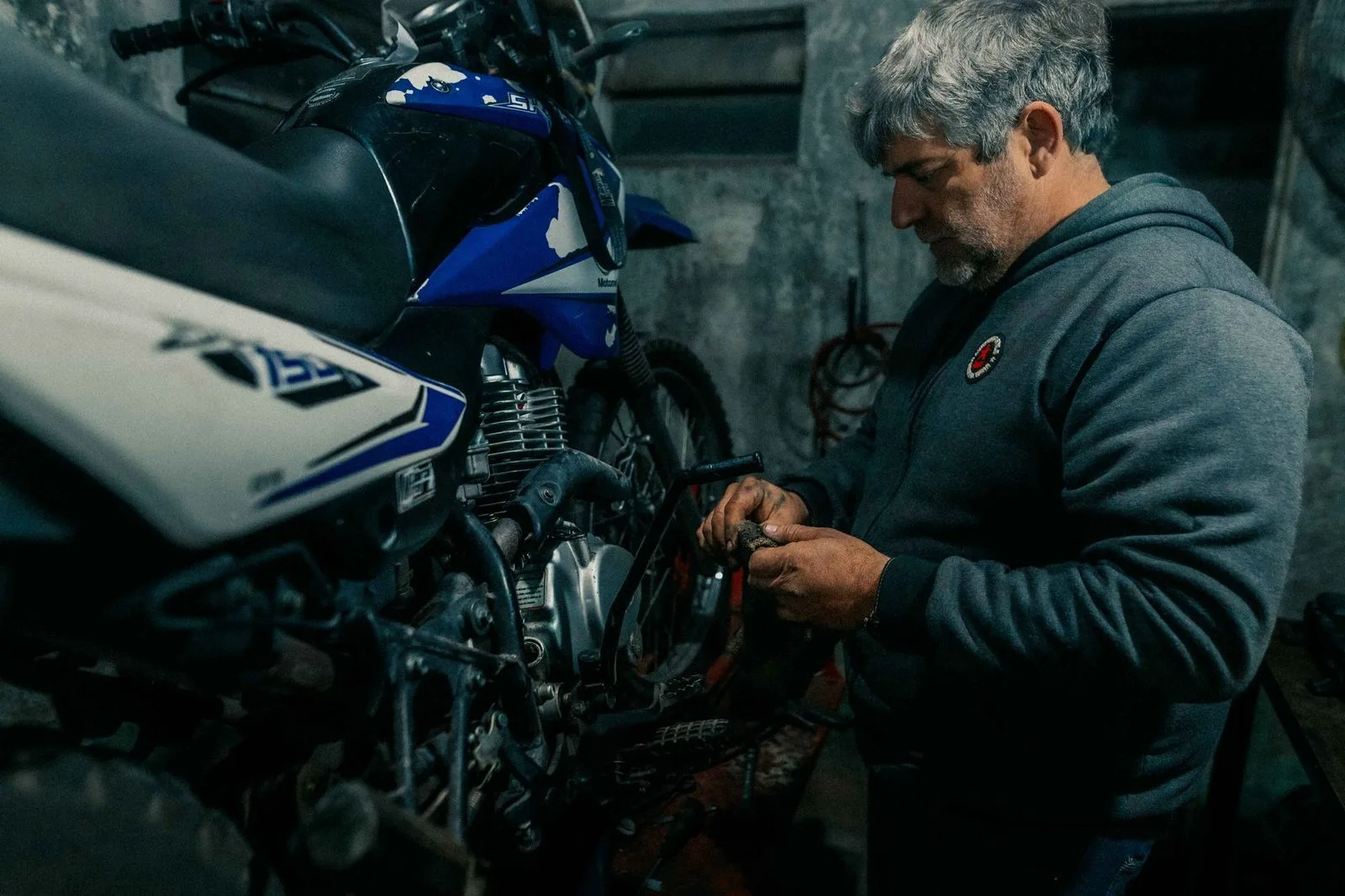
The first week, and why this vehicle is not the one they last drove
Drivers arriving from motorcycles or cars may bring control habits that do not transfer to a three-wheeler. Treat the change as vehicle-specific training, not proof of incompetence.
A three-wheeler's three tyre contact areas form a support triangle. A high, off-centre or shifting load moves the combined centre of mass toward the edge of that support area and can reduce lateral stability. Stay within the plated load, follow the manufacturer's loading guidance, secure the load and reduce speed before turns.
A rider coming from a motorcycle has years of instinct built on leaning into a corner. A three-wheeler does not lean. It stays upright and resists the turn, and the load resists with it. That instinct has to be unlearned deliberately, at low speed, before the driver meets a real corner under load.
Braking is the other place where prior instinct misleads, and it is routinely explained backwards.
Adding mass increases the energy the braking system must dissipate and can increase stopping distance and brake temperature. Brake condition, tyres, surface, gradient, speed and load distribution also matter. Never infer loaded stopping performance from an empty run; use the manufacturer's limits and conservative following distances.
Speed compounds all of it. According to the World Health Organization, every 1% increase in mean speed produces a 4% increase in fatal crash risk, and more than half of all road traffic deaths are among vulnerable road users including pedestrians, cyclists and motorcyclists. Those figures cover all road users worldwide, not a three-wheeler training study, so they support conservative speed management without quantifying this vehicle class.
The first week is where three-wheeler drivers either learn this vehicle or learn nothing at all, so the checklist below separates what to cover from how you confirm it actually landed.
| What to cover | Why it matters on this vehicle | How to verify the driver has it |
|---|---|---|
| Load placement, low and centred | A high, off-centre or shifting load can reduce lateral stability | Use training loads within the plated rating; have the driver explain placement and restraints before anything moves |
| Securing and lashing | An unsecured load shifts under braking and cornering, changing the balance mid-manoeuvre | Watch a full load-and-lash, drive a short loop, then inspect for movement |
| Three-wheeler steering and cornering | Motorcycle leaning habits do not transfer directly; speed and load placement affect stability | Begin unloaded at walking pace around markers in a closed area, then follow the approved training plan |
| Braking and following distance | Load, speed, tyres, surface and gradient affect stopping performance and heat | Use controlled low-speed exercises specified by a competent trainer; never create an emergency stop on a public road |
| Daily walkaround check | Can identify visible defects before departure | Use the manufacturer's checklist and defect-reporting process; a walkaround does not replace scheduled inspection |
| Breakdown procedure | Decides whether a fault costs an hour or costs a day and an engine | Ask what they would do about a new noise, a flat, and a no-start, and who they would call |
| Documents and checkpoints | Stops are routine in most operating environments; papers that cannot be found quickly cost time you both pay for | Confirm every document can be produced from the vehicle without a search |
| Fuel, oil and consumables | Wrong fuel grade, low oil or over-inflated tyres cost more than the shortcut saves | Go through the first week of receipts together, with no penalty attached |
Two of those rows deserve expansion.
A pre-use check should follow the current owner's or service manual and the fleet's defect procedure. It can cover tyres, lights, visible leaks, fluid levels where the manual permits, controls and obvious loose or damaged parts. Stop and escalate defects; do not substitute a visual check for qualified maintenance.
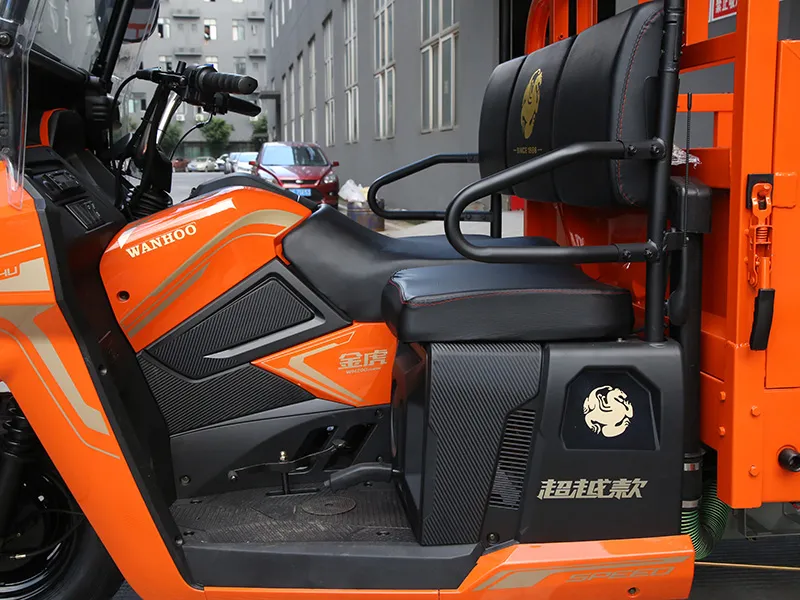
The breakdown procedure is where owner and driver interests genuinely diverge, and it is better to say so than to pretend otherwise. A driver far from the yard, behind schedule, with a customer waiting, has an immediate reason to keep going and deal with the noise later. You have a longer-term reason to want them to stop. The resolution is not a rule; it is removing the cost of stopping. If calling in a fault never brings blame or a deduction, the call gets made early.
The trial period
Agree any lawful trial or probation terms before the first shift and set a definite length. Observe normal work across enough time to assess attendance, vehicle care, communication and adherence to the operating plan. Do not manufacture hazardous conditions, overload the vehicle or seek a near miss as a test.
Say plainly, in advance, what would end the trial. Repeated speeding with a load. Driving on after a fault has been noticed. Loading over the plated capacity because a customer pushed for it. Those are specific and checkable, and stating them upfront is more respectful than a vague probation that ends in an argument.
How you structure the pay itself, fixed wage against daily target against commission, is a separate decision with its own trade-offs. It is not what determines whether a good driver stays.
What actually keeps a good driver
Pay sets the floor, not the ceiling, on retention. A driver who is paid fairly still leaves if the vehicle breaks down weekly, if repairs come out of their earnings without discussion, or if nobody answers the phone when they are stranded. Reliability and responsiveness are retention tools.
The WIEGO material on informal transport workers is blunt about conditions: unsafe and badly maintained vehicles, poor roads, and unhealthy conditions including inhalation of fumes, alongside exceptionally long hours. Read that as a competitive brief. An owner whose vehicles are actually maintained, and who does not treat a breakdown as the driver's personal failing, is offering something the market frequently does not.
Three other levers are worth considering. Predictability: the driver knows roughly what the week looks like. Voice: the person on the road every day is asked what should change. Progression: documented criteria explain how reliable performance can lead to more responsibility or a preferred route, subject to local employment rules.
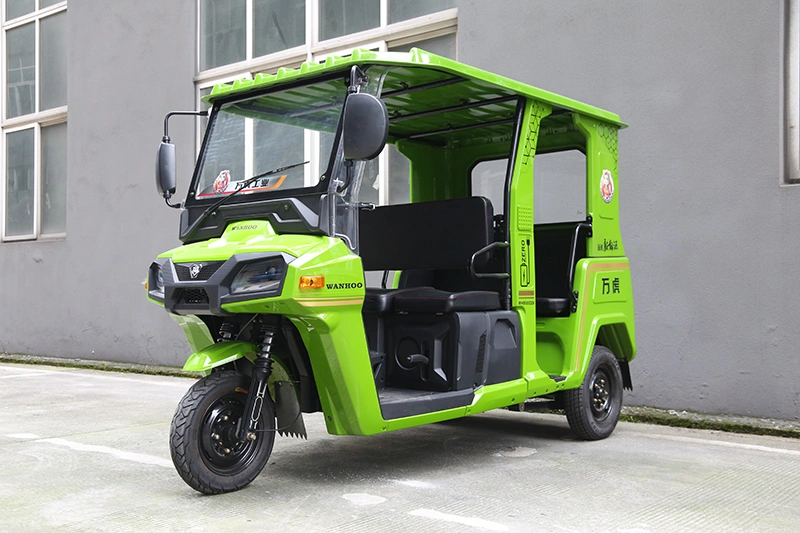
Wanhoo, founded in Chongqing in 1986, is one of many manufacturers whose vehicles reach these markets, and none of them can hire or train your driver for you. The machine is the easy half.
The part that does not go in the brochure
Turnover in this work is high, and no article can change that. Drivers leave for family reasons, for a slightly better route, to try owning a vehicle themselves, or because they have had enough of the hours. Plan for replacement as a normal operating cost rather than a failure.
The other honest thing to say is that the vehicle is the asset at risk, and it is not the driver's asset. That asymmetry is real and it does not disappear because everyone is decent. It is why the checks matter, why the training is specific rather than general, and why the maintenance response has to be fast.
The owners who solve this are not the ones with the strictest rules. They are the ones who made the right thing to do also the easy thing, and kept the vehicles in a state that made staying worth it.
Related Wanhoo guides
- Build the vehicle-care portion of induction around the three-wheeler maintenance guide.
- Use the three-wheeler safety features guide to identify controls that still require driver training and inspection.
- For a passenger-operation context, read the three-wheeler taxi fleet guide separately from this hiring and training checklist.
Frequently Asked Questions
**Where can fleet owners find three-wheeler drivers?**
Practical sources include existing operators, workshop apprentices or mechanics who also meet the driving requirements, referrals and open applications. None guarantees quality. Apply the same lawful eligibility, licence, reference and controlled driving checks to every candidate rather than lowering the standard for a referral.
What should I check before handing over a vehicle?
Confirm the licence class, commercial-use permission, right to work and insurance conditions first. Begin any driving assessment unloaded in a closed area with a competent supervisor. Use a public-road assessment only if the applicant, vehicle, insurance and supervision all comply with local law; obtain consent before reference checks.
How long should a trial period be?
There is no universal length. Follow local employment law and agree the duration, pay, duties, assessment criteria and termination process in writing. Observe routine work over enough time to judge safe operation and reliability, but never create hazardous weather, overload, a breakdown or a near miss as a test.
What is the single most important thing to teach a new three-wheeler driver?
No single lesson replaces a complete training plan, but load placement and restraint are critical. A high, off-centre or shifting load can reduce lateral stability. Teach the plated load limit, the manufacturer's loading instructions, securement, speed before turns and the rule to refuse an unsafe load.
Can I hire someone whose only experience is on a motorcycle?
Only if the person holds the required licence and demonstrates three-wheeler competence under a lawful training plan. Motorcycle steering and leaning habits do not transfer directly. Start unloaded at low speed in a closed area with a competent supervisor, and do not move to public roads until the legal and insurance conditions are met.
If the pay is fair, why do drivers still leave?
Pay is only one employment condition. Vehicle reliability, lawful and transparent deductions, predictable scheduling, rest, respectful supervision, a working breakdown procedure and a response when someone is stranded can all affect retention. Check local wage, hours, leave, safety and termination rules rather than relying on a generic pay model.