Plantation tricycle selection starts with the narrowest row, lowest canopy, headland, slope, surface and collection-point geometry. Payload still matters, but only after the loaded vehicle can pass and turn with operating clearance. Obtain configuration-specific dimensions and tested limits in writing before shortlisting.
Consider a hypothetical fit failure. A machine clears the estate road, gate and weighbridge, then enters a block and finds the load bed too wide for the row. Nothing has broken, but the vehicle cannot continue without risking crop damage.
That scenario shows why payload should not be the first filter for in-estate transport. A vehicle must fit the route and operating envelope before its load rating becomes useful.
Three different jobs that get confused with each other
Road haulage moves goods between places, usually on public or made surfaces. Field-to-market transport takes crop from the farm toward a buyer. In-estate transport happens inside the planting itself, among standing trees and on surfaces that may be unpaved or constrained.
In-estate transport has geometry that road-haul specifications do not capture. Row spacing, canopy height, headland and the loaded swept envelope set usable dimensions. Payload remains a limit, but it cannot compensate for a vehicle that does not fit the approved route.
A spec sheet leads with payload, engine size and speed. None of those tells you whether the vehicle fits your block.
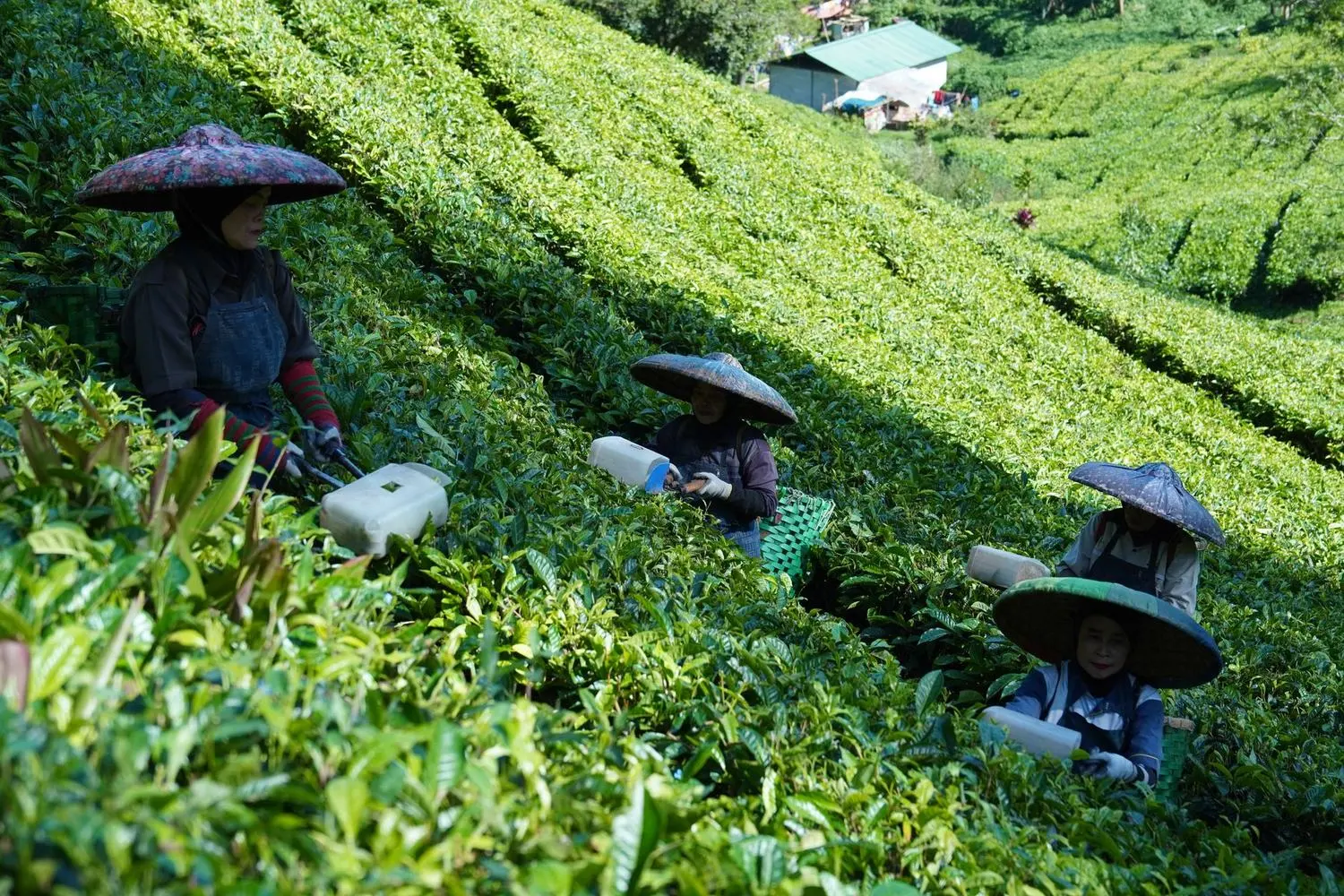
Row spacing and canopy height write the specification
The planting was laid out for the crop, not for a vehicle. Spacing was chosen for light, root competition and drainage, and once the trees are in the ground that geometry is fixed for the life of the stand. Row spacing varies enormously by crop, variety, region and planting age, so ignore any figure quoted to you as typical in favour of a tape measure on your own ground.
What you want is not the width of the row. It is the narrowest point of the narrowest row you intend to work, measured at the height the body will pass. Trunks flare at the base, branches lean in, and the gap at head height is not the gap at bed height.
Then distinguish static width from the working envelope. Body movement on uneven ground, permitted load projection, mirrors, rails and canopy frames can extend beyond the tyre track. Leave an operating margin for terrain variation and human error; never use nominal body width as the only clearance figure.
Here an honest supplier, including this one, has to be direct. We do not publish width, height, turning radius or wheelbase figures for our models in an article like this, because we will not put an unverified dimension in front of someone about to buy on it. Ask for those four figures in writing, for the configuration you intend to order. A supplier who cannot produce them quickly is telling you something.
The turn at the row end
Width gets you into the row. The headland gets you out of it.
The headland and turning requirement decide whether the planned route is workable. If the vehicle cannot turn safely within the available area, redesign the route or choose another configuration; repeated shunting or long reversing in restricted visibility should not be accepted as the default plan.
Avoid reversing a loaded vehicle down a narrow row when visibility or clearance is inadequate. Site rules may require a designated turning area, a trained spotter, lighting, exclusion zones or a different route. A buyer should plan that control before purchase rather than relying on operator precision.
The cycle is short runs, so unloading is the clock
Plantation work can involve short repeated runs to a collection point. When travel time is a small share of the measured cycle, safe loading and unloading can influence throughput more than top speed. Engine, braking, stability and load limits still remain part of the decision.
Run the arithmetic on your own operation. If a round trip is a few minutes of driving and several minutes of hand loading, a faster vehicle barely changes the total. Lower bed lips, sides that open on more than one face, and a tipping action change it substantially.
Loading height affects manual-handling exposure. Have a competent safety lead assess the actual crop units, frequency, posture and lifting aids; do not derive a one-person lift limit from bed height alone.
The FAO Food Loss and Waste Platform defines food loss as a decrease in food quantity or quality resulting from supplier decisions and actions before retail. That supports treating in-estate handling and transport as part of the post-harvest chain, but it does not quantify loss for a particular crop or vehicle.
The ground under the wheels
Estate routes are often unpaved and can include exposed roots, drainage furrows, harvest debris, loose organic matter or standing water. Conditions vary across blocks and seasons, so inspect the intended route rather than generalising from the estate road.
Tyre size, construction, tread and pressure interact with soil, load, steering clearance and vehicle approval. A wider tyre is not automatically suitable, and an aggressive tread is not automatically safer. Use manufacturer-approved sizes and pressures, then have a competent local specialist assess the crop and soil constraints.
The USDA Agricultural Research Service notes that several researchers found about 80% of wheel-traffic compaction occurred on the first tyre pass in the Northern Great Plains context. The page concerns regional soils and farm machinery, not plantation tricycles, so it cannot predict damage in an orchard or estate.
The defensible takeaway is to minimise unnecessary passes on susceptible soil and obtain crop- and soil-specific advice before designating traffic lanes. Vehicle mass, axle load, tyre pressure, moisture and route location still matter. Controlled-traffic methods from field crops must not be copied into tree root zones without an agronomist or soil specialist approving the plan.
What a damaged tree actually costs
In a planting, the vehicle is a tool and the crop is a long-lived asset. Damage to trunks, roots or drainage can create agronomic and repair costs beyond damage to the machine. Include crop protection in the route risk assessment rather than pricing only the vehicle.
Some crop or drainage damage is less visible than a dented panel and may appear later. Have an agronomist or estate specialist identify protected root zones, drainage crossings and no-go areas; this article cannot estimate future yield loss from a tyre pass or collision.
Compare purchase price with any route work, protection measures and crop-damage risk required by the configuration. Do not assume the price gap between two vehicles is small or that either vehicle is suitable until the dimensions are verified.
Measure your own rows first
Before shortlisting a plantation tricycle, take these measurements on your own estate, in the worst block rather than the best, and write the results down.
| What to measure | Where to measure it | Why it constrains the vehicle | Demand in writing |
|---|---|---|---|
| Narrowest row gap | At bed height, in the tightest row of your oldest planting | Sets the ceiling on width including mirrors, rails and load overhang | Overall width, and width over mirrors, as quoted |
| Lowest clear height | The lowest branch over the wheel track, not the row centre | Sets maximum height over canopy, roof or raised load | Overall height, with and without any canopy |
| Headland length | Clear ground from the last tree to the boundary or drain | Decides whether the vehicle turns in one movement or shunts | Turning radius, and whether wall-to-wall or kerb-to-kerb |
| Loading height available | Ground to the point where hand loading happens | Governs loading speed and lifting per cycle | Bed floor height, side height, which sides open |
| Furrow and rut depth | The deepest crossing on the actual route | Governs ground clearance, approach angle and body tilt | Ground clearance at the lowest fixed point, loaded |
| Worst slope on the route | Survey it without driving an unapproved vehicle onto it | Affects climbing, descent control, stability and stopping | Gradeability and braking data with load, speed, surface, tyres and method stated |
| Collection point geometry | The approach, standing area and any ramp | Determines whether it can reach the existing unloading point | Bed height at rest, tipping angle, turning space |
A supplier conversation that starts with your numbers is a different conversation from one that starts with theirs.
Why the widest vehicle that fits is the wrong answer
Once buyers have the row measurement, filling the entire gap with the widest nominal body leaves no operating margin. Three constraints compound.
- The planting is not static. Trunks thicken, lower branches spread, and clearance that worked in the first years of a stand closes over time.
- Margin absorbs body movement, load projection, terrain variation and human error; nominal width is not the full swept envelope.
- Blocks differ. A vehicle bought for the widest planting cannot be redeployed to the older, tighter block when you need it there.
A vehicle sized with real clearance in hand works more of your estate, damages less of it, and stays useful through a replant when the geometry changes again. Buying to the limit optimises for one block on one day.
Slopes: ask for the number, and ask what load it was measured at
Plantations are frequently on slopes, and slope is where buyers most want a single reassuring figure. Be careful with the ones you are offered.
Ask for gradeability and braking data in writing with the vehicle configuration, test load, speed, surface, tyres and method stated. Do not self-test a fully loaded vehicle on the worst slope. Any site demonstration requires a competent operator, supplier-approved procedure, risk assessment and controlled exclusion area.
We will not publish a hill-climbing percentage for Wanhoo petrol models here because the cited source set does not provide a verified test record with the needed conditions. Hold every supplier to that evidence standard. Assess loaded descent and braking as well as climbing, but use documented tests and a controlled professional demonstration rather than an improvised trial.
The collection point is already built
Existing paths, ramps, platforms and collection points can constrain the vehicle just as rows do. Measure their approach, standing area, height and turning space before shortlisting, then include any required civil works or protection measures in the comparison.
Collection points, ramps, weighing platforms and access tracks can represent significant prior investment. If a machine needs a re-laid approach or different platform height, include that work in the purchase comparison rather than hiding it in a later maintenance budget.
The International Labour Organization reports that over 60% of the world's workforce and 80% of enterprises operate in the informal economy. That global figure does not estimate plantation operators. It does support checking practical service access, documentation and parts supply instead of assuming every buyer has a fleet department.
Where a purpose-built agricultural three-wheeler sits
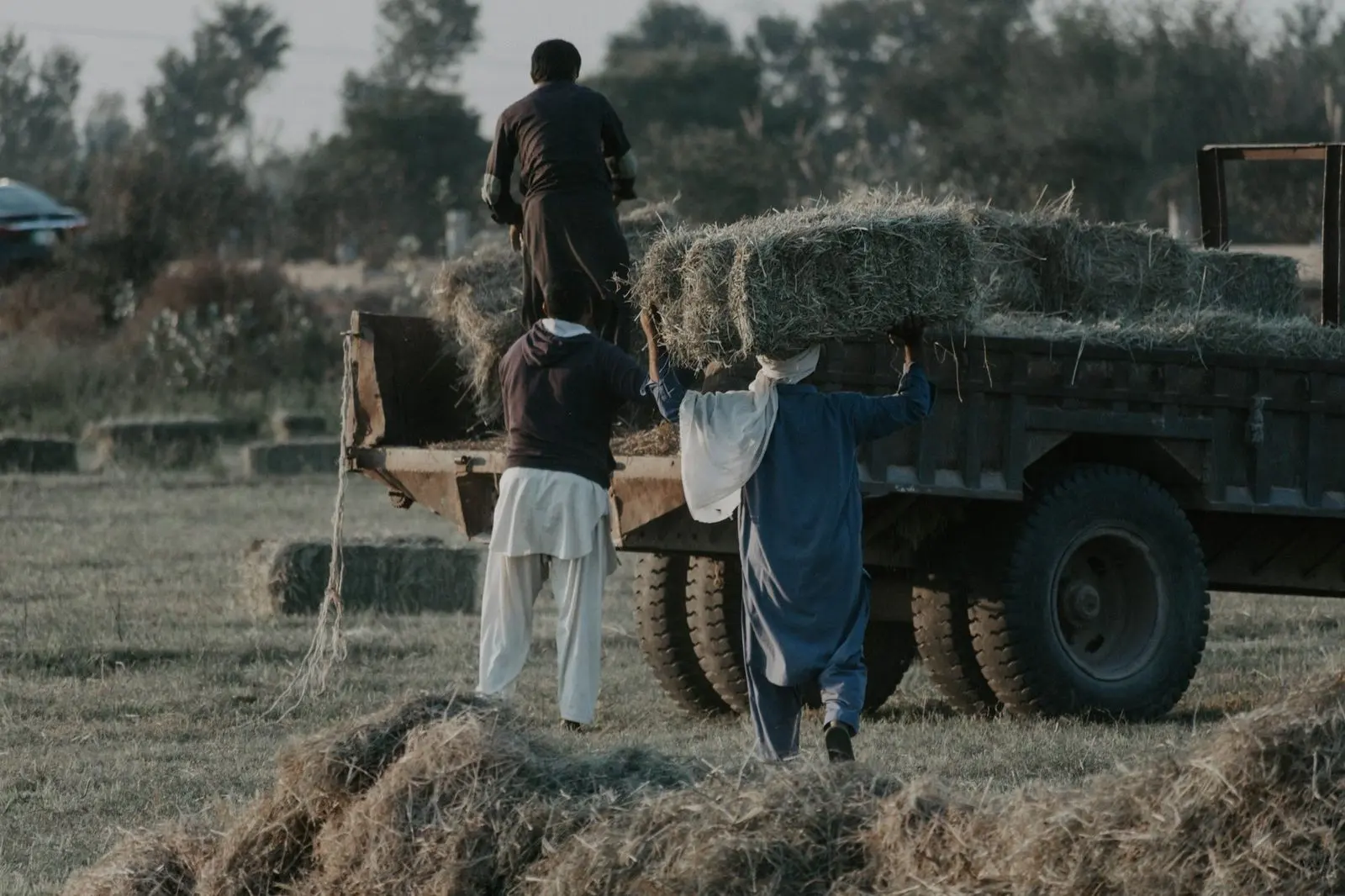
A three-wheeler is not automatically the right tool for in-estate work. It earns its place when the row geometry is too tight for a tractor and trailer, the runs are short and repeated, and the loads are heavy enough that hand carrying wastes labour.
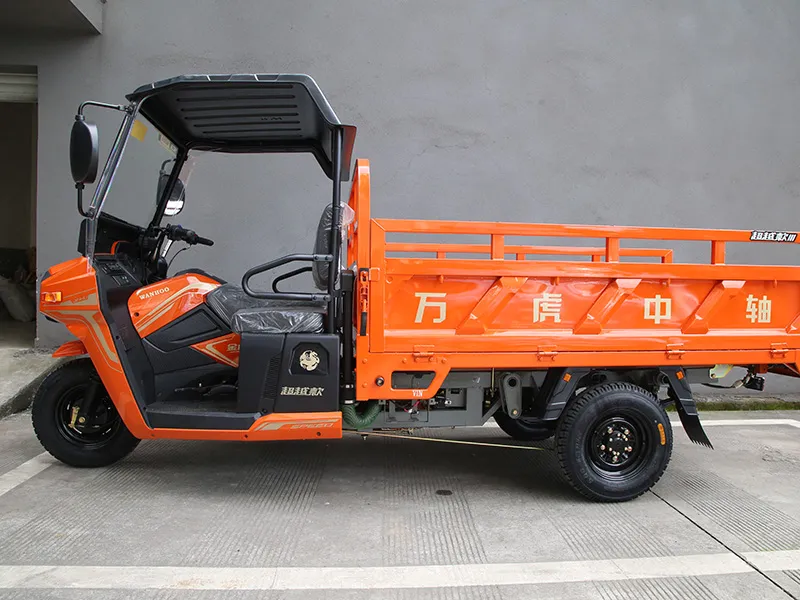
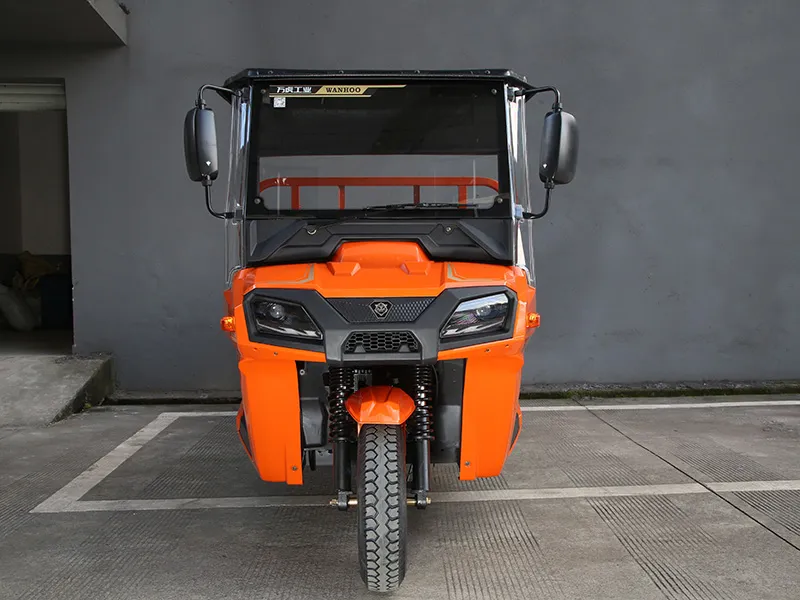
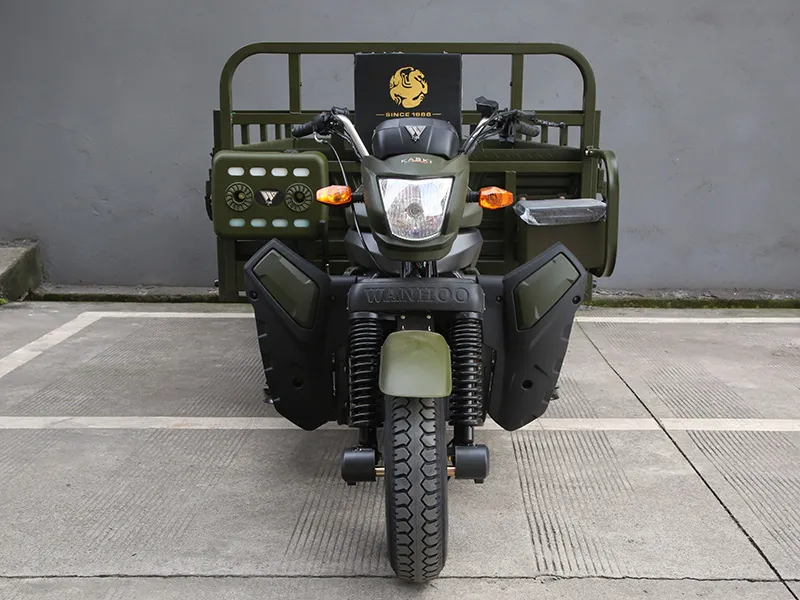
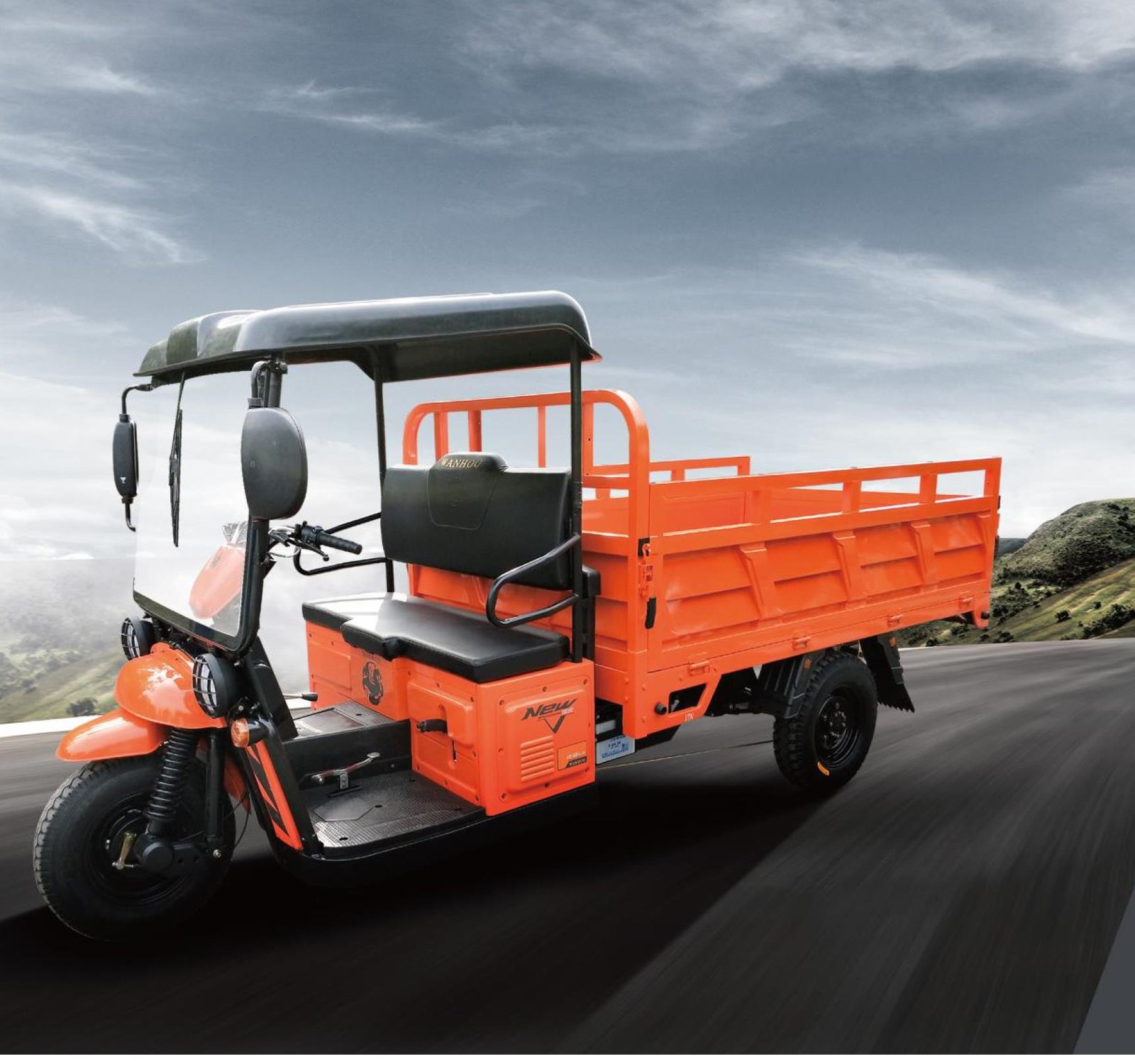
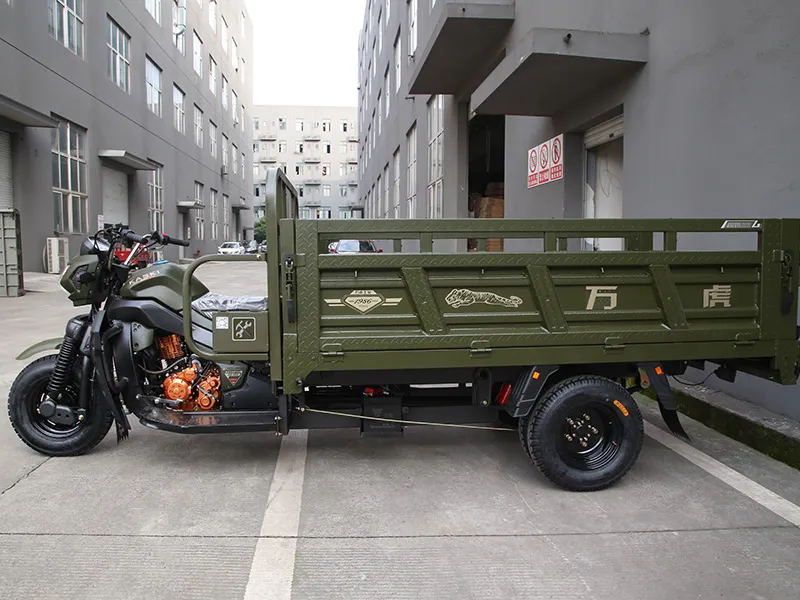
Wanhoo's current source materials list the WINTIGER with a 250 cc water-cooled engine, reinforced frame, 5.00-12 tyres, a 2,200 x 1,350 x 400 mm cargo box, 580 kg kerb weight, rated load up to 1,000 kg and fuel consumption no more than 4.3 L/100 km. Confirm the ordered configuration and test conditions in writing.
Apply this article's own lesson to that paragraph. Cargo-box dimensions do not establish overall width, overall height, wheelbase, ground clearance, turning requirement or gradeability. Obtain those missing configuration-specific figures before assuming anything about fit.
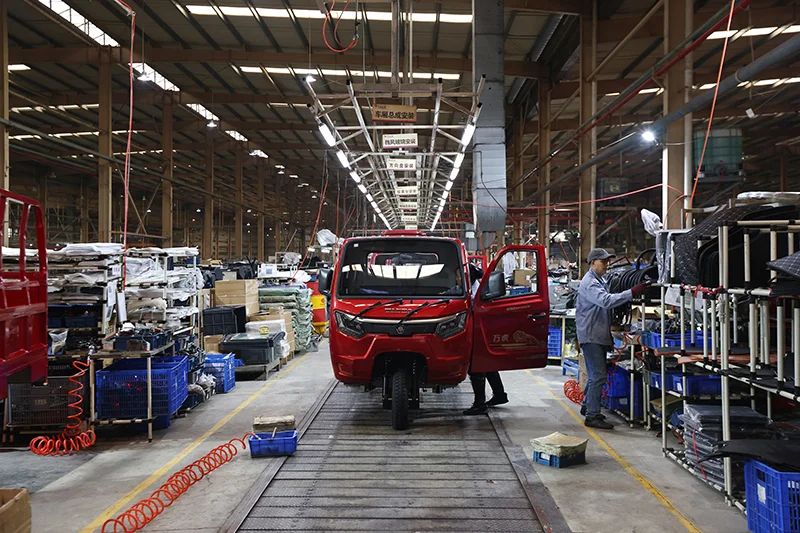
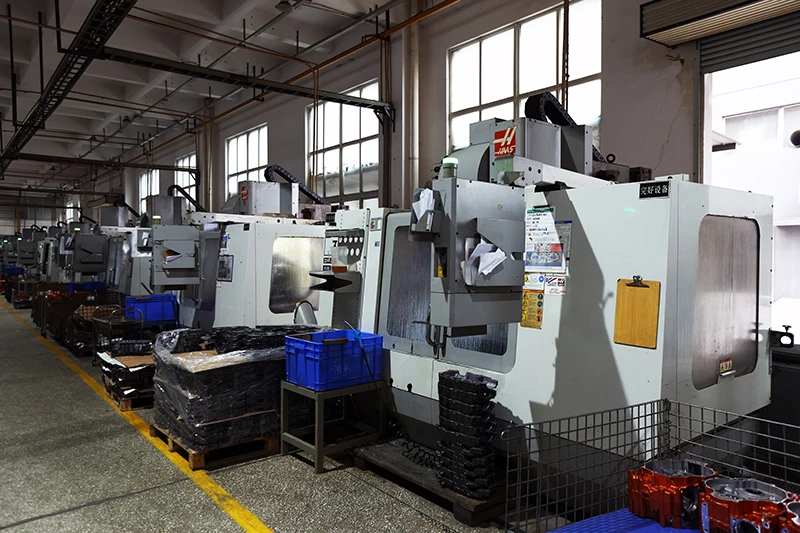
Wanhoo company materials state that the Chongqing manufacturer was founded in 1986, employs more than 1,000 people across a 60,000 square metre plant, builds engines and frames, has annual capacity of 100,000 vehicles and 300,000 engines, and exports to more than 50 countries. Those facts describe manufacturing scale; they do not prove local parts stock, lead time, service coverage or fit in a particular row. Verify each separately.
Related Wanhoo guides
- Compare the intended farm roles in the three-wheelers for agriculture guide.
- Review the published model data in the WINTIGER agricultural tricycle guide.
- Match the body to the crop and collection point with the cargo box configuration guide.
- Include vehicle-side controls from the three-wheeler safety features guide in the site assessment.
Frequently Asked Questions
**How do I work out the maximum vehicle width for my plantation?**
Measure the narrowest approved route at the heights of the tyres, body, load and canopy, then obtain the loaded swept envelope from the supplier. A competent site assessment must set margin for uneven ground, permitted load projection and human error; nominal body width alone is not a safe ceiling.
Is a three-wheeler better than a small tractor and trailer inside a planting?
It depends on route geometry, surface, load, attachments, braking, operator competence, service access and cycle time. Compare both configurations against the same site assessment and total-cost model. This article does not establish that either vehicle type is safer or more productive on a particular estate.
What gradeability do I need on a sloped estate?
No single figure decides this. Ask for gradeability and braking data with configuration, load, speed, surface, tyres and test method stated. Do not self-test a fully loaded vehicle on the worst slope; require a competent site assessment and, if needed, a supplier-approved controlled demonstration.
Does a bigger cargo box always mean fewer trips?
Not inside a planting. A larger box only reduces trips if you can fill it, get it down the row, and turn it at the headland. If the extra size forces shunting at row ends or restricts you to your widest blocks, daily throughput can fall even though nominal capacity rose.
What tyres suit unmade estate ground with roots and standing water?
There is no universal tyre answer. Soil, moisture, roots, load, pressure, tread, steering clearance and vehicle approval interact. Use only manufacturer-approved sizes and pressures, then have an agronomist or soil specialist and the vehicle supplier assess the actual route.
Can one vehicle cover blocks of different planting ages?
Only if it was specified for the tightest one. Row clearance closes as trunks thicken and lower branches spread, so a vehicle bought to the limit of a young block is locked out of your mature stands. Clearance in hand keeps a machine redeployable across the estate.