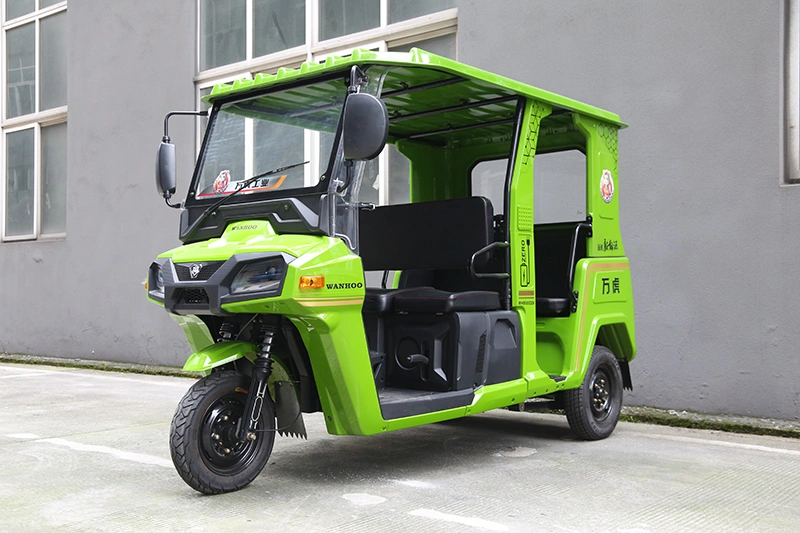
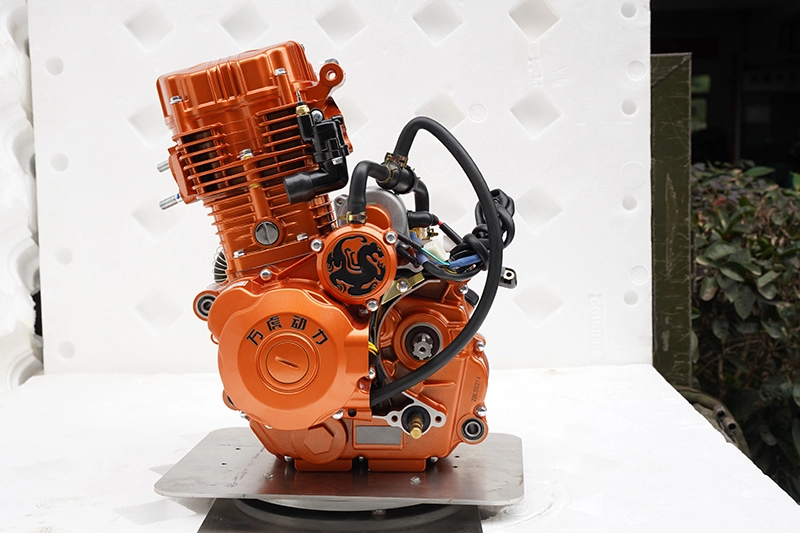
Before three-wheeler night operation, verify every required lamp, reflector, load marker, battery and charging warning, and confirm the driver is rested. Do not depart with defective lighting or unsafe fatigue.
Some wholesale markets and delivery windows operate before dawn, so a loaded machine may need to travel on roads with little street lighting. That operating window adds visibility, fatigue, breakdown and personal-security risks that require a separate plan.
If the work can be rescheduled to daylight, evaluate that option. If night travel remains necessary, do not justify it with assumed faster trips or higher fares; use actual route and business data, then apply the same vehicle, driver and legal checks on every departure.
Why night work needs a separate control plan
Reduced light changes detection distance and makes a failed lamp more consequential. Fatigue risk varies with schedule and sleep, while workshop availability and personal-security conditions vary by route and market. Record those conditions instead of assigning universal time or income penalties.
The operational question is whether the job can be completed within vehicle, driver-hours, lighting, load-marking and route requirements. If those controls are not available, delay or reassign the trip.
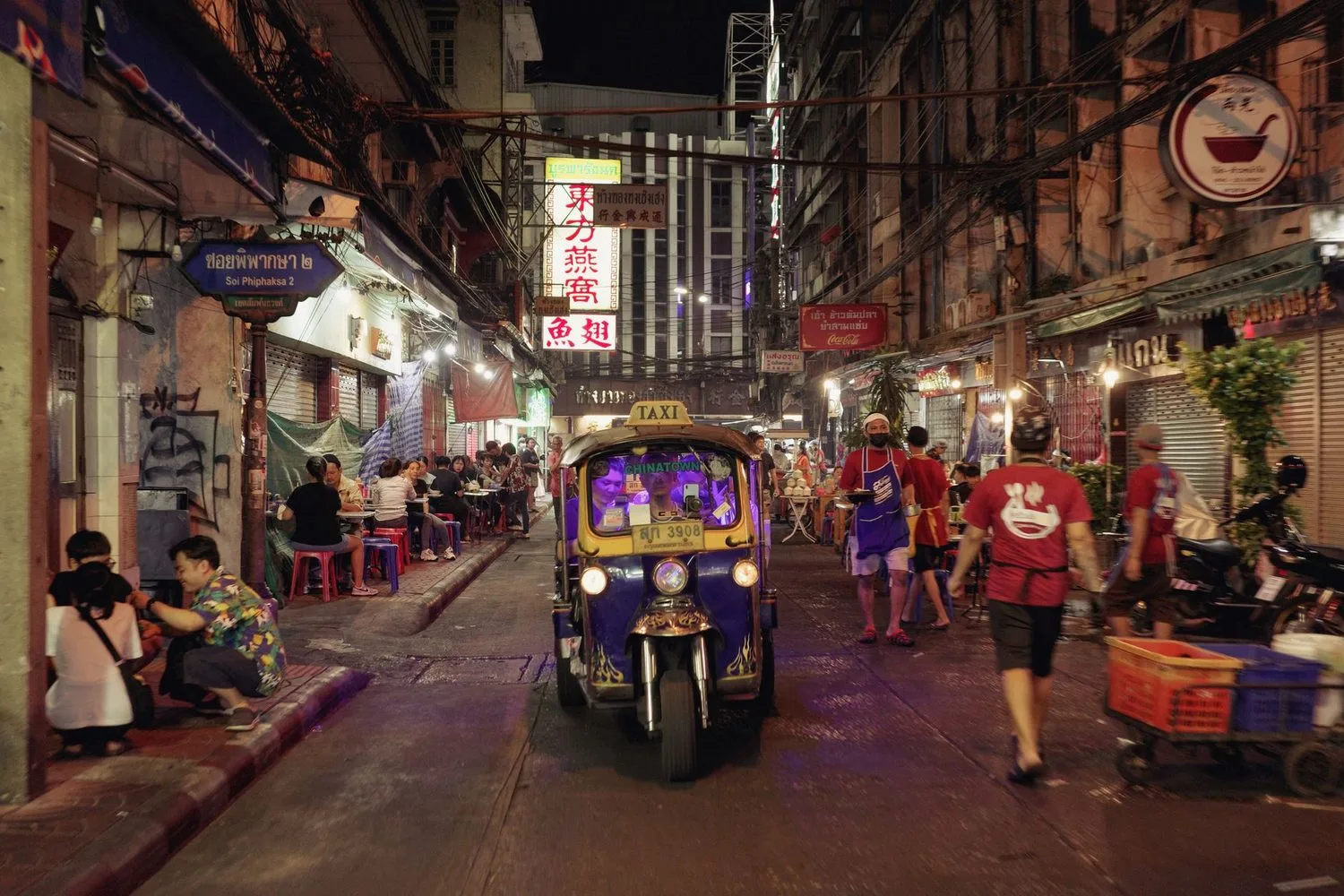
The US CDC/NIOSH driver-fatigue guidance says fatigue affects safe driving, that the urge to sleep is most intense in the early morning and that most adults need seven to nine hours of sleep each day. The guidance is not three-wheeler-specific, but the control is directly relevant: do not add a night run to an already exhausting shift.
Being seen and seeing are both essential
Night operation requires both useful forward illumination and conspicuity to other road users. A brighter replacement bulb is not a substitute for a complete, approved and correctly aimed lighting system.
Required headlamps, tail lamps, brake lamps, indicators and reflectors serve different functions at night. Retroreflective material only returns light that reaches it, so it supplements approved working lamps and load markers rather than replacing them.
According to the World Health Organization, "More than half of all road traffic deaths are among vulnerable road users, including pedestrians, cyclists and motorcyclists." That covers all road traffic deaths globally, dominated by car and motorcycle traffic, and does not break out three-wheelers as a class. The pattern it establishes is the one that matters: when a small, light, open vehicle meets a large one, the small one absorbs the consequence.
The same source notes that every 1% increase in mean speed is associated with a 4% increase in fatal-crash risk and a 3% increase in serious-crash risk. That is a general road-safety relationship, not evidence that traffic always moves faster at night. Choose speed for visible distance, surface, load and local limits.
Check every required lamp, reflector and lens before departure, with another person confirming the brake lamp where practical. The three-wheeler safety guide covers the wider pre-departure checks; the vehicle manual and destination-market law remain controlling.
The load that nobody lit
For cargo work, this is the section that matters most.
A permitted load overhang can extend beyond the vehicle's normal lamp and reflector outline, making its end difficult to judge after dark. It must be restrained and marked exactly as the destination-market rules require; some overhangs are prohibited.
Pipe, rebar, bamboo or timber can extend past a cargo body only where the vehicle, restraint system and local rules permit it. After dark, an unmarked end may be difficult for another road user to judge even when the vehicle's own tail lamps work.
Use only the flags, boards, lamps or reflectors required and approved for that vehicle class and jurisdiction; do not improvise electrical wiring. Retroreflective material returns incident light toward its source, so it cannot substitute for required lamps or make a prohibited overhang legal.
Seeing: aim, glass and the wrong bulb
A headlamp is an aimed safety device, and load can change vehicle pitch and beam aim on some configurations.
How far a lamp actually throws light is not a detail. According to the Insurance Institute for Highway Safety, about half of traffic deaths occur either in the dark or at dawn or dusk, and vehicles rated good for headlight visibility record 19% fewer nighttime single-vehicle crashes and 23% fewer nighttime pedestrian crashes than vehicles rated poor. That testing covers American passenger cars, not three-wheelers, and the percentages do not transfer. The mechanism does: lighting quality is not a comfort feature, it changes how often something gets hit.
Loading can compress the rear suspension and change vehicle pitch, which may raise the headlamp beam and reduce useful illumination while increasing glare. Check aim only by the model-manual procedure and do not exceed the rated load to perform the check.
If the road ahead looks dark, do not assume a brighter bulb is the answer. Beam aim, lens condition, voltage, reflector condition and the approved bulb all matter. An unapproved or incorrectly seated bulb can reduce useful light and increase glare.
Check aim in the condition and by the procedure specified in the model manual, or use a qualified workshop where the manual calls for equipment or adjustment.
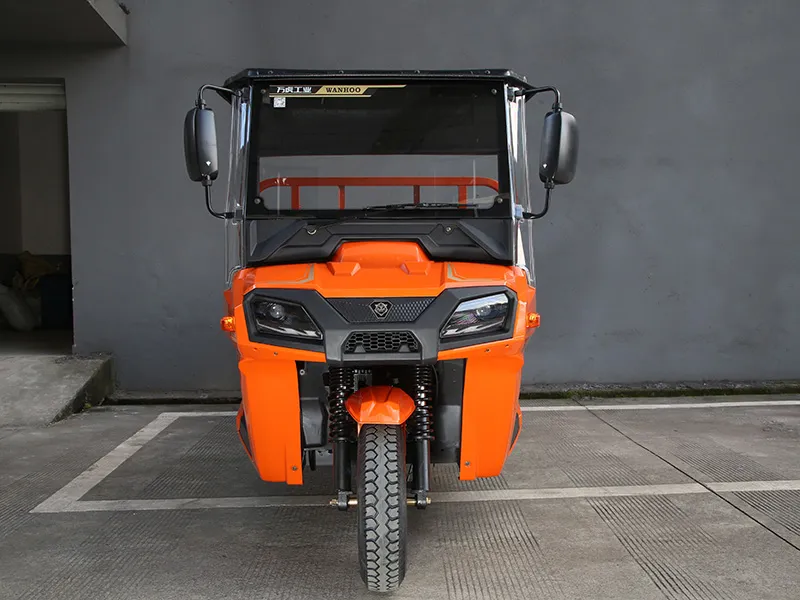
Two smaller items sit alongside aim. A lens carrying road dust, diesel haze and dead insects scatters light instead of projecting it, and the loss is invisible during the day; wiping it is a thirty second job. A replacement bulb bought on price alone, with the wrong rating or base geometry, can sit off the reflector's focal point and produce a beam with no defined cut off. It looks bright to someone standing in front of the vehicle and performs badly on the road.
Lighting and electrical specifications differ by model and by what each destination market requires. Confirm the bulb rating and lamp type with your supplier and against your own vehicle's manual rather than assuming a figure from a general article.
What actually changes after dark
It helps to set out plainly what changes in three-wheeler night operation, why each change bites harder on a three-wheeler than on a car, and what can be done before the vehicle leaves the yard.
| What changes after dark | Why it bites harder here | What to do before the shift |
|---|---|---|
| Lamps replace outline | Narrow track invites drivers to misjudge width | Every lamp lit, every lens clean, brake light watched by a second person |
| Load overhang is hard to judge | Permitted loads can extend beyond the normal lamp outline | Use only locally required and approved end markers; some overhangs are prohibited |
| Headlamp aim may change | Rear suspension compression can alter pitch | Check by the model-manual procedure or a qualified workshop |
| Charging headroom shrinks | More lights, more idling, a modest system | Check battery and charging; treat dimming at idle as a symptom |
| Workshops are closed | A minor fault becomes a long roadside wait | Correct-rating spare bulbs and fuses; fix known faults in daylight |
| Other road users are harder to predict | Detection distance and reaction margin are reduced | Lower speed for visible distance, wider gaps, no marginal overtakes |
| Stops are more exposed | Slow, open vehicle carrying cash or goods | Plan lit, populated stopping points into the route |
The electrical arithmetic of a night shift
Running lights costs current, and a small vehicle has a small charging system. By day the lights are off and the system spends its time replacing what starting consumed. At night the lights, and often a phone charger, run continuously for hours.
Noticeable lamp dimming, repeated flat batteries, slow cranking or changing lamp brightness can indicate a battery, charging, connection, bulb or wiring problem. Do not diagnose it from engine speed alone; have the system checked to the model specification before night service.
Do not normalize a visible dip as ordinary without model-specific guidance. Record when it occurs, switch off nonessential approved accessories where safe, and have persistent or worsening symptoms inspected. The three-wheeler maintenance guide provides a general maintenance framework, but electrical limits must come from the model documentation.
Do not add lamps or alter wiring without written compatibility guidance and a qualified installer. Extra electrical load, poor connections and incorrect fusing can create reliability and fire risks.
Fatigue can override good hardware
Everything above is hardware, and hardware is the easy part.
Lamps and reflectors cannot compensate for a drowsy driver. Night work should be scheduled around adequate sleep and lawful duty limits, with a clear rule that a driver showing drowsiness does not depart or continues only after stopping safely and following local guidance.
Fatigue is a scheduling and safety problem, not a character judgement. CDC/NIOSH says the effect of coffee and a short nap is temporary and that sleep is the only cure for fatigue. Do not use caffeine as permission to continue an unsafe shift.
Scheduling therefore belongs in the operating plan. Give night drivers adequate sleep opportunity, comply with any local work-hour rules and provide a safe stop-and-escalation procedure. Vehicle defects and driver fatigue are both no-go conditions; neither should be traded against the other.
Routes, stops and what hardware cannot fix
Route selection after dark is a separate risk assessment. Compare lighting, road condition, safe stopping places, communications, legal restrictions and current local security advice; do not assume that the fastest, slowest or most populated route is universally safest.
Select loading and waiting points in advance using local police, customer, fleet and insurer guidance. Avoid publishing predictable cash, cargo or route details, and provide a check-in and emergency escalation process. For procurement, confirm support coverage and response channels in the warranty and after-sales guide.
The aim is to protect the driver, other road users, the load and the vehicle; business continuity does not override a no-go condition.
What a fleet owner can actually control
Other drivers, street lighting, road surface, weather and who else is out looking for an easy target are all fixed conditions at midnight.
A fleet owner cannot control every road user, but can control dispatch: which compliant vehicles leave, whether required lights and load markers were checked, whether the driver is fit and rested, and whether the route and escalation plan were approved.
Use a signed pre-departure check, a second-person brake-lamp confirmation where practical, a locally compliant load-marking check and a fatigue no-go rule. Record defects and remove the vehicle from night service until repaired.
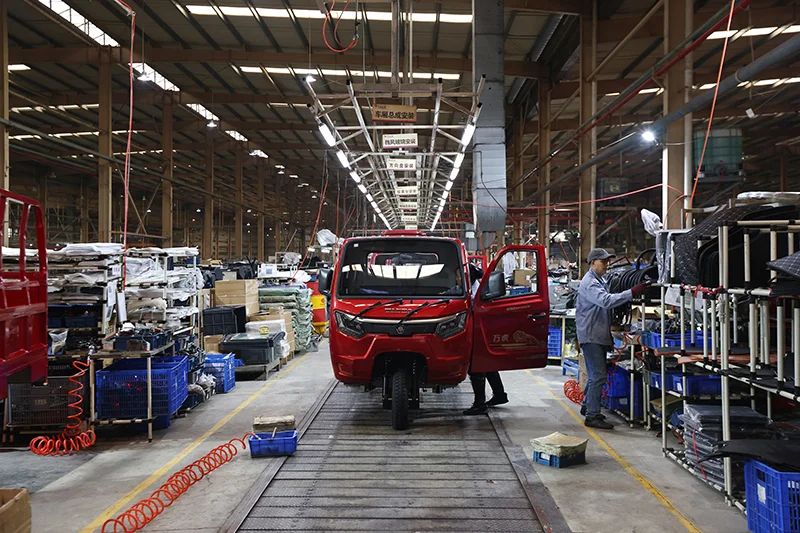
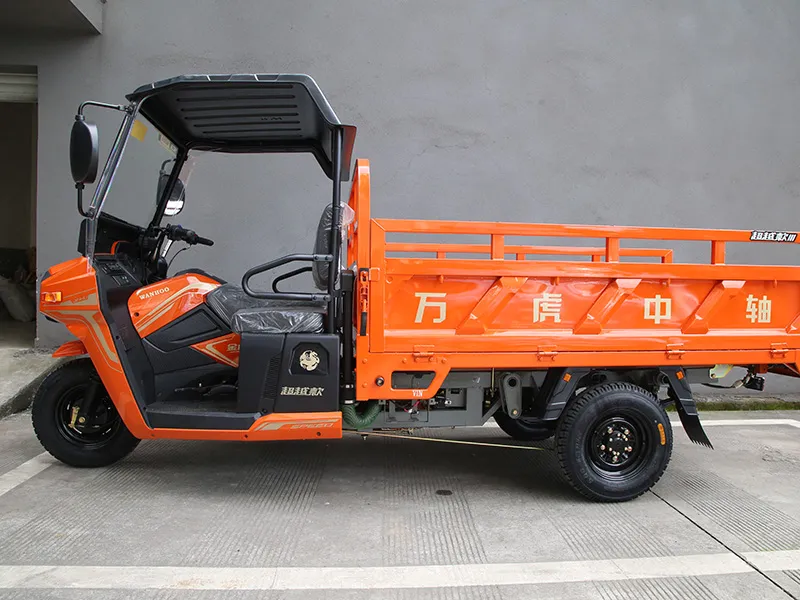
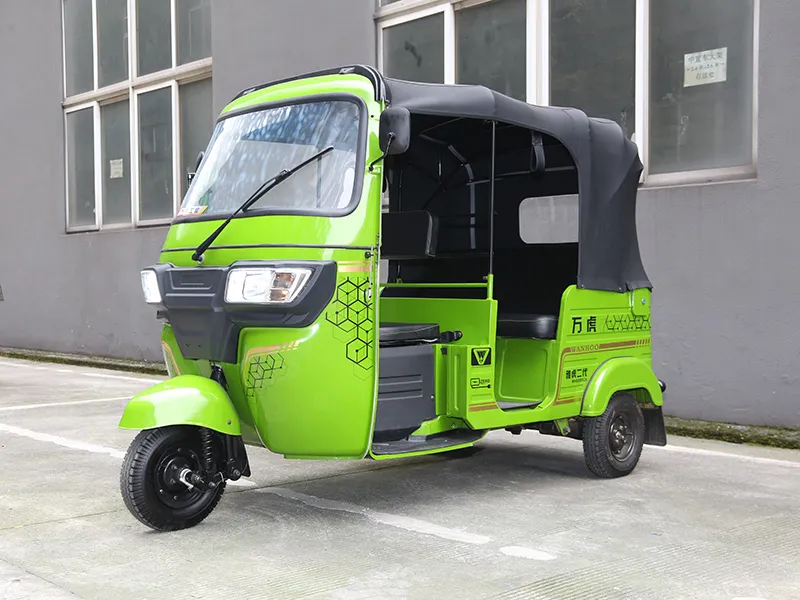
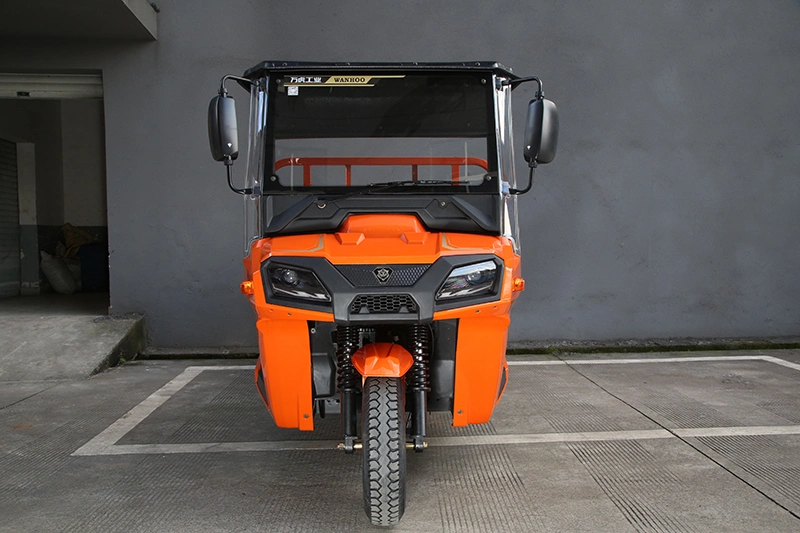
Wanhoo, founded in Chongqing in 1986, builds three-wheelers at a 60,000 square metre plant with annual capacity of 100,000 vehicles and 300,000 engines, serving more than 50 countries. Lighting and electrical requirements still vary by model and destination, and in-service condition depends on duty, inspection, maintenance and repair.
Night work should be treated as a distinct operating condition with its own dispatch gate, not as the same shift with the lights switched on.
Frequently Asked Questions
**Is night operation of a three-wheeler more dangerous than daytime operation?**
The cited road-safety data does not provide a clean three-wheeler day-versus-night risk ratio. Darkness reduces visibility, and fatigue risk rises around circadian low points. Treat night work as a separate dispatch condition and do not claim a vehicle-specific percentage without local evidence.
What is the single most important lighting check before a night shift?
There is no safe single-item shortcut. Verify every required headlamp, tail lamp, brake lamp, indicator, reflector and locally required load marker, plus lens condition and aim, before departure. A defect in any required item is a no-go condition.
Why do my three-wheeler's lights dim when the engine is idling?
Possible causes include the battery, charging system, connections, wiring, bulb or an unsupported accessory load. Do not assume visible dimming is normal from engine speed alone. Remove the vehicle from night service and have the system checked to the model specification.
Does reflective tape replace lights on a three-wheeler?
No. Retroreflective material returns light toward its source, so it only works when light reaches it. It supplements approved working lamps and locally required load markers; it cannot repair defective lighting or make an otherwise prohibited overhang legal.
How do I know if my headlamp aim is wrong when the vehicle is loaded?
Load can change suspension height and beam aim on some configurations. Check only in the condition and by the procedure specified in the model manual, or use a qualified workshop. Do not use oncoming-driver reactions as the adjustment method.
What lighting and electrical specification does a Wanhoo three-wheeler use?
Lighting and electrical specifications vary by model and by what each destination market requires, so confirm them with the supplier and against the manual supplied with the vehicle rather than assuming a figure from a general article. Ask about the lighting fitted, the charging system output, and local approval.