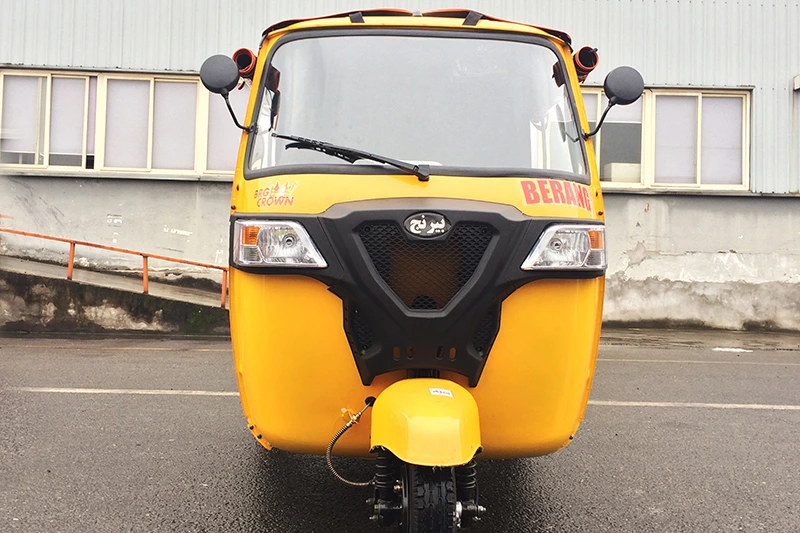
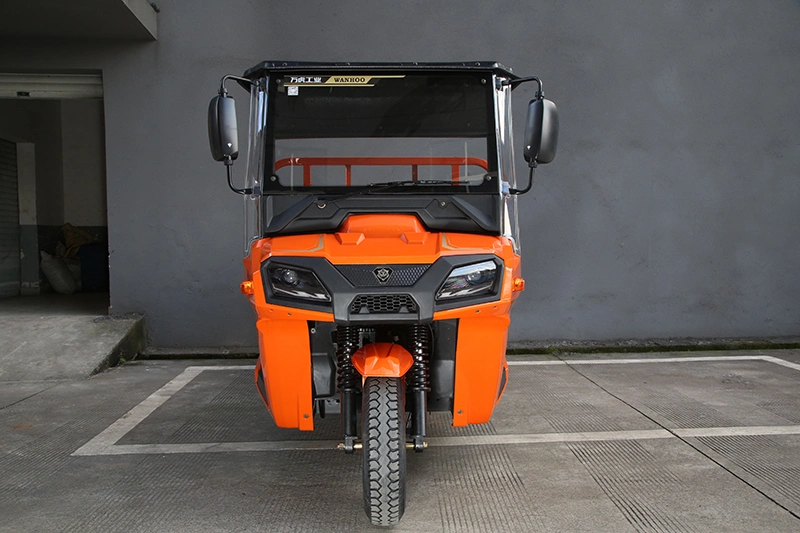
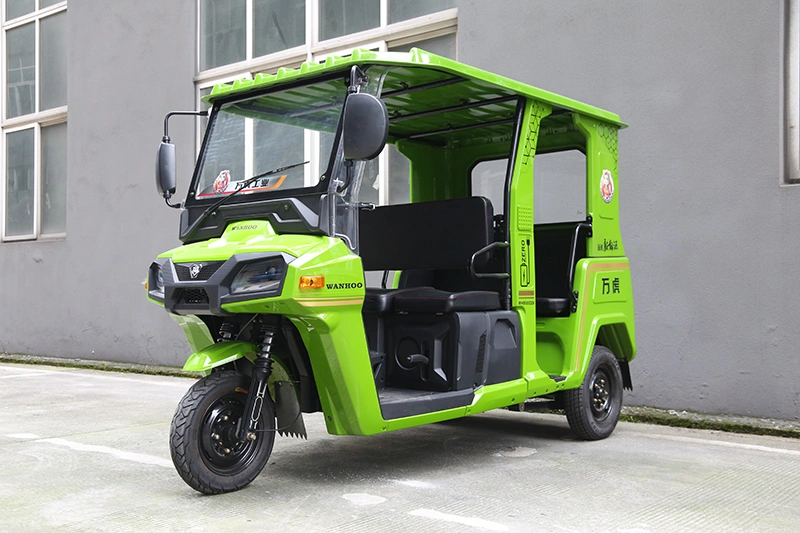
Manila’s side streets, Jakarta’s back lanes, and Bangkok’s tourist strips share one machine in common: the three-wheeler. Across Southeast Asia it moves people and goods where cars cannot fit and buses will not go, which makes the region a serious opportunity for importers who read it correctly.
The three-wheeler Southeast Asia market splits between passenger transport and last-mile cargo, with a fast electric shift driven by city emission rules and fuel costs.
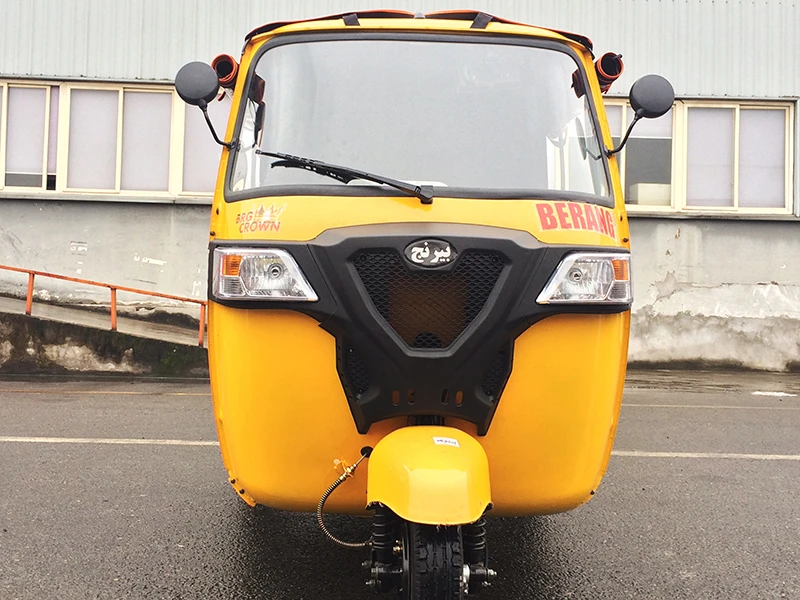
Southeast Asia is not one market but a cluster of them, each with its own name for the same idea. Filipinos ride the tricycle, Indonesians the bajaj, and Thais and Cambodians the tuk-tuk. For a distributor, the winning move is matching the right vehicle and powertrain to each country’s roads, rules, and daily earning routes.
Why Are Three-Wheelers So Central to Southeast Asian Cities?
Dense cities, narrow lanes, and short trips make the three-wheeler the natural unit of Southeast Asian mobility. In the Philippines, the tricycle, a motorcycle fitted with a welded sidecar, is a primary means of public transport across towns and city fringes. According to Rest of World, less than 1% of the Philippines’ 14.3 million registered vehicles were electric as of 2024, so the working fleet is still overwhelmingly gasoline.
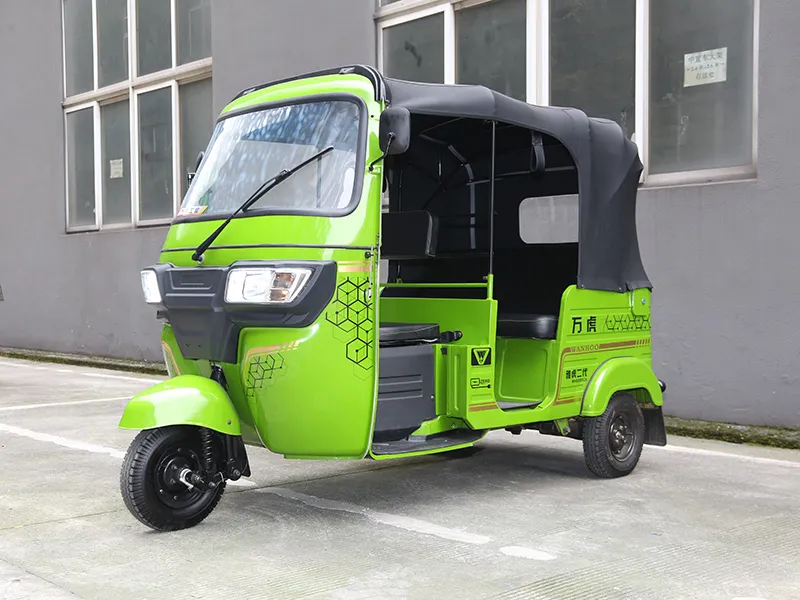
A three-wheeler in Southeast Asia is a compact motorized vehicle with one front and two rear wheels, used as a passenger taxi or a light cargo hauler. It thrives in dense cities because it fits lanes cars cannot enter, costs little to buy and run, and starts earning fare or freight income immediately.
Indonesia tells a parallel story with its own icon. The bajaj, named after the Indian maker that first supplied them, ruled Jakarta’s streets for decades. According to The Jakarta Post, almost all 14,000 of the capital’s orange two-stroke bajaj were phased out and replaced by cleaner blue units running on natural gas, an early sign of the region’s emission-driven change.
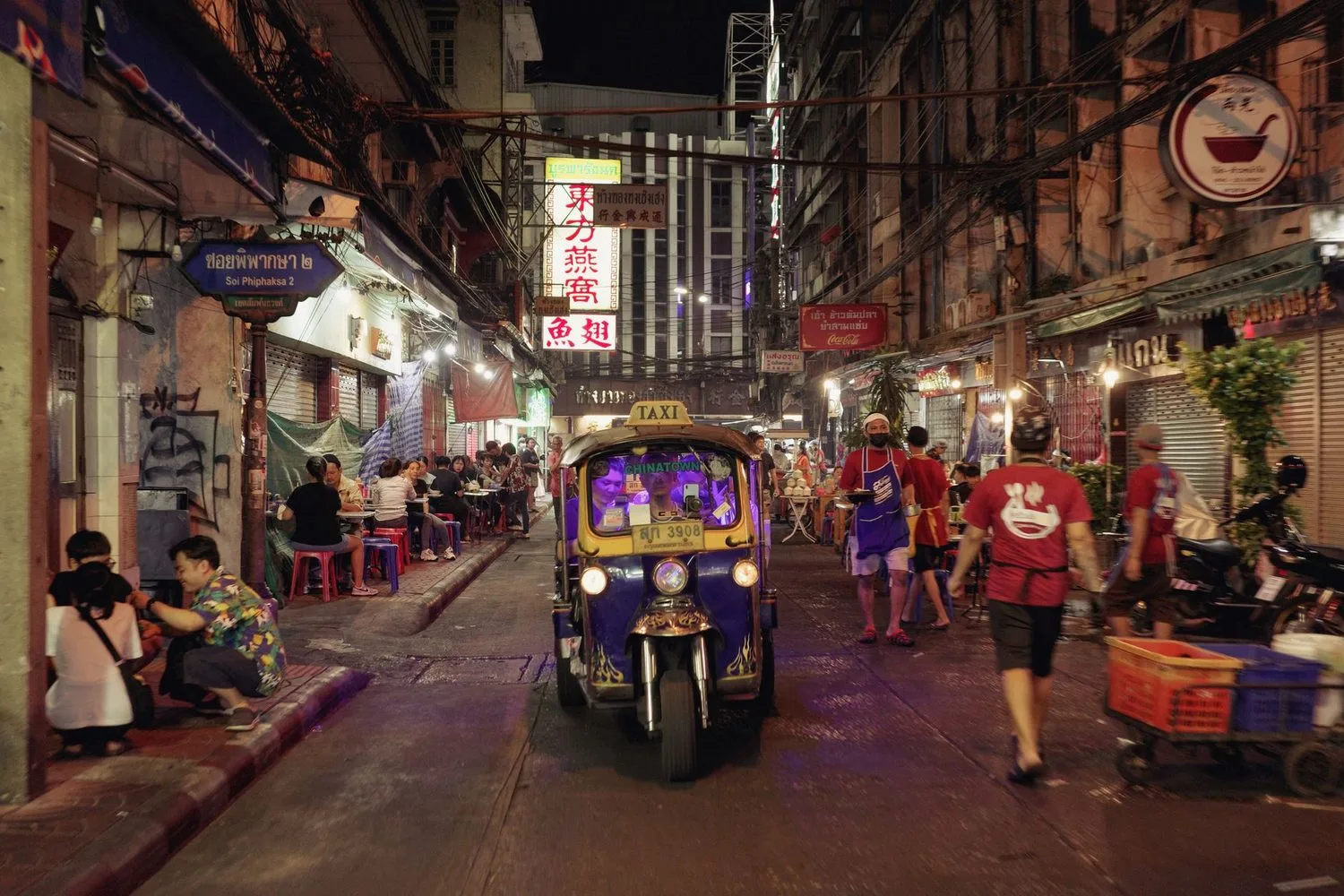
Further north, the tuk-tuk is a cultural symbol and a working vehicle at once. Thailand’s three-wheelers carry tourists and locals through Bangkok, while tuk-tuks in Cambodia and Myanmar handle short passenger hops and market runs. The pattern repeats across borders: high daily use, short routes, and an operator whose income depends on keeping running cost low.
Passenger Transport or Last-Mile Cargo: How Is the Market Split?
Every Southeast Asian three-wheeler earns in one of two ways, and that split shapes what importers should stock. Passenger models carry three to four fare-paying riders on urban taxi routes. Cargo models haul goods for shops, farms, and delivery firms on the final leg, where a truck is simply too big and too costly to justify.
Last-mile cargo in Southeast Asia refers to the final short leg of delivery, moving goods from a market, warehouse, or depot to shops and homes along dense city streets. A cargo three-wheeler suits this leg because it carries several hundred kilograms, parks almost anywhere, and runs on far less fuel than a pickup truck.
Passenger demand rises with tourism and city commuting, while cargo demand tracks e-commerce growth and urban logistics. Many operators want both at once. A vehicle that carries passengers by day and light freight by evening lifts utilization, and utilization, not sticker price, is what turns a three-wheeler into a genuinely profitable asset over its working life.
What Is Driving Southeast Asia’s Electric Three-Wheeler Shift?
Two forces push the region toward electric power: city emission rules and the cost of fuel. Governments across Southeast Asia are tightening urban-air policy, and operators watching pump prices are the first to switch. Thailand shows the arc clearly. According to CleanTechnica, its tuk-tuks moved from two-stroke engines in the 1960s to LPG in the 1990s and now to electric drivetrains.
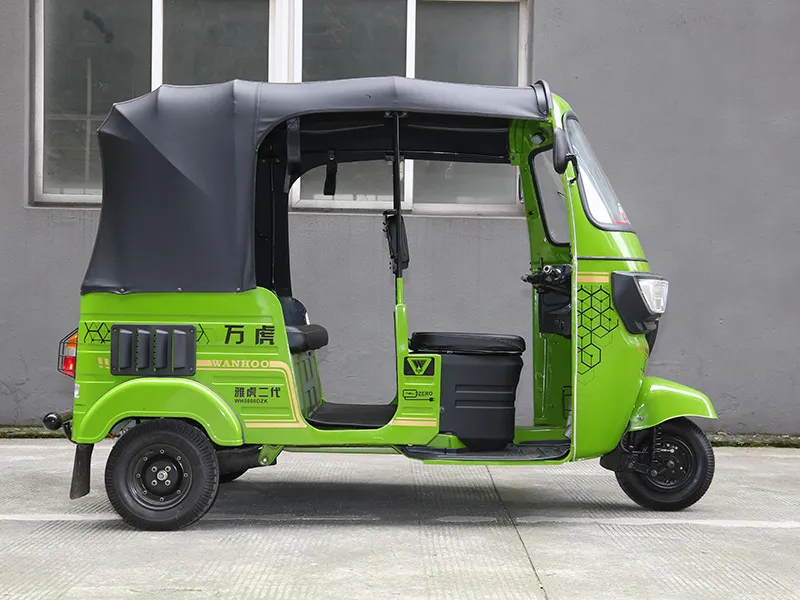
An electric tuk tuk in Asia is a battery-powered three-wheeler that replaces a petrol or LPG engine with an electric motor and rechargeable pack. It cuts running cost because electricity per kilometer is cheaper than fuel, removes tailpipe emissions, and runs quietly, which suits the dense urban routes where these vehicles spend most of their day.
Investment is now following policy. According to CleanTechnica, the Asian Development Bank and BANPU signed a 2.4 billion baht loan to finance 1,500 six-seater electric tuk-tuks and their charging infrastructure, while the ride-share operator MuvMi already runs over 600 electric tuk-tuks across 12 Bangkok neighborhoods.
The Philippines pushes three-wheeler electrification through public programs rather than the private fleets seen in Thailand. According to Reporting ASEAN, some 91 cities and local governments have acquired e-trikes, though of the 43,441 small electric vehicles registered in 2024, almost all were two-wheelers. The tricycle switch is real but still early, which is exactly the window importers plan around.
Which Specs Actually Suit Southeast Asian Conditions?
Heat, humidity, monsoon rain, and stop-start city traffic set the engineering brief for Southeast Asia. Constant high temperatures stress cooling systems, coastal salt air corrodes bare steel, and dense routes mean thousands of low-speed starts every day. A vehicle built for temperate roads will not survive the duty cycle that a Manila or Jakarta operator runs year-round.
A three-wheeler suited to Southeast Asia needs corrosion protection against humid, salt-laden air, a cooling system that holds up in constant heat, and a compact wheelbase for tight urban turns. For electric models, a lithium iron phosphate battery matters, because LFP chemistry tolerates high ambient temperatures better and lasts more charge cycles than lead-acid.
Fuel efficiency ranks near the top of every buyer’s list, because energy is the operator’s single biggest running cost. Water-cooled engines handle sustained heavy loads and heat better on cargo routes, while air-cooled units keep passenger models simple and cheap to service. Strong ground clearance and durable suspension handle broken pavement and flooded lanes after heavy rain.
How Does Wanhoo Fit the Southeast Asia Three-Wheeler Market?
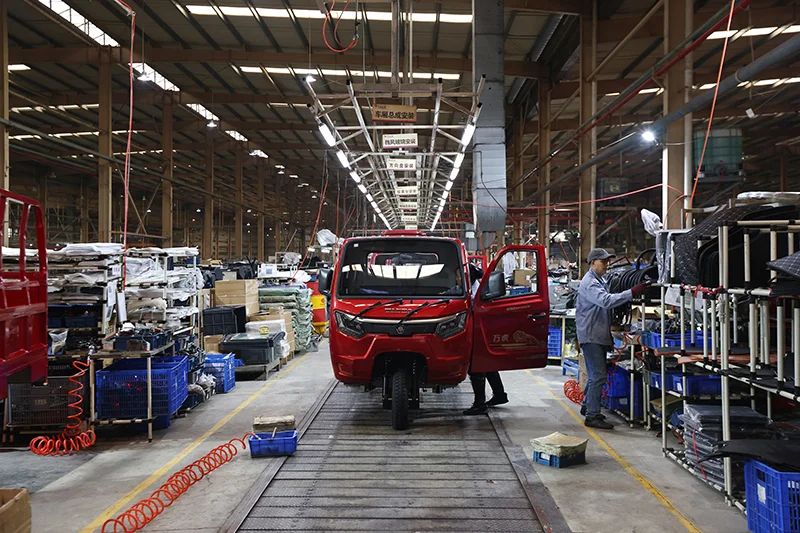
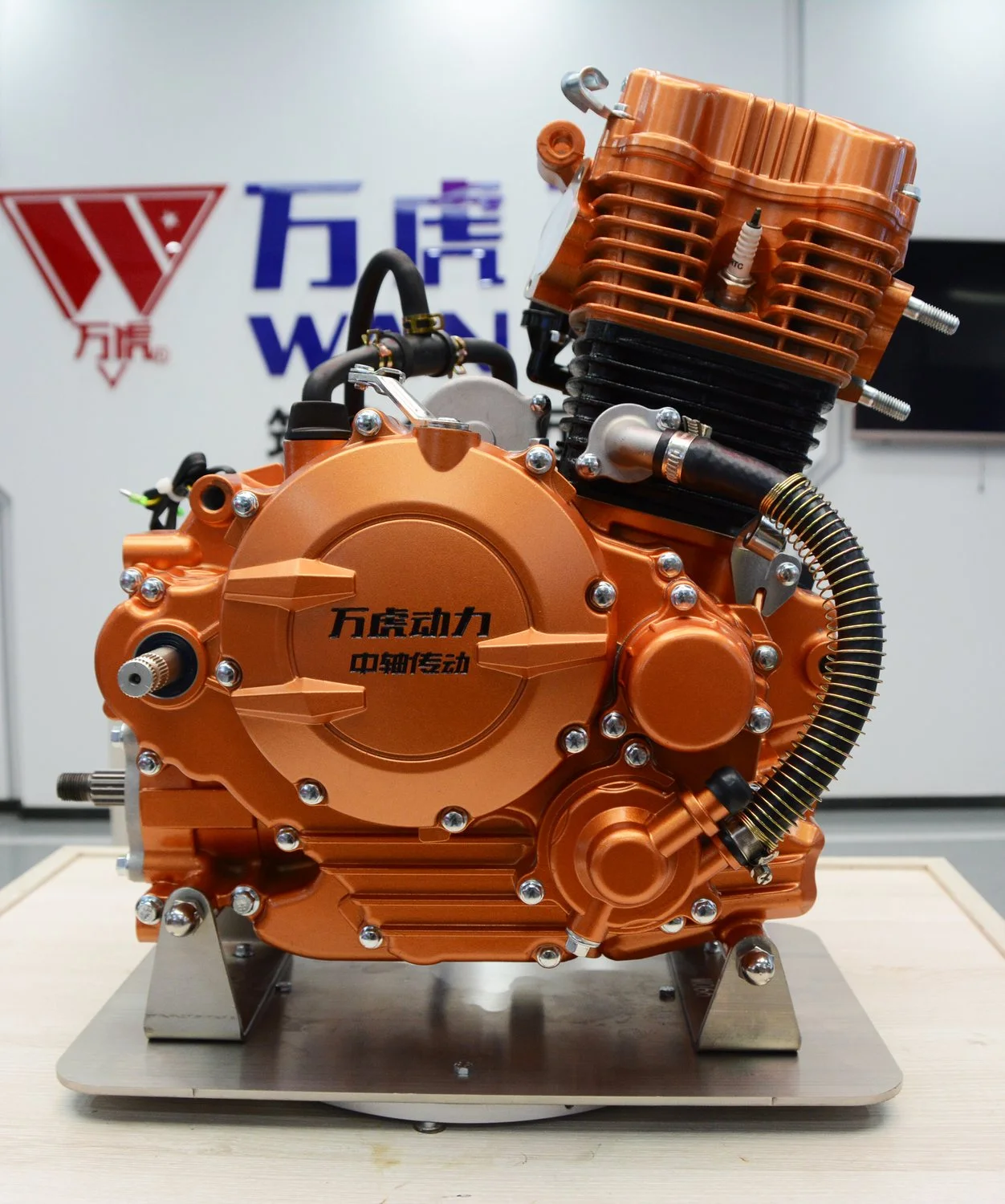
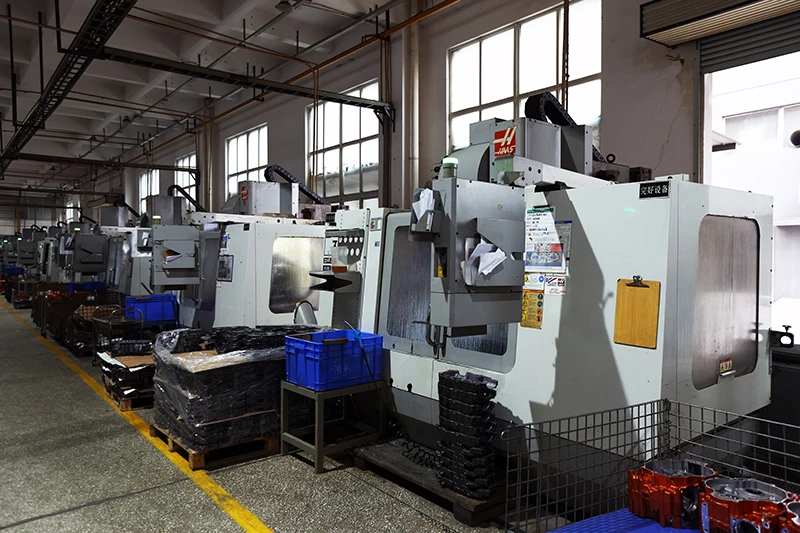
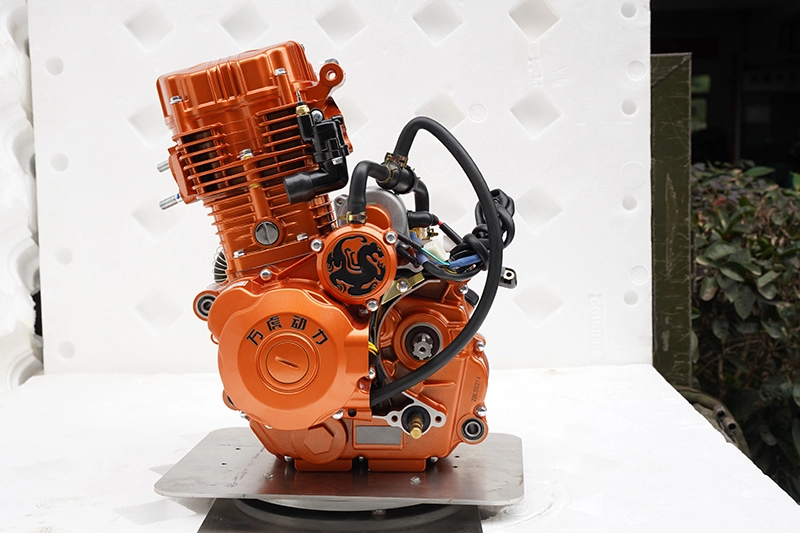
Wanhoo has built three-wheelers for close to 40 years and makes its own engines, a vertically integrated base that matters when parts supply and durability decide fleet profitability in hot, humid conditions. Its lineup lets a distributor cover both halves of the three wheeler Southeast Asia market and hedge across the gasoline-to-electric divide rather than bet on one path.
The table below maps common Southeast Asian use cases to the Wanhoo model that fits, a practical starting point for anyone sourcing for the three wheeler Southeast Asia market.
| Country / market | Primary use case | Best-fit Wanhoo model |
|---|---|---|
| Philippines | Urban tricycle taxi, passenger plus light cargo | YAHOO 200cc |
| Philippines / Thailand | Electric passenger fleet on city routes | YAHOO-II-Electric |
| Thailand / Cambodia | High-capacity electric shuttle, tourist transit | King-Tiger-Electric |
| Indonesia | Last-mile urban cargo, market runs | HANHOO 200cc / K3 |
| Vietnam / regional | Heavy last-mile freight, distribution | KINGTIGER 250cc |
| Rural Southeast Asia | Entry cargo on a tight budget | Q1 150cc |
The Wanhoo YAHOO 200cc is the natural entry point for passenger operators, and its differentiator is dual purpose. It seats three to four adults, runs a fuel-efficient 200cc air-cooled engine, reaches 65 km/h, and ships FOB from $1,640. An operator carries fares by day and reconfigures for light cargo when demand shifts, turning one asset into two income streams.
For fleets chasing the fuel savings behind the electric shift, the Wanhoo YAHOO-II-Electric answers directly, and its differentiator is running cost. It uses an LFP battery, delivers up to roughly 70% lower operating cost than gasoline, and covers 80 to 100 km per charge. It ships FOB from $1,670 without battery, so importers can pair it with a local battery or swap arrangement.
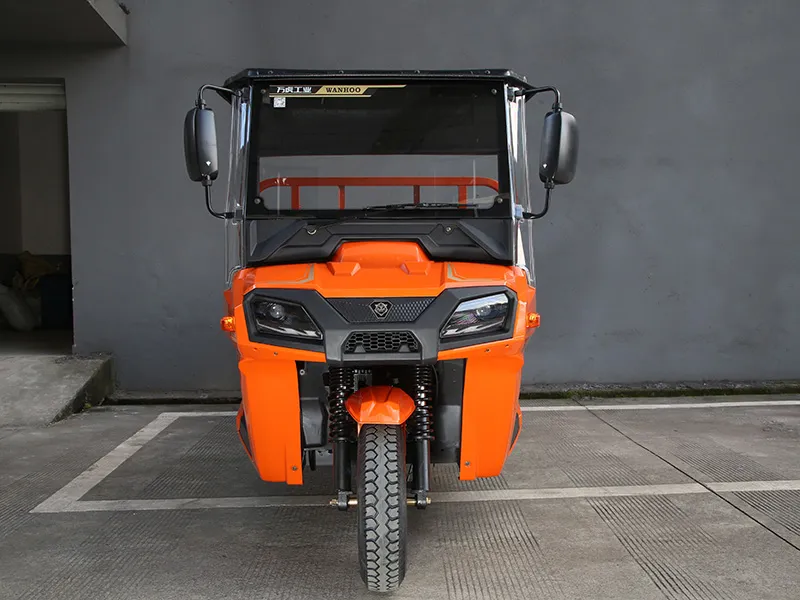
Where a route needs more seats, the Wanhoo King-Tiger-Electric scales the same clean-power logic up, and its differentiator is capacity. It seats nine passengers on a heavy-duty zero-emission platform, a fit for shuttle and higher-density transit work in cities tightening urban-air rules. It ships FOB from $1,560 without battery, matching the six-seat-and-up electric units already entering the region.
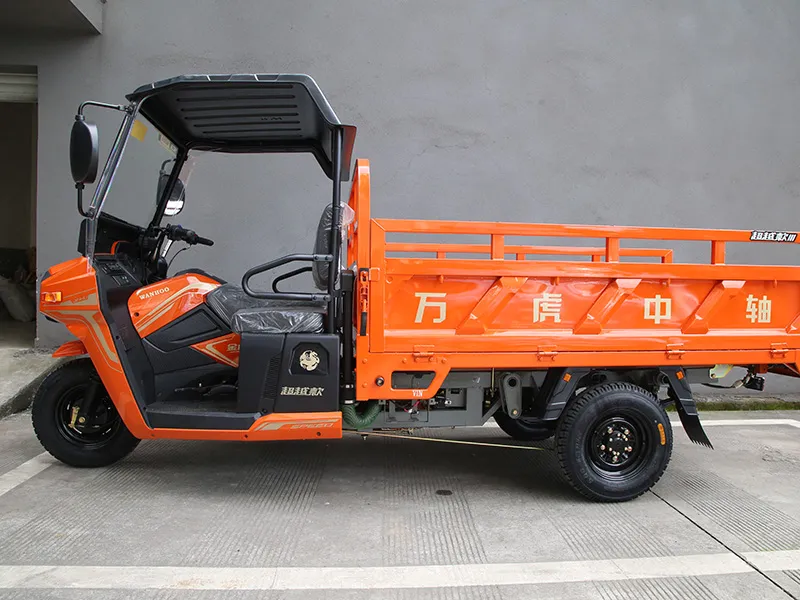
On the cargo side, the Wanhoo KINGTIGER handles heavy last-mile freight, and its differentiator is payload. It carries up to 1,800 KG on a water-cooled 250cc engine built for sustained loads and heat, shipping FOB from $1,450. For lighter budgets, the HANHOO, K3, and Q1 step the range down to smaller loads and lower entry prices without changing the durability story.
Wanhoo supplies both gasoline and electric three-wheelers, so a Southeast Asian importer can run fuel-based units where charging is thin and electric units on dense urban routes near power. This mixed-fleet option lets distributors match powertrain to each country’s roads and rules instead of forcing one choice across every market they serve.
Container loading runs 27 units per 40HQ for the YAHOO models, which keeps per-unit freight efficient on a shipment bound for Manila, Jakarta, or Bangkok. The full range sits across Wanhoo’s passenger tricycles, electric three-wheelers, and cargo tricycles, letting one supplier cover a mixed order.
What Should an Importer Plan For in 2026?
Start with the route, not the vehicle. Map where the fleet will run, how many kilometers a day, and how close charging sits to those routes. That single analysis sets the gasoline-to-electric split before a quote is requested, and it stops a buyer from ordering electric units for corridors that cannot yet charge them reliably.
A Southeast Asian three-wheeler importer should confirm each destination country’s homologation and import rules, model landed cost per unit against daily fare or freight income, and secure a spare-parts and battery-supply plan before scaling. Starting with a trial order of ten to twenty units tests route economics and after-sales support before committing to a full fleet.
Rules differ sharply by country, so treat compliance as a per-market task. The Philippines is tightening where light EVs may operate, with authorities restricting them on major Metro Manila thoroughfares, while Thailand and Indonesia run their own registration and emission regimes. Confirm the local standard for each destination before you lock a fleet specification and place volume.
Plan the after-sales chain early, because spare-parts access, not the lowest quote, keeps a three-wheeler earning. Confirm the supplier can ship wear parts and support local mechanics, and for electric units, lock a battery-supply route that survives the region’s heat. A trial order and container-efficient loading turn a first import into a repeatable pipeline.
Frequently Asked Questions
**How big is the three-wheeler market in Southeast Asia?**
Southeast Asia runs on three-wheelers, from Philippine tricycles to Indonesian bajaj and Thai tuk-tuks. Exact regional counts vary by source, but single cities show the scale. Jakarta once ran about 14,000 bajaj per The Jakarta Post, and the Philippines counts millions of tricycles among its 14.3 million registered vehicles.
Which countries use three-wheelers most in Southeast Asia?
The Philippines leads on passenger tricycles, Indonesia on the bajaj, and Thailand and Cambodia on the tuk-tuk. Myanmar and Vietnam add further cargo and passenger demand. Each market names the vehicle differently but relies on it for the short urban trips and last-mile freight that cars and buses cannot serve well.
Is Southeast Asia switching to electric three-wheelers?
Yes, driven by city emission rules and fuel cost. Thailand’s tuk-tuks moved from two-stroke to LPG to electric, and per CleanTechnica, the operator MuvMi runs over 600 electric tuk-tuks in Bangkok. The Philippines pushes e-trikes through public programs, though gasoline still dominates the working fleet in 2026.
What three-wheeler specs suit Southeast Asian conditions?
Prioritize corrosion protection for humid, salty air, a cooling system that holds up in constant heat, and a compact wheelbase for tight lanes. For electric models, choose an LFP battery, which tolerates high temperatures and lasts more charge cycles than lead-acid, and confirm strong ground clearance for flooded routes.
Which Wanhoo model fits Southeast Asia best?
The YAHOO 200cc suits passenger and light-cargo taxi work, the YAHOO-II-Electric fits urban fleets chasing fuel savings, and the King-Tiger-Electric serves nine-seat shuttle routes. For last-mile cargo, the KINGTIGER carries up to 1,800 KG, with the HANHOO, K3, and Q1 covering lighter loads and tighter budgets.
What should I plan for when importing three-wheelers to Southeast Asia?
Confirm each country’s homologation and import rules, model landed cost against daily earning potential, and secure spare-parts and battery supply. Start with a trial order of ten to twenty units to test route economics and after-sales support. Match gasoline or electric to each route’s real charging access.
Ready to source for the three-wheeler market in Southeast Asia? Explore Wanhoo’s passenger tricycles and electric three-wheelers, compare the numbers in our complete guide to electric three-wheelers in 2026, and see the heavy-cargo range in our cargo tricycles. Contact us for the latest FOB quote and a container-loading plan for your first order to Manila, Jakarta, or Bangkok.