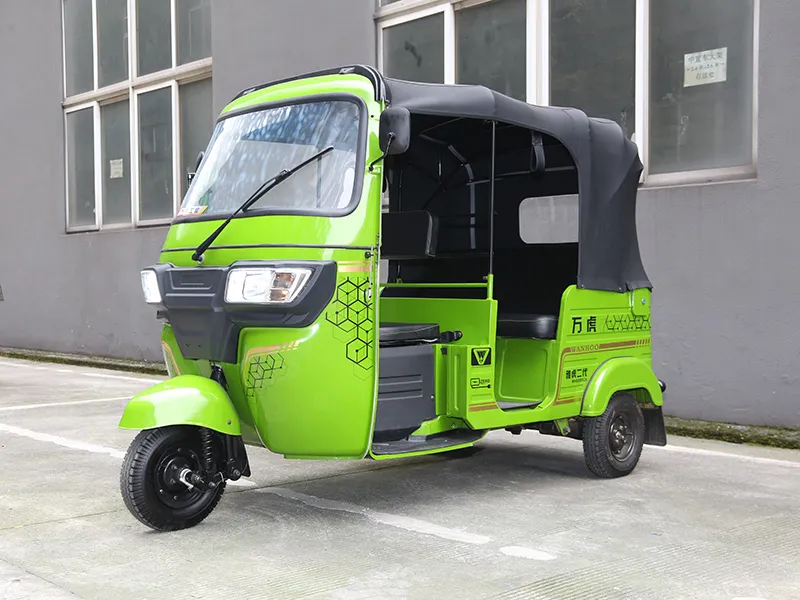
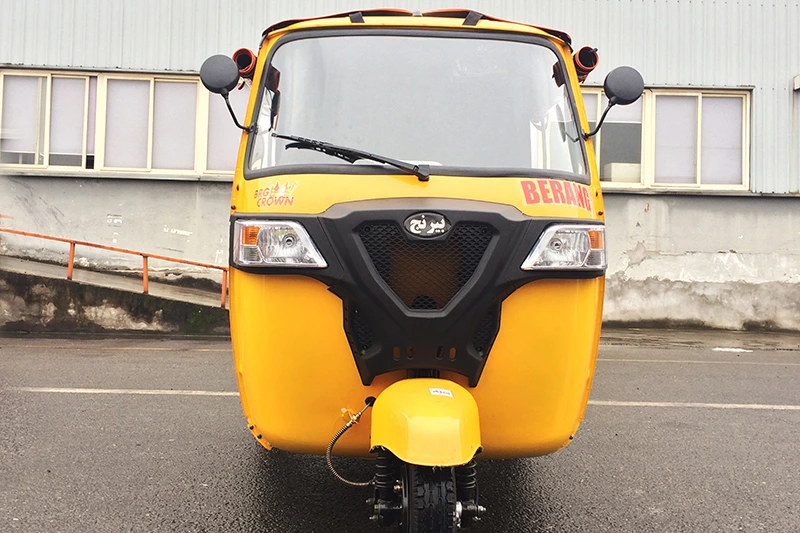
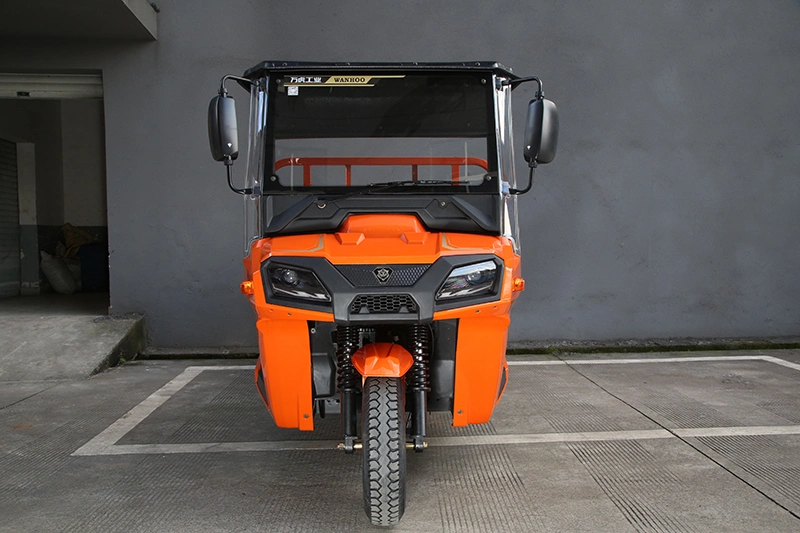
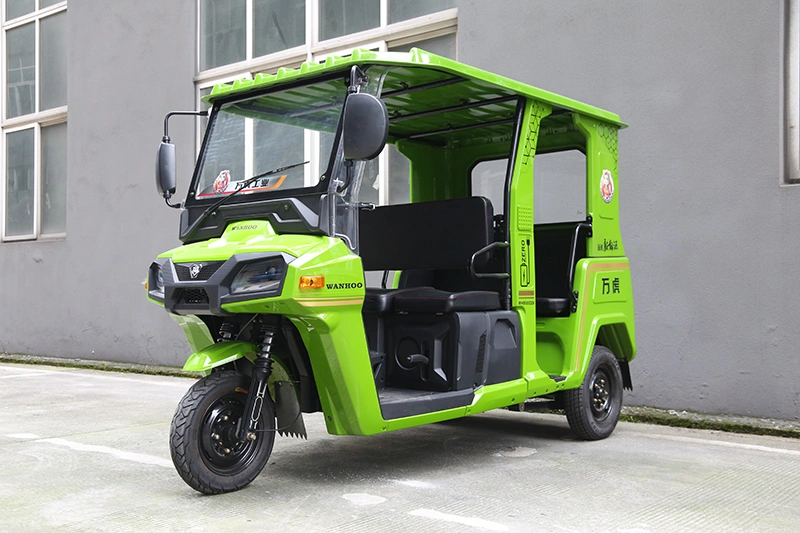
The bajaj three wheel car has a factory-direct equivalent in the Wanhoo YAHOO 200cc passenger tricycle: 3 to 4 passengers, 65 km/h, hydraulic drum brakes, from $1,640 FOB.
Every fleet operator in Lagos, Nairobi, or Manila knows the shape of a Bajaj RE before it turns the corner. It is the reference passenger three-wheeler across much of Africa and South Asia, and for good reason. So when a buyer starts sourcing a second brand or a lower-cost line, the first question is always the same: what actually compares to it, and where do the trade-offs land?
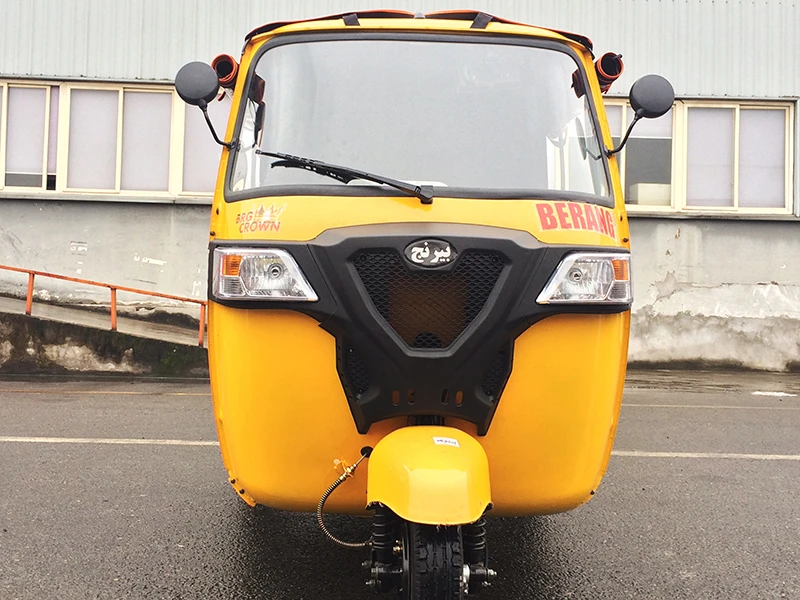
This comparison puts the Wanhoo YAHOO 200cc side by side with the verified Bajaj RE reference spec. The goal is a fair read, not a takedown. Bajaj is a giant with a service network few can match. Wanhoo competes on a different axis: factory-direct pricing, low MOQ, customization, and a ready electric option. Knowing which axis matters to your route is how you buy well.
What Is the Bajaj RE and Why Is It the Benchmark?
The Bajaj RE is a compact three-wheeled passenger vehicle built by Bajaj Auto, one of India's largest two- and three-wheeler makers. It seats a driver plus passengers on a rear bench, runs on petrol, CNG, LPG, or diesel depending on the variant, and has become the default "auto rickshaw" in dozens of import markets. Buyers trust it because parts and mechanics are everywhere.
A three-wheeled passenger tricycle, often called a tuk tuk or auto rickshaw, is a lightweight vehicle that seats a driver plus three to four passengers and serves short-distance urban taxi routes. It trades top speed for low running cost, tight turning, and affordable maintenance. That formula is why the category exists at all, and why the Bajaj RE defined it.
According to Bajaj Auto's official specifications, the RE petrol and CNG variants use a 236.2 cc engine, seat four persons including the driver, carry an 8-litre fuel tank, and use hydraulic drum brakes. Those are the reference numbers this article compares against, taken straight from the manufacturer rather than a reseller listing.
The demand behind the benchmark is real and growing. According to Straits Research, the global three-wheeler market was valued at USD 10.21 billion in 2024 and is projected to reach USD 25.03 billion by 2033, a compound annual growth rate of 10.48 percent. A market that large rewards buyers who compare more than one supplier.
How Does the Wanhoo YAHOO 200cc Match the Bajaj RE on Paper?
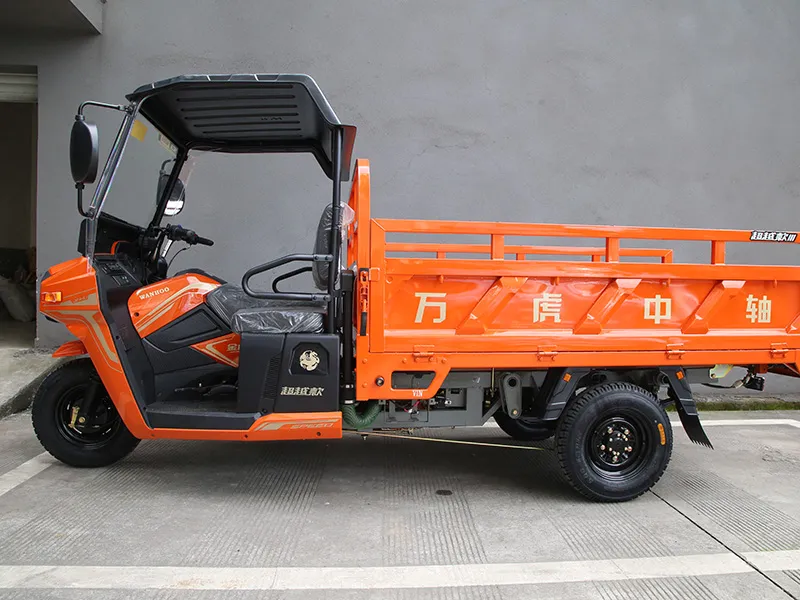
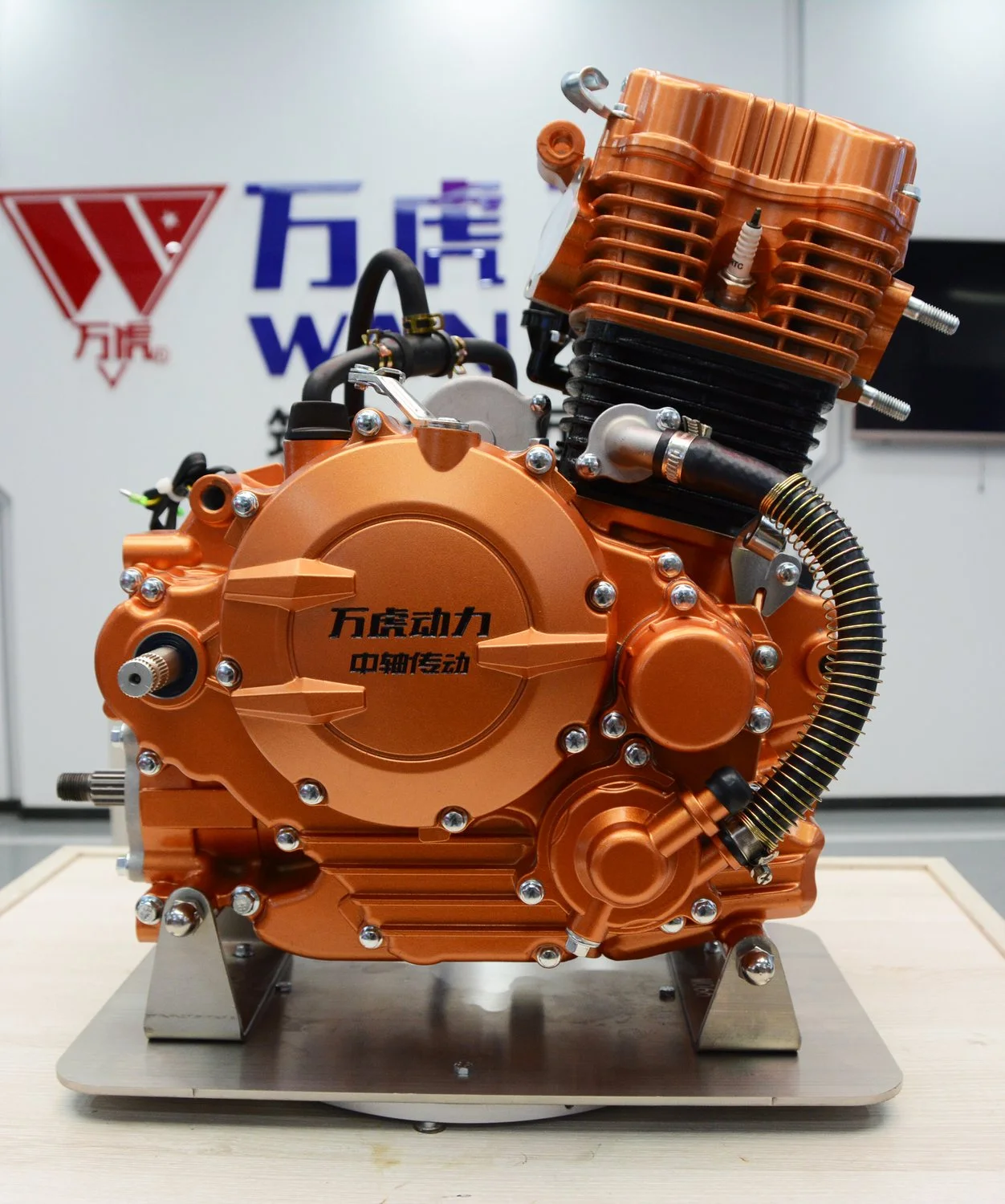
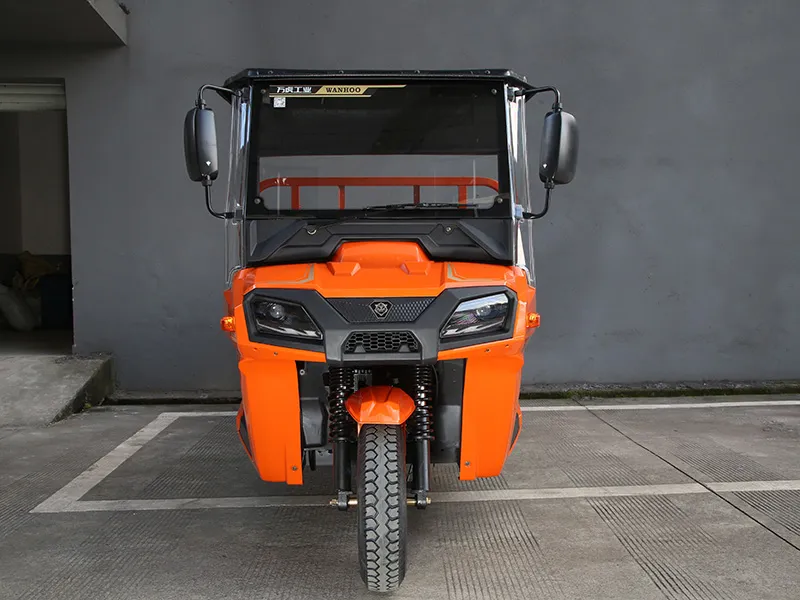
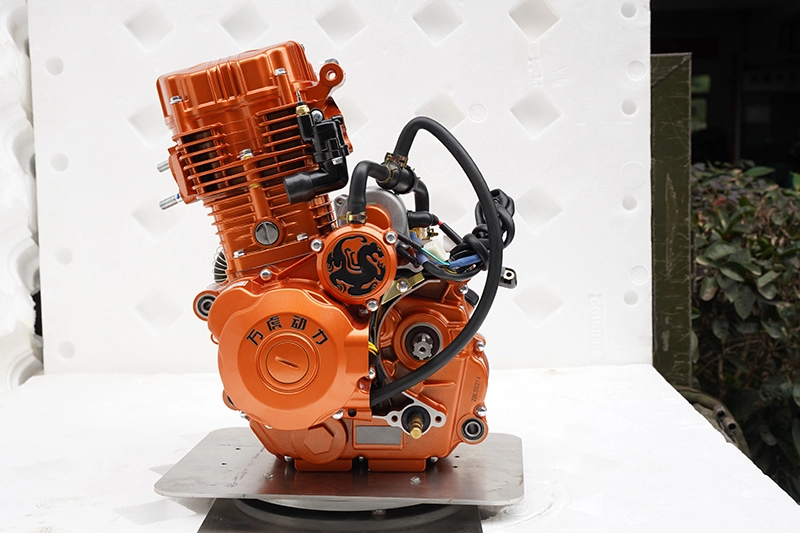
The Wanhoo YAHOO is a 200cc passenger tricycle built for the same job: urban and semi-urban taxi work with room for 3 to 4 adults. It runs a single-cylinder, air-cooled, four-stroke engine producing 6.5 kW at 5000 rpm, reaches a top speed of 65 km/h, and stops on front and rear hydraulic drum brakes. On the core passenger-tuk-tuk metrics, it lands in the same class as the Bajaj RE reference spec.
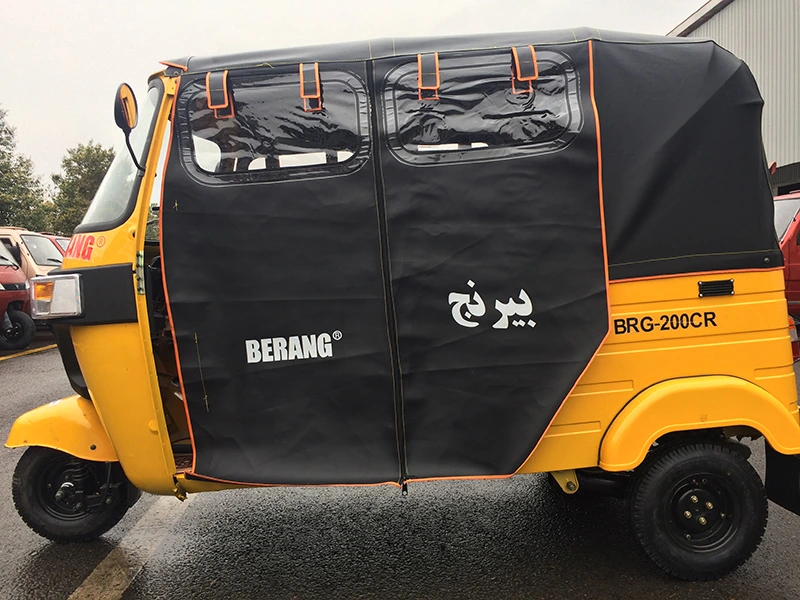
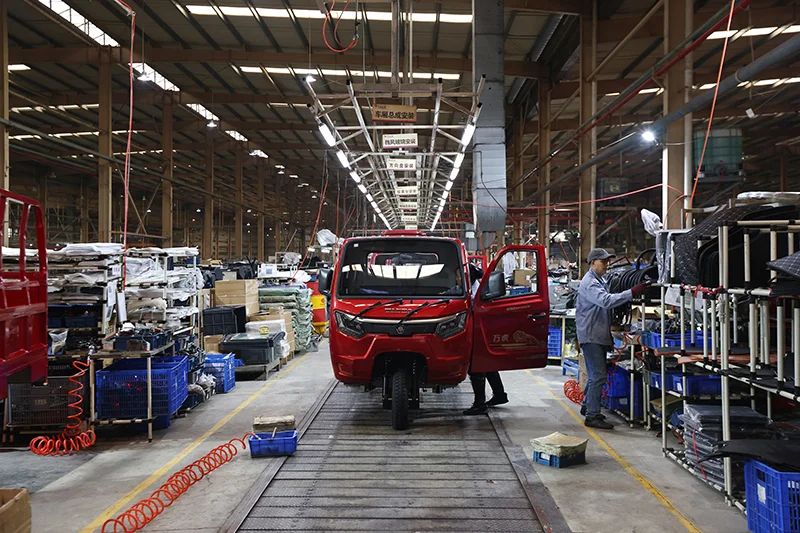
The Wanhoo YAHOO 200cc passenger tricycle seats 3 to 4 adults, reaches 65 km/h, and stops on front and rear hydraulic drum brakes. Its steel frame carries an electrophoretic (ED) anti-corrosion coating, and container loading runs 27 SKD units per 40HQ from Chongqing. That ED coating matters most in coastal and high-humidity routes where salt spray eats cheaper frames.
Here is where the two lines differ in engineering intent. Wanhoo builds the YAHOO as a dual-purpose machine. It carries passengers by day and can be reconfigured for light cargo, which raises daily utilization for owner-operators who run one asset hard. The RE line, by contrast, splits passenger and cargo into separate model families. Neither approach is wrong, but the flexibility changes the math for a single-vehicle business.
Wanhoo + YAHOO + dual-purpose configuration is the first differentiator worth naming plainly. A tuk tuk that earns fares during peak hours and hauls deliveries in the off-peak is one vehicle doing two jobs, and that is a direct answer to the low-utilization problem many single-purpose imports create.
YAHOO vs Bajaj RE: A Side-by-Side Spec Comparison
For buyers weighing a bajaj three wheel car against a factory-direct alternative, the table below lines up the verified numbers. Wanhoo YAHOO figures come from the factory data sheet; Bajaj RE figures come from Bajaj Auto's published specification for the petrol and CNG variants.
| Specification | Wanhoo YAHOO 200cc | Bajaj RE (petrol/CNG reference) |
|---|---|---|
| Engine displacement | 200cc, single-cylinder, air-cooled, 4-stroke | 236.2cc |
| Max power | 6.5 kW @ 5000 rpm | 7.6 kW @ 4500 rpm (petrol) |
| Passenger capacity | 3 to 4 adults | 4 persons incl. driver |
| Top speed | 65 km/h | Not published by manufacturer |
| Brakes | Front & rear hydraulic drum | Hydraulic drum |
| Fuel tank | 8.3 L | 8 L |
| Frame protection | Steel + ED anti-corrosion coating | Steel |
| Dual-purpose (passenger + cargo) | Yes, reconfigurable | Separate passenger/cargo model lines |
| Electric option | Yes, YAHOO-II-Electric | Separate RE EV lineup |
| Indicative price | From $1,640 FOB Chongqing | Varies by market/dealer |
| MOQ | As low as 10 units | Dealer/distributor terms |
On the reference numbers, the Bajaj RE runs a larger 236.2cc engine (about 7.6 kW petrol) while the Wanhoo YAHOO uses a 200cc unit at 6.5 kW. Both seat three to four passengers, top out around 65 km/h in class, use hydraulic drum brakes, and carry roughly an 8-litre tank. The RE holds a modest power edge; the YAHOO answers with price, MOQ, and configuration.
Read the table honestly. The Bajaj RE has the larger engine and slightly more power, which can help on gradients or with a full load. The YAHOO closes the gap on braking, tank size, and passenger count while adding an anti-corrosion frame and a lower entry price. For most flat urban taxi routes, the driver never feels the 36cc difference. For hilly terrain, it is worth a test.
What Does Bajaj Do Better, and Where Does Wanhoo Win?
Fair sourcing starts by admitting what the incumbent does well. Bajaj Auto has decades of brand equity and a dealer and spare-parts network that reaches deep into rural markets. A broken RE in a mid-sized African town can often be back on the road the same day because the mechanic knows the engine and the parts are on the shelf. That reliability of support is a genuine asset, and it has real resale value too.
Bajaj's strongest advantages are brand recognition and an established service and spare-parts network across Africa and South Asia. For a first-time single-vehicle owner with no supplier relationship, that local support can outweigh a lower purchase price, because downtime waiting for parts costs more than the parts themselves. This is the honest case for staying with the incumbent.
Wanhoo competes where scale buyers feel the squeeze. Wanhoo + YAHOO + factory-direct pricing removes the layers of distributor markup that sit between an import brand and the buyer, which is why the YAHOO lists from $1,640 FOB. For a fleet ordering 20 or 50 units, that gap compounds fast across the whole purchase.
The second Wanhoo edge is order flexibility. Wanhoo + YAHOO + low MOQ means a trial order can start at just 10 units, letting a distributor test a market before committing capital. Add factory-level customization of color, seating, cargo box, and SKD packing for local assembly, and the buyer shapes the product to the route rather than accepting a fixed catalog. According to ResearchGate's study on tuk-tuk operations in Johannesburg, three-wheeler flexibility and low operating cost are exactly what drive adoption in new urban markets.
Should You Choose the Petrol YAHOO or the Electric Version?
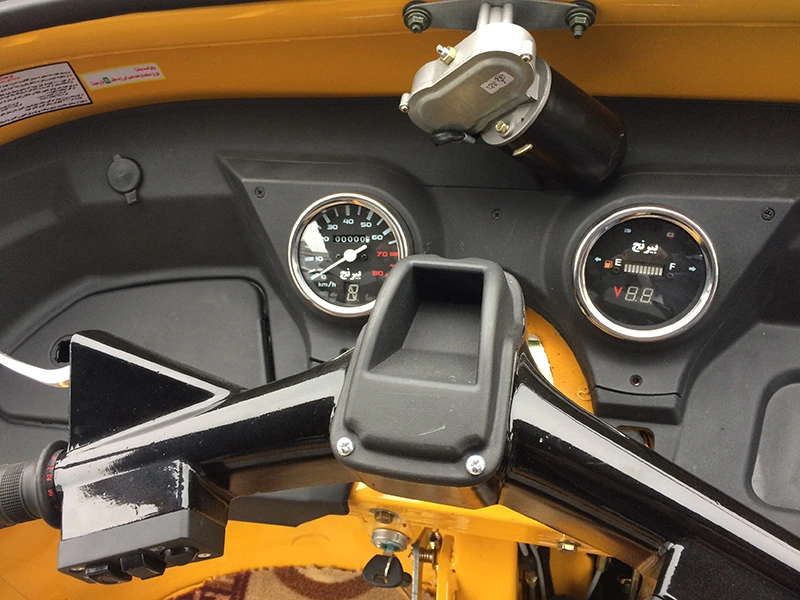
Fuel price is eating operator margins across every import market, so the electric question is no longer theoretical. Wanhoo answers it inside the same passenger line. The YAHOO-II-Electric runs a 72V 150AH LFP battery, delivers 80 to 100 km per charge, and cuts operating cost by roughly 70 percent versus gasoline. For city fleets facing emission rules or high pump prices, that changes the payback math entirely.
The Wanhoo YAHOO-II-Electric passenger tricycle uses a 72V 150AH lithium iron phosphate (LFP) battery, offers 80 to 100 km of range per charge, tops out at 60 km/h, and lowers running cost by about 70 percent compared with a gasoline tuk tuk. Charging takes 3.5 hours on a 50A charger. LFP chemistry is chosen for safety and long cycle life, which matters for a vehicle that charges daily.
The choice between petrol and electric is a route-by-route decision, not a slogan. Petrol still wins where charging is unreliable, distances are long, or grid access is thin. Electric wins where routes are short and predictable, electricity is cheaper than fuel, and cities are tightening emission policy. The advantage of sourcing both from one factory is that a distributor can offer customers whichever fits, without adding a second supplier relationship.
The market signal is clear. According to Towards Automotive, the global e-rickshaw market is set to reach USD 3.97 billion in 2025 at a 32.02 percent CAGR, far outpacing the petrol segment. Buyers who lock in a supplier with a working electric line today avoid scrambling for one when policy shifts.
How Should a Buyer Decide Between the Two?
Weigh four factors in order of what your business actually feels. First, spec parity: on flat urban taxi routes the YAHOO and RE are close enough that engine size rarely decides the outcome, though the RE's extra displacement helps on gradients. Second, total cost: factory-direct FOB pricing and low MOQ favor Wanhoo for volume orders, while an established local RE dealer may bundle financing.
Third, parts and support. This is where an honest buyer stress-tests both suppliers before signing. Ask the Bajaj dealer about lead times, and ask Wanhoo about spare-parts kits, SKD packing, and technical support for your specific market. A factory that ships a parts package with the first container removes much of the risk that makes buyers default to the incumbent brand.
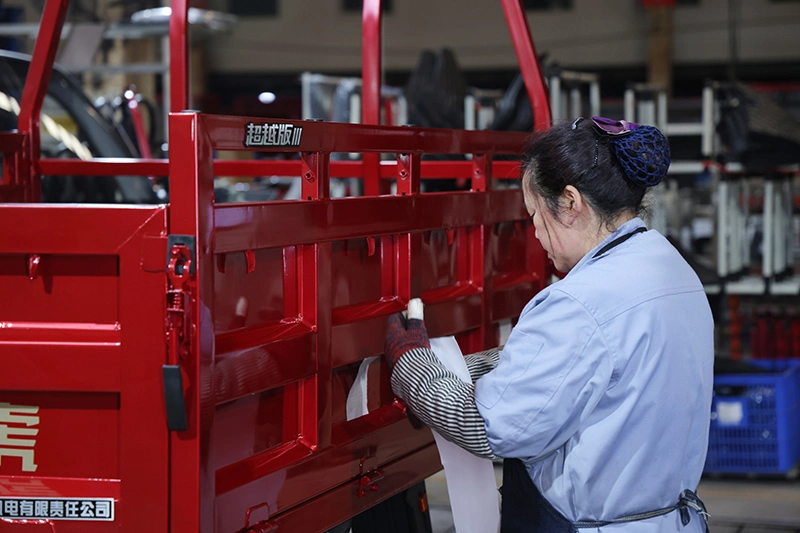
Fourth, weigh brand against cost with clear eyes. If you are placing a single unit into a market where Bajaj already dominates, the resale and service network may justify the premium. If you are a distributor building a fleet, seeking margin, or planning to offer an electric option, the case for a factory-direct partner like Wanhoo strengthens with every unit you add. Neither answer is universal, and any supplier who tells you otherwise is selling, not advising.
Start with a sample. A trial order of 10 YAHOO units lets you validate build quality, driver feedback, and after-sale response before you commit a fleet's worth of capital. Request a current FOB quote and the latest price list, since FOB pricing moves with materials and freight. Explore the full YAHOO 200cc spec sheet at /passenger-tricycles/yahoo-200cc-passenger-tricycle, read the broader tuk tuk, Bajaj, and keke passenger guide, or browse the complete passenger tricycle range.
Frequently Asked Questions
**Is the Wanhoo YAHOO a direct Bajaj RE equivalent?**
It is a comparable factory-direct alternative in the same passenger-tuk-tuk class. The YAHOO seats 3 to 4 passengers, tops out at 65 km/h, and uses hydraulic drum brakes, matching the RE’s core role. The RE runs a larger 236.2cc engine; the YAHOO competes on price, MOQ, and customization.
How much does the Wanhoo YAHOO cost compared with a Bajaj RE?
The YAHOO starts from $1,640 FOB Chongqing, with pricing that moves based on configuration, volume, and freight. Bajaj RE pricing varies by market and dealer. Because Wanhoo sells factory-direct, the savings grow with larger orders. Contact Wanhoo for a current FOB quote for your market.
What is the minimum order quantity for the YAHOO?
Wanhoo accepts trial orders as low as 10 units, so a distributor can test a market before committing to a full fleet. Larger orders unlock better per-unit pricing and SKD packing for local assembly, which reduces import duty in many countries.
Does Wanhoo offer an electric alternative to the petrol tuk tuk?
Yes. The YAHOO-II-Electric uses a 72V 150AH LFP battery, delivers 80 to 100 km of range, and cuts running cost by roughly 70 percent versus gasoline. Buyers can source both the petrol and electric passenger tricycles from the same factory.
Which is better for hilly or heavily loaded routes?
The Bajaj RE's larger 236.2cc engine gives it a modest power edge that can help on gradients or with a full load. On flat urban routes, the difference is minor. Request a test unit if your routes involve steep terrain before deciding.
Can the YAHOO carry cargo as well as passengers?
Yes. Unlike single-purpose imports, the YAHOO is a dual-purpose tricycle that can be reconfigured for light cargo. This lets an owner-operator run passenger fares during peak hours and haul deliveries off-peak, raising daily utilization and revenue from one vehicle.