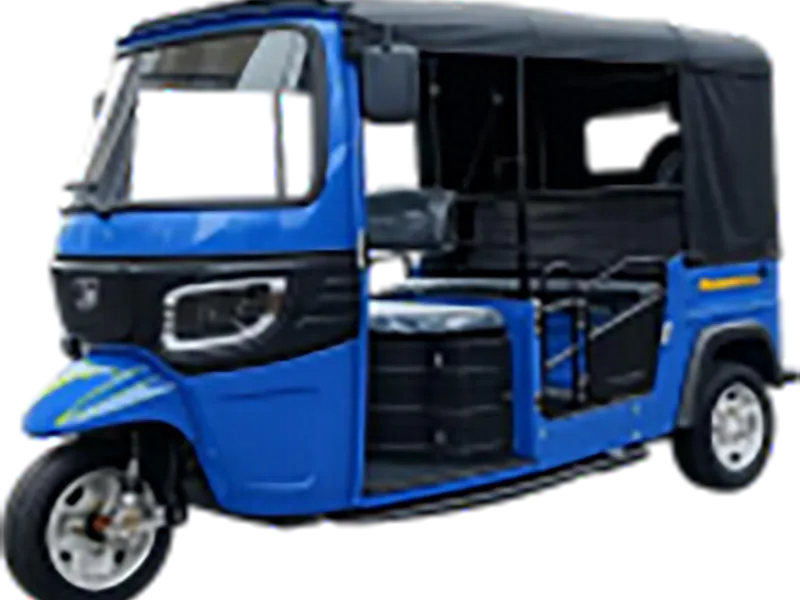
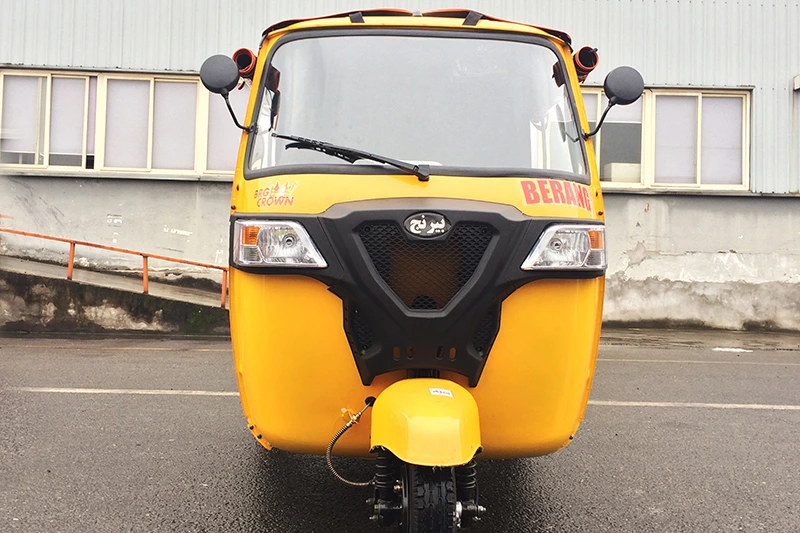
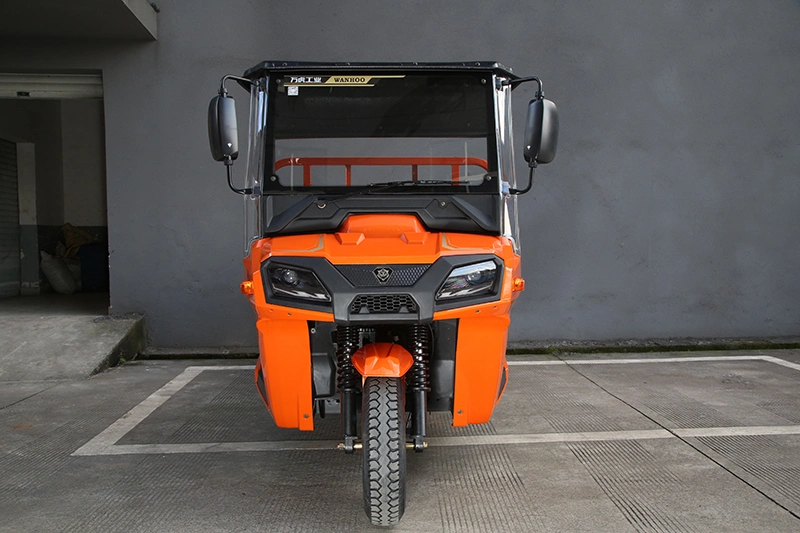
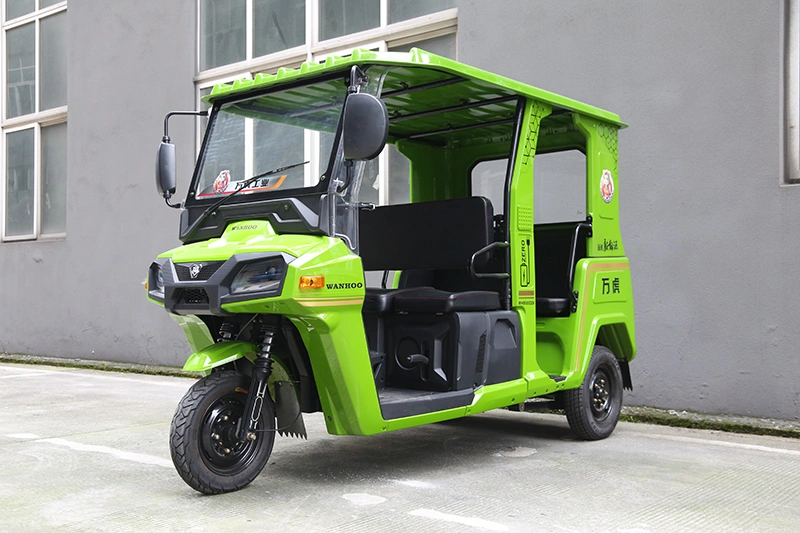
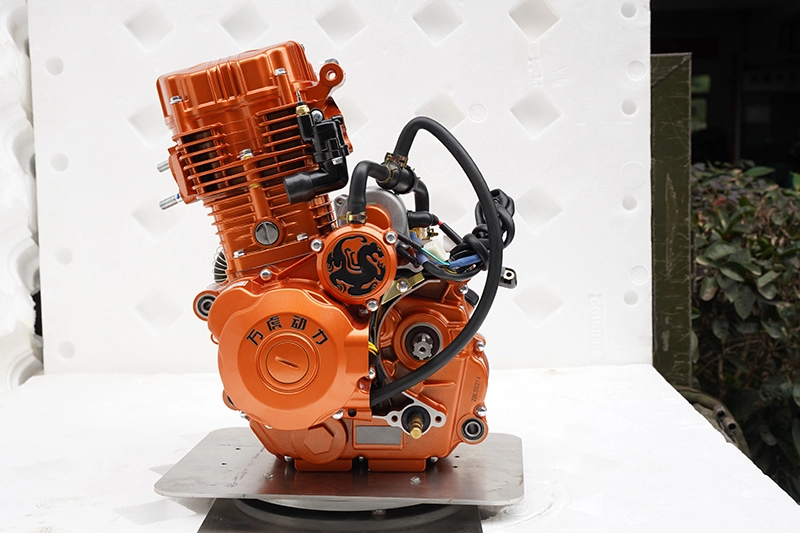
Owner modifications may reveal route needs, but every electrical or structural change requires the vehicle manufacturer’s written approval and work by a qualified technician, plus local roadworthiness and insurance clearance where applicable.
A raised cargo-side extension may suggest that an operator wants more volume, but observation alone cannot establish the load, reason, approval or safety of the change. Treat any modification as a question for the owner, vehicle record and manufacturer—not as proof of the duty cycle.
Working vehicles may be seen with roof racks, canopies, altered springs, seat padding, phone mounts or paintwork. Observation does not make those changes approved or safe. An accessory wired directly to the battery, or any change to the frame, suspension, body mounting or load space, needs engineering review before work begins.
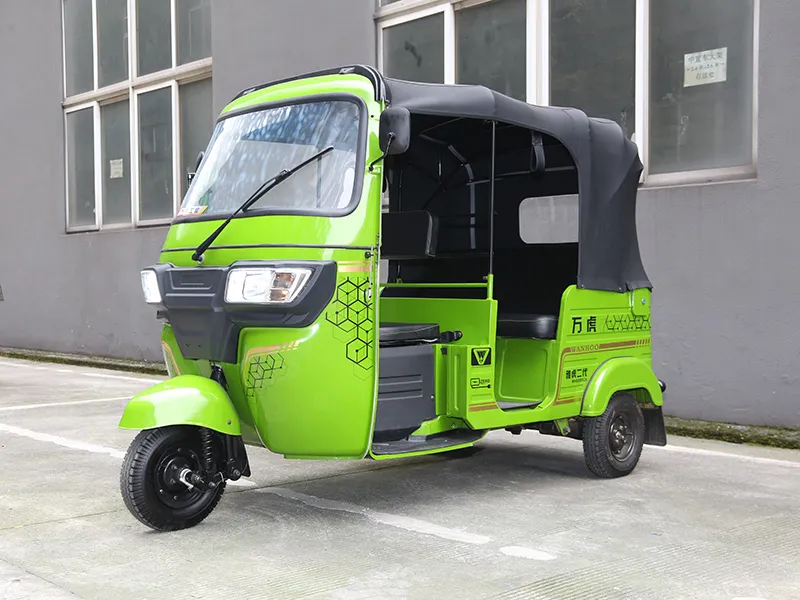
Raised sides, canopies, suspension changes, accessories and paintwork are examples of post-sale modifications observed on working vehicles. Their presence does not establish manufacturer approval, legal compliance, added payload or safe performance.

This can matter commercially because a three-wheeler may be an income-producing asset. The business purpose and outcome of a modification still have to be verified with the operator.
The load-carrying additions, and what they quietly enable
One visible structural change is a raised cargo side or tailgate extension. It may be intended for bulky loads, but intent does not establish compatibility. Do not drill, weld or bolt a structural addition to the vehicle unless the manufacturer approves the design, attachment points, dimensions and revised tare weight in writing and a qualified technician performs and documents the work.
The problem is that a taller wall does not know what you are putting in it.
Raised cargo sides do not increase rated payload. They change tare weight, dimensions, load restraint and possibly centre of gravity, so they require manufacturer approval, qualified installation and local roadworthiness review before use.
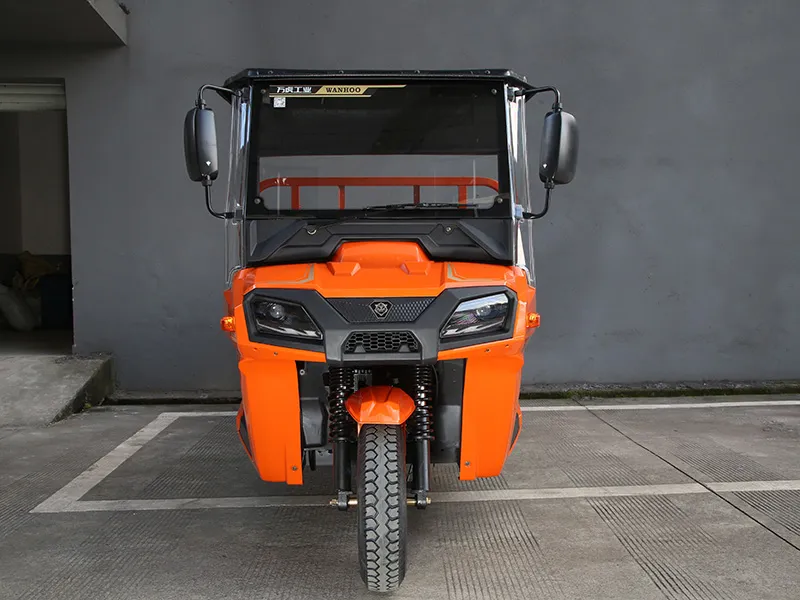
An altered leaf-spring pack does not increase rated payload. Suspension changes can affect handling, braking, frame loads, tyre loading and warranty, so they should not be specified or installed as a generic field upgrade.
A spring change affects a vehicle system, not just ride height. Only the manufacturer can approve a revised suspension specification for the model, and a qualified technician must install and inspect it. The original rated payload remains in force unless the manufacturer and local authority formally recertify it.
A roof rack can add mass high on the vehicle and change dimensions, wind loading, restraint and stability. Do not infer a safe load or speed from appearance; use only a manufacturer-approved configuration with its documented limits and any local certification.
Tyre specification and pressure affect vehicle safety, but this article does not rank tyre changes by frequency or provide a replacement specification. Use only the exact sizes, ratings, combinations and pressures approved for the model; a different tyre does not increase the vehicle's rated payload.
A hydraulic-tipper conversion changes the frame, subframe, hydraulics, electrical load, tare weight, stability and operating procedure. It is not a general retrofit. Use only a manufacturer-approved configuration installed and inspected by qualified professionals and certified under local rules.
Added equipment can increase tare weight and may reduce the remaining lawful load. Obtain the revised weight and capacity from the approved configuration and local certification rather than calculating it from appearance.
Weather, comfort and the eight-hour shift
Another cluster concerns weather and comfort: canopies, rain covers, visors, side curtains, seat padding, mudflaps and bed lining. Even these can affect visibility, occupant clearance, fire performance, drainage, dimensions or attachment loads.
None adds payload capacity. Use only accessories approved for the exact model and installed according to the manufacturer's instructions. Any canopy, body attachment, drilled mounting point or structural bracket needs written manufacturer approval and qualified installation; any liner must be compatible with the cargo and drainage plan.
The electrical additions nobody sizes
Electrical additions may include charging points, work lights, warning devices or entertainment equipment. Their purpose does not establish compatibility, available electrical capacity or legal use.
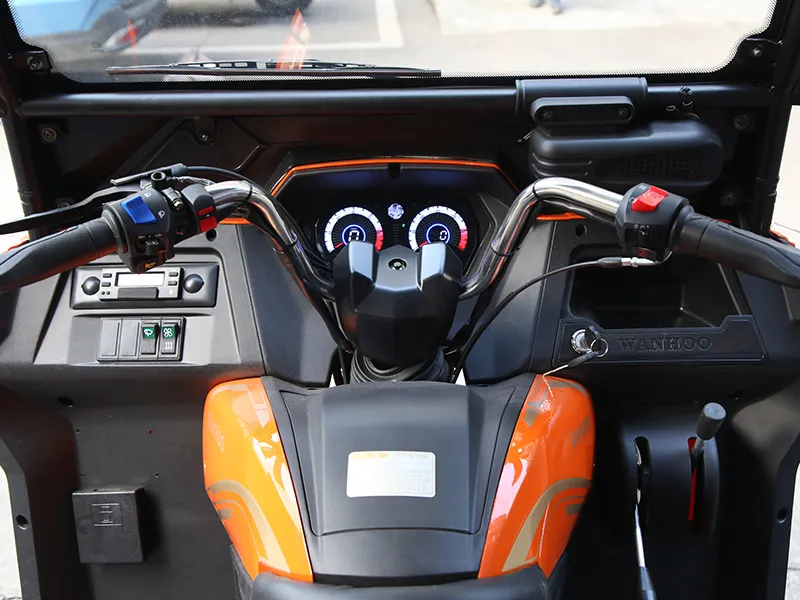
Electrical accessories can affect charging capacity, battery life, wiring temperature, lighting performance, electromagnetic compatibility and fire risk. There is no universal wire size, fuse value or connection method for all three-wheelers.
Do not splice into the harness or connect an accessory directly to the battery from a generic tutorial. Obtain the manufacturer's written approval and electrical data for the exact model, then have a qualified automotive electrician design, install, protect, document and test the circuit under local vehicle standards. If the manufacturer does not approve the load or connection point, do not install it.
Setting the modifications against their costs
The table is a risk-screening list, not an installation guide or safety approval. Every structural or electrical item remains subject to manufacturer approval, qualified work and local certification.
| Modification | Problem it solves | Hidden cost or risk |
|---|---|---|
| Raised cargo sides | May be intended for bulky freight | Changes tare weight, dimensions, restraint and possibly stability; rated payload does not increase |
| Extra leaf spring | May be intended to change suspension behaviour | Can affect handling, frame, axle, tyres and warranty; rated payload does not increase |
| Tyres | Replacement of worn or damaged tyres | Incompatible size, rating, combination or pressure can affect safety; use only the approved specification |
| Roof rack | May be intended to add cargo volume | Adds high mass and changes dimensions, restraint, wind loading and stability |
| Hydraulic tipper | May be intended to reduce manual unloading | Changes frame loads, hydraulics, electrical load, tare weight, stability and operating procedure |
| Canopy and rain cover | Weather exposure | Changes dimensions, visibility, wind loading and attachment loads; structural mounting requires manufacturer approval and qualified installation |
| Seat padding | Driver comfort | Can change posture, reach, restraint geometry or access to controls; use a model-compatible approved accessory |
| Bed lining | Deck corrosion from wet or sharp loads | Traps moisture underneath if it is fitted tight with no drainage |
| Extra lighting | Poor road lighting, night loading | Electrical load, glare, light colour and roadworthiness; needs manufacturer approval, qualified installation and legal alignment |
| Sound system | Driver preference | Electrical and distraction risks; needs manufacturer approval and qualified installation |
| Changed bumper | May be intended to reduce vehicle damage | Can change mass, dimensions, crash behaviour, pedestrian risk and frame loads; requires manufacturer and local approval |
| Phone mount and charger | Dispatch access | Mount must not obstruct controls or view; any powered connection needs manufacturer approval and qualified installation |
Two costs sit outside the table. The first is warranty: structural welding, drilling into frame members or changing the harness may affect a related claim. The second is roadworthiness and insurance. Before any electrical or structural change, obtain the manufacturer's written approval, the insurer or financier's required consent, qualified installation records and any inspection or recertification required locally.
According to the World Health Organization, more than half of all road traffic deaths are among vulnerable road users including pedestrians, cyclists and motorcyclists. Those figures cover all road traffic rather than three-wheelers or modifications specifically. They support a cautious road-safety review, not a numerical claim about how a particular accessory changes stopping distance.
Paint, names and lights: questions about recognition and identity
Paint, names, route numbers and decorative trim may have commercial, group or personal meanings. The meaning should be established through local interviews rather than inferred from appearance.
According to the International Labour Organization, over 60 per cent of the world's workforce and 80 per cent of enterprises operate in the informal economy. That global statistic does not show whether a specific operator has a marketing budget, listing or repeat-customer strategy.
Painted names, slogans or route numbers may help local recognition, but their commercial effect and repair priority should be tested through operator and customer interviews. Decoration does not establish maintenance quality or manufacturer affiliation.

Customers may notice appearance, but paint is not evidence that brakes, maintenance or cargo protection meet a standard. Ask customers which visible cues influence choice and compare those answers with inspection records.
Shared markings may identify a route, fleet, rank or association in some markets. Confirm the responsible organisation, permission to use the marking and any local rules; do not infer accountability from livery alone.
Decorative choices may also be personal. They do not prove how long the owner expects to keep the vehicle or how the asset is financed.
What all of it tells a manufacturer
Repeated modifications can generate product-research questions, but they are not a validated specification review on their own.
If the same modification appears repeatedly in one duty cycle, investigate its frequency, purpose, safety, approval status and user outcome. Only measured field research and engineering validation can show whether a factory option or specification change is justified.
Repetition is a signal to investigate, not proof of a design defect. Interview operators, inspect approved and unapproved changes, record the duty cycle and test any proposed response under the manufacturer's engineering process.
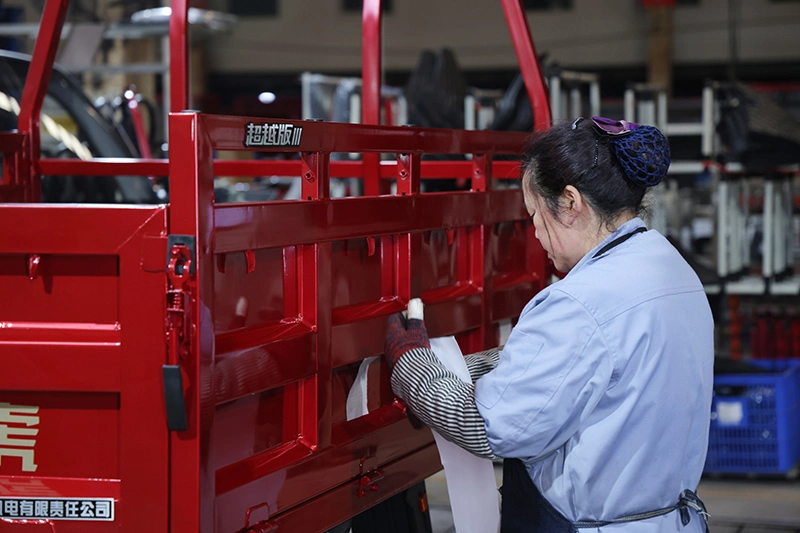
Some observations may inform a future factory option: engineered canopy mounting points, an approved accessory interface, tested seat foam, a cargo-compatible factory liner or clear load markings. Only the manufacturer can validate those changes for production. Wanhoo manufactures in Chongqing and was founded in 1986; that manufacturing context does not approve a field modification automatically.
Personal livery can remain part of local ownership and identity, subject to rules for identifiers, lights, reflectors, windows and safety labels. It should not be treated as evidence of a manufacturer-approved modification.
Frequently Asked Questions
**Do three-wheeler modifications void the warranty?**
The specific warranty and local law control the answer. Before any electrical or structural change, obtain the manufacturer's written approval and have a qualified technician perform and document it. Even a bolt-on accessory should be confirmed compatible with the exact model; do not assume it is irrelevant to a later claim.
Are raised cargo sides illegal?
Rules for dimensions, body changes, load projection, lights and mirrors vary by jurisdiction. Raised sides also change tare weight, restraint and possibly stability. Obtain manufacturer approval for the design and mounting, use a qualified technician, and complete any roadworthiness, insurer or registration review before use. Rated payload does not increase.
Does adding an extra leaf spring increase payload capacity?
No. The manufacturer's rated payload remains in force unless the manufacturer and local authority formally recertify the vehicle. A spring change can affect handling, brakes, tyres, axle and frame loads, so do not treat it as a generic field upgrade; it requires written manufacturer approval and qualified installation and inspection.
Can extra lights and a sound system damage the electrical system?
They can overload or damage a system if the accessory or installation is incompatible. There is no universal wire gauge, fuse value or connection method for all models. Use only a manufacturer-approved design or kit and a qualified automotive electrician working from the exact vehicle documentation, followed by the required functional and roadworthiness checks.
Which modifications are actually worth the money?
There is no universal list or guaranteed return. Start with the operational problem, then ask the manufacturer for an approved option for the exact model. Any electrical or structural change needs written manufacturer approval, qualified installation and local compliance; if those gates cannot be met, do not make the change.
Why do owners spend money on paint and decoration instead of maintenance?
Paint or livery may help a customer recognise a vehicle, but it does not prove mechanical condition and should not displace maintenance. Decorative work must not cover official identifiers, lights, reflectors, windows or safety labels and must comply with local rules. Added decorative lighting is an electrical modification and follows the same manufacturer-approval and qualified-installation gate.