A three wheeler warranty is a supplier’s promise to fix defects within a set term, but for a fleet, parts availability and support decide uptime.
Seventy percent of imported three wheelers develop serious problems within two years. When that happens, buyers reach for the warranty document, and most discover it was never the thing protecting their money. The warranty gets read once at signing, then filed, while uptime is decided by something else entirely.
For a fleet operator, a broken-down cargo tricycle is not a paperwork problem. It is a revenue problem. The vehicle earns nothing while the driver still needs paying, and the clock that matters is not repair time but how fast the correct replacement part arrives.
A three wheeler warranty is a written promise from the manufacturer or supplier to repair or replace specified components that fail from defects in materials or workmanship within a defined period. It does not cover wear items, accident damage, or failures caused by overloading beyond the vehicle’s rated capacity.
That boundary is where fleet buyers get surprised, and it is why the smart evaluation looks past the warranty page to how a supplier actually behaves after the money clears.
What Does a Three Wheeler Warranty Actually Cover?
A warranty answers one narrow question: if a covered part fails from a manufacturing defect inside the term, who pays to fix it? The coverage is real and worth having, but its edges are where problems appear. Every warranty carries a term, a component list, and a set of exclusions.
According to the Federal Trade Commission, an auto warranty is a promise to fix certain defects or malfunctions during a specific timeframe after you buy a vehicle, and it is separate from a service contract you pay for on top of the purchase. That distinction sets your expectations correctly from the start.
A powertrain warranty covers the engine, transmission, and driveline against internal defects, while a fuller bumper-to-bumper warranty adds most other systems for a shorter term. Both expire at a set time or distance, whichever comes first, and neither replaces the routine maintenance a working tricycle needs to stay covered.
Standard exclusions matter most for hard-working tricycles. Warranties generally do not cover normal wear parts such as filters, brake shoes, clutch plates, and tires, nor damage from accidents, poor maintenance, or loading beyond the rated capacity. A cargo tricycle run near its limit every day lives close to those exclusion lines.
Terms vary widely between suppliers, so treat any tricycle warranty as a number to request in writing, not to assume. Ask for the exact length in months, which components it covers, what voids it, and whether it survives commercial fleet use. Get the answer before the deposit, not after.
Why Do Parts Availability and Support Matter More Than the Warranty Itself?
Here is the uncomfortable truth for fleets: a warranty can be honored perfectly and still cost you a fortune. If the supplier ships a covered part but it takes six weeks to arrive, the warranty did its job on paper while your vehicle sat idle and earned nothing for those six weeks.
A stalled cargo tricycle costs its operator roughly $50 to $200 per day in lost revenue, and a month of unplanned downtime reaches $1,500 to $6,000 per vehicle. A warranty reimburses the price of a failed part. It does not reimburse the income lost while the vehicle waits for that part to arrive.
The pattern scales across every commercial fleet. According to Penske Truck Leasing, the average truck generated about $637 in revenue per day in 2024, so three days of downtime cost close to $2,000 before towing and repairs. A three-wheeler runs on thinner margins, so a parts delay bites proportionally harder.
This is why the purchase price and the warranty document deserve less weight than buyers give them. According to Geotab, the upfront cost of a vehicle represents only a fraction of the actual expense once maintenance and operation across its life are counted. Support is where that larger cost is won or lost.
What Should Fleet Buyers Ask About Warranty and After-Sales Support?
A three wheeler warranty is only as good as the answers behind it, so the real evaluation happens in the questions you ask before ordering at volume. The goal is to expose how a supplier behaves after the sale, when the deposit has cleared and a vehicle is down in the field.
Use the checklist below to compare suppliers on the same terms. Ask every vendor the same questions and write the answers next to each quote. The gaps between a real manufacturer and a reseller show up fast once the questions get specific.
| What to ask | Why it matters | What a strong answer looks like |
|---|---|---|
| How long is the warranty, and what does it cover? | Sets your risk on defects | A stated term in writing, with a clear component list and exclusions |
| Are spare parts made in-house or bought in? | Decides parts consistency and supply | In-house production of engine, frame, and driveline parts |
| What is the typical lead time for spare parts? | Downtime is the real cost | Common wear parts shipped fast, with a stocking plan offered |
| Carburetor or EFI on standard models? | Roadside serviceability in your market | Carburetor where EFI mechanics are scarce, EFI on request |
| Do you support export markets after the sale? | Cross-border support is different | A record of serving your region with technical help |
| Can you supply a recommended spare-parts kit? | Turns downtime into an afternoon fix | A starter kit of high-frequency wear parts |
The most revealing question is lead time on spare parts, not warranty length. A supplier that manufactures its own components can ship a matching replacement quickly because it holds the drawings, tooling, and stock. A supplier that assembles bought-in parts depends on vendors it does not control, so a common part can vanish mid-production.
How Does a Vertically Integrated Manufacturer Keep a Fleet Running?
The maker that keeps a fleet earning is usually the one that built every critical part itself. Vertical integration is not a marketing phrase here. It is the reason a replacement part fits the first time and the reason support does not route through three companies before anyone can help you.
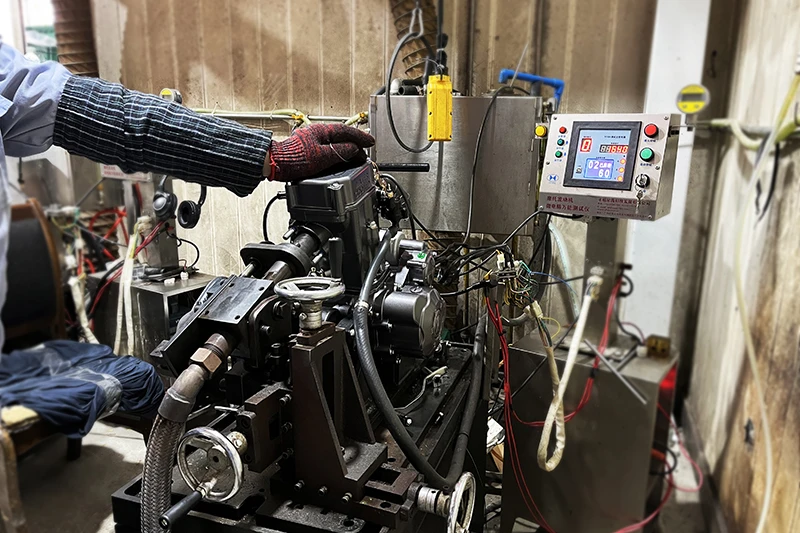
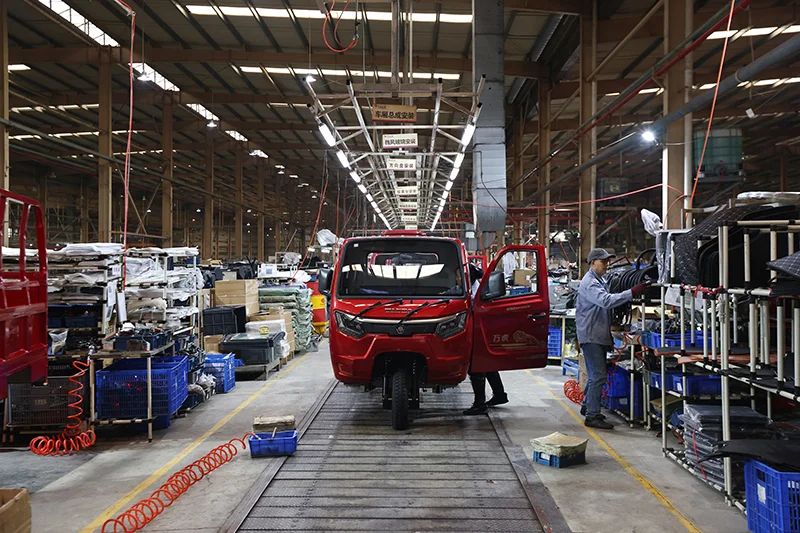
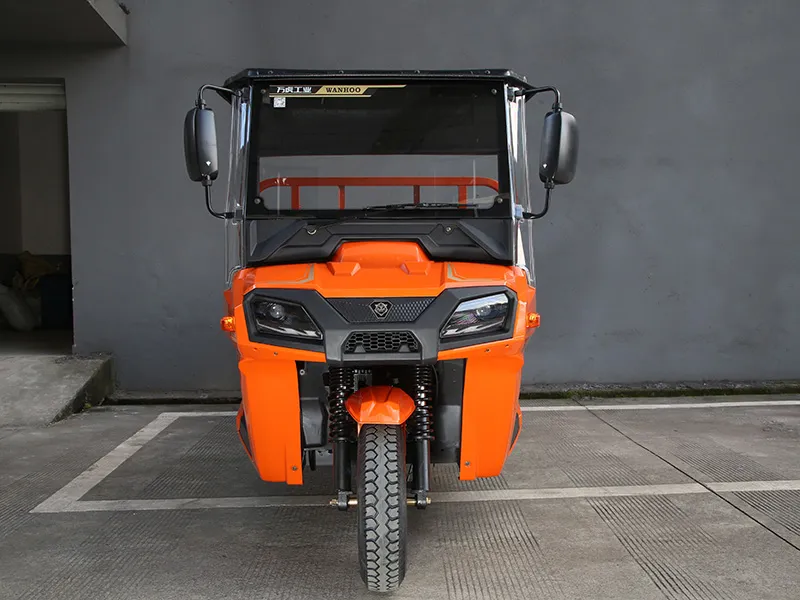
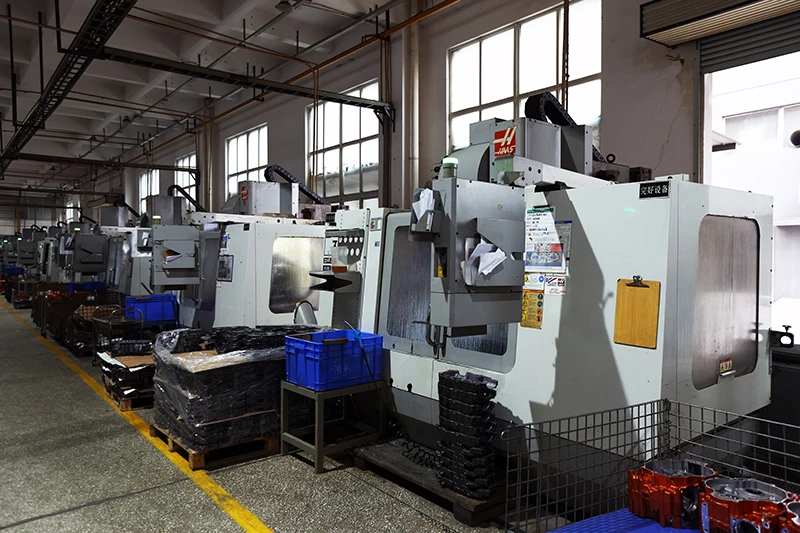
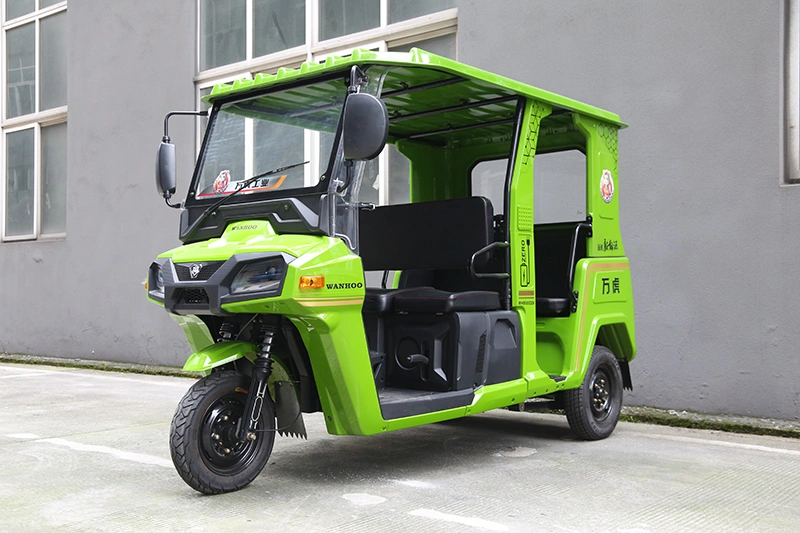
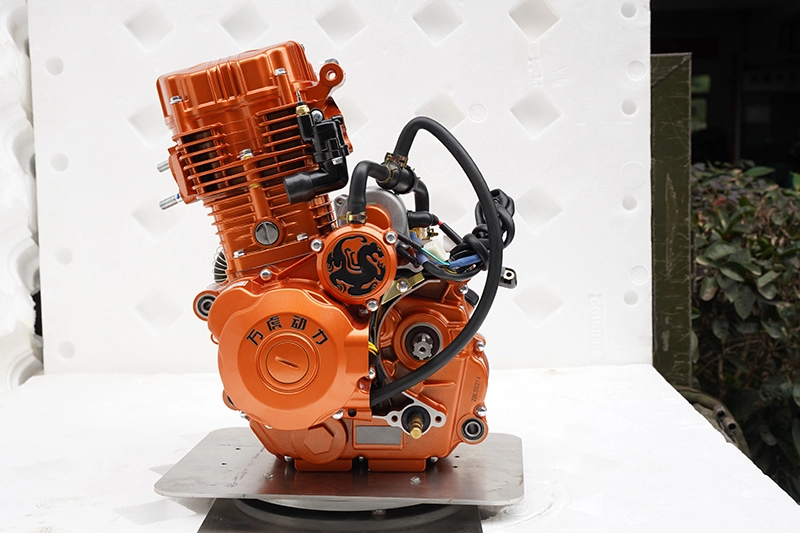
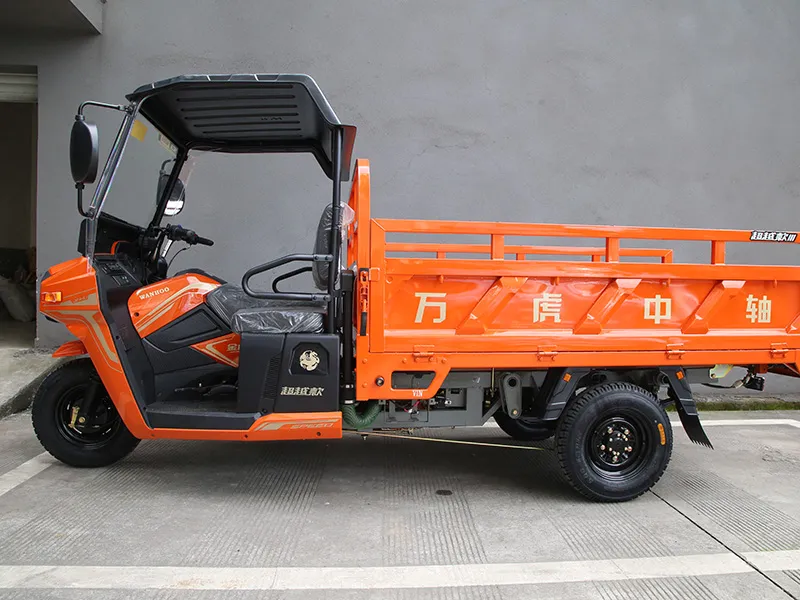
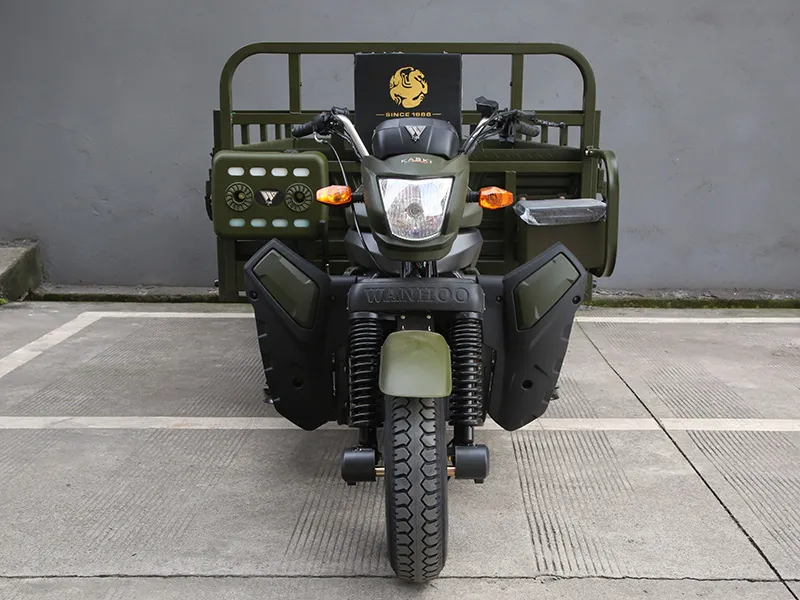
Wanhoo manufactures its own engines, frames, rear axles, and cargo boxes in-house across one 60,000-square-meter campus, so replacement parts stay consistent and traceable across a vehicle’s service life. Because the company that built the tricycle also holds the tooling and drawings, a spare is the same part, not a close guess from a rotating supplier.
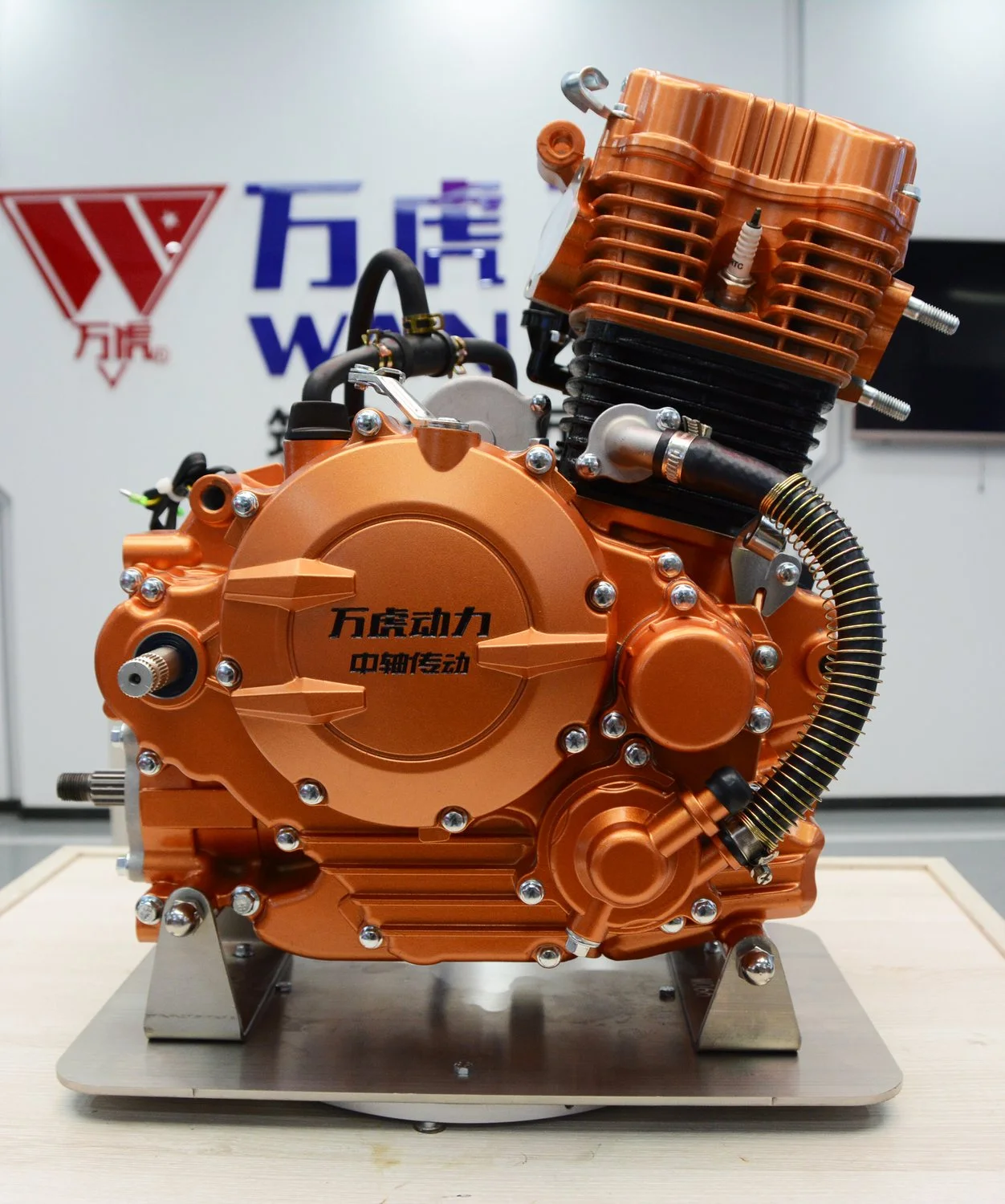
This is the first capability to name: Wanhoo pairs self-developed engines, machined on 21 imported CNC centers, with in-house parts production, so the components that fail most stay in stock and interchangeable. Its WH163ML-B and WH170MM-2B water-cooled engines are Wanhoo designs, not third-party units it has to chase parts for.
The second capability is serviceability by design. Wanhoo fits carburetors on standard models rather than electronic fuel injection, because a carburetor and a cheap rebuild kit can be serviced at the roadside by a local mechanic with hand tools, in markets where EFI diagnostic gear and trained technicians are scarce. EFI is available on request.
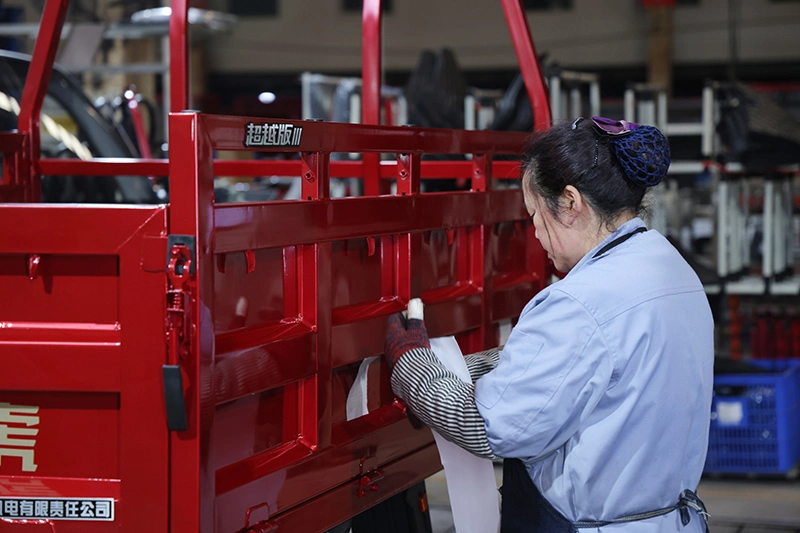
The third capability is cross-border support that has been tested. Wanhoo has exported to more than 60 countries across Africa, South America, and Southeast Asia since 1986, so its after-sales process has handled real distance, customs, and field conditions. That export record is what turns a parts promise into parts that actually arrive. For the parts side in detail, our three wheeler spare parts guide maps the wear items and a stocking plan.
Warranty vs After-Sales Support: What Is the Real Difference for a Fleet?
After-sales support is everything a supplier does once the vehicle is sold: supplying spare parts, answering technical questions, guiding repairs, and helping a distributor keep vehicles on the road. A warranty is a narrow legal promise about defects. After-sales support is the ongoing relationship that determines whether a fleet actually stays productive.
Strong suppliers treat support as a core business, not a favor. According to EY, aftersales parts, service, and accessories can account for a disproportionately large share of an automaker’s total profits, and demand for repairs holds steady even when new sales slow. A supplier that treats three wheeler after-sales support as a core business has every reason to keep you running.
For a fleet, this reframes the whole purchase. A generous cargo tricycle warranty on paper means little if parts take months and no engineer answers the phone. A shorter warranty backed by fast in-house parts and a supplier who knows your market will keep more vehicles earning across three hard years.
Warranty terms and support quality also track with build quality, so vet the whole supplier, not just the document. Our three wheeler maintenance guide covers keeping vehicles serviceable, and how to vet a three wheeler manufacturer walks through the checks that reveal a real factory behind the paperwork.
How Should You Evaluate Warranty and Support Before Ordering at Volume?
Buying at volume raises the stakes on every answer above, because a support weakness that annoys one owner can ground a whole fleet. Before committing to a container order, run a simple sequence that puts warranty and three wheeler spare parts support on equal footing with price and payload.
Evaluate a supplier in four moves: request the warranty term and exclusions in writing, ask whether spare parts are made in-house, confirm the typical parts lead time to your port, and request a recommended spare-parts kit for your first order. A supplier confident in its support answers all four without hesitation.
Wanhoo answers those questions directly, supplies in-house spare parts for consistent supply, and backs buyers across 60-plus countries with factory-direct FOB pricing from Chongqing. Request the current warranty term for your model, ask for a spare-parts kit with your first order, and confirm lead times to your port before you commit.
The right supplier makes the warranty document almost boring, because parts arrive fast, the engine is theirs to support, and a technician actually answers. That is what fleet buyers should demand, and it is what keeps vehicles earning long after the warranty term has quietly expired.
Frequently Asked Questions
**What does a three wheeler warranty typically cover?**
A three wheeler warranty covers repair or replacement of components that fail from defects in materials or workmanship within a set term. It usually excludes wear parts like filters, tires, and clutch plates, plus damage from accidents, poor maintenance, or overloading. Ask each supplier for the exact term, component list, and exclusions in writing before you order.
Is the warranty or after-sales support more important for a fleet?
After-sales support matters more for a fleet. A warranty only reimburses the price of a failed part, while downtime waiting for that part costs $50 to $200 per day per vehicle in lost revenue. Fast spare-parts supply and technical help protect uptime, which is where a fleet actually makes or loses money over the years.
How long is the Wanhoo three wheeler warranty?
Warranty terms vary by model and market, so request the current term directly from Wanhoo rather than assuming a figure. More useful for a fleet is confirming that spare parts are made in-house for consistent supply, that lead times to your port are short, and that a spare-parts kit can ship with your first order.
Why does in-house parts manufacturing improve after-sales support?
A vertically integrated maker like Wanhoo produces its own engines, frames, and driveline parts, so it holds the tooling and drawings for every vehicle it ships. Replacement parts stay consistent and available instead of vanishing when a third-party supplier changes, which is what strands fleets that bought from assembly-only importers two years earlier.
What should I ask a supplier about three wheeler spare parts support?
Ask whether parts are made in-house or bought in, the typical lead time to your port, whether the engine uses a serviceable carburetor or EFI, and whether the supplier offers a recommended spare-parts kit. Answers to these reveal real three wheeler spare parts support far better than the warranty length alone.
Does a carburetor or fuel injection affect after-sales serviceability?
Yes. Wanhoo fits carburetors on standard models because a carburetor and a cheap rebuild kit can be serviced at the roadside with hand tools, in markets where EFI-trained mechanics and diagnostic equipment are scarce. This keeps fuel-system repairs fast and cheap, with electronic fuel injection available on request for operators who prefer it.