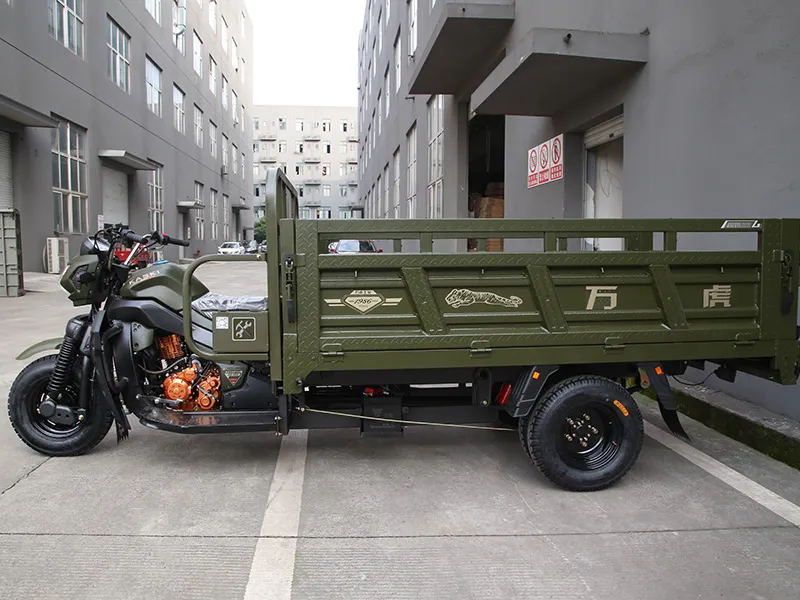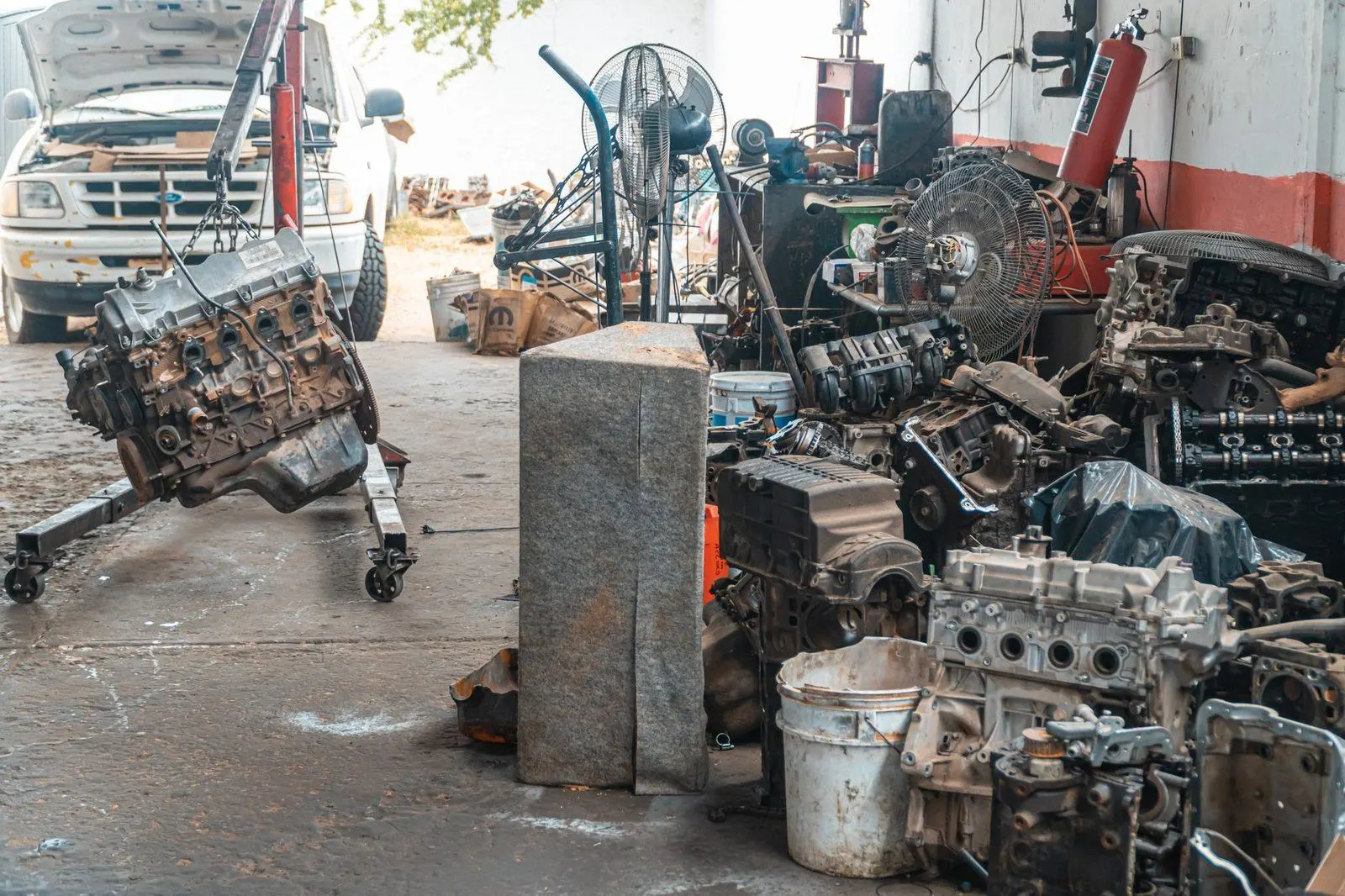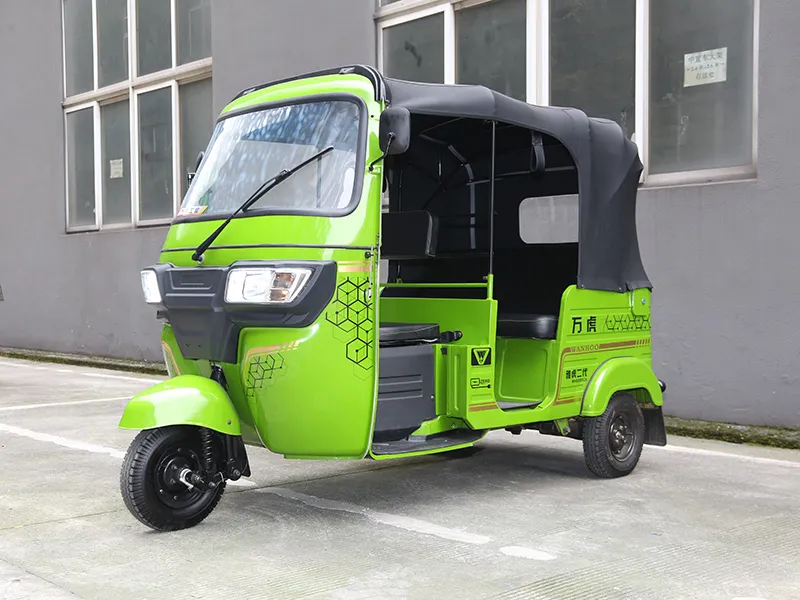
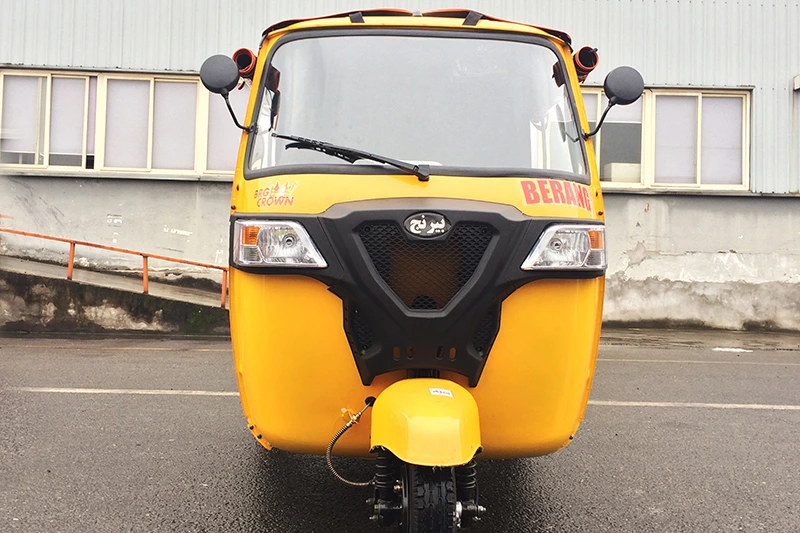
Assess three-wheeler demand with a local, dated evidence set before ordering: registrations and observed use, buyer interviews, route and load data, energy and charging conditions, roads, current official rules, competing offers, and service capacity. These signals reduce uncertainty but do not guarantee sales.
A full container is sitting at the port, and the vehicles inside are not the ones your buyers keep asking for. The cargo box is the wrong shape, the engine runs hot on local climbs, and a cheaper rival already sells what the street actually wants. That mismatch started months before the ship did.
Demand is not a feeling you carry into a supplier meeting. It is a hypothesis tested with local evidence from streets, buyers, energy supply, official rules, competitors, and repair networks. The result should define what is known, what is inferred, and what still needs a trial.
What does reading three-wheeler demand actually mean?
Reading demand means estimating what a specific market may absorb before money leaves your account. Buyers may weigh price, financing, configuration, service, brand, regulation, route fit, and expected operating cost differently. Document those criteria through research rather than assuming daily earnings always decide the purchase.
The cost of guessing wrong is specific and heavy. A container of the wrong build does not quietly wait for the right buyer to appear. It depreciates in your yard, ties up the capital you need for the next shipment, and slowly trains your customers to trust a competitor who read the same market more carefully.
Fortune Business Insights publishes a commercial global growth forecast. It is one model with its own definitions and assumptions, not evidence that a specific country, segment, or configuration will grow or that an importer will sell through inventory.
What are local operators already buying, and why?
Observed vehicles are one useful signal, but they mix current demand with historical availability, financing, policy, and incumbent dealer strength. Count registrations and active use where possible, interview operators and buyers, and treat any proposed configuration as a hypothesis to test rather than something to copy automatically.
Measure the local split between cargo and passenger work by use case, route, licence class, vehicle age, and purchase intent. Street counts alone cannot show whether a configuration is legal, profitable, replaceable, or already oversupplied.
Ask why operators chose a box size, engine, or seating layout and what they would change. A common configuration may reflect route fit, but it may also reflect past supply or finance constraints. Validate the reason with multiple evidence sources.
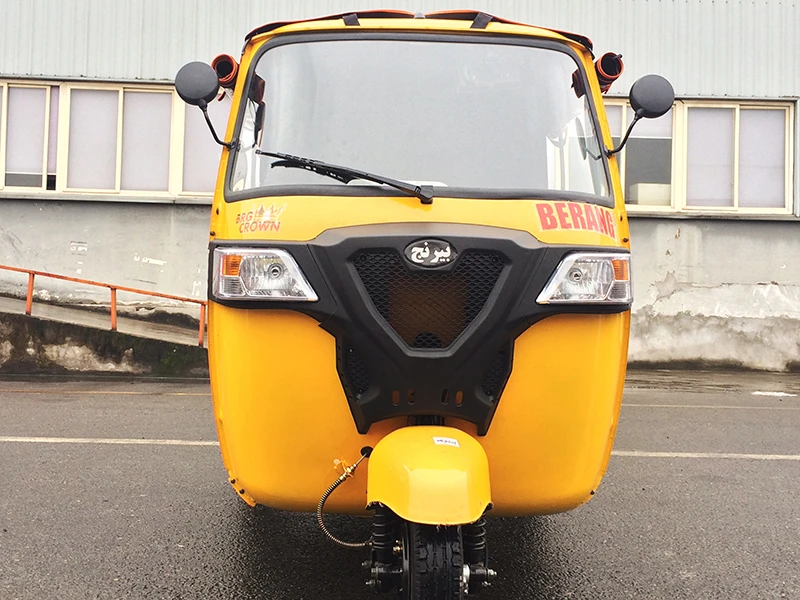
Demand may vary with harvests, market days, festivals, weather, and other local cycles. Use a sufficiently representative period and label seasonality as a hypothesis until the records support it. Regional context, such as this Southeast Asia three-wheeler market article, still requires country- and city-level verification.
Is electric viable in your market, or just fashionable?
Electric is the loudest trend in this category, but a trend is not demand until local conditions support it. The real questions are narrow and answerable: what does fuel cost here, where do drivers charge, and how long is a working shift between charges. Answer those honestly before you read a single electric spec sheet.
The IEA Global EV Outlook 2026 reports strong electric two- and three-wheeler sales and high electric three-wheeler share in India. Those global and India-specific figures do not establish adoption, buyer motivation, or charging readiness in another country.
Energy price can influence local interest, but it is only one input. The Star reported fuel pressure among Phnom Penh tuk-tuk drivers in March 2026. Treat that as a local episode, not proof that another market will switch powertrains.
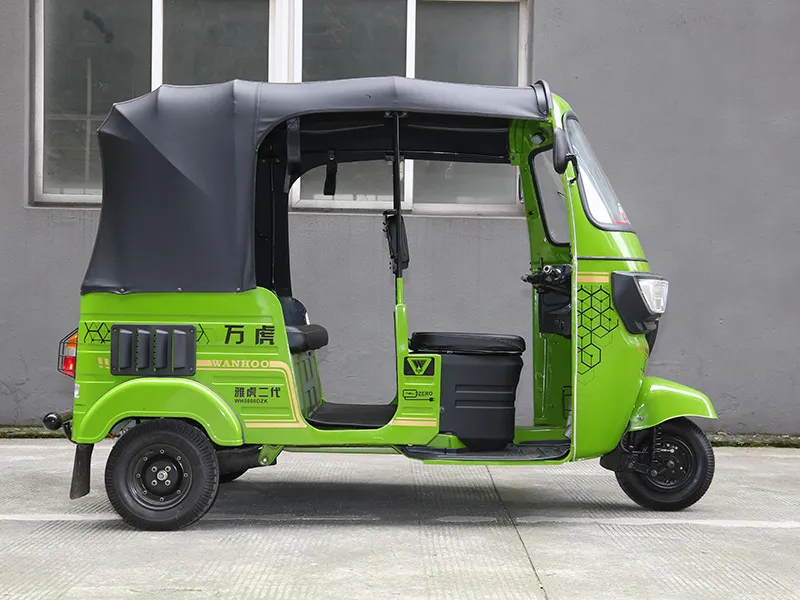
Charging access is one viability gate. Measure grid reliability, site permissions, charger compatibility, safe installation, tariff, battery terms, usable range under local load and climate, charging time, and service support. Battery swapping or removable batteries do not by themselves guarantee all-day operation. The complete guide to electric three-wheelers is supplementary to local technical and regulatory review.
What do your roads and terrain dictate about the vehicle?
Roads and duty cycle inform the specification, but the correct response must come from manufacturer ratings and engineering review. Record surface, grade, temperature, water exposure, legal dimensions, normal load, peak load, speed, distance, and service access before selecting a configuration.
Heat, grades, load, and environment affect performance and durability. Do not infer an engine, cooling system, suspension, or coating from a generic rule; provide the duty-cycle data to the manufacturer and verify the proposed configuration's documented limits.
| Local condition to document | Questions for the manufacturer and local technical review |
|---|---|
| Rutted tracks and potholes | Is clearance, suspension, axle, wheel, tire, and speed rating suitable for the measured route? |
| Long climbs and heavy loads | What are the documented gradeability, payload, cooling, braking, and ambient-temperature limits? |
| Dense city and narrow lanes | Are dimensions, turning circle, visibility, emissions, noise, and route access compliant? |
| Coastal salt air or mine mud | What corrosion protection, cleaning, inspection, and exclusions apply? |
| Bulky versus dense cargo | Does the box, floor, tie-down system, axle load, and centre of gravity fit the measured load? |
Measure actual loads and routes, then choose only within the manufacturer's rated payload, axle, grade, braking, and operating limits and local law. Do not apply an unsupported rule such as specifying “one step above” the observed load.
Which way are the local rules moving?
Regulation can affect importability, registration, route access, licensing, emissions, safety equipment, finance, and charging. Check current official texts, effective dates, transitional rules, enforcement guidance, and product conformity with qualified local advisers before ordering.
A CleanTechnica article reported a Philippine road-access change in late 2025. Because it is a secondary report about a specific jurisdiction and date, verify the current national and local rules directly with the responsible authorities before relying on it.
Do not assume a restriction will widen or an incentive will spread. Monitor official consultations, gazettes, regulator notices, and implementation guidance. Operator, dealer, and association views can inform scenarios, but they are not a substitute for current law.
After the sale, can your buyers get parts?
Importers and local dealers may carry after-sales responsibilities under their contracts and local law. Parts and service capacity can influence downtime, warranty outcomes, reputation, and repeat purchase, so define the support path before ordering.
DigitalTransport4Africa describes the large role of informal transport in some African cities. It does not quantify three-wheeler downtime or prove a buyer's lost income. For import planning, map parts demand and lead time from the exact configuration and local service records.

Map the parts and service chain for the exact configuration: specified wear items, approved stock, diagnostic tools, qualified technicians, warranty responsibility, and urban and rural lead times. Include those verified costs in the comparison.
Wanhoo was founded in 1986. It supplies buyers in more than 50 countries. Our practical recommendation is to document the market, duty cycle, regulation, competing offers, and service plan before requesting a final configuration or quote.
Where commercially and operationally feasible, consider a limited pilot rather than treating a full forecast as certainty. Define success criteria, support needs, compliance, customer consent, warranty handling, and a stop rule before the pilot. Order size remains a financial and regulatory decision for the importer.
Update the evidence after a pilot or sales period. Actual inquiries, conversions, use, service events, and repeat orders can refine the hypothesis, but one short period may be distorted by seasonality, promotions, or supply constraints.
Frequently Asked Questions
### How do I read three-wheeler demand before importing?
Build a dated evidence set: registrations and observed use, buyer and operator interviews, cargo versus passenger demand, route and load data, energy and charging access, roads, current official rules, competing offers, and service capacity. State what is known, inferred, and still untested.
Should I import cargo or passenger three-wheelers?
Measure both segments by registrations, active use, purchase inquiries, route legality, load or passenger needs, competition, service support, and willingness to pay. Street counts alone cannot establish the safest order or quantity.
How do I know if electric three-wheelers will sell in my market?
Measure grid reliability, site permissions, charger compatibility, tariff, battery terms, usable range under local load and climate, charging time, service capacity, route distance, and buyer demand. Global or India-specific adoption figures do not prove viability in another country.
Why do parts availability and after-sales matter before I import?
Parts and service affect downtime, warranty performance, and repeat purchase. Map wear items, stock, technician capability, diagnostic tools, lead time, warranty responsibility, and rural coverage for the exact configuration, then include that plan in the offer.
How large should my first three-wheeler order be?
There is no universal quantity. Base it on compliance, financing, validated inquiries, service capacity, inventory risk, seasonality, and a defined pilot or stop rule. A limited pilot may reduce uncertainty where feasible, but it does not guarantee scale demand.
What market signals predict three-wheeler demand?
Useful signals include registrations, observed use, buyer interviews, inquiries and conversions, route and load data, competing offers, energy and charging conditions, roads, current official rules, seasonality, and service capacity. Weight them by source quality and date; none guarantees sales.