Three wheeler financing covers how a fleet buyer pays for an order: trade payment terms, plus buyer-side asset finance and leasing options.
A buyer in Lagos knows exactly which cargo tricycle his market wants, has drivers lined up, and still stalls at one question: how do you pay for forty units before the first one earns a naira? Choosing the vehicle is the easy part. Funding the order, and the freight and duty behind it, is what stops fleets from scaling.
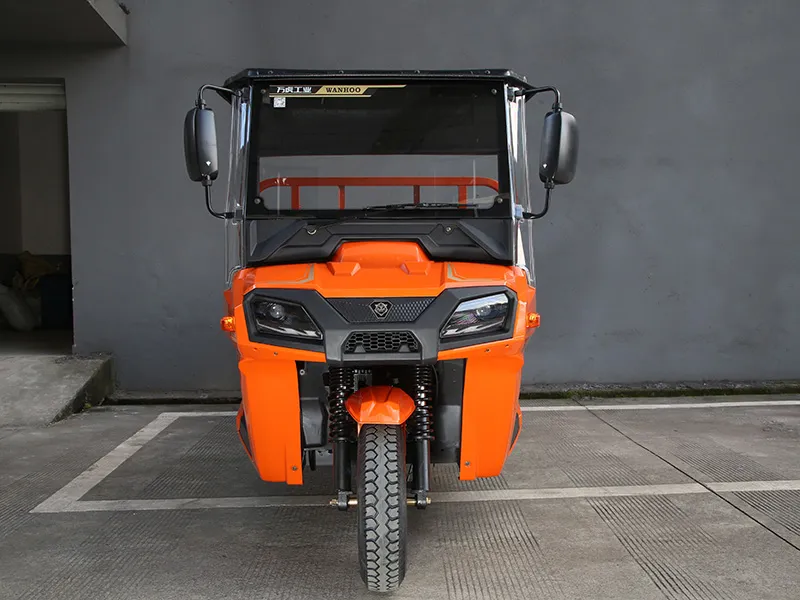
Three wheeler financing is more approachable than most first-time buyers assume, precisely because the asset is cheap, productive, and quick to pay back. A unit that starts at $830 FOB and earns money daily is far easier to fund than a truck ten times the price. The real obstacle is usually knowledge, not capital.
According to the World Bank, small and medium enterprises make up around 90 percent of all businesses and more than half of global employment, yet face a finance gap in the trillions of dollars across emerging markets. Fleet operators buying three-wheelers sit squarely inside that gap, and the guidance below is written for them.
What does a three-wheeler fleet actually cost to buy?
The number on the quote is the FOB price, and it is only the start of the bill. A three-wheeler fleet’s real cost is the landed cost: the FOB price plus ocean freight, insurance, import duty, port charges, inland transport, and registration. Budget the FOB figure alone and the order stalls at customs.
Landed cost is the total price of getting a three-wheeler from the factory gate to your yard, ready to register: the FOB price plus ocean freight, marine insurance, import duty, port and clearing fees, and inland delivery. On a low-cost vehicle, freight and duty together can add tens of percent to the FOB figure.
Container efficiency is where a supplier quietly lowers that landed cost. Wanhoo supports SKD shipping at 24 units per 40HQ container, the loading density that spreads fixed freight across more vehicles and trims the per-unit cost your lender funds. The cheaper FOB price is not always the cheaper landed price, as our container import guide shows.
What payment terms do three-wheeler exporters use?
Before any financing enters the picture, you and the supplier agree how the money moves. International trade runs on a handful of standard payment terms, each splitting risk differently between buyer and seller. The three you will meet ordering three-wheelers are telegraphic transfer, the letter of credit, and, for trusted relationships, open account.
The most common structure for a first order is a bank wire, or telegraphic transfer (TT): the buyer pays a deposit to start production, then the balance once goods are ready or against shipping documents. It is fast and cheap, but the deposit sits at risk until the supplier is vetted. Confirm the exact split before you sign.
A letter of credit is a written promise from the buyer’s bank to pay the seller once the seller presents shipping documents that match the agreed terms. It replaces trust in the buyer with the creditworthiness of a bank, which is why it suits larger orders or brand-new supplier relationships where neither side has history.
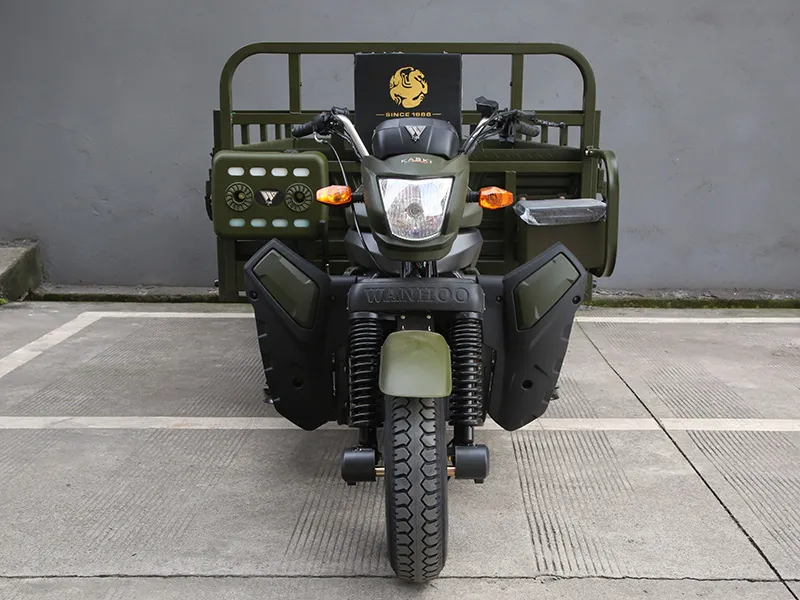
According to the International Trade Administration, a letter of credit is a commitment by a bank on behalf of the buyer that payment will be made to the exporter, provided the terms and conditions stated in the letter of credit have been met. It protects both parties at once.
For a first three-wheeler order, a TT deposit with the balance against shipping documents keeps costs low, while a letter of credit adds bank protection for larger sums. Open account and consignment shift risk onto the seller and are usually reserved for repeat buyers with a proven payment track record.
What are your three-wheeler financing options?
Payment terms decide how you pay the supplier; financing decides where that money comes from. The table below sets out the main three wheeler financing options a fleet buyer can combine, from paying cash to leasing, with the trade-off each one carries. Most buyers blend two or three of these rather than relying on a single source.
| Option | How it works | Best for |
|---|---|---|
| Cash / own capital | Pay the FOB deposit and balance from working capital | Small trial orders; avoiding interest cost |
| Telegraphic transfer (TT) | Deposit to start production, balance before or on shipment | Most first orders; lowest transaction cost |
| Letter of credit (LC) | Buyer’s bank guarantees payment against compliant documents | Larger orders; new supplier relationships |
| Bank / SME loan | A general business loan funds the landed cost, repaid over time | Buyers with banking history and collateral |
| Asset finance | Loan secured against the three-wheelers themselves | Fleets preserving working capital |
| Leasing (finance or operating) | Rent the vehicles; own or return them at term end | Operators wanting a low upfront outlay |
Asset finance is borrowing tied to the value of a physical asset, where the vehicles you are buying act as the security for the loan. Because the lender can recover the asset if you default, approval leans on the asset’s value rather than on a long company credit history, which suits younger fleet businesses.
According to the Corporate Finance Institute, loans given out through asset financing are determined by the value of the assets themselves, which makes them easier and faster to obtain and a workable alternative when a company cannot secure traditional financing.
Asset finance fits a three-wheeler fleet well because each vehicle is a discrete, resaleable asset with a clear market value. A lender can secure the loan against the units, you spread the cost over months while the fleet earns, and your working capital stays free for fuel, wages, and spare parts.
Should you buy outright or lease a three-wheeler fleet?
Buying outright hands you the asset and every dollar it earns, but ties up capital that could fund fuel, drivers, or a second batch. Leasing keeps that cash free and turns a large purchase into predictable monthly payments. The right answer depends on your cash position, tax rules, and how long you plan to keep each vehicle.
Leasing lets an operator run three-wheelers without buying them outright. In a finance lease you effectively own the vehicle and can buy it at term end; in an operating lease you rent it, keep maintenance responsibilities lighter, and hand it back. Both swap a large upfront payment for predictable monthly cost.
According to GoCardless, a finance lease lets the customer hire an asset and use it for most of the asset’s lifespan, while an operating lease lets the customer hire an asset for business use without taking on the responsibilities of ownership. Fleet buyers use both models.
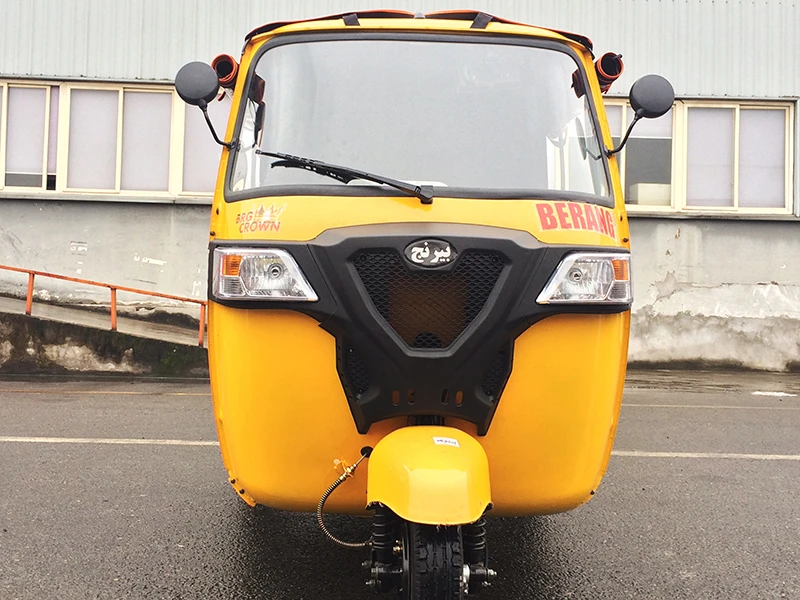
There is a second layer of leasing that fleet owners run themselves. Many operators import the vehicles, then hire-purchase individual units to drivers, who repay from daily earnings until they own the tricycle. That turns one financed order into a stream of driver payments, common across passenger-taxi fleets. Ask Wanhoo for a quote you can take to your bank.
Why is three-wheeler financing easier than for larger vehicles?
A three-wheeler is one of the most financeable commercial vehicles on the market, and the reasons are structural. The unit cost is low, the payback is fast, and the minimum order is small. Each of those factors lowers the sum a buyer must raise and shortens the time a lender waits to be repaid.
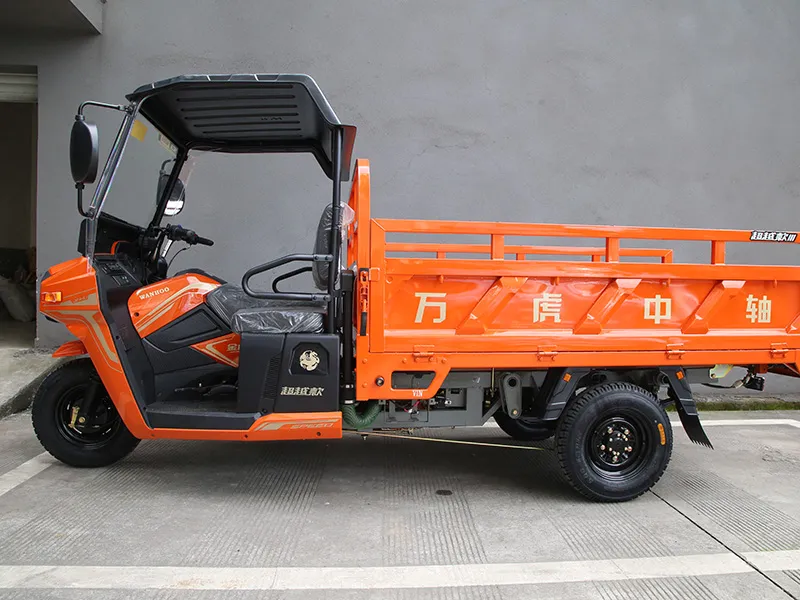
Wanhoo prices its range from $830 FOB for the Q1 up to $1,450 for the KINGTIGER flagship, the low unit cost that keeps a ten-vehicle starter fleet inside a modest credit line rather than a corporate loan. A cheaper asset is a smaller risk to the lender, and a smaller risk is a faster approval for the buyer.
Fast payback is what makes three wheeler financing close to self-liquidating. A cargo or passenger tricycle earning daily on delivery or taxi routes can generate enough net income to cover its own installments, so the asset largely pays for itself. That earning power is exactly what a lender wants to see behind a loan.
Wanhoo sets a low MOQ from 10 units, the differentiator that lets a first-time buyer finance a small trial batch instead of a full container. A ten-unit order proves the model in your market, builds a payment record with the supplier, and de-risks the larger financed order that follows. Our three-wheeler taxi price guide helps you model the returns.
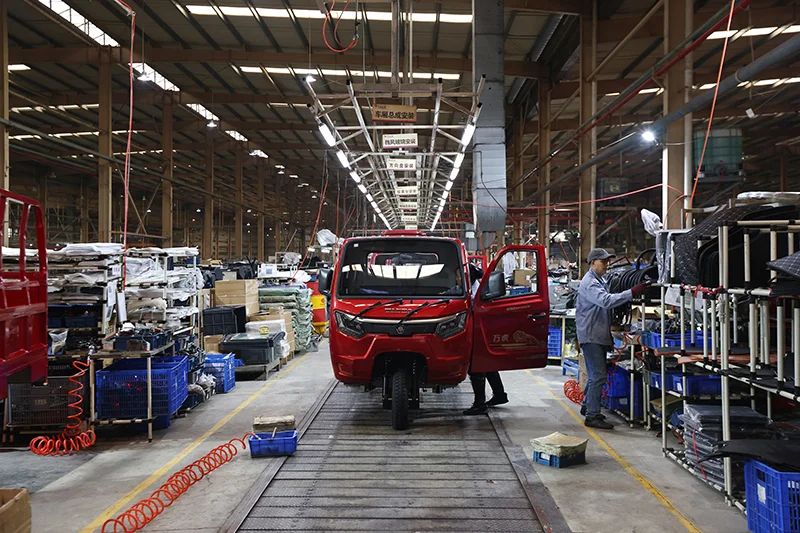
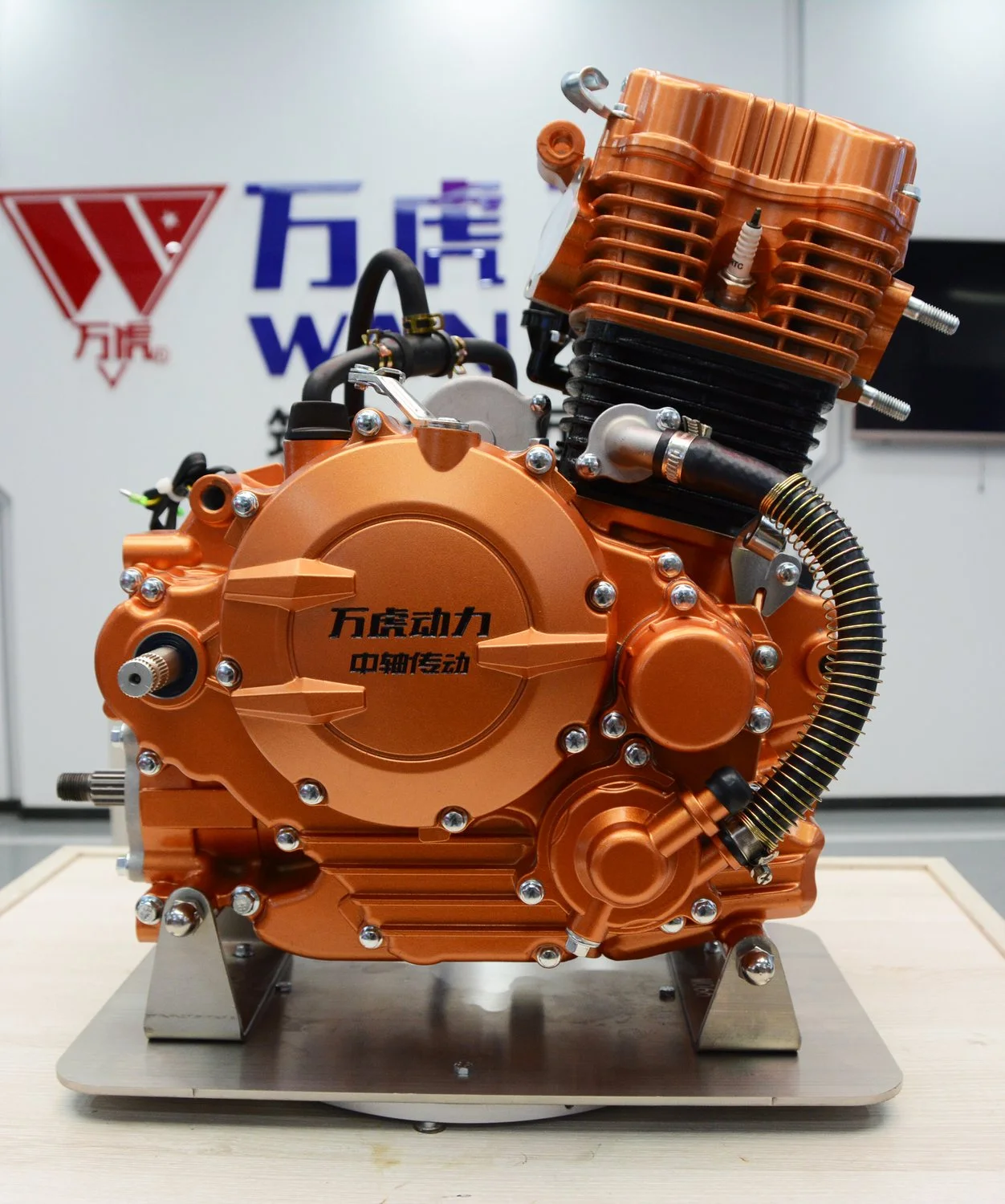
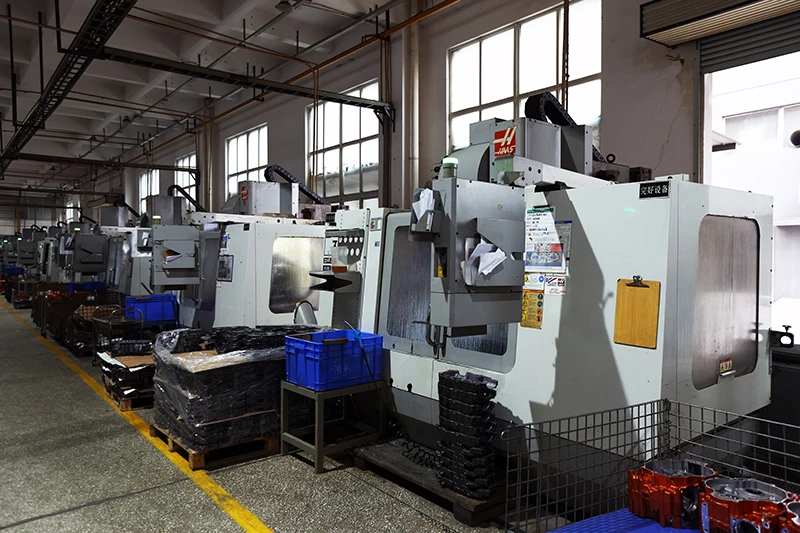
Resale value underpins any asset-backed deal, and durability protects resale value. Wanhoo builds its own engines, frames, rear axles, and cargo boxes in one plant, the vertical integration that keeps quality consistent and second-hand demand strong. A vehicle that holds its value is better collateral for a loan and a safer unit to put on a lease.
How should you fund and structure your first order?
Start with the landed-cost budget, not the FOB quote. Add freight, insurance, duty, clearing, and registration to the FOB total, then decide how much you can cover from cash and how much needs a loan or lease. A three-wheeler fleet lives or dies on that number, so build it before you commit.
Match the payment term to the order size. A small first batch on TT deposit keeps costs and complexity low; a larger order justifies a letter of credit and its bank protection. Whichever term you choose, agree the deposit and balance split with the supplier in writing, and never wire a deposit before verifying the factory.
To be clear on one point, Wanhoo quotes factory-direct FOB prices on standard trade terms and does not run its own buyer-financing program. Arrange the financing itself through your own bank, a local lender, or a leasing company, and read the total picture in our total cost of ownership guide before you borrow against the fleet.
The practical path is straightforward. Request a quote and full price list, ask for container loading figures to model landed cost, take that budget to your bank or lender, and confirm the payment terms with the supplier directly. Fund the fleet on a realistic five-year view of what it earns, and the order pays for itself.
Frequently Asked Questions
### What is three wheeler financing?
Three wheeler financing is how a fleet buyer funds and pays for a tricycle order. It combines trade payment terms with the supplier, such as a TT deposit and balance or a letter of credit, with buyer-side funding like a bank loan, asset finance, or leasing arranged through your own lender. Confirm exact payment terms directly with the supplier.
What payment terms do three-wheeler suppliers accept?
Most three-wheeler exporters work on telegraphic transfer, a deposit to start production with the balance before or against shipment, or on a letter of credit for larger orders. Documentary collection and open account exist but are usually reserved for established relationships. The precise deposit and balance split is set with each supplier, so agree it in writing before ordering.
Can you get asset finance or a loan for imported three-wheelers?
Yes. Because each three-wheeler is a discrete asset with a clear resale value, lenders can secure a loan against the units themselves through asset finance. Approval leans on the asset’s value rather than a long credit history, which suits younger fleet businesses. You arrange this through your own bank or a local finance company, not through the manufacturer.
Is it cheaper to buy or lease a three-wheeler fleet?
Buying outright is usually cheaper over the vehicle’s full life and hands you every dollar it earns, but ties up capital. Leasing costs more in total yet preserves cash and turns the purchase into predictable monthly payments. For high-mileage taxi and delivery fleets, many operators buy and then hire-purchase units to individual drivers.
What is the minimum order to start a three-wheeler fleet?
Wanhoo sets a low MOQ from 10 units, which lets a first-time buyer finance a small trial batch instead of a full container. A ten-unit order is cheap enough to fund from working capital or a modest loan, proves the model in your market, and builds a payment record that makes the next, larger order easier to finance.
How do you budget the full cost of importing three-wheelers?
Budget the landed cost, not just the FOB price. Add ocean freight, marine insurance, import duty, port and clearing fees, inland transport, and registration to the FOB total. On a low-cost vehicle, freight and duty can add tens of percent, so ask the supplier for container loading figures and a full price list before you model returns.